Gray TV Wall Units
If you're looking for a TV stand that will help you keep your living room organized and looking great, consider a gray TV wall unit. These are available in many different sizes and styles, so you can find one that works with the rest of your decor. Here are some of the best options available today.
Sort
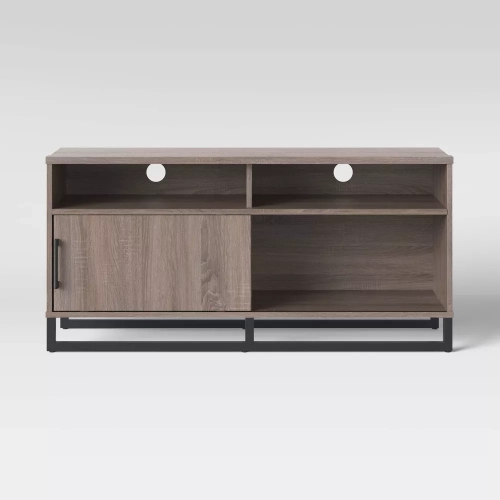
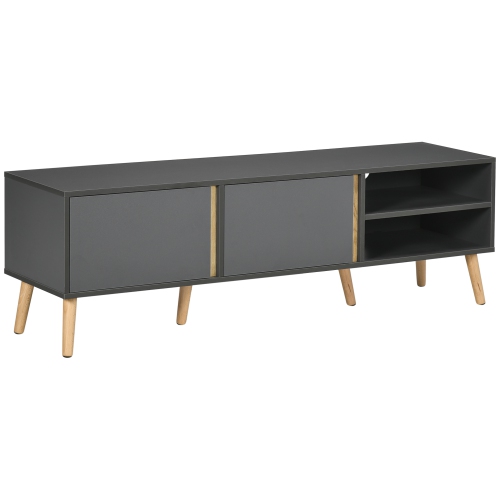
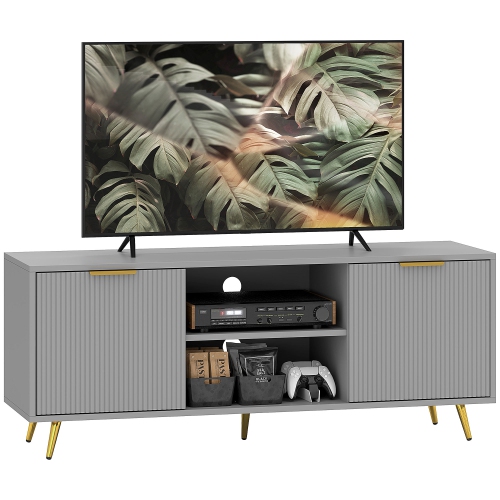
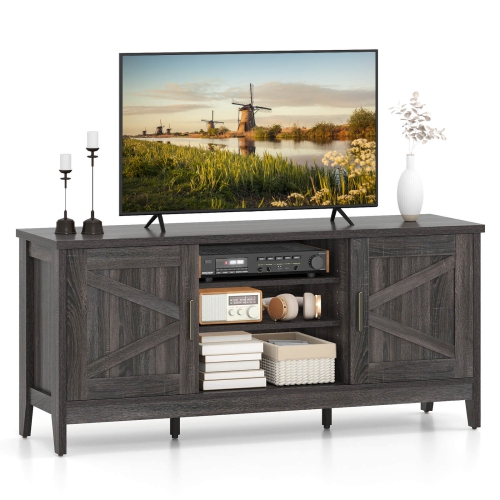



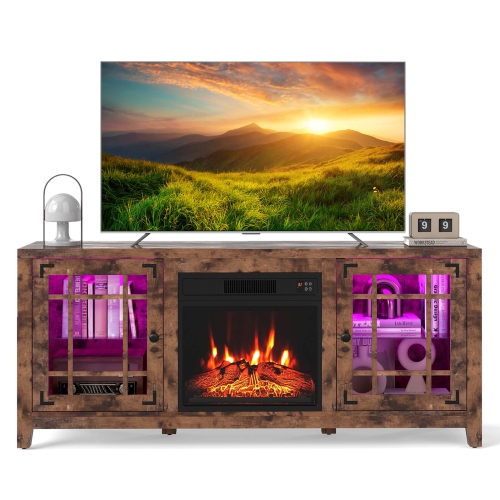
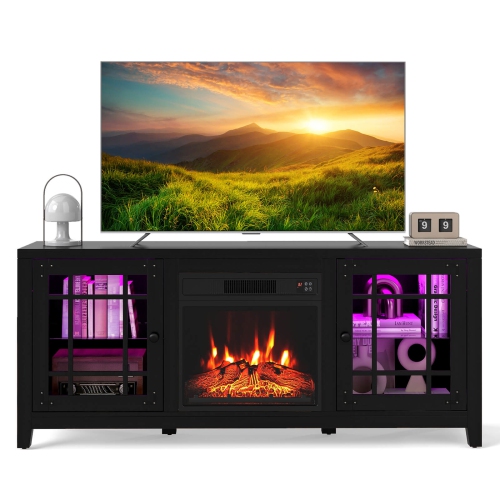
Storage, sizing, and layout tips for your media space
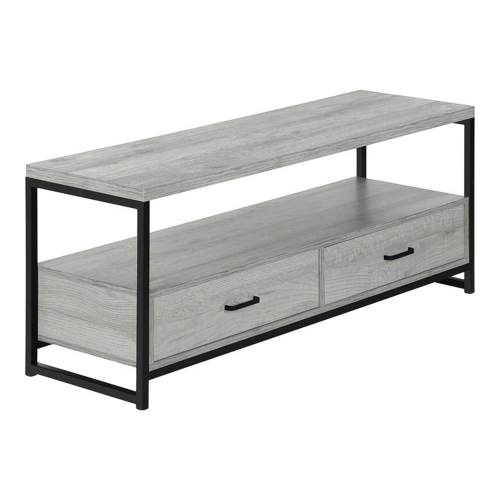
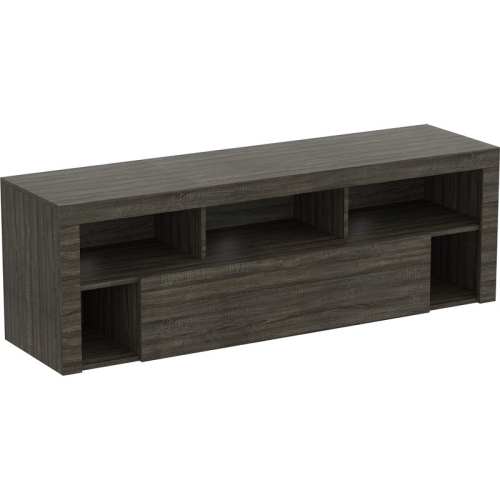
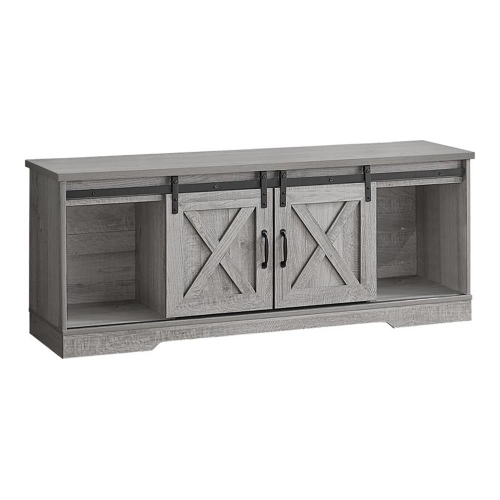
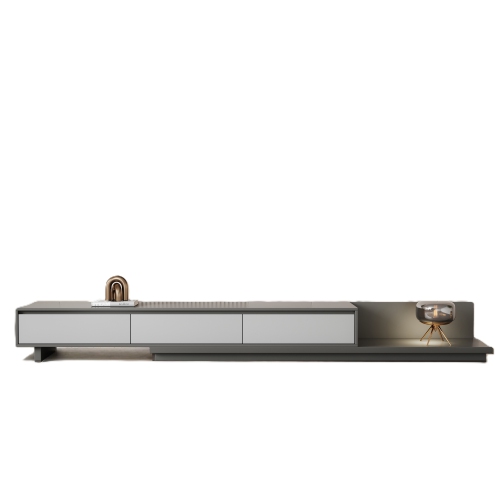
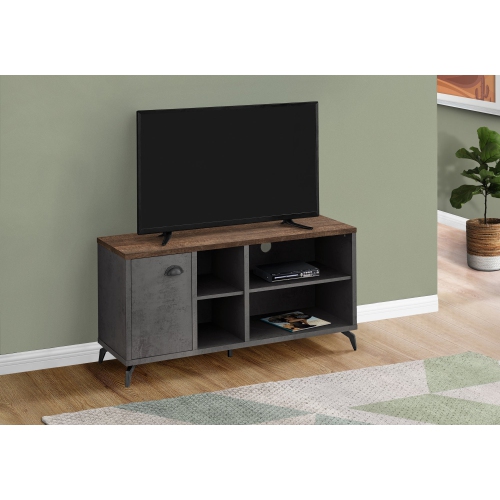
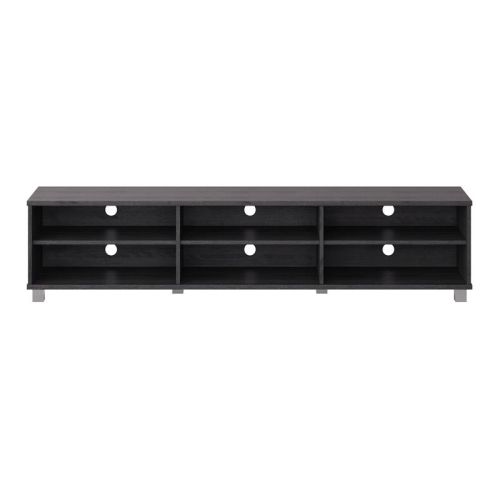
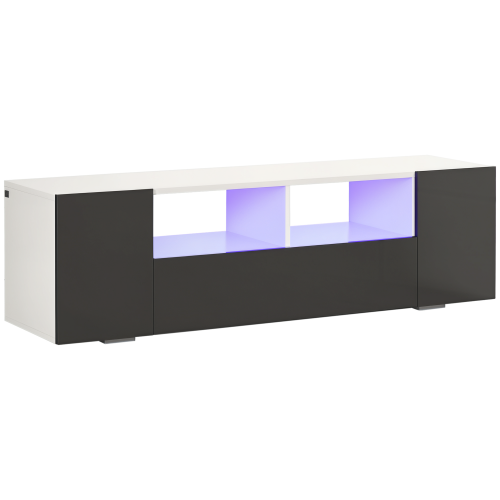
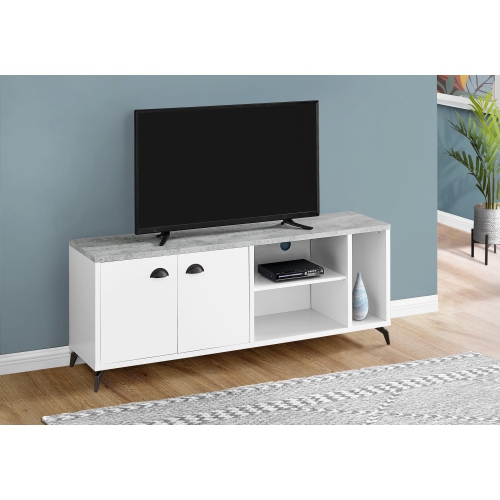
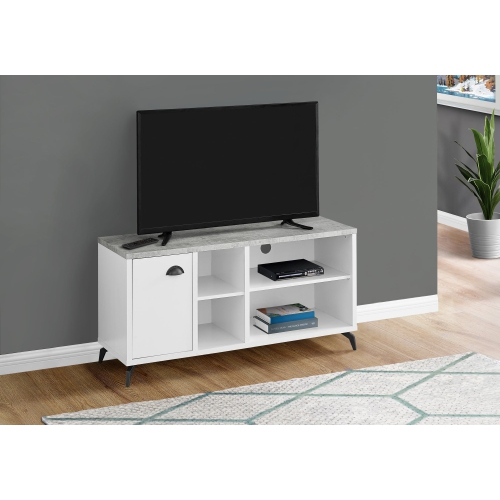
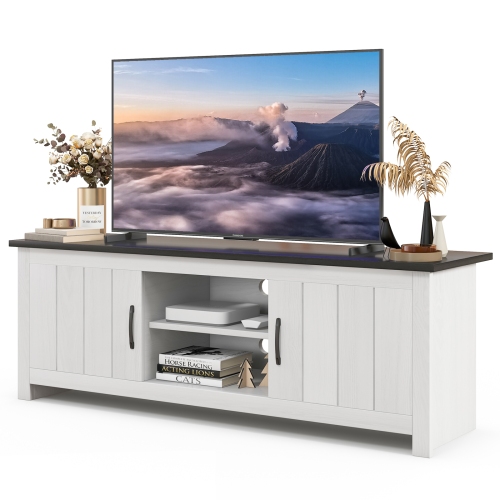
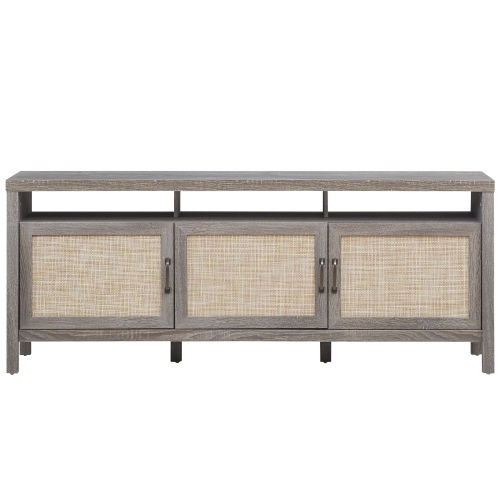
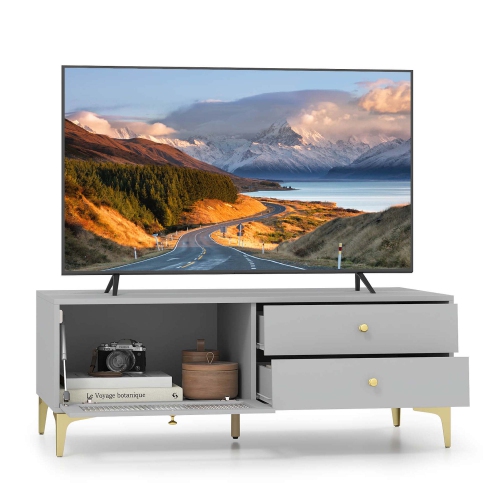
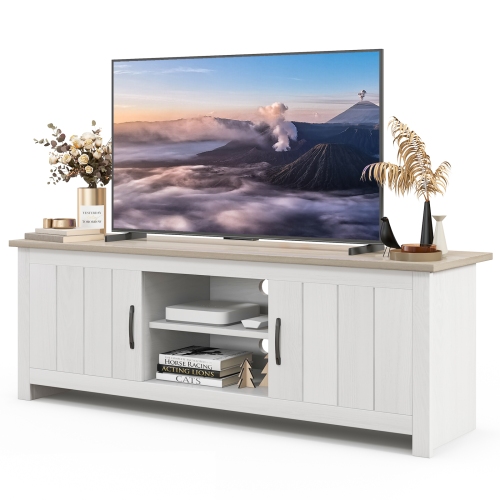
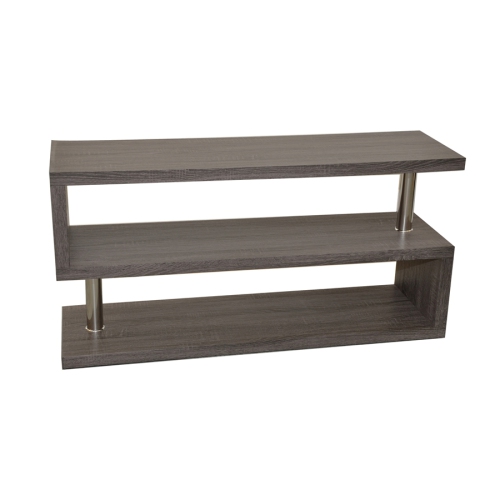
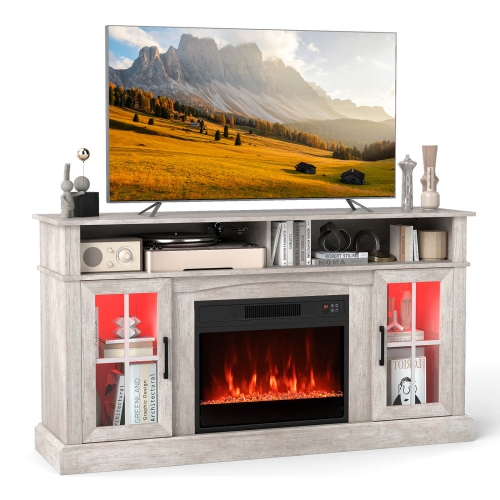
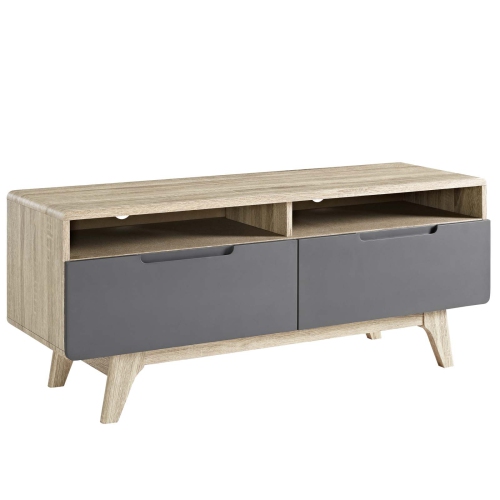
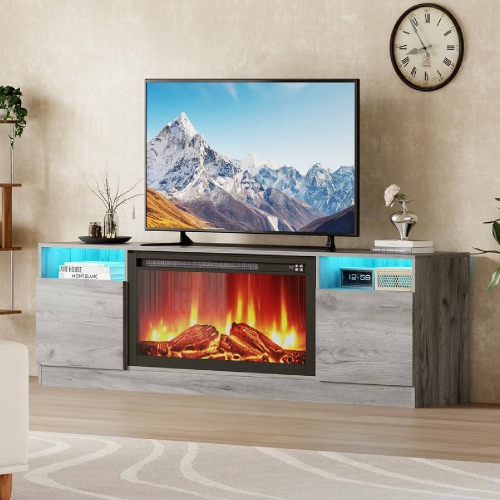
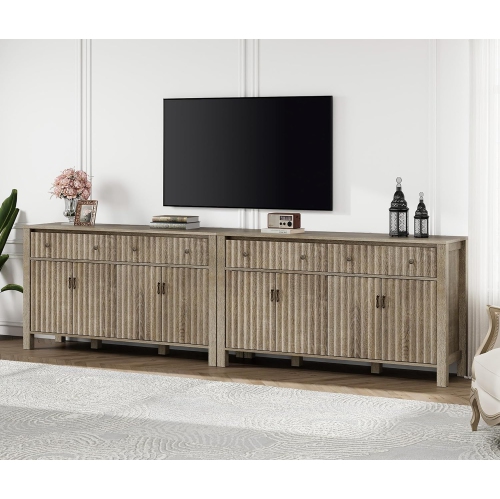
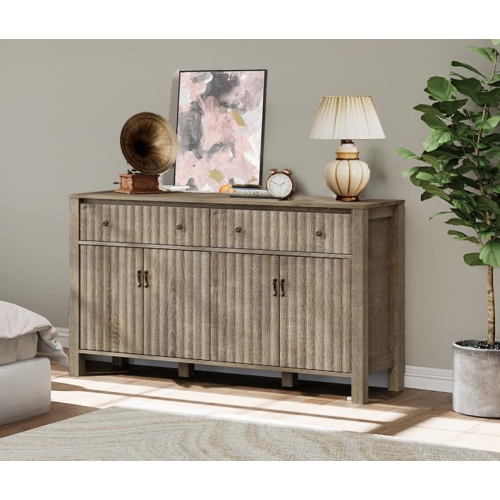
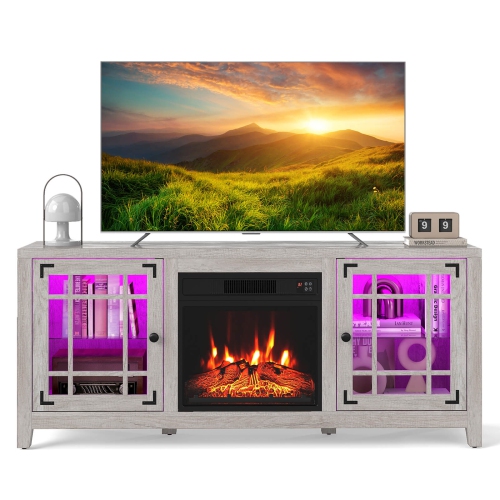
Gray TV wall units bring structure, storage, and a polished finish to the area where people gather to watch films, follow sports, play games, or stream shows. Their neutral colour works with a wide range of interiors, from rooms with pale walls and light flooring to spaces decorated with deep wood tones, black accents, or soft upholstery. Depending on the design, a gray TV wall unit may be a floating console mounted directly to the wall, a floor-standing media centre, or a larger entertainment centre with side cabinets, open shelving, drawers, and upper storage that frames the television. This variety makes it easier to choose an arrangement that suits the room rather than forcing the room to revolve around a single style. A floating unit can keep the floor visible beneath it, creating a lighter appearance and making it simpler to sweep or vacuum around the media area. A floor-standing design can provide a reassuring sense of stability and may offer more room for consoles, speakers, remotes, game accessories, books, or decorative pieces. Larger wall units can help define an open-concept living room by giving the television a clear focal point, while a compact console may be better suited to a bedroom, apartment, den, or smaller family room. For rooms with an unused corner, shoppers may also want to explore Grey Corner TV Units as another way to arrange a screen and media equipment without placing the television along the longest wall.
When comparing gray TV wall units, begin with the television’s measurements and the available wall or floor space. Check the unit’s stated width, height, and depth, then leave enough clearance for doors, drawers, vents, baseboards, and nearby furniture. The television should sit comfortably within the recommended size range, with its weight supported by a suitable tabletop, mount, or bracket. A wall-mounted unit requires careful attention to the wall structure, the location of studs, the supplied hardware, and the combined weight of the unit and anything stored inside it. If the television itself is mounted above the console, confirm that the mounting system is compatible with the screen and that cables can reach the necessary outlets without being stretched. For a floor-standing centre, look for a broad, stable base and consider how the unit will interact with pets, children, foot traffic, and doors that open nearby. Storage layout is equally important. Open shelves keep a soundbar, streaming device, or game console within easy reach and may help with airflow, while concealed drawers and cabinets give the room a cleaner appearance by keeping controllers, discs, manuals, and extra cables out of sight. Glass-front sections can put books or décor on display, while drop-down or flip-down doors can create a useful surface for equipment when open. Built-in cable cutouts and rear openings are small details that make a noticeable difference: they can help route HDMI, power, and speaker cables neatly behind the unit instead of allowing a tangled cluster to gather beside the television. If the unit includes an electric fireplace insert, confirm the required clearances, electrical connection, controls, and ventilation instructions before planning the layout. Lighting features can add a soft glow around the screen, although the location of the controls and access to the power connection should be considered as part of the installation.
Gray TV wall units can be a practical choice for many households and a thoughtful furniture gift for someone settling into a new home, updating a family room, or creating a more comfortable entertainment space during the cooler months. A media console may give a student or first-time renter a place to organize a television and game system, while a larger entertainment centre can help a growing household manage shared equipment and everyday clutter. It can also be useful in a guest room or basement recreation area where a television, speakers, board games, and storage all need to coexist. Before choosing, consider how the room is actually used: a household that watches movies together may appreciate room for a soundbar and streaming components, while avid gamers may need open shelving, ventilation, and quick access to multiple consoles. Someone who prefers a calm, uncluttered setting may favour doors and drawers, whereas a collector may want adjustable shelves for books, décor, or special-edition cases. Placement matters as much as appearance. Avoid positioning the screen where direct sunlight creates glare, and make sure seating provides a comfortable viewing angle without requiring people to turn their heads sharply. Measure the route into the room as well, including stairways, elevators, hallways, and door openings, since a wide or multi-piece unit may arrive in several cartons and require assembly. Once installed, distribute heavier equipment on lower shelves, follow the manufacturer’s instructions for anchoring where required, and avoid blocking ventilation openings on electronic components. With the right dimensions, storage arrangement, mounting plan, and gray finish, a TV wall unit can make the entertainment area feel considered and welcoming while keeping the equipment that supports everyday viewing organized and accessible.
When comparing gray TV wall units, begin with the television’s measurements and the available wall or floor space. Check the unit’s stated width, height, and depth, then leave enough clearance for doors, drawers, vents, baseboards, and nearby furniture. The television should sit comfortably within the recommended size range, with its weight supported by a suitable tabletop, mount, or bracket. A wall-mounted unit requires careful attention to the wall structure, the location of studs, the supplied hardware, and the combined weight of the unit and anything stored inside it. If the television itself is mounted above the console, confirm that the mounting system is compatible with the screen and that cables can reach the necessary outlets without being stretched. For a floor-standing centre, look for a broad, stable base and consider how the unit will interact with pets, children, foot traffic, and doors that open nearby. Storage layout is equally important. Open shelves keep a soundbar, streaming device, or game console within easy reach and may help with airflow, while concealed drawers and cabinets give the room a cleaner appearance by keeping controllers, discs, manuals, and extra cables out of sight. Glass-front sections can put books or décor on display, while drop-down or flip-down doors can create a useful surface for equipment when open. Built-in cable cutouts and rear openings are small details that make a noticeable difference: they can help route HDMI, power, and speaker cables neatly behind the unit instead of allowing a tangled cluster to gather beside the television. If the unit includes an electric fireplace insert, confirm the required clearances, electrical connection, controls, and ventilation instructions before planning the layout. Lighting features can add a soft glow around the screen, although the location of the controls and access to the power connection should be considered as part of the installation.
Gray TV wall units can be a practical choice for many households and a thoughtful furniture gift for someone settling into a new home, updating a family room, or creating a more comfortable entertainment space during the cooler months. A media console may give a student or first-time renter a place to organize a television and game system, while a larger entertainment centre can help a growing household manage shared equipment and everyday clutter. It can also be useful in a guest room or basement recreation area where a television, speakers, board games, and storage all need to coexist. Before choosing, consider how the room is actually used: a household that watches movies together may appreciate room for a soundbar and streaming components, while avid gamers may need open shelving, ventilation, and quick access to multiple consoles. Someone who prefers a calm, uncluttered setting may favour doors and drawers, whereas a collector may want adjustable shelves for books, décor, or special-edition cases. Placement matters as much as appearance. Avoid positioning the screen where direct sunlight creates glare, and make sure seating provides a comfortable viewing angle without requiring people to turn their heads sharply. Measure the route into the room as well, including stairways, elevators, hallways, and door openings, since a wide or multi-piece unit may arrive in several cartons and require assembly. Once installed, distribute heavier equipment on lower shelves, follow the manufacturer’s instructions for anchoring where required, and avoid blocking ventilation openings on electronic components. With the right dimensions, storage arrangement, mounting plan, and gray finish, a TV wall unit can make the entertainment area feel considered and welcoming while keeping the equipment that supports everyday viewing organized and accessible.
Top selling and popular products
-
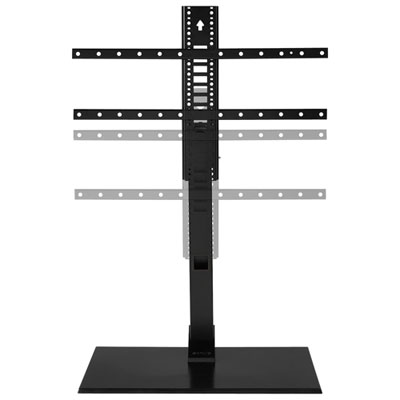 Your price for this item is $249.99
 -
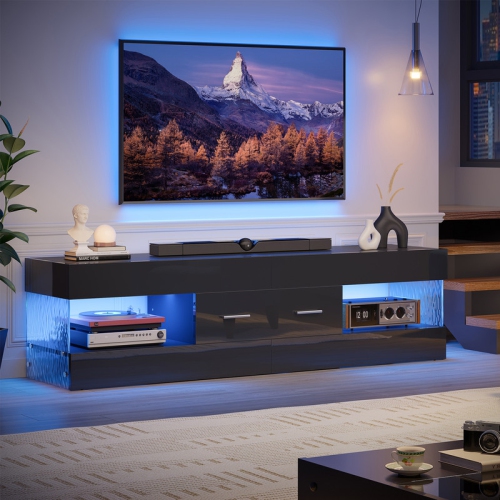 Your price for this item is $179.99
 -
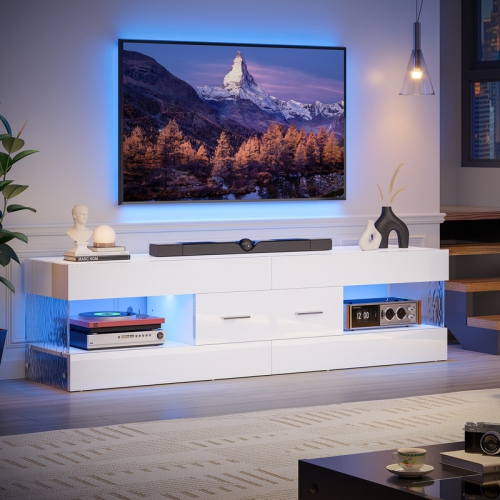 Your price for this item is $169.99
 -
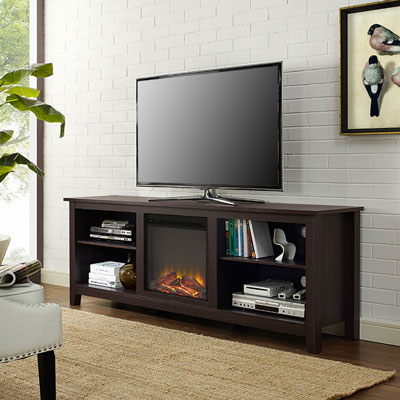 Your price for this item is $689.99
 -
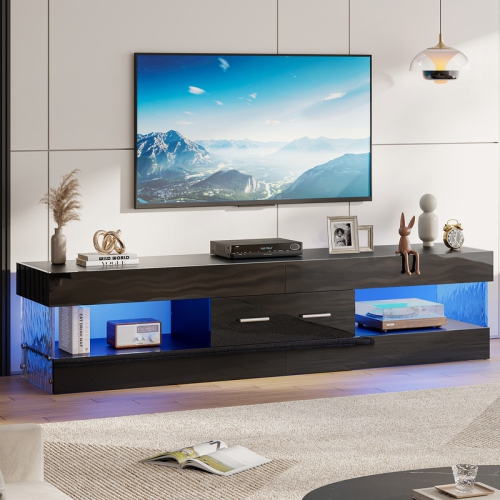 Your price for this item is $199.99
 -
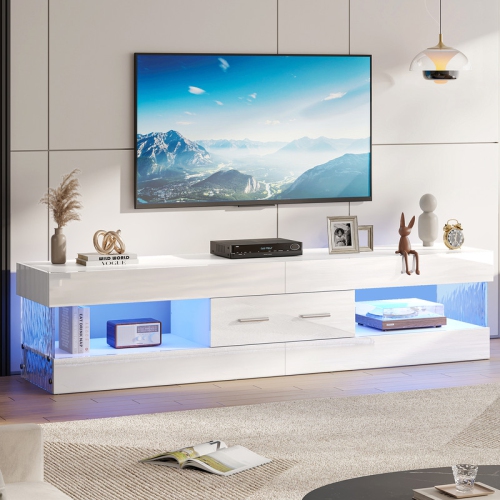 Your price for this item is $199.99
 -
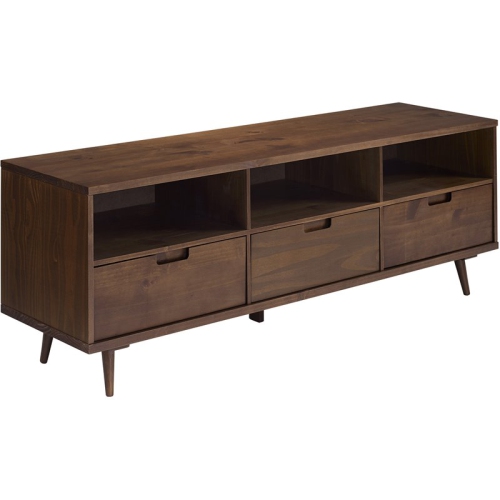 Your price for this item is $941.25
 -
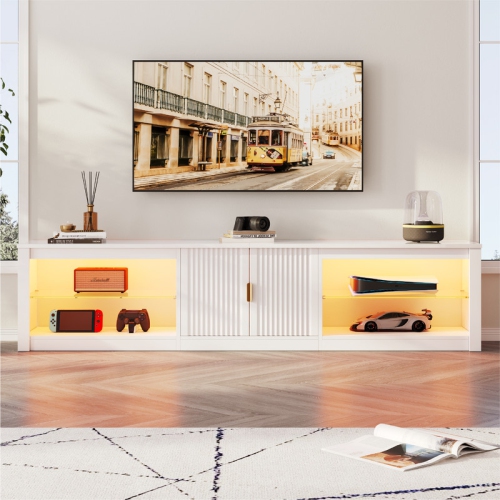 Your price for this item is $269.99
Discover more categories related to Gray TV Wall Units
Top Collections:
Pokemon Centers, Best Cameras for Sports Photography, Kindle Devices, Samsung Galaxy Phones, Canon G7X Cameras, Pokémon 30th Celebration Cards, Refurbished Apple Laptops, iPhone 15 Apple, Laptops for Students, Budget Smartphones
Some products may be subject to Environmental Handling Fees
(EHF) depending on your province.
Learn more about EHFs.