Narrow TV Stands
If you have limited space in your home, you may be looking for a way to maximize the use of your entertainment center. One option is to get a narrow TV stand, such as small white TV stands. These stands are designed to save space while still providing enough storage space for your television and other components. Here are some of the best narrow TV stands on the market today.
Sort


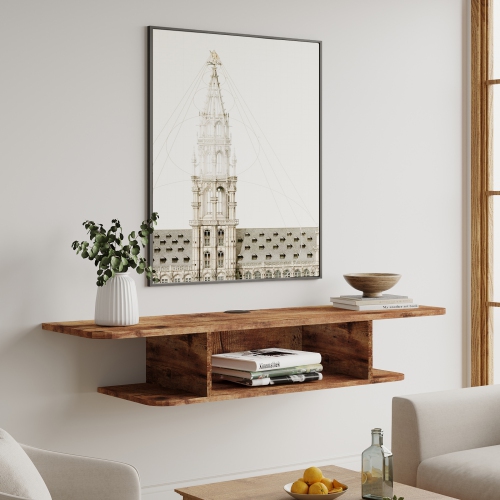
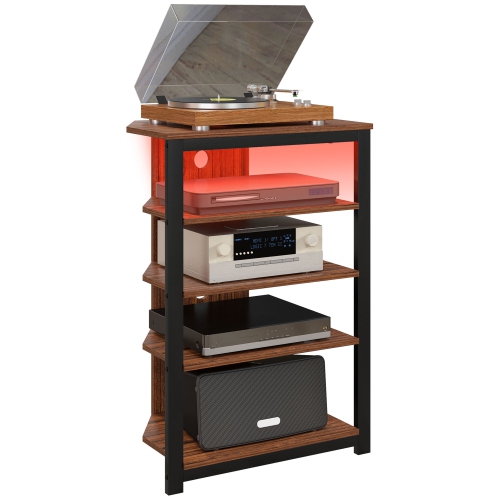
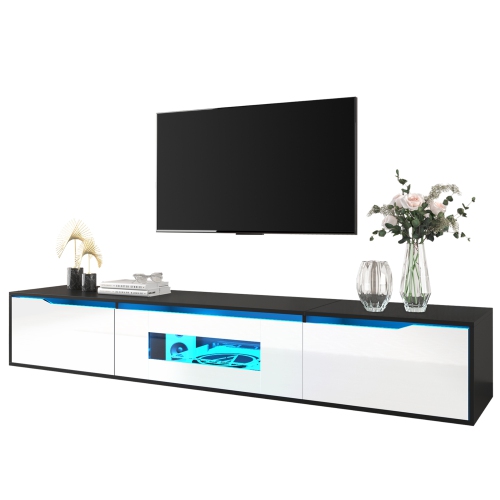
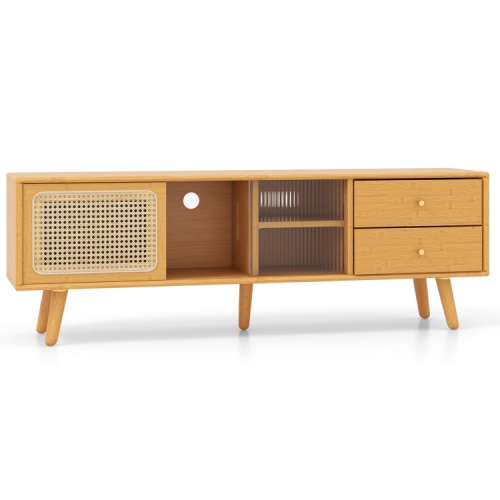
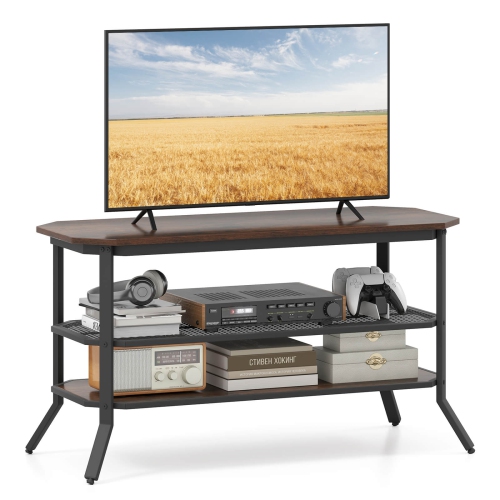
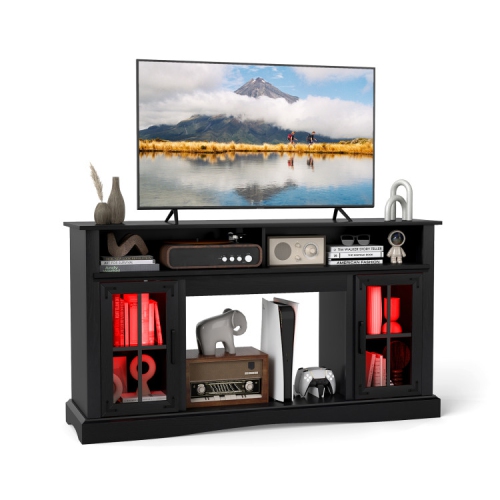
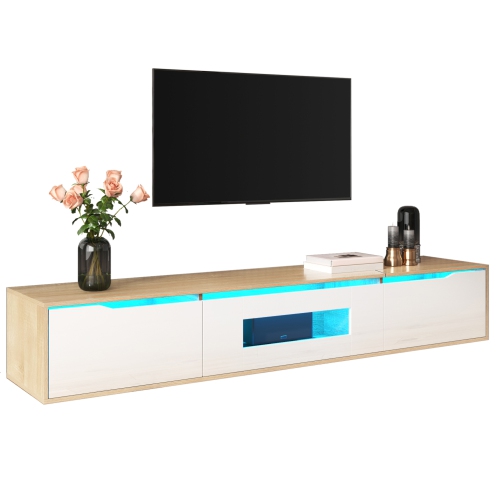
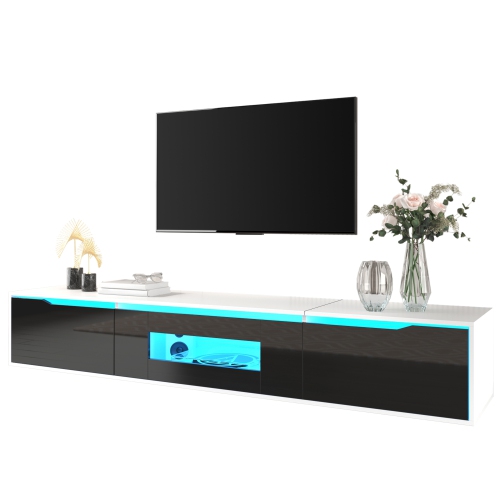

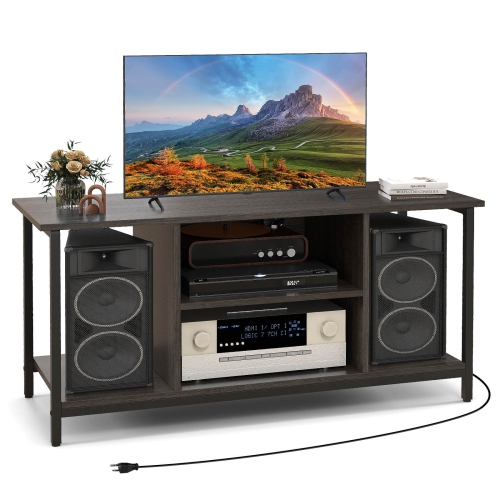

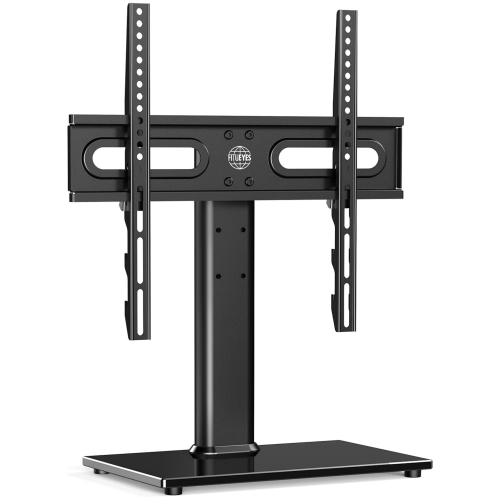
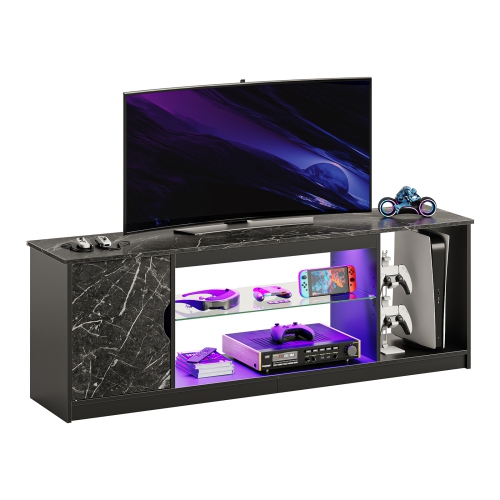


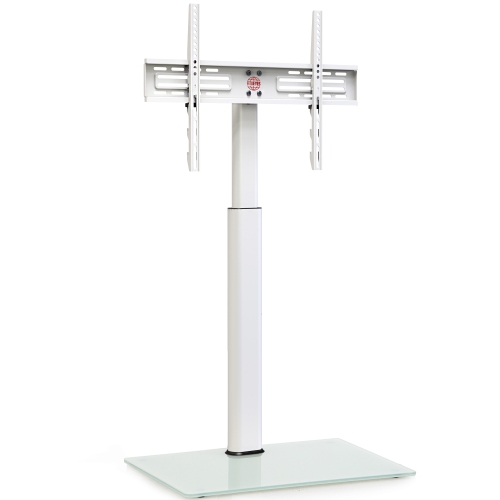


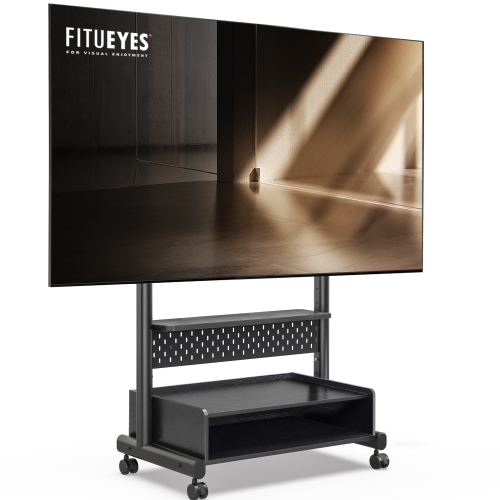

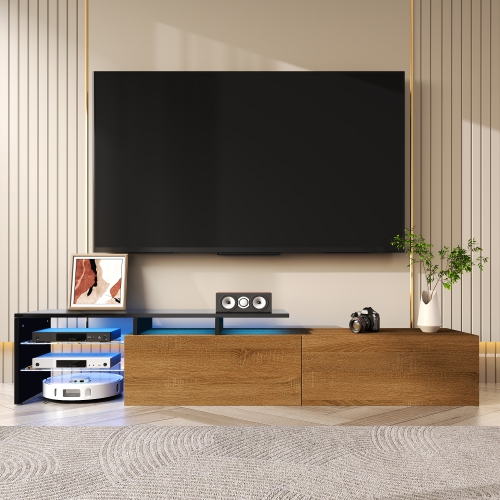
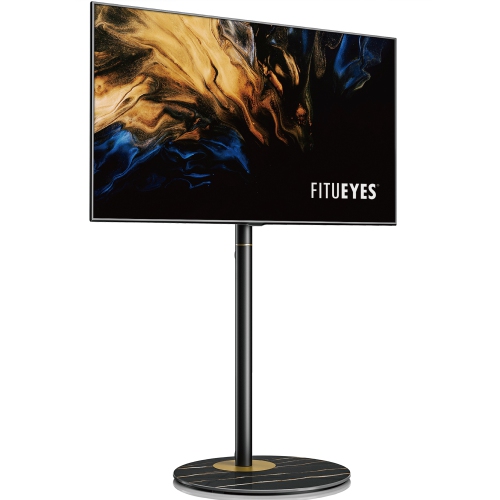
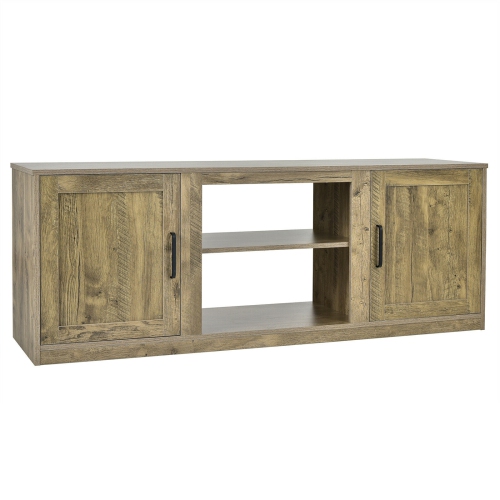


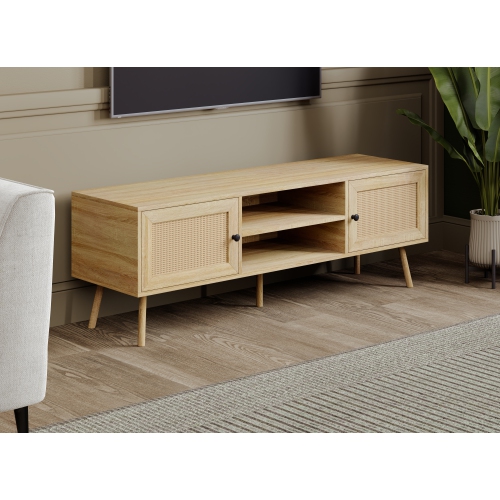
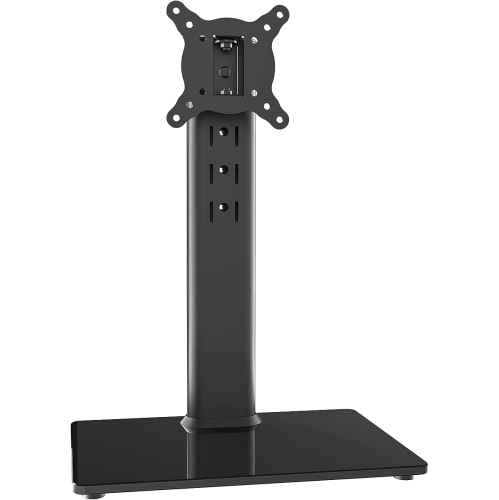
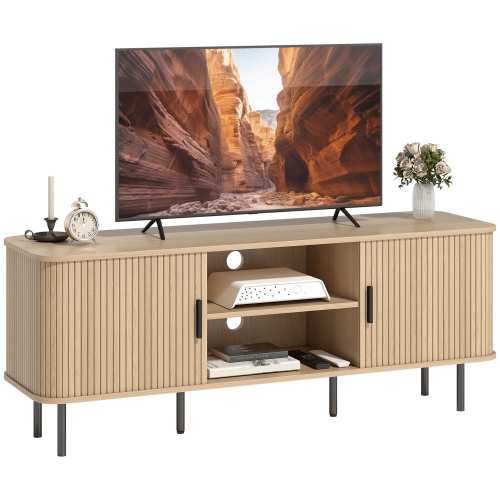
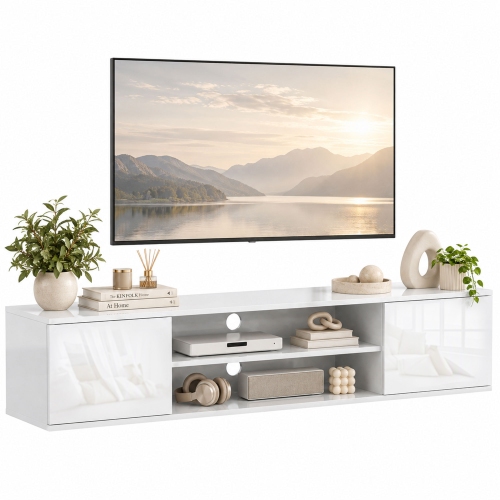


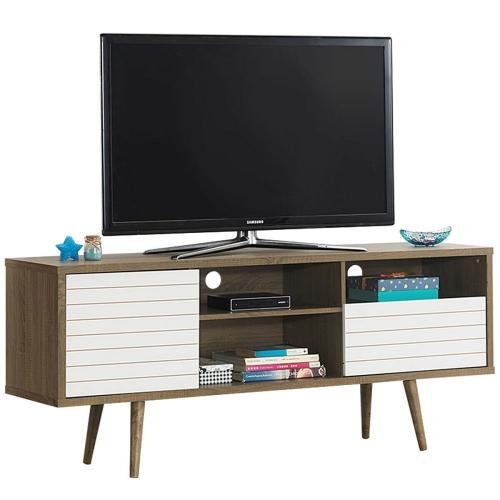

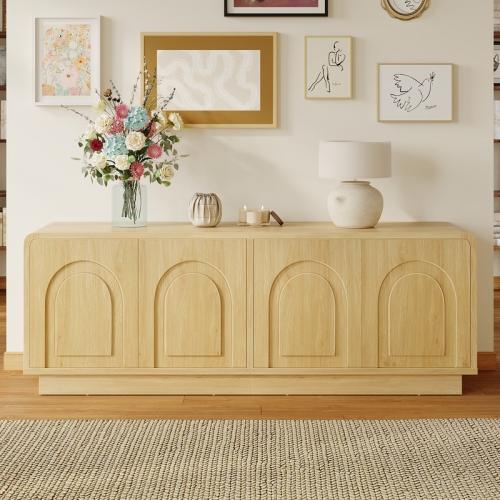
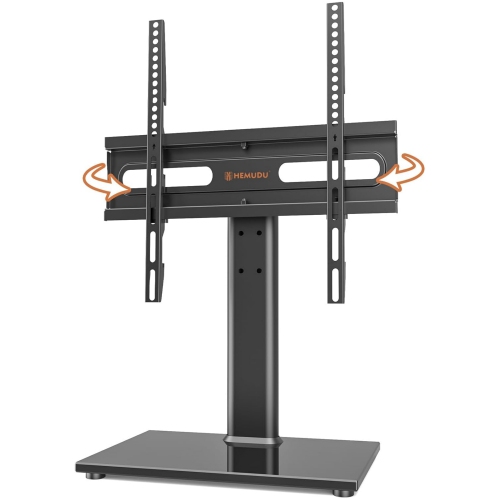

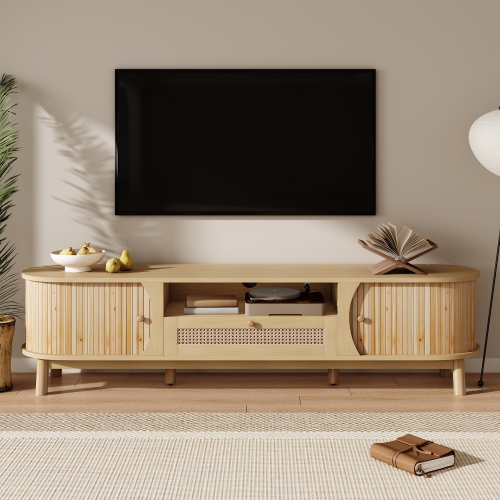





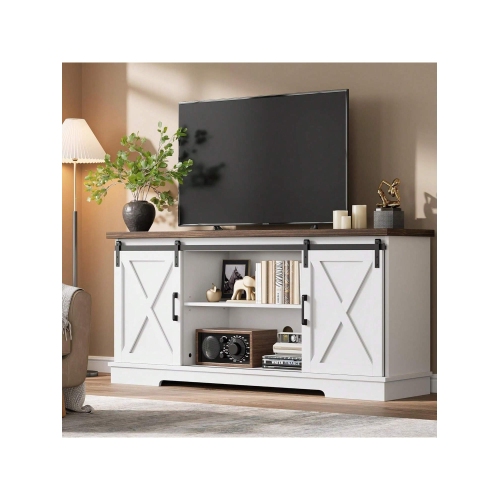
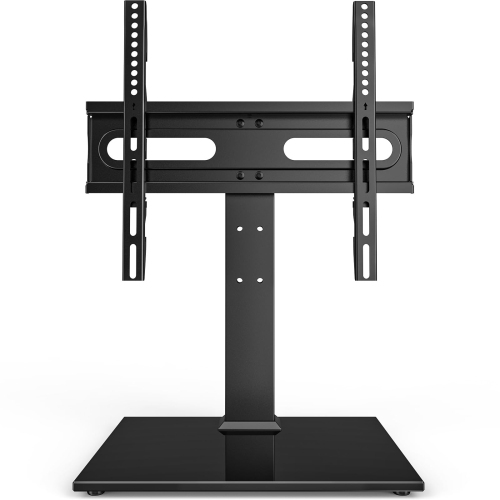


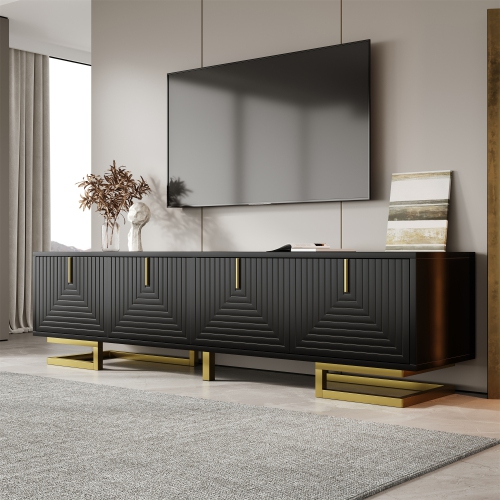


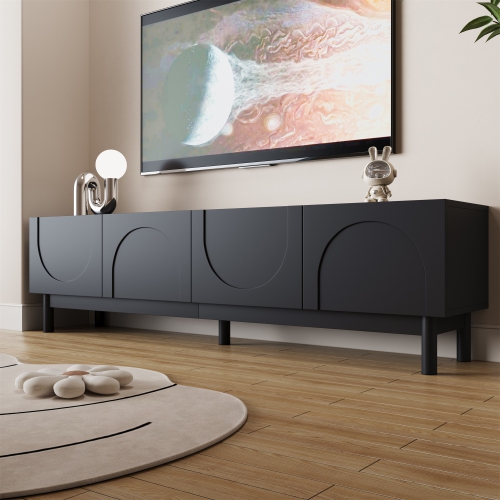
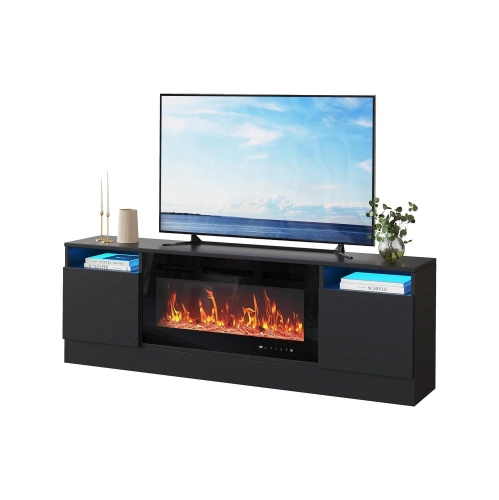

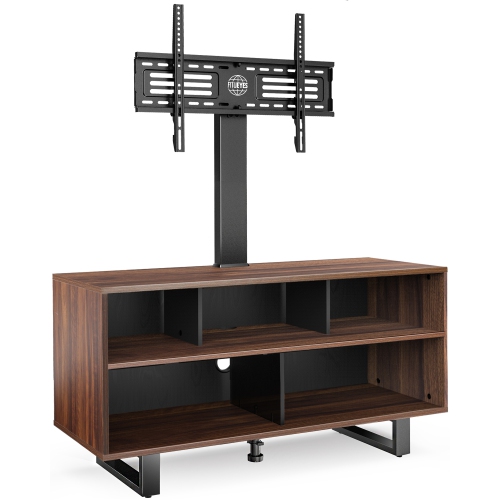


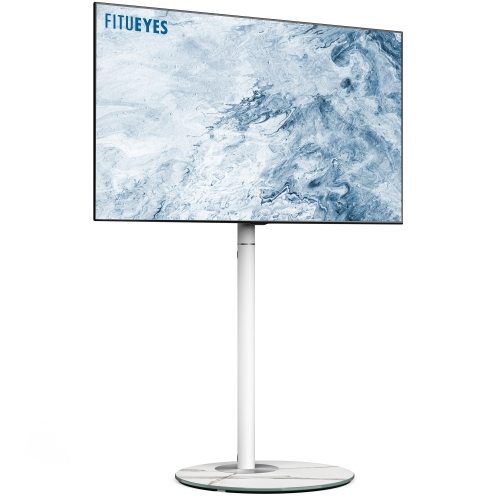
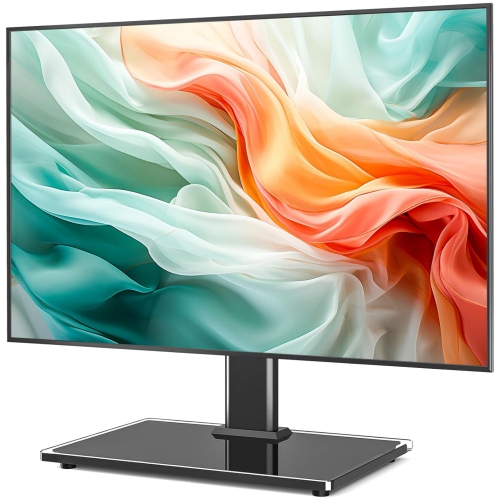

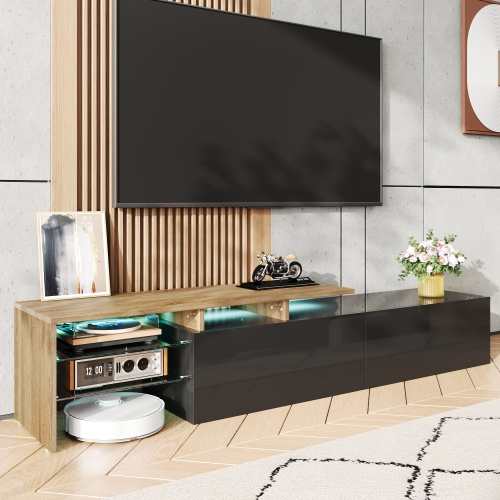


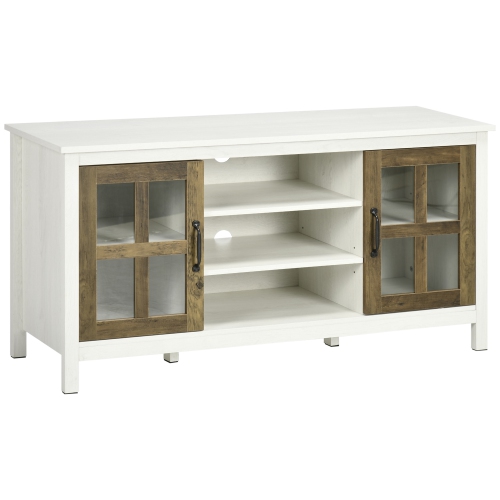

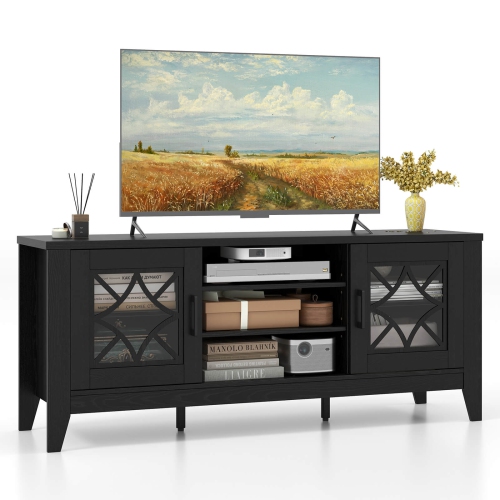
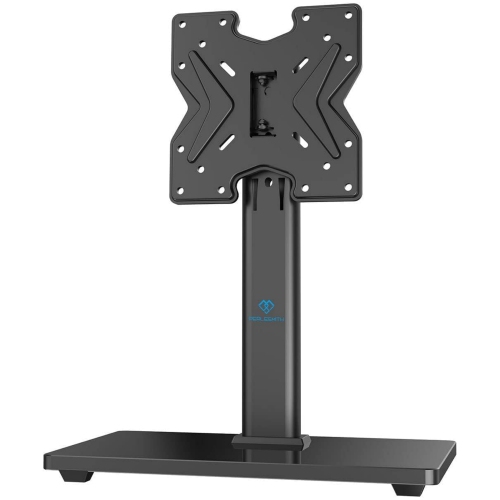


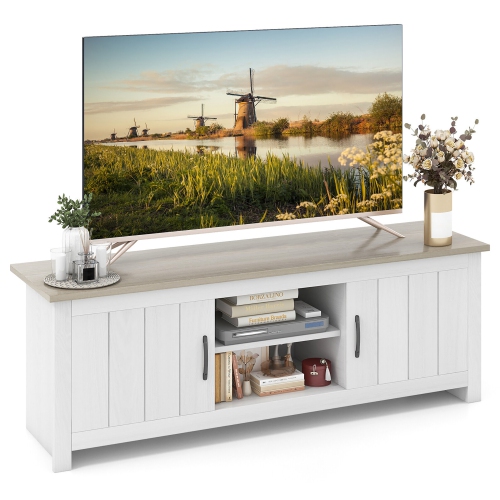
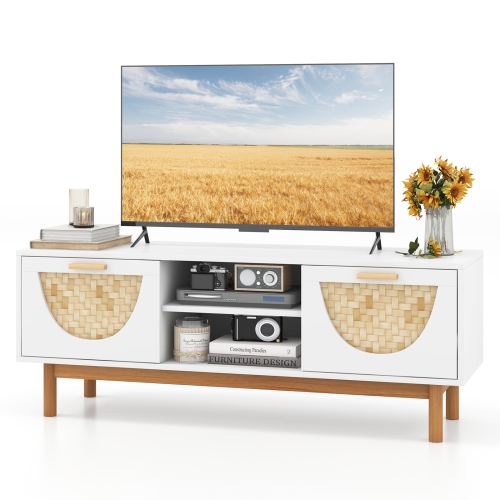

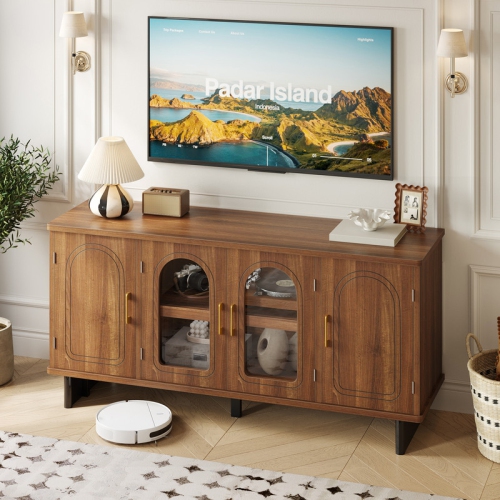
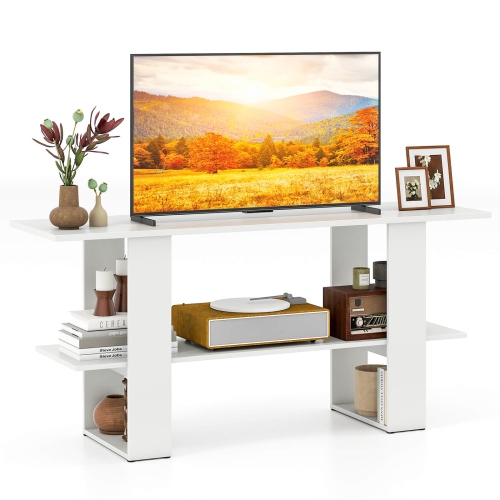


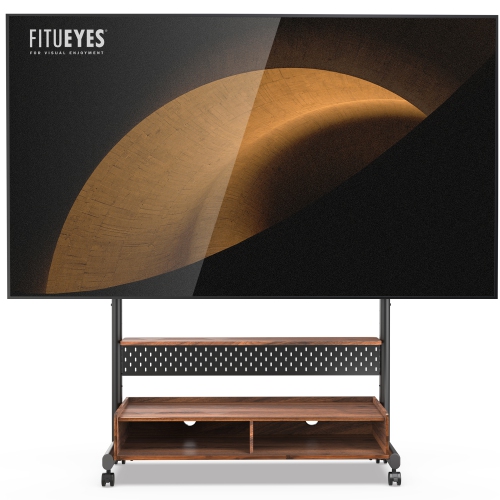


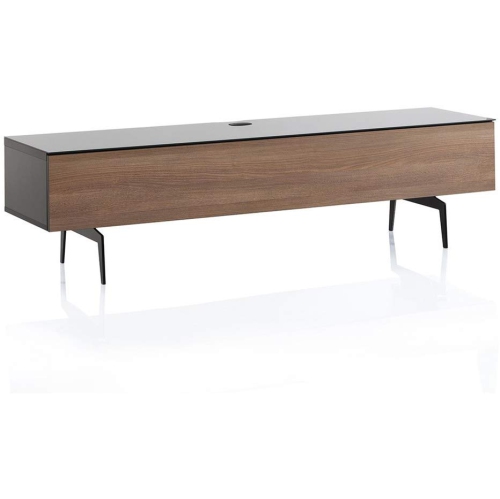


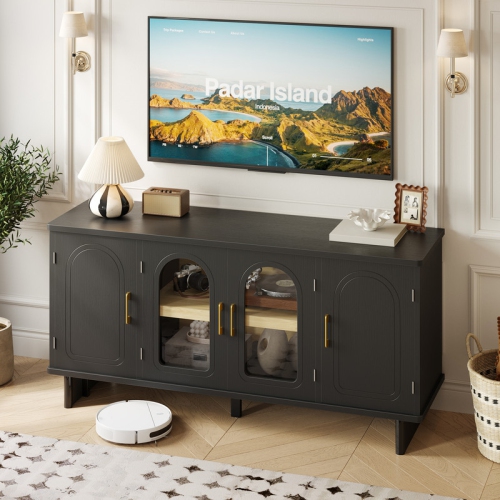
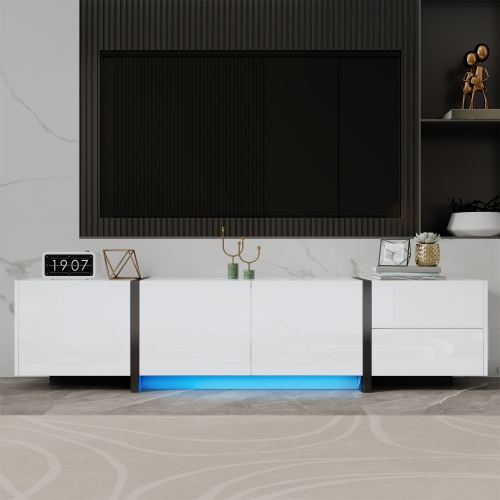


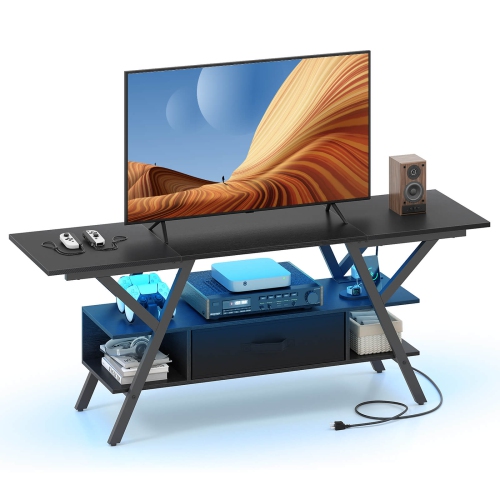
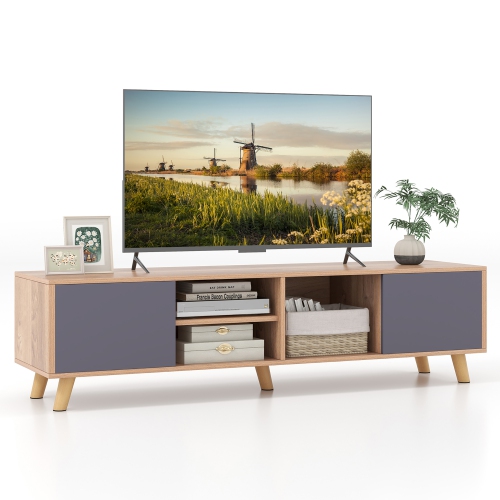
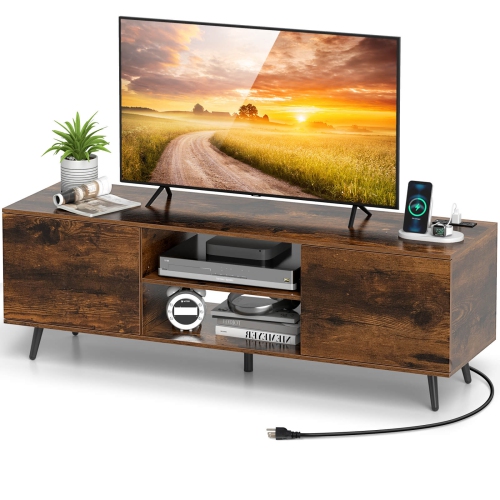

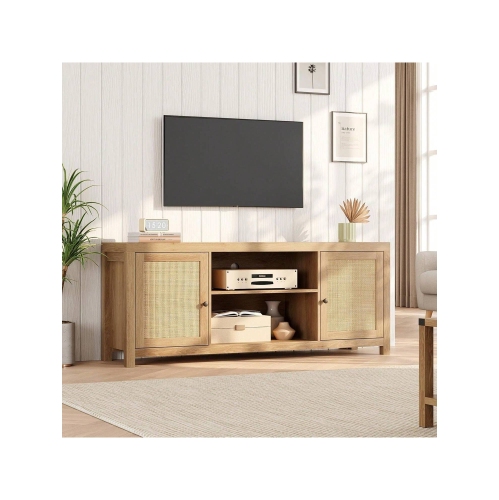






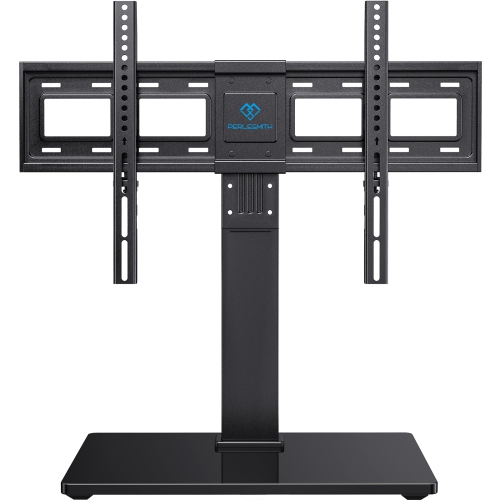


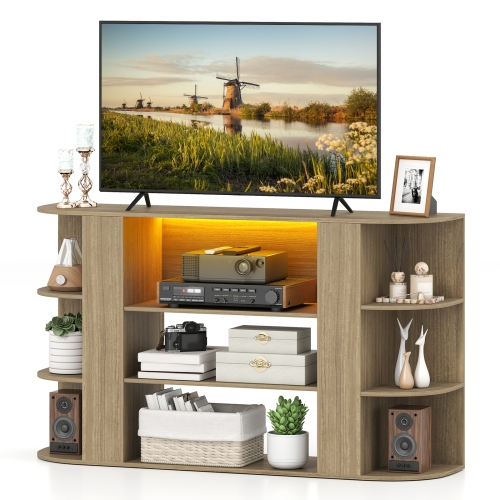

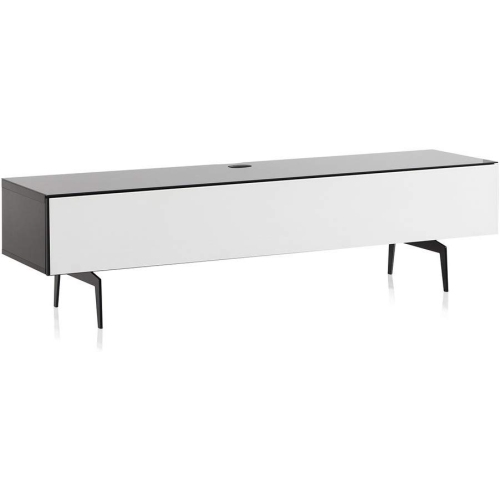

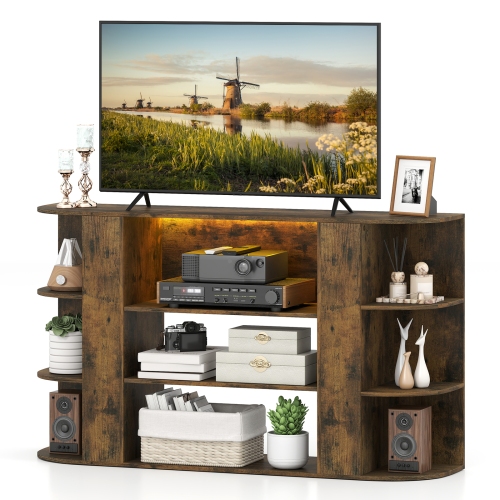




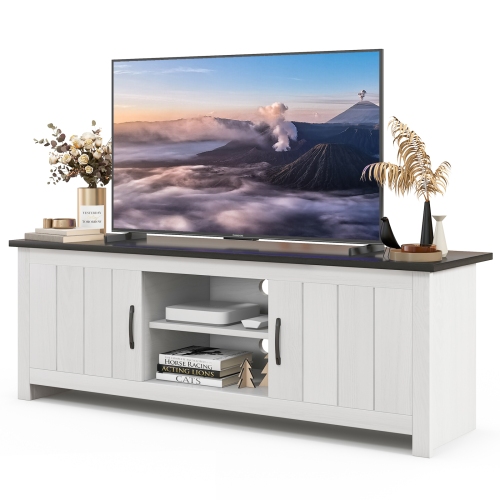
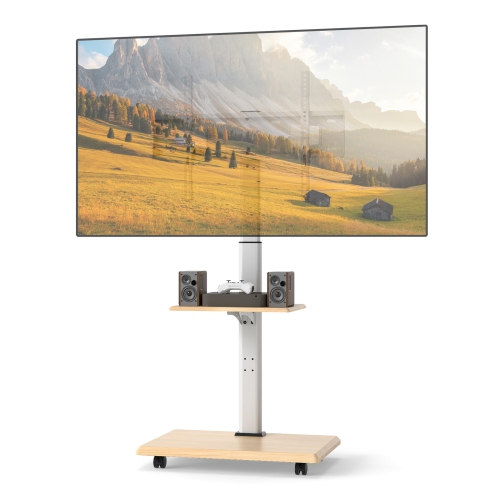

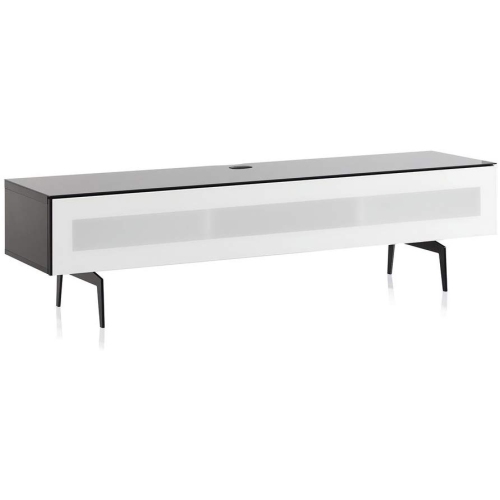
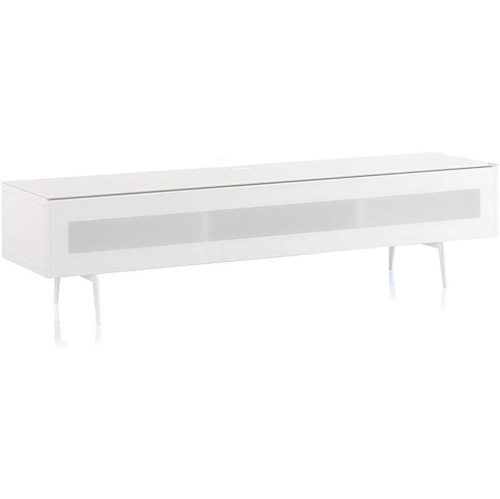
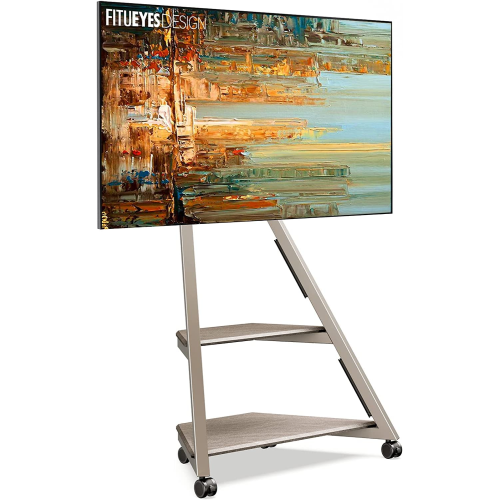
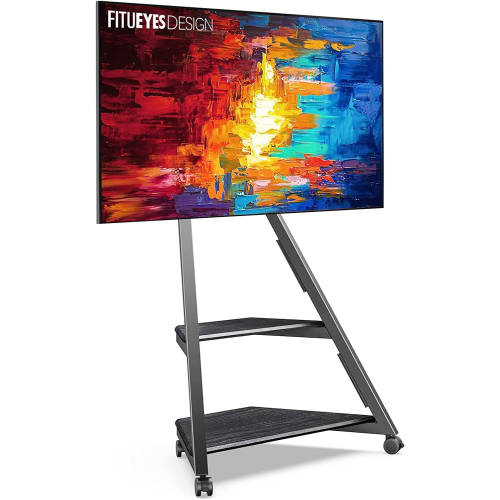
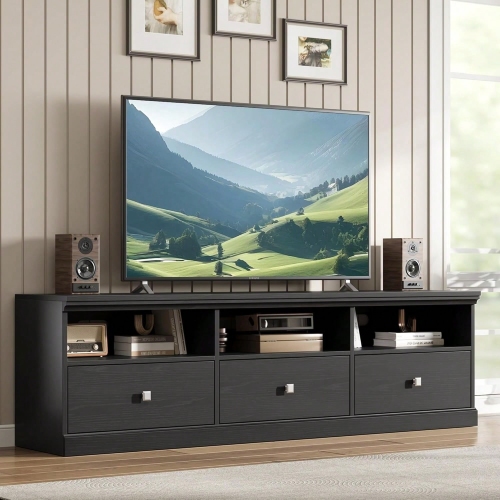

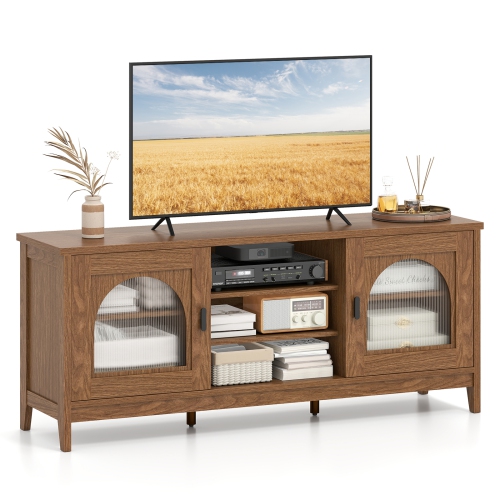










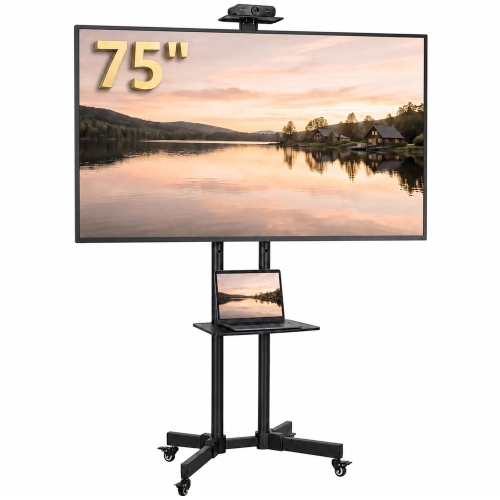
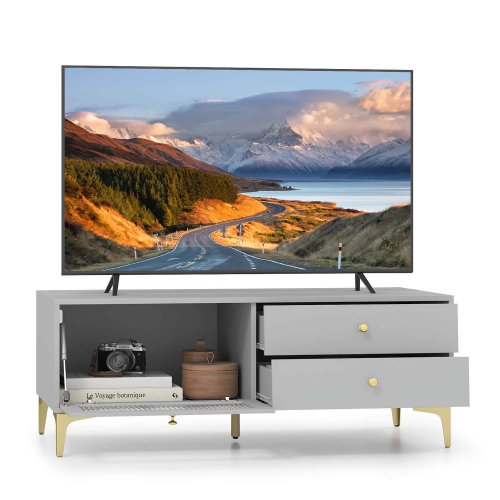
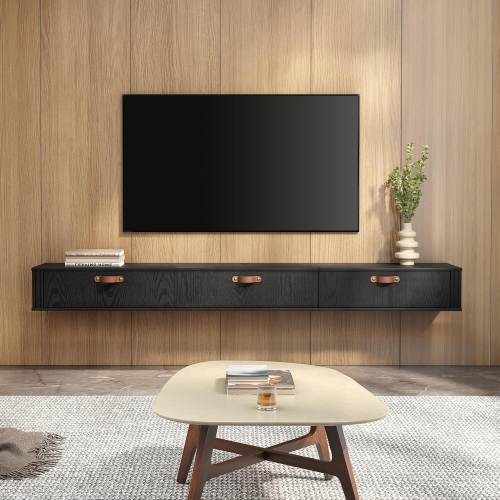
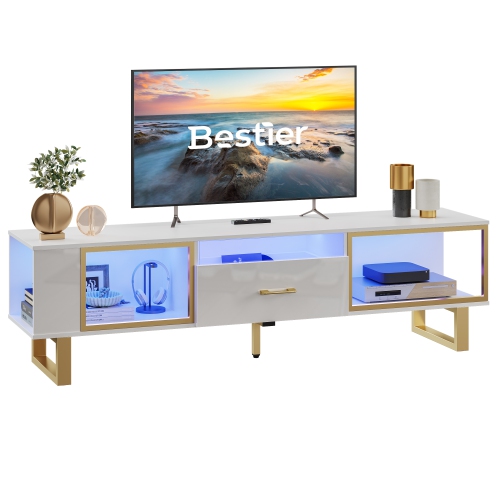

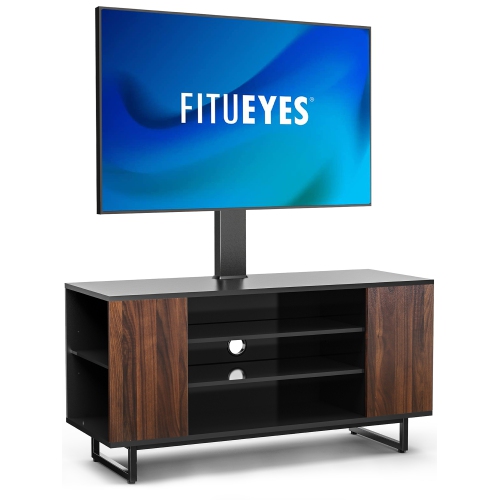


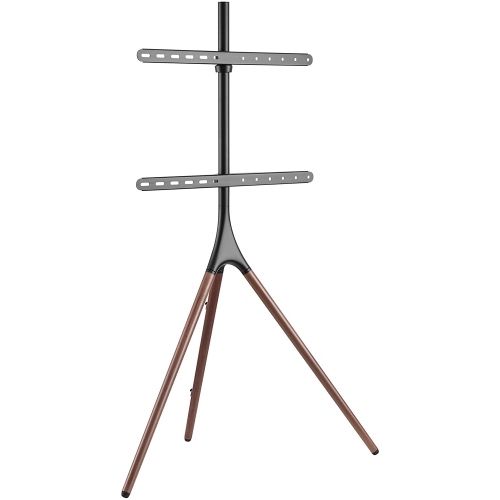
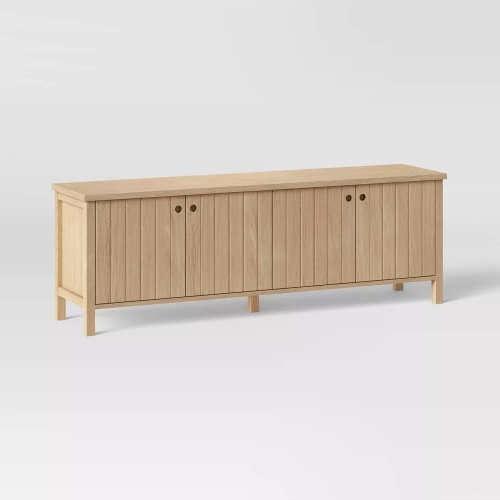
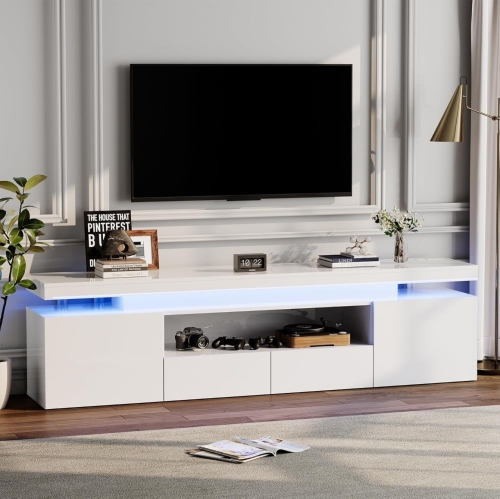
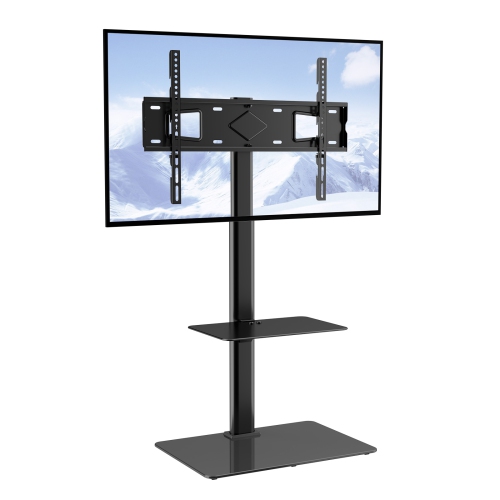
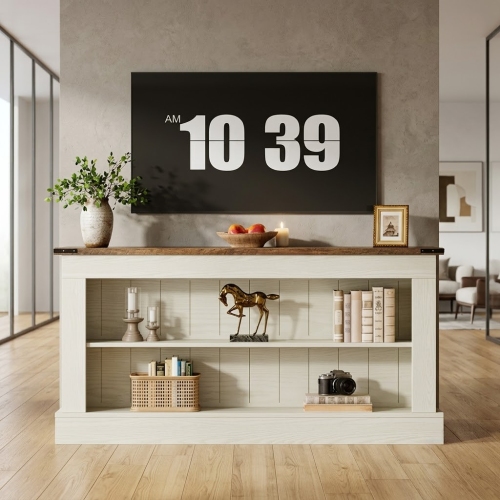

Why depth and width matter for your TV setup
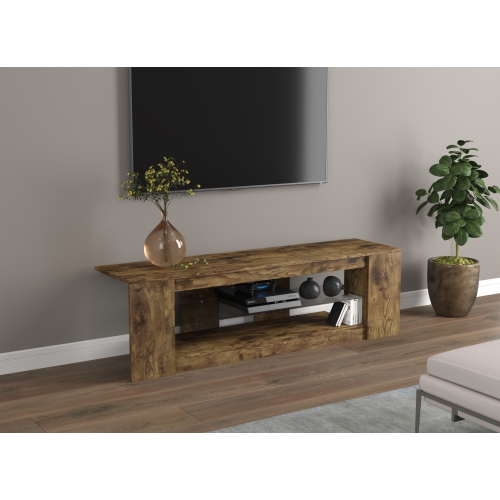
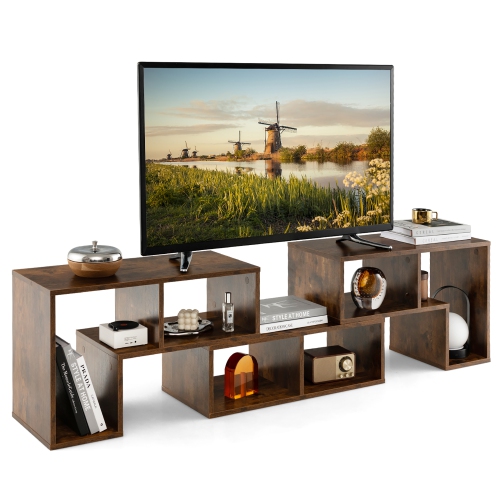
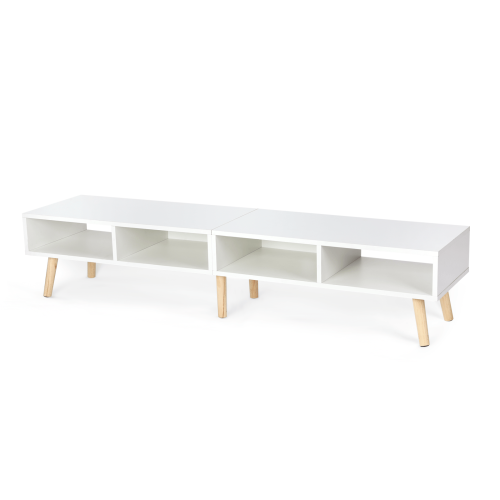
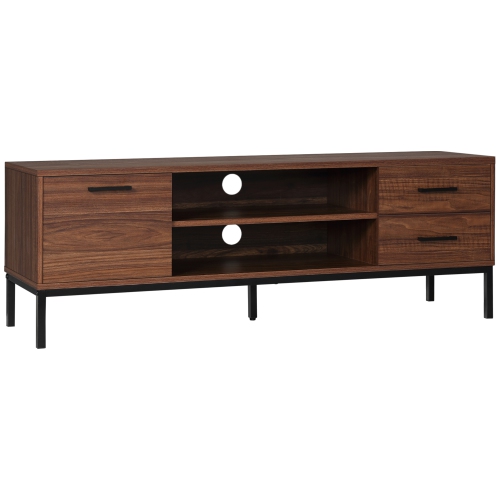
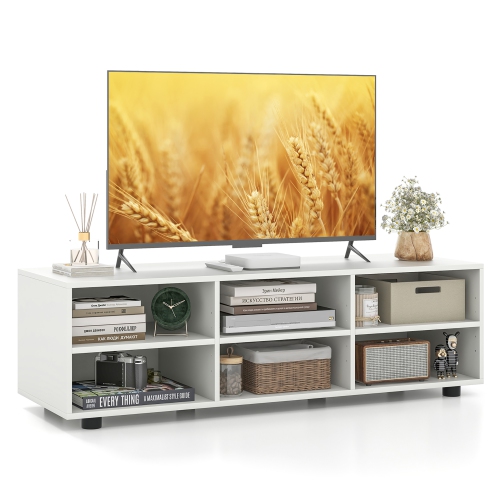
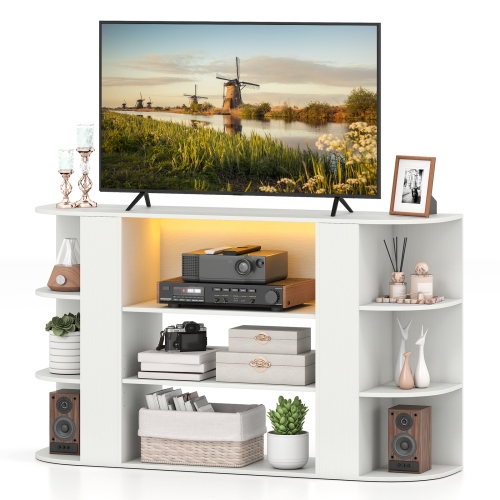
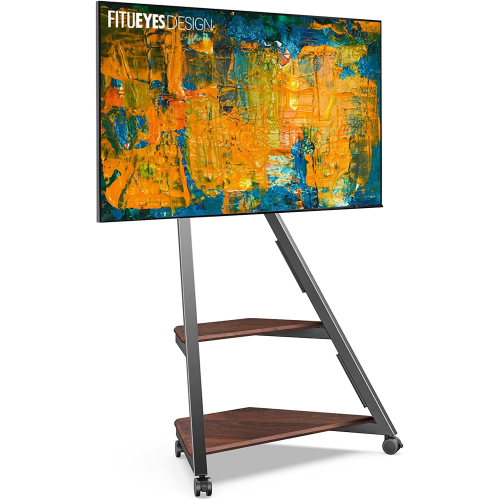
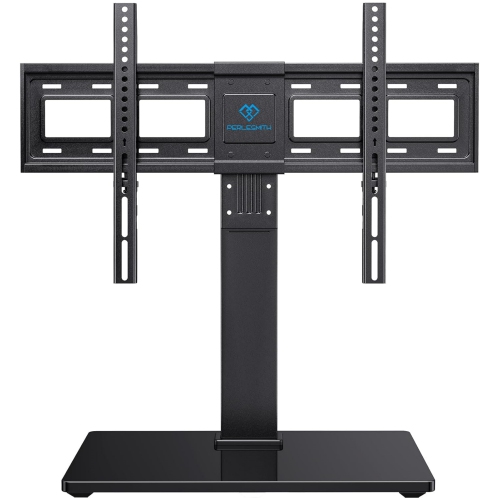
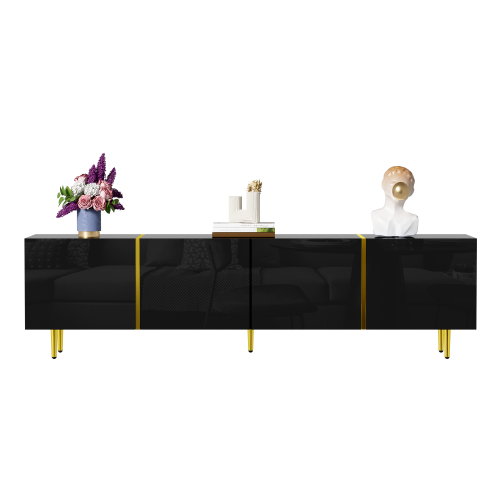
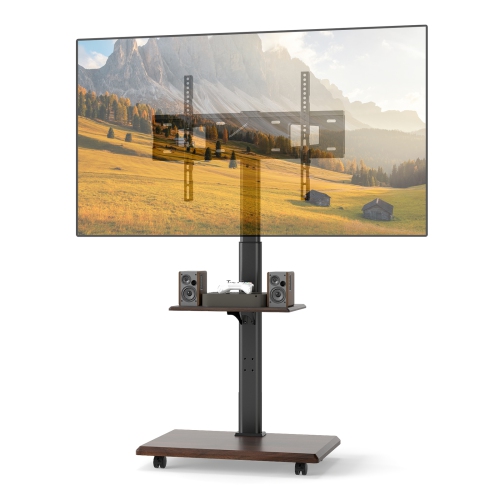
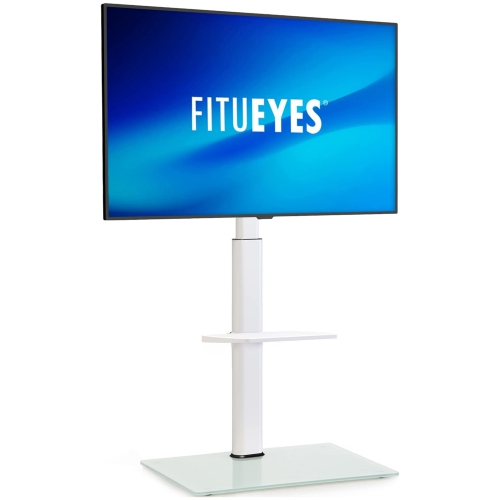
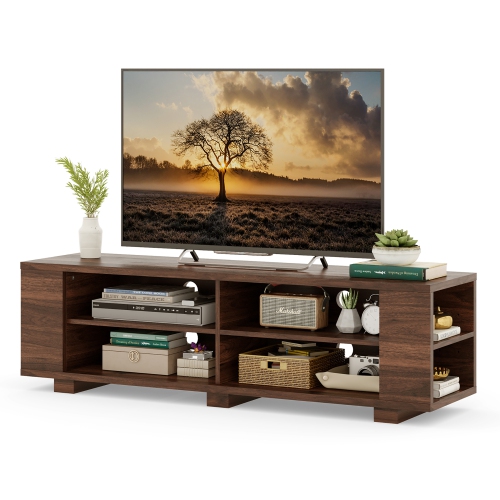
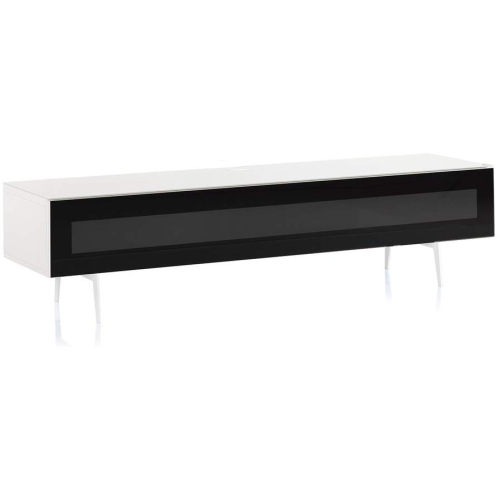
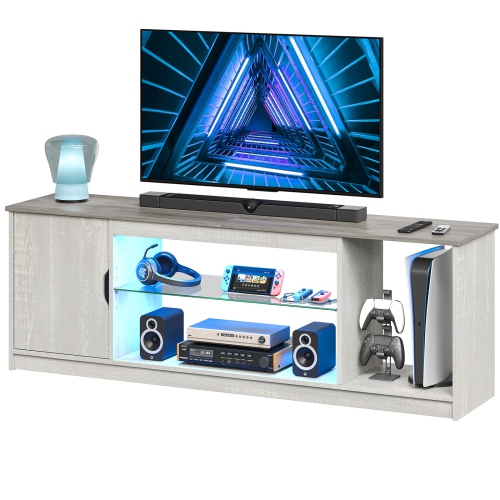
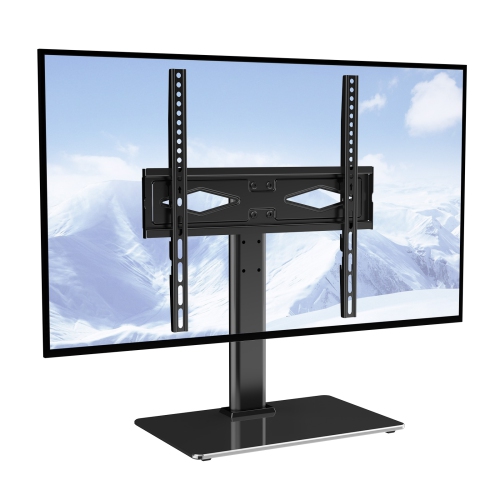
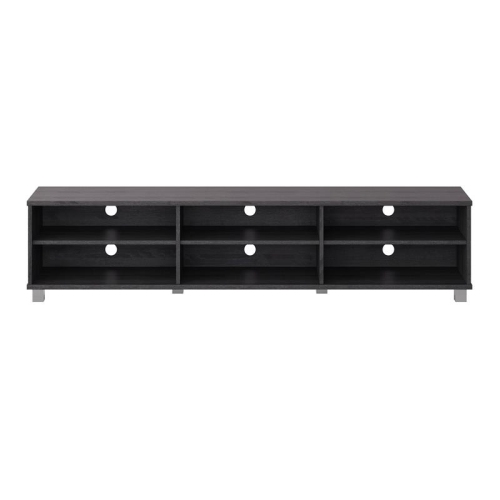
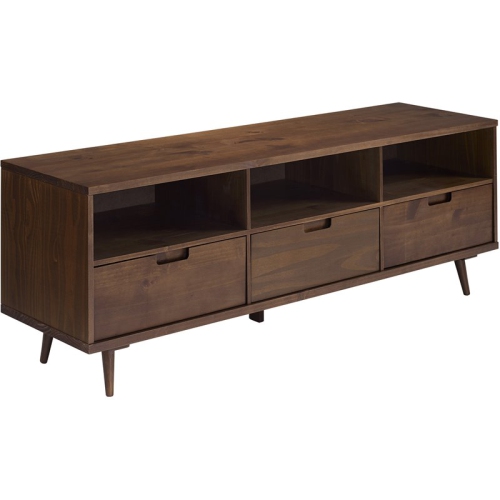
Narrow TV stands provide a place for a television and media equipment while taking up less floor space than a deeper entertainment unit. The term can describe either a shallow cabinet or a stand with a smaller overall width, so both measurements matter when comparing designs. Shallow TV stands often measure around 10 to 14 inches deep, although there is no universal size that defines a narrow stand. That slimmer profile can help preserve walking space in a condo living room, keep a bedroom viewing area from feeling crowded, or fit a seating arrangement where a full-depth cabinet would project too far into the room. A compact width serves a different purpose, fitting between doorways or along a short section of wall. Neither measurement alone determines whether a stand will support a particular television. Screen size is measured diagonally, while the space needed underneath depends on the television’s actual width and the position of its feet or centre pedestal. Widely spaced feet may require a longer surface even when the television itself is relatively light. The entire base must sit securely on the stand, within its edges, and the television must meet the furniture manufacturer’s stated size and weight limits. A wall-mounted television offers more flexibility for the cabinet below, but the mounting hardware must support the screen independently. For a comfortable arrangement, stand height also deserves attention: a low bench beneath a large screen creates a different viewing angle from a taller cabinet opposite a bed. Positioning the screen near seated eye level is a useful starting point, adjusted for the seating and mounting instructions. Alongside depth and width, leave room for baseboards, plugs, and cables behind the cabinet. A stand that looks shallow on paper may sit farther from the wall once everything is connected. Related TV stands for small spaces can offer other compact proportions when the room needs a shorter footprint rather than an especially shallow surface.
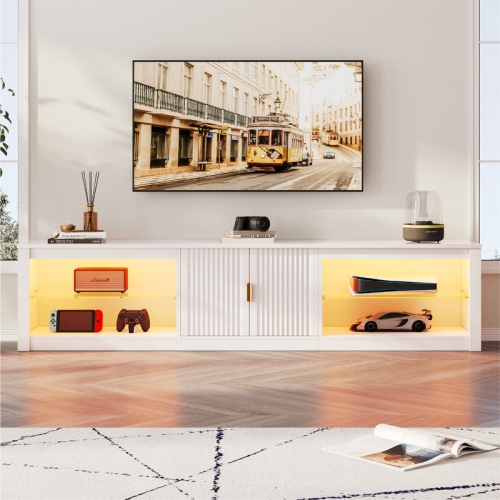
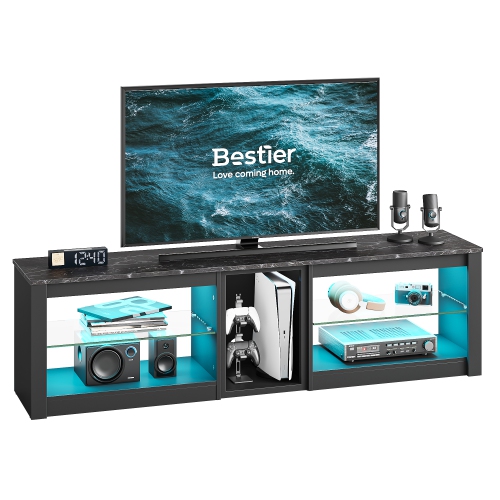
Storage layout has a considerable effect on how useful a narrow television stand feels in daily life. Open shelves keep frequently used devices accessible and allow a clear path for remotes that require line of sight. They also make it easier to reach a game console, swap a disc, or check a connection without opening a door. Closed cabinets conceal controllers, spare cables, and other small accessories, giving a multipurpose living room a quieter appearance when the television is off. Drawers suit loose essentials, while adjustable shelves can accommodate equipment of different heights. The trade-off is that doors and drawers need clearance to open, which matters when a coffee table, bed frame, or sofa sits nearby. Internal dimensions are just as important as the outer footprint: shelf depth may be reduced by a back panel, hinges, or cable fittings. A receiver or console also needs space for its connectors and the ventilation clearances specified by its manufacturer. Enclosed compartments are not suitable for every device, even if the equipment physically fits inside. Cable openings help route leads neatly, but their position should match the intended arrangement rather than force sharp bends behind a plug. A rear opening near each equipment shelf can be more practical than a single hole at one end. For a soundbar, allow enough surface width and depth without covering the television’s lower edge or remote sensor. Speakers and soundbars should also sit where cabinet sides will not obstruct their output, following the audio equipment’s placement recommendations. In a shared apartment, a mix of open and closed storage can keep streaming equipment easy to use while hiding spare accessories. In a bedroom, a simpler shelf layout may be enough for a small media setup. Elevated legs expose more floor beneath the cabinet and can make the furniture appear less bulky, though cleaning access depends on the actual clearance. A solid base gives a more grounded appearance and limits the open space where small objects can roll underneath.
Materials and construction shape the appearance, care requirements, and long-term usefulness of narrow TV stands. Solid wood offers natural grain and can develop character with use, while its finish determines how well the surface tolerates everyday marks and moisture. Wood veneer provides a real-wood surface over a supporting core; careful handling helps protect its thinner outer layer, particularly at corners and edges. Engineered wood with a laminate or other applied finish can provide a consistent colour and a smooth surface that is straightforward to wipe down according to the care instructions. Metal frames bring a more open outline and pair naturally with simple shelving, while glass shelves create a lighter visual effect but tend to show fingerprints and dust. Where glass is used, follow the stated shelf load limits and avoid impacts along exposed edges. Durability depends on more than the material name: secure joints, properly fitted hardware, supported shelves, and well-aligned doors all contribute to furniture that stays functional with repeated use. A narrow cabinet should feel stable on the floor rather than rock when a drawer opens. Levelling feet, where included, can help compensate for minor unevenness, but they do not replace correct assembly or anti-tip measures. Secure the stand and television as directed by their manufacturers, using appropriate anchoring hardware, especially in homes with children or pets. Keep heavy equipment within the designated load limits and place it only on surfaces intended to support it. For routine care, a soft cloth and prompt attention to spills help protect many finishes; abrasive pads, excessive water, and harsh cleaners can cause damage. Follow the material-specific instructions rather than treating wood, metal, and glass identically. Visually, pale finishes can blend with light walls, dark finishes can frame a screen, and wood tones can connect the viewing area with nearby tables or shelving. The most practical narrow TV stand balances that appearance with secure television support, usable equipment space, and enough clearance to move comfortably through the room.
Top selling and popular products
-
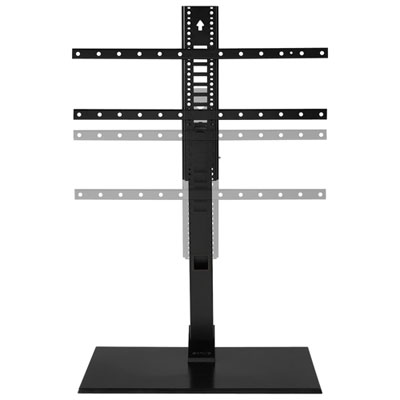 Your price for this item is $249.99
-
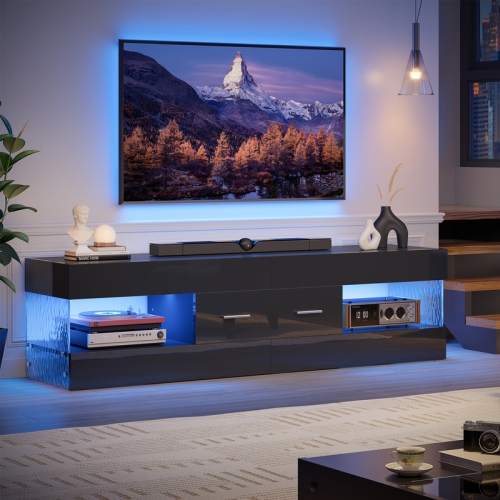 Your price for this item is $179.99
-
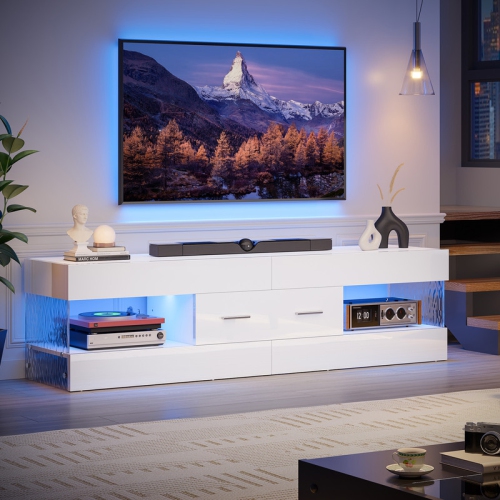 Your price for this item is $169.99
-
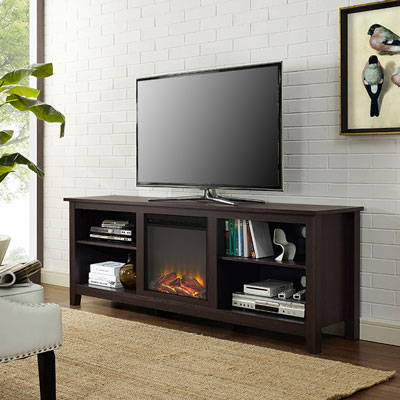 Your price for this item is $689.99
-
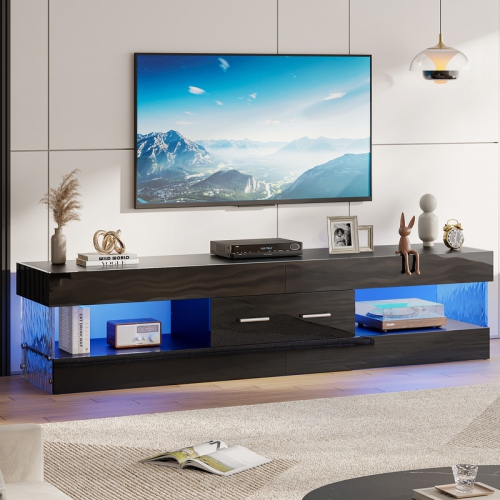 Your price for this item is $199.99
-
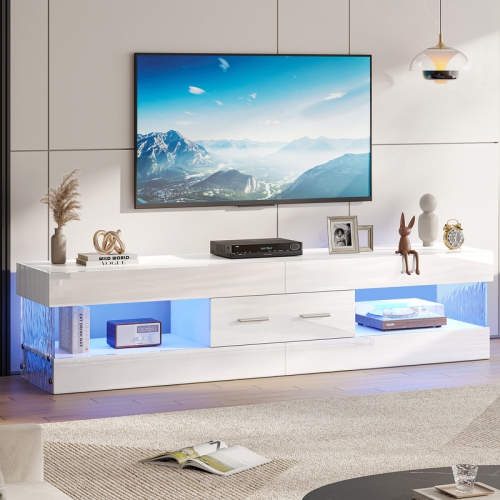 Your price for this item is $199.99
-
 Your price for this item is $941.25
-
 Your price for this item is $269.99
Discover more categories related to Narrow TV Stands

Top Collections:
Pokemon Centers, Best Cameras for Sports Photography, Kindle Devices, Samsung Galaxy Phones, Canon G7X Cameras, Pokémon 30th Celebration Cards, Refurbished Apple Laptops, iPhone 15 Apple, Laptops for Students, Budget Smartphones
Some products may be subject to Environmental Handling Fees
(EHF) depending on your province.
Learn more about EHFs.