Rotating TV Stands
If you're looking for a TV stand that will keep your TV in place and make it easy to access, look no further than the rotating TV stand. This stand is designed to allow you to easily rotate your TV into a position, so it can be viewed from any angle. Here are some great options available.
Sort
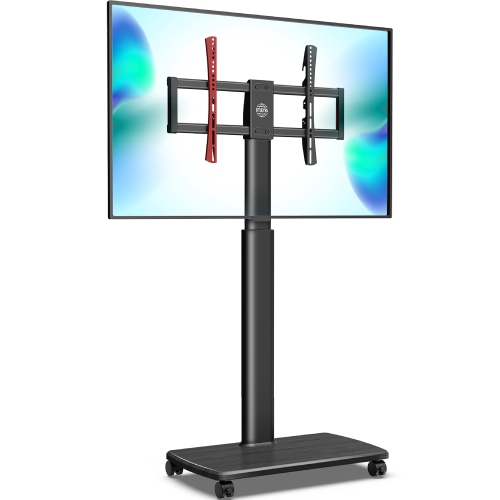
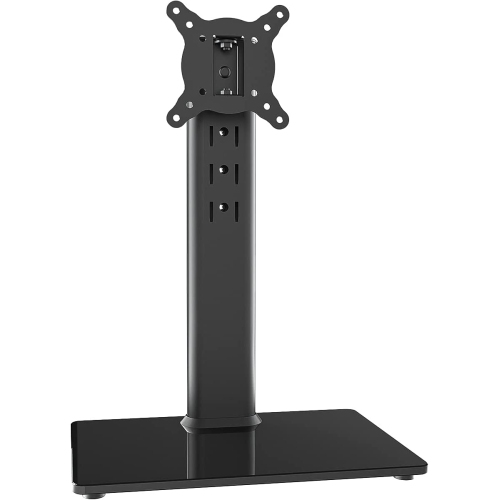
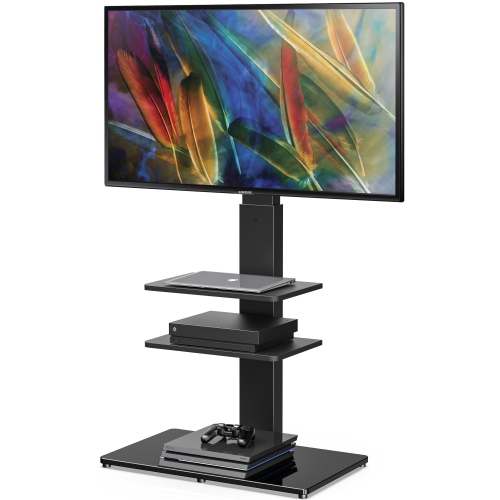
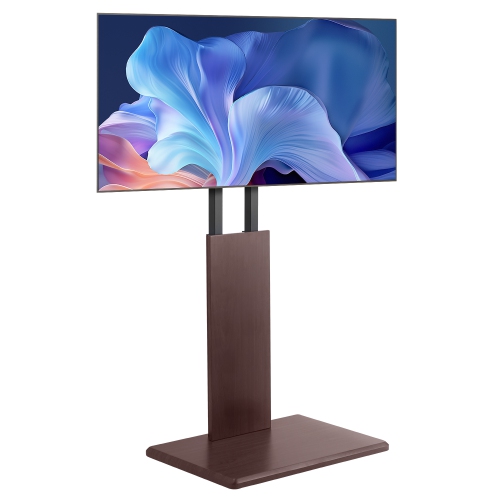

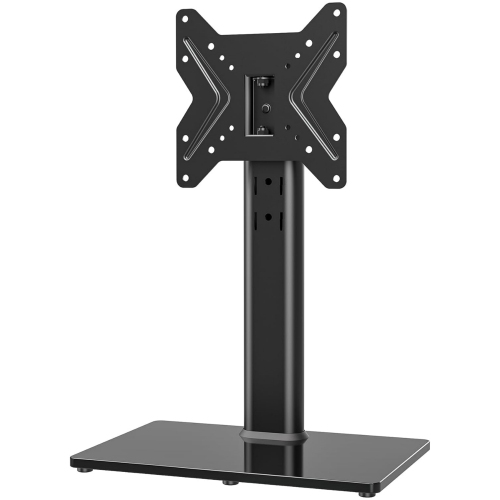
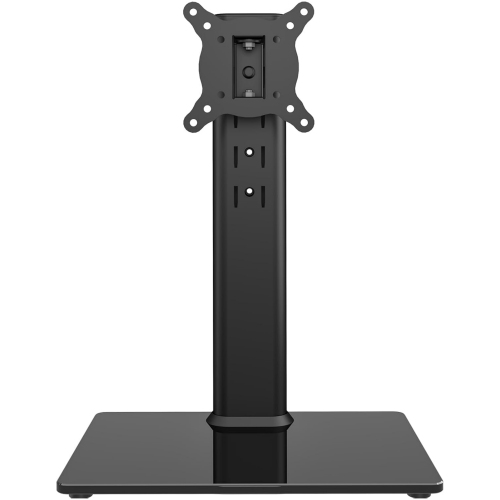
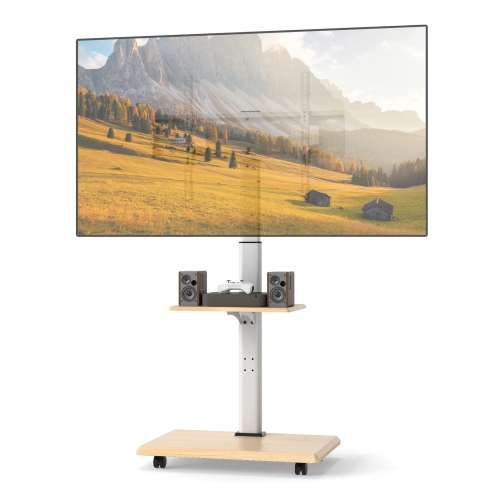
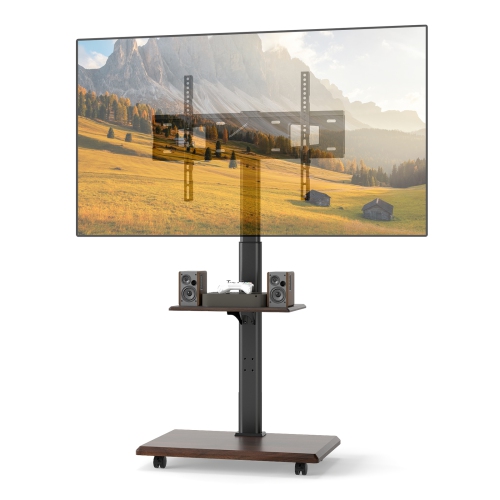
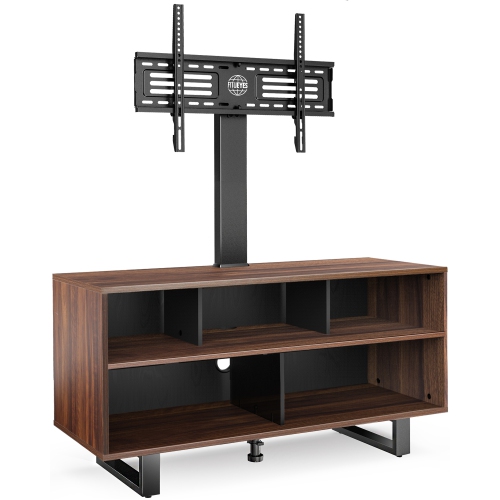
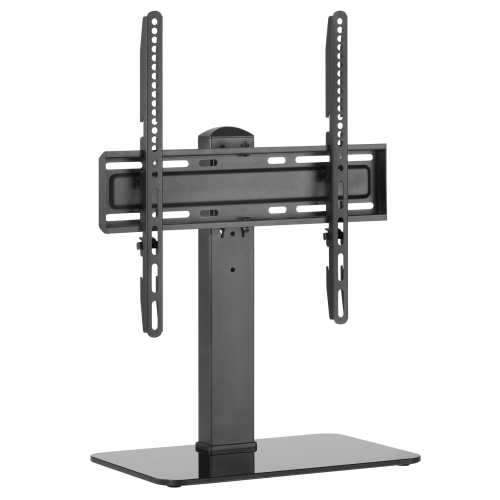
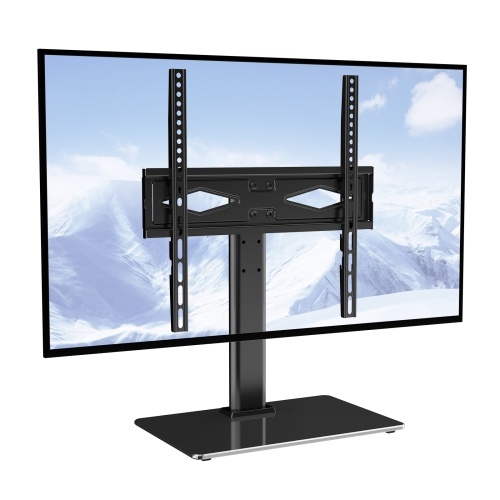
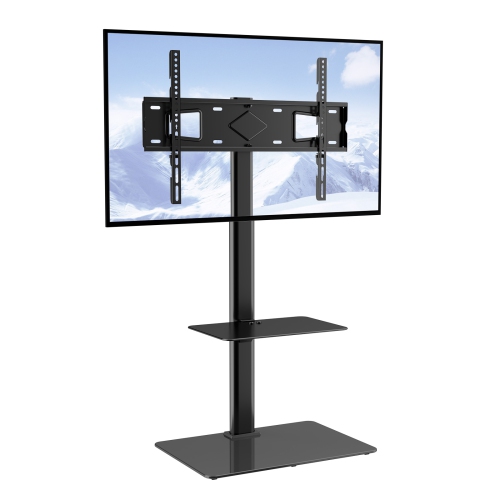
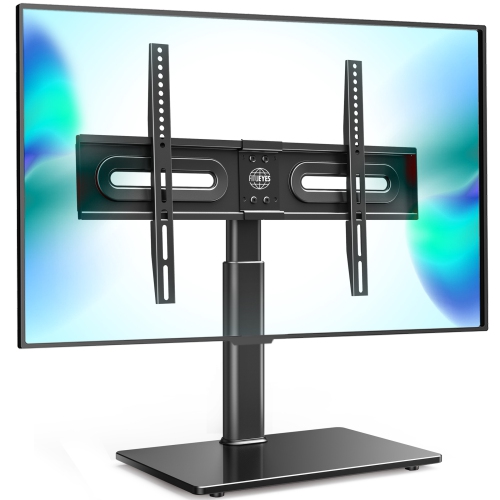
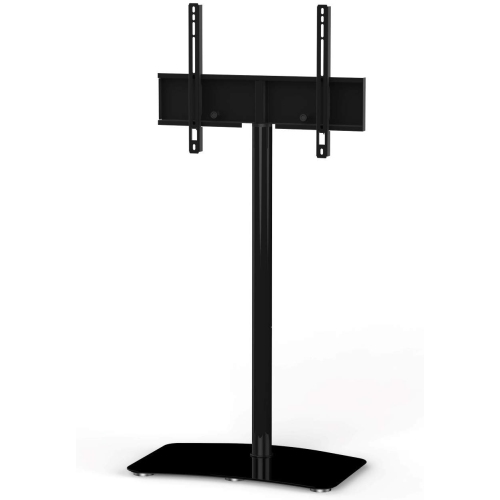
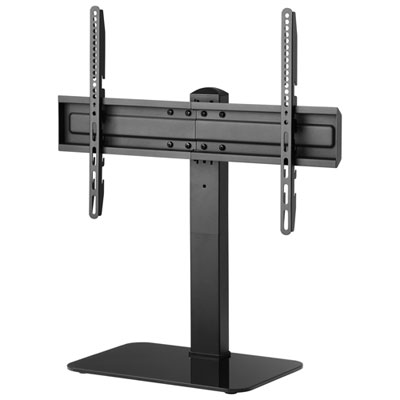
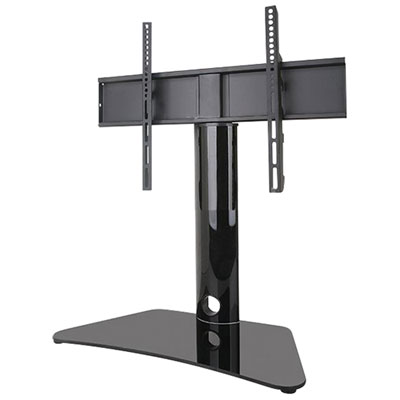
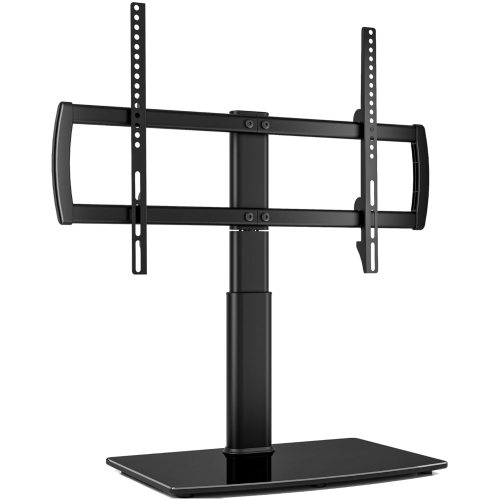
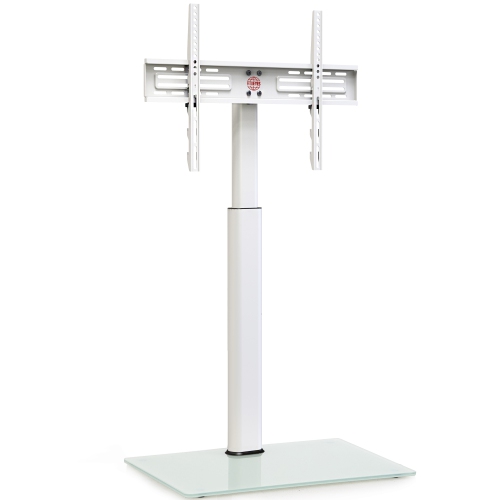
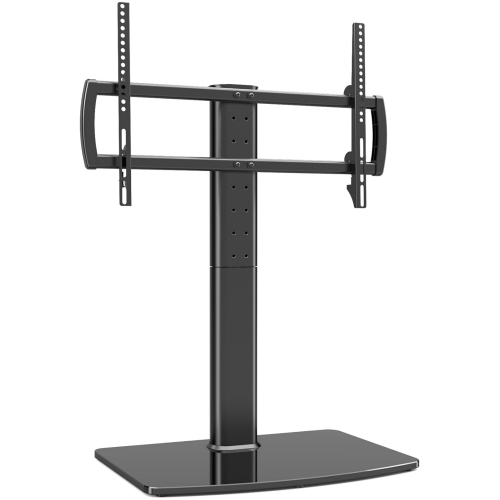
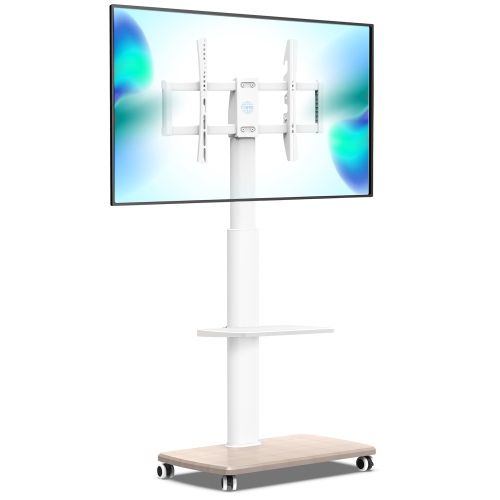
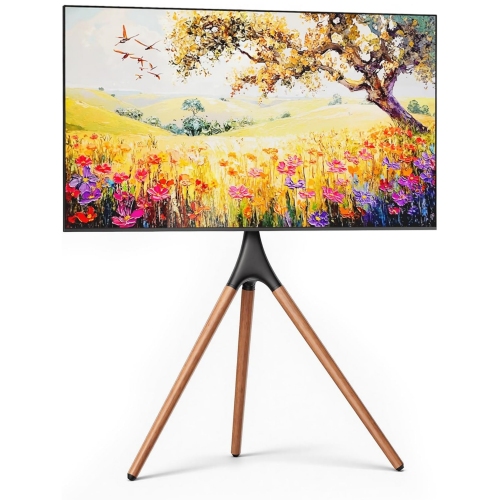
A screen that turns towards your favourite seat
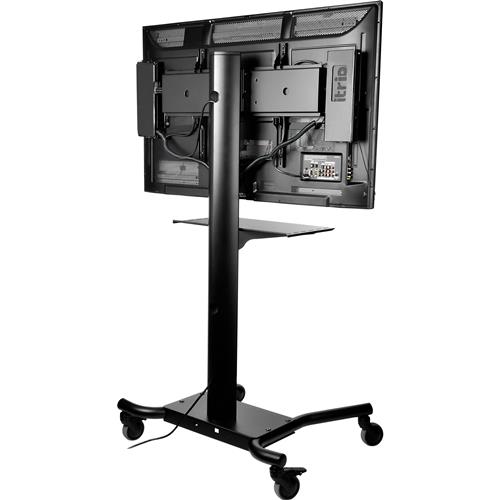
Rotating TV stands support a television while allowing the screen to turn towards different seating positions, making them a practical choice for rooms where viewing does not happen from just one spot. A swivel mechanism connects the screen mount to the stand, so the television can face a sofa for movie night, an armchair for a quiet evening, or a dining area in an open-plan space. That flexibility can also help reduce reflections from a window or lamp, although the result depends on the screen surface and the room’s lighting. Several formats serve different layouts. Tabletop swivel stands replace the television’s original feet and rest on an existing cabinet or media console. Freestanding TV stands combine an upright support with a floor base, while media consoles with integrated swivel mounts bring screen positioning and storage together. Mobile TV stands add wheels for repositioning within suitable indoor spaces, often with locking castors to hold the stand in place during use. Many designs turn through a limited arc rather than a complete circle; a stated range of 30 degrees left and 30 degrees right, for example, provides 60 degrees of total movement. Full-rotation designs are a separate category, and their installation and clearance requirements can differ substantially from those of a typical swivel base. Rotation usually means turning the television from side to side, not changing it from landscape to portrait orientation. Height adjustment and tilt are separate features, so a rotating mount does not automatically offer either. For everyday use, a modest swivel range may be enough to bring the picture into a comfortable line of sight without rearranging the furniture. Many tabletop and freestanding designs support the screen without a wall-mounted bracket, making them useful where furniture placement needs to remain flexible, although some setups still require anti-tip anchoring according to the manufacturer’s instructions.
Fit depends on more than the television’s diagonal screen measurement. Rotating TV stands have specified screen-size ranges, maximum weight capacities, and mounting-pattern requirements, and all three need to match the television. VESA compatibility refers to the horizontal and vertical spacing between mounting holes on the back of the TV, measured in millimetres. Two televisions with the same screen size can have different mounting patterns or weights, particularly when comparing slim displays with older, deeper designs. The position of cable ports, ventilation openings, and any raised sections on the rear casing also affects how a mounting plate sits. Correctly sized mounting screws and any required spacers are essential; a screw that fits the hole is not necessarily the right length. On a tabletop setup, the supporting cabinet must be strong enough for the combined weight of the television and stand, with a surface deep and wide enough to hold the entire base securely. A compact central base can suit furniture that cannot accommodate widely spaced original TV feet, but it does not remove the need to check furniture dimensions and load limits. Freestanding designs need a level surface and enough space around the base to avoid creating a trip hazard. Clearance matters above the base as well: the outer edges of a large screen sweep through a wider area as it turns, which can bring them close to walls, shelving, curtains, or nearby objects. Cable length must allow that movement without pulling on plugs or leaving loose loops in walkways. Adjustable mounting height can help position the picture near seated eye level and leave room for a sound bar, provided the arrangement does not block the screen or remote-control sensor. In a shared sitting area, swivel TV stands for living room layouts can support several viewing positions while keeping the television centred within the furniture arrangement. The most suitable footprint leaves space for both comfortable viewing and everyday movement through the room.
Materials and construction influence how a rotating TV stand looks, feels, and holds up to repeated use. Steel supports are common in mounting columns and brackets, while bases and shelves may use metal, tempered glass, solid wood, or engineered wood. A wood finish can blend with a bookcase or sideboard, and a slim metal frame can keep a small room feeling less crowded. Tempered-glass shelves provide a visually light surface, but their individual load ratings still matter, especially when holding a receiver, game console, or other equipment. Shelf capacity is separate from the mount’s TV weight limit. A well-designed swivel assembly should move smoothly and hold its intended position without unexpected drifting; looseness, scraping, or a developing lean calls for inspection before further use. Cable channels and clips can keep leads close to the support column, leaving enough slack at moving points while helping the area behind the screen stay tidy. Storage shelves are useful for everyday accessories, provided equipment has the ventilation space its manufacturer requires. Care is generally straightforward: a soft cloth removes dust, and cleaning methods should suit the finish, with no liquid allowed to run into joints or onto connected electronics. Glass edges deserve particular care during assembly and cleaning, and damaged components should not remain in service. Fasteners and locking mechanisms need periodic checks in line with the stand’s instructions, especially after relocation. For households with children or pets, secure installation and appropriate anti-tip measures are important even when the base feels substantial. Mobile stands are best suited to clear, level routes; thresholds, rugs, and trailing cables can complicate movement, and locking castors do not replace other required safety measures. In a condo living area, a bedroom, or a multipurpose family room, a rotating stand can make a fixed furniture arrangement more adaptable. Turning the screen towards a favourite seat during the cooler months, then returning it to face the sofa, offers a useful change without making the television the centre of every activity.
Fit depends on more than the television’s diagonal screen measurement. Rotating TV stands have specified screen-size ranges, maximum weight capacities, and mounting-pattern requirements, and all three need to match the television. VESA compatibility refers to the horizontal and vertical spacing between mounting holes on the back of the TV, measured in millimetres. Two televisions with the same screen size can have different mounting patterns or weights, particularly when comparing slim displays with older, deeper designs. The position of cable ports, ventilation openings, and any raised sections on the rear casing also affects how a mounting plate sits. Correctly sized mounting screws and any required spacers are essential; a screw that fits the hole is not necessarily the right length. On a tabletop setup, the supporting cabinet must be strong enough for the combined weight of the television and stand, with a surface deep and wide enough to hold the entire base securely. A compact central base can suit furniture that cannot accommodate widely spaced original TV feet, but it does not remove the need to check furniture dimensions and load limits. Freestanding designs need a level surface and enough space around the base to avoid creating a trip hazard. Clearance matters above the base as well: the outer edges of a large screen sweep through a wider area as it turns, which can bring them close to walls, shelving, curtains, or nearby objects. Cable length must allow that movement without pulling on plugs or leaving loose loops in walkways. Adjustable mounting height can help position the picture near seated eye level and leave room for a sound bar, provided the arrangement does not block the screen or remote-control sensor. In a shared sitting area, swivel TV stands for living room layouts can support several viewing positions while keeping the television centred within the furniture arrangement. The most suitable footprint leaves space for both comfortable viewing and everyday movement through the room.
Materials and construction influence how a rotating TV stand looks, feels, and holds up to repeated use. Steel supports are common in mounting columns and brackets, while bases and shelves may use metal, tempered glass, solid wood, or engineered wood. A wood finish can blend with a bookcase or sideboard, and a slim metal frame can keep a small room feeling less crowded. Tempered-glass shelves provide a visually light surface, but their individual load ratings still matter, especially when holding a receiver, game console, or other equipment. Shelf capacity is separate from the mount’s TV weight limit. A well-designed swivel assembly should move smoothly and hold its intended position without unexpected drifting; looseness, scraping, or a developing lean calls for inspection before further use. Cable channels and clips can keep leads close to the support column, leaving enough slack at moving points while helping the area behind the screen stay tidy. Storage shelves are useful for everyday accessories, provided equipment has the ventilation space its manufacturer requires. Care is generally straightforward: a soft cloth removes dust, and cleaning methods should suit the finish, with no liquid allowed to run into joints or onto connected electronics. Glass edges deserve particular care during assembly and cleaning, and damaged components should not remain in service. Fasteners and locking mechanisms need periodic checks in line with the stand’s instructions, especially after relocation. For households with children or pets, secure installation and appropriate anti-tip measures are important even when the base feels substantial. Mobile stands are best suited to clear, level routes; thresholds, rugs, and trailing cables can complicate movement, and locking castors do not replace other required safety measures. In a condo living area, a bedroom, or a multipurpose family room, a rotating stand can make a fixed furniture arrangement more adaptable. Turning the screen towards a favourite seat during the cooler months, then returning it to face the sofa, offers a useful change without making the television the centre of every activity.
Top selling and popular products
-
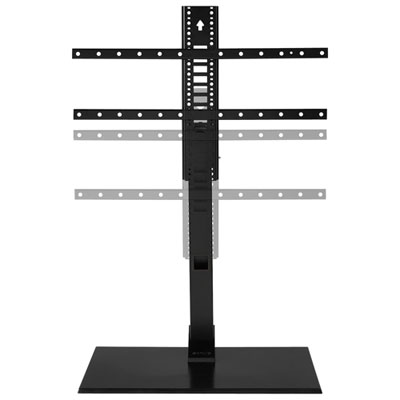 Your price for this item is $249.99
 -
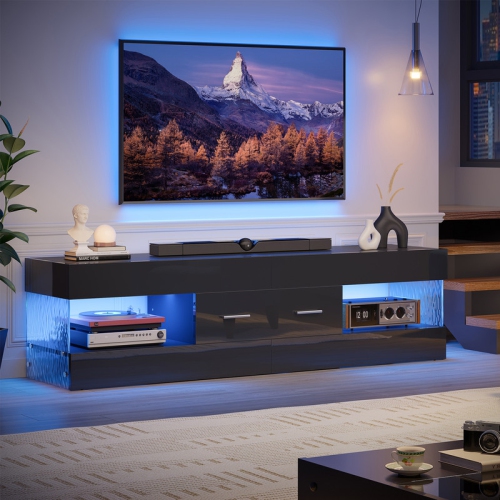 Your price for this item is $179.99
 -
 Your price for this item is $149.99
 -
 Your price for this item is $1522.15
 -
 Your price for this item is $1535.26
 -
 Your price for this item is $1505.85
 -
 Your price for this item is $689.99
 -
 Your price for this item is $1522.01
Discover more categories related to Rotating TV Stands

Top Collections:
Pokemon Centers, Kindle Devices, Best Budget Office Chairs, Apple iPhones 16, Best Laptops for Writers, iPhone 15 Apple, Canon G7X Cameras, Refurbished Apple Laptops, Alarm Clock, Motorola Razr Phones
Some products may be subject to Environmental Handling Fees
(EHF) depending on your province.
Learn more about EHFs.