120Hz Refresh Rate TVs
Experience ultra-smooth visuals and enhanced clarity with 120hz refresh rate TVs, designed to elevate your home entertainment. Perfect for movie enthusiasts, avid gamers, and sports fans alike, these TVs deliver seamless motion for an immersive viewing experience. Discover a wide selection of 120hz refresh rate TVs that combine advanced technology with sleek designs to complement any living space. Find the ideal TV to enjoy your favourite content with exceptional picture quality and fluid performance.
Sort
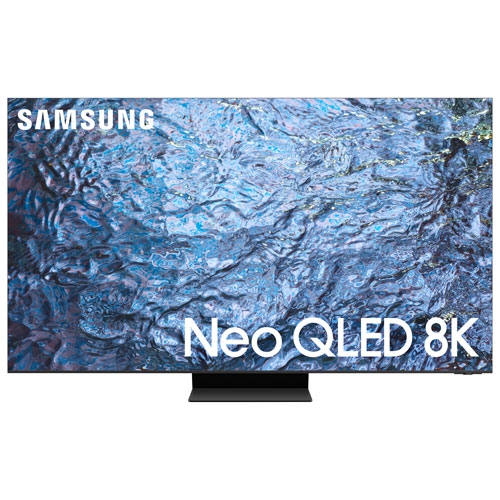
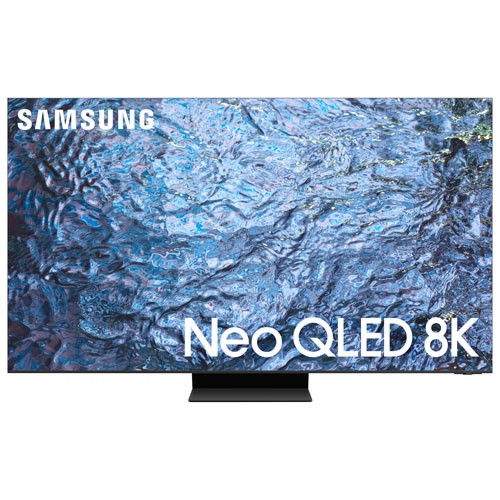
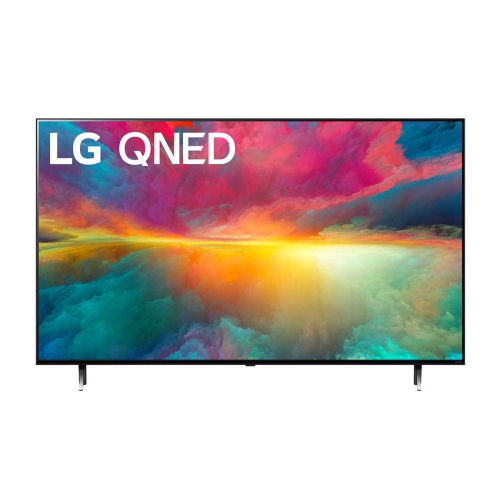
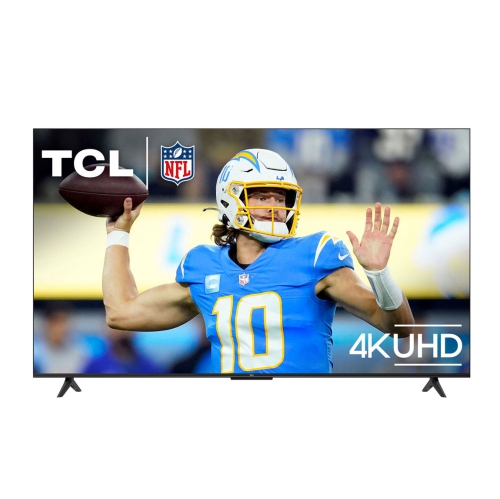
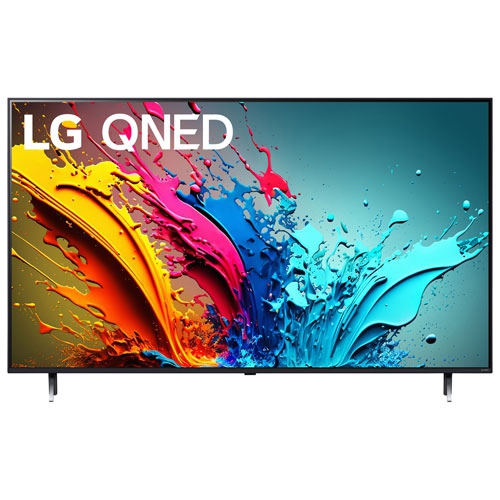
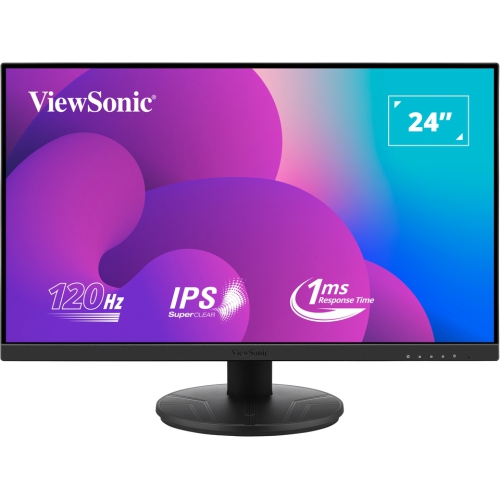
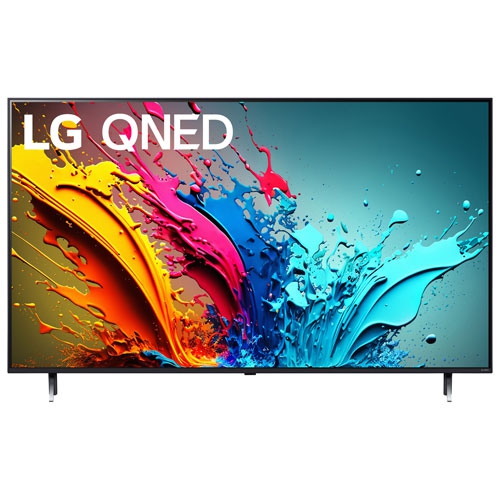
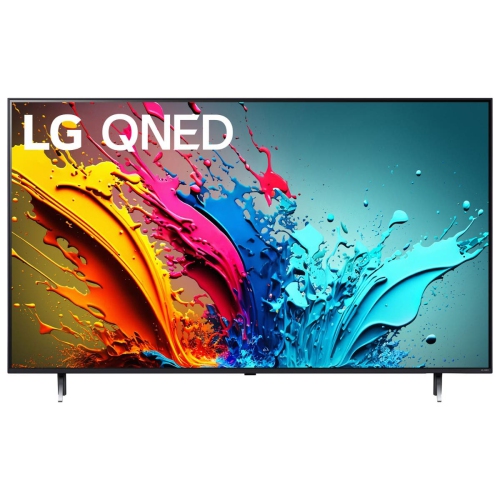
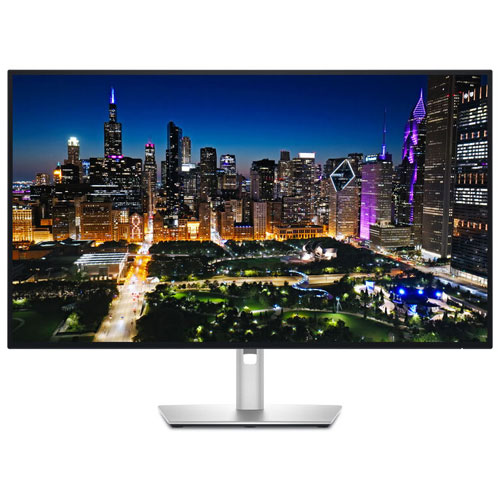
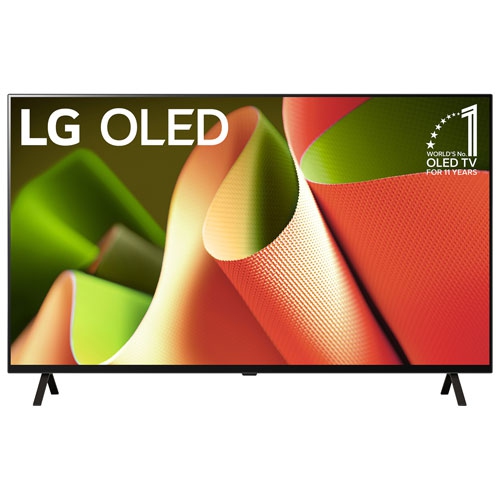
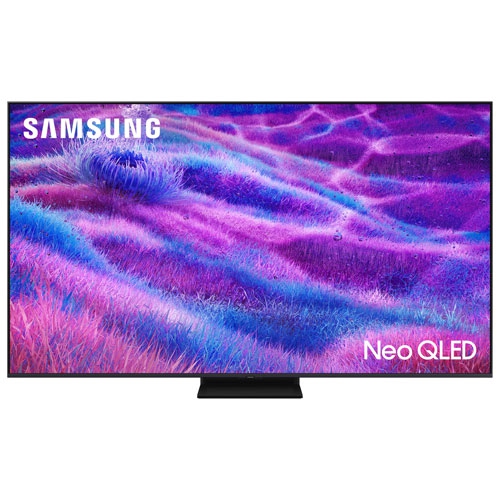
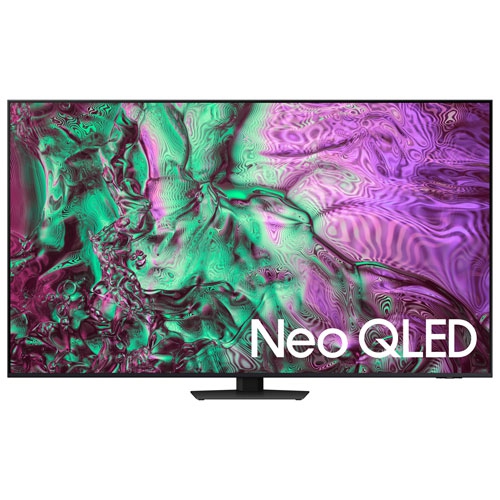
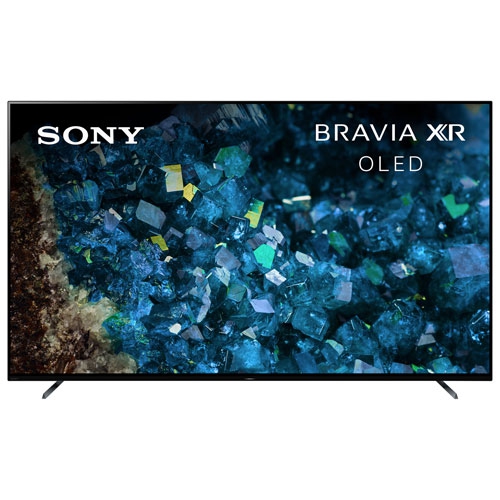
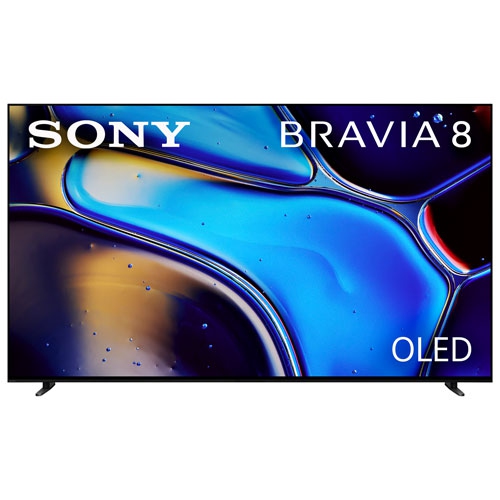
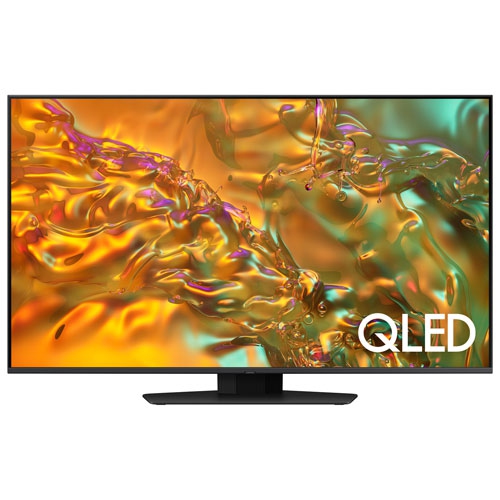
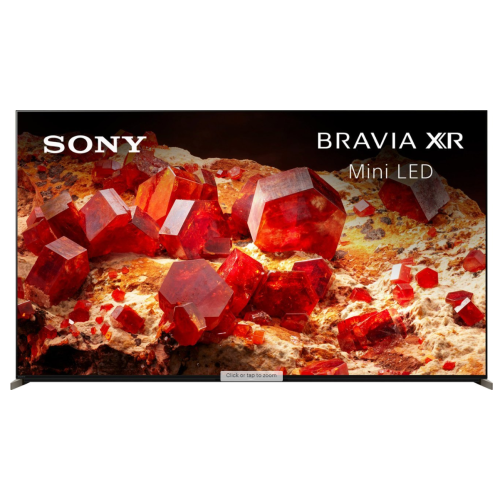
Smoother motion for sports, films, gaming, and everyday viewing
A 120Hz refresh rate TV updates the picture 120 times per second, giving moving images more opportunities to change smoothly than a standard 60Hz display. The difference is easiest to notice when the action moves quickly across the screen: a hockey puck travelling across the ice, a football pass viewed from a wide camera angle, or a racing game shifting rapidly through a corner. Fast camera pans can look cleaner, small details are easier to follow, and motion may appear more natural with less visible blur. A 120Hz TV can also display 24 frames-per-second film content evenly, since 120 divides cleanly by 24. This can help reduce the uneven cadence, sometimes called judder, that may appear when film frames are shown on a display with a less suitable refresh rate. The benefit is not limited to sports or movies. Modern game consoles and gaming computers can send compatible titles at up to 120 frames per second, allowing a responsive, fluid experience when the game, console, connection, and TV settings all support it. This makes 120Hz refresh rate TVs a strong choice for shared living rooms, dedicated gaming spaces, home theatres, and multipurpose rooms where one screen may handle everything from morning news to late-night gaming sessions.
When comparing 120Hz refresh rate TVs, start with the screen size and viewing distance that suit the room. A larger display can make high-frame-rate sports and games feel more involving, while a smaller size may be more comfortable in a bedroom, den, or apartment living area. Resolution matters as well: a 4K TV with a true 120Hz panel can show detailed images while maintaining smooth motion, but it is worth checking whether the listed refresh rate is native to the panel or produced through motion processing. Motion smoothing can make some programmes look fluid, yet it is different from accepting a native 120Hz signal from a console or computer. For gaming, examine the connection options carefully. HDMI 2.1 ports are important for transmitting 4K content at 120Hz from compatible devices, and it is helpful to confirm how many ports support the full combination of resolution, frame rate, and features you plan to use. Variable refresh rate, or VRR, can match the display’s refresh cycle to the game’s changing frame rate, helping reduce tearing and stuttering. Auto low-latency mode can switch the TV into a faster-response setting when gameplay begins, while features such as an on-screen game dashboard may make it easier to adjust settings. Also consider input lag, supported HDR formats, audio connections, and whether the TV has enough HDMI ports for a console, soundbar, streaming device, and cable or satellite receiver. Shoppers who want to explore related options can browse High Refresh Rate TVs for displays built around faster motion performance.
The right 120Hz TV depends on how the screen will be used from one day to the next. Sports fans may appreciate the cleaner presentation of rapid plays, especially when watching a full rink, field, or court and trying to follow movement at the edge of the frame. Gamers can benefit from smoother camera movement, quicker-feeling controls, and support for higher frame rates on compatible consoles and computers. Film lovers may prefer the natural cadence of 24fps content on a display that handles it evenly, while households that watch a mixture of streaming shows, live television, sports, and games may enjoy the flexibility of one screen that performs well across different types of entertainment. Picture technology is another important consideration. OLED displays are known for deep black levels and precise contrast, which can be especially striking in dark movie scenes and games, while LED and QLED-style displays can offer bright, vivid images for rooms with plenty of daylight. Look for settings that let you adjust motion processing, gaming mode, brightness, and picture tone to match personal preferences; some viewers prefer a highly smooth presentation, while others want films to retain their original cinematic character. A 120Hz TV can also make a thoughtful gift for someone setting up a new gaming area, upgrading a family room, or preparing a home theatre for the cooler months, provided the recipient’s console, viewing space, and preferred screen size are taken into account. Before choosing, measure the wall or stand, check the TV’s dimensions with its feet attached, consider seating positions, and confirm that connected devices support the features you want. With the right combination of panel, ports, content, and room placement, a 120Hz display can bring a more polished sense of motion to everyday viewing without limiting the TV to one type of entertainment.
When comparing 120Hz refresh rate TVs, start with the screen size and viewing distance that suit the room. A larger display can make high-frame-rate sports and games feel more involving, while a smaller size may be more comfortable in a bedroom, den, or apartment living area. Resolution matters as well: a 4K TV with a true 120Hz panel can show detailed images while maintaining smooth motion, but it is worth checking whether the listed refresh rate is native to the panel or produced through motion processing. Motion smoothing can make some programmes look fluid, yet it is different from accepting a native 120Hz signal from a console or computer. For gaming, examine the connection options carefully. HDMI 2.1 ports are important for transmitting 4K content at 120Hz from compatible devices, and it is helpful to confirm how many ports support the full combination of resolution, frame rate, and features you plan to use. Variable refresh rate, or VRR, can match the display’s refresh cycle to the game’s changing frame rate, helping reduce tearing and stuttering. Auto low-latency mode can switch the TV into a faster-response setting when gameplay begins, while features such as an on-screen game dashboard may make it easier to adjust settings. Also consider input lag, supported HDR formats, audio connections, and whether the TV has enough HDMI ports for a console, soundbar, streaming device, and cable or satellite receiver. Shoppers who want to explore related options can browse High Refresh Rate TVs for displays built around faster motion performance.
The right 120Hz TV depends on how the screen will be used from one day to the next. Sports fans may appreciate the cleaner presentation of rapid plays, especially when watching a full rink, field, or court and trying to follow movement at the edge of the frame. Gamers can benefit from smoother camera movement, quicker-feeling controls, and support for higher frame rates on compatible consoles and computers. Film lovers may prefer the natural cadence of 24fps content on a display that handles it evenly, while households that watch a mixture of streaming shows, live television, sports, and games may enjoy the flexibility of one screen that performs well across different types of entertainment. Picture technology is another important consideration. OLED displays are known for deep black levels and precise contrast, which can be especially striking in dark movie scenes and games, while LED and QLED-style displays can offer bright, vivid images for rooms with plenty of daylight. Look for settings that let you adjust motion processing, gaming mode, brightness, and picture tone to match personal preferences; some viewers prefer a highly smooth presentation, while others want films to retain their original cinematic character. A 120Hz TV can also make a thoughtful gift for someone setting up a new gaming area, upgrading a family room, or preparing a home theatre for the cooler months, provided the recipient’s console, viewing space, and preferred screen size are taken into account. Before choosing, measure the wall or stand, check the TV’s dimensions with its feet attached, consider seating positions, and confirm that connected devices support the features you want. With the right combination of panel, ports, content, and room placement, a 120Hz display can bring a more polished sense of motion to everyday viewing without limiting the TV to one type of entertainment.
Top selling and popular products
-
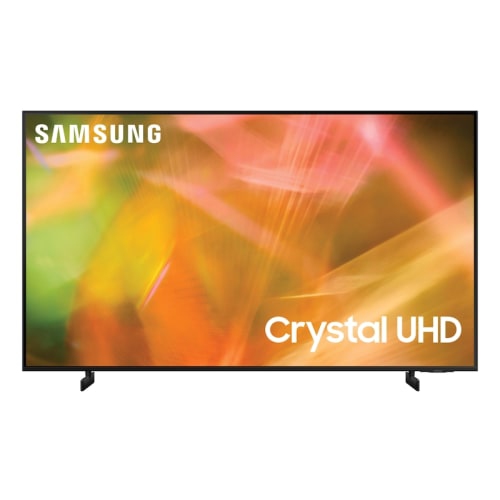 Your price for this item is $999.99
 -
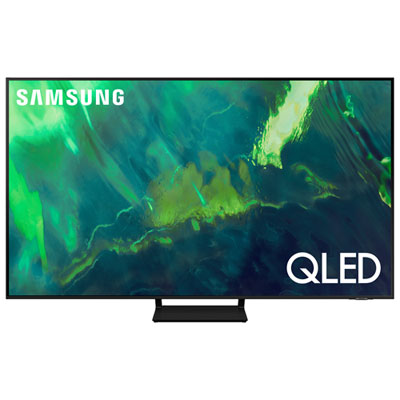 Your price for this item is $1199.97
 -
 Your price for this item is $1995.95
 -
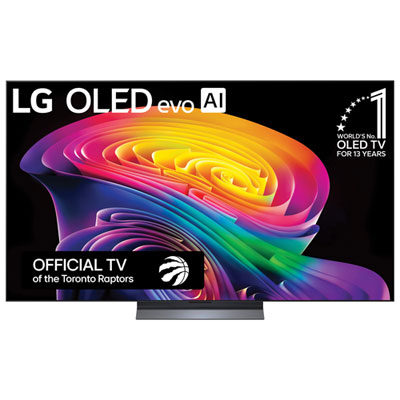 Your price for this item is $2499.99
 -
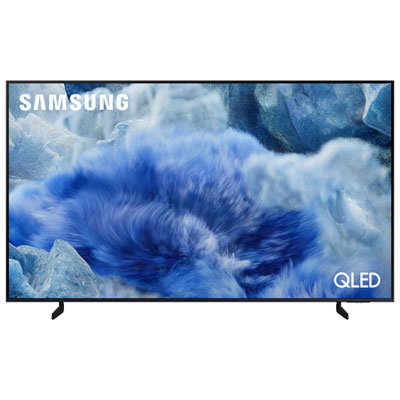 Your price for this item is $899.99
 -
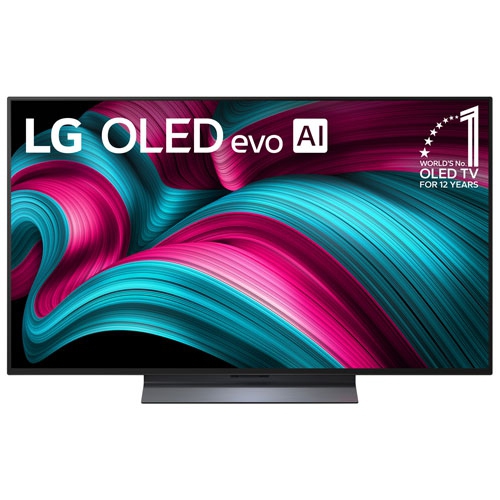 Your price for this item is $1749
 -
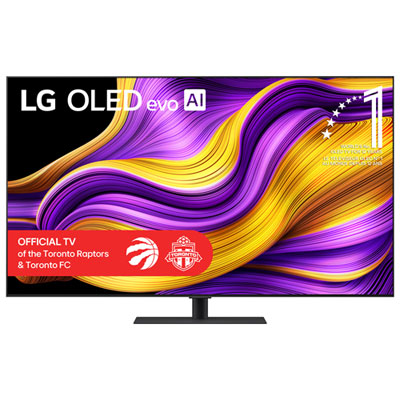 Your price for this item is $2999.99
 -
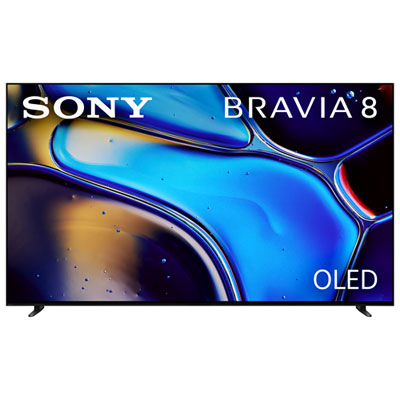 Your price for this item is $2399.99
Discover more categories related to 120Hz Refresh Rate TVs
Top Collections:
Pokemon Centers, Kindle Devices, Best Budget Office Chairs, Apple iPhones 16, Best Laptops for Writers, iPhone 15 Apple, Canon G7X Cameras, Refurbished Apple Laptops, Alarm Clock, Motorola Razr Phones
Some products may be subject to Environmental Handling Fees
(EHF) depending on your province.
Learn more about EHFs.