50 Inch Tvs With Best Sound Quality
If you're in the market for a new TV, you'll find that there are many different sizes and styles to choose from. But which one is right for you? The answer depends on your budget, how much space you have in your living room, and what kind of picture quality you prefer.
Sort
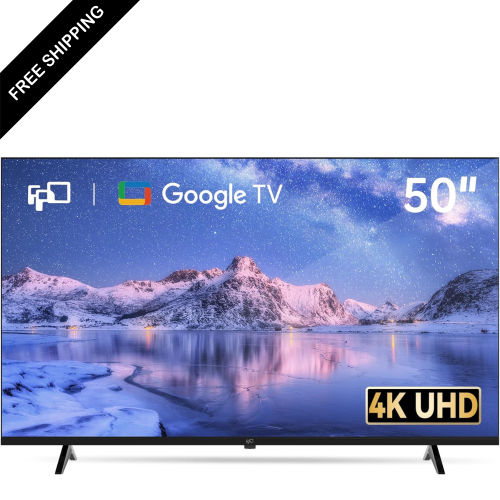





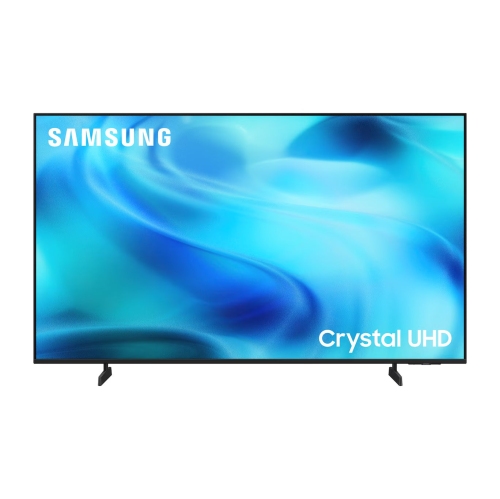
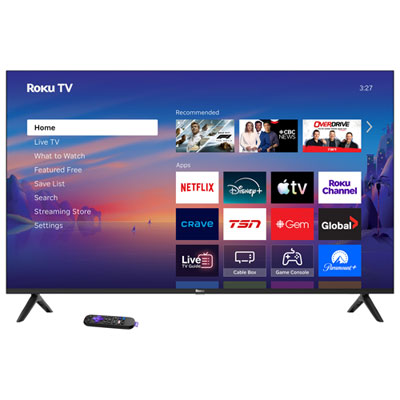


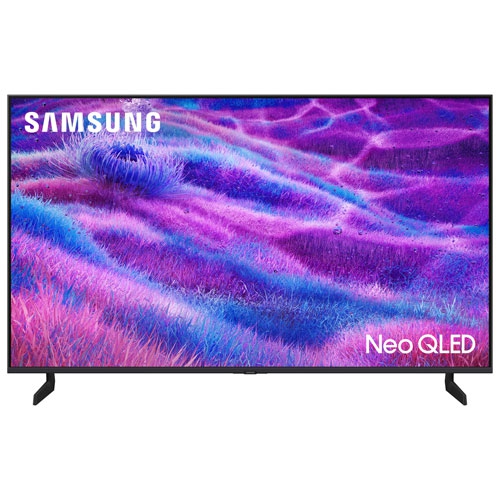
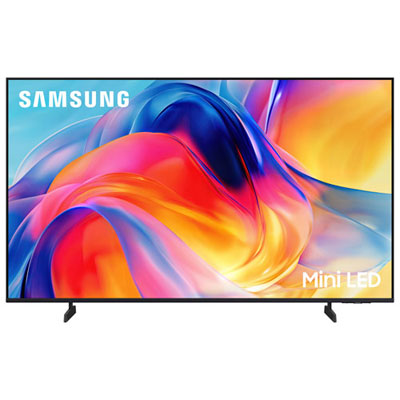


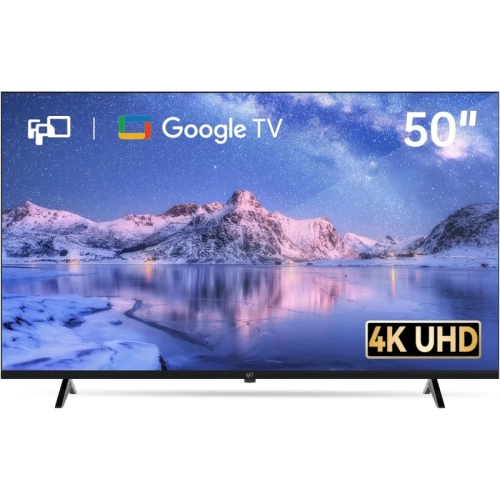
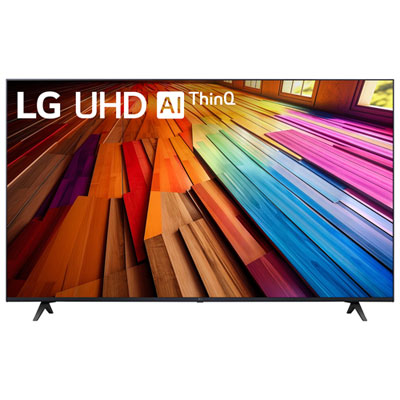


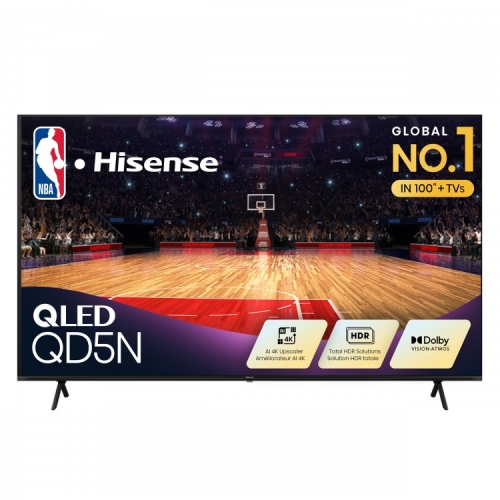


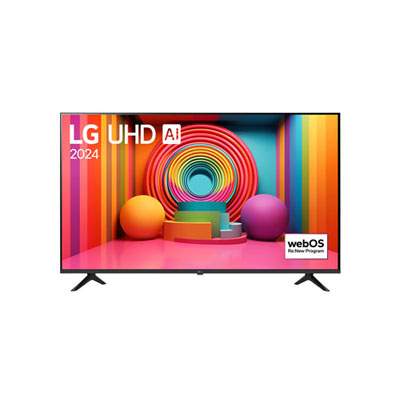

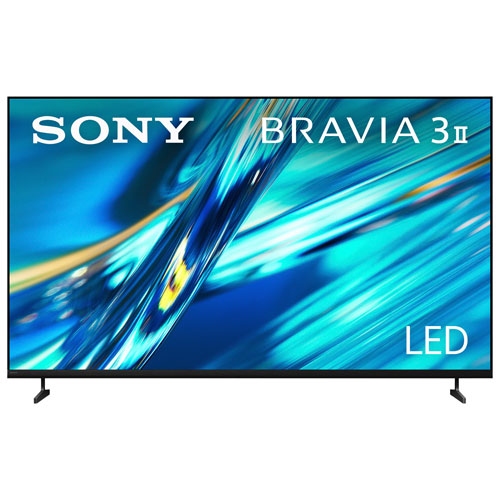



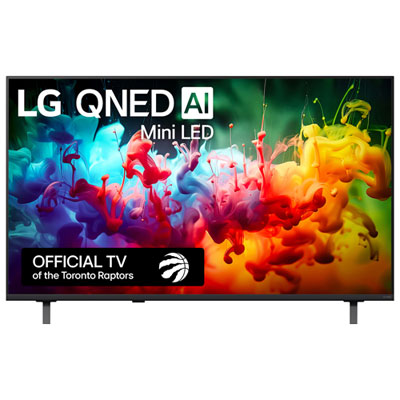
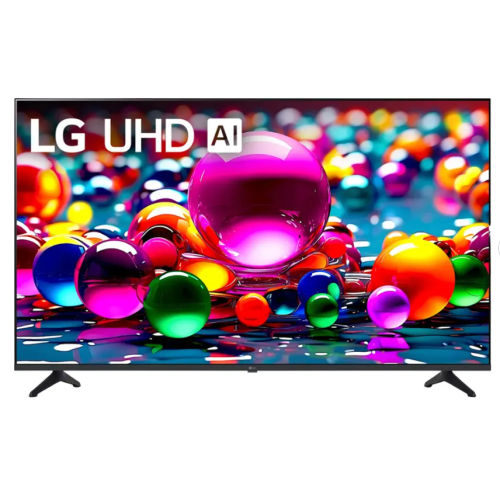








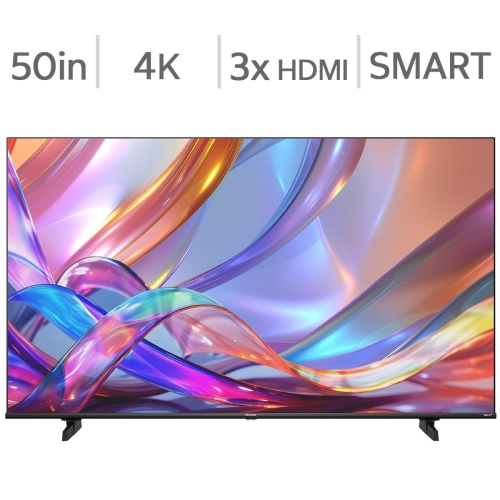

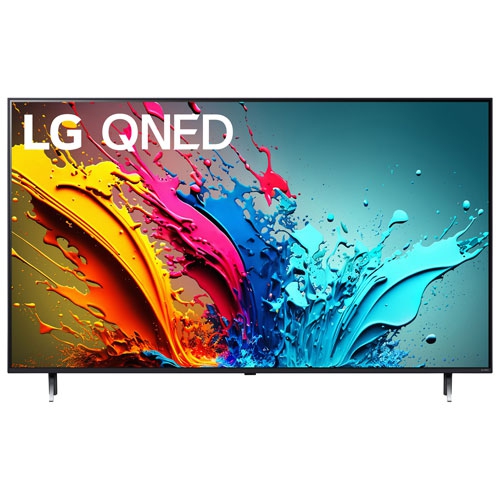

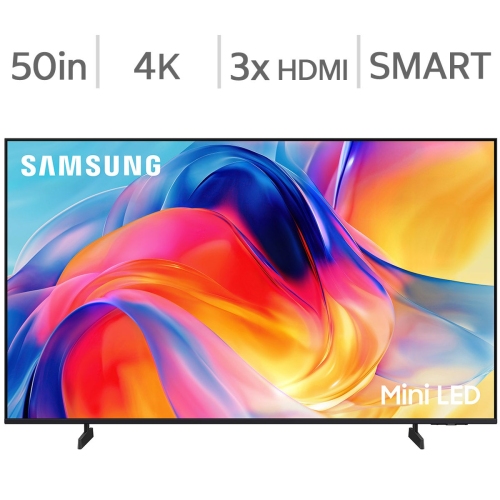

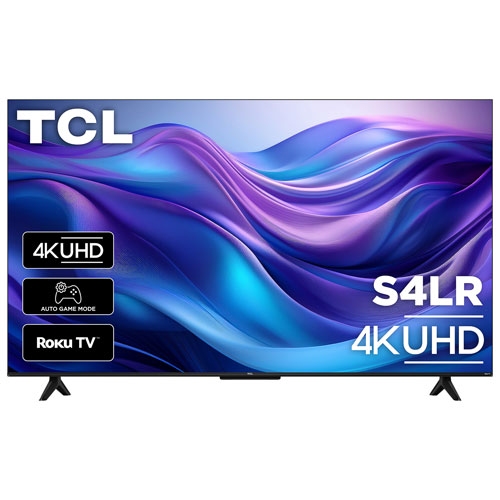






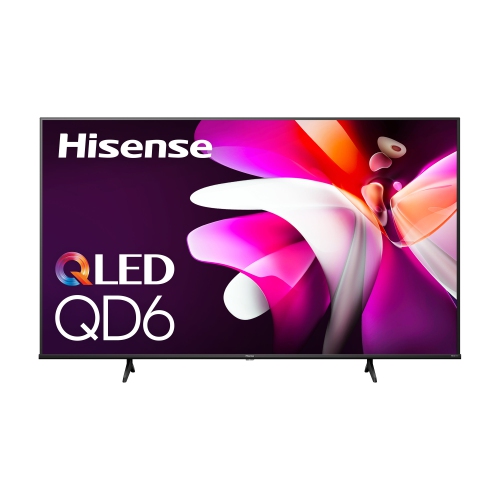

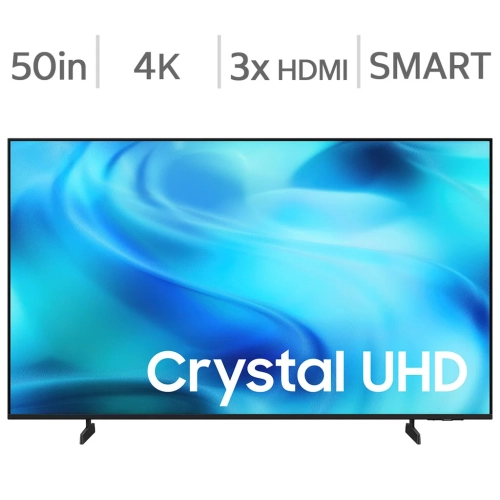
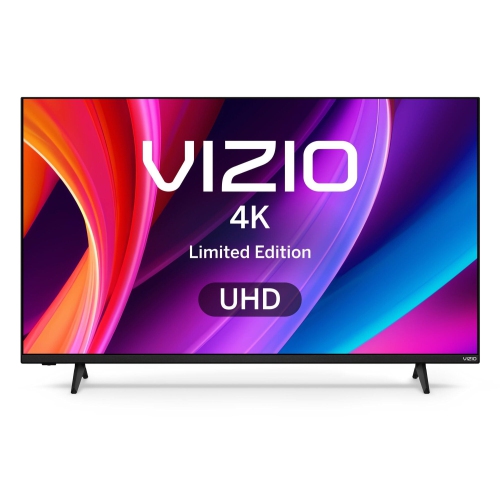
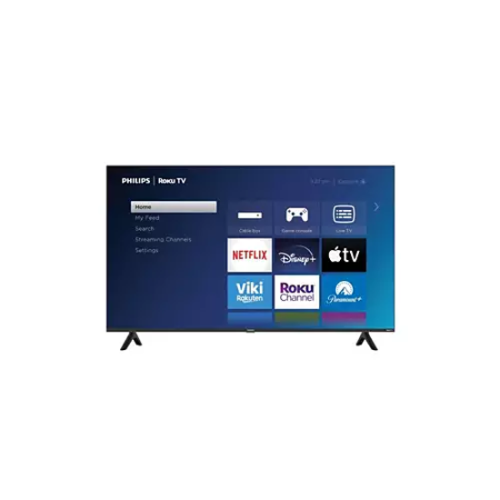
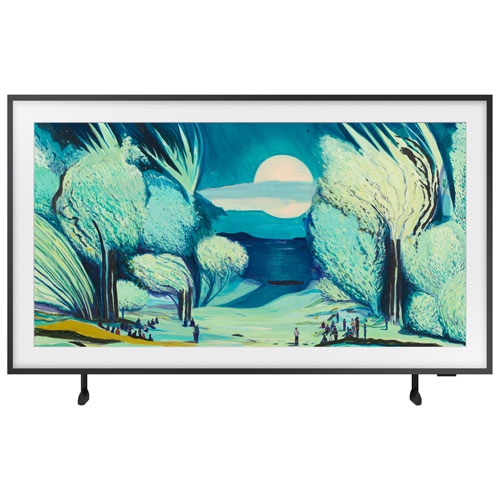
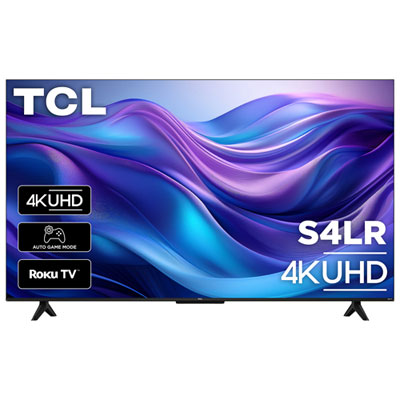


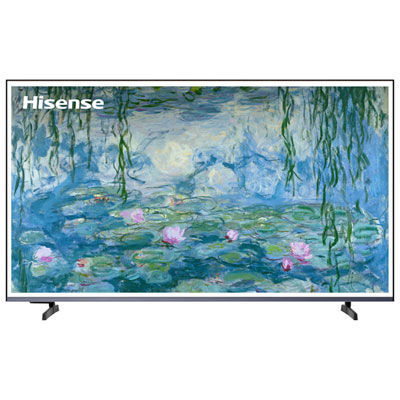
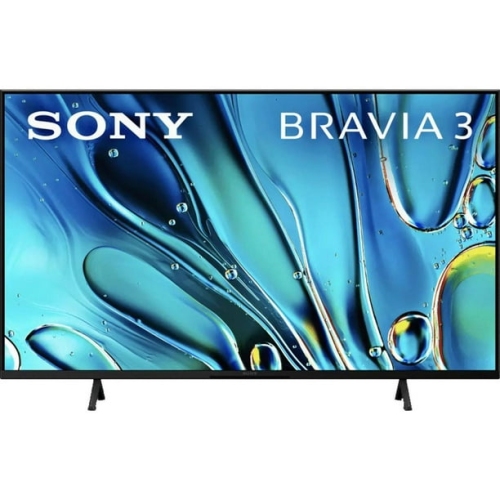






Why clear dialogue matters more than maximum volume
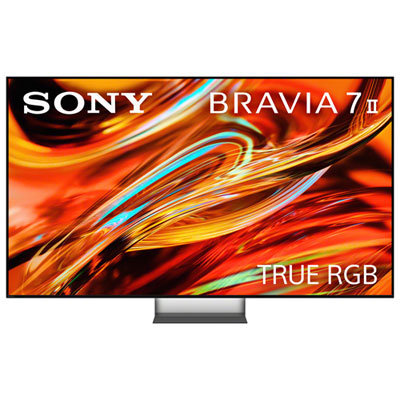
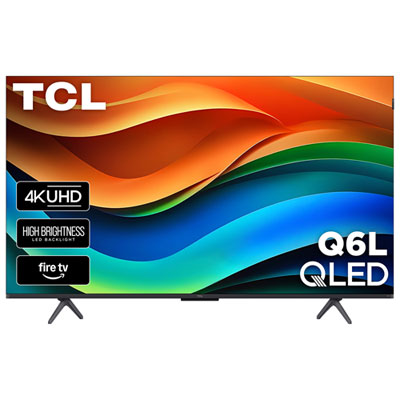
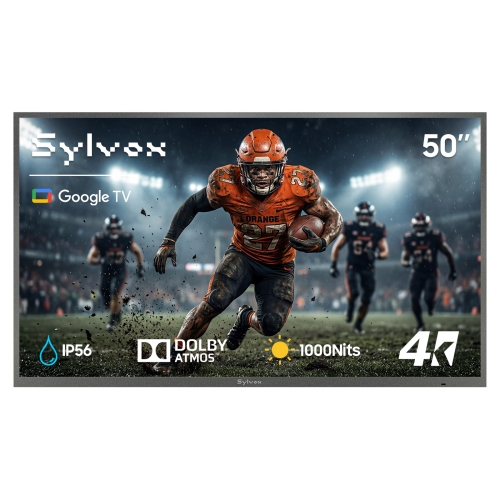
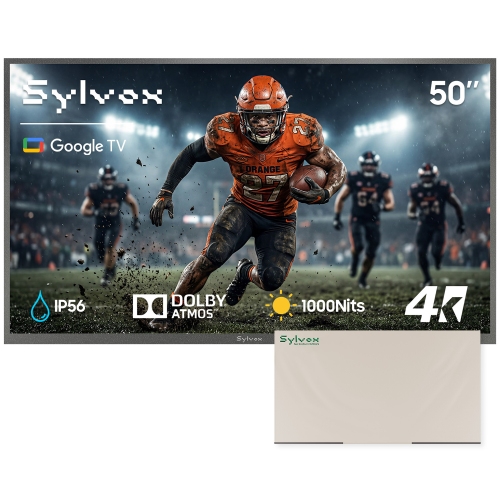
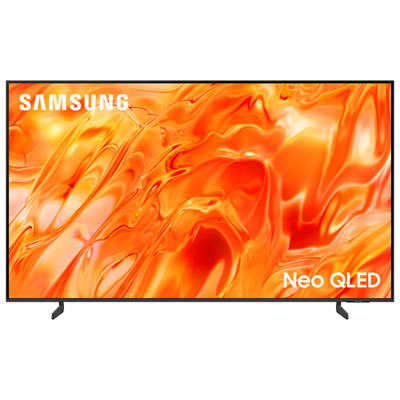
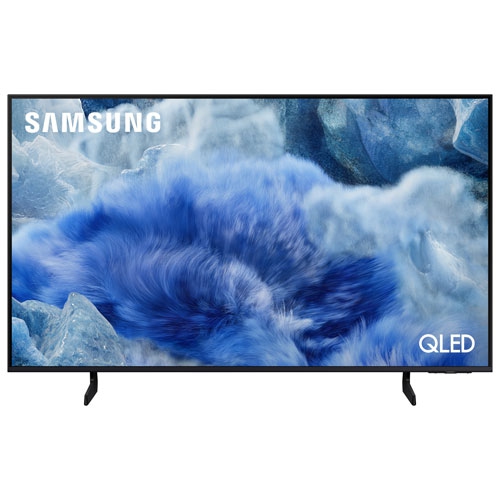
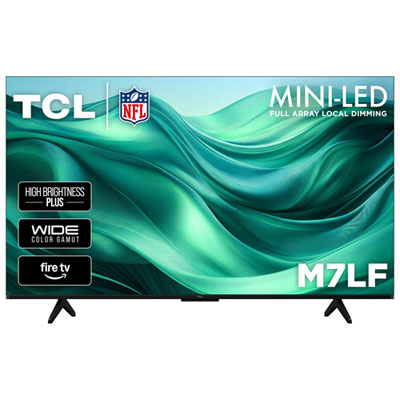
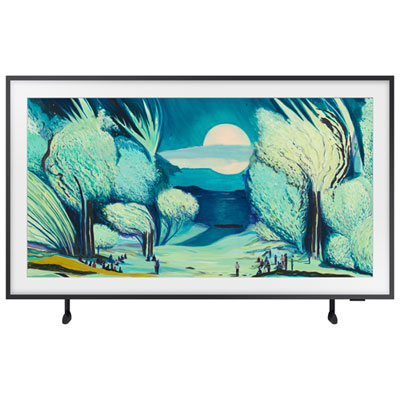
For 50-inch TVs, the best sound quality comes from clear dialogue, balanced bass and treble, and enough output to keep voices and effects distinct at a comfortable listening level. A television that sounds good should make a quiet conversation easy to follow without turning the next action scene into a sudden blast of noise. Built-in speaker design, audio processing, cabinet construction, and room placement all contribute to that experience; screen size alone does not determine sound quality. Dialogue clarity is especially important for news, dramas, documentaries, and sports commentary, where the spoken word needs to remain audible over music or background activity. Dedicated dialogue settings can bring voices forward, while volume-levelling features can help reduce abrupt changes between programmes and other content. Balanced tuning also matters. Excessively sharp treble can make speech sound thin, while exaggerated bass can obscure words rather than add useful depth. Stronger built-in audio preserves the texture of a singer’s voice, the snap of a drum, and the atmosphere of a stadium without making every sound compete for attention. Speaker placement influences how that detail reaches the seating area: front-facing, downward-firing, and rear-facing designs interact differently with nearby surfaces. Some televisions use multiple drivers or dedicated low-frequency speakers, although a slim cabinet still limits the deep bass that built-in audio can produce. Virtual surround processing can create a wider impression of sound, and supported immersive audio formats may add a sense of space when paired with suitable content. These effects should not be confused with separate speakers positioned around the room. Likewise, a higher wattage rating does not automatically mean clearer or fuller sound. The most useful combination is intelligible speech, controlled distortion, and convincing balance at the volume used for everyday viewing. For viewers who prefer a tidy setup without extra audio equipment, those qualities can make a 50-inch television a satisfying centrepiece for films, streaming series, casual gaming, and regular broadcasts.
A 50-inch screen can suit a bedroom, apartment living room, den, or shared family space, provided its dimensions and viewing distance work with the layout. The measurement describes the screen’s diagonal, not the television’s overall width, so the cabinet dimensions, stand footprint, and furniture depth remain important. Sound deserves the same attention as visual fit. In a modest-sized room, clear built-in speakers may provide comfortable listening without needing high volume. A large, open-plan space places greater demands on audio output, particularly when the seating is far from the screen or kitchen activity competes with dialogue. Hard floors, bare walls, and glass surfaces can reflect sound, while rugs, curtains, and upholstered furniture can soften those reflections. A television placed inside a deep cabinet may sound different from one positioned on an open stand, especially if its speakers fire toward the back or sides. Leaving the speaker openings unobstructed helps preserve the intended sound. Where available, placement settings or room-based audio adjustment can help account for whether the television is mounted on a wall or resting on furniture. Everyday listening habits are equally relevant. Someone watching a drama at low volume may value a speech-enhancement mode more than dramatic bass, while a household that follows hockey may appreciate commentary that stays distinct from crowd noise. Music performances benefit from vocals and instruments that remain separate rather than blending into a flat wall of sound. For gaming, positional cues and prompt audio response help footsteps, engine sounds, and on-screen action feel connected to the picture, although game design and audio settings also influence the result. A night-listening mode, when included, can reduce the gap between soft dialogue and louder effects for more comfortable shared-space viewing. Headphone support can also be useful for individual listening, but connection options vary, and wireless audio may introduce delay. Clear sound at ordinary listening levels is often more valuable than maximum loudness, particularly when several people share the room.
Good picture quality and practical connections round out a 50-inch television intended for enjoyable everyday listening. A detailed image, suitable contrast, and smooth motion help the screen complement its audio, while an easy-to-use interface makes it simpler to move between streaming services, live television, and connected devices. HDMI eARC support can provide a useful path to a compatible soundbar or receiver later, including support for higher-bandwidth audio formats when the television, connected equipment, and content all support them. Standard HDMI ARC and optical connections have different capabilities, so the connection type matters if an existing audio system is part of the setup. Reliable communication between the television and external speakers can also simplify volume control and reduce the need for multiple remotes. Built-in sound remains a convenient choice for a clean-looking room, but deeper bass or more precise surround effects may call for additional equipment. Moving to a larger screen is a separate decision rather than a guarantee of better audio; for a room planned around a much bigger picture, 85-inch TVs with best sound quality offer a related screen-size category to consider. With any size, secure placement and sensible care help protect the television and maintain its performance. A stable media unit should support the television’s weight and accommodate its feet, while a wall mount needs to match the specified mounting pattern and load requirements. Space around ventilation openings helps prevent heat buildup, and accessible connections make cable changes easier without straining ports. Dust can be removed with a soft, dry microfibre cloth, following the manufacturer’s cleaning directions and avoiding liquid sprayed directly onto the screen or speaker openings. A 50-inch television can also make a thoughtful gift for a shared household or someone setting up a dedicated viewing space, especially when clear speech and simple operation matter more than a complicated audio system. The strongest fit brings together comfortable screen proportions, understandable dialogue, balanced everyday sound, and connections suited to how the television will be used.
Top selling and popular products
-
 Your price for this item is $722.99
-
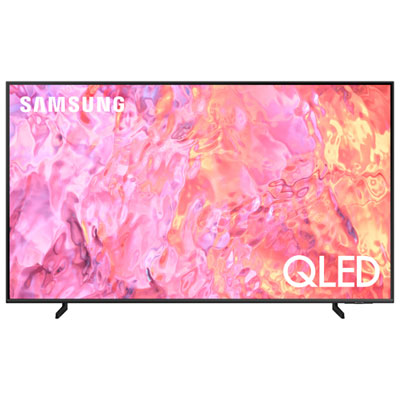 Your price for this item is $799.97
-
 Your price for this item is $549.99
-
 Your price for this item is $549.99
-
 Your price for this item is $499.97
-
 Your price for this item is $699.99
-
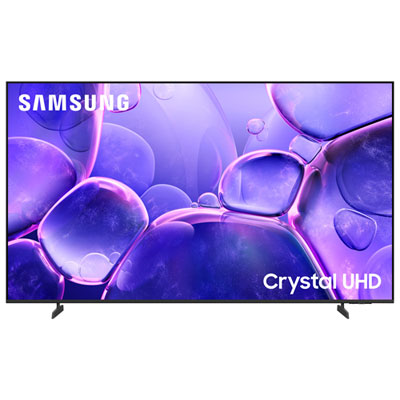 Your price for this item is $449.99
-
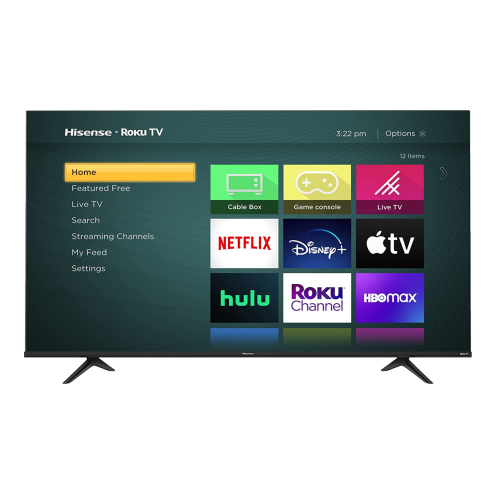 Your price for this item is $839.29
Discover more categories related to 50 Inch Tvs With Best Sound Quality

Top Collections:
Pokemon Centers, Best Cameras for Sports Photography, Kindle Devices, Samsung Galaxy Phones, Canon G7X Cameras, Pokémon 30th Celebration Cards, Refurbished Apple Laptops, iPhone 15 Apple, Laptops for Students, Budget Smartphones
Some products may be subject to Environmental Handling Fees
(EHF) depending on your province.
Learn more about EHFs.