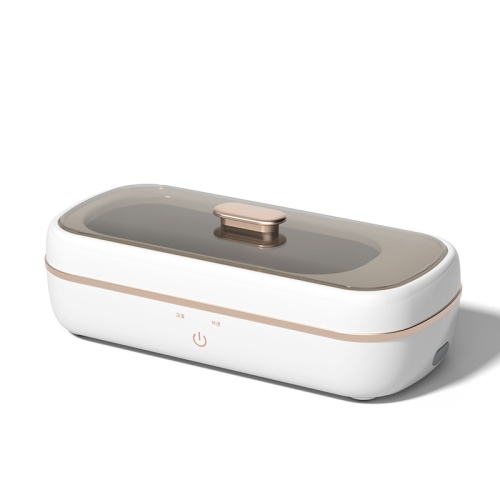
Ultrasonic Contact Lens Cleaners

Browse ultrasonic contact lens cleaners to find a device suited to your lens type and care routine. Compare cleaning methods, cycle times, power options, and lens compatibility, and check each model’s instructions for required solutions. Follow your eye care professional’s guidance, as cleaning does not replace disinfection.
Read More

Sort

Ultrasonic Contact Lens Cleaners

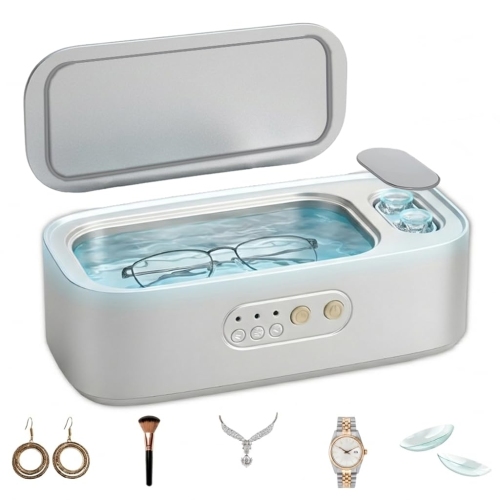
Ultrasonic Contact Lens Cleaners offer a dedicated place in the daily lens-care routine for people who wear compatible reusable contact lenses. These compact devices use high-frequency sound waves to agitate liquid in a cleaning chamber, helping loosen deposits from the lens surface when used as directed. For someone who puts in contacts before an early commute and takes them out beside the bathroom mirror at night, a cleaner can become a familiar part of that small, end-of-day ritual. The important distinction is that cleaning and disinfecting are not the same thing: an ultrasonic cleaning cycle should not be assumed to disinfect lenses or replace any prescribed rubbing, rinsing, soaking, or storage steps. Suitability also varies between devices and lens materials, so the best fit is a cleaner whose stated compatibility matches your exact lens type and whose instructions work with the care system approved by your eye care professional. Daily disposable lenses are intended to be discarded after use, not cleaned for another wear.

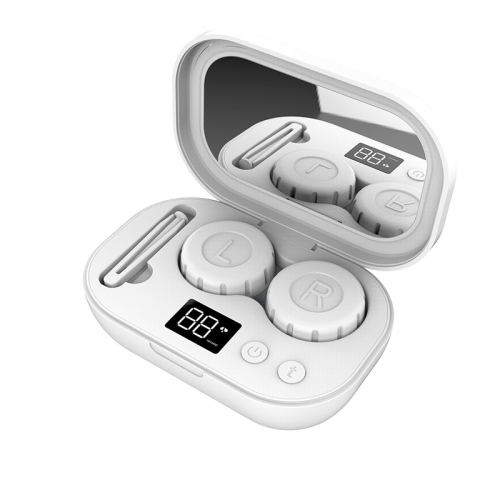
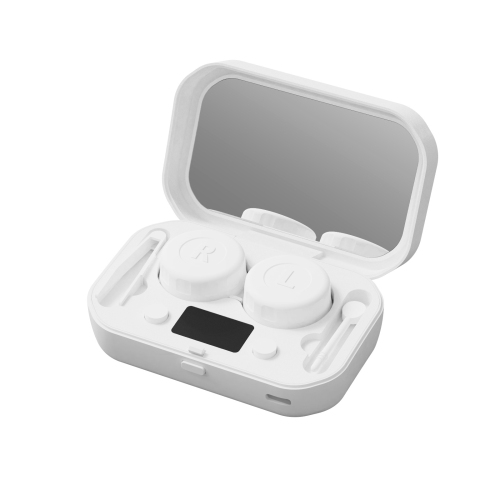
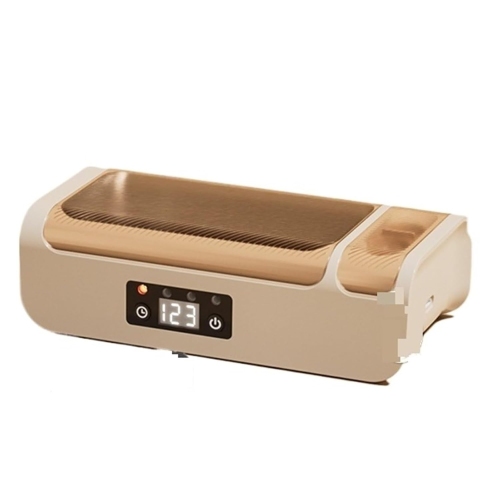
When comparing ultrasonic contact lens cleaners, the details that matter most are often the ones you will notice with wet hands and limited counter space. Clearly marked left and right compartments can help keep different prescriptions separate, while an easy-to-open lid and accessible cleaning chamber can make everyday handling less fiddly. Look at the stated cleaning method rather than relying on the product name alone, since devices described as vibrating or automatic do not necessarily use ultrasonic technology. Cycle length, automatic shut-off, power source, and the availability of replacement lens holders or cases are useful points of comparison where those features are offered. A rechargeable design may suit a bathroom with few accessible outlets, while a compact footprint can be helpful on a shared vanity. For travel, consider the cleaner’s dimensions, charging requirements, and whether it includes a separate protective case; a small device is not automatically leakproof or suitable for storing lenses in transit. The chamber and removable components also need care, so straightforward maintenance instructions are just as valuable as a simple start button.

These cleaners may appeal to established reusable-lens wearers who want a dedicated cleaning device, whether their routine centres on getting ready for work, switching to glasses after a long day, or packing familiar essentials for a weekend away. They can also be a thoughtful practical gift for someone close to you, provided you already know their lens type and preferred care routine; compatibility is more important than choosing the smallest or most feature-filled option. Check which cleaning solutions the device manufacturer permits, and confirm that those solutions are appropriate for the lenses themselves. Never substitute tap water or saliva for approved lens-care solution, and do not mix care systems or shorten required disinfection times. Hydrogen peroxide systems, in particular, require their specified case and complete neutralization process. A cleaner should support careful lens handling, not create a reason to extend a replacement schedule or keep wearing an uncomfortable lens. With the right match, the appeal is practical: a compact tool that fits neatly alongside the other essentials you already reach for, with clear instructions and features that suit your daily routine.

Read More

FAQ

Some products may be subject to Environmental Handling Fees (EHF) depending on your province. Learn more about EHFs.