USB-C Earbuds for iPhone

USB-C earbuds for iPhone offer a wired way to listen on iPhone models with a USB-C port, without Bluetooth pairing. Compare options by fit and listed features, and check each pair’s compatibility and support for calls and in-line controls before choosing.
Sort

Wired listening without pairing or earbuds to recharge

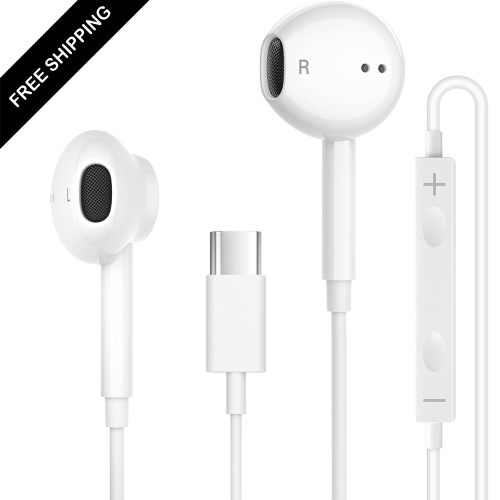
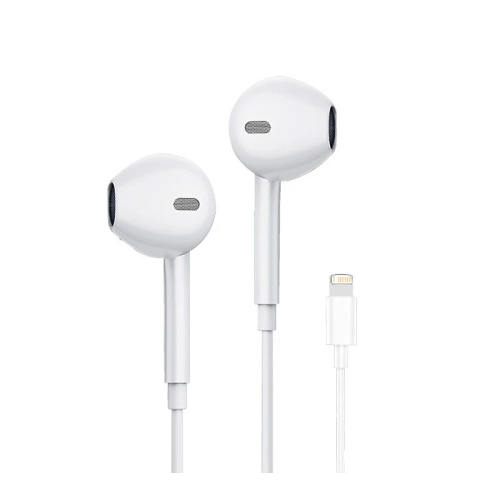
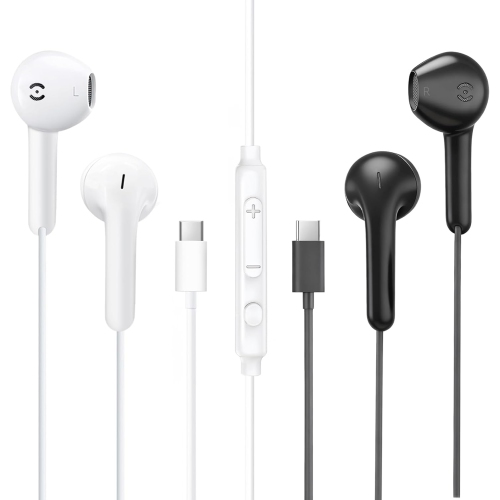
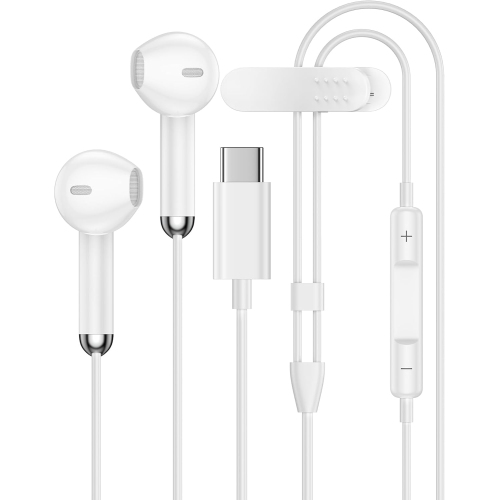
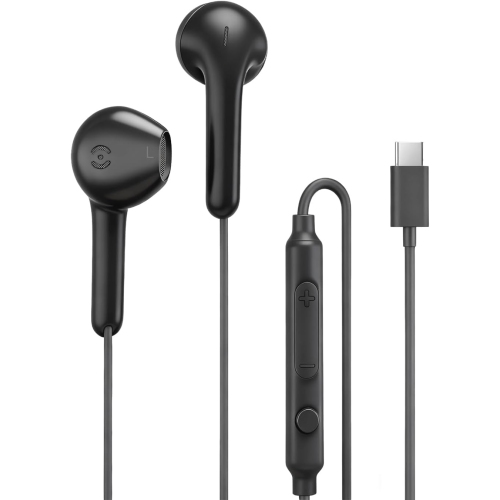
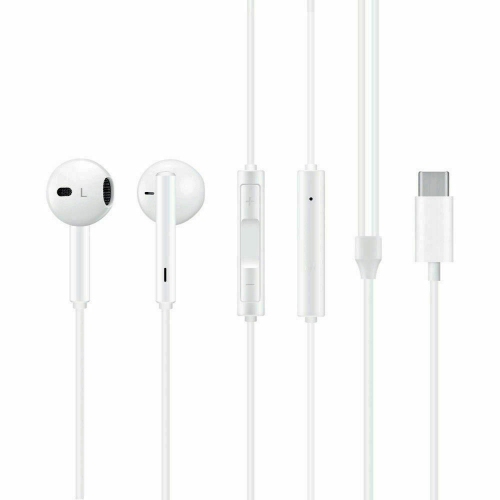
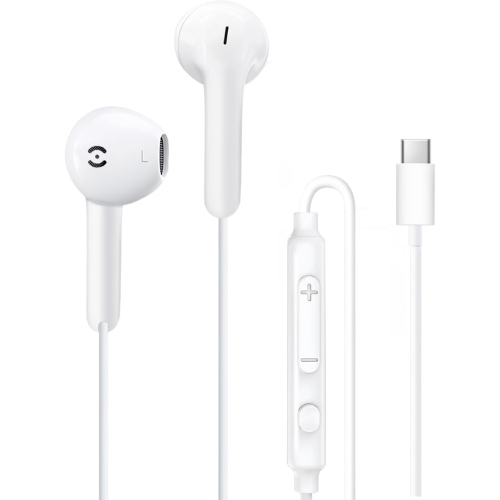
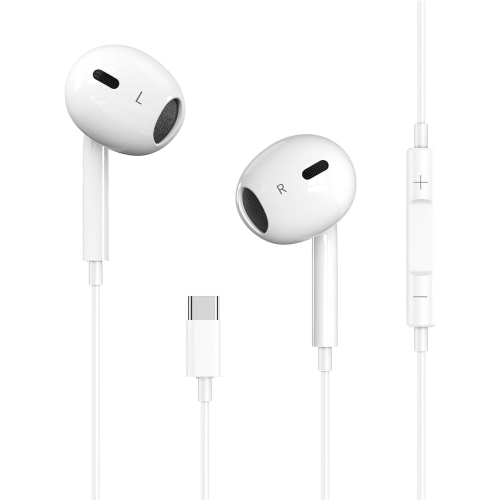
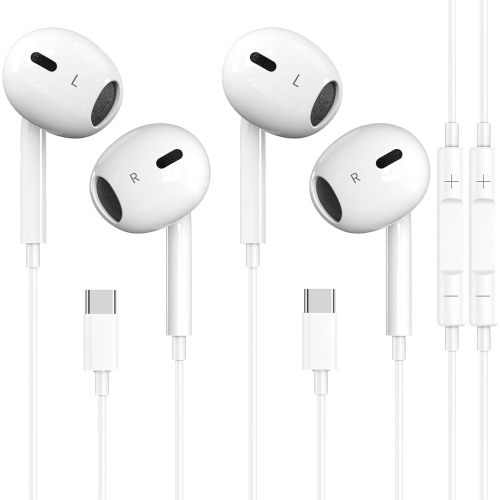
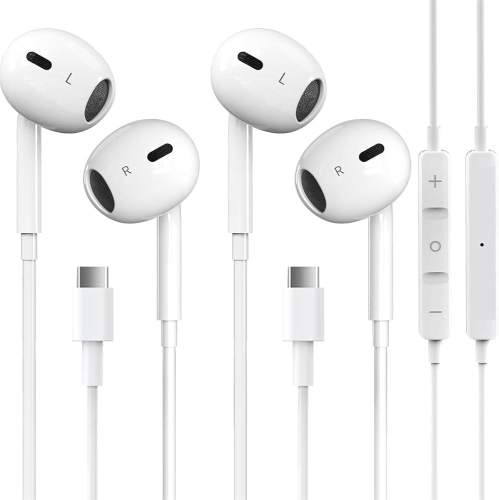
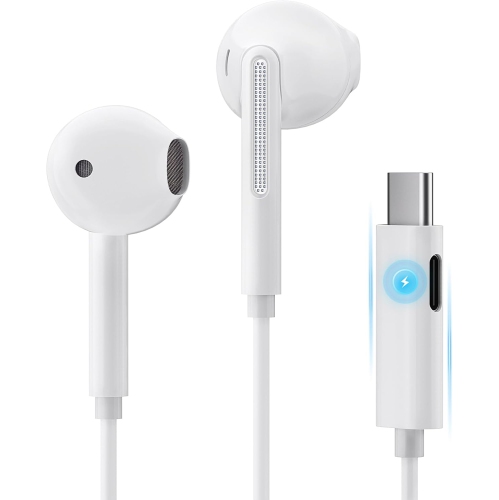
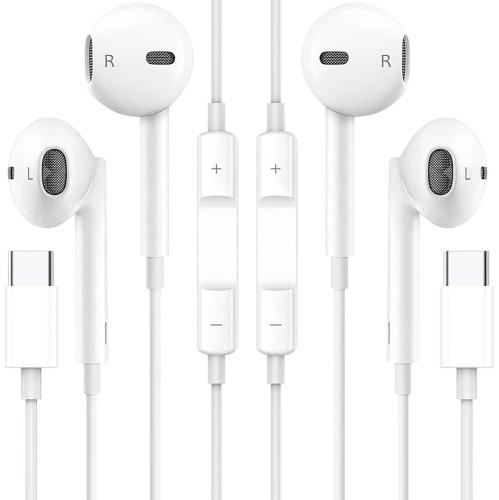
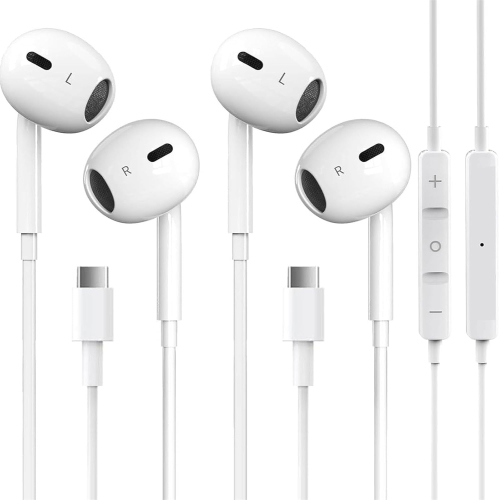
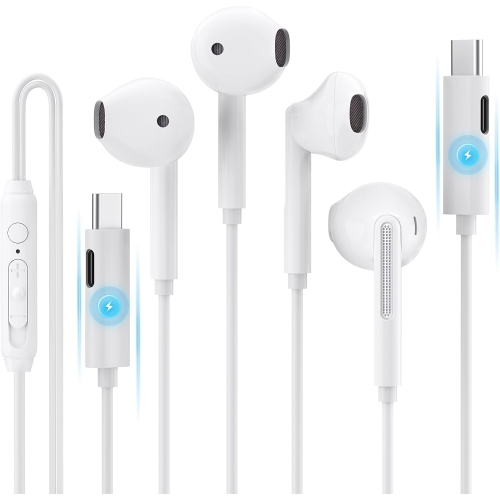
USB-C earbuds for iPhone offer a direct wired connection for music, podcasts, calls, and videos without Bluetooth pairing or a separate earbud battery to recharge. They plug into an iPhone with a USB-C port and draw power from the phone, making them a practical choice for everyday listening at a desk, on public transit, or between appointments. Compatibility matters more than the shape of the plug alone: earbuds should explicitly support digital USB-C audio and the connected iPhone. Compatible digital earbuds contain the circuitry needed to turn the phone’s digital audio signal into sound, so a separate audio adapter is generally unnecessary. An iPhone with a different connector cannot accept a USB-C plug directly. The connector also needs enough clearance to seat fully when a protective phone case is fitted; a bulky plug housing can sometimes interfere with a narrow case opening. Many wired designs include an inline microphone and remote, keeping call handling and playback controls within reach along the cable. Depending on the earbuds and their compatibility, those controls may adjust volume, pause a podcast, skip a track, or answer an incoming call. The exact functions can vary, so supported controls are worth distinguishing from the presence of a microphone alone. For someone moving from a video call to a walk with an audiobook, a wired connection keeps the routine simple: plug in, select the audio, and listen. It also avoids the Bluetooth transmission delay that can affect some wireless listening setups, although overall audio and video timing still depends on the app and device. Because the earbuds occupy the phone’s USB-C port, charging through that same port at the same time requires a compatible accessory that supports both functions. That makes cable layout and charging habits relevant considerations for longer listening sessions. A direct connection suits people who prefer a familiar, visible link between their phone and earbuds, whether the pair is used every day or kept in a bag as a backup.

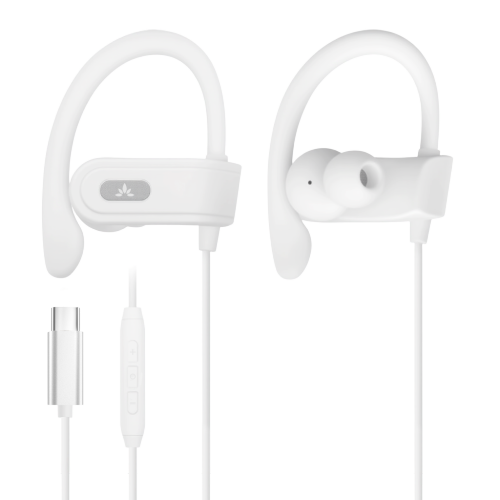
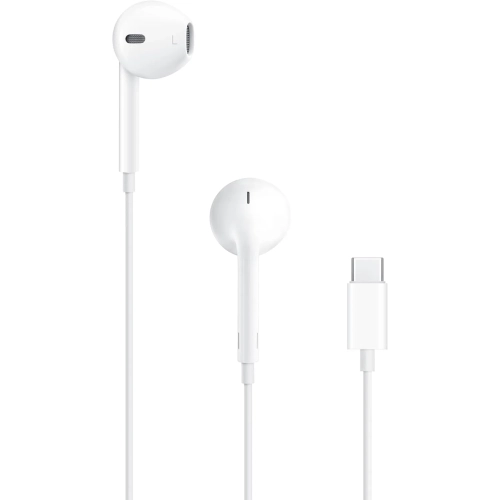
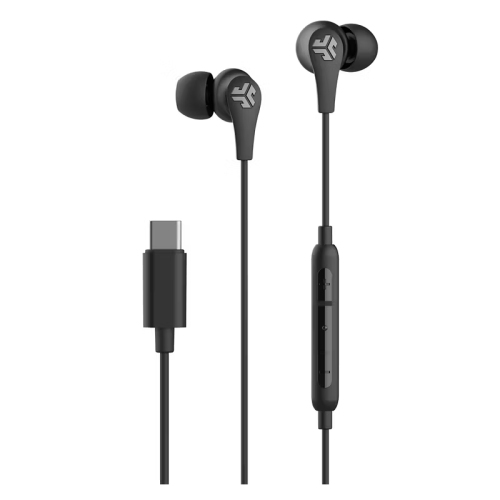
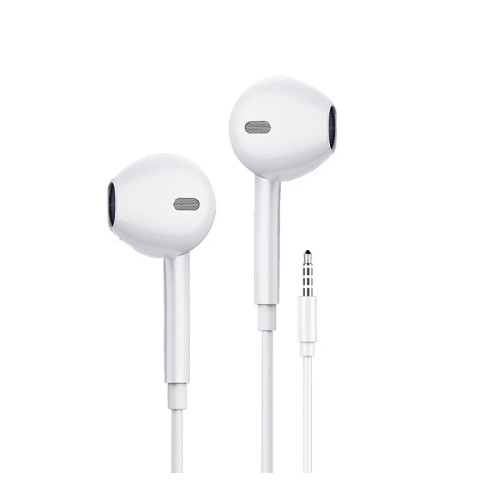
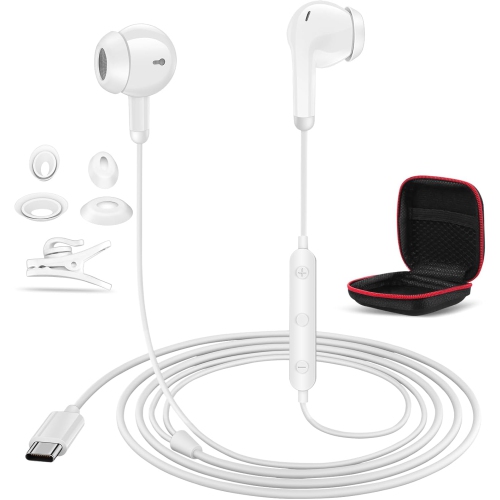
Fit makes a noticeable difference to how USB-C earbuds for iPhone feel and sound over time. Hard-shell designs typically rest at the opening of the ear without the snug seal created by silicone tips. Some listeners prefer that lighter contact, particularly when they dislike the sensation of an in-ear seal, although a fixed shape will not fit every ear equally well. In-ear designs with interchangeable silicone tips offer more flexibility. A tip that sits securely without pressure can help keep an earbud in place and support a fuller bass response, while a loose seal may make sound seem thin or allow the earbud to shift when talking or walking. Each ear can need a different tip size, so matching both sides by comfort rather than appearance can be useful. Passive noise isolation comes from that physical seal; it is not the same feature as active noise cancellation. A closer seal can soften surrounding chatter, but it should not be treated as hearing protection or a reason to turn listening volume up. For shared offices, libraries, and quiet study spaces, a comfortable fit at a moderate volume can also help limit sound leakage. Listening preferences matter alongside fit. Clear speech is useful for lectures, audiobooks, and calls, while balanced mids and controlled bass can make a varied music library enjoyable without overwhelming vocals. The USB-C connector itself does not determine sound quality, and it does not guarantee high-resolution playback; the earbuds’ audio hardware, source material, and supported settings all play a part. Microphone placement matters, too. An inline microphone that hangs freely near the face is less likely to pick up muffled speech than one tucked beneath a scarf or pressed against clothing. Lightweight earpieces and a cable that does not tug at the ears are especially welcome during a long reading session, a recorded class, or an afternoon of calls.

Materials and construction help determine how well wired earbuds handle daily routines. Smooth plastic housings are lightweight and easy to wipe down, while soft silicone tips provide a flexible point of contact with the ear. Cable coverings vary, from smooth jackets that slide easily into a pouch to braided finishes with a more textured feel. A braid alone does not establish durability; the strength of the cable, the quality of its connections, and the flexible strain relief around the plug and earpieces are important details. Those junctions take repeated stress when a phone moves in a pocket or earbuds are packed away. A cable long enough to reach from a jacket pocket to the ears without tension is useful for walking, while excess length can catch on chair arms or bag straps. For commuting or exercise, a secure fit and clearly stated sweat or splash resistance are relevant features, but water resistance is specific to the design and does not mean earbuds can be submerged or rinsed under a tap. Everyday care is straightforward: disconnect by holding the plug rather than pulling the cable, wipe the housings with a soft cloth, and follow the manufacturer’s instructions for cleaning removable tips. Keep moisture away from the connector and sound openings, and allow cleaned parts to dry fully before use. Loose cable loops in a small pouch put less stress on the wire than tight wrapping around the phone. USB-C earbuds for iPhone can make a useful gift for a student, frequent caller, podcast listener, or someone who prefers wired audio, provided the recipient’s phone connection and fit preferences are known. The Best USB C Earphone collection provides another place to explore this connection style. For everyday use, the most useful combination is straightforward compatibility, a comfortable fit, accessible controls, and construction that suits the way the earbuds will be carried and worn.

FAQ

Some products may be subject to Environmental Handling Fees (EHF) depending on your province. Learn more about EHFs.