Electric Vacuum Cleaners
An electric vacuum cleaner is one of the most important cleaning appliances and household needs. These can help you clean your home more efficiently and effectively. These are electric-powered, which is why they are easy to use and very durable, perfect for every household. Here are some of the top picks for electric vacuum cleaners available today.
Sort
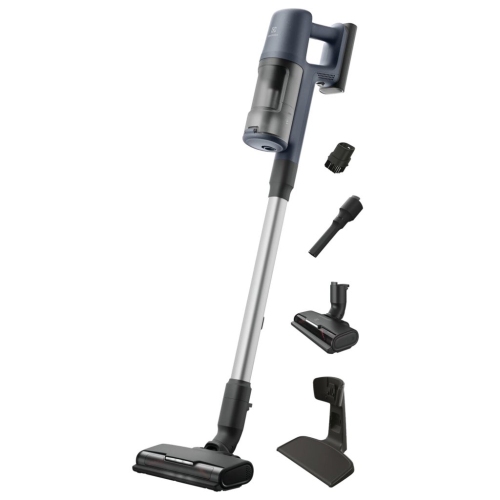
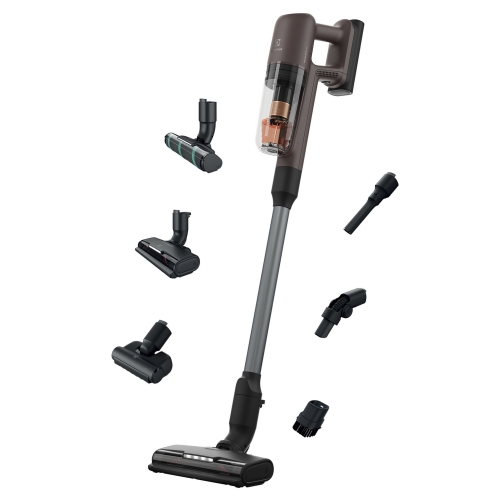

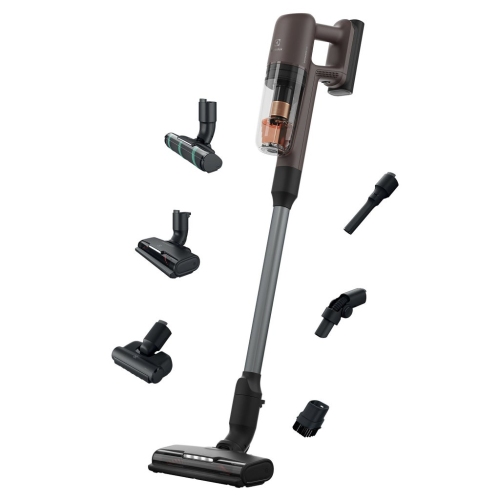
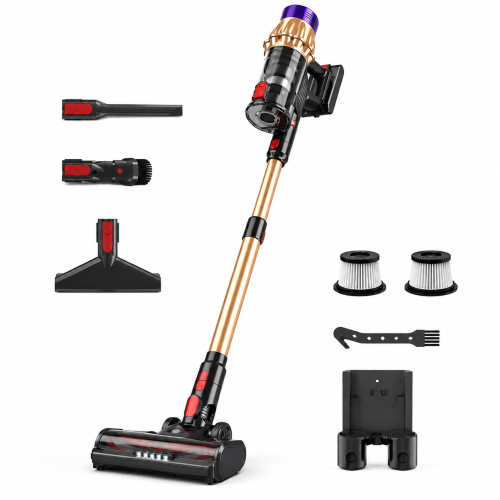

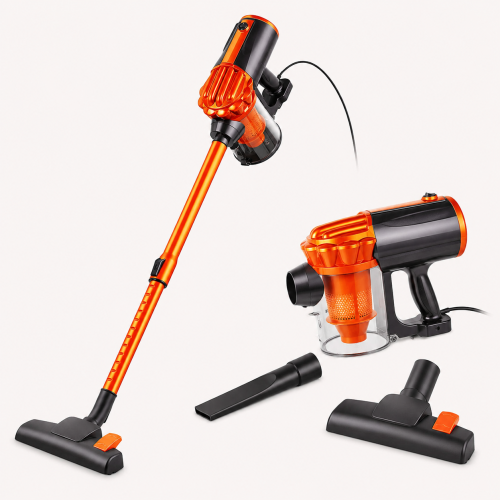
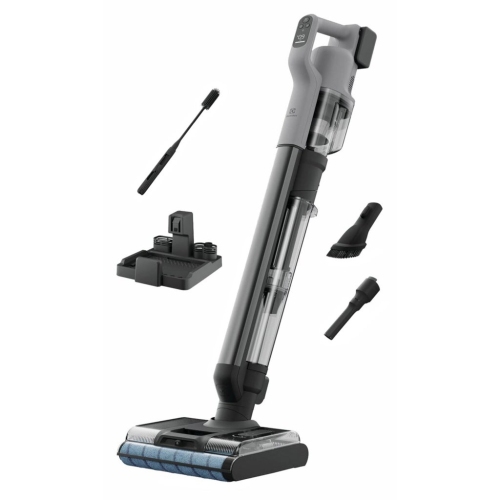

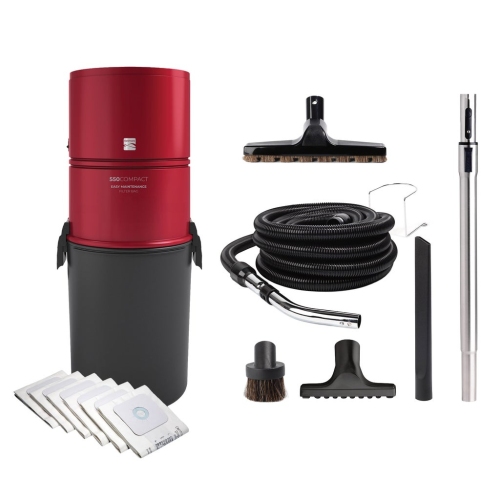
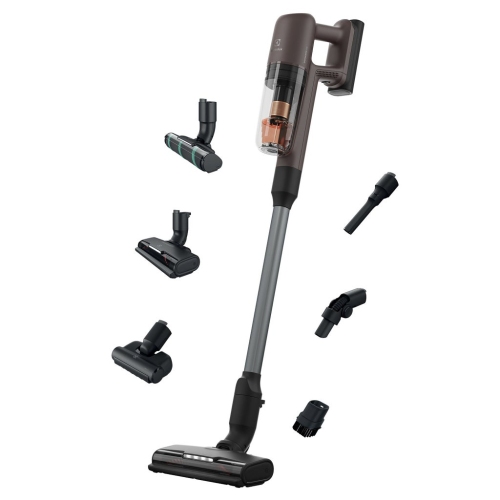
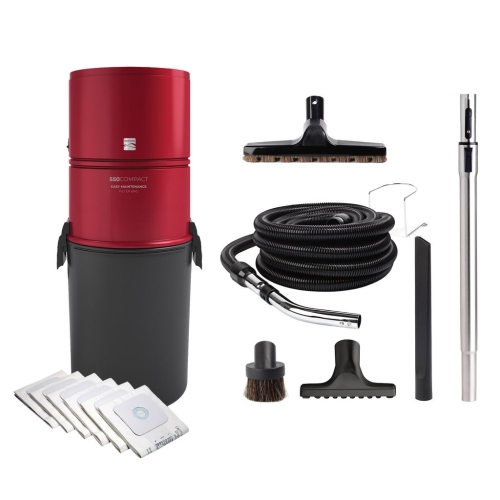
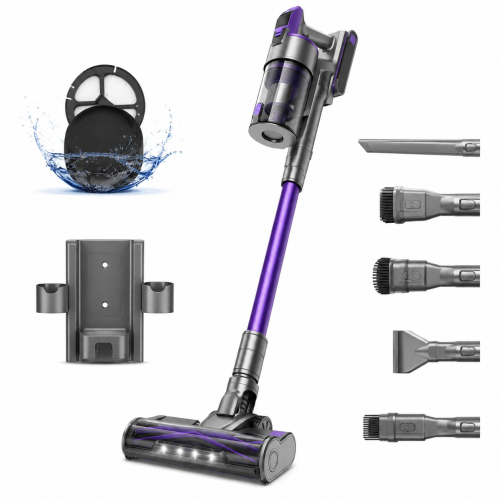
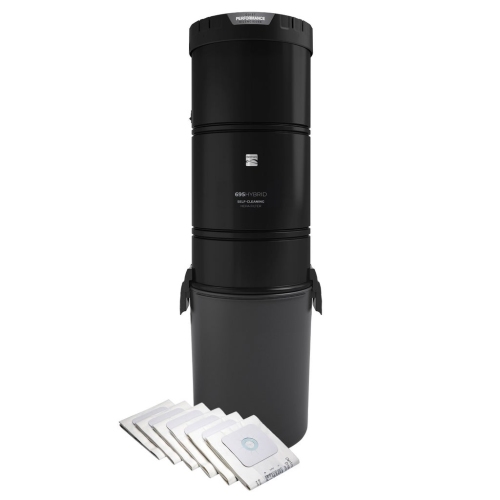
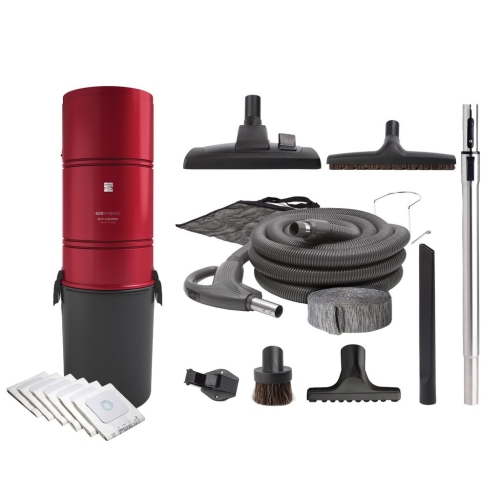
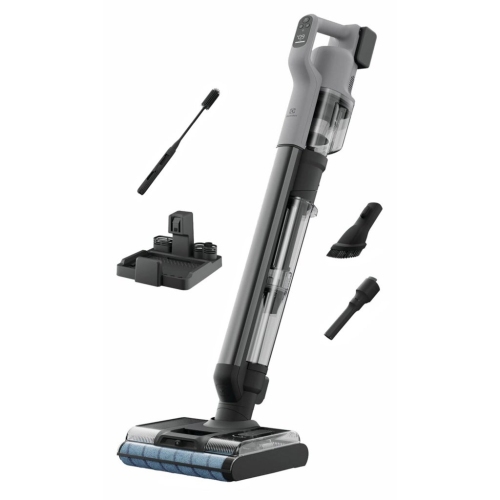

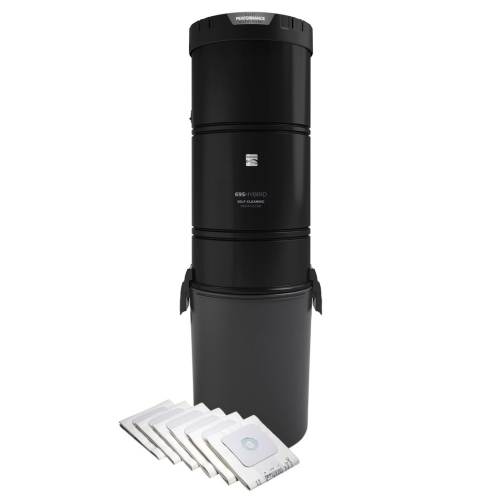
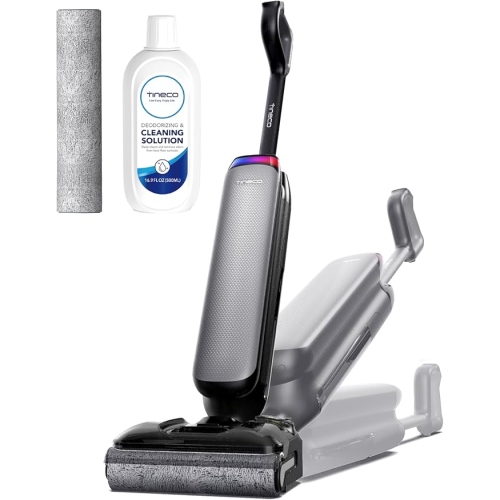

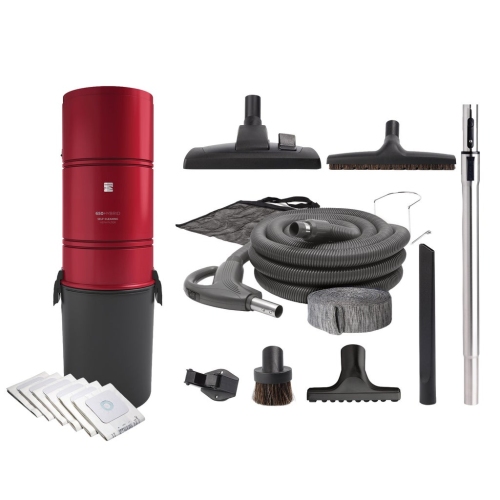
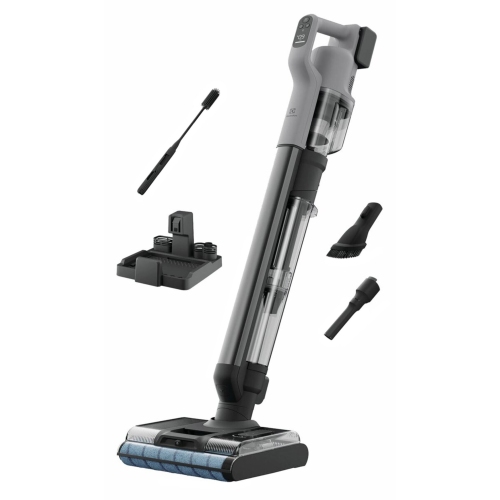
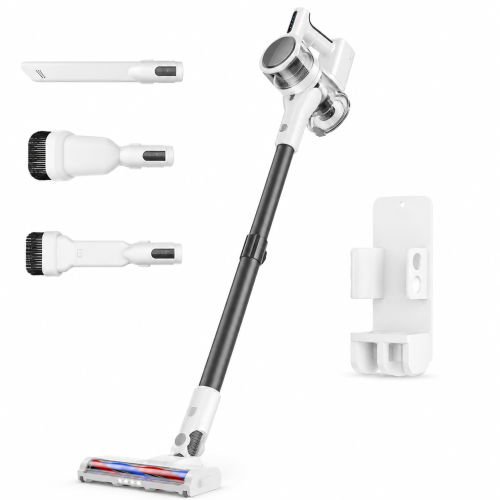

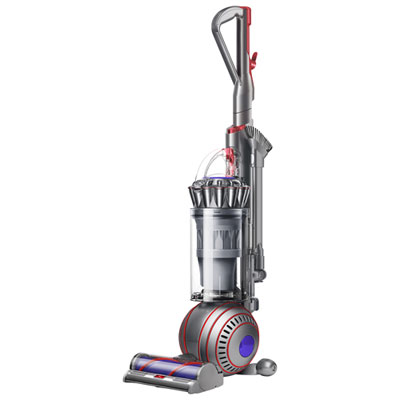
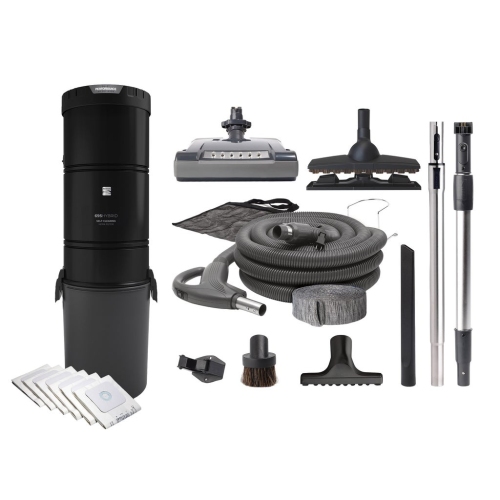
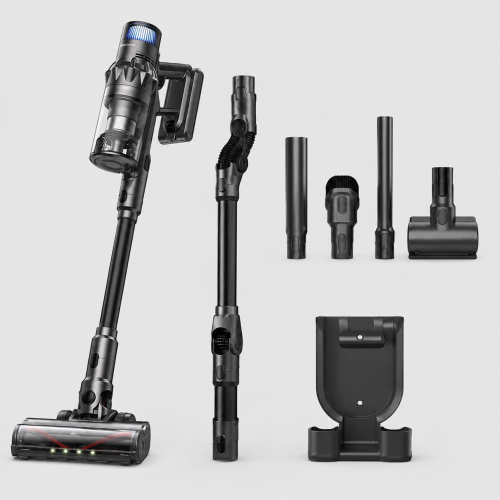
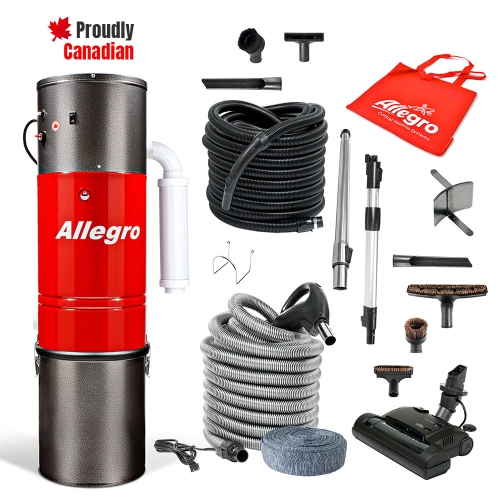
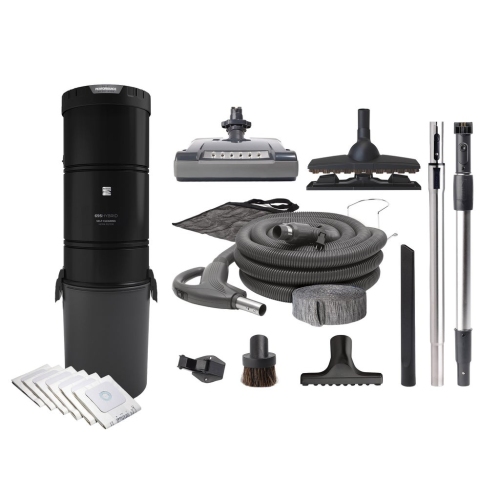

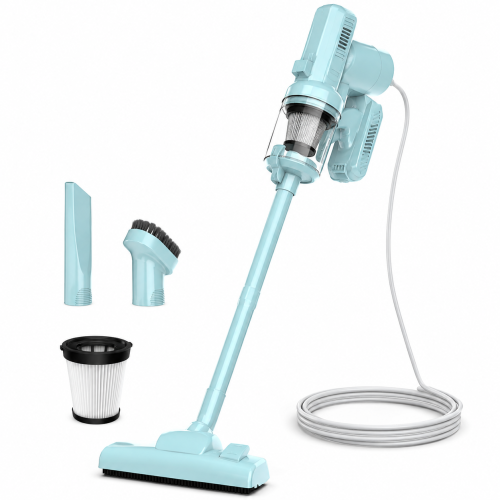

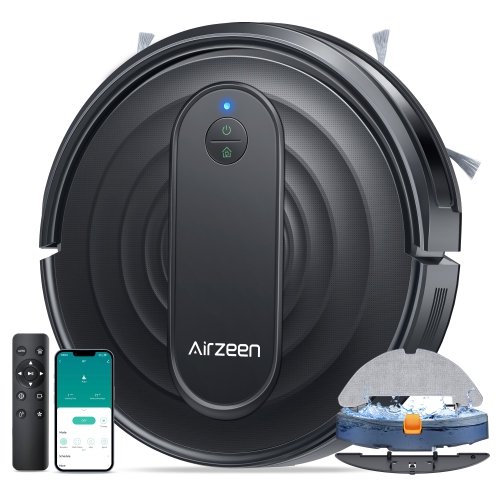
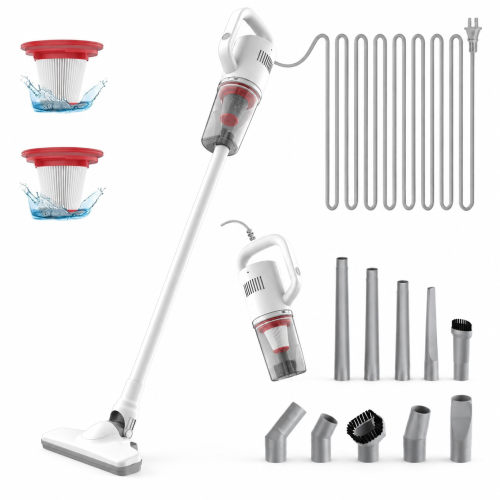
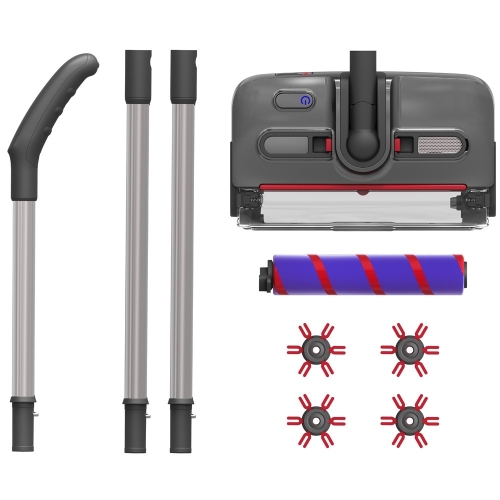
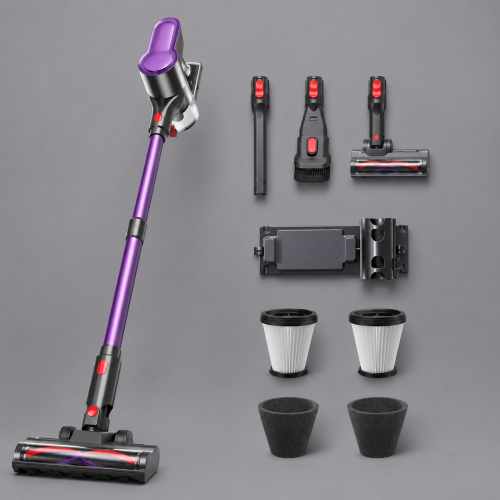
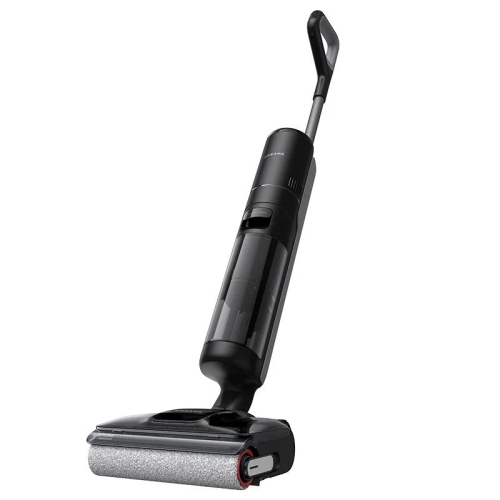
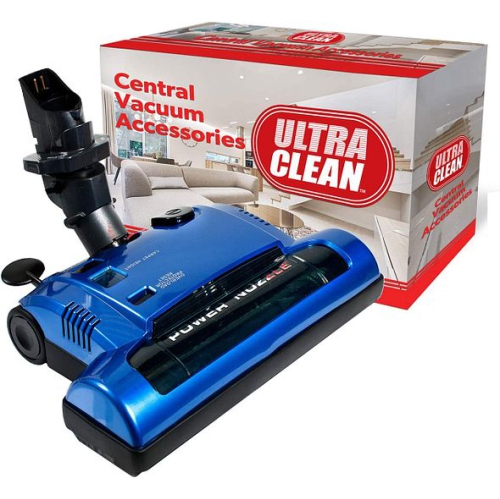

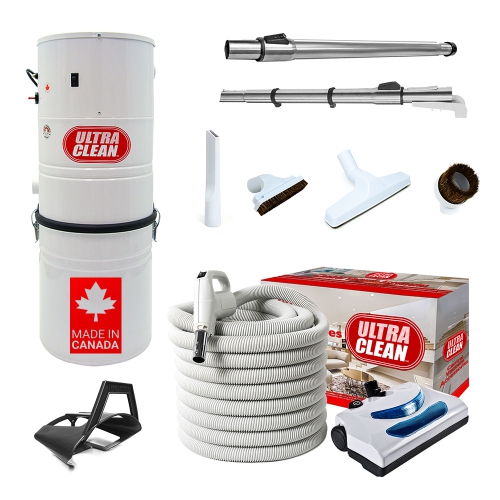
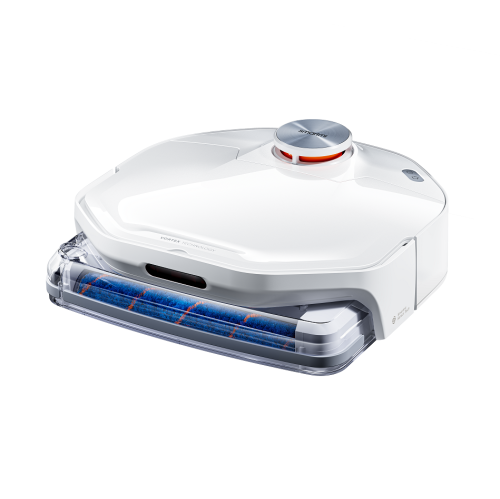
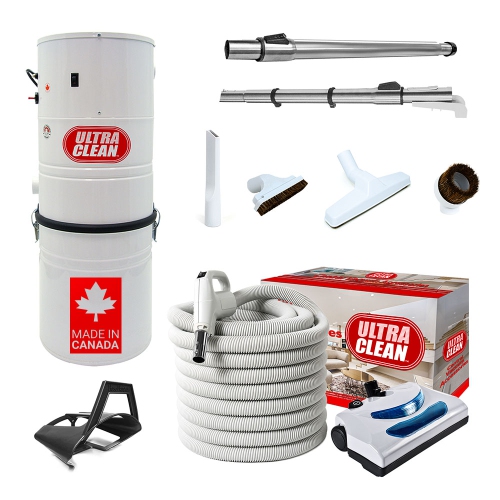
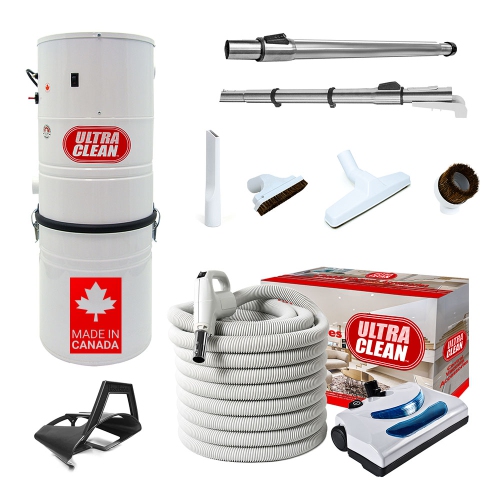
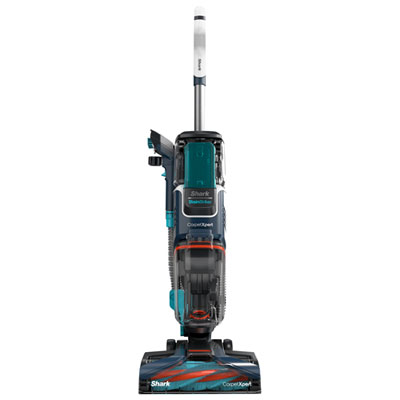
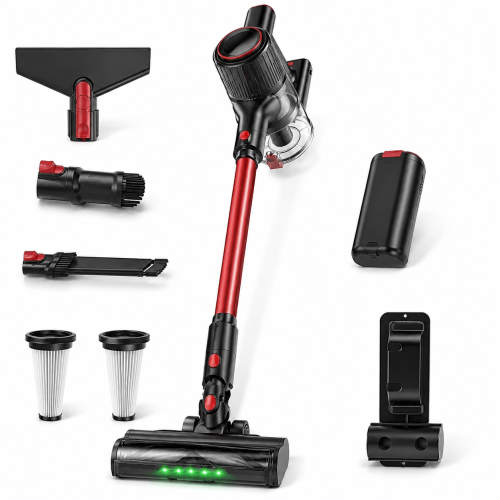











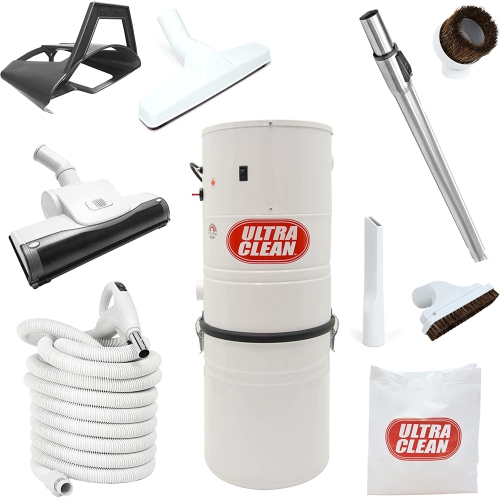
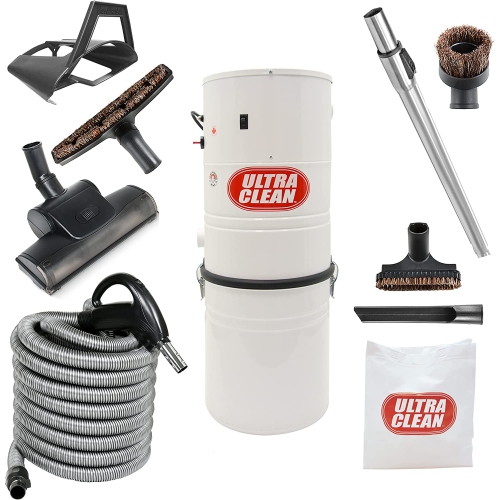
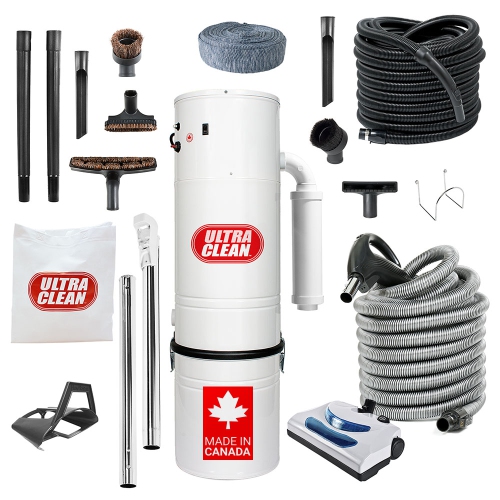
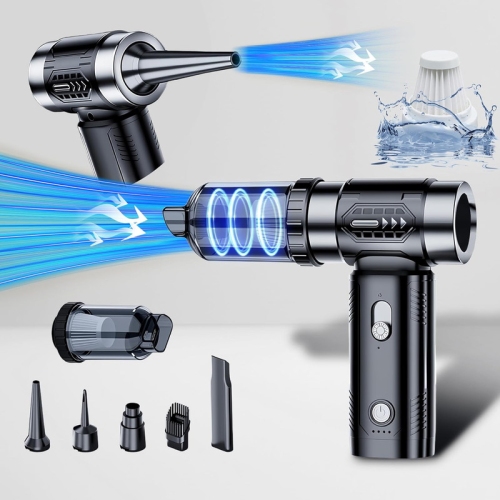
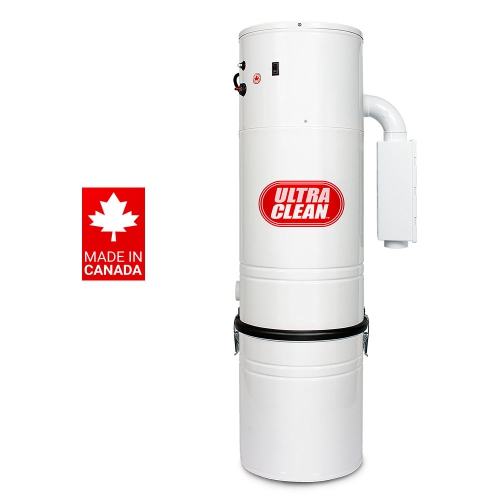
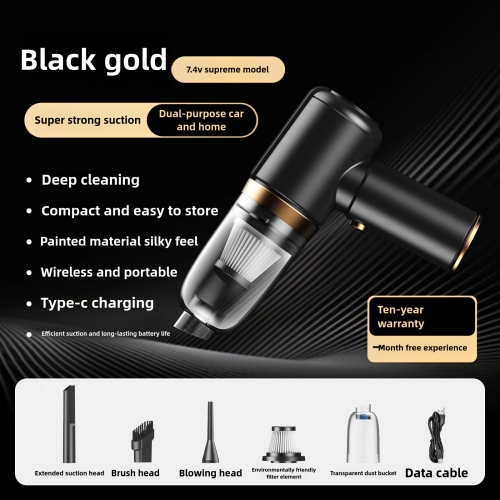
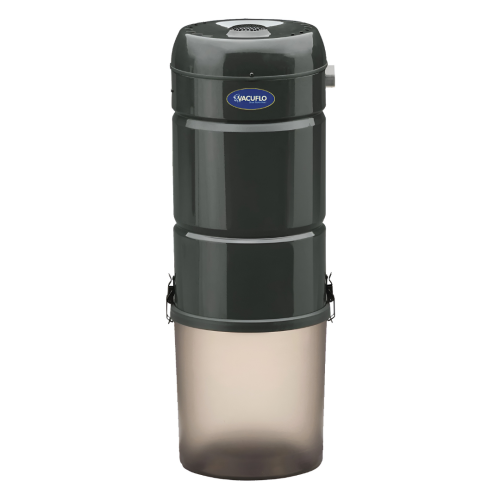
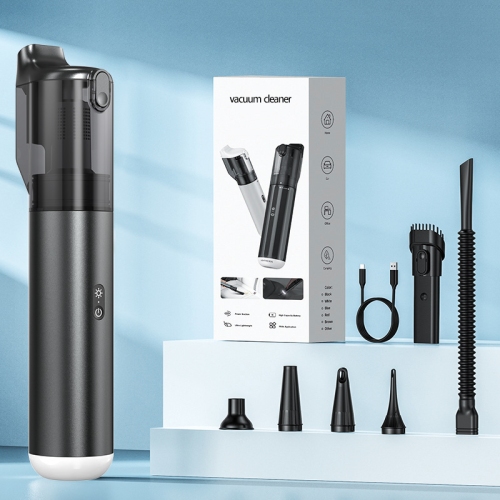
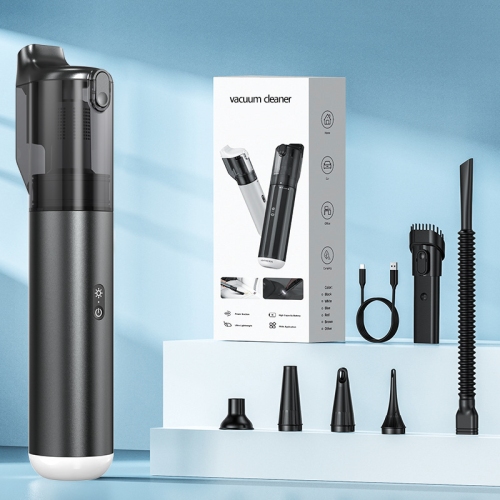
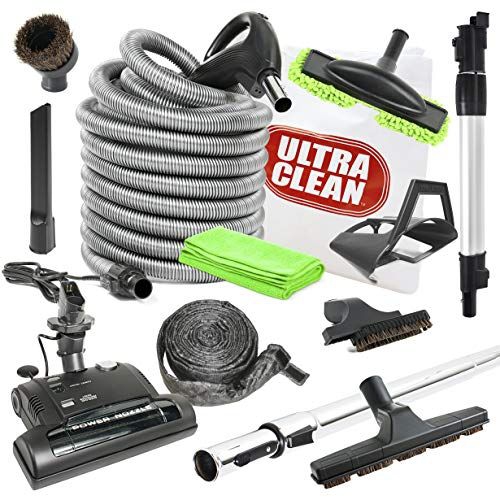

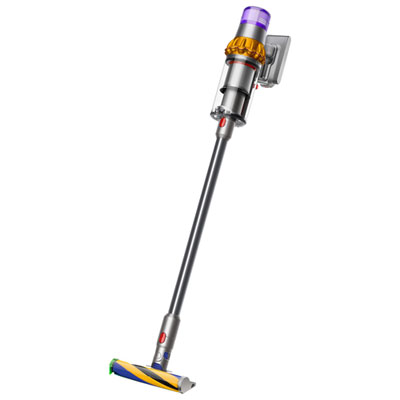
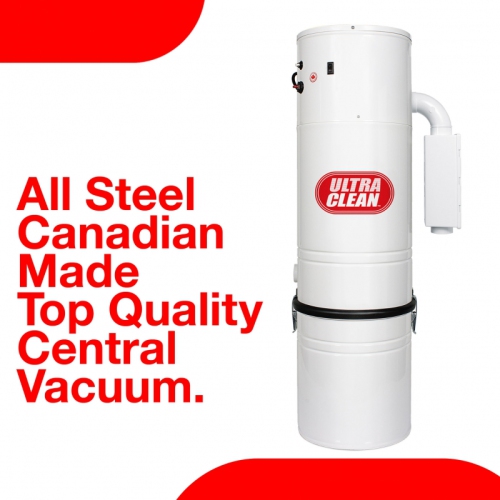

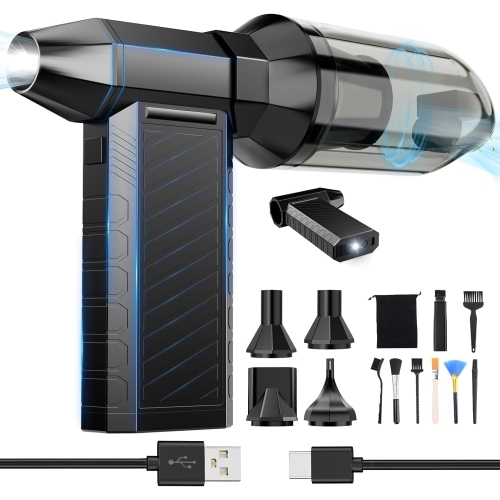


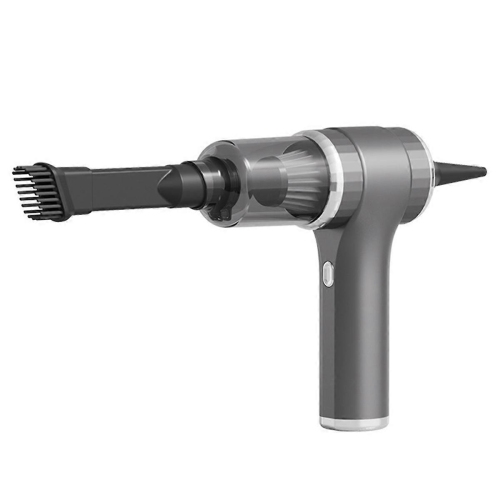
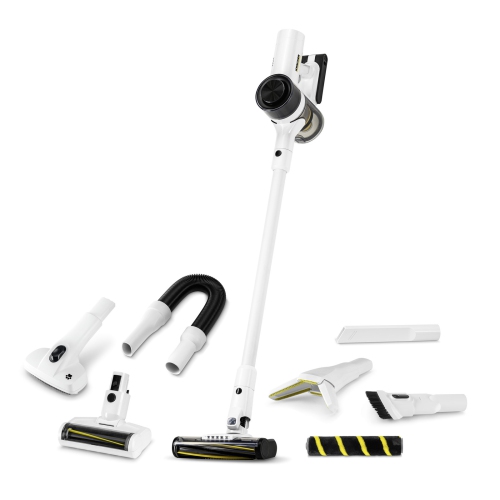
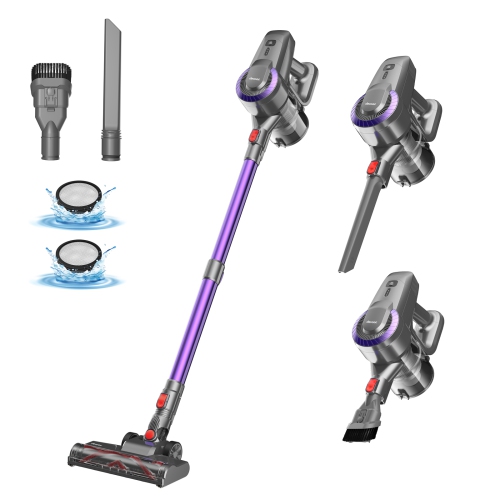


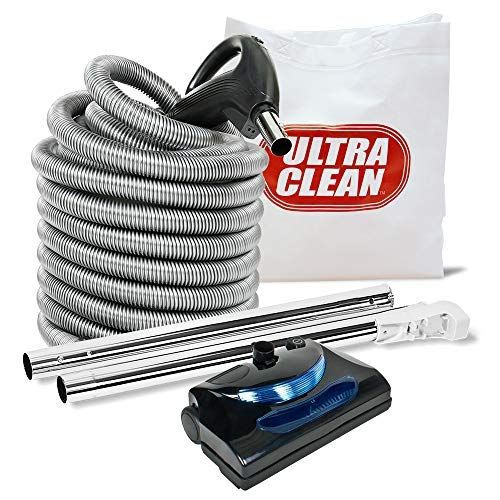
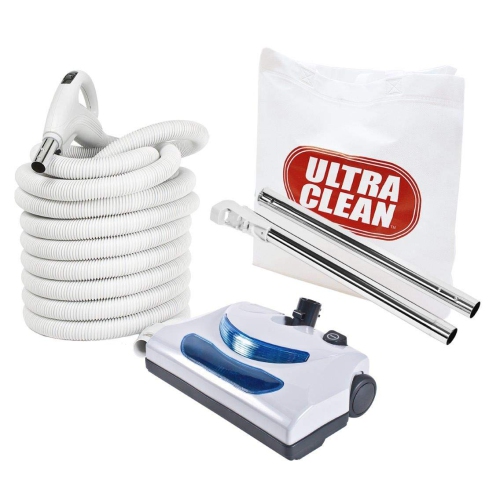
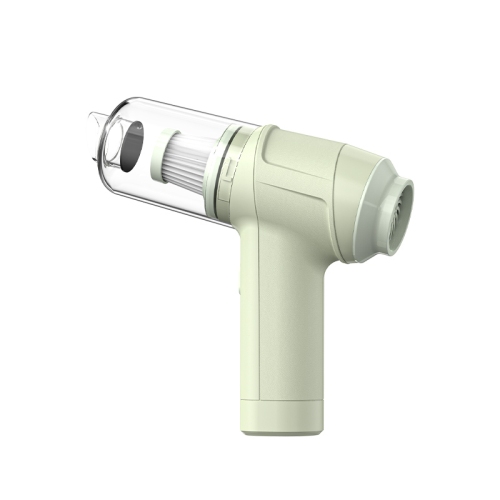
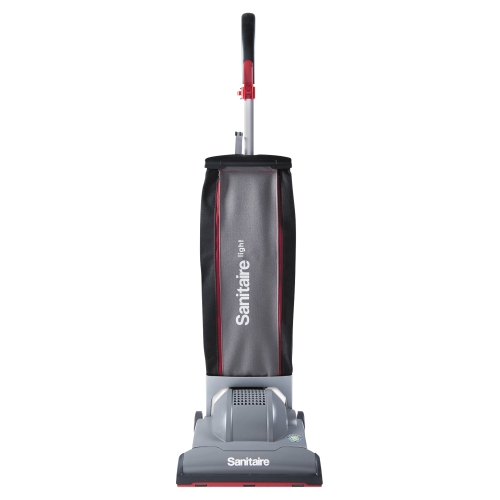





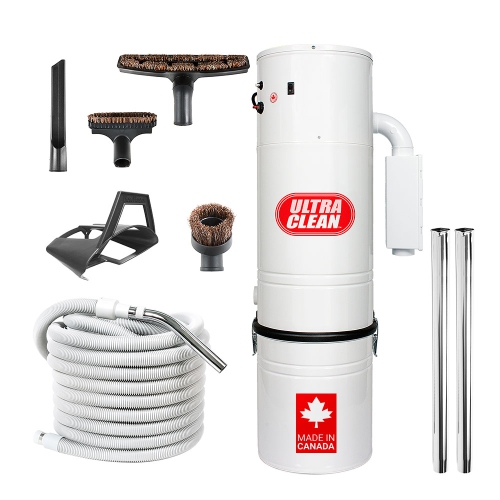
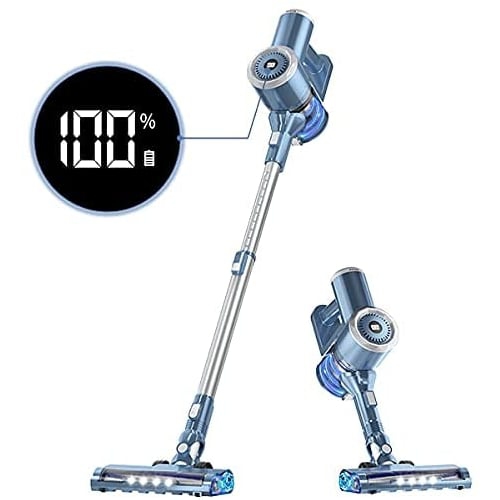
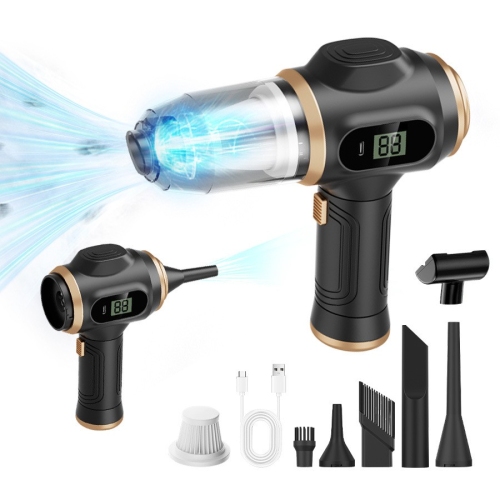
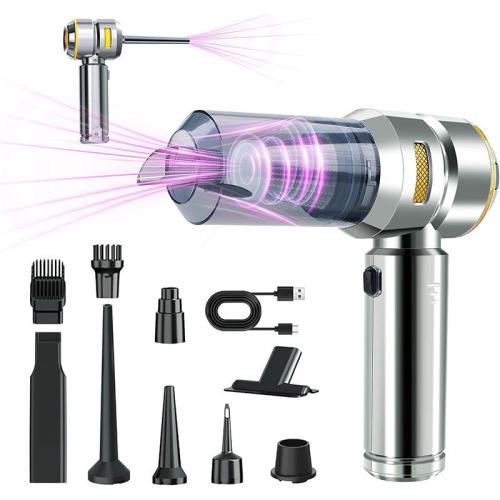



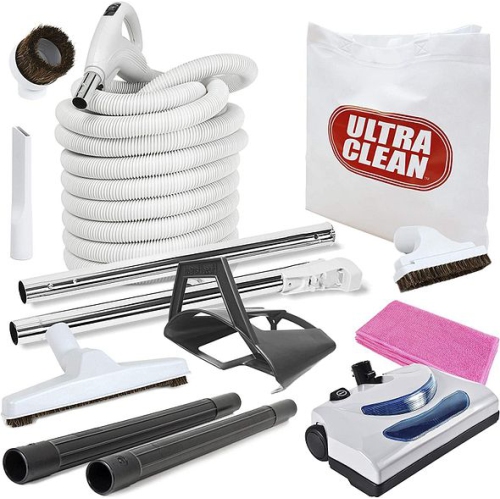
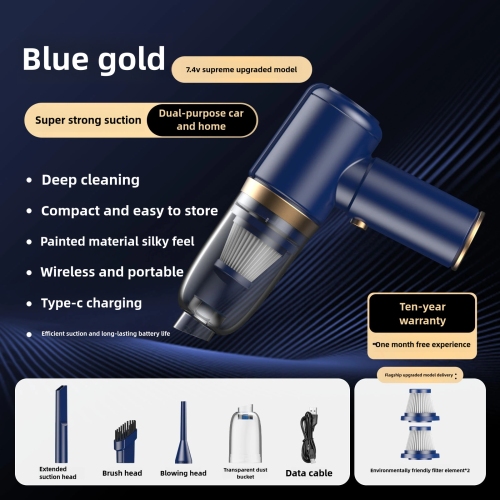
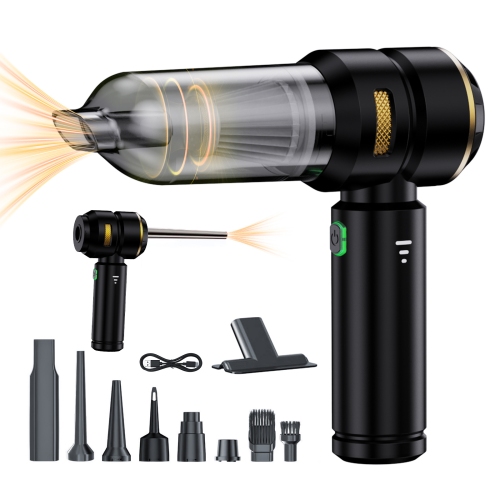


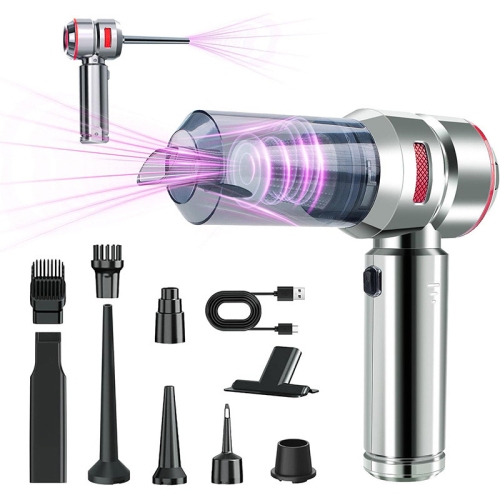




How vacuum design shapes your everyday cleaning routine
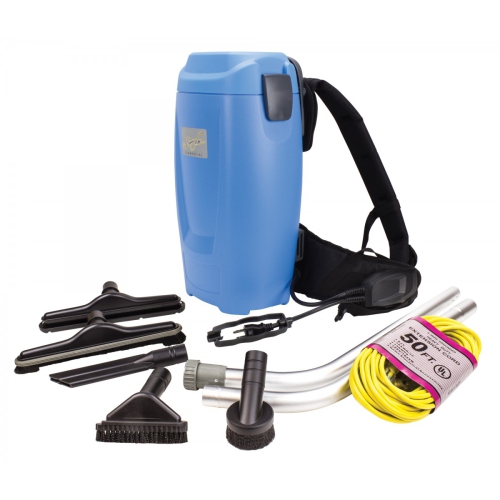
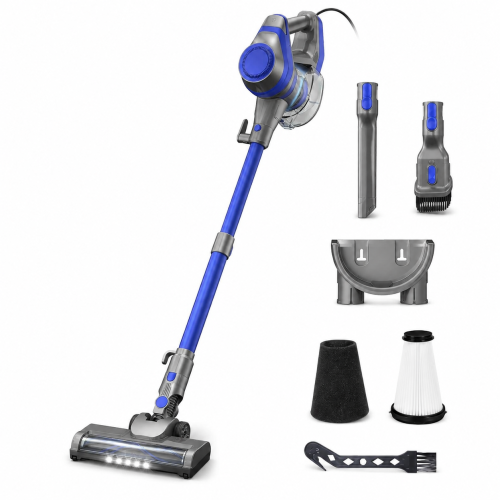
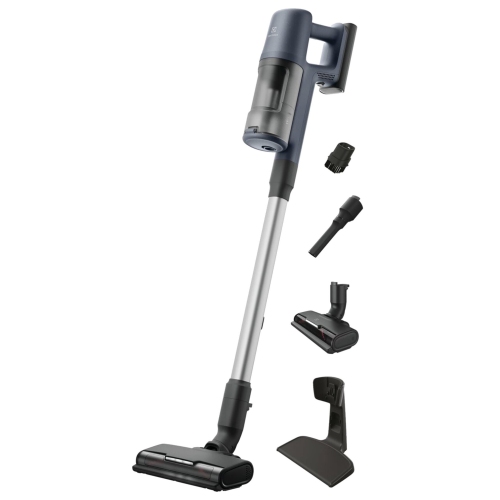
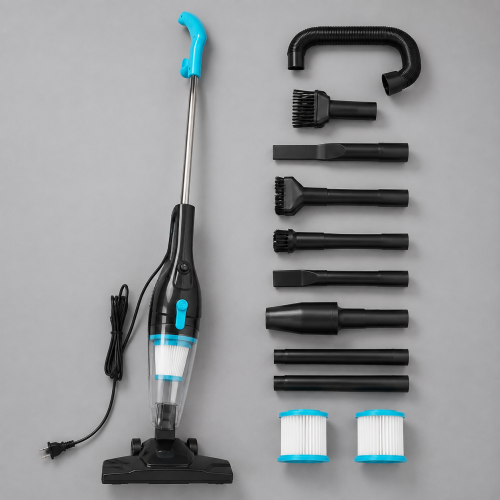
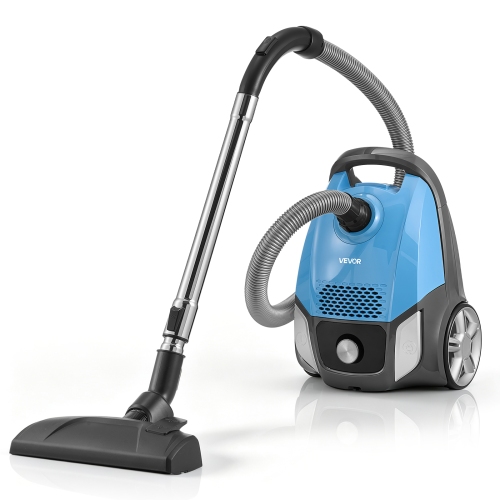
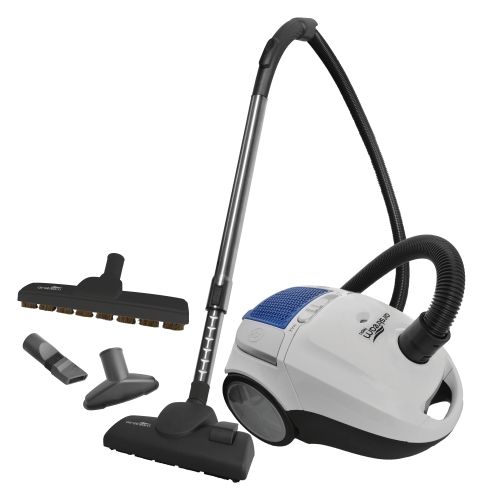
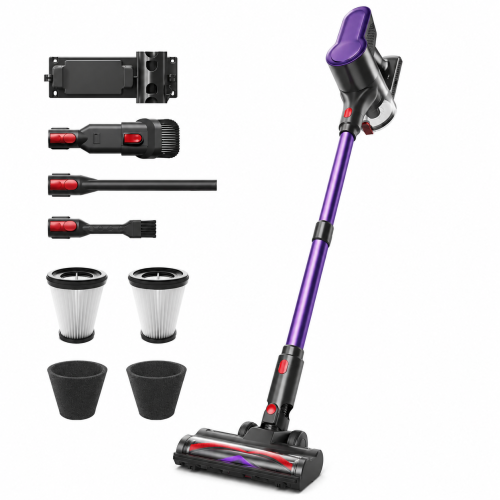
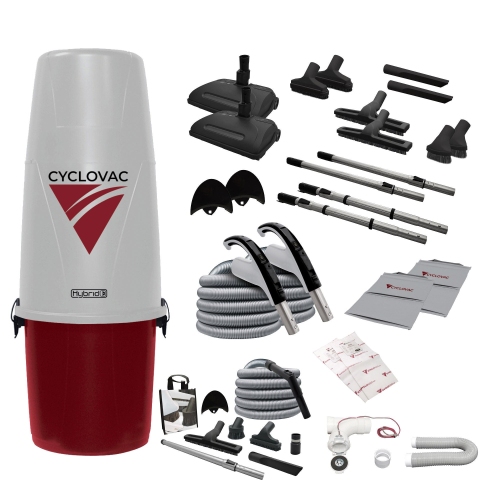
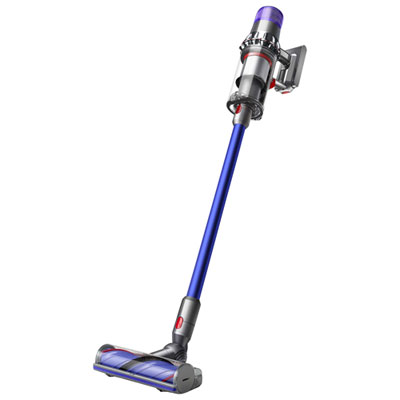
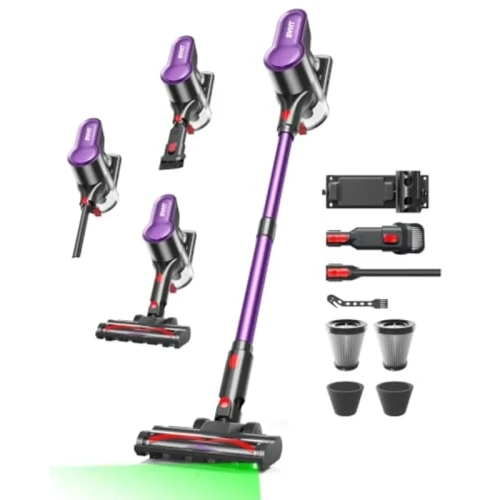
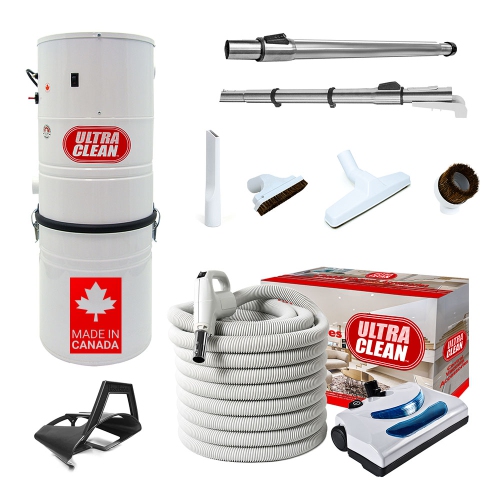
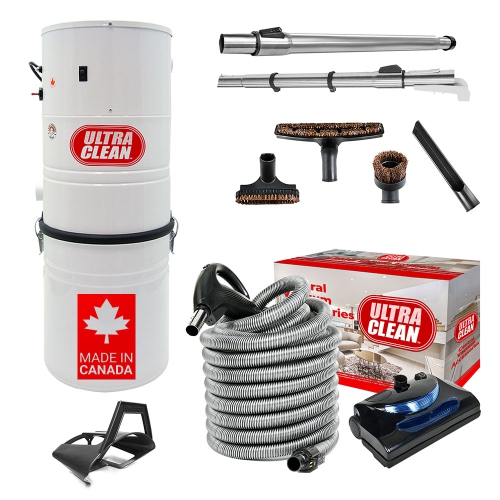
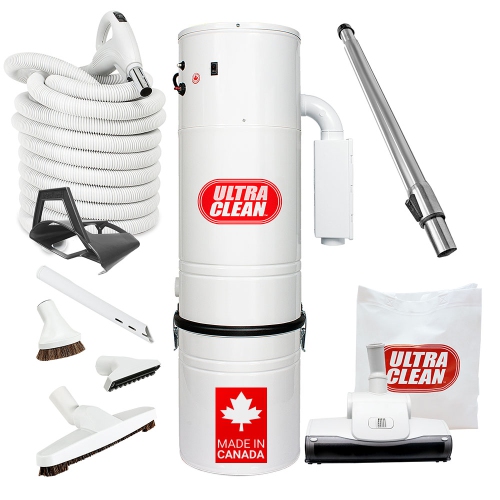
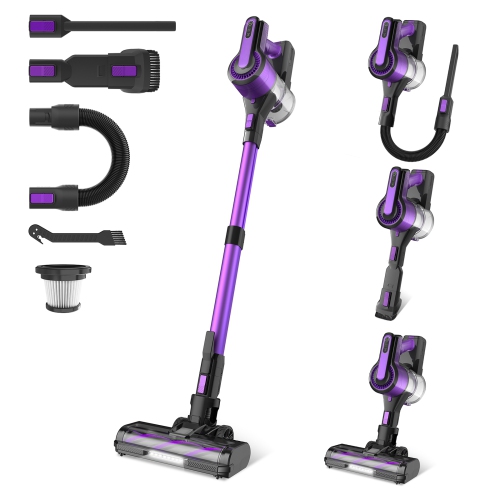
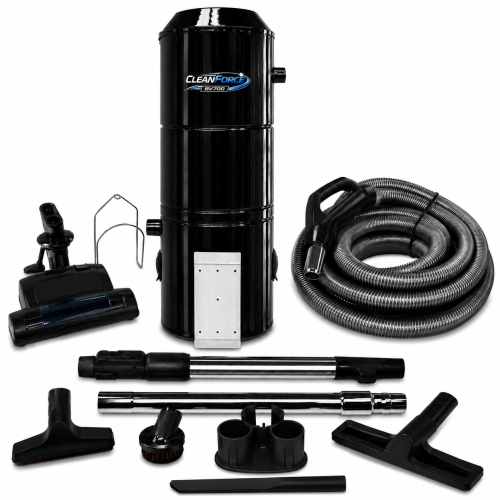
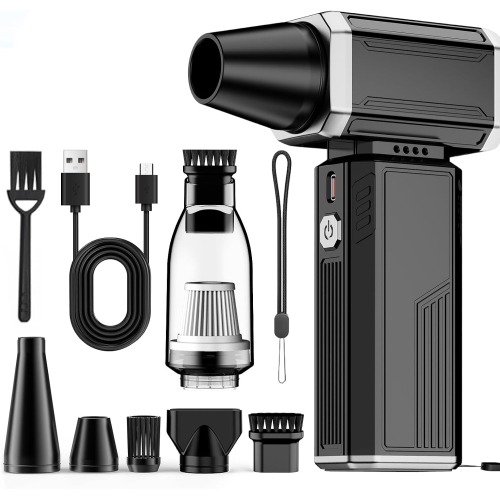
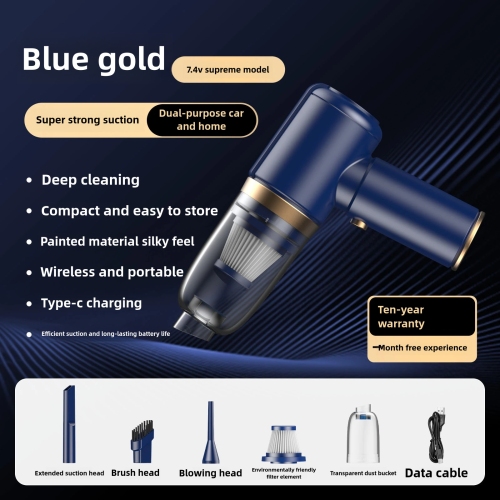
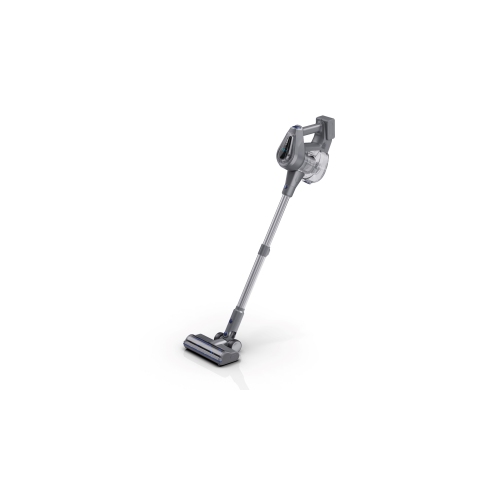
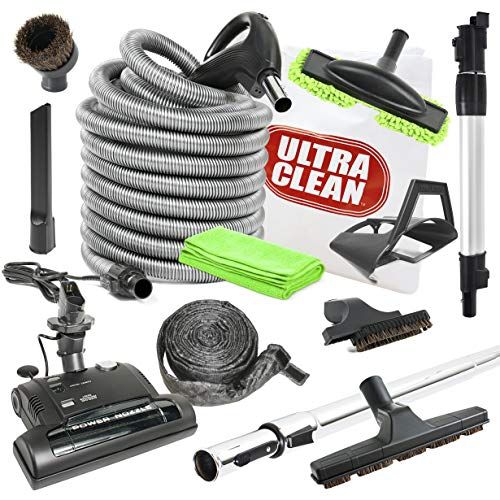
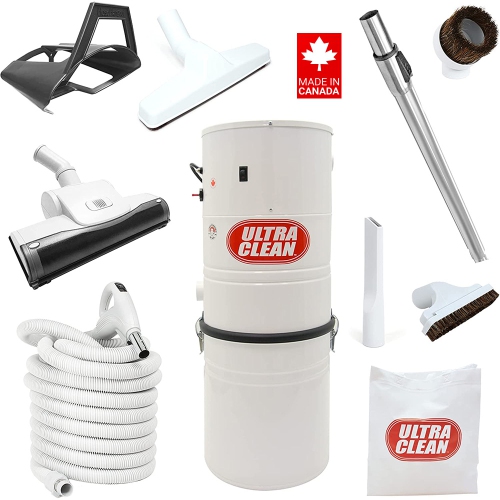
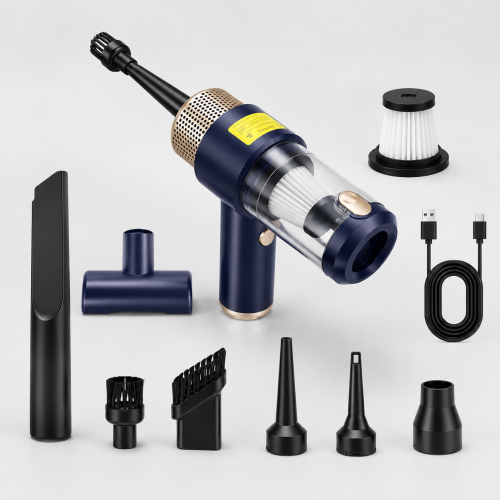
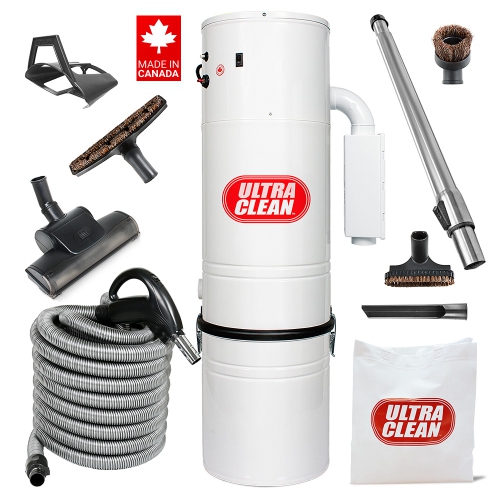
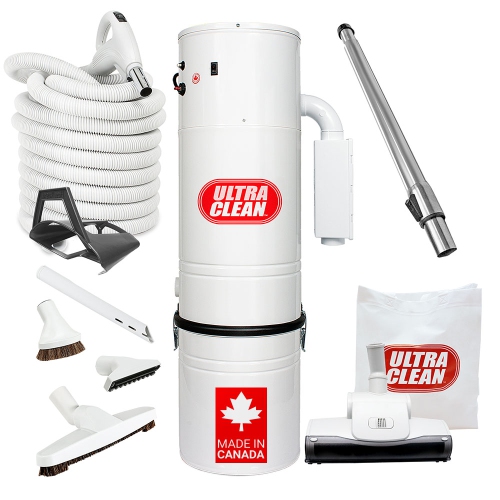
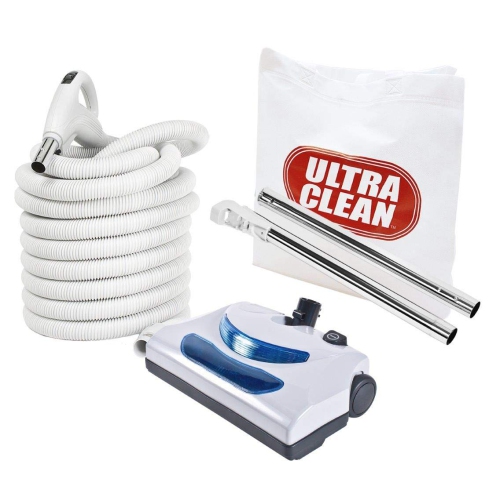
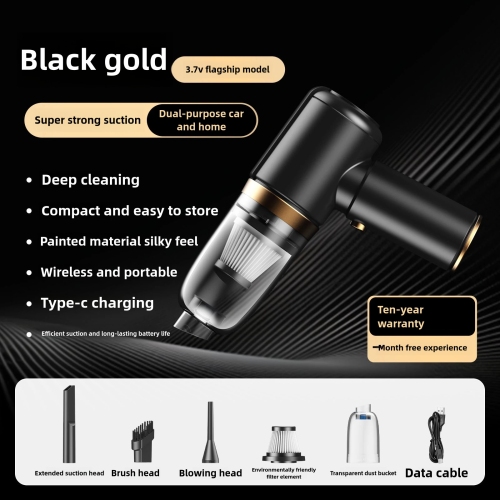
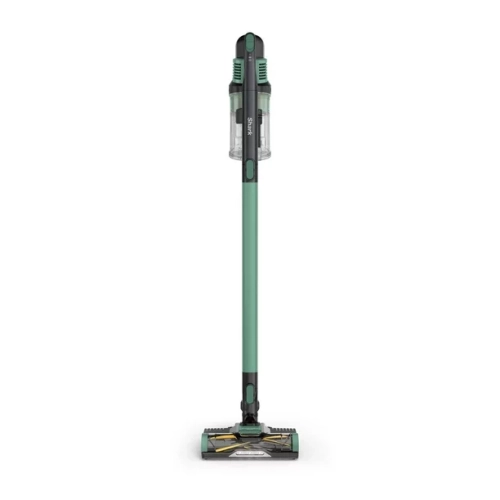
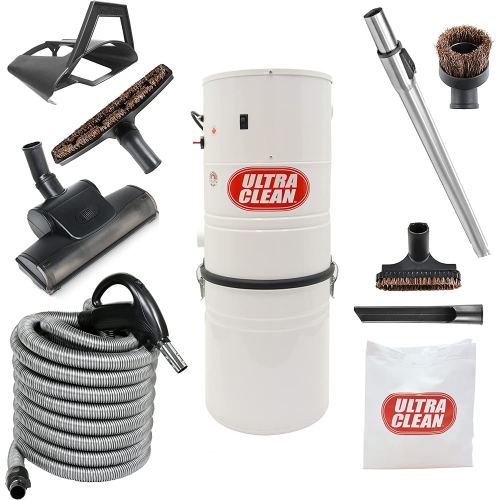
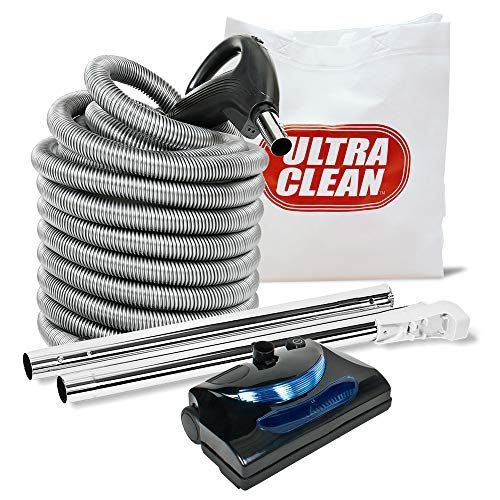
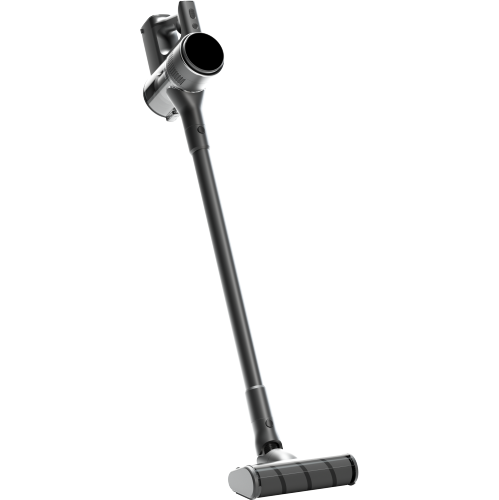
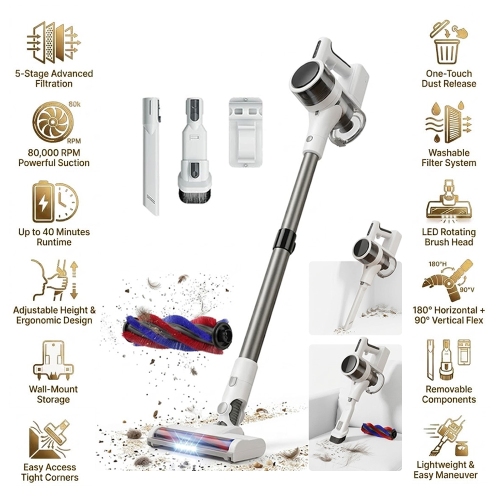
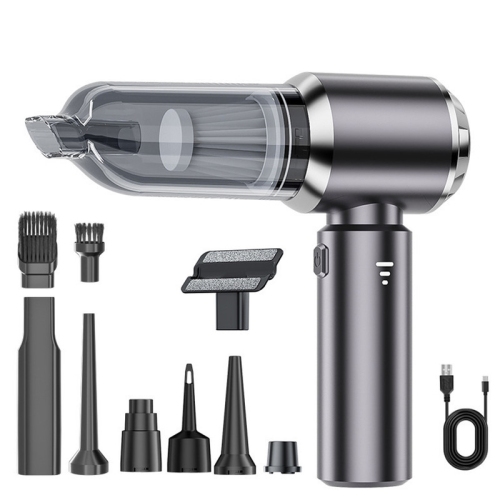
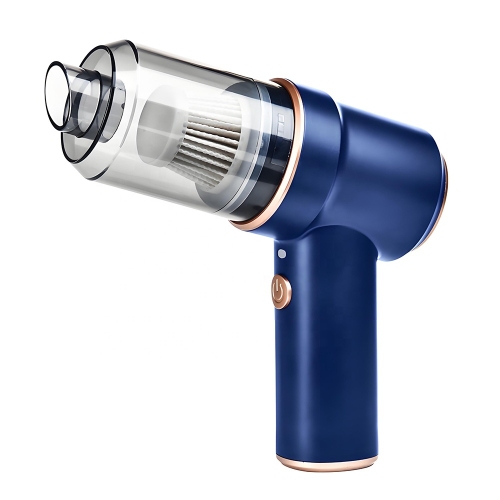
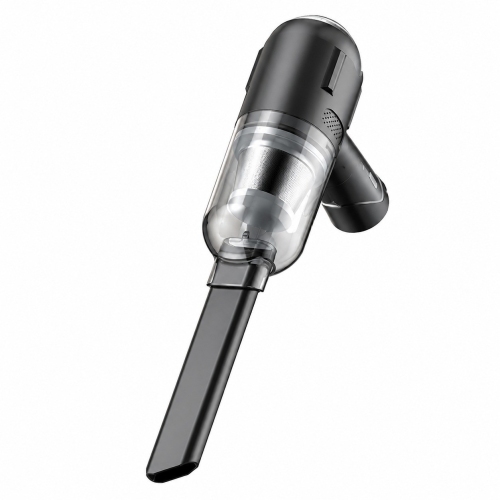
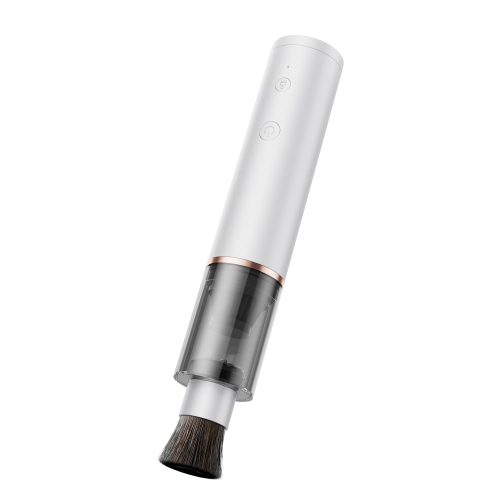
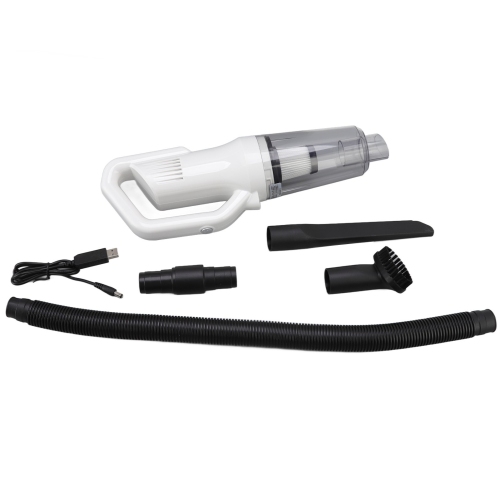
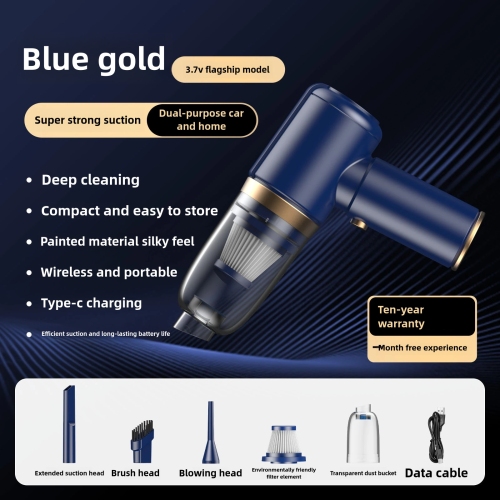
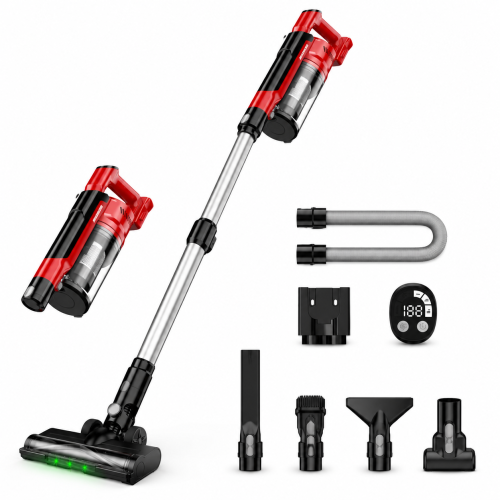
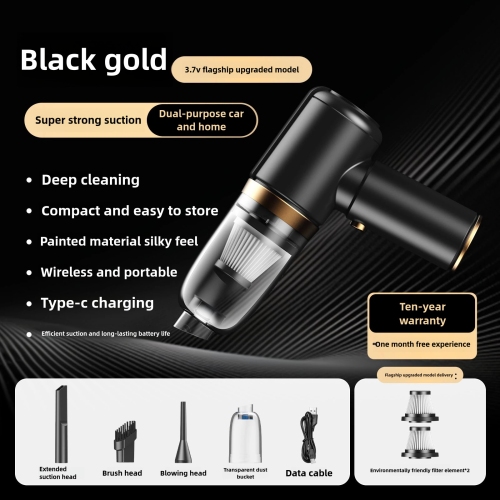
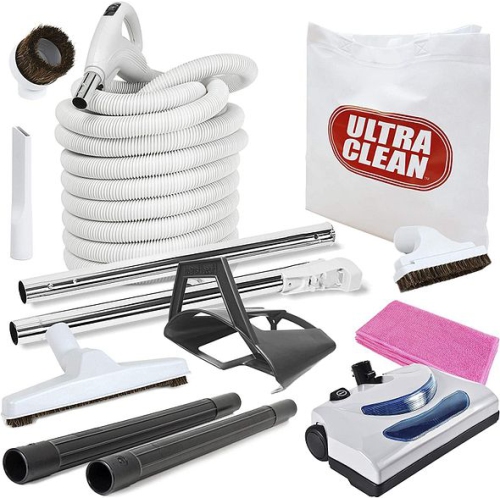
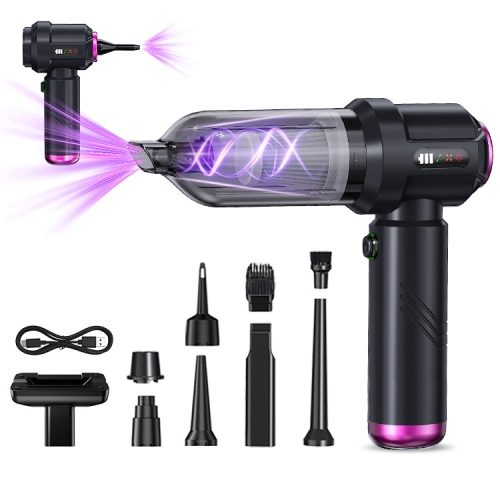
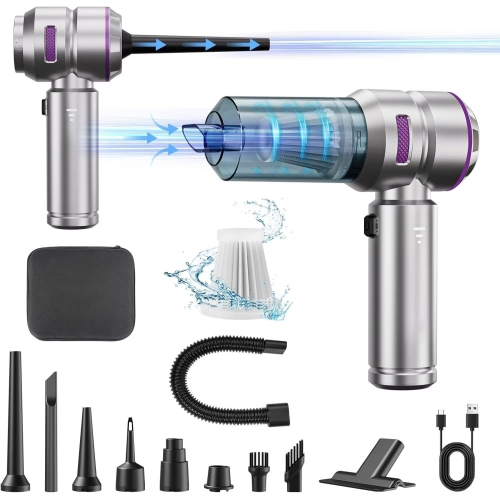
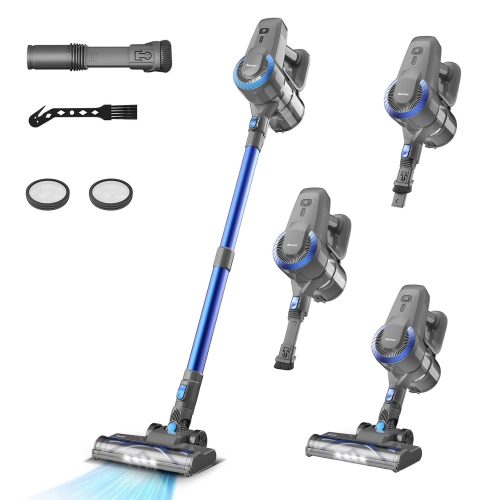
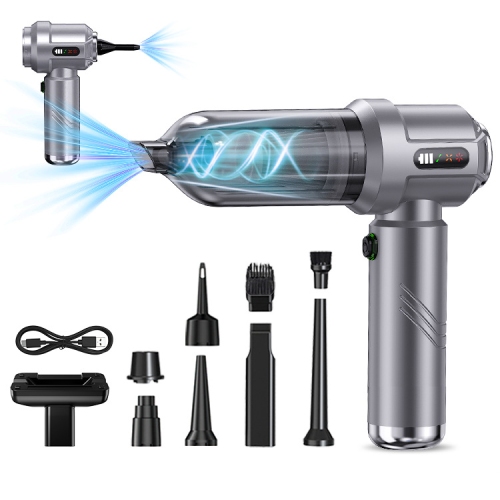
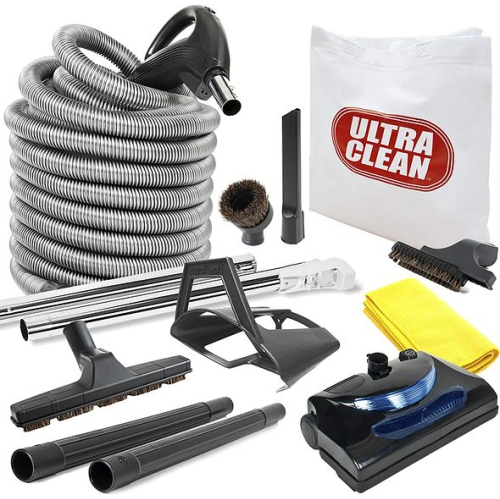
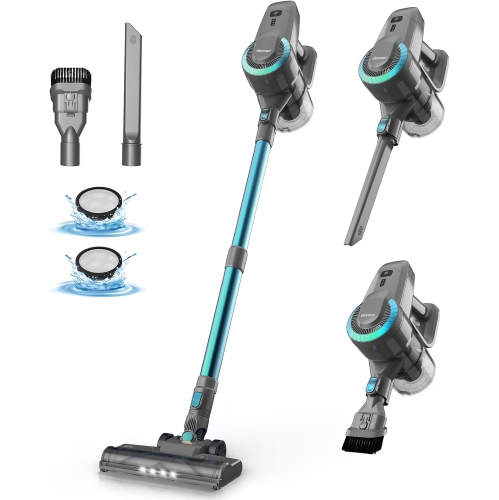
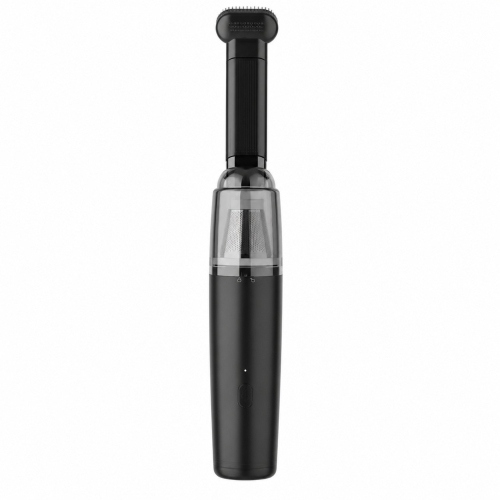
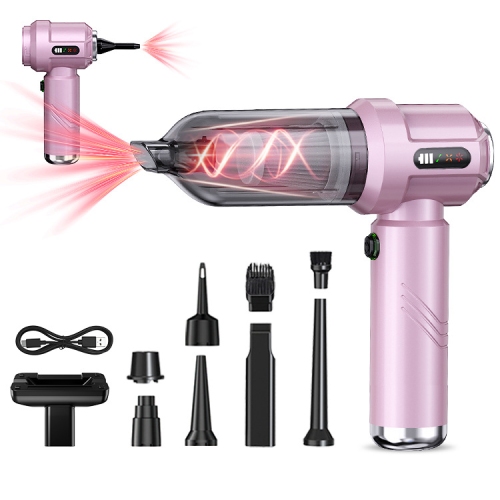
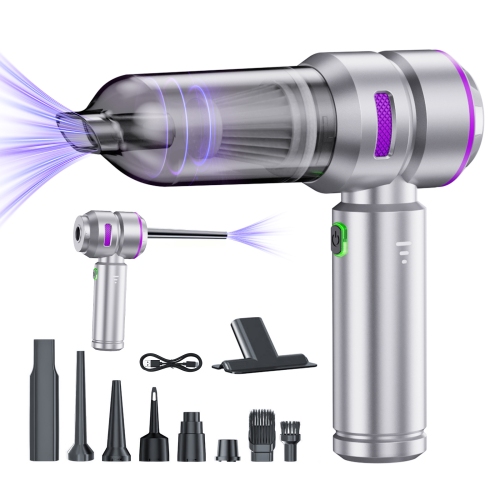
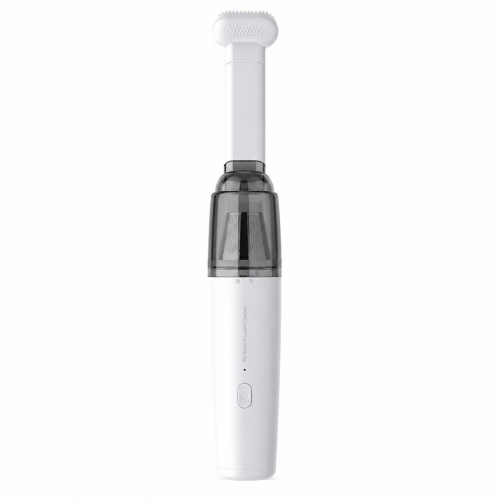
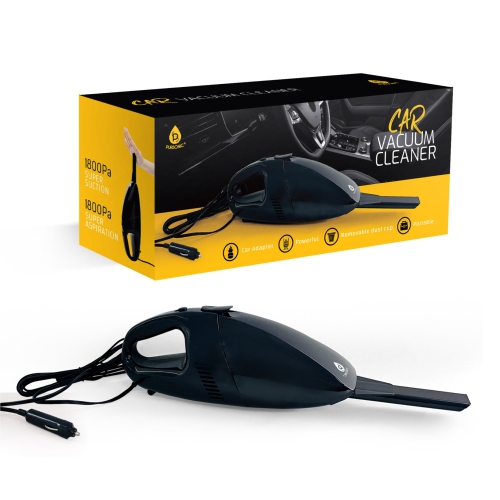
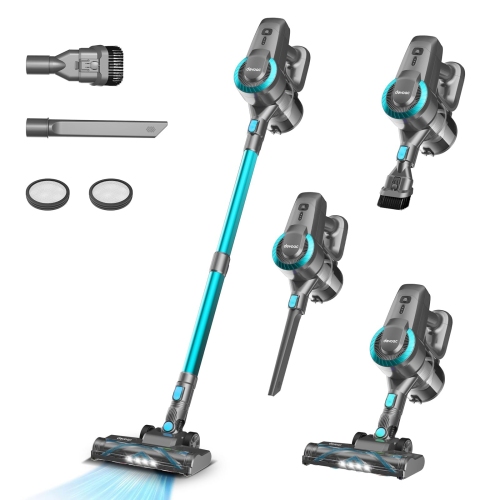
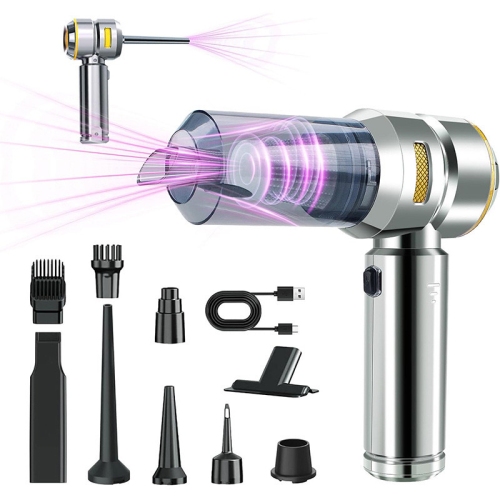
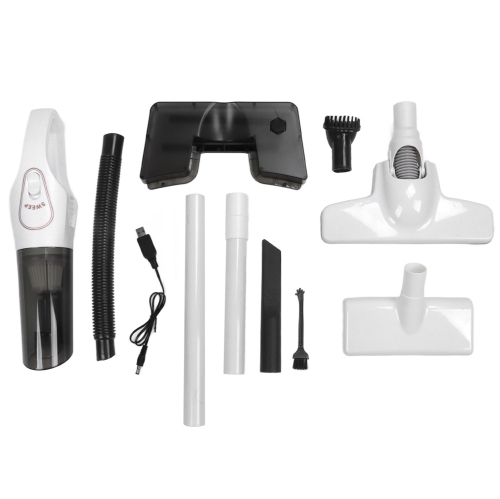
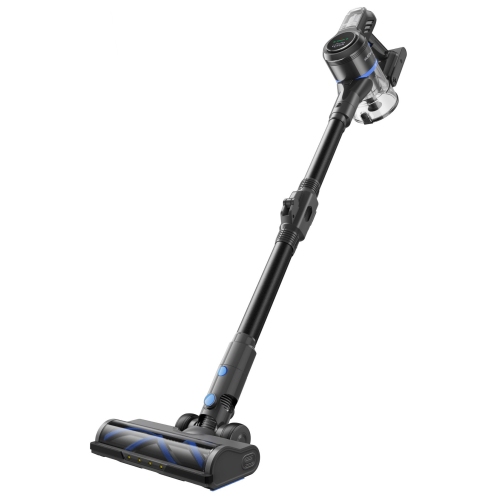
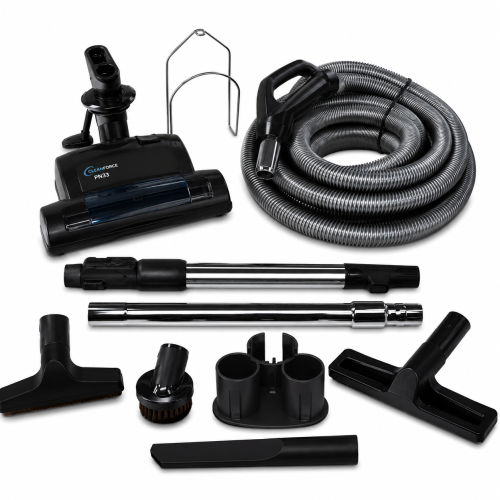
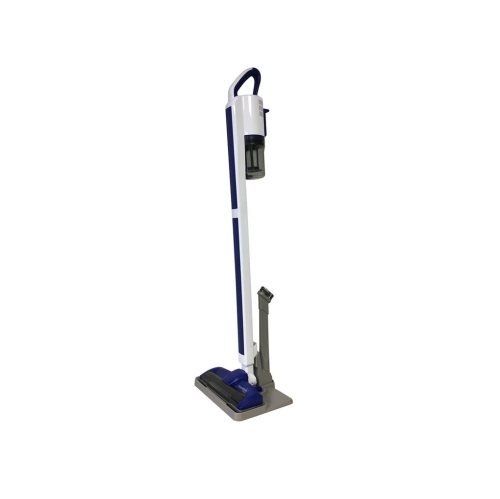
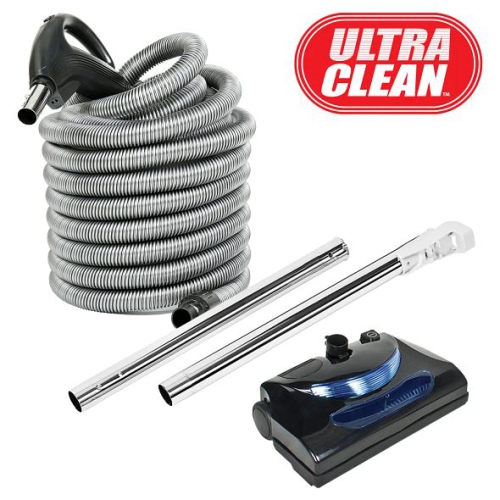
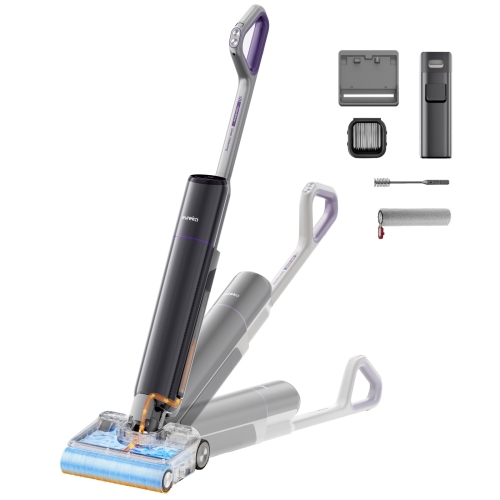
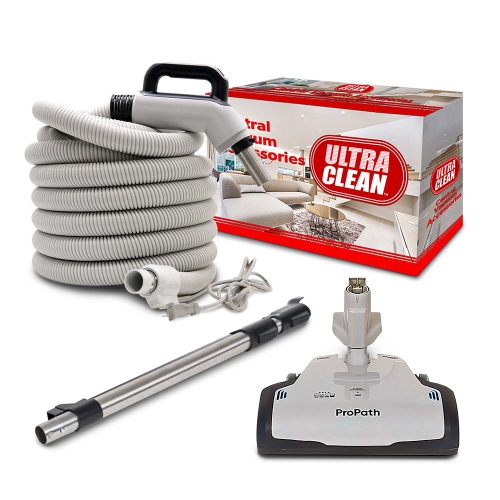
Electric vacuum cleaners use a motor to create suction that draws dust, crumbs, hair, and other dry debris into a bag or dust bin, while filters help retain particles before air returns to the room. Their different shapes suit different routines, from cleaning carpeted family rooms to picking up grit beside the front door. Upright vacuums combine the motor, collection chamber, and floorhead in one body, making them a practical format for broad stretches of carpet. A powered brush roll helps loosen embedded dirt, while adjustable settings can accommodate different carpet heights where supported. Canister vacuums separate the wheeled motor unit from the wand and floorhead, offering flexible reach around furniture and beneath beds. Their handling depends on the weight of the canister, hose flexibility, and how easily the wheels move across thresholds. Cordless stick vacuums are convenient for frequent, short cleanups, especially in homes where carrying a cord between rooms would interrupt the task. Many convert to a handheld format for stairs and upholstery, though capacity and battery runtime vary. Dedicated handheld vacuums suit smaller jobs such as crumbs between sofa cushions or dry dirt on vehicle mats, rather than whole-home floor cleaning. Robot vacuums provide automated maintenance between more thorough cleans, with results influenced by room layout, floor transitions, and obstacles such as loose cables. Across these formats, Household Vacuum Cleaners serve households with different flooring, storage space, and cleaning habits. A compact apartment with hard floors may call for a light, easy-to-store design, while a multilevel home with carpeted bedrooms may benefit from greater capacity and attachments that reach stair edges. Corded operation supports longer sessions without battery charging, although cord length and outlet placement affect reach. Battery-powered operation offers freedom of movement, but the useful cleaning time depends on the power setting, powered attachments, and battery condition. Motor wattage alone does not establish cleaning performance; airflow, floorhead design, filtration, and the condition of the machine all contribute.
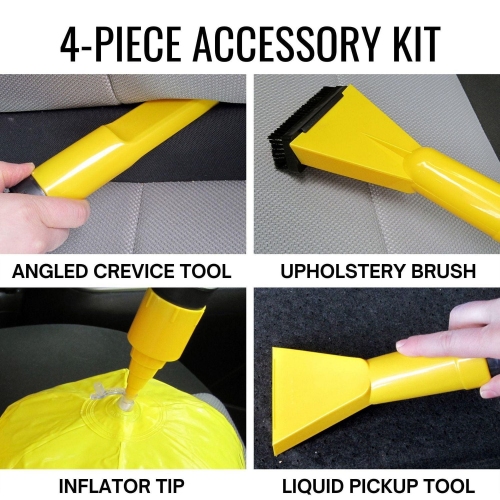
Floor compatibility is central to how an electric vacuum cleaner performs in everyday use. Hardwood, laminate, vinyl, and tile generally benefit from a floorhead intended for hard surfaces, with soft contact points and wheels that move smoothly without dragging grit. A soft roller or suction-only setting may be appropriate, depending on the vacuum and the flooring manufacturer's care requirements. Carpet often needs brush agitation to lift hair and loosen tracked-in dirt, but thick pile, delicate fibres, and fringed rugs can require gentler settings or a different attachment. Adjustable suction is useful when a floorhead pulls too tightly against a rug, making it difficult to push. In a room with a low coffee table and closely spaced dining chairs, a swivelling head and a wand that reaches underneath furniture can matter as much as overall power. A wide cleaning path covers open areas efficiently, while a narrower head can fit into tight spaces. For homes with pets, a motorized upholstery tool can help lift fur from fabric seating, and a brush roll designed to limit tangles can reduce the amount of hair wound around it. Such designs still need inspection and occasional cleaning. Crevice tools reach along skirting boards and between cushions, while soft dusting brushes suit appropriate shelves and other above-floor surfaces. Filtration deserves attention where fine dust or pet dander is a concern. A HEPA filter is designed to capture very small airborne particles passing through it; a well-sealed air path helps prevent dust from bypassing the filter. Filtration does not remove the need to empty the collection chamber carefully or maintain the machine. Bagged vacuums collect debris in a replaceable bag, which can simplify disposal, especially when the bag has a closure. Bagless vacuums make the collected dirt visible and use a reusable bin, though emptying can release dust. Larger collection capacity means fewer interruptions during extended cleaning, whereas a smaller bin can help keep a vacuum compact. An automatic emptying dock can reduce manual bin emptying, but the dock's own container or bag still requires attention.
The feel of a vacuum during use matters over years of regular cleaning. Total weight is only part of the picture: a stick vacuum with much of its weight near the handle may feel different from a canister with a light wand, particularly when reaching curtains or cleaning several steps. Handle shape, control placement, and the force needed to move the floorhead can affect comfort for people with limited grip strength or mobility. Stairs also call for secure footing and a manageable cleaning unit, rather than a heavy body balanced on a narrow tread. Durable construction involves more than a sturdy outer shell. Impact-resistant plastic housings, metal wand sections, secure attachment fittings, and flexible hoses each have a role, while smooth-running wheels and sound seals help the machine work as intended. Replaceable filters, brush rolls, belts where fitted, and batteries where supported can make routine upkeep more straightforward. Care requirements vary, but most dry vacuums need the bag changed or bin emptied before it becomes overfilled, with hair removed from the brush roll and blockages cleared from accessible passages. Disconnecting power before maintenance helps prevent accidental operation. Only filters labelled washable should be rinsed, and they must dry fully for the period specified by the manufacturer before being refitted. Ordinary dry vacuums are not intended for liquids, hot ash, or fine renovation dust unless expressly rated for those materials. During the cooler months, mats can collect dry grit and lint from boots and outerwear; wet slush needs a separate cleanup method. Storage also shapes daily convenience. A wall-mounted charger needs suitable placement and installation, a freestanding dock takes floor space, and a canister needs room for both its body and hose. Sound levels may matter in shared homes or apartments, although perceived noise changes with the surface and power setting. Whether used by a pet owner, a busy family, or someone furnishing a first home, an electric vacuum cleaner is most useful when its handling, floor tools, and maintenance needs fit the space and the routine.
Top selling and popular products
-
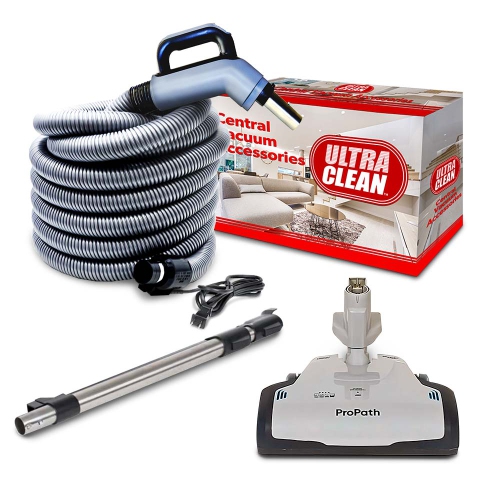
 Your price for this item is $163.77
-
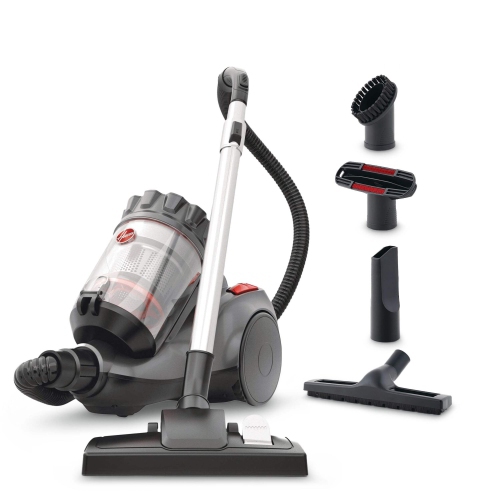
 Your price for this item is $499.99
-
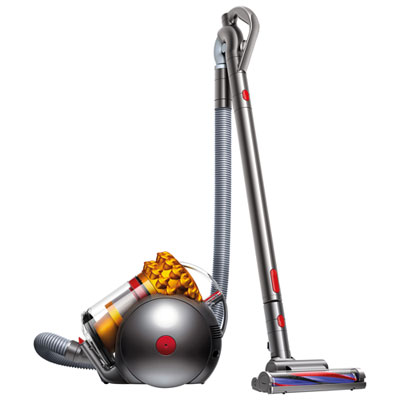
 Your price for this item is $699.99
-
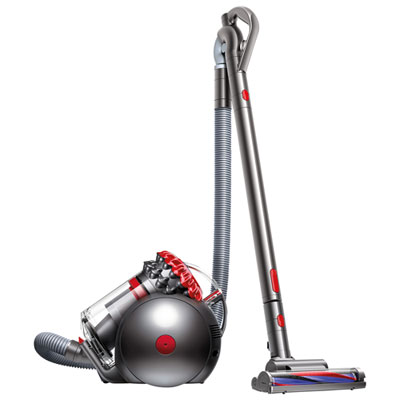
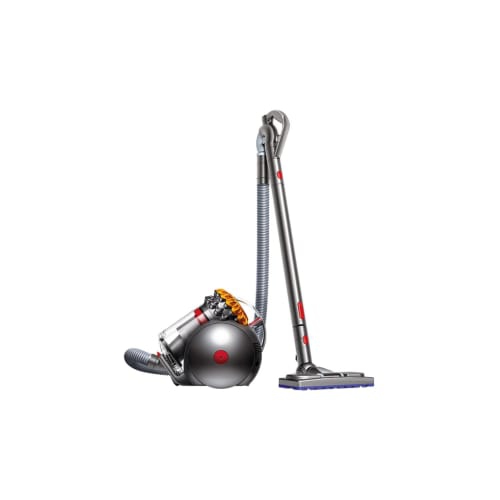 Your price for this item is $749
-
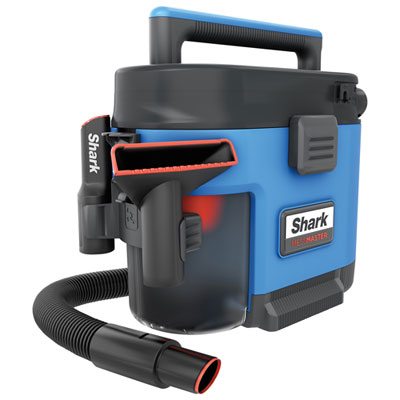 Your price for this item is $129.99
-
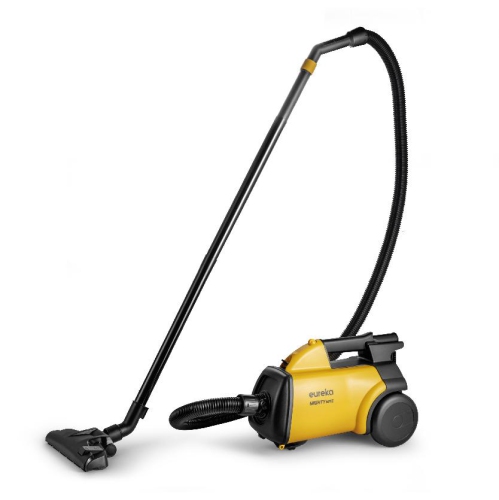 Your price for this item is $90
-
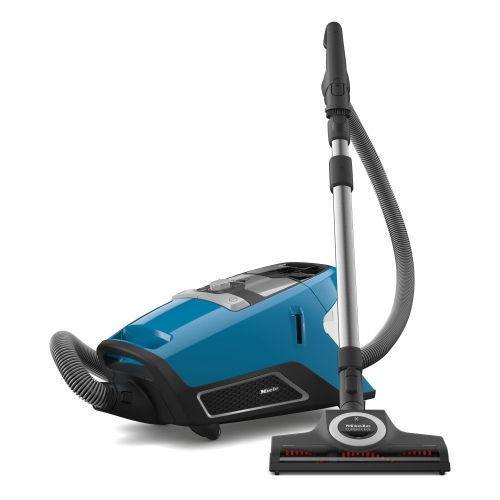 Your price for this item is $799.99
-
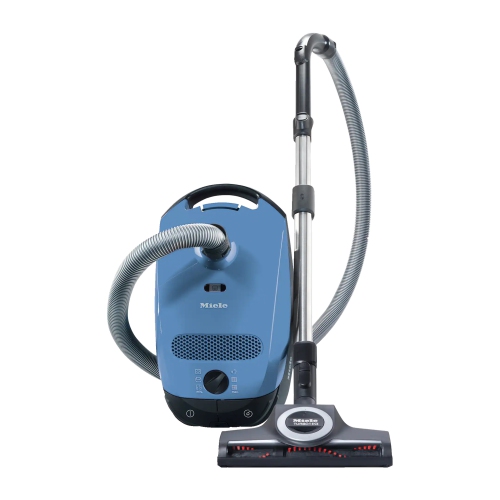 Your price for this item is $449.99
Discover more categories related to Electric Vacuum Cleaners

Top Collections:
Best Black Friday Deals This Year, Best Black Friday Deals On Electronics, Kindle Devices, Pokemon Centers, Best Black Friday Deals On Apple Products, Best Cameras for Sports Photography, Dyson Airwrap, Pokémon 30th Celebration Cards, Apple iPhone 17 Pro, Canon G7X Cameras
Some products may be subject to Environmental Handling Fees
(EHF) depending on your province.
Learn more about EHFs.