Shark Robot Vacuums
A robot vacuum cleaner is a robot that can clean your floors for you. It uses sensors to navigate around your house and avoid obstacles, and it can be programmed to clean certain areas of the house on a schedule. Some models also have special features, like the ability to clean while you're away from home. Here are some great options for robot vacuums available today.
Sort
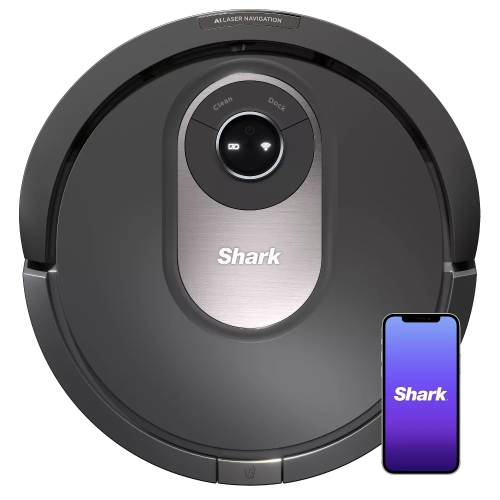

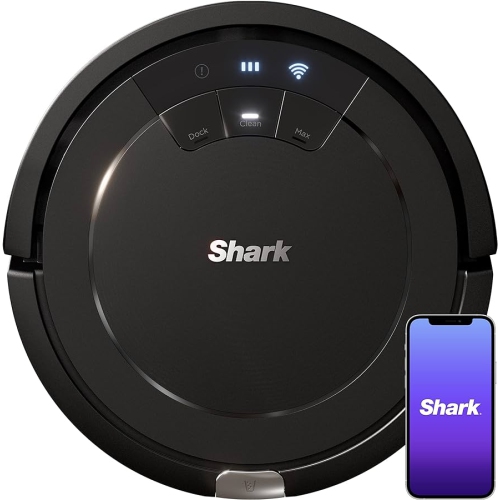
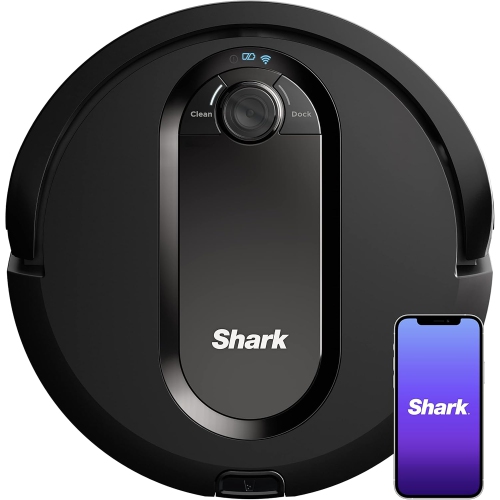

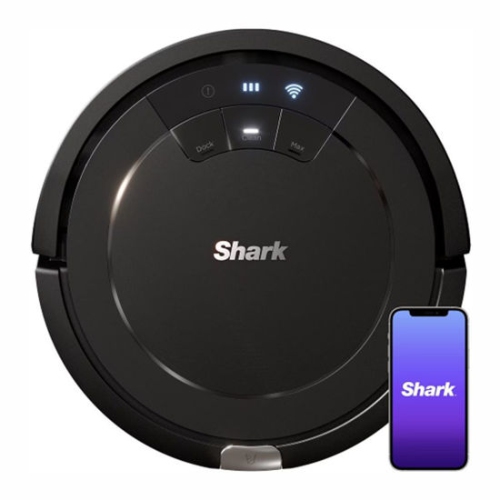
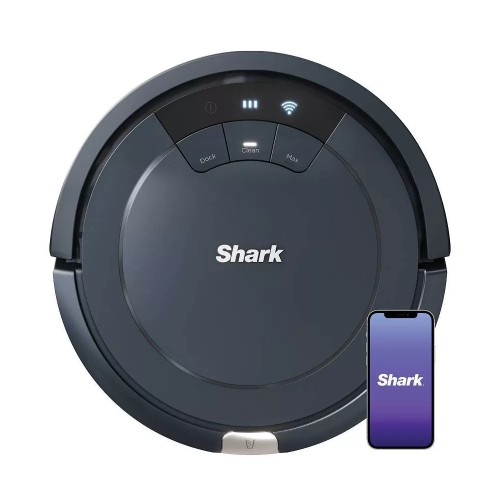
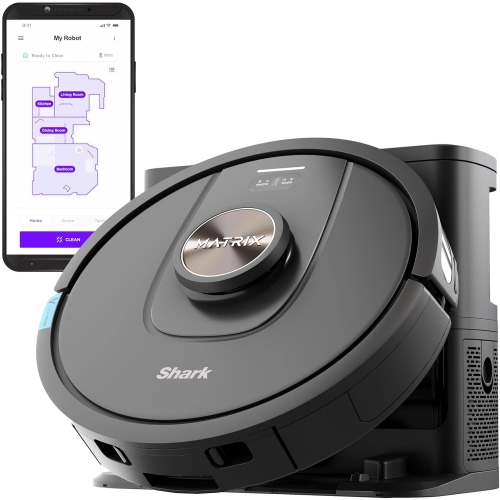

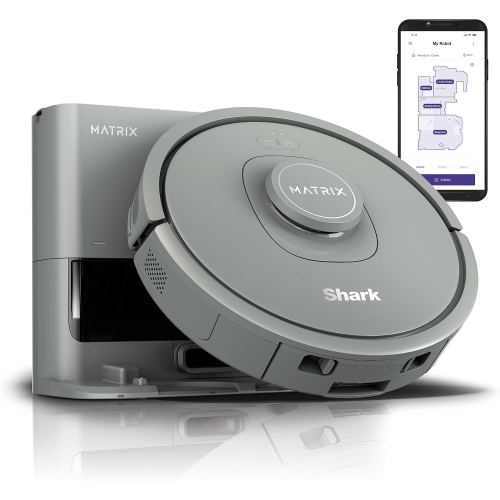

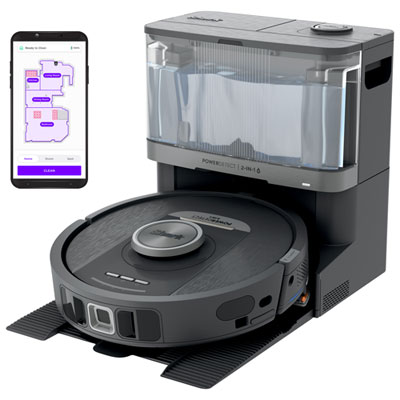

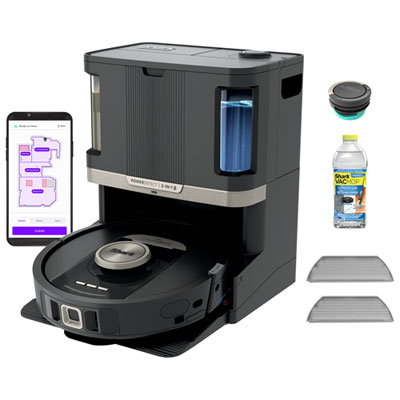

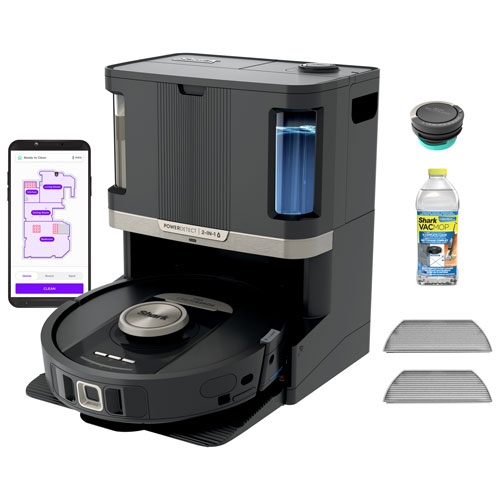


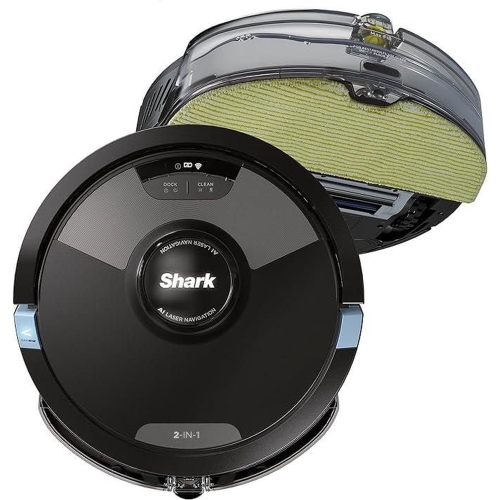
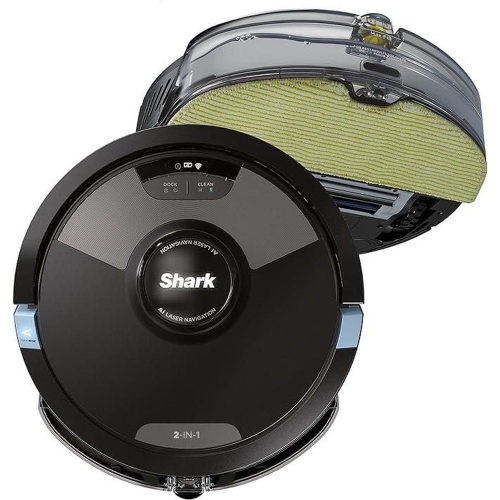
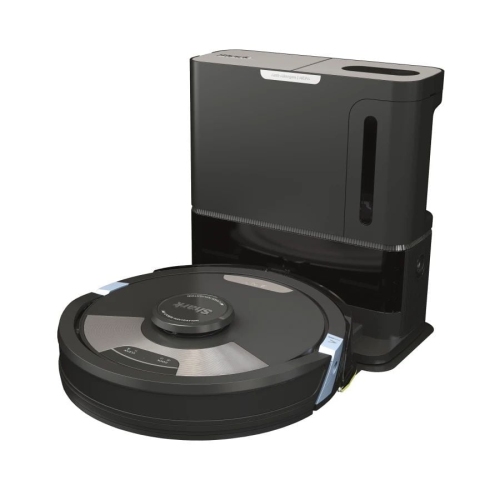
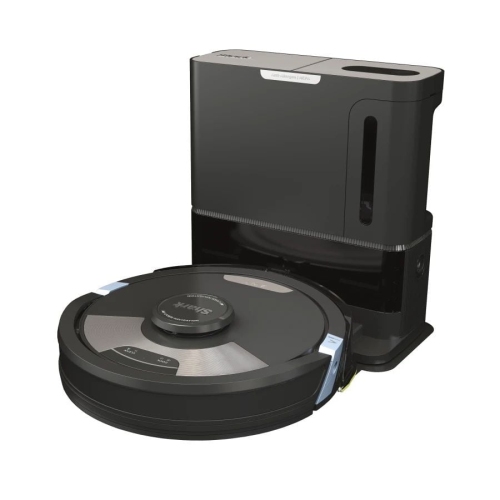

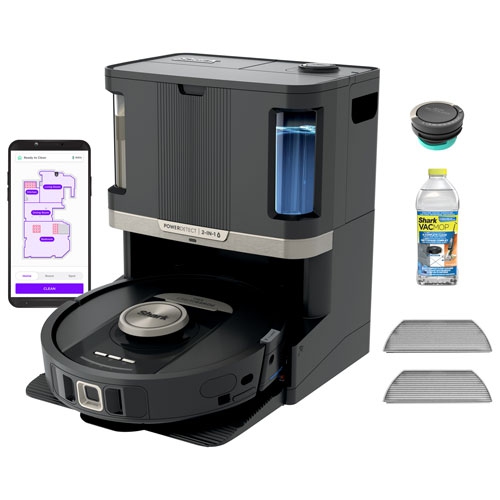

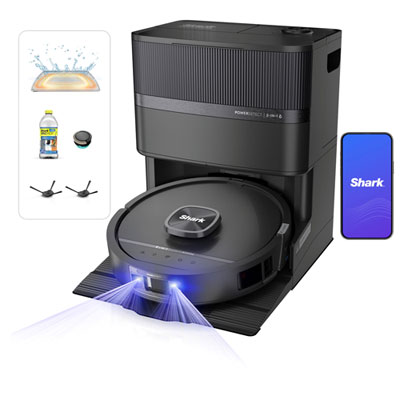
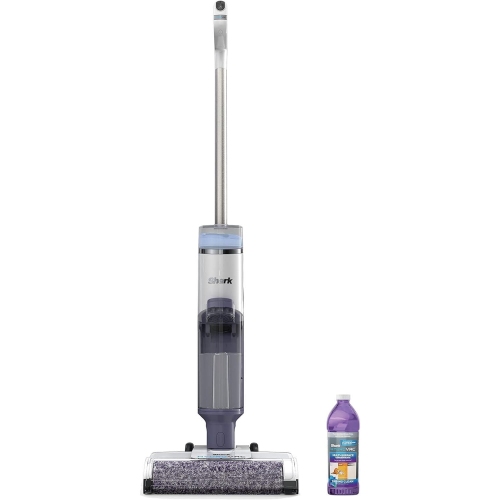
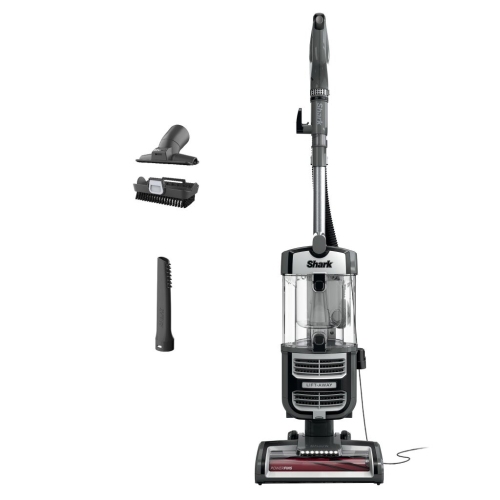
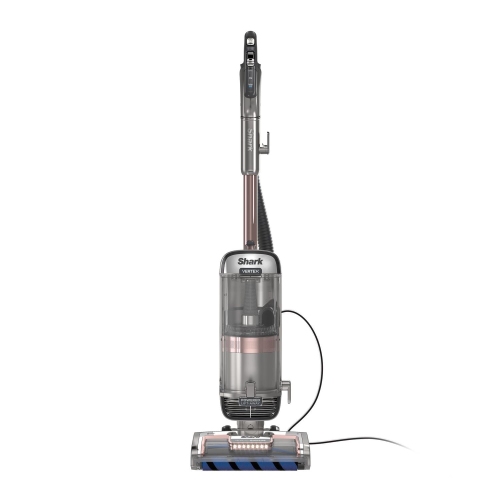
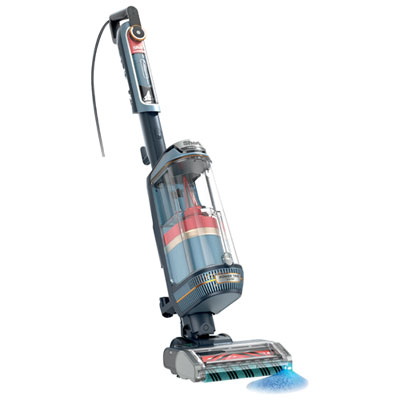
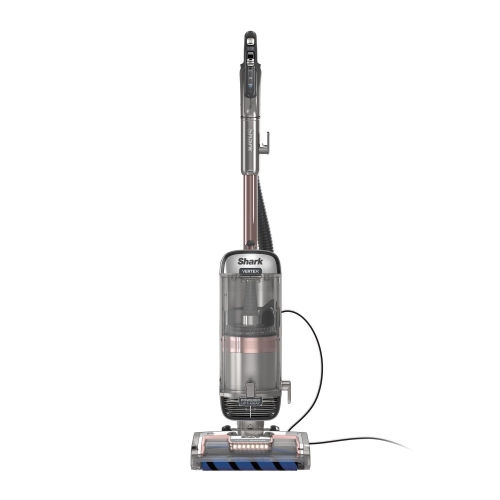


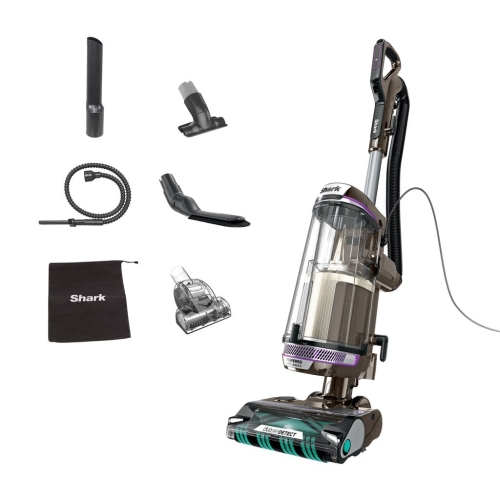
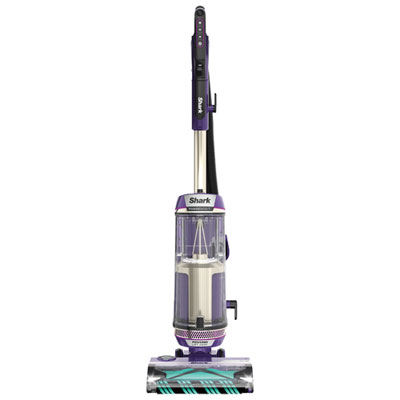
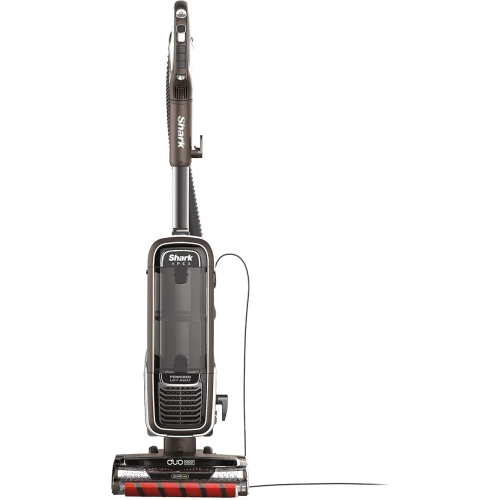
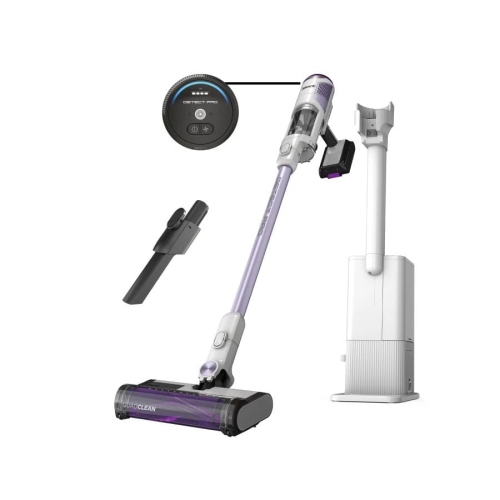
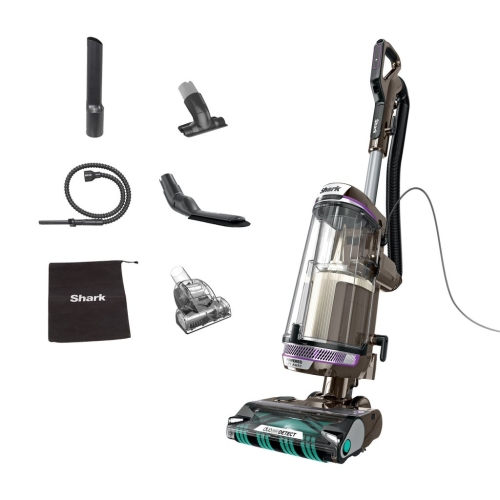
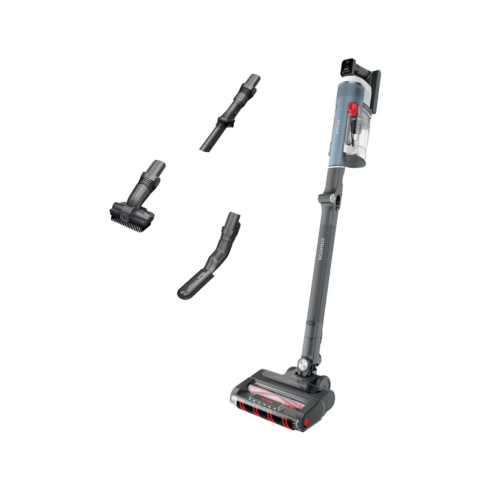

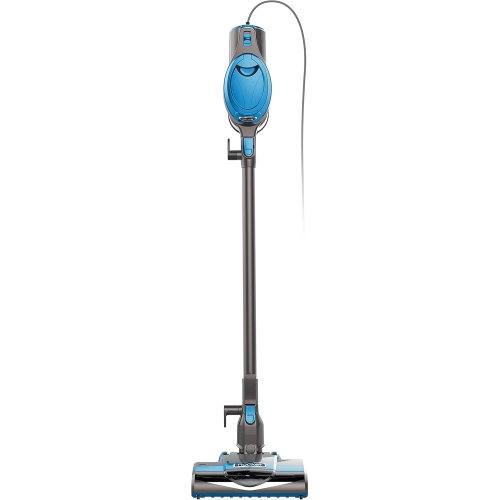


Automated floor care for everyday crumbs and pet hair
Robot vacuums help keep everyday floor debris under control by collecting crumbs, dust, and pet hair between more thorough cleanings. Their low-profile bodies travel beneath furniture where clearance allows, while rotating brushes draw debris towards the suction inlet and side brushes help reach along baseboards. They are particularly useful in busy households where breakfast crumbs gather under the table, pet hair collects beside the sofa, or an open-plan living area needs frequent attention. Cleaning performance depends on more than suction alone: brush design, navigation, floor contact, and the ability to move between surfaces all affect the result. Hard flooring and low-pile rugs present different challenges from thick carpeting, loose fringe, or uneven thresholds, so the floor types supported by a particular design matter. Models with home-mapping capabilities can create a layout of accessible rooms, making room-specific cleaning and restricted areas possible where those functions are supported. More structured cleaning paths help cover open floor space systematically rather than relying only on changes in direction after encountering furniture. Some designs make additional passes over an area or adjust cleaning power when more debris is detected, although these capabilities vary by model. Mapping also differs from obstacle avoidance: a robot that knows the room layout may still need charging cords, socks, and small toys removed from its path. Homes with shedding pets can benefit from frequent runs, especially around resting spots and feeding areas, but no brush system eliminates maintenance entirely. Long hair and threads may still gather around brush ends or wheel axles. Robot vacuums are best understood as regular floor-maintenance appliances rather than replacements for every cleaning task. They cannot clean stairs, lift cushions, or reach every narrow gap, and dried spills or embedded debris may need separate attention. For people balancing work, family routines, or reduced tolerance for pushing a full-size vacuum, automated cleaning can make routine floor care less demanding without removing the need for occasional hands-on work.
The charging base is an important part of how a robot vacuum fits into a home. A standard dock provides a place to recharge, while a self-emptying base can transfer collected debris from the robot into a larger container after cleaning. Bagless self-emptying designs use a reusable collection bin, reducing how often the robot’s small onboard dustbin needs attention. The base still requires emptying and cleaning, and its capacity should be considered in relation to floor area, cleaning frequency, and the amount of pet hair collected. A home with several shedding animals may fill the container sooner than a smaller household with mostly bare floors. Some designs incorporate HEPA filtration, but the location of that filter and the construction of the dust path matter; filtration at the base is not necessarily the same as filtration inside the robot. Emptying any dust container can release particles, so careful handling remains useful even with advanced filtration. Physical fit deserves equal attention. The robot needs enough height clearance beneath beds and sofas, while the dock needs a stable position with the approach space specified by the manufacturer. A base tucked tightly between chair legs may be less practical than one placed along an unobstructed wall near an outlet. The sound of automatic emptying is also different from the quieter hum of routine cleaning, which can matter beside a home office or a sleeping area. Most robot vacuum bodies use rigid plastic housings with brush assemblies, wheels, and flexible components designed for repeated contact with household flooring. Durability depends partly on keeping those moving parts clear. Washable components should only be rinsed when the care instructions permit it and must dry fully before reassembly. Filters, brush rolls, side brushes, and mop pads may need periodic replacement according to their condition and the manufacturer’s recommendations. Wiping sensors and charging contacts, checking wheels for tangled hair, and removing packed debris from the brush housing help maintain navigation and cleaning performance over time. These small maintenance tasks keep automated cleaning convenient rather than allowing an unnoticed blockage to affect each run.
Connected features can make a robot vacuum easier to fit around daily life, provided the controls suit the household. Depending on the model, an app may support cleaning schedules, room selection, cleaning history, or changes to suction settings. Wi-Fi requirements and phone compatibility vary, and some connected functions depend on an internet connection. On-device buttons can be useful for starting a quick clean without reaching for a phone, while supported voice controls offer another way to manage routine tasks. A schedule might send the robot through the kitchen after breakfast or focus on a pet’s favourite lounging area before guests arrive. Battery runtime should be considered alongside the layout rather than treated as a simple measure of cleaning quality: carpet, stronger suction settings, and furniture can all affect how much floor space is covered on one charge. Some models return to the dock to recharge and then resume an unfinished clean, which can be helpful across larger accessible areas. Multi-level homes still require someone to carry the robot between floors, and cliff sensors do not replace following the manufacturer’s instructions around stairs and raised edges. Combination vacuum-and-mop designs add another layer of routine care for compatible sealed hard floors. Their water delivery, pad movement, and carpet-handling capabilities differ, so a mopping function should not be assumed to scrub every stain or suit every surface. Floor-care instructions are especially important for wood, laminate, and other materials that may be sensitive to moisture or unsuitable cleaning solutions. Wet spills, sharp debris, and pet accidents should not be left for a standard robot vacuum to handle. Comparing automated cleaning with the wider range of floor-care options on Best Shark Vacuums helps clarify where a robot fits alongside a conventional vacuum. Its strongest role is consistent attention to accessible floors, with the right balance of navigation, debris handling, docking space, and straightforward upkeep for the home.
Top selling and popular products
-
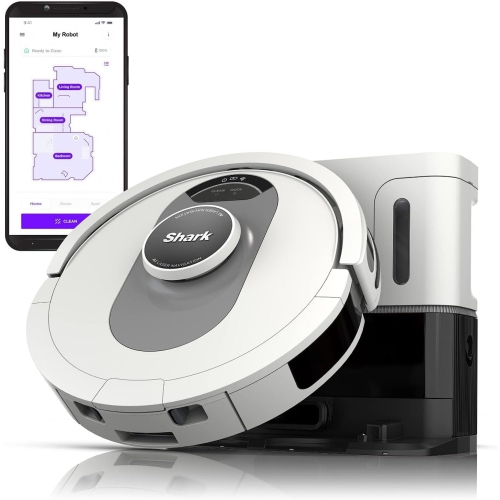 Your price for this item is $699.99
-
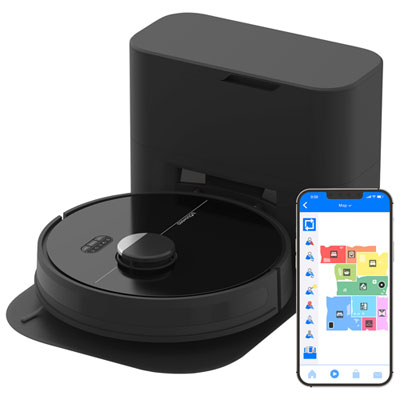 Your price for this item is $199.99
-
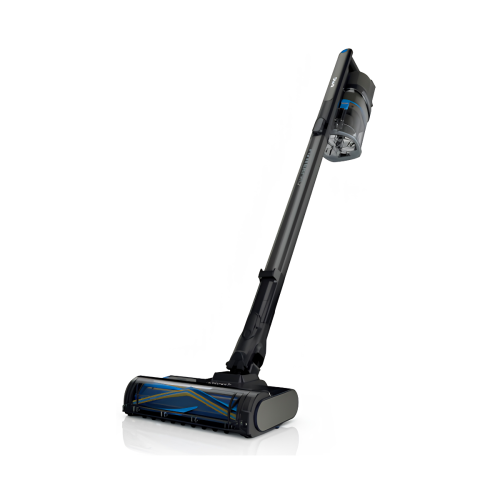 Your price for this item is $399.99
-
 Your price for this item is $999
-
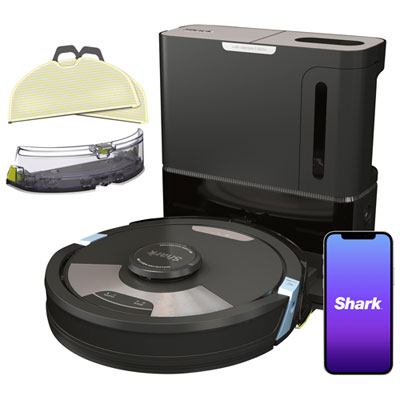 Your price for this item is $399.99
-
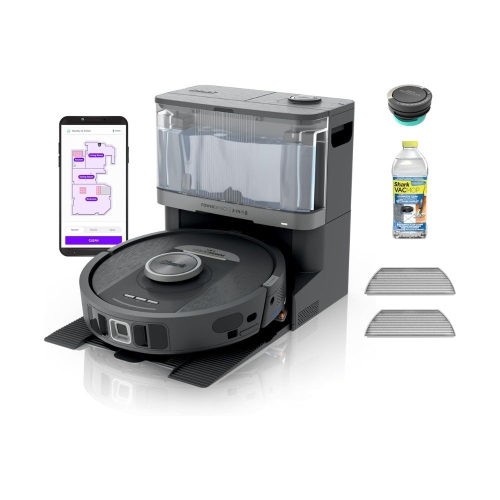 Your price for this item is $1149.99
-
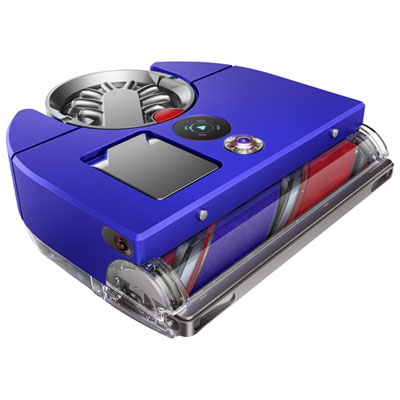 Your price for this item is $1052.95
-
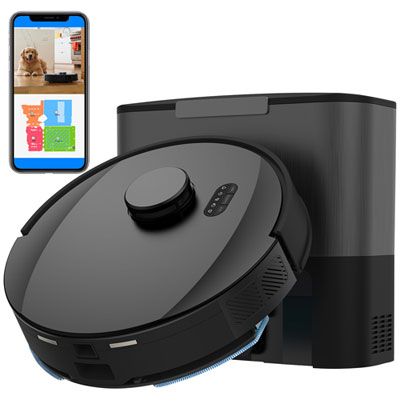 Your price for this item is $1249.99
Discover more categories related to Shark Robot Vacuums

Top Collections:
Best Black Friday Deals This Year, Best Black Friday Deals On Electronics, Kindle Devices, Pokemon Centers, Best Black Friday Deals On Apple Products, Best Cameras for Sports Photography, Dyson Airwrap, Pokémon 30th Celebration Cards, Apple iPhone 17 Pro, Canon G7X Cameras
Some products may be subject to Environmental Handling Fees
(EHF) depending on your province.
Learn more about EHFs.