Arcade Boxes
Step into the world of endless fun and excitement with our collection of arcade boxes. Perfect for gamers of all ages, these compact and stylish gaming consoles bring the nostalgia of classic arcade games right into your living room. Whether you're a fan of retro classics or modern favorites, our arcade boxes offer a wide selection of games to choose from, guaranteeing hours of entertainment for you, your family, and friends. Elevate your gaming experience with the ultimate arcade gaming solution that will keep you entertained for hours on end.
Sort


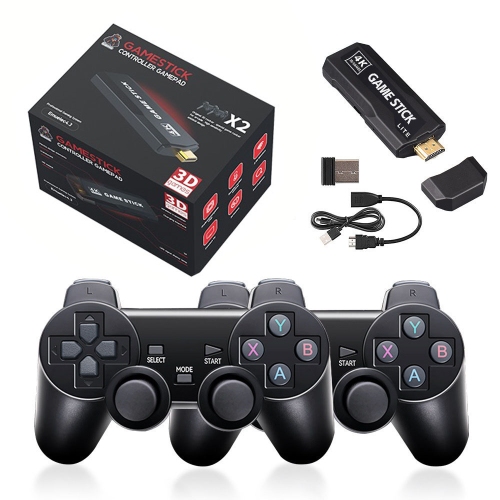

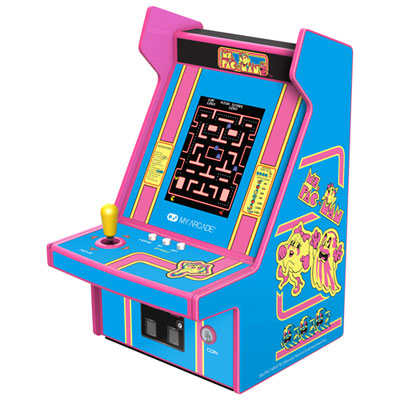

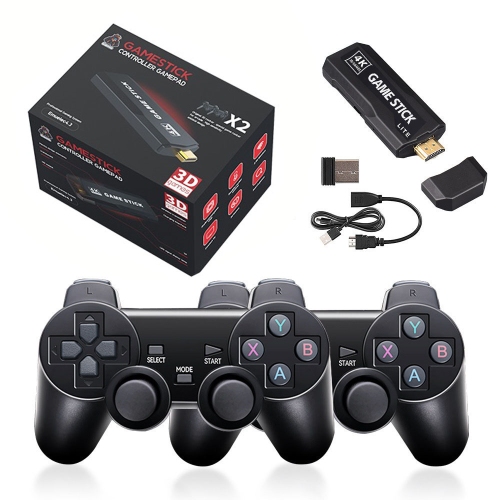
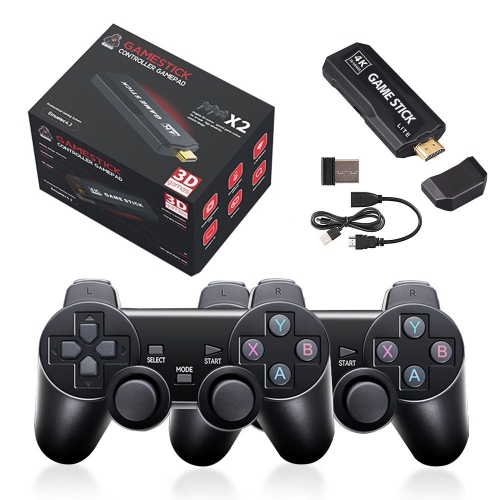
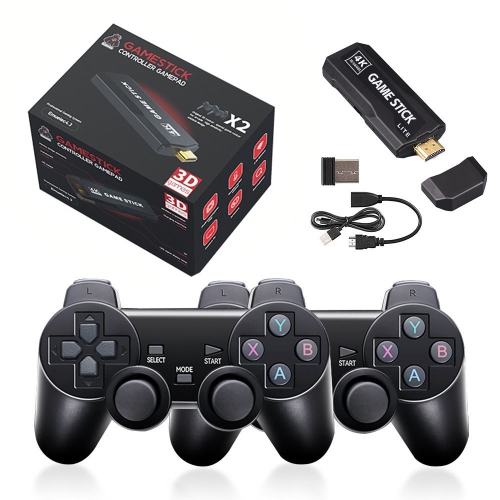
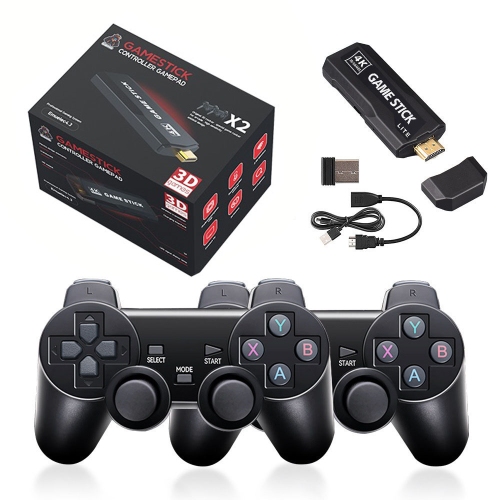


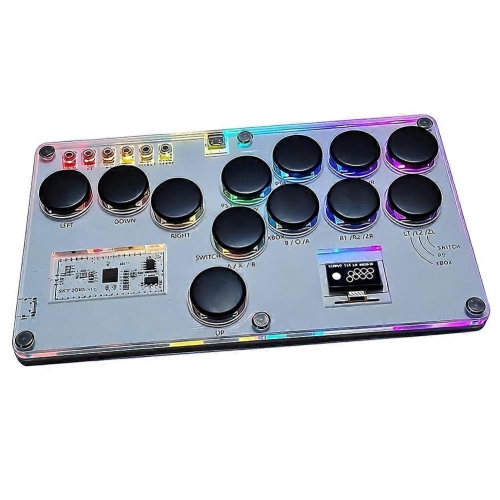
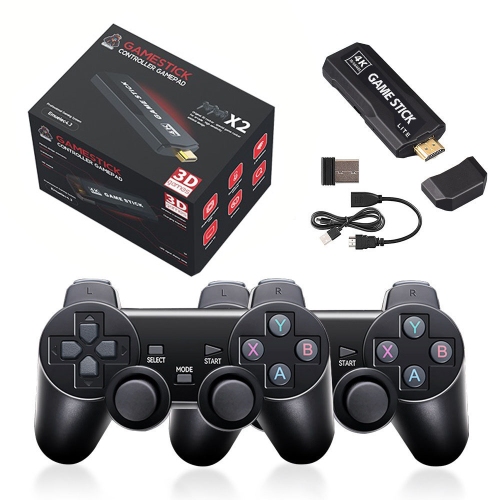
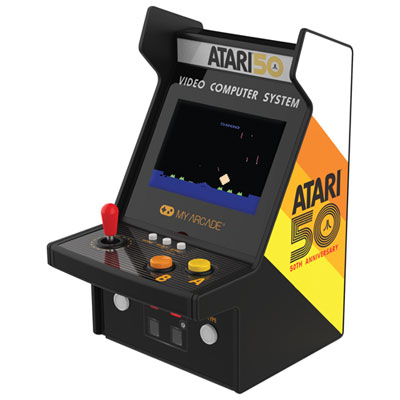


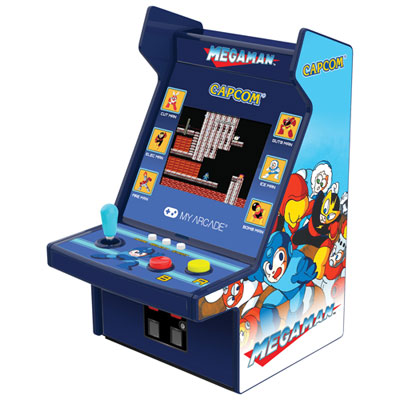

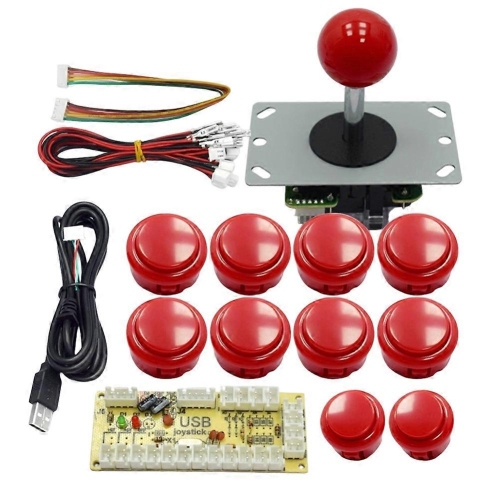
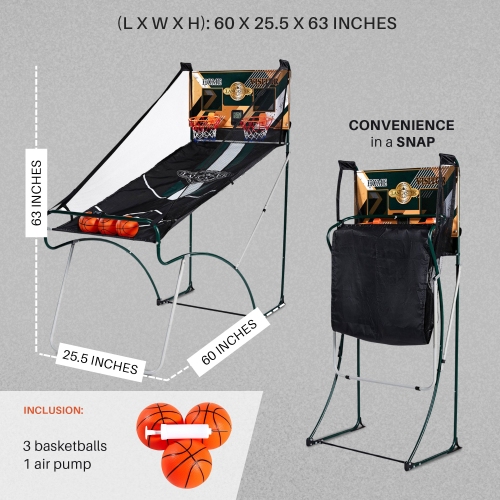

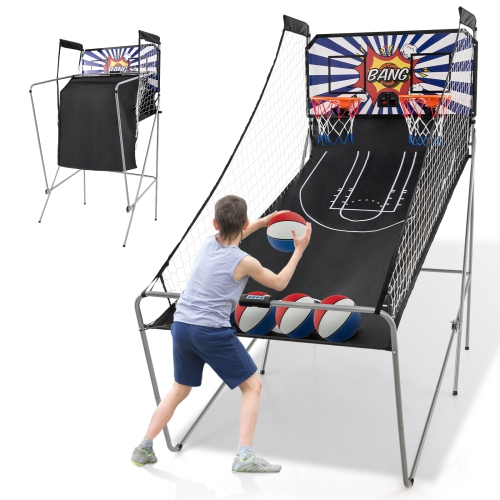


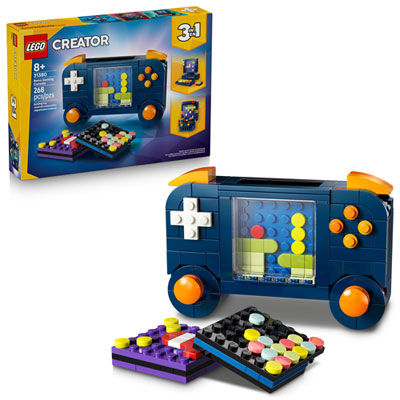


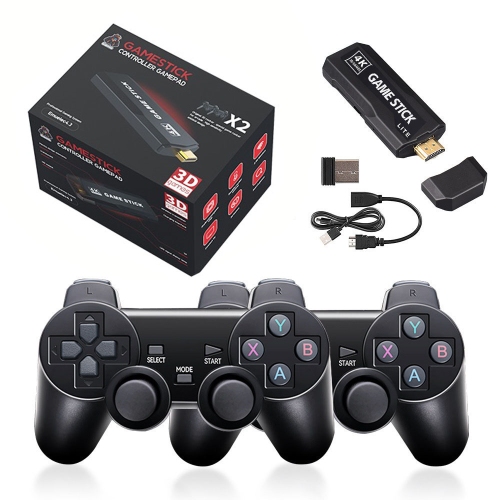
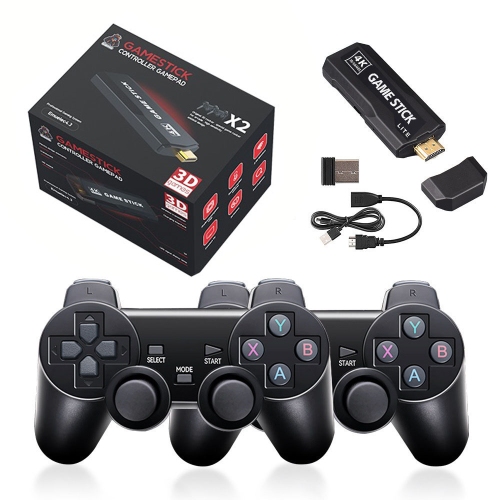

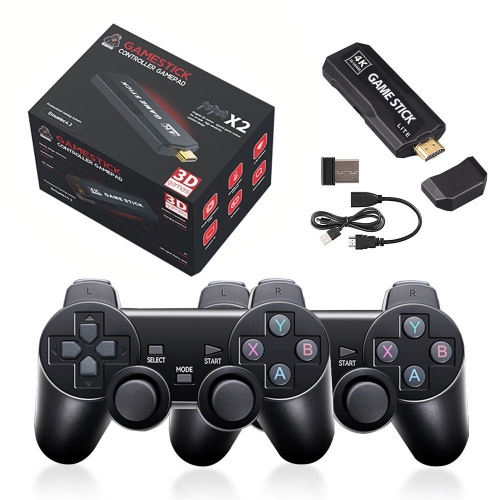
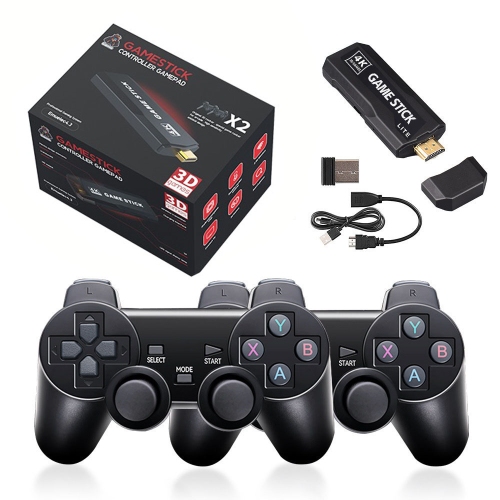




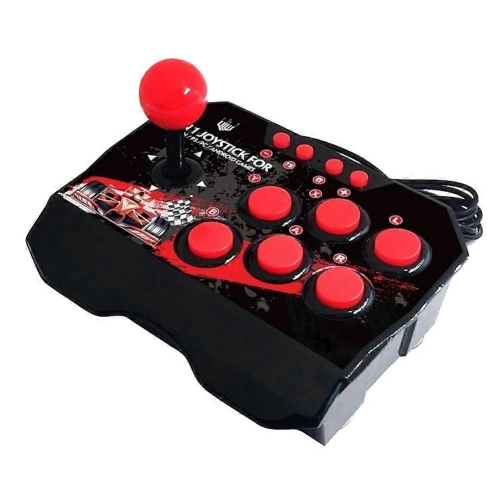


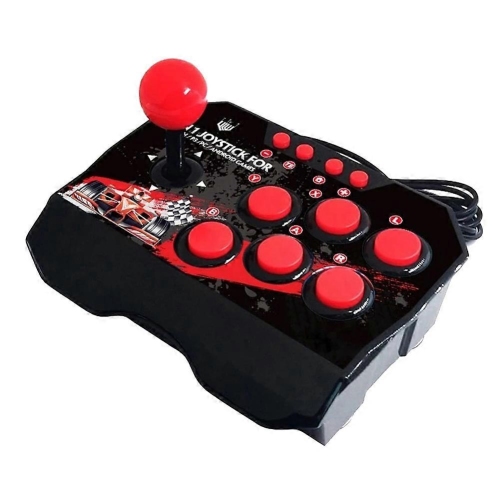
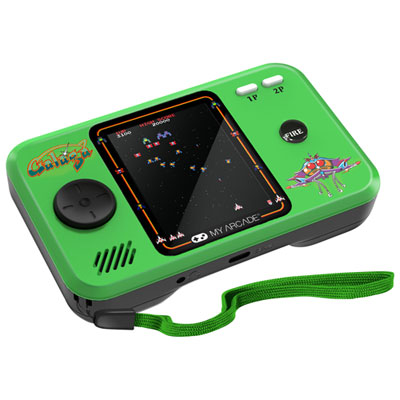
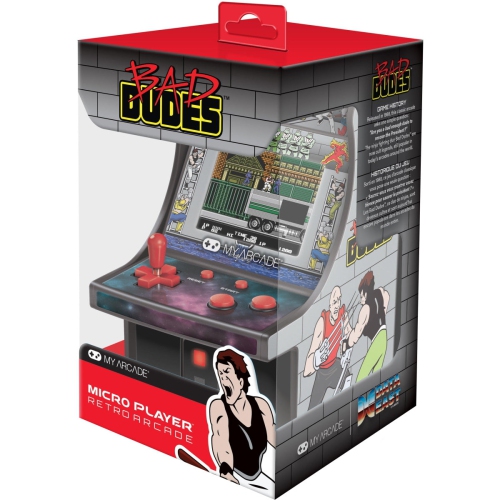


Arcade-style play without the full-sized cabinet footprint
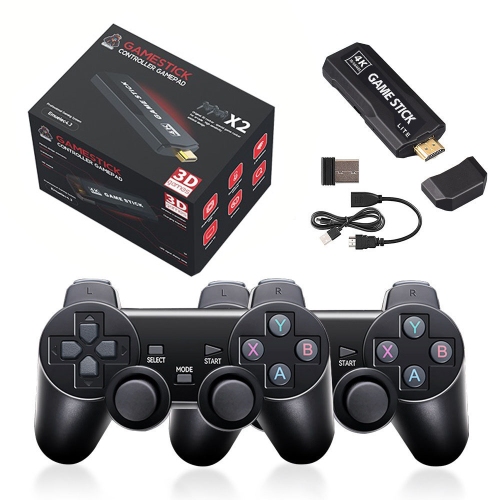
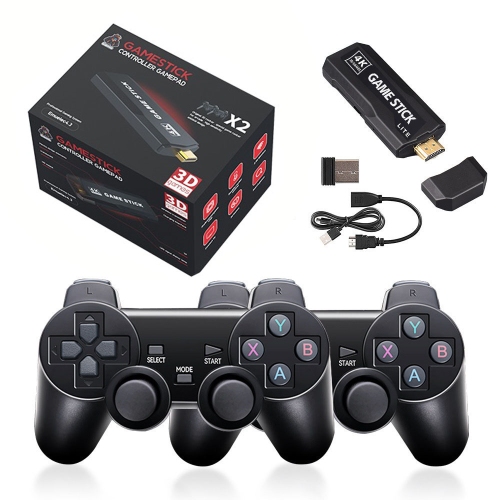
Arcade boxes are compact gaming systems that bring arcade-style play to a TV, monitor, or, on some models, a built-in screen without the footprint of a full-sized cabinet. The term covers several designs, including tabletop control decks with integrated joysticks and buttons, small console-style boxes used with separate gamepads, and self-contained desktop units. Their appeal is straightforward: a familiar layout, quick access to games, and room for a little friendly competition without dedicating an entire corner to an upright machine. A two-player control deck can turn a sturdy table into a shared gaming station, while a mini console can sit beside a television with its controllers tucked away between sessions. For a dedicated games room where the cabinet itself is part of the attraction, Classic Arcade Machines offer a different format built around that traditional arcade presence. Arcade boxes suit players who enjoy short rounds of action, side-scrolling adventures, puzzles, racing, or head-to-head matches, although the supported genres and titles depend on the system. Some have built-in game libraries; others support additional content through methods specified by the manufacturer. A large advertised game count does not necessarily mean an equally large selection of distinct titles, since libraries can include regional versions or variations of the same game. Clear information about included games, content licensing, supported platforms, and age suitability is more useful than a headline number alone. Menu design also shapes everyday enjoyment. Search tools, favourites lists, and clearly organized categories can make it easier to find a familiar game instead of spending the evening scrolling. Pause features and save states, where supported, add flexibility for players who need to step away mid-session. These functions vary by hardware and by game, so an arcade box is best understood through its actual capabilities rather than assumptions about what every retro gaming system includes.
The physical layout makes a noticeable difference once play begins. An integrated arcade stick places the joystick and action buttons in a fixed arrangement, giving each player a defined space for quick movements and repeated button presses. Wider dual-player decks can provide more elbow room, but they also need a suitable surface and enough storage space when not in use. A compact deck may fit a smaller table while feeling crowded when two adults sit shoulder to shoulder. Gamepad-based systems separate the players more easily, which can work well for a sofa setup or a household where people prefer different seating positions. Wired controllers avoid battery charging but introduce cables across the play area; wireless controllers offer more freedom of movement, with range, battery life, and connection reliability depending on the design. Responsive controls matter for timed jumps and fighting-game inputs, while button spacing, joystick height, and the shape of the front edge influence comfort over longer sessions. Many arcade boxes use plastic, metal, or wood-based housings, each with practical differences. A lightweight plastic shell is easier to move, whereas a heavier enclosure can feel steadier during energetic play. Metal panels may provide a firm control surface, and wood-based decks can offer a cabinet-like feel in a smaller format. Overall durability still depends on assembly quality, button and joystick construction, secure ports, and a base that resists sliding. Non-slip feet and a stable table help keep the controls in place without requiring the player to brace the unit constantly. Fit includes the space around the system, not just its outer dimensions: hands need room at the front, cables need clearance at the back, and ventilation openings must remain unobstructed. For children, reachable controls, secure placement, suitable game content, and manageable cable routing deserve particular attention. For adults returning to arcade games, the feel of the controls may matter as much as the game selection.
Connection options determine where an arcade box can be used comfortably. HDMI is common on TV-connected systems, while some units provide VGA for compatible displays; the ports and supported output resolutions vary. A matching connector is only part of compatibility, since the screen must also accept the signal the box produces. VGA does not carry audio, so systems using that connection may need a separate sound connection. Projector setups can create a large shared play area, but cable reach, audio routing, and display delay all affect the experience. A television’s game mode can help reduce display processing delay, though it cannot eliminate lag elsewhere in the system. Older games may have been designed for a more square-shaped picture, making aspect-ratio settings useful for avoiding stretched characters and scenery on a widescreen display. Built-in-screen units remove the need for a separate television, but screen size, viewing angle, speaker placement, and power requirements influence how practical they are to move between rooms. Compact does not automatically mean battery-powered. Similarly, extra USB ports do not guarantee support for every controller or for four-player gameplay; controller compatibility and simultaneous player counts depend on both the hardware and the selected game. Day-to-day care is usually simple: a soft, dry cloth helps remove dust from the housing and controls, while drinks are best kept away from buttons, seams, and ports. Cleaning liquids should not be sprayed directly onto the unit, and any deeper cleaning or control replacement should follow the manufacturer’s directions. Storing cables without tight bends and supporting connectors when unplugging them can help prevent avoidable wear. Arcade boxes can make thoughtful gifts for retro gaming fans, partners who enjoy competitive matches, or families looking for a shared screen activity. The strongest match is a system that fits the recipient’s display, available space, preferred controls, and favourite kinds of games. Whether used for a few rounds after dinner or a longer gathering with friends, a well-matched arcade box keeps the focus on comfortable play and the satisfaction of improving a score.
Top selling and popular products
-
 Your price for this item is $649.99
-
 Your price for this item is $649.99
-
 Your price for this item is $41.95
-
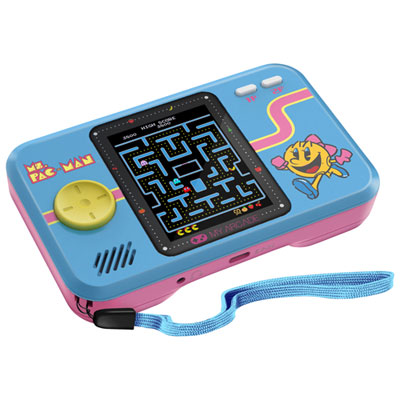 Your price for this item is $54.99
-
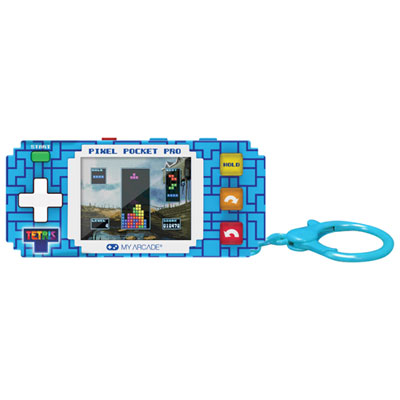 Your price for this item is $34.99
-
 Your price for this item is $24.97
-
 Your price for this item is $699.99
-
 Your price for this item is $39.99
Discover more categories related to Arcade Boxes
Top Collections:
Pokemon Centers, Best Cameras for Sports Photography, Kindle Devices, Samsung Galaxy Phones, Canon G7X Cameras, Pokémon 30th Celebration Cards, Refurbished Apple Laptops, iPhone 15 Apple, Laptops for Students, Budget Smartphones
Some products may be subject to Environmental Handling Fees
(EHF) depending on your province.
Learn more about EHFs.