Arcade-Style Joysticks
Arcade-style joysticks bring the excitement of the arcade right into your home gaming setup. Designed for those who crave authentic control and a classic feel, these joysticks are perfect for reliving retro favourites or mastering modern fighting games. Whether you’re building your arcade cabinet or looking to enhance your console experience, arcade-style joysticks offer precision and responsiveness that elevate every session. Explore a range of options to find the perfect addition to your gaming collection.
Sort
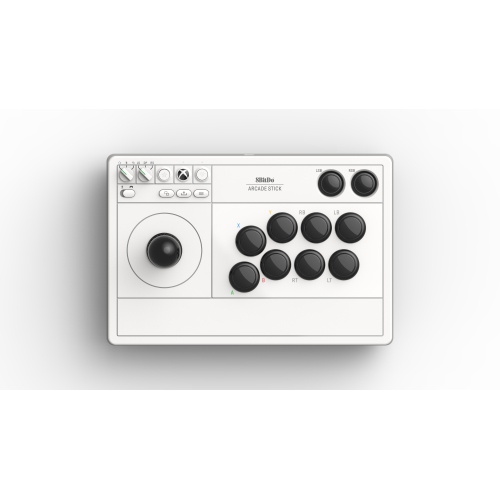
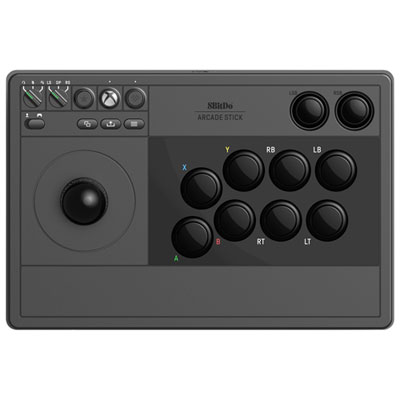
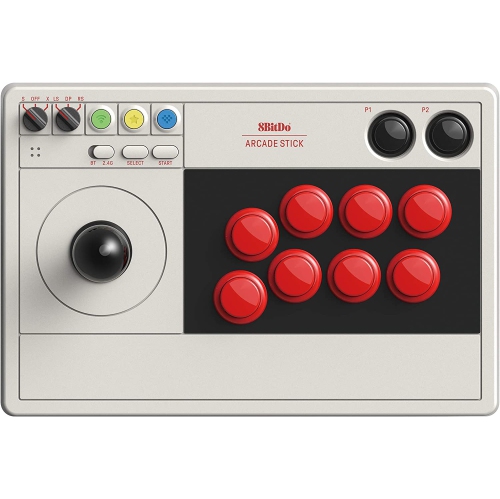
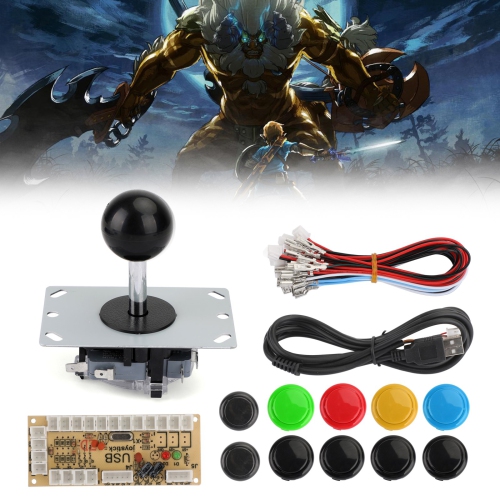
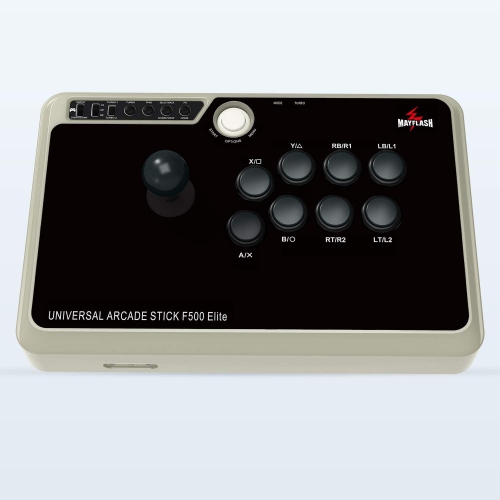
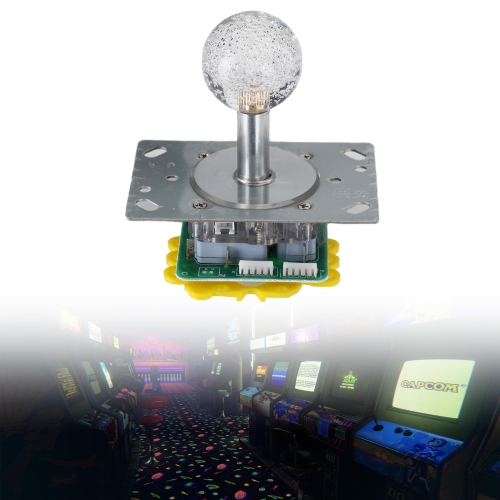
Lever shape and button layout shape every input
Arcade-style joysticks bring the feel of a classic gaming cabinet to a home setup, combining a substantial control lever with large, responsive buttons designed for quick, deliberate inputs. They can make retro games feel more authentic, while also giving fighting games, shoot ’em ups, platformers, racing titles, and arcade compilations a distinct hands-on character. Instead of moving a small thumbstick, you guide a full-size lever with the palm or fingertips, hearing and feeling each direction register beneath your hand. That physical feedback can be especially satisfying for players who enjoy precise timing, repeated combinations, and the familiar rhythm of arcade controls. These products may suit dedicated players building a home arcade corner, casual gamers looking for a different way to play, and collectors who appreciate the design language of classic cabinets. They can also make thoughtful gifts for someone who enjoys retro gaming, fighting games, game-room accessories, or custom hardware projects. Before choosing an arcade-style joystick, consider the platform it supports, the games it will be used with, the preferred control layout, and whether it will be connected to a console, computer, or compatible gaming device. Some models are designed for wired play, which can provide a direct connection with minimal setup, while others offer wireless connectivity for a tidier gaming area and more freedom to sit farther from the screen. Compatibility can vary by model, so checking the supported platforms, connection type, included cables, and any required software is an important part of finding the right fit. Players who use more than one platform may also want to look for clear switching instructions or broad compatibility, while those who focus on one system may prefer controls designed specifically for that environment. For more traditional thumb-operated controls, explore Analog Joysticks as another option for compatible gaming setups.
The shape of the lever is one of the most noticeable differences between arcade-style joysticks. A ball-top handle has a rounded grip that is commonly associated with Japanese-style arcade cabinets and can feel natural when held between the fingers or cupped in the hand. A bat-top handle has a longer, more cylindrical shape that offers additional surface area and can be comfortable for players who prefer to rest the hand over the lever or use a firmer grip. Neither design is universally better; comfort often depends on hand size, playing position, and personal familiarity. The internal movement mechanism matters just as much. Some levers use microswitches that provide a distinct click and clear directional feedback, while others may feel smoother, quieter, or more restrained. A restrictor plate controls how the lever moves and can influence the type of games that feel most natural. Four-way movement is useful for many classic maze games and titles that rely on clean cardinal directions, helping reduce accidental diagonal inputs. Eight-way movement allows diagonal directions and is often preferred for fighting games, action titles, and games that benefit from flexible movement. Certain arcade-style joysticks allow the restrictor plate to be changed or adjusted, giving players more control over how the lever responds. A leverless, or all-button, layout takes a different approach by replacing the physical stick with separate directional buttons. This design can provide fast, consistent inputs and a flat hand position, making it appealing to players who enjoy competitive fighting games or want to experiment with a modern interpretation of arcade controls. Button arrangement, spacing, resistance, and size can affect comfort during longer sessions, so it is worth considering how the controls will feel after repeated use rather than only during a short demonstration. A sturdy enclosure can help keep the joystick steady on a desk or lap, while a lighter design may be easier to store and carry. Cable storage, removable cords, illuminated buttons, headphone connections, and adjustable input mapping are additional features that may be useful depending on the setup. Players who enjoy personalizing their equipment may also look for a design that supports replacement parts, custom artwork, alternate handles, or upgraded buttons.
Arcade-style joysticks can be used in several ways beyond simply connecting one to a television and starting a game. They are well suited to local multiplayer, where two players can sit side by side and trade rounds, compare techniques, or revisit favourites from earlier gaming eras. In a home office, recreation room, or dedicated game space, an arcade-style joystick can provide a more focused alternative to a standard controller, particularly for games built around short matches and repeated practice. A fighting-game player may use one to refine quarter-circle motions, charge inputs, combinations, and defensive timing, while a retro enthusiast may value the way a four-way or eight-way lever recreates the feel of an original cabinet. They can also be useful for hobbyists who build custom enclosures or restore older arcade equipment, although compatibility between components should be checked carefully before replacing a lever or button assembly. When shopping for a gift, think about the recipient’s preferred games and platform, whether they play at a desk or in front of a television, and how much space they have for a larger controller. A compact wired model may suit someone with a computer gaming station, while a wireless option may be more convenient in a shared living room. For someone who enjoys custom projects, replaceable components and accessible construction may be more valuable than decorative features. It is also worth considering the player’s experience level: a straightforward plug-and-play design can be welcoming for someone new to arcade controls, while adjustable mapping, interchangeable restrictors, and component access may appeal to an experienced player. With the right combination of connectivity, layout, lever style, button response, and platform support, an arcade-style joystick can turn familiar games into a more tactile and engaging experience, whether it is used for a few relaxed rounds during the cooler months or for longer competitive sessions with friends.
The shape of the lever is one of the most noticeable differences between arcade-style joysticks. A ball-top handle has a rounded grip that is commonly associated with Japanese-style arcade cabinets and can feel natural when held between the fingers or cupped in the hand. A bat-top handle has a longer, more cylindrical shape that offers additional surface area and can be comfortable for players who prefer to rest the hand over the lever or use a firmer grip. Neither design is universally better; comfort often depends on hand size, playing position, and personal familiarity. The internal movement mechanism matters just as much. Some levers use microswitches that provide a distinct click and clear directional feedback, while others may feel smoother, quieter, or more restrained. A restrictor plate controls how the lever moves and can influence the type of games that feel most natural. Four-way movement is useful for many classic maze games and titles that rely on clean cardinal directions, helping reduce accidental diagonal inputs. Eight-way movement allows diagonal directions and is often preferred for fighting games, action titles, and games that benefit from flexible movement. Certain arcade-style joysticks allow the restrictor plate to be changed or adjusted, giving players more control over how the lever responds. A leverless, or all-button, layout takes a different approach by replacing the physical stick with separate directional buttons. This design can provide fast, consistent inputs and a flat hand position, making it appealing to players who enjoy competitive fighting games or want to experiment with a modern interpretation of arcade controls. Button arrangement, spacing, resistance, and size can affect comfort during longer sessions, so it is worth considering how the controls will feel after repeated use rather than only during a short demonstration. A sturdy enclosure can help keep the joystick steady on a desk or lap, while a lighter design may be easier to store and carry. Cable storage, removable cords, illuminated buttons, headphone connections, and adjustable input mapping are additional features that may be useful depending on the setup. Players who enjoy personalizing their equipment may also look for a design that supports replacement parts, custom artwork, alternate handles, or upgraded buttons.
Arcade-style joysticks can be used in several ways beyond simply connecting one to a television and starting a game. They are well suited to local multiplayer, where two players can sit side by side and trade rounds, compare techniques, or revisit favourites from earlier gaming eras. In a home office, recreation room, or dedicated game space, an arcade-style joystick can provide a more focused alternative to a standard controller, particularly for games built around short matches and repeated practice. A fighting-game player may use one to refine quarter-circle motions, charge inputs, combinations, and defensive timing, while a retro enthusiast may value the way a four-way or eight-way lever recreates the feel of an original cabinet. They can also be useful for hobbyists who build custom enclosures or restore older arcade equipment, although compatibility between components should be checked carefully before replacing a lever or button assembly. When shopping for a gift, think about the recipient’s preferred games and platform, whether they play at a desk or in front of a television, and how much space they have for a larger controller. A compact wired model may suit someone with a computer gaming station, while a wireless option may be more convenient in a shared living room. For someone who enjoys custom projects, replaceable components and accessible construction may be more valuable than decorative features. It is also worth considering the player’s experience level: a straightforward plug-and-play design can be welcoming for someone new to arcade controls, while adjustable mapping, interchangeable restrictors, and component access may appeal to an experienced player. With the right combination of connectivity, layout, lever style, button response, and platform support, an arcade-style joystick can turn familiar games into a more tactile and engaging experience, whether it is used for a few relaxed rounds during the cooler months or for longer competitive sessions with friends.
Top selling and popular products
-
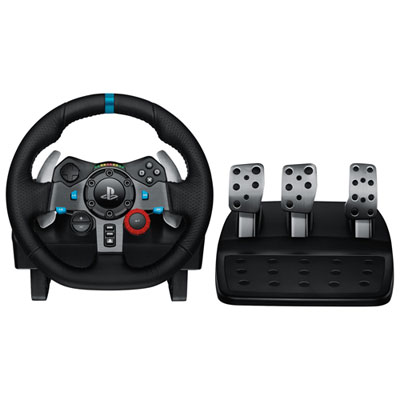 Your price for this item is $399.99
 -
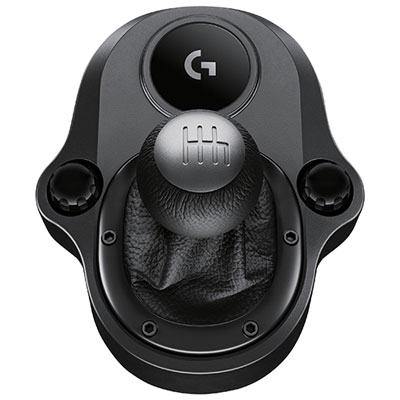 Your price for this item is $89.99
 -
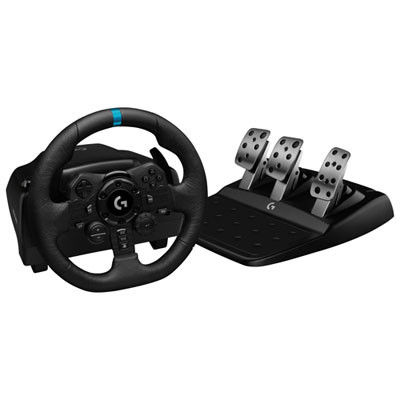 Your price for this item is $479.99
 -
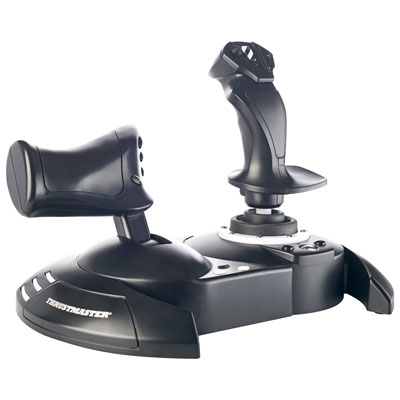 Your price for this item is $129.99
 -
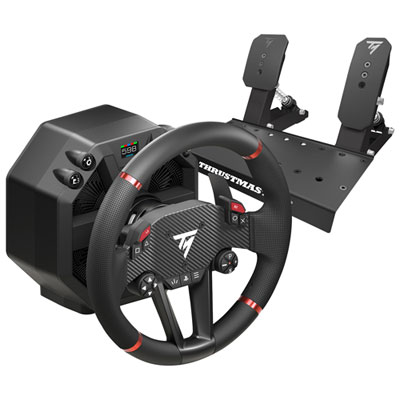 Your price for this item is $699.99
 -
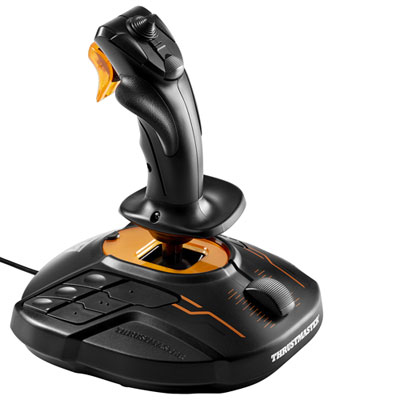 Your price for this item is $109.99
 -
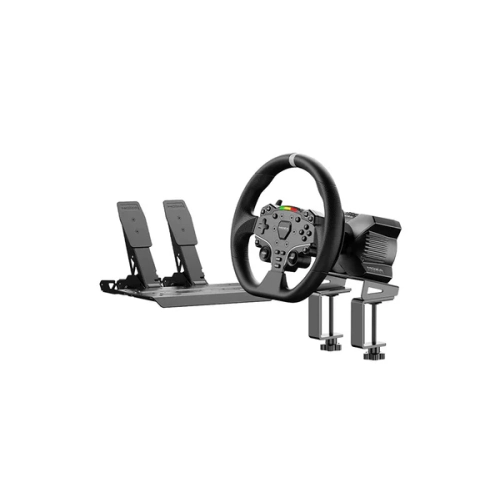 Your price for this item is $367.69
 -
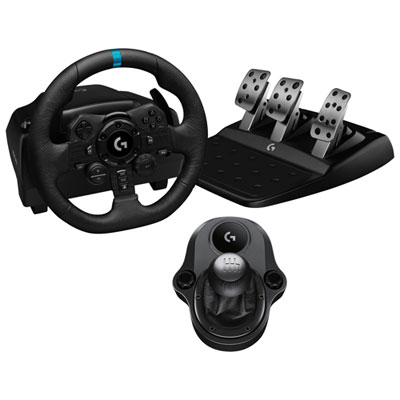 Your price for this item is $479.99
Discover more categories related to Arcade-Style Joysticks


Top Collections:
Pokemon Centers, Kindle Devices, Best Budget Office Chairs, Apple iPhones 16, Best Laptops for Writers, iPhone 15 Apple, Canon G7X Cameras, Refurbished Apple Laptops, Alarm Clock, Motorola Razr Phones
Some products may be subject to Environmental Handling Fees
(EHF) depending on your province.
Learn more about EHFs.