Battery Charging Stations
If you're looking for a convenient solution to keep all your devices powered up and ready to go, this selection of battery charging stations offers a range of options to suit your needs, whether you're looking for a compact charging hub for your desk or a multi-device charging station for the whole family. With features like fast charging capabilities and organized cable management, these charging stations are designed to streamline your tech setup and eliminate the hassle of dealing with multiple chargers.
Sort
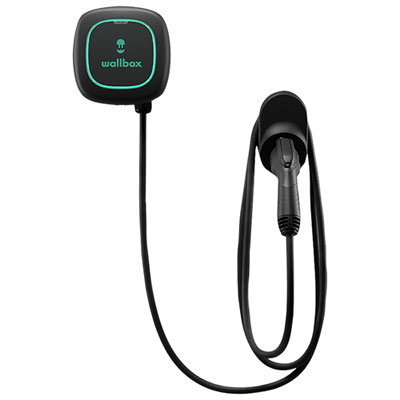
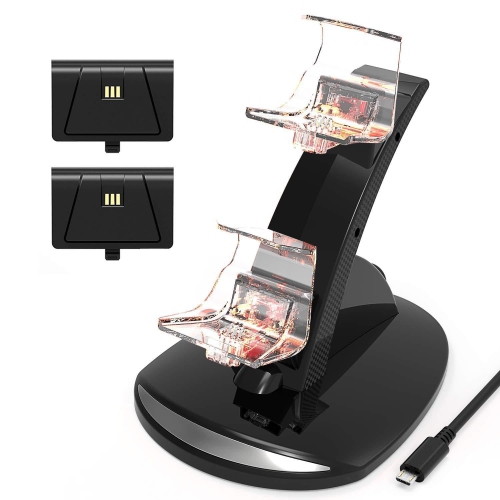
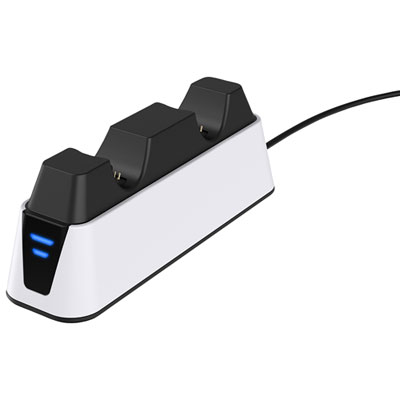
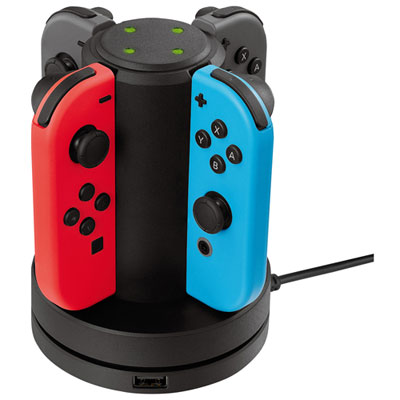
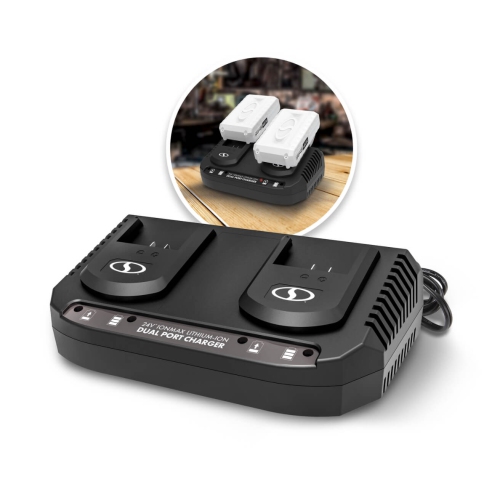

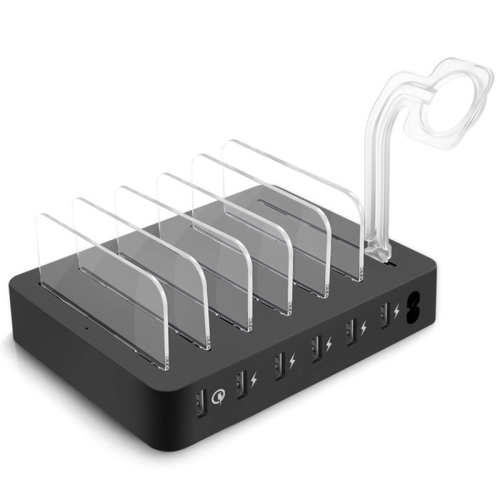
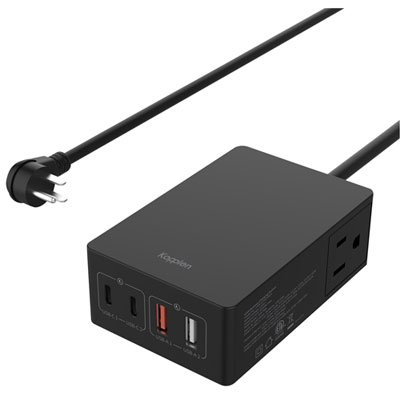
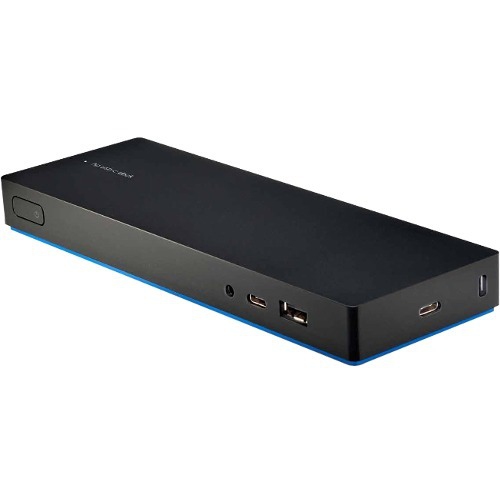

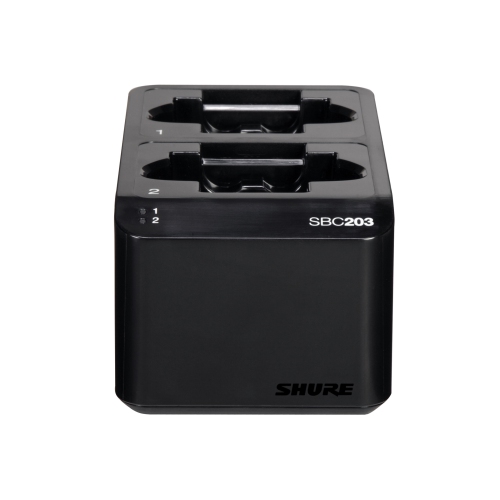
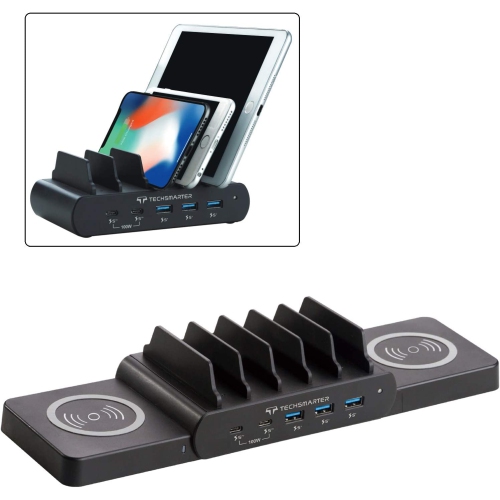

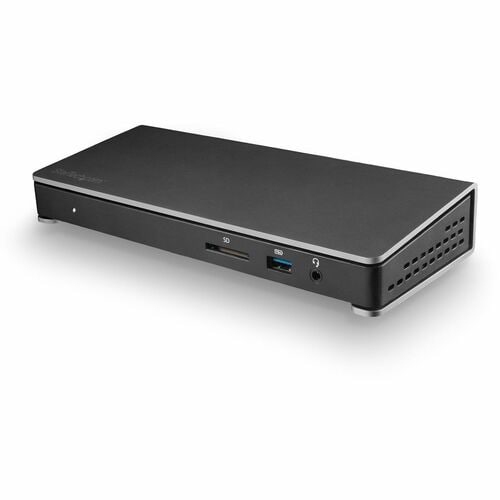
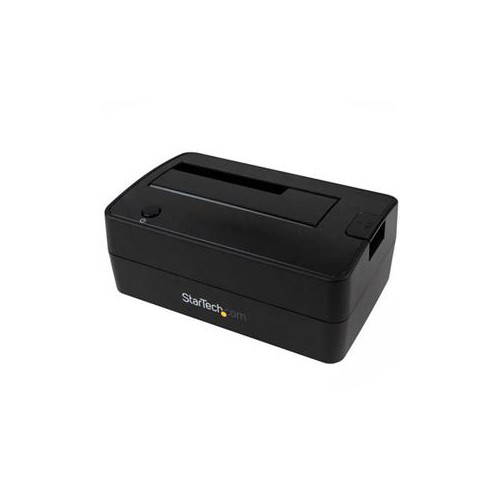

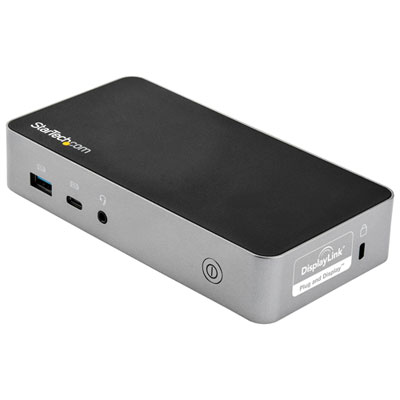
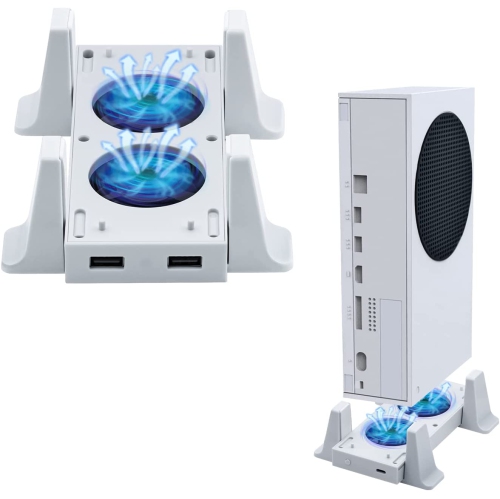
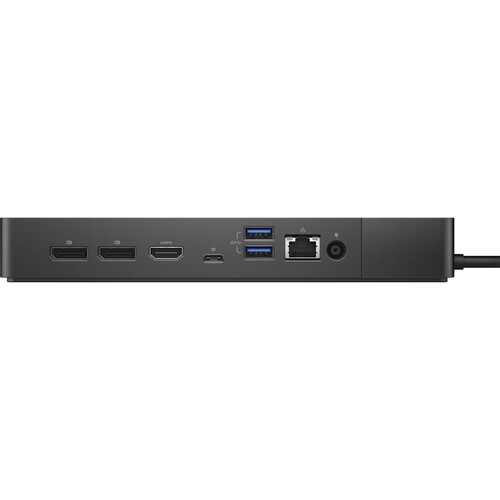
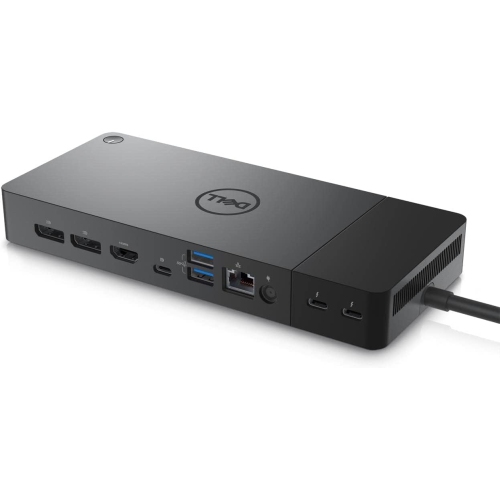
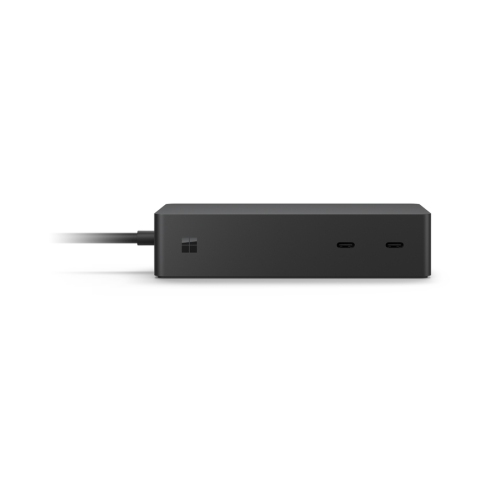

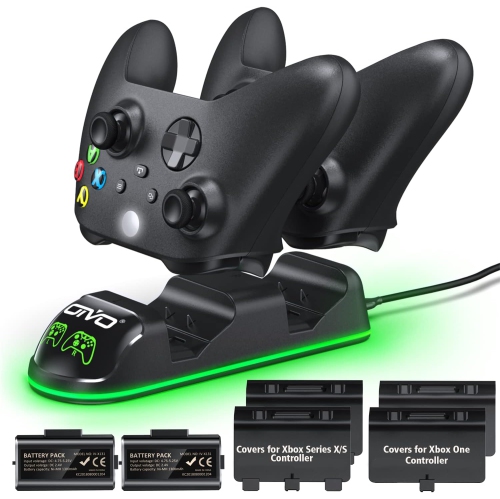
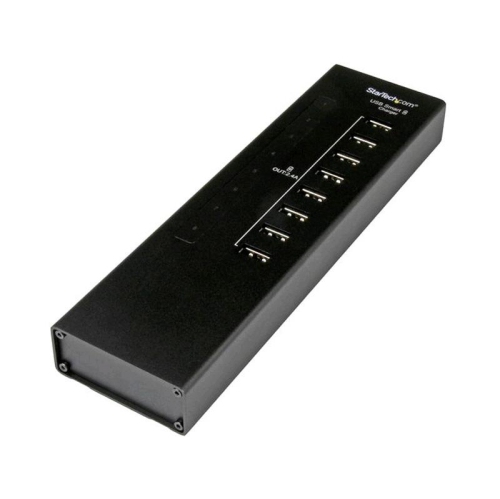

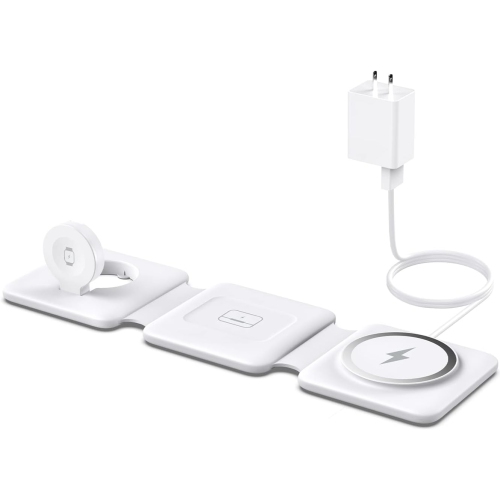


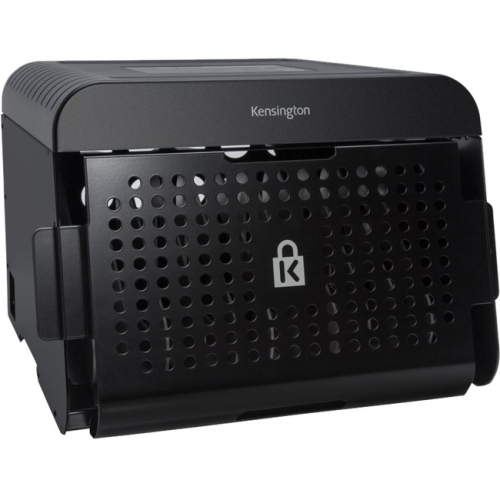
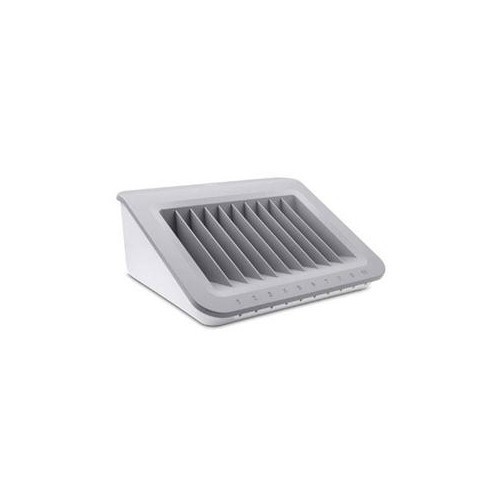

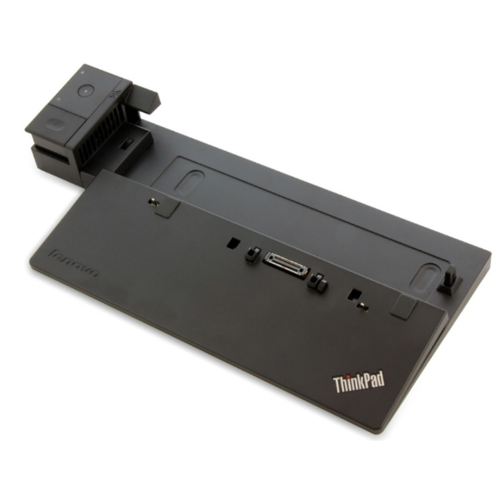
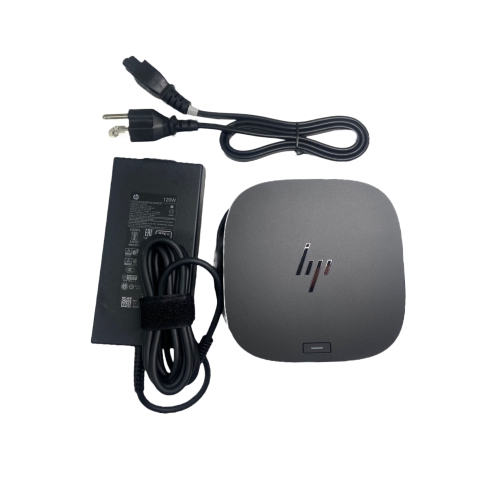
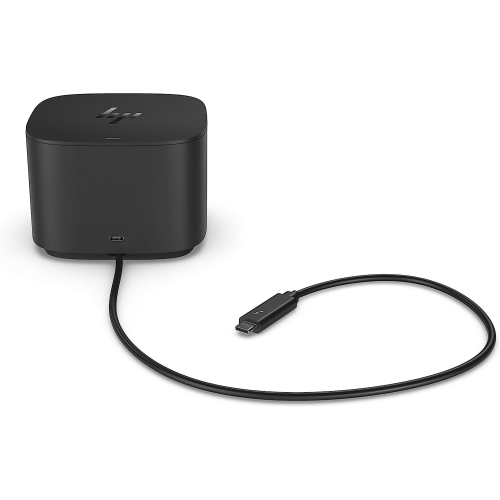
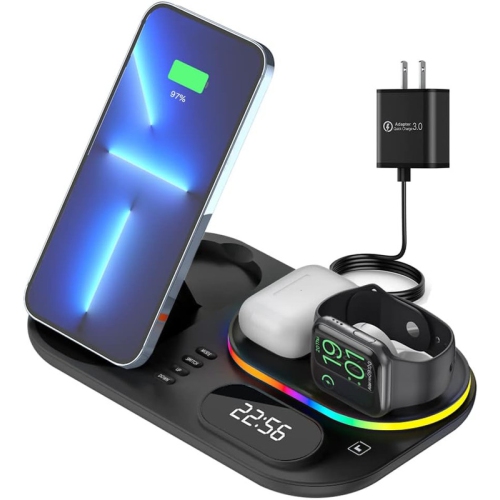
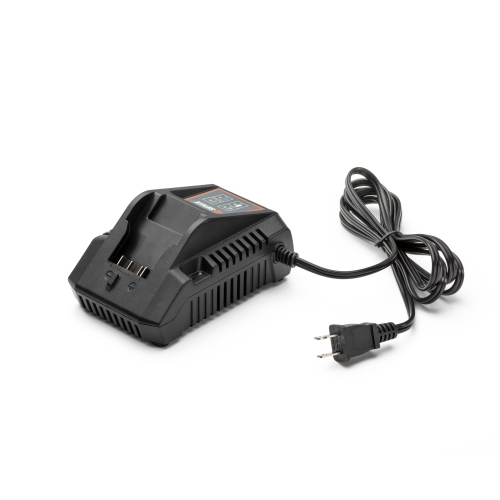

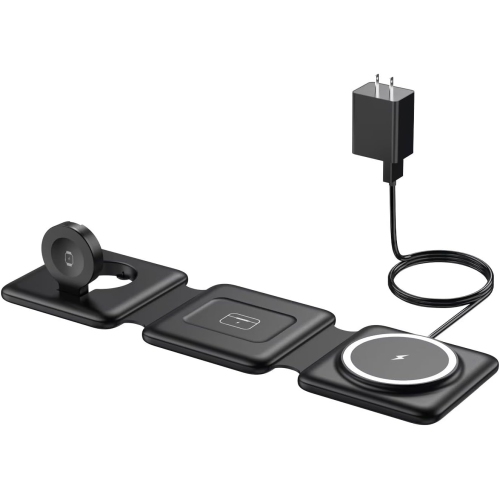



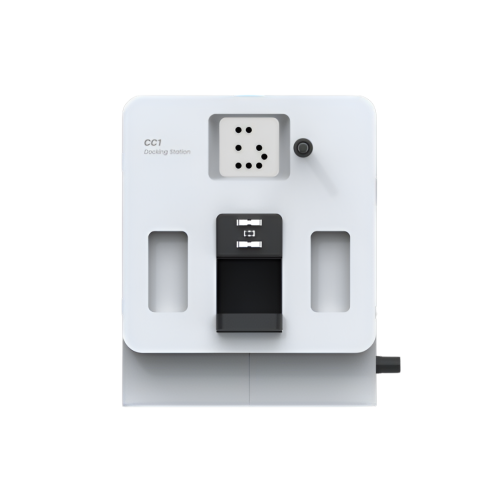


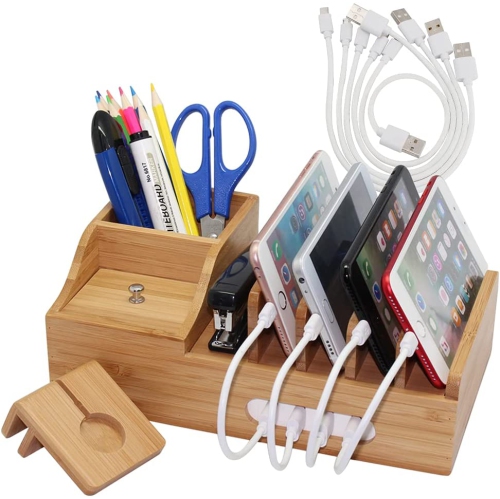
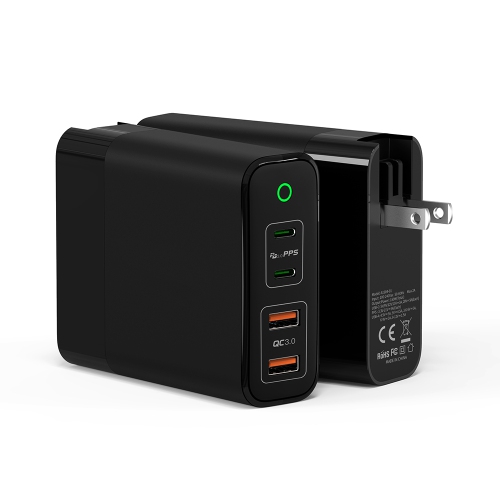

From daily devices to electric vehicle road trips
Battery charging stations help keep everyday devices, tools, and vehicles ready for use by bringing charging into one organized location. Depending on the design, a charging station may be a compact multi-port dock for household batteries, a multi-bay unit for cordless power tool packs, or equipment intended to supply power to an electric vehicle. For homes, workshops, garages, offices, and travel areas, these stations can replace a tangle of separate chargers with a more manageable setup. A multi-port station is useful when several people share rechargeable devices, when a workshop relies on multiple battery packs throughout the day, or when you want fully charged spares available without searching through drawers for individual adapters. Families may use one near an entryway or home office for everyday electronics, while hobbyists and do-it-yourselfers may keep a larger station on a workbench so batteries can be charged between projects. For a desk-focused setup, Laptop Charging Stations can help organize compatible computers and accessories in a shared workspace. These products can also be practical gifts for someone moving into a first home, setting up a workshop, working from home, or upgrading a frequently used collection of cordless tools. During the cooler months, an orderly charging area in a mudroom, utility room, or garage can make it easier to prepare lights, handheld devices, and equipment before heading outside; as the weather warms, the same arrangement can support outdoor projects, camping preparations, and yard work.
Choosing the right battery charging station starts with identifying the battery type, device compatibility, and number of charging bays required. Charging docks are generally designed for specific battery families, voltage ranges, or connector systems, so checking the manufacturer’s compatibility information is essential before buying. A station with two or more bays can be convenient for households or workshops that rotate through several packs, but the charging method can vary. Simultaneous charging supplies power to multiple batteries at the same time, which is helpful when several tools need to be ready for a busy work period. Sequential charging moves from one battery to the next, which may suit lighter household use where batteries are placed on the dock overnight. Look for clear charge indicators, secure battery mounts, and a layout that makes it easy to see which packs are ready. Some stations include smart monitoring that checks temperature, cell voltage, and charging status, helping manage the process more precisely and providing useful information about battery condition. Built-in protection against overcharging, overheating, short circuits, and excessive current is another important consideration, particularly for stations used in enclosed work areas or around children. Pass-through plugs can preserve access to a wall outlet for another device, while an integrated cord-management system keeps cables from trailing across a counter. If floor or bench space is limited, keyhole slots or other mounting options may allow the station to be secured vertically on a wall, provided the installation location is appropriate and the required clearance is maintained. Consider the station’s dimensions, ventilation, cord length, noise level, and ease of cleaning as well. A compact dock may fit neatly on a shelf, while a higher-capacity unit may be better suited to a dedicated workshop surface with enough room to place and remove batteries safely.
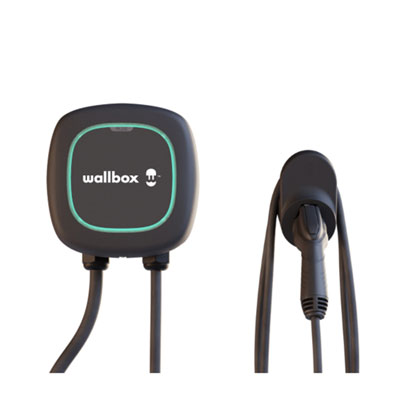
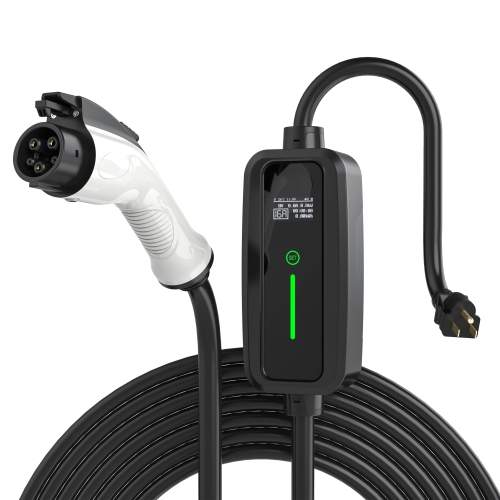
Electric vehicle charging stations are a separate category with different installation and compatibility requirements. Home EV chargers are commonly available in Level 1 and Level 2 formats. Level 1 charging uses a standard household outlet and can work for drivers with modest daily mileage or ample time between trips. Level 2 charging operates on a 240-volt circuit and can add roughly 40 to 60 kilometres of range per hour, depending on the vehicle, charger, temperature, and electrical installation. Public charging infrastructure also includes Level 3 direct-current fast charging, which can add a substantial amount of range in a relatively short stop; many vehicles can reach about 80% charge in approximately 30 to 45 minutes under suitable conditions, although results vary by model and battery temperature. Before selecting an EV charging station, confirm the vehicle’s connector requirements, including whether it uses SAE J1772, CCS, or the North American Charging Standard, as well as the station’s amperage and maximum output. A qualified electrician can help determine whether a home’s electrical panel and wiring can support the desired installation. Features such as a weather-resistant enclosure, a long charging cable, a locking mechanism, scheduled charging, energy-use tracking, and a mobile app may be valuable for an outdoor driveway or shared parking area. Portable EV chargers can provide flexibility for travel or backup use, but they still require a suitable outlet and should be handled according to the safety instructions. Whether the station is intended for cordless tools, household batteries, or an electric vehicle, selecting a compatible model with appropriate safety features and enough capacity for your routine can make charging more predictable and keep essential equipment prepared for the next task.
Choosing the right battery charging station starts with identifying the battery type, device compatibility, and number of charging bays required. Charging docks are generally designed for specific battery families, voltage ranges, or connector systems, so checking the manufacturer’s compatibility information is essential before buying. A station with two or more bays can be convenient for households or workshops that rotate through several packs, but the charging method can vary. Simultaneous charging supplies power to multiple batteries at the same time, which is helpful when several tools need to be ready for a busy work period. Sequential charging moves from one battery to the next, which may suit lighter household use where batteries are placed on the dock overnight. Look for clear charge indicators, secure battery mounts, and a layout that makes it easy to see which packs are ready. Some stations include smart monitoring that checks temperature, cell voltage, and charging status, helping manage the process more precisely and providing useful information about battery condition. Built-in protection against overcharging, overheating, short circuits, and excessive current is another important consideration, particularly for stations used in enclosed work areas or around children. Pass-through plugs can preserve access to a wall outlet for another device, while an integrated cord-management system keeps cables from trailing across a counter. If floor or bench space is limited, keyhole slots or other mounting options may allow the station to be secured vertically on a wall, provided the installation location is appropriate and the required clearance is maintained. Consider the station’s dimensions, ventilation, cord length, noise level, and ease of cleaning as well. A compact dock may fit neatly on a shelf, while a higher-capacity unit may be better suited to a dedicated workshop surface with enough room to place and remove batteries safely.
Electric vehicle charging stations are a separate category with different installation and compatibility requirements. Home EV chargers are commonly available in Level 1 and Level 2 formats. Level 1 charging uses a standard household outlet and can work for drivers with modest daily mileage or ample time between trips. Level 2 charging operates on a 240-volt circuit and can add roughly 40 to 60 kilometres of range per hour, depending on the vehicle, charger, temperature, and electrical installation. Public charging infrastructure also includes Level 3 direct-current fast charging, which can add a substantial amount of range in a relatively short stop; many vehicles can reach about 80% charge in approximately 30 to 45 minutes under suitable conditions, although results vary by model and battery temperature. Before selecting an EV charging station, confirm the vehicle’s connector requirements, including whether it uses SAE J1772, CCS, or the North American Charging Standard, as well as the station’s amperage and maximum output. A qualified electrician can help determine whether a home’s electrical panel and wiring can support the desired installation. Features such as a weather-resistant enclosure, a long charging cable, a locking mechanism, scheduled charging, energy-use tracking, and a mobile app may be valuable for an outdoor driveway or shared parking area. Portable EV chargers can provide flexibility for travel or backup use, but they still require a suitable outlet and should be handled according to the safety instructions. Whether the station is intended for cordless tools, household batteries, or an electric vehicle, selecting a compatible model with appropriate safety features and enough capacity for your routine can make charging more predictable and keep essential equipment prepared for the next task.
Top selling and popular products
-
 Your price for this item is $34.99
 -
 Your price for this item is $39
 -
 Your price for this item is $73.92
 -
 Your price for this item is $29.95
 -
 Your price for this item is $74.99
 -
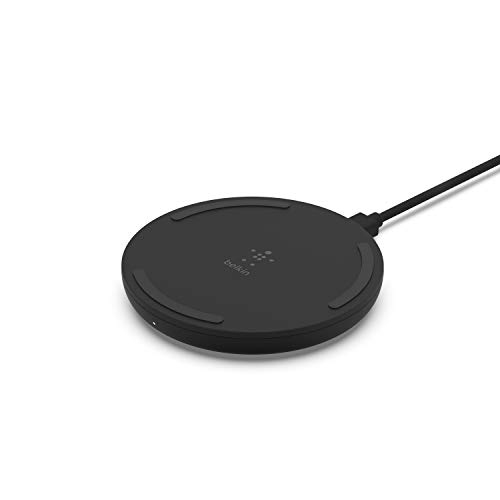 Your price for this item is $39.99
 -
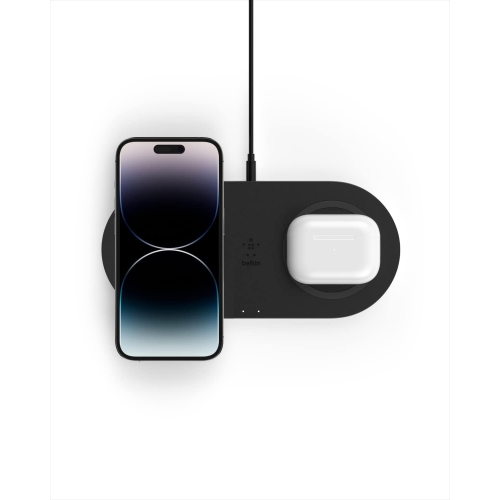 Your price for this item is $49.99
 -
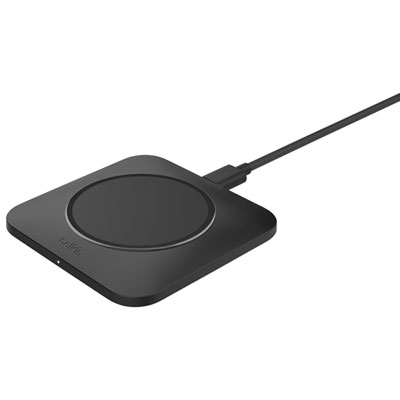 Your price for this item is $39.99
Discover more categories related to Battery Charging Stations
Top Collections:
Pokemon Centers, Kindle Devices, Best Budget Office Chairs, Apple iPhones 16, Best Laptops for Writers, iPhone 15 Apple, Canon G7X Cameras, Refurbished Apple Laptops, Alarm Clock, Motorola Razr Phones
Some products may be subject to Environmental Handling Fees
(EHF) depending on your province.
Learn more about EHFs.