Games for Bonding With Friends
Games for Bonding With Friends bring laughter, excitement, and memorable moments to any gathering. Whether you’re hosting a game night or looking for new ways to connect, these options are perfect for sparking friendly competition and teamwork. Explore a wide selection designed to suit all group sizes and interests, making it easy to find the right fit for your next get-together. Turn ordinary hangouts into unforgettable experiences with games that encourage interaction and fun among friends.
Sort

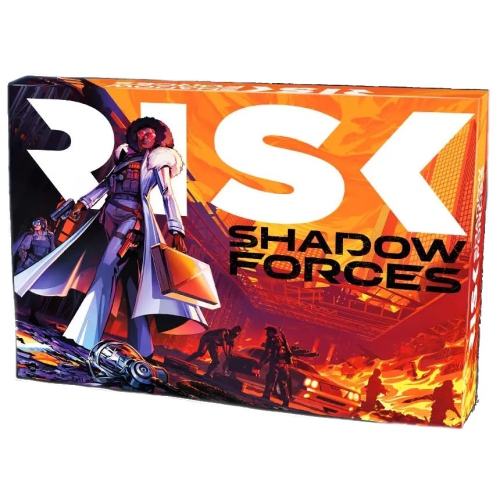
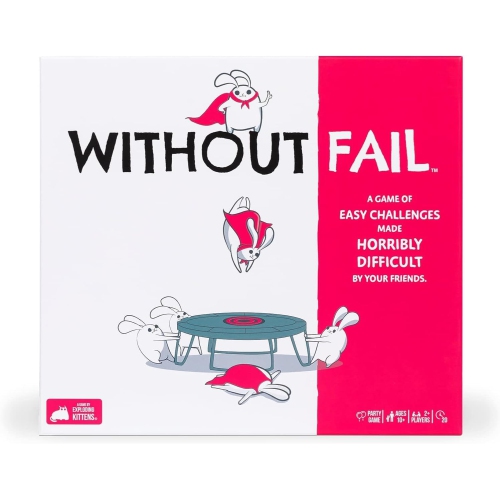
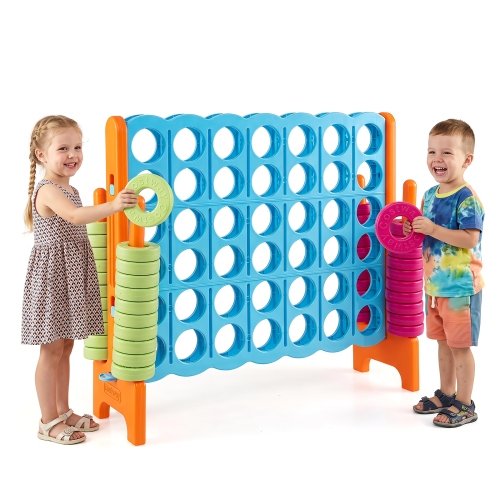
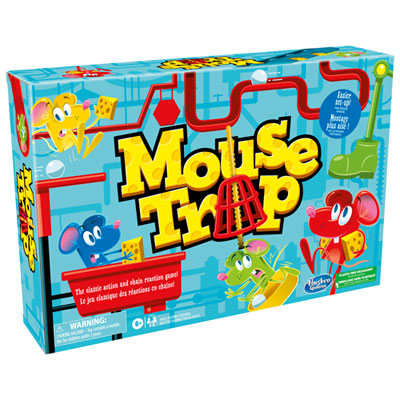
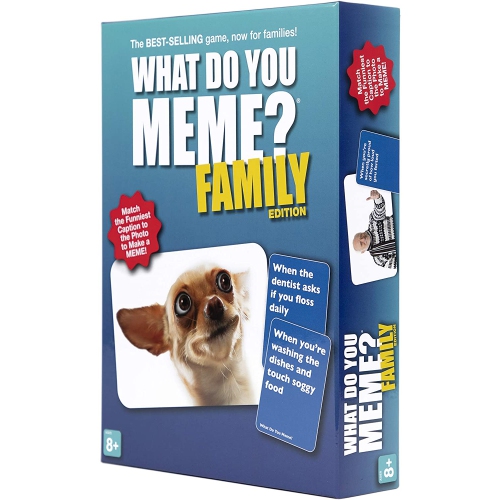
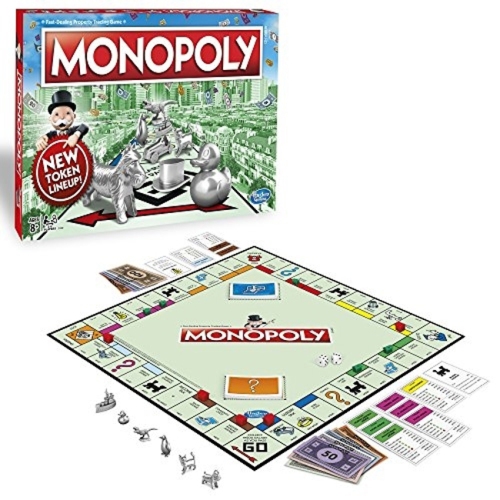
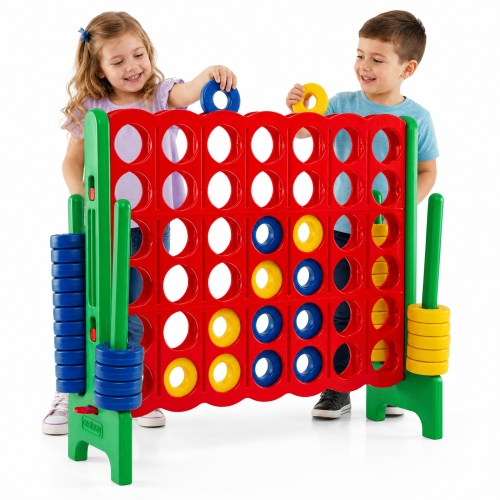

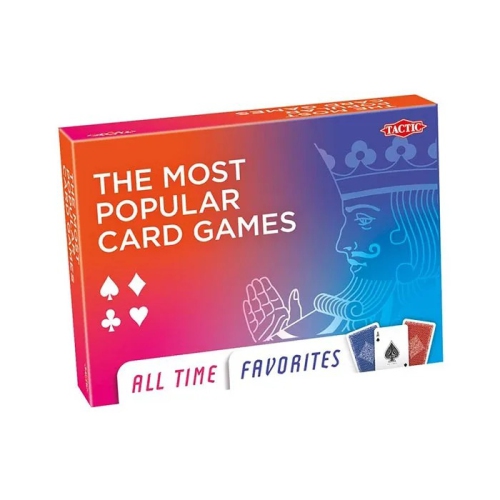





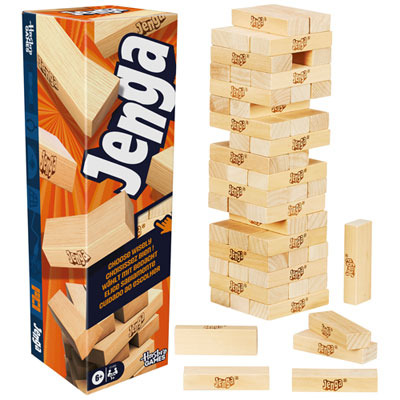
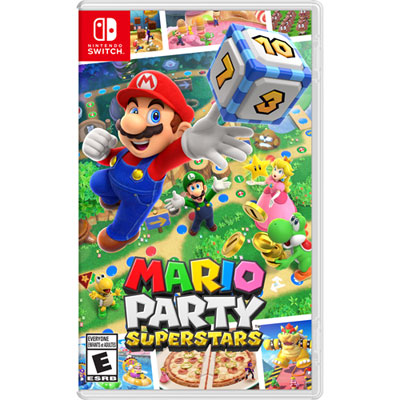
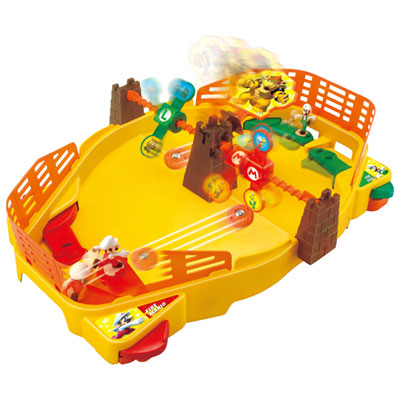
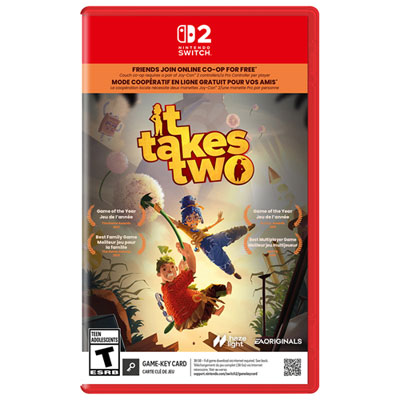
The best game night stories happen between turns
Games for bonding with friends bring people into a shared activity, whether that means swapping stories over a deck of conversation cards, solving a puzzle together, or laughing through a round of unexpected answers. The strongest connection often comes from what happens between turns: an old memory resurfacing, a surprising opinion, or a teammate spotting something everyone else missed. Conversation games give those moments a starting point with prompts about preferences, experiences, and imagined situations. Lighter questions suit a gathering where some guests are meeting for the first time, while more reflective prompts can appeal to close friends who enjoy moving beyond everyday updates. Party games create a different rhythm through quick decisions, wordplay, drawing, acting, or guessing what another player is thinking. A wildly inaccurate sketch or an unlikely clue can become the story everyone remembers long after the box is packed away. Cooperative board games make the group’s objective shared rather than individual, giving players reasons to compare ideas, divide responsibilities, and celebrate progress together. Competitive games can be just as sociable when the rules leave room for conversation and a missed turn does not keep someone out of the action for long. Some groups enjoy friendly bluffing and playful suspicion; others prefer games where information is shared openly and everyone works towards the same result. Trivia introduces another kind of interaction, especially in teams where different interests become useful. One friend might recognize a musical reference while another remembers a detail about geography, giving each person a chance to contribute. These formats offer different ways to spend time together rather than a single definition of a successful game night. A reunion among longtime friends might revolve around storytelling, while a small gathering of neighbours might feel more comfortable with light prompts and simple turns. Games that allow players to pass on a personal question help keep conversation voluntary. Humour, curiosity, and a comfortable level of participation matter more to the experience than how personal the answers become.
Player count, playing time, and the way turns are structured all shape how a game fits a gathering. A compact card game for a small group can keep everyone involved in the same conversation, while team-based formats give a larger gathering a shared focus without requiring each person to take a lengthy individual turn. The stated player range matters because adding extra people can change the pace, access to components, and balance of play. Short rounds work well when friends are arriving at different times or when a game shares the evening with food and conversation. Longer board games suit groups that enjoy settling around a table, learning a system, and watching a shared story or strategy develop. Setup and pack-away time also affect the experience, particularly when the playing surface needs to return to everyday use afterwards. A game with a small footprint fits a coffee table more comfortably than one with a broad board, individual player areas, and several decks. Clear symbols, readable text, and easy-to-distinguish pieces can make play more comfortable across a range of needs. Colour is more useful when paired with shapes or labels, especially when players need to identify pieces from across the table. Games built around rapid reading, musical knowledge, physical movement, or spoken clues each ask something different of participants. A mixed group may find a flexible format more welcoming than one that depends on everyone having the same strengths. Team play can give a hesitant performer someone to share the spotlight with, while untimed rounds leave more space to think. Video games can also support time together through local multiplayer or online cooperative play, particularly when friends cannot meet in person. The distinction matters: local play may require extra controllers and a shared screen, while online play depends on compatible systems, accounts, and network access. For groups sharing a room, simultaneous play can keep everyone engaged; turn-based play creates pauses for conversation. The right format feels suited to the people taking part, whether the mood is lively and quick-moving or unhurried enough for a story between turns.
The physical construction of tabletop games makes a difference when they become regular fixtures at gatherings. Cards are handled, shuffled, passed around, and sometimes held for an entire round, so their thickness, finish, and ease of handling affect everyday use. Sturdy board sections, clearly printed tokens, and pieces that sit securely on the playing surface help keep attention on the activity rather than on fiddly components. Wooden pieces can have a satisfying weight, while moulded pieces may offer distinctive shapes that are easy to recognize by sight or touch. Neither material alone determines durability; the construction, finish, and way components are stored also matter. A well-fitting insert or separate storage bags can keep small pieces organized and reduce the time spent sorting before play. Card sleeves can help protect frequently shuffled decks, provided their dimensions fit the cards and leave enough room in the box. Care usually means clean, dry hands, drinks kept clear of the playing area, and storage away from dampness and direct sunlight. Cleaning methods vary by material, so printed cards, wooden tokens, and electronic accessories should be cared for according to their respective instructions. Portability is another practical consideration for friends who rotate hosting duties: a compact box is easier to carry, while a larger game may need a stable table and a dedicated place to stay between sessions. Games also make thoughtful gifts when their style matches the recipient’s social habits. A host who brings together different groups may appreciate approachable rules and flexible participation, while friends who meet regularly might enjoy more involved cooperative challenges. For a shared activity centred on a pair, Games for Couples is another place to explore two-player possibilities. Across these settings, replay value can come from changing prompts, different player combinations, or decisions that unfold differently each time. A familiar game can become part of a friendship’s routine, with its own favourite moments, running jokes, and stories that carry into the next gathering.
Top selling and popular products
-
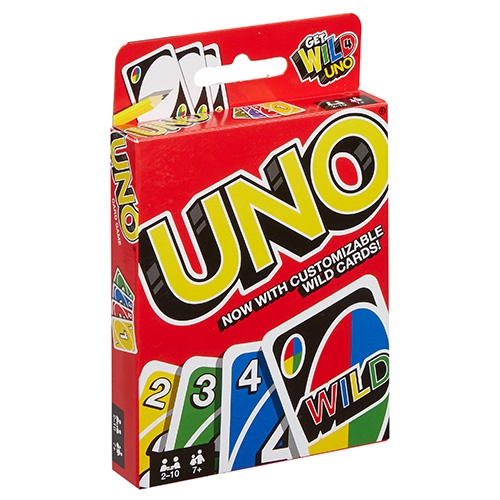 Your price for this item is $14.99
-
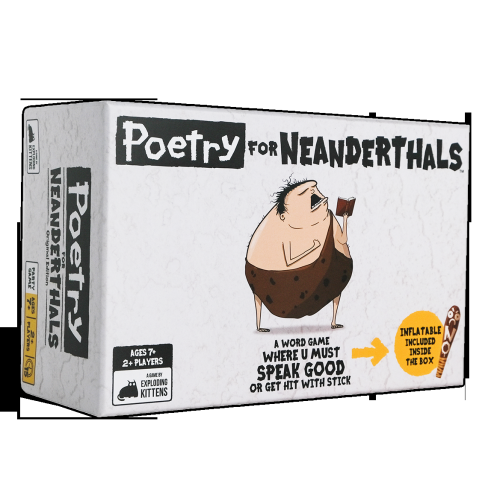 Your price for this item is $34.99
-
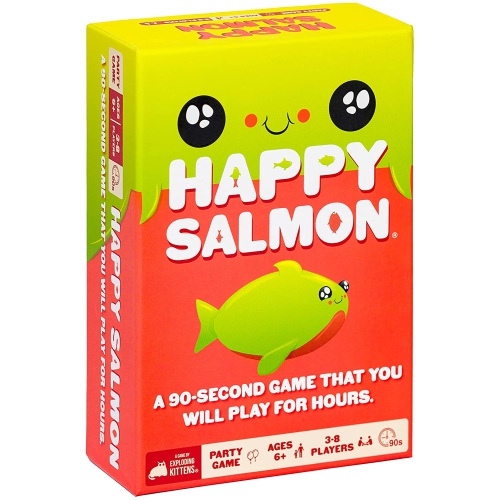 Your price for this item is $21.99
-
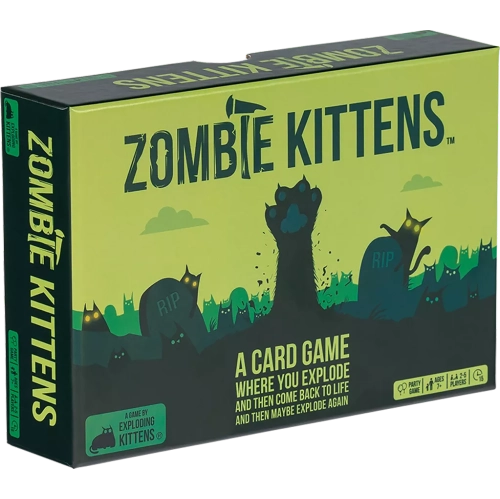 Your price for this item is $34.99
-
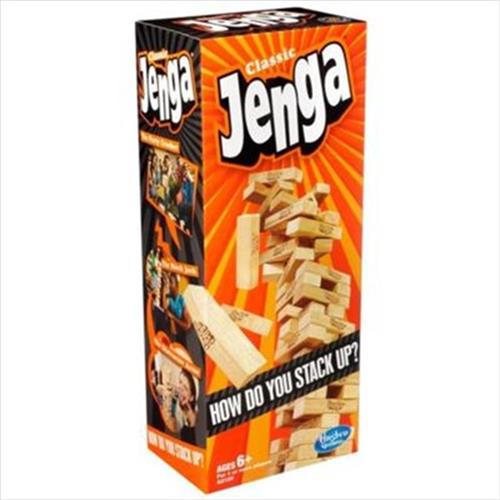 Your price for this item is $24.99
-
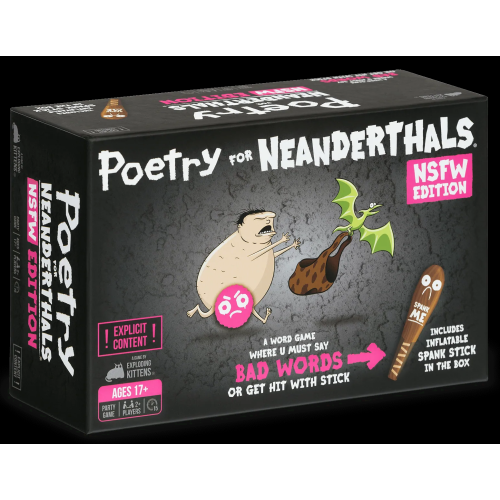 Your price for this item is $31.99
-
 Your price for this item is $29.99
-
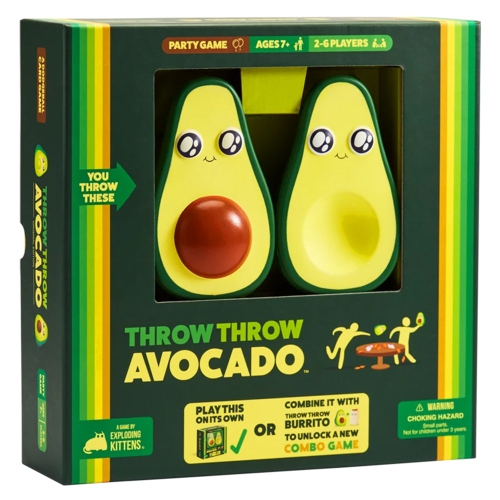 Your price for this item is $44.99
Discover more categories related to Games for Bonding With Friends

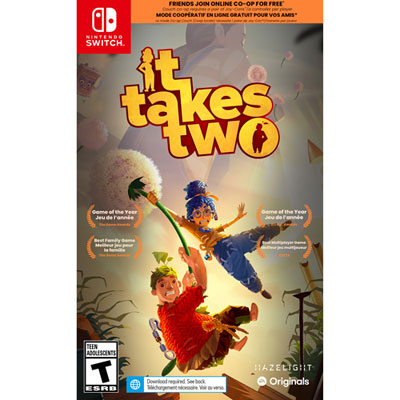

Top Collections:
Pokemon Centers, Kindle Devices, Best Black Friday Deals This Year, Pokémon 30th Celebration Cards, Best Black Friday Deals On Electronics, Best Cameras for Sports Photography, Best Black Friday Deals On Apple Products, Canon G7X Cameras, iPhone 15 Apple, Candle Warmer Lights
Some products may be subject to Environmental Handling Fees
(EHF) depending on your province.
Learn more about EHFs.