Gaming Strategy
Looking to elevate your gaming experience to the next level? Our Gaming Strategy collection offers a wide array of tools and accessories to help you dominate the virtual battlefield. Whether you're a seasoned pro looking for that extra edge or a beginner wanting to improve your skills, our selection has something for everyone. From ergonomic gaming chairs to precision gaming mice, dive into our lineup and gear up for success in your favorite games.
Sort
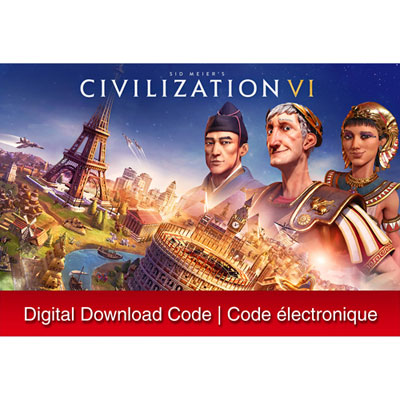
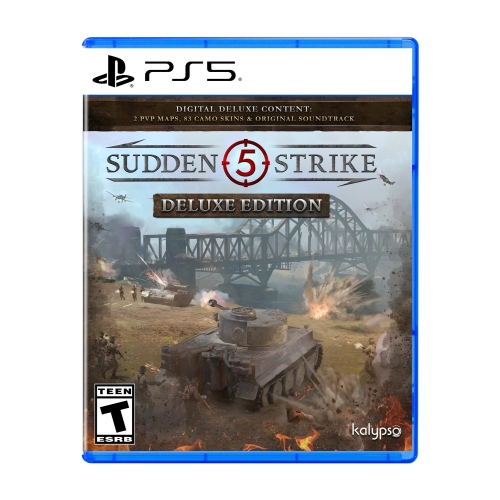


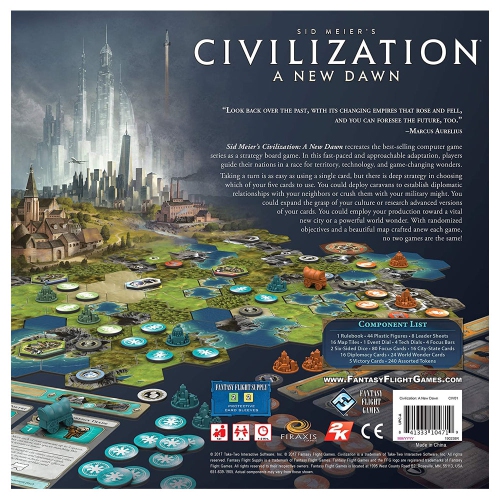


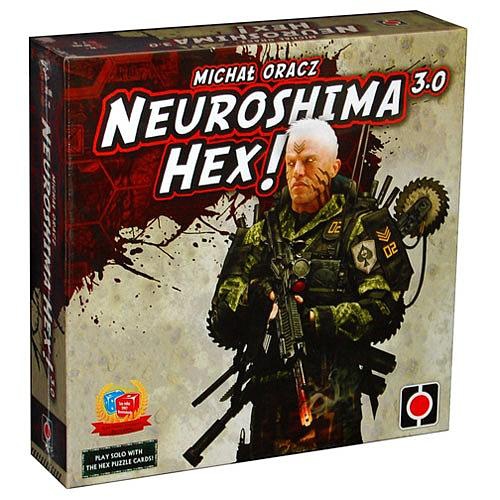

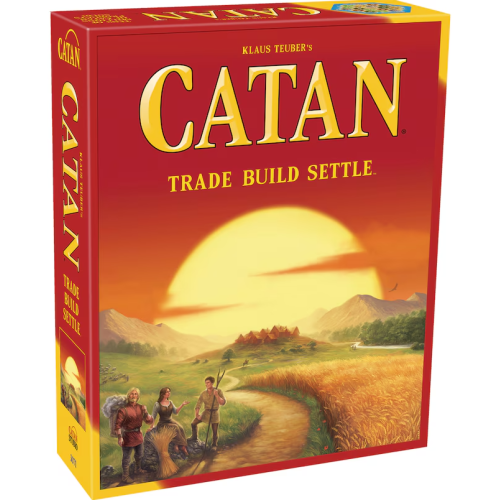


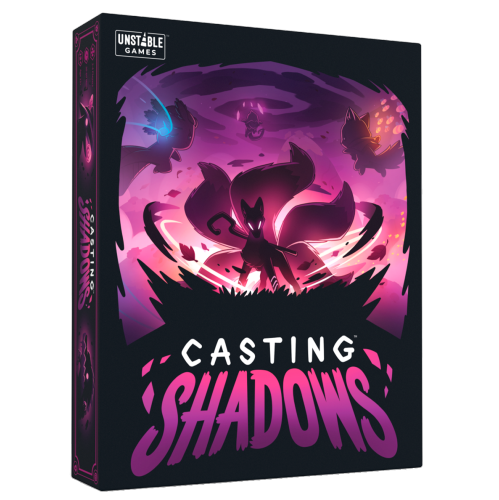
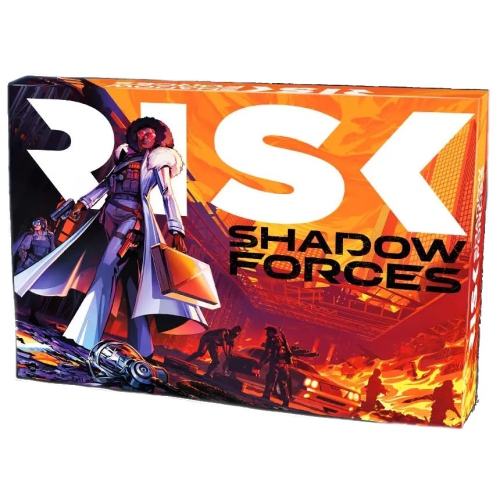

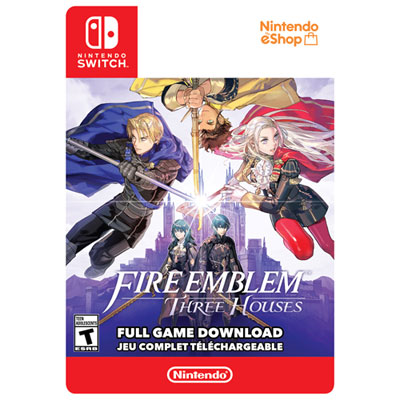



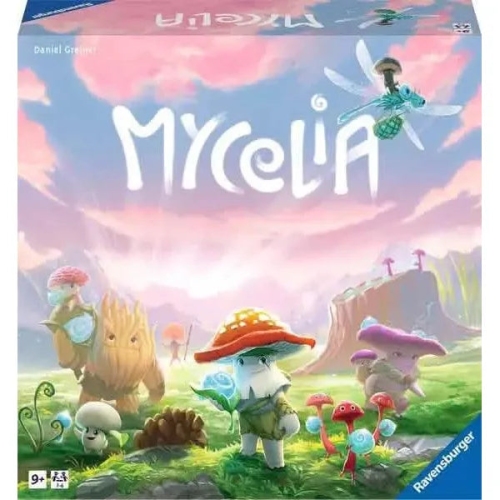

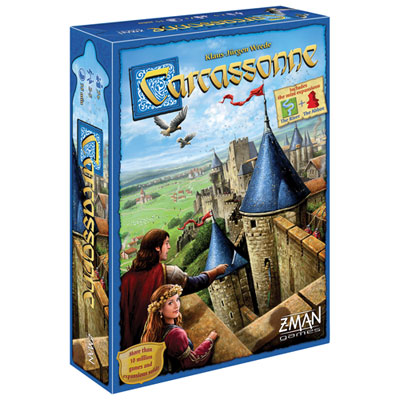
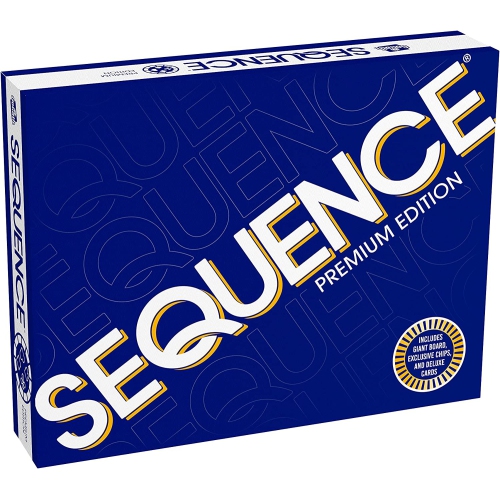

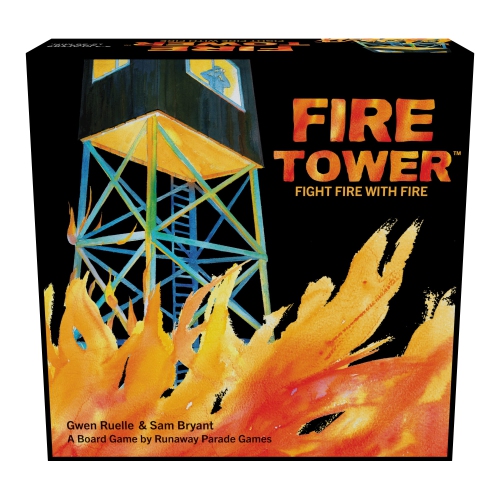













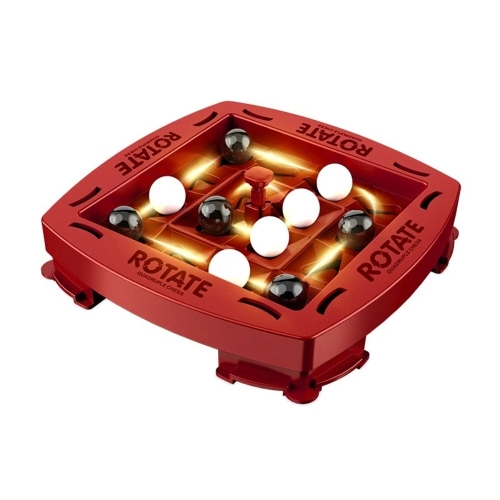


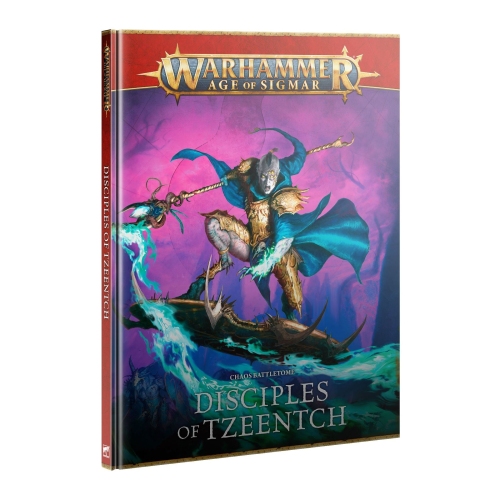
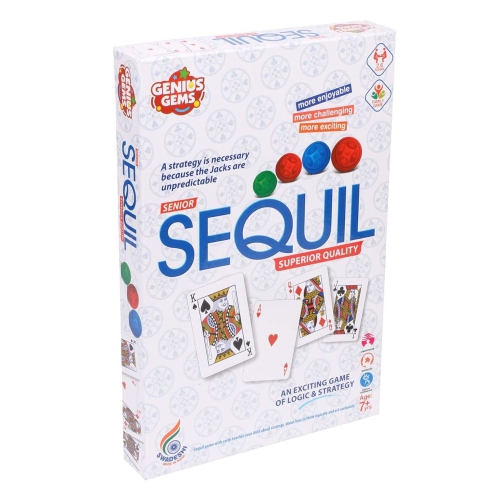


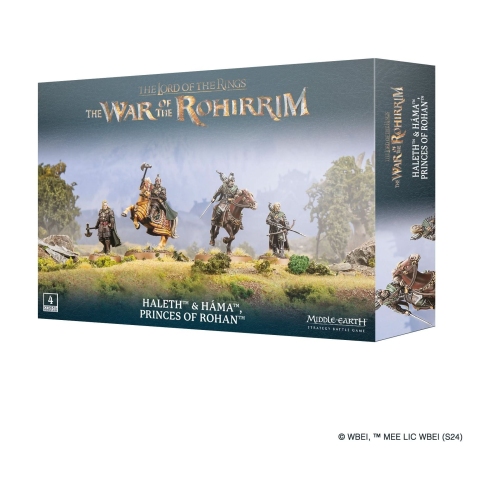
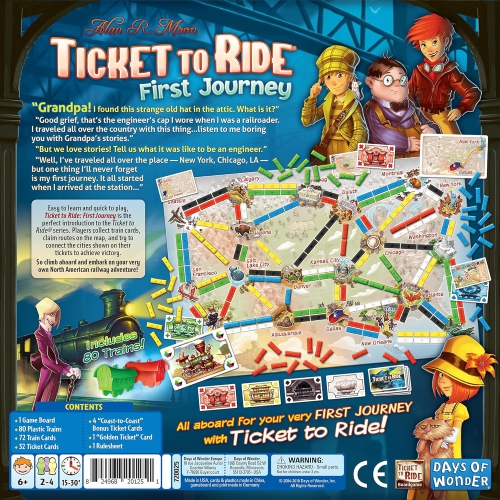
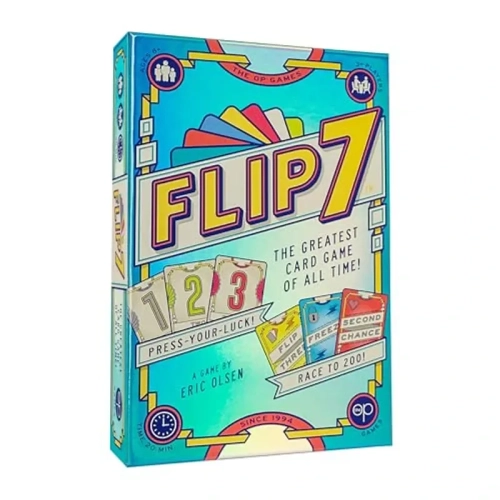
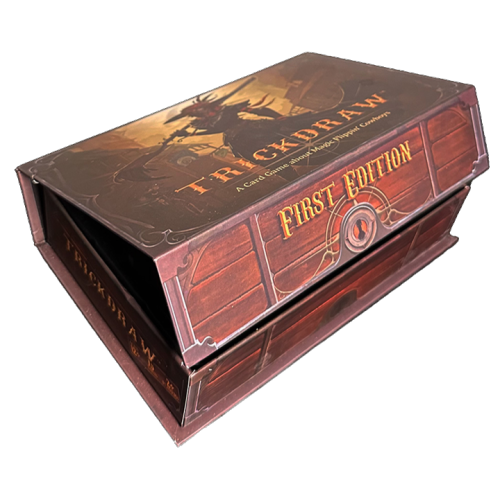


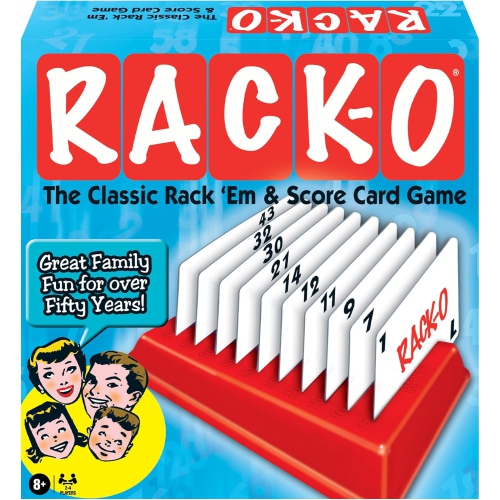


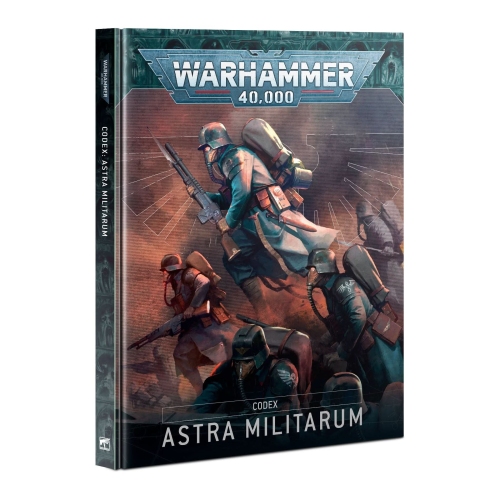
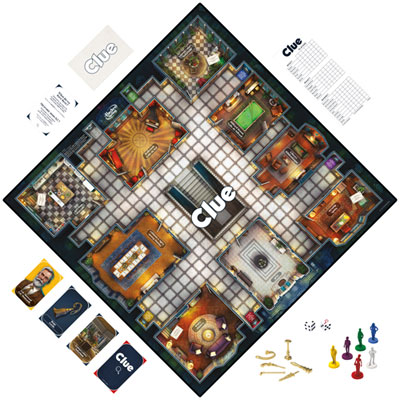


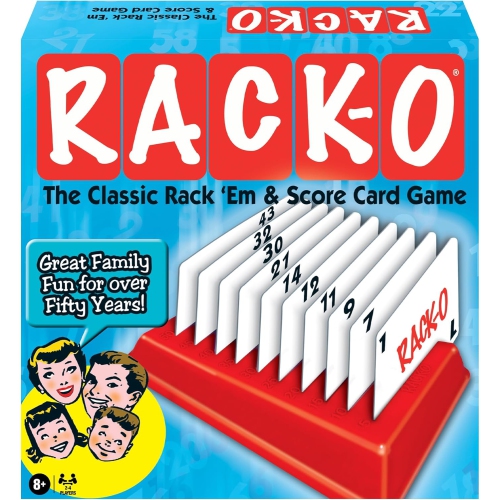
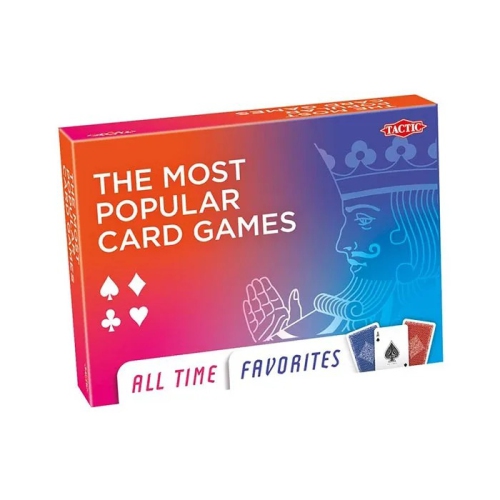


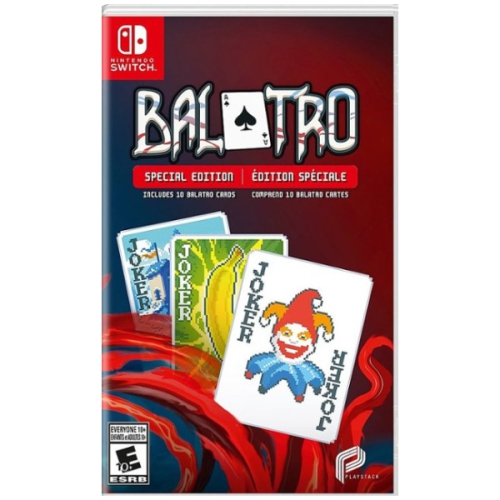

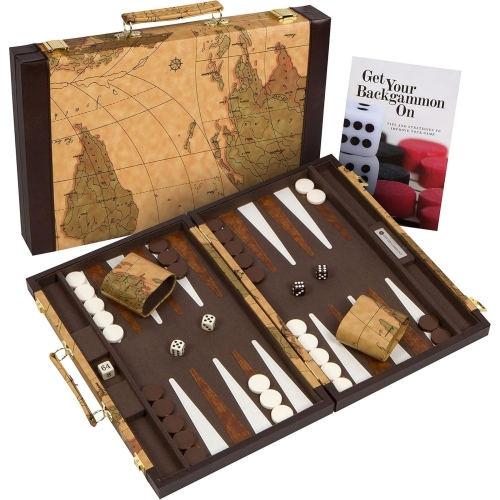
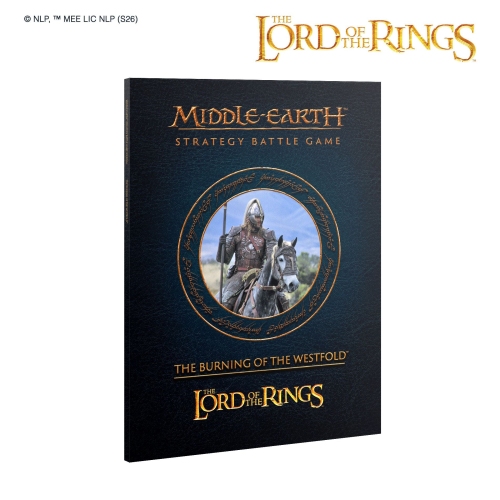


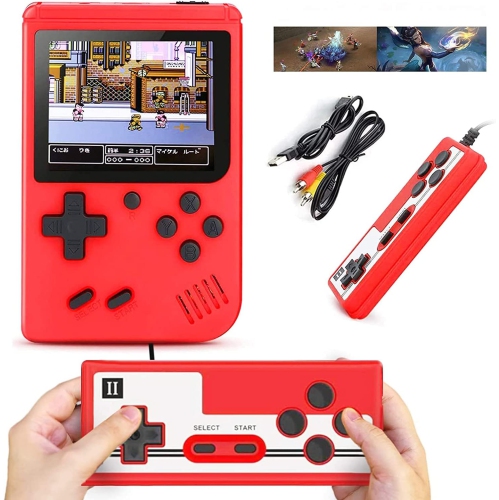
Where thoughtful planning matters more than quick reflexes
Strategy games put planning, decision-making, and resource management at the centre of play. Rather than relying mainly on fast reflexes or chance, they ask players to weigh competing priorities, anticipate an opponent’s next move, and adapt when a carefully laid plan meets an unexpected obstacle. Gaming strategy can take many forms, from commanding a small squad across a detailed battlefield to developing a settlement into a thriving city or managing the growth of an entire civilization. Turn-based strategy gives each player a defined opportunity to act, creating room to study a map, compare options, and consider the consequences before committing. Real-time strategy keeps events moving while players gather supplies, construct buildings, direct units, and respond to threats. Some games combine these approaches, pairing a deliberate campaign map with battles that unfold in real time. Tactical games tend to focus on positioning, individual abilities, terrain, and the effective use of a limited team, while broader strategy games add research, diplomacy, production, and long-term expansion. A narrow bridge might become a valuable defensive position; a distant supply route might make an otherwise promising advance too risky. City-building and management games offer a different kind of challenge, with success shaped by sensible layouts, dependable services, and the ability to balance immediate needs against future growth. In some games, victory comes through negotiation or technological progress rather than direct conflict. These differences make the genre appealing to players with varied interests, including history enthusiasts, puzzle fans, patient planners, and people who enjoy seeing several small decisions come together in a larger system. The shared appeal is meaningful choice: deciding what deserves attention, what can wait, and which trade-off best supports a particular goal. For a closer look at the range of experiences within the genre, Best Strategy Games brings together options suited to different styles of planning and play.
The character of a strategy game often becomes clearest in the decisions it presents from one session to the next. A compact tactical encounter might revolve around protecting an injured teammate while finding a safe route to an objective. A longer campaign might ask whether to invest scarce materials in stronger defences, faster research, or another settlement that will need support before it becomes useful. Games with visible movement ranges, clear combat previews, and readable maps make these choices easier to understand, while hidden information and uncertain outcomes introduce an element of calculated risk. Chance can still play a role, but strong strategy usually involves preparing for more than one possible result rather than assuming every action will succeed. For newcomers, approachable tutorials, adjustable difficulty, and helpful explanations can make a complex set of systems feel manageable. Experienced players may be more interested in varied factions, challenging opponents, interconnected systems, or scenarios that reward a different approach each time. Session length matters, too. A game with short missions and flexible saving can suit someone who plays in smaller stretches, while a sprawling campaign offers room for plans that develop across many sessions. Solo play provides space to experiment at a personal pace, often with story-driven objectives or adjustable challenges. Competitive multiplayer adds the unpredictability of human opponents, including feints, negotiations, and sudden changes of direction. Cooperative modes can appeal to friends who prefer dividing responsibilities and working towards a shared objective, such as defending separate approaches to a base or coordinating complementary units. Local multiplayer, online multiplayer, simultaneous turns, and asynchronous play are distinct features rather than interchangeable labels, so the supported format has a direct effect on how a group can participate. For players who enjoy reviewing a close match, replays, battle summaries, and clear statistics can make it easier to understand why a plan worked or where it began to unravel.
Practical details are just as important as the setting or style of play when choosing strategy games for a personal collection or as a gift. Platform compatibility determines where a game can be played, and computer versions may have minimum and recommended requirements for processing power, memory, graphics, and storage space. Large maps and busy late-game scenarios can place different demands on a system than smaller encounters, making the recommended specifications useful context for the intended experience. Interface design also affects comfort. Clearly sized text, adjustable interface scaling, readable icons, and strong visual contrast can help players follow dense information without constantly leaning towards the screen. Controls designed for a controller may feel different from a mouse-and-keyboard layout, particularly when selecting multiple units or moving through several menus. Accessibility features vary, with options such as remappable controls, subtitles, colour settings, and adjustable game speed supporting different preferences and needs. Editions and expansions deserve attention because additional content may require the base game, and online features may depend on an internet connection, an account, or a platform subscription. For physical formats, careful handling and storage in a protective case help keep discs free from scratches and make printed inserts easier to retain; digital formats require enough storage space and access to the appropriate account. As gifts, strategy games can suit someone who enjoys tabletop tactics, intricate puzzles, historical settings, or building and managing complex systems, but the recipient’s platform, preferred challenge level, and interest in solo or shared play remain important considerations. Age ratings and content descriptions provide context for combat, language, and other themes, especially when choosing for younger players. A thoughtful match is less about finding the most complicated game and more about finding decisions the player will enjoy making, whether that means arranging a careful defence, negotiating a fragile alliance, or watching a well-planned city finally run smoothly.
Top selling and popular products
-
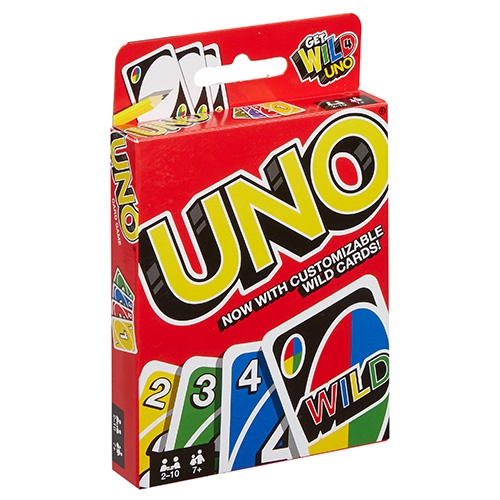 Your price for this item is $14.99
-
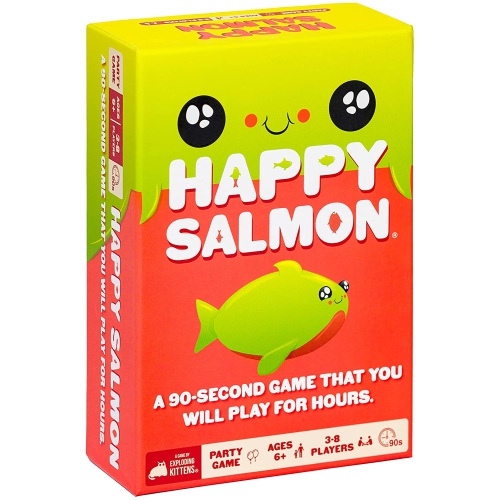 Your price for this item is $21.99
-
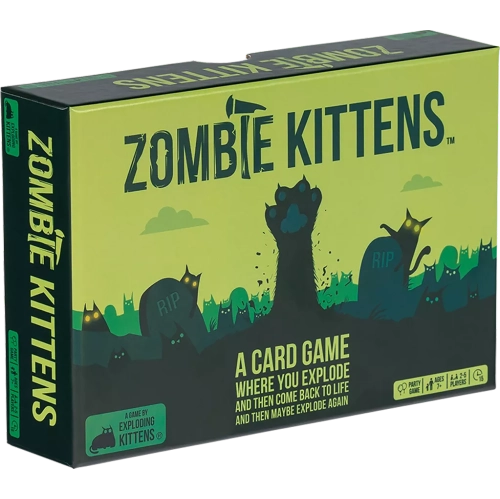 Your price for this item is $34.99
-
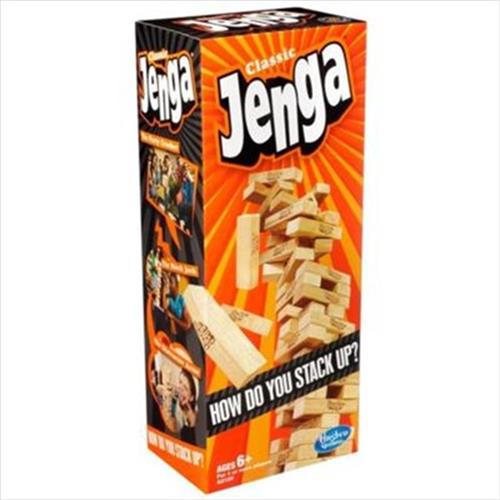 Your price for this item is $24.99
-
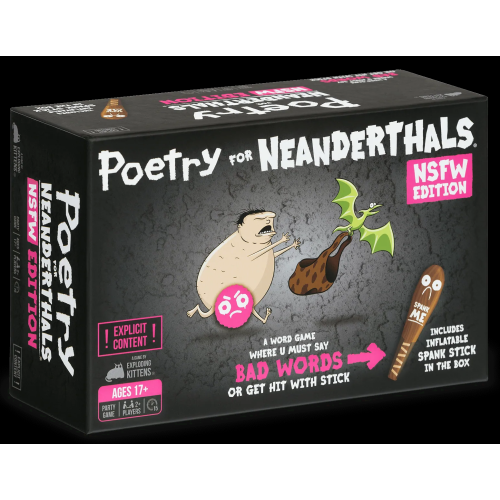 Your price for this item is $31.99
-
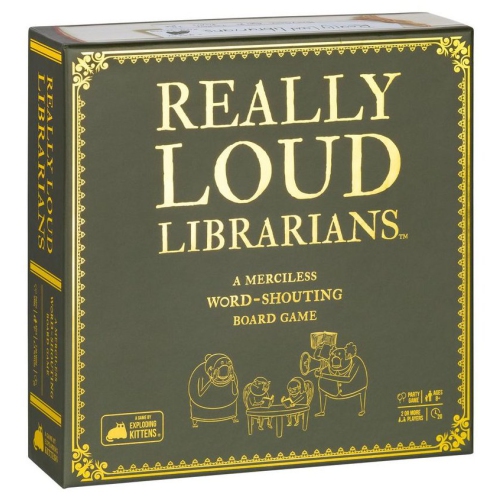 Your price for this item is $29.99
-
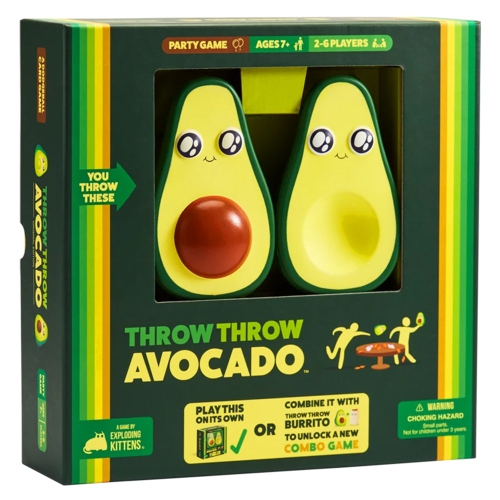 Your price for this item is $44.99
-
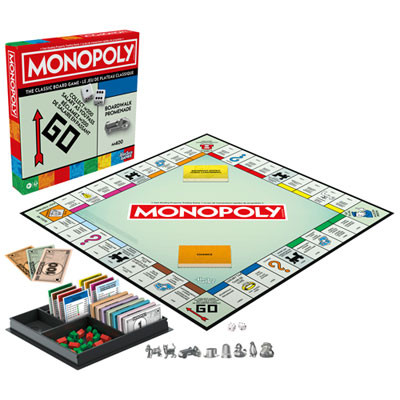 Your price for this item is $27.99
Discover more categories related to Gaming Strategy

Top Collections:
Best Black Friday Deals This Year, Best Black Friday Deals On Electronics, Kindle Devices, Pokemon Centers, Best Black Friday Deals On Apple Products, Best Cameras for Sports Photography, Dyson Airwrap, Pokémon 30th Celebration Cards, Apple iPhone 17 Pro, Canon G7X Cameras
Some products may be subject to Environmental Handling Fees
(EHF) depending on your province.
Learn more about EHFs.