Replacement Ac Adapters
Looking for a reliable replacement AC adapter? Look no further! Our wide selection of replacement AC adapters is designed to meet your power needs for various electronic devices. Whether you need a replacement for your laptop, gaming console, or other gadgets, we've got you covered. With high-quality options from trusted brands, you can expect efficient charging and optimal performance. Say goodbye to the frustration of a dead battery and keep your devices powered up and ready to go with our top-notch replacement AC adapters.
Sort

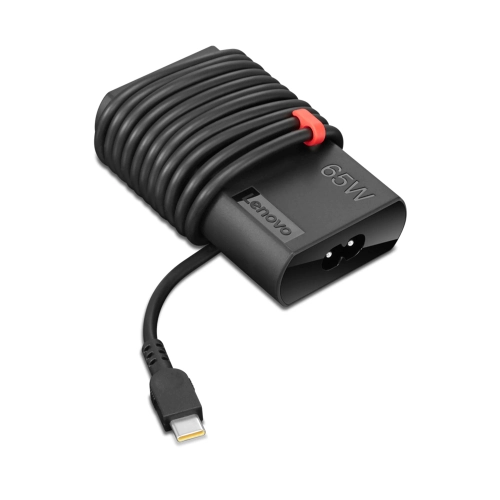
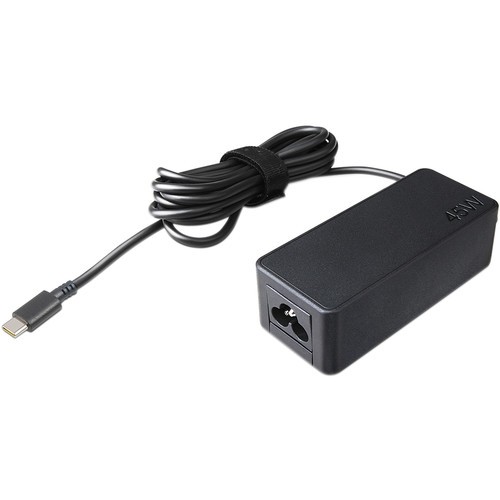
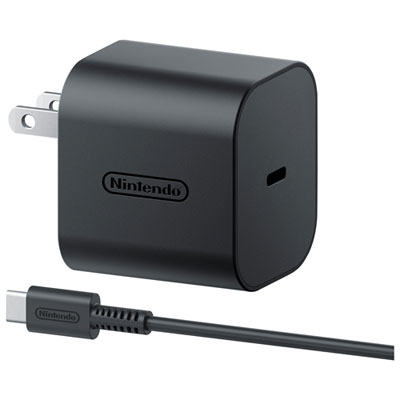
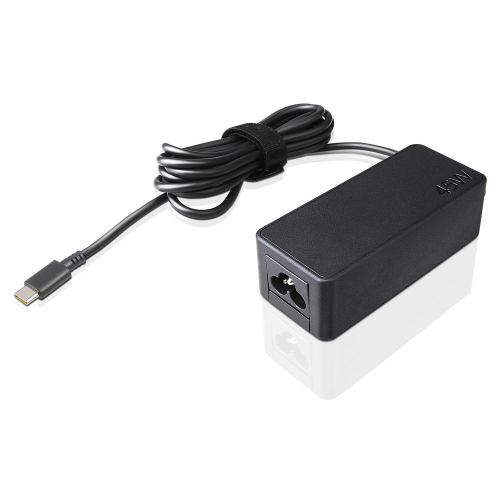
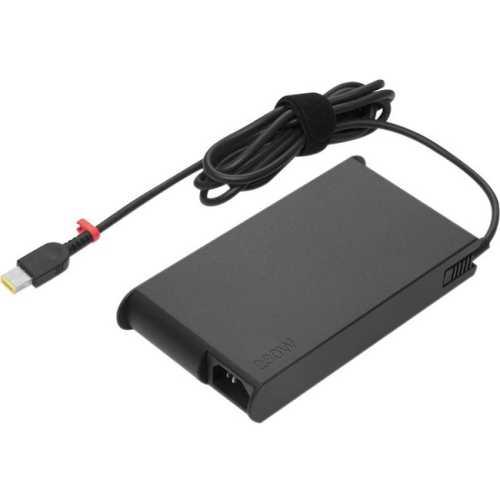
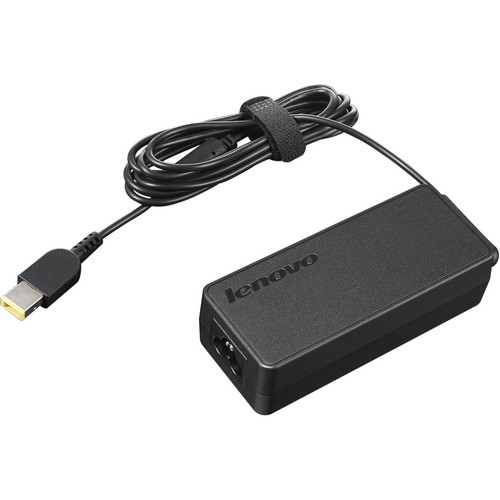
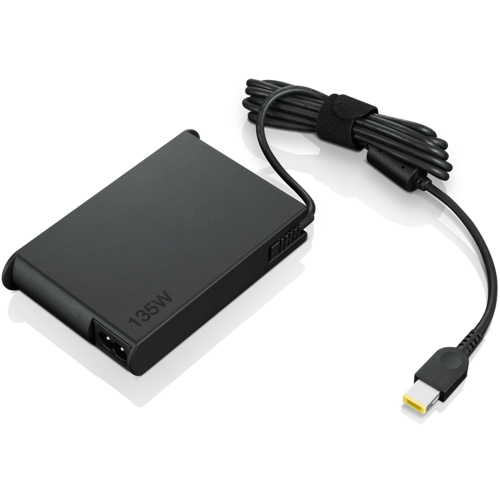
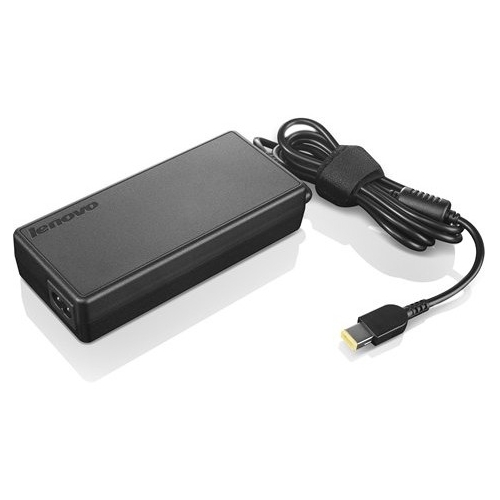


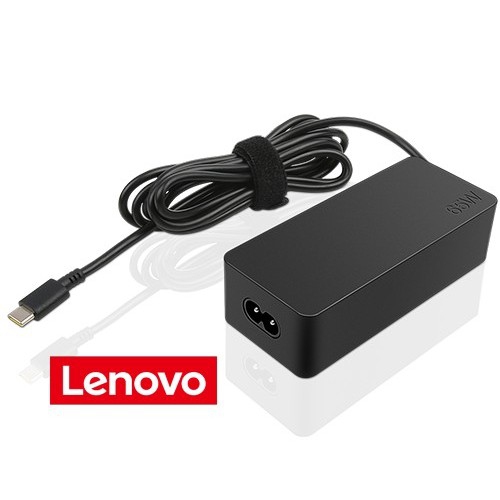

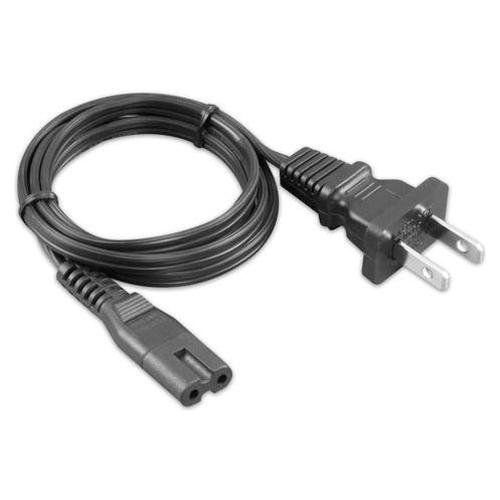
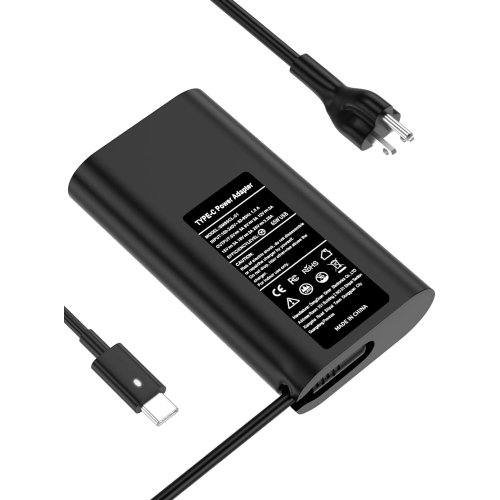
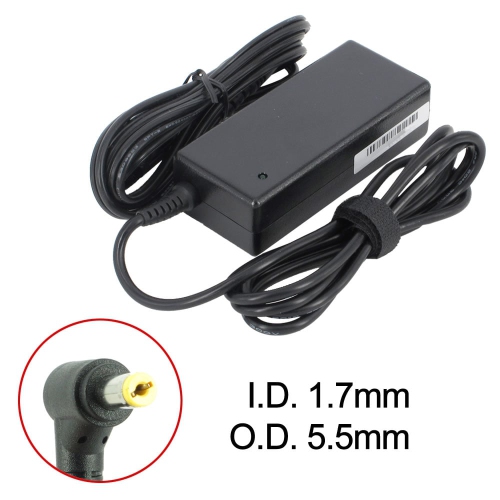
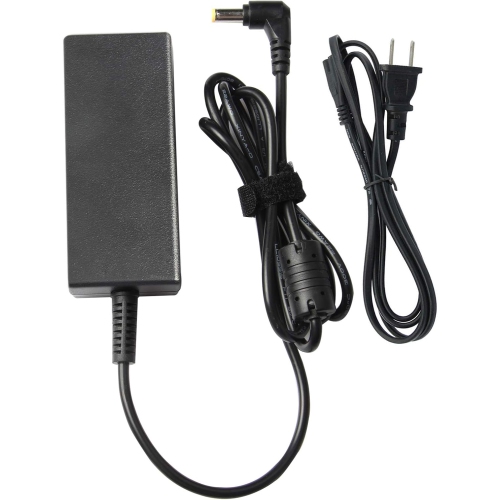
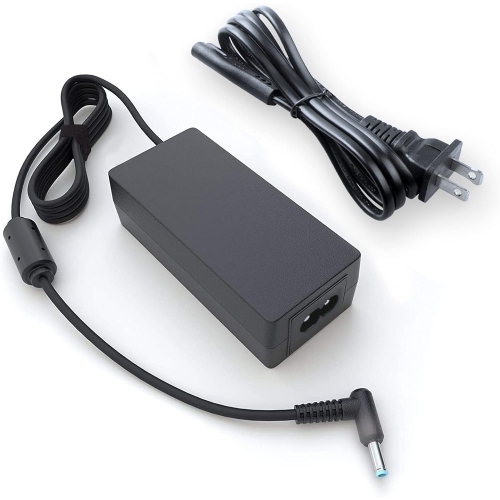
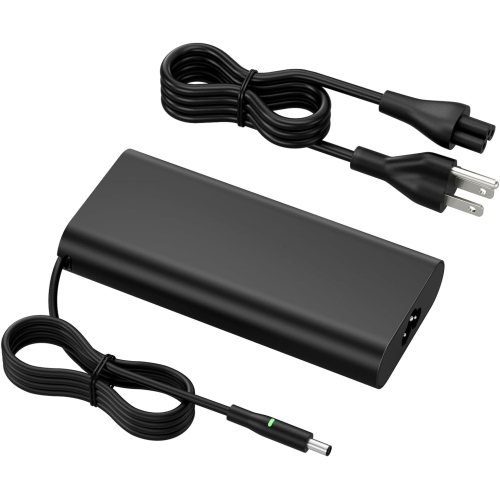
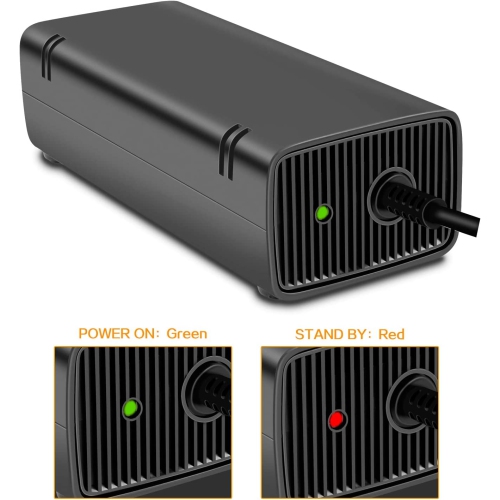


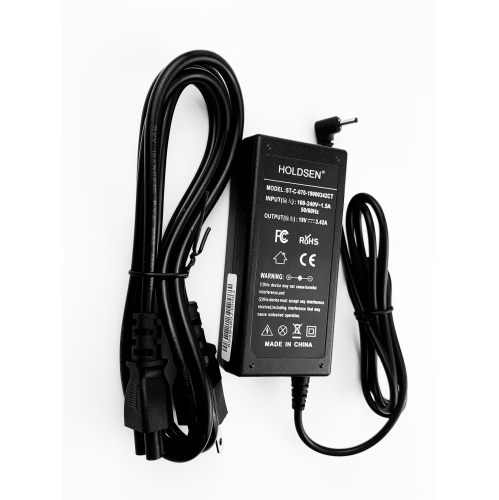
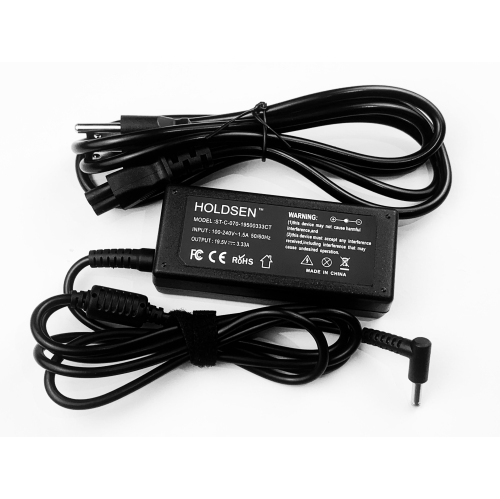
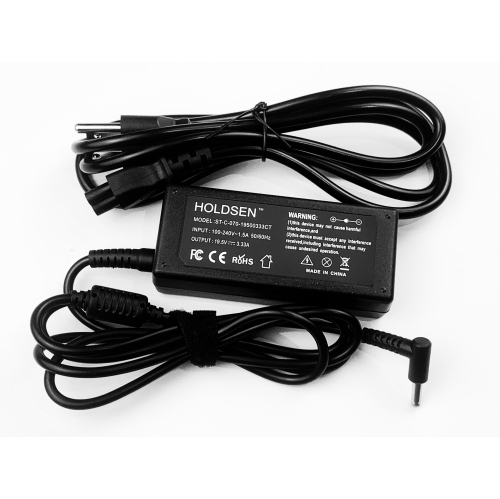
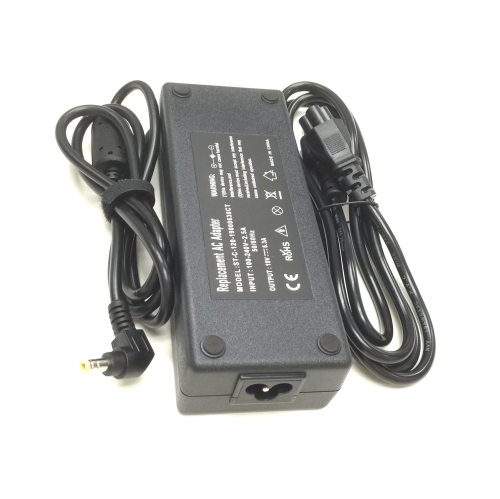
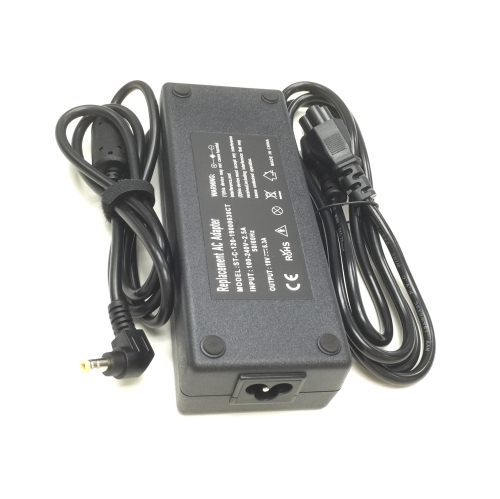
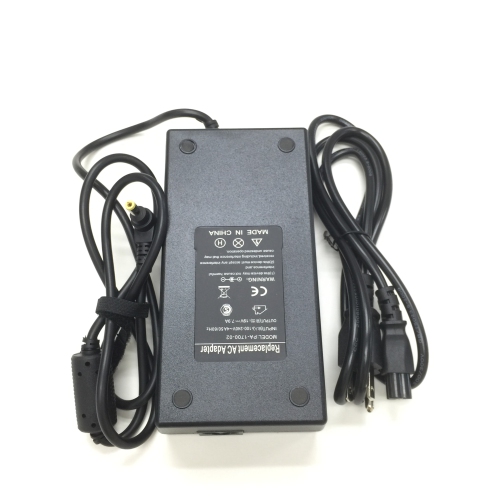
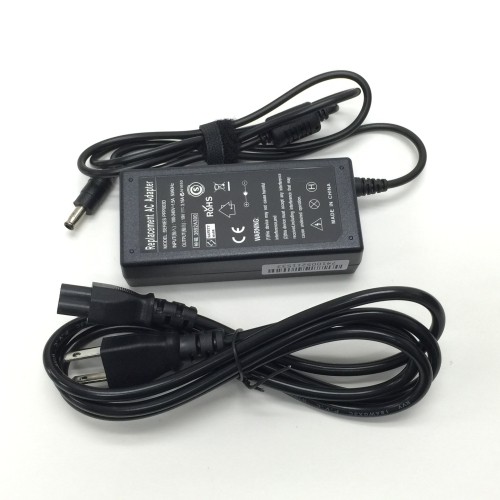
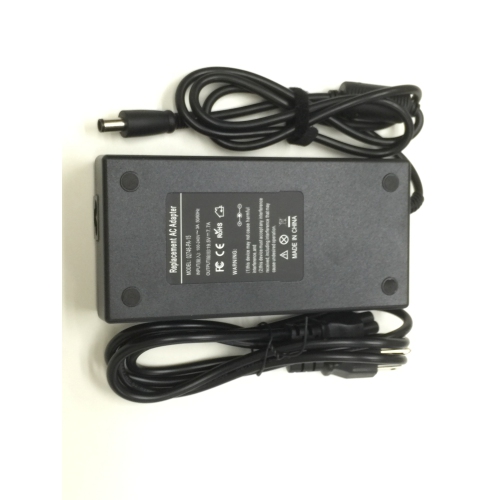
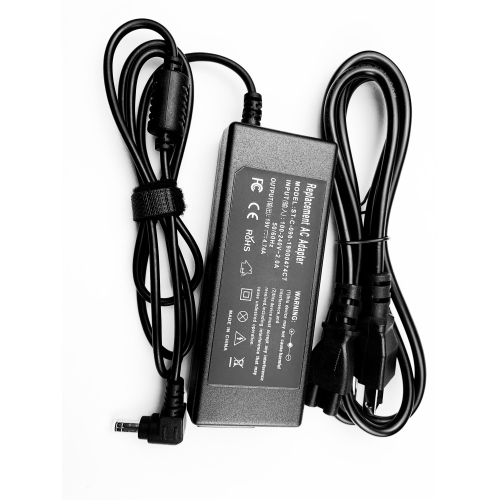

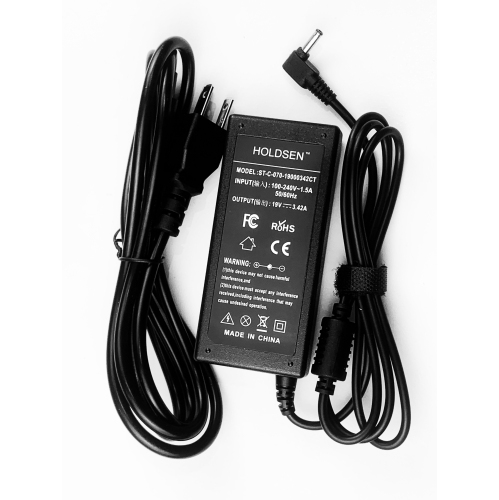
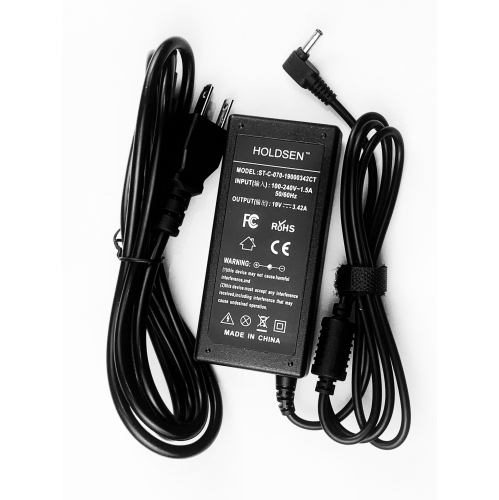
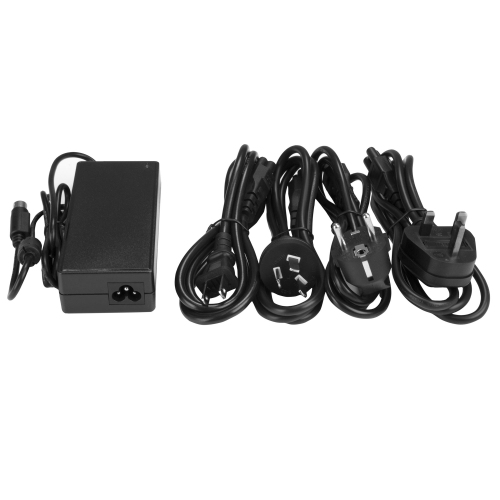
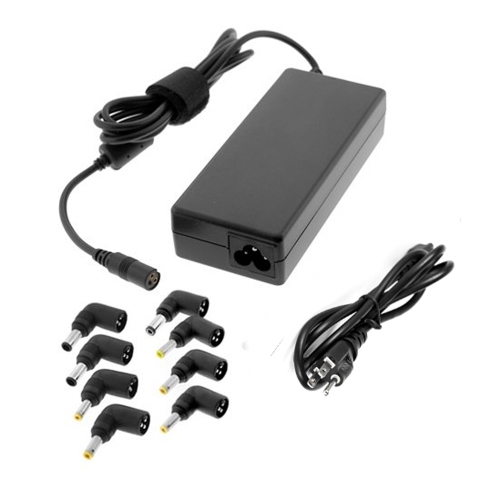
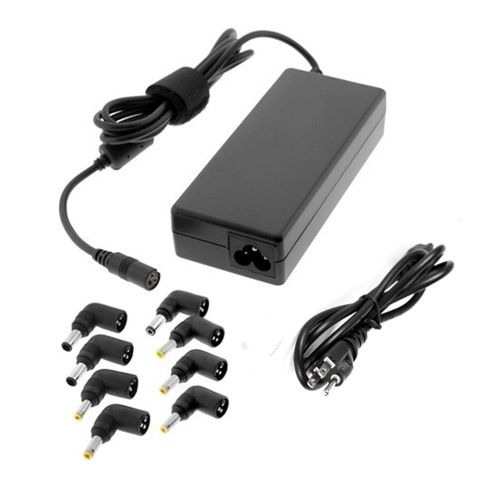
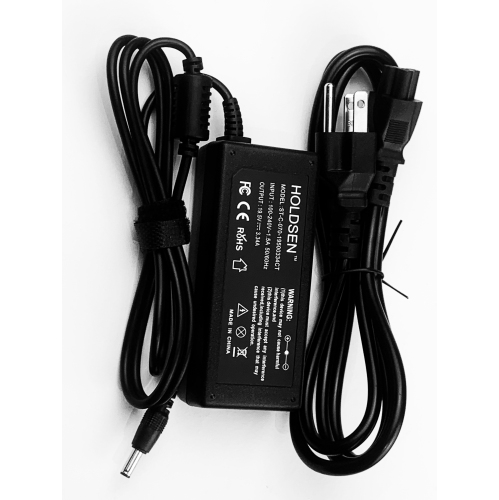
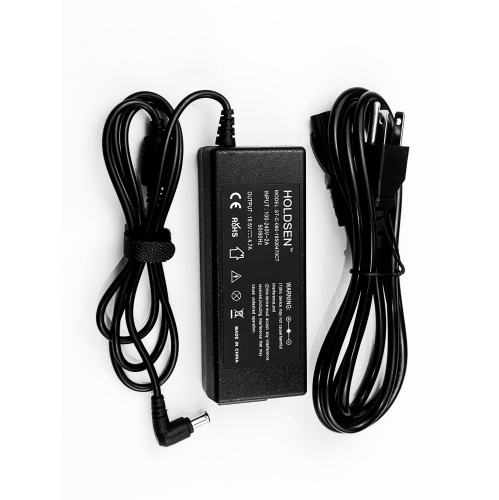
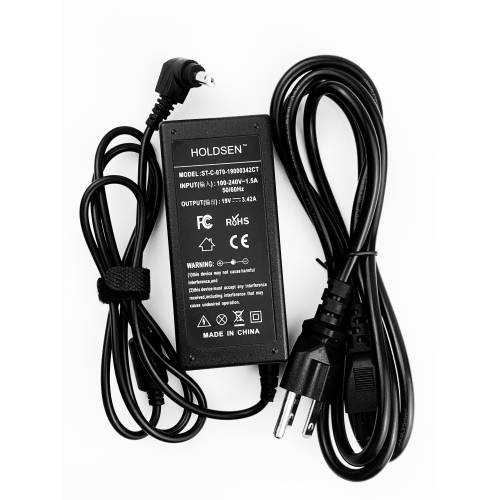
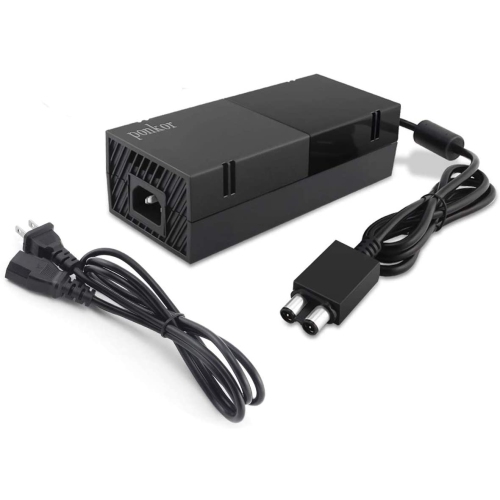
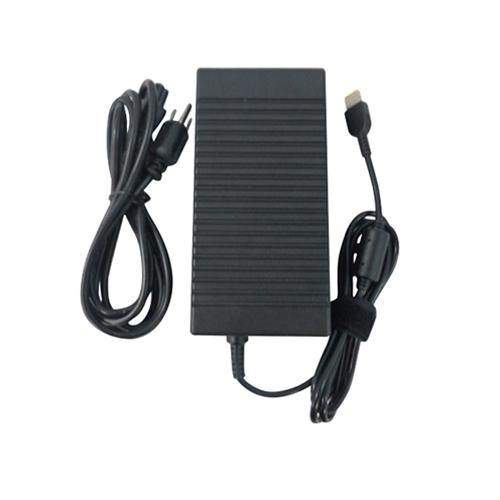
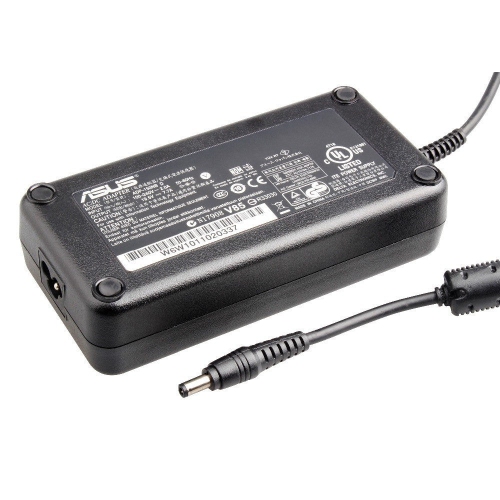
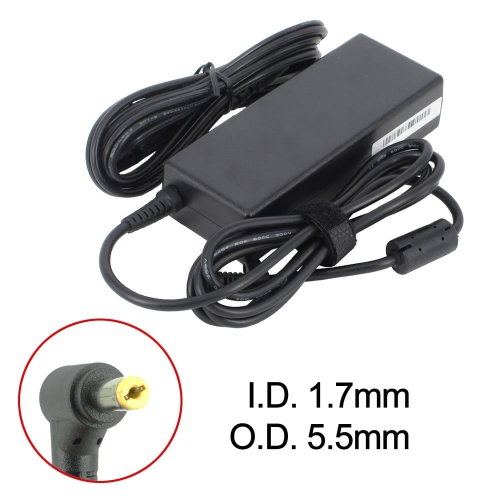
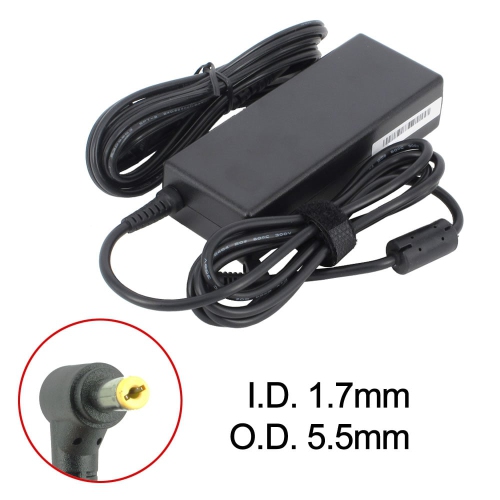
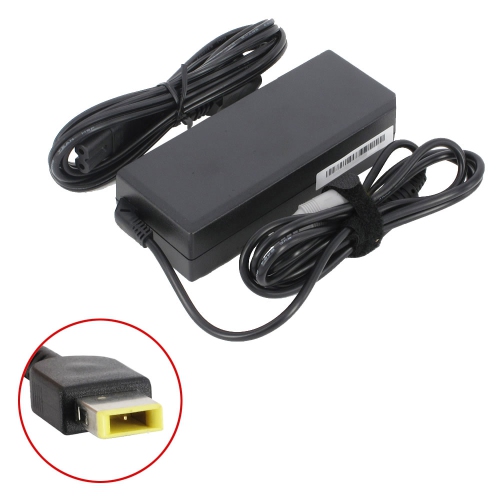
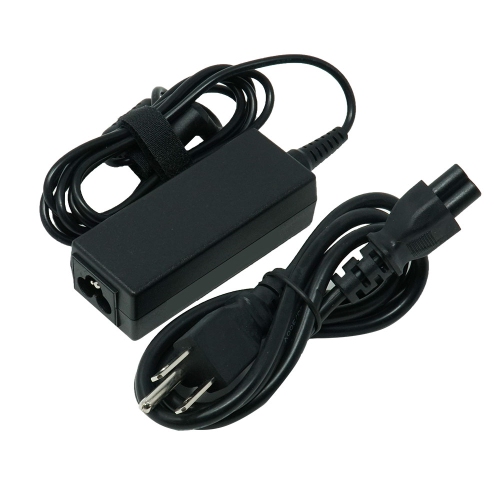
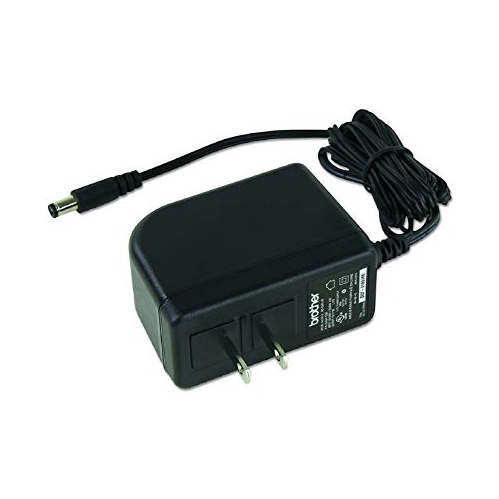
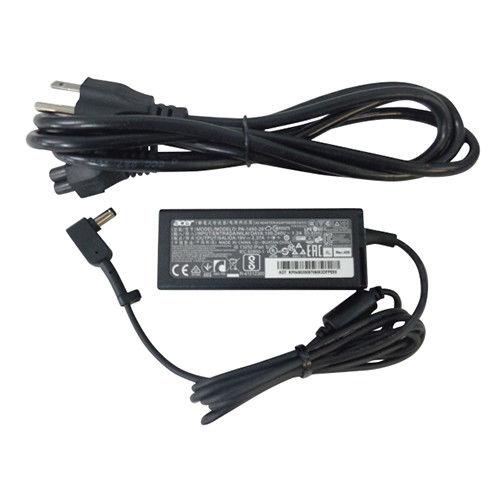
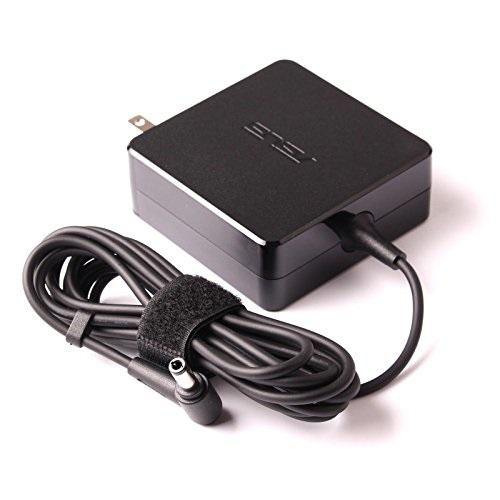
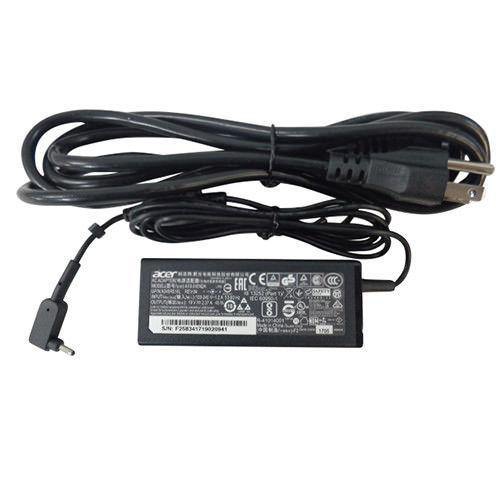

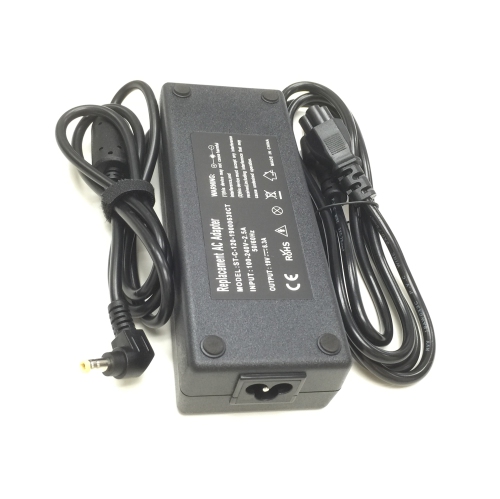
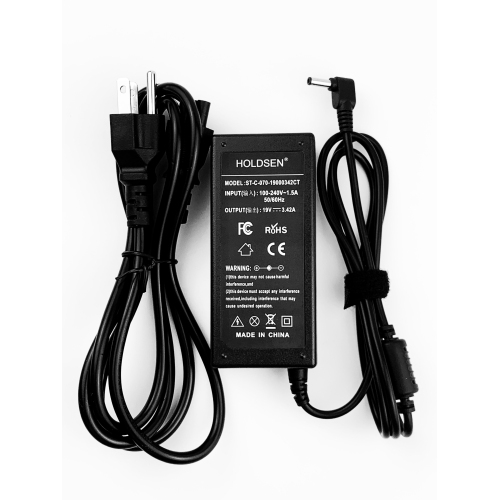
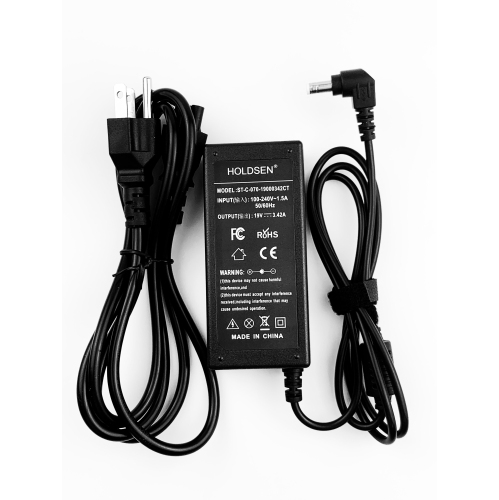
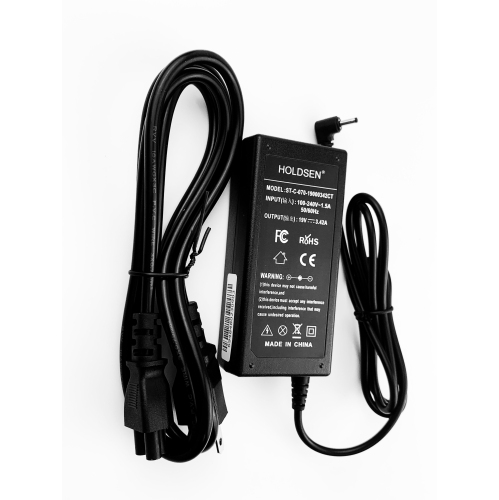


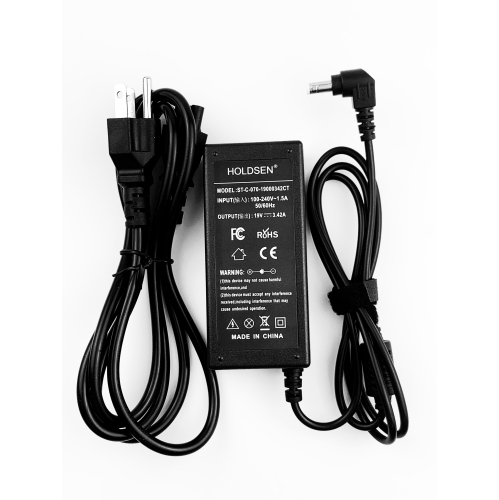
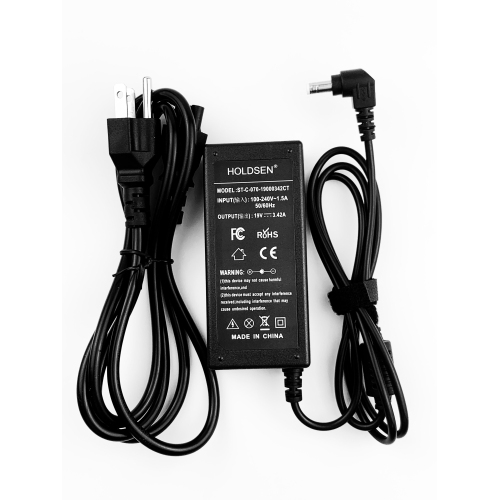
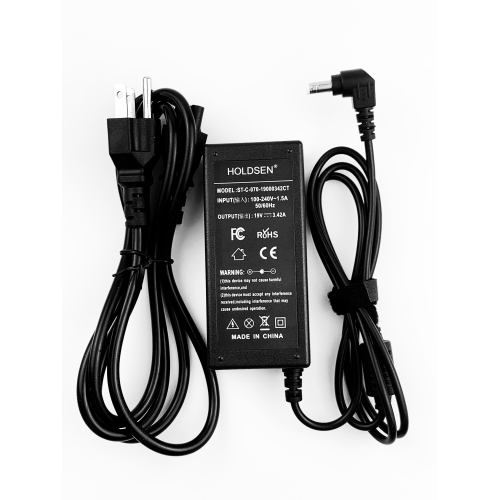
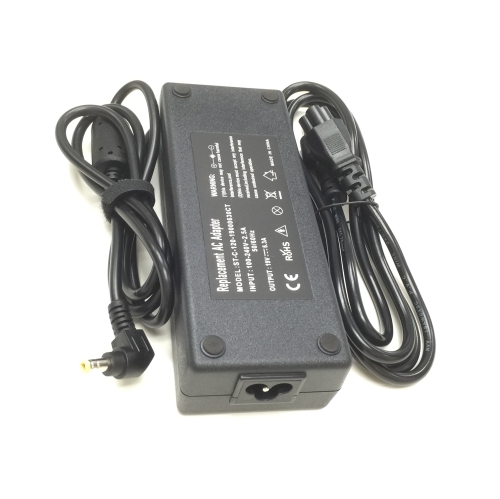

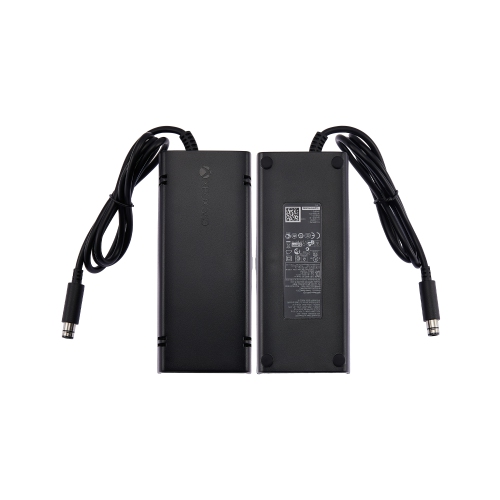
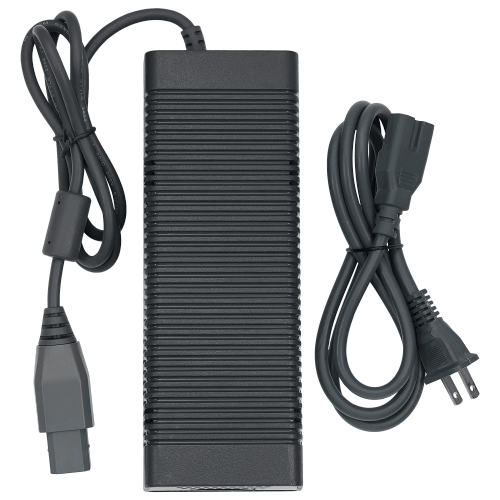
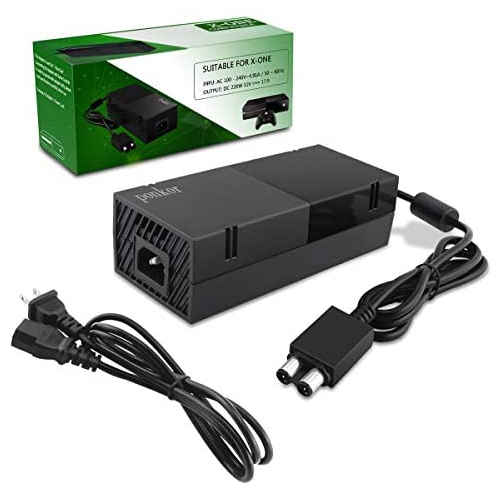
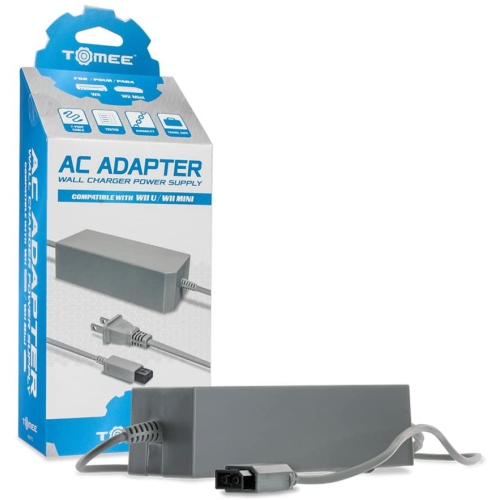
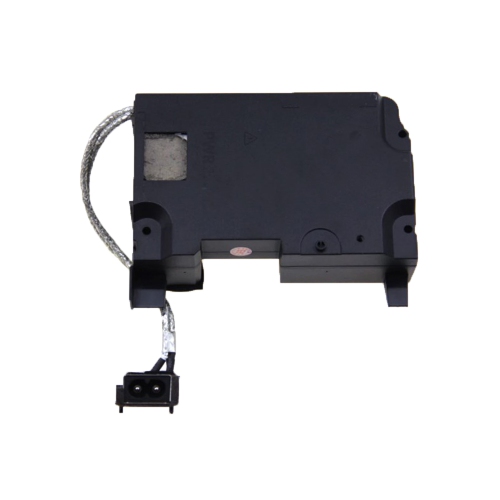
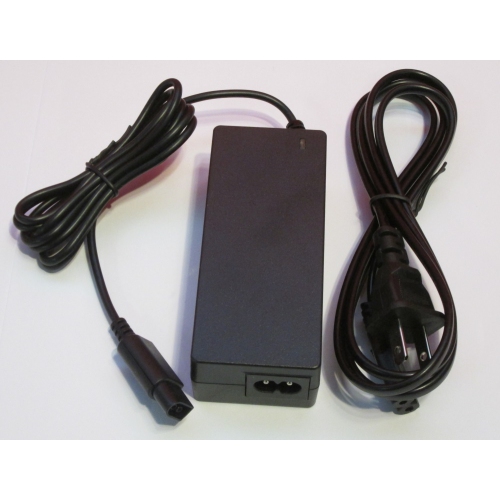
![UKOR Xbox One Power Supply, [Update Version] Xbox One Power Brick Ac Adapter Replacement Power Box Block for Microsoft](https://multimedia.bbycastatic.ca/multimedia/products/500x500/149/14943/14943049.jpg)
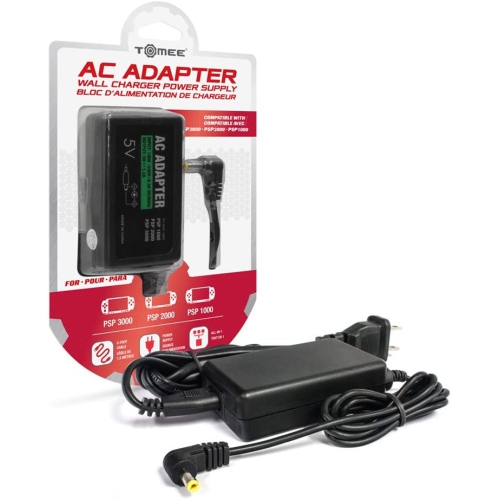
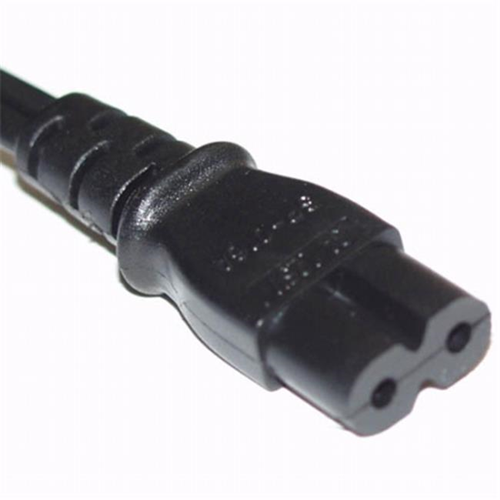
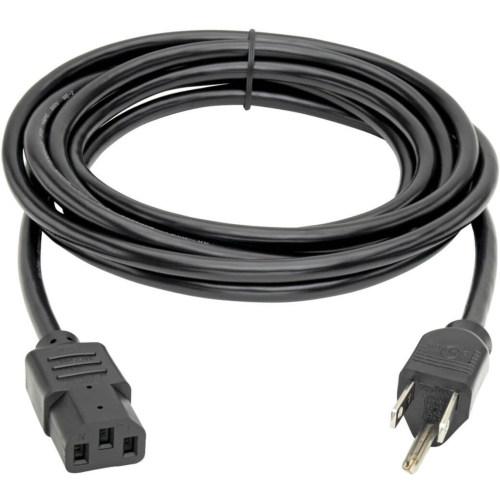
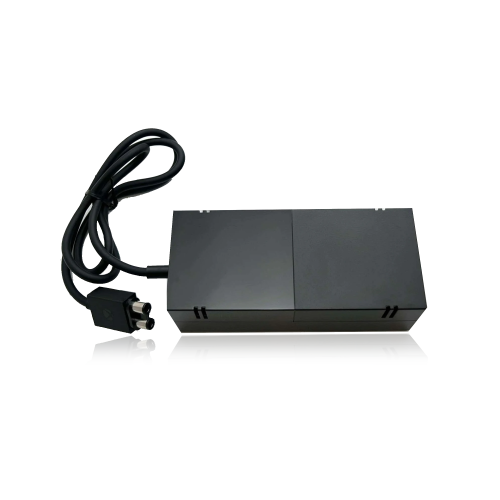
![ALBERTATECH Xbox One Power Supply [Latest Version] Xbox One Power Brick Power Box Block Replacement Adapter Ac Power Cord Cable](https://multimedia.bbycastatic.ca/multimedia/products/500x500/160/16089/16089332.jpeg)

Adapter compatibility goes beyond a plug that fits
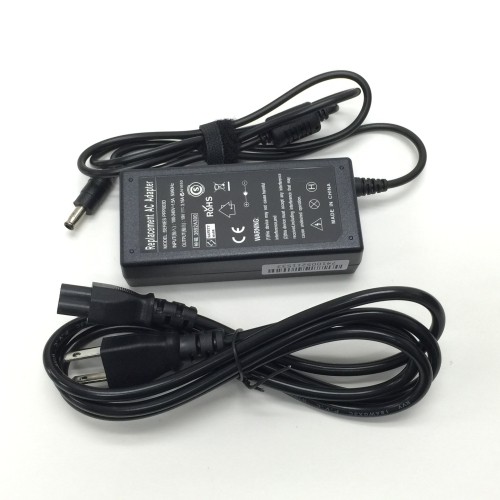
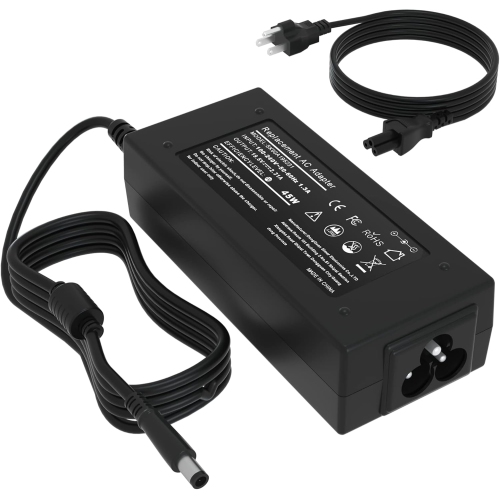
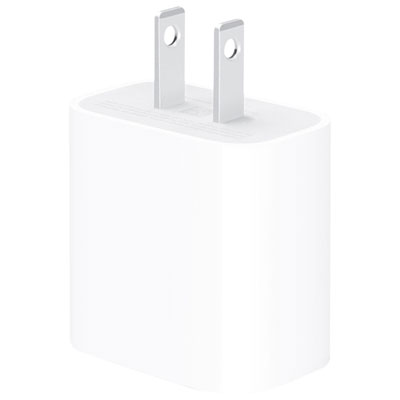
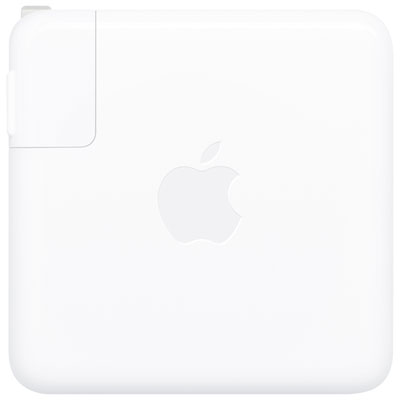
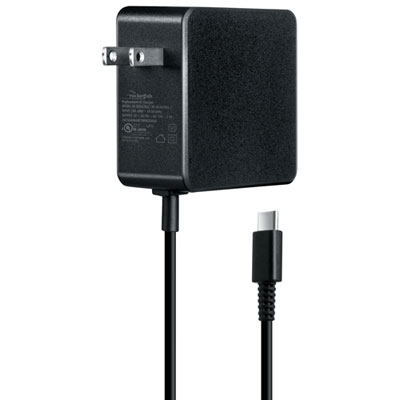
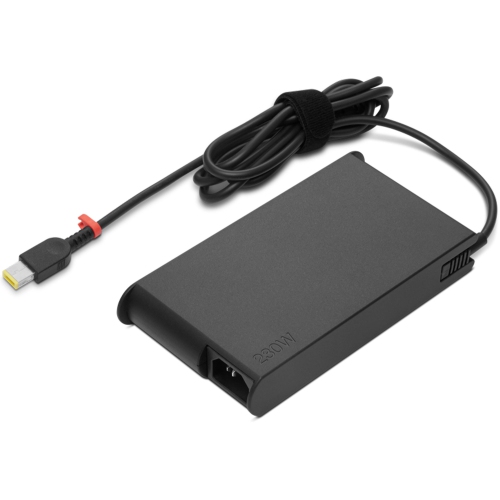
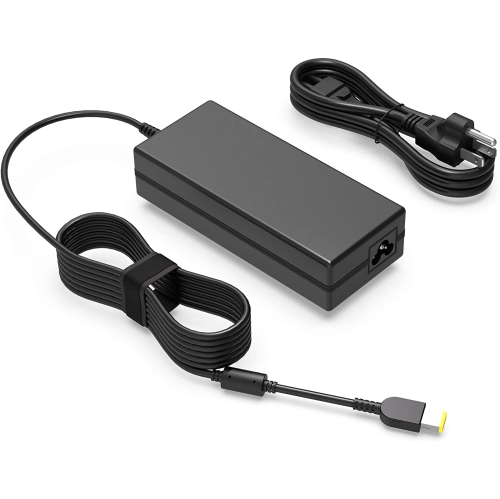
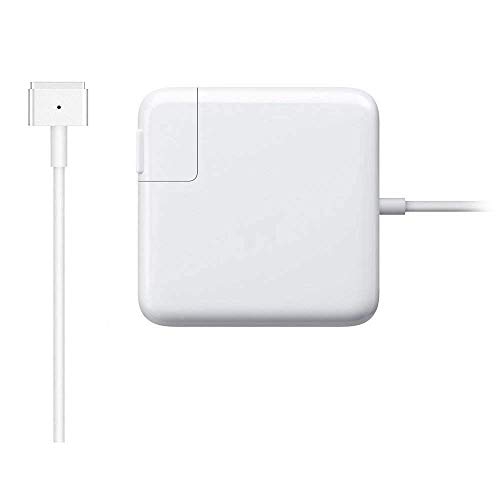
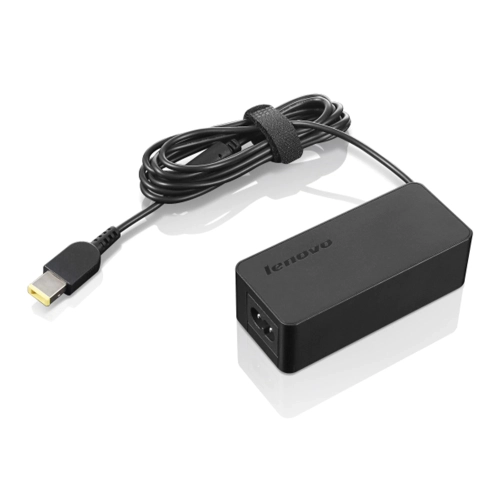
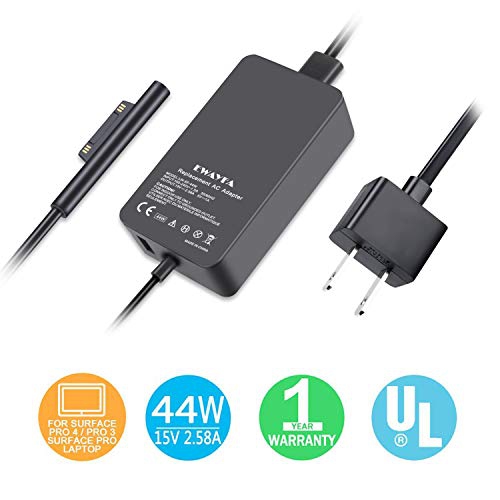
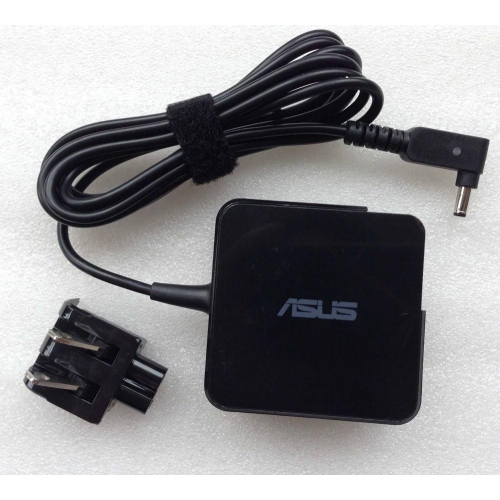
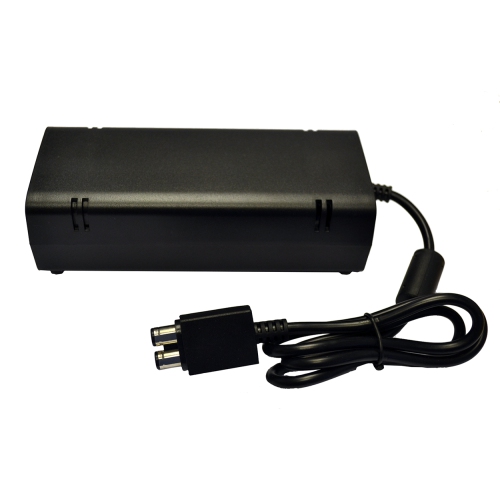
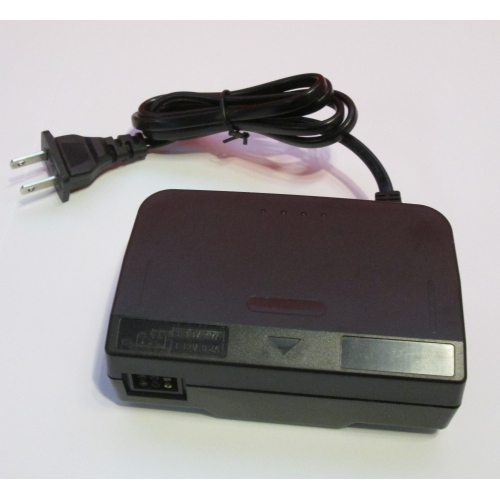
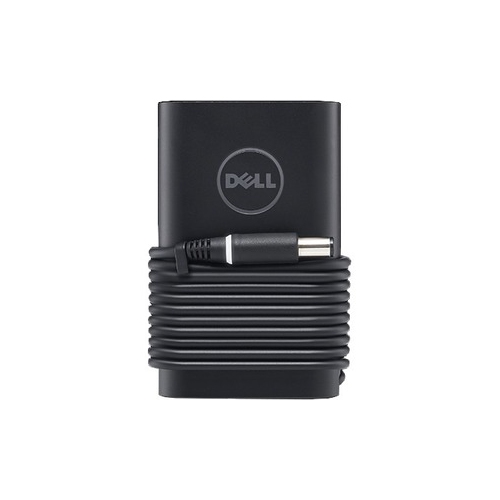
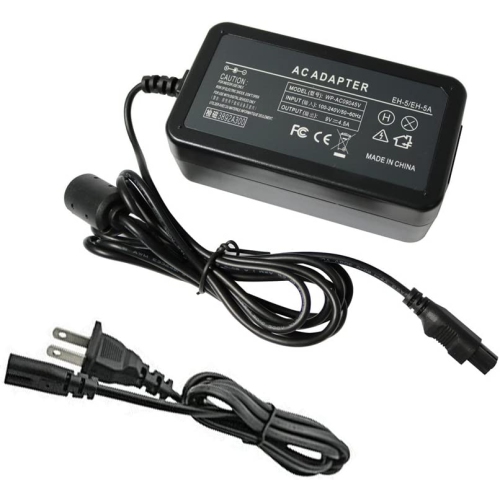
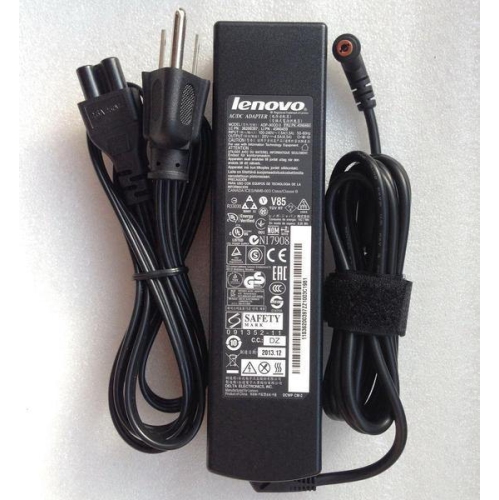
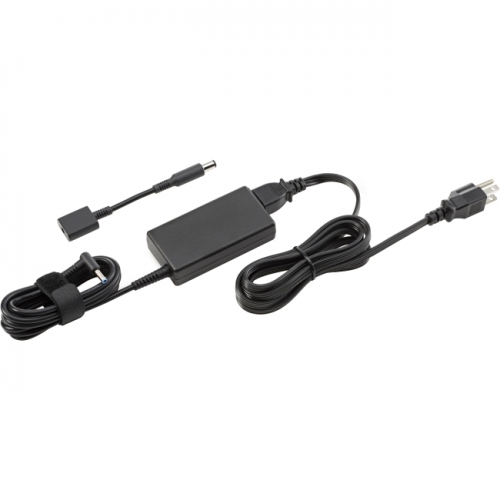
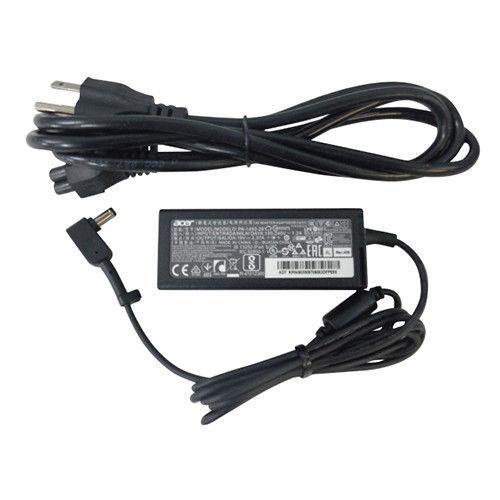
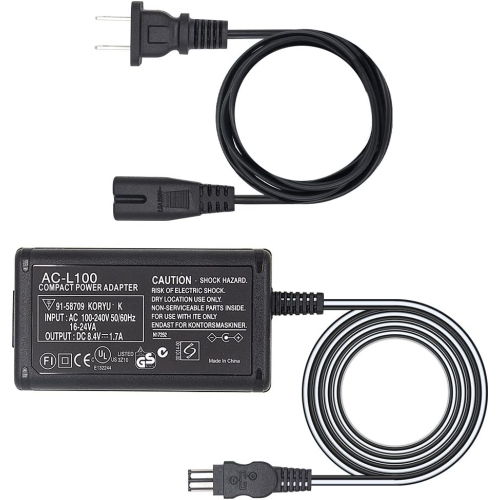
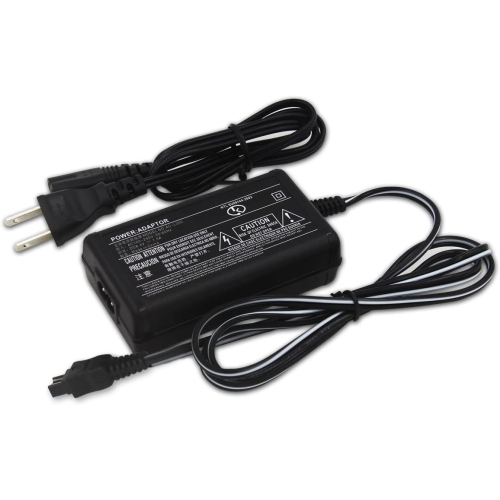
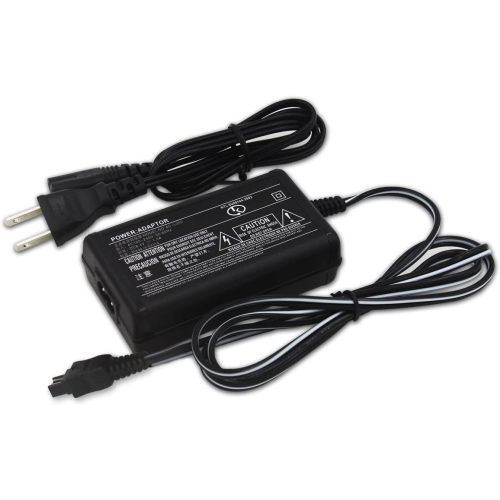
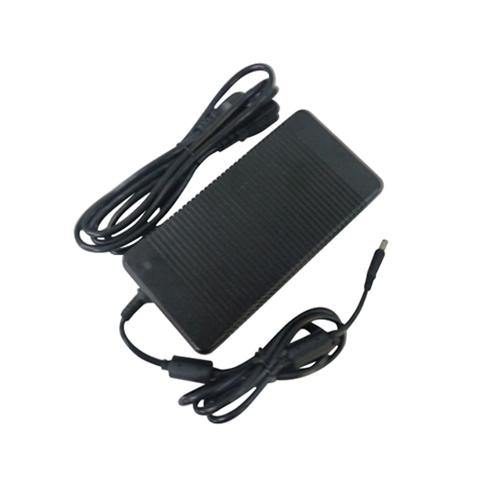
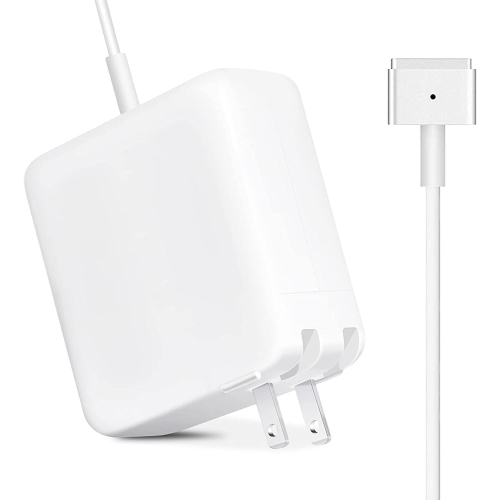
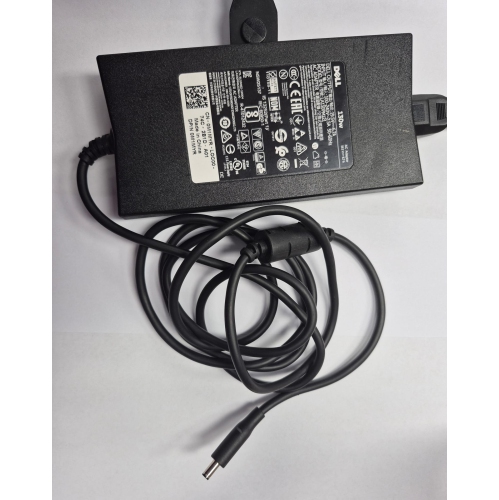
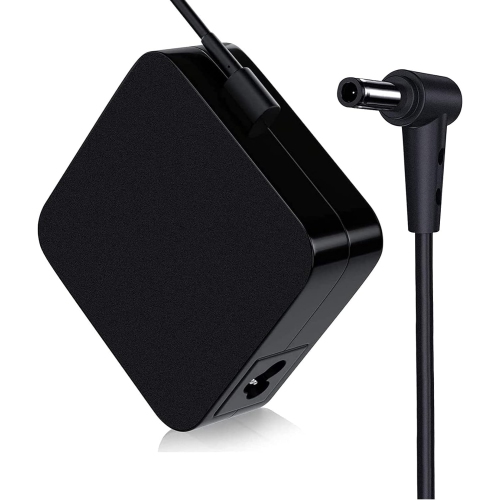
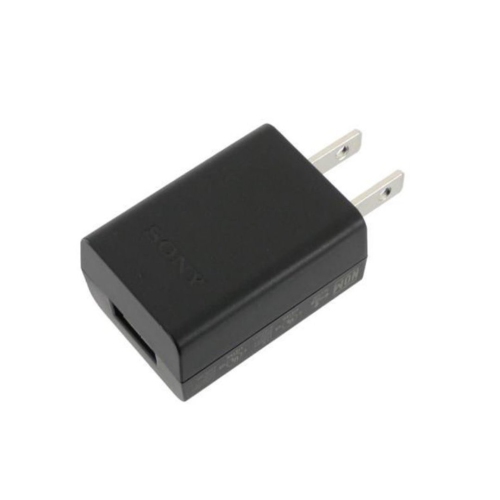
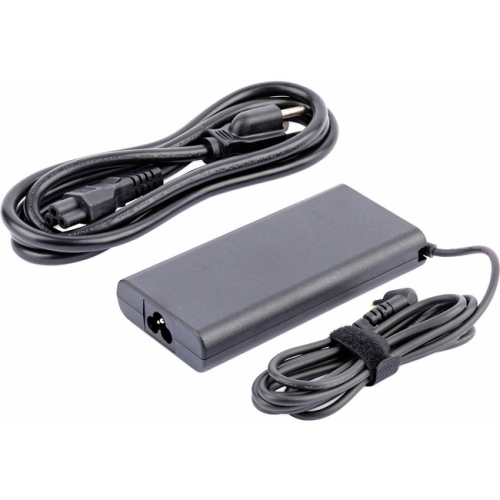
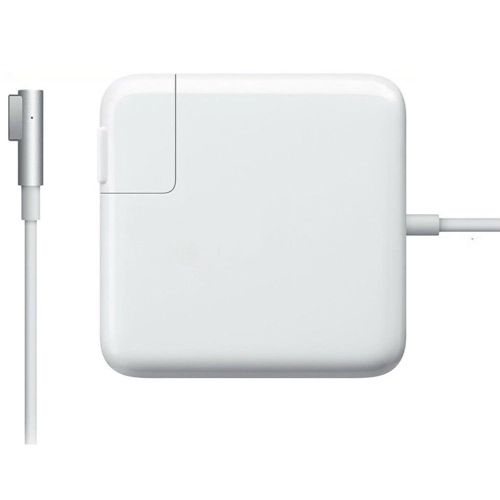
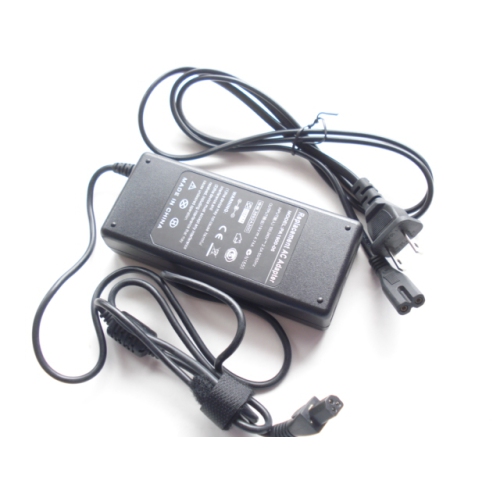
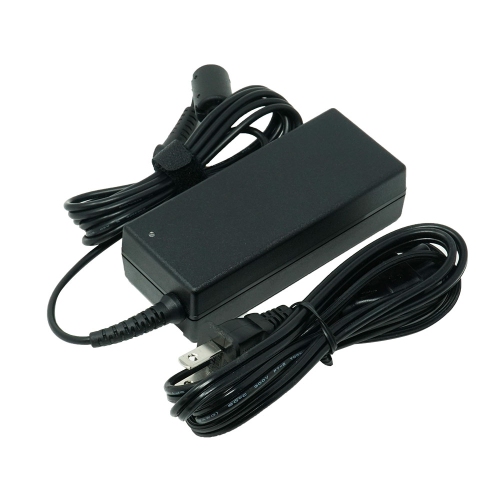
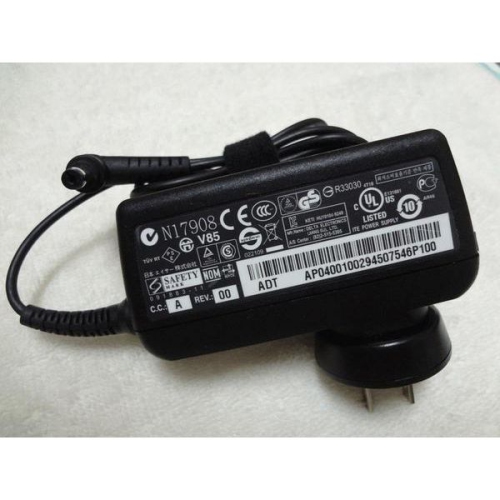
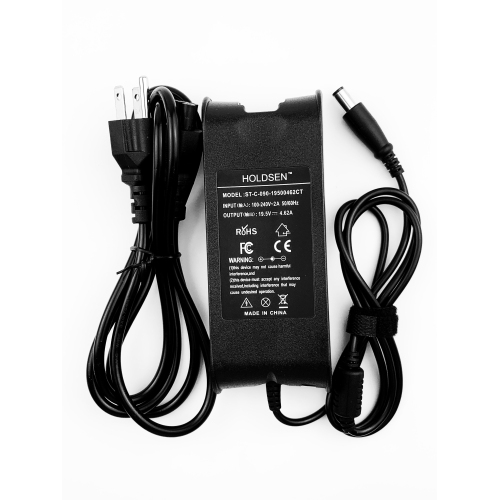
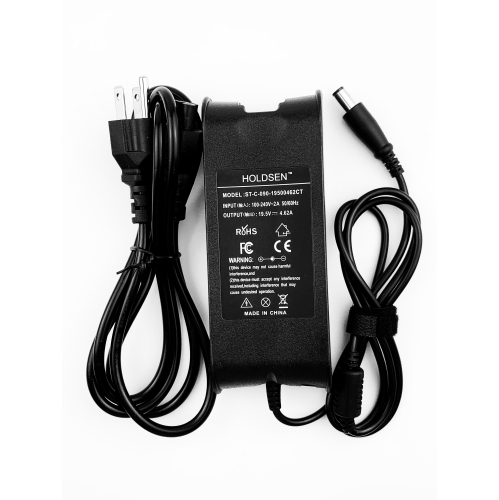
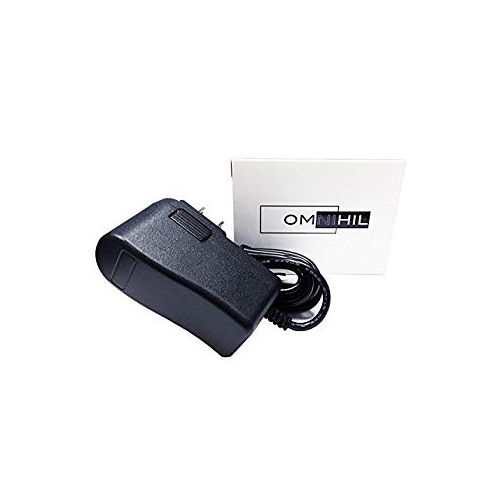
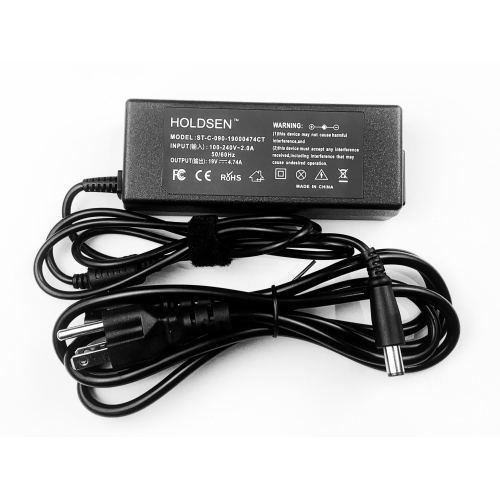
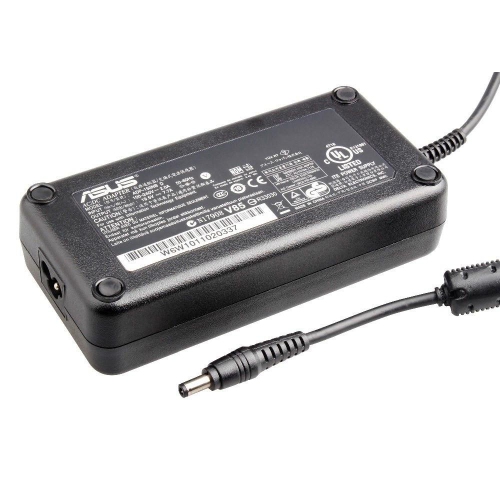
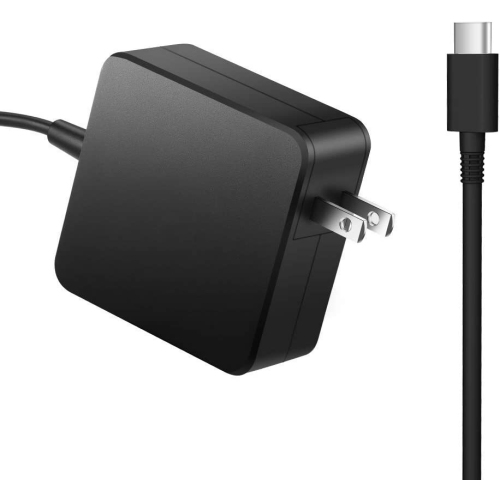
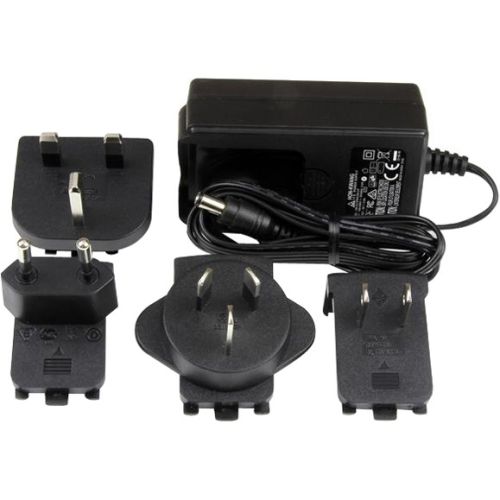
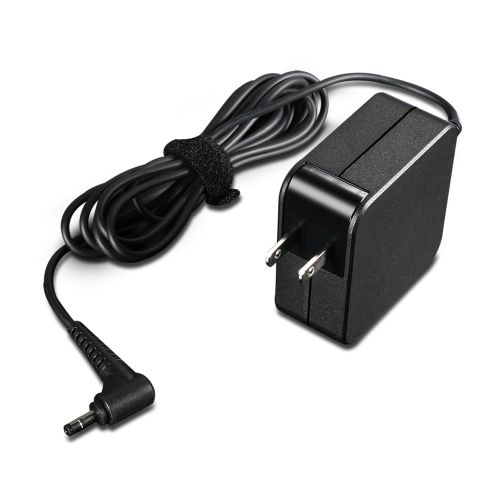
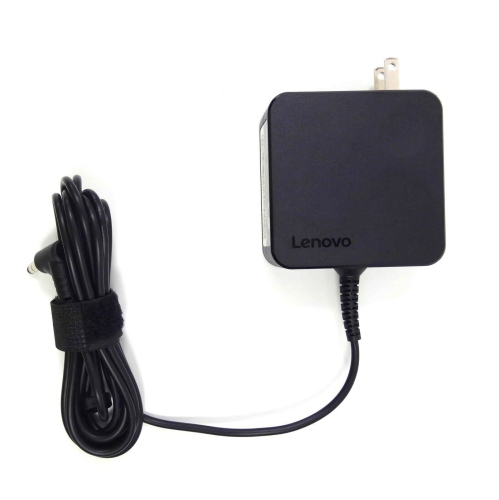
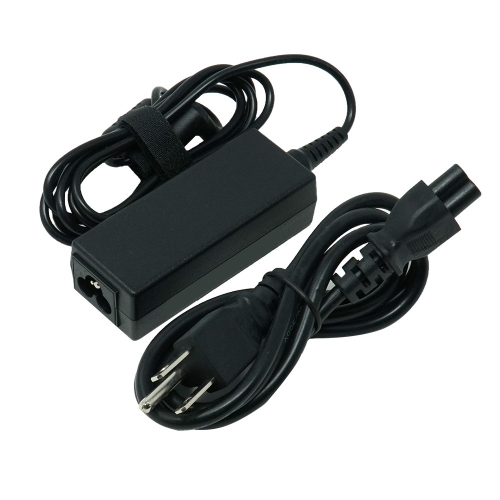
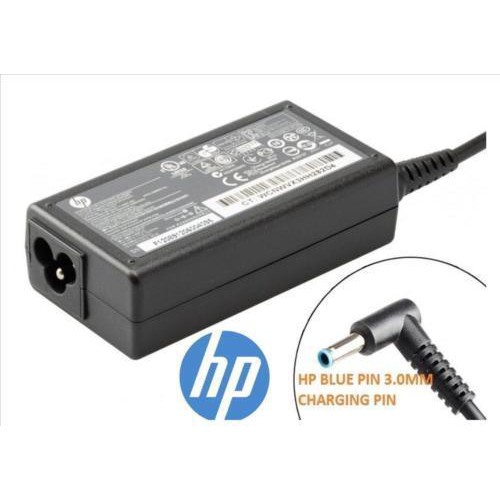
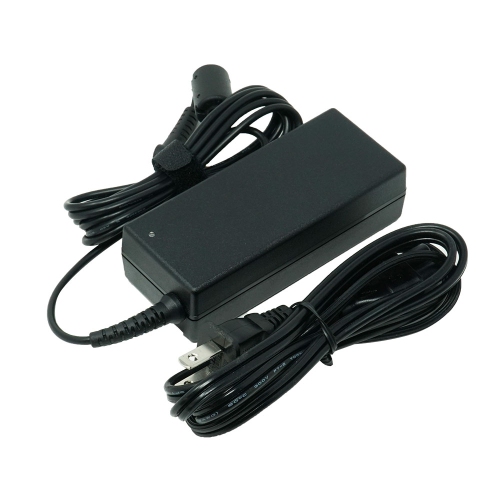
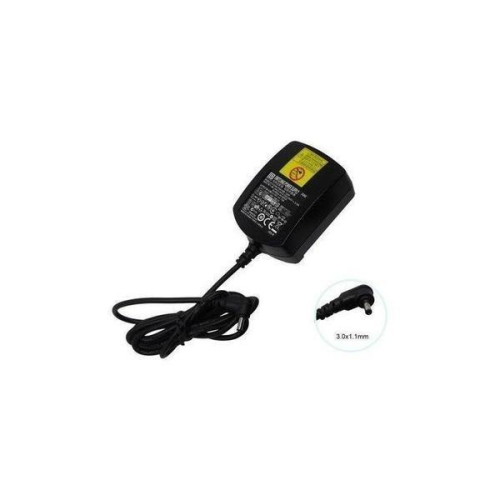
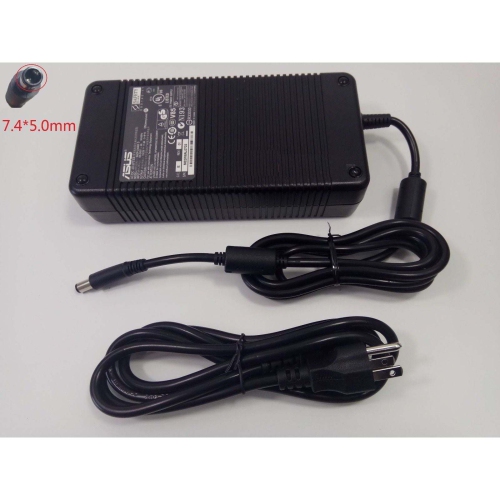
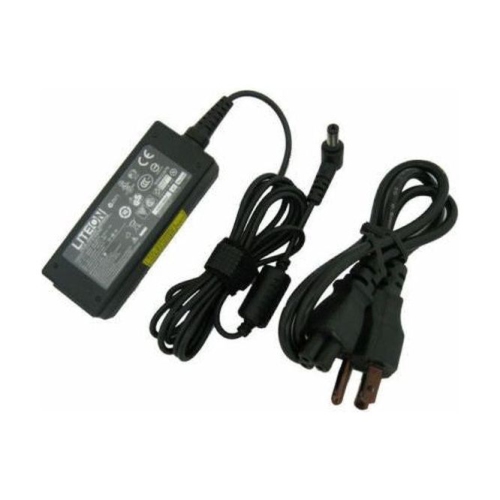
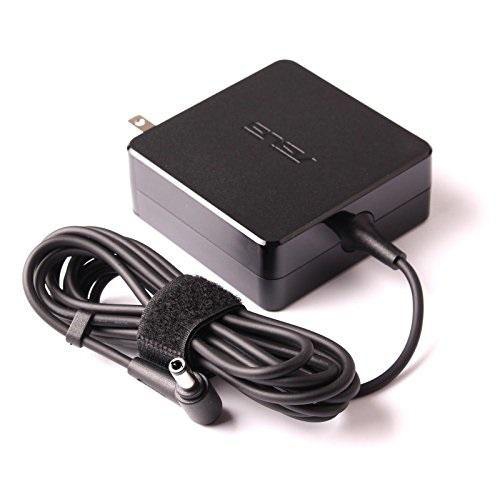
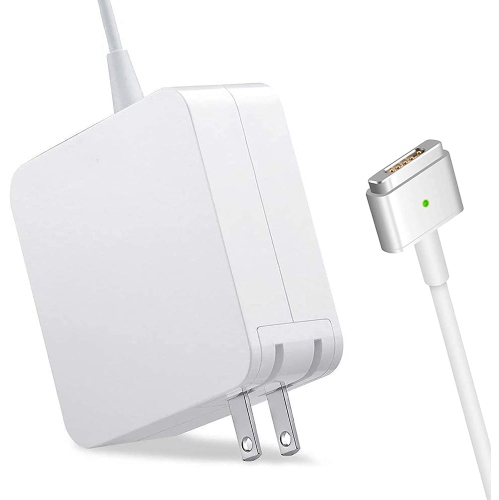
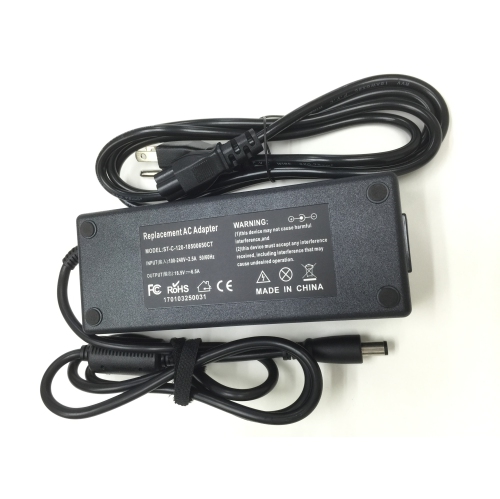
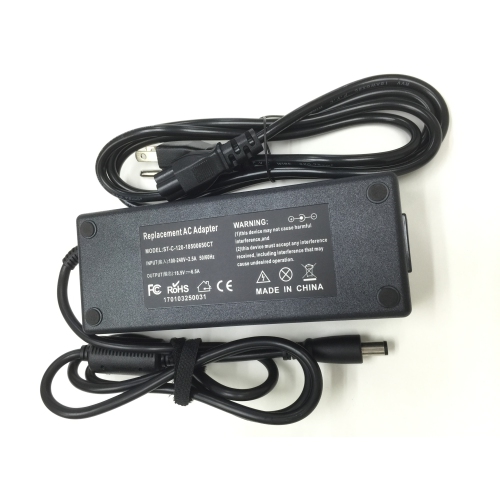
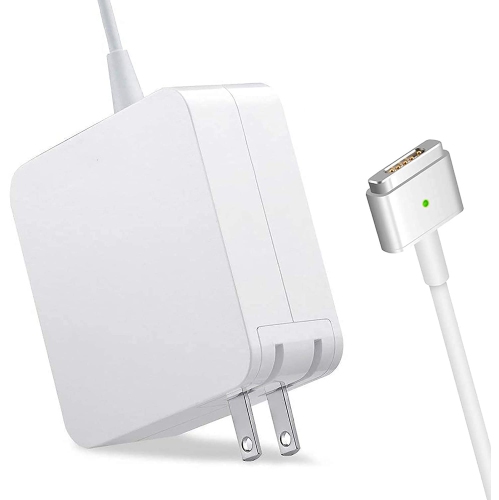
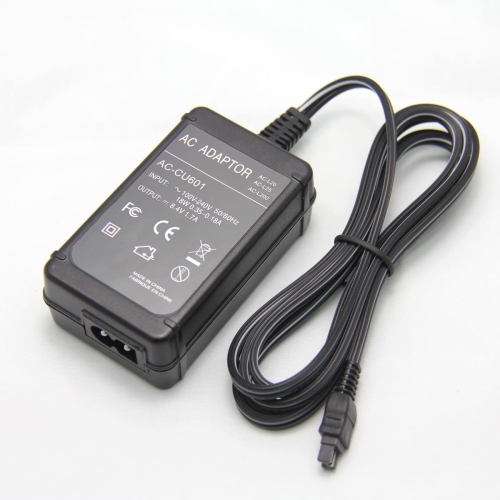
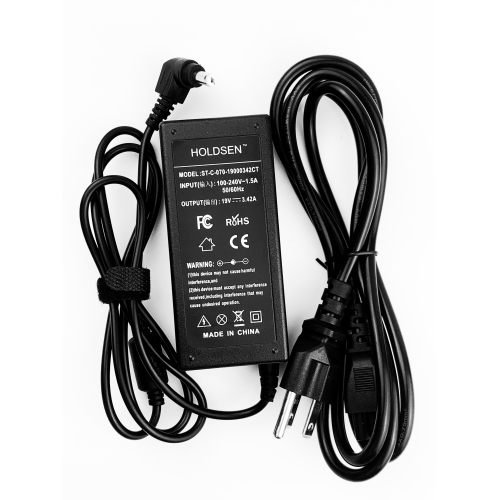
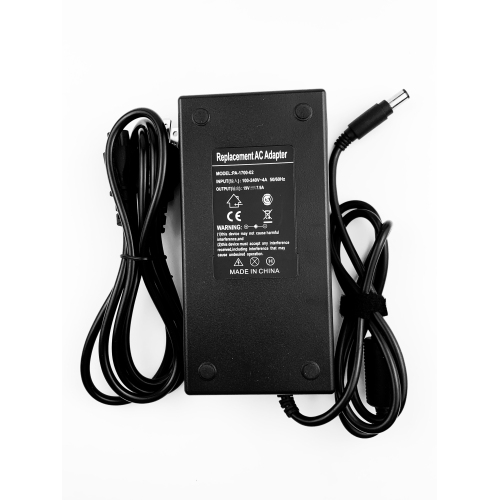
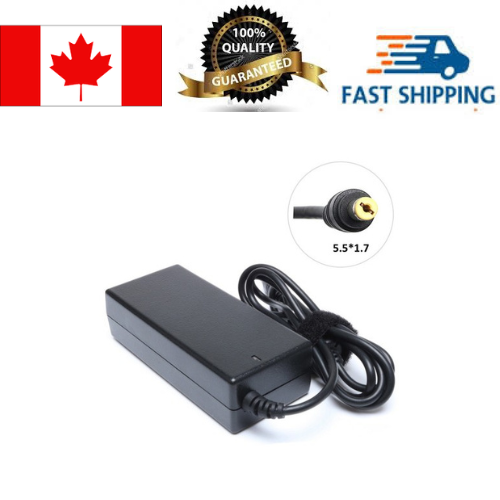
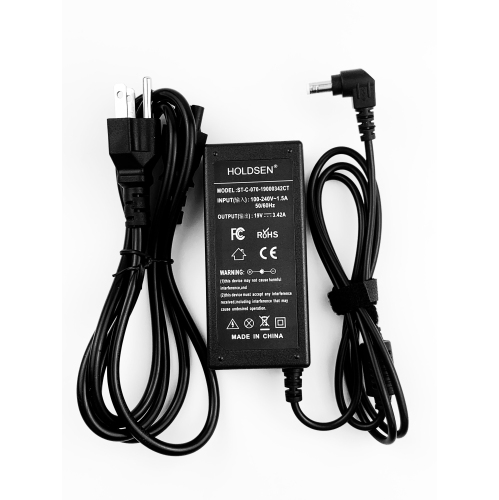
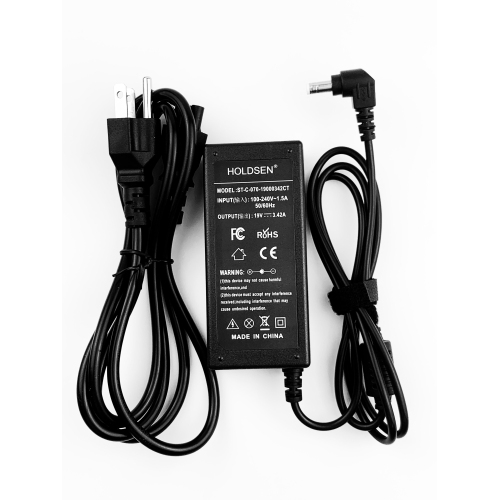
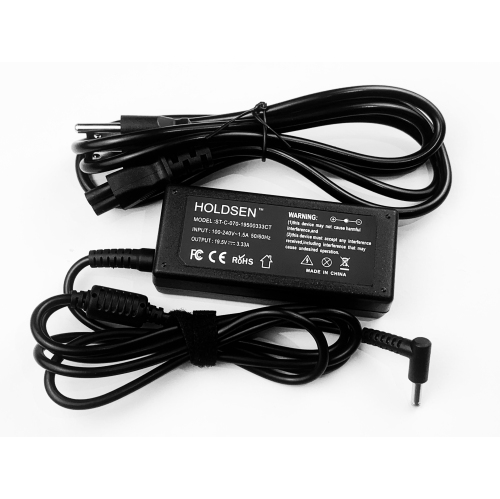
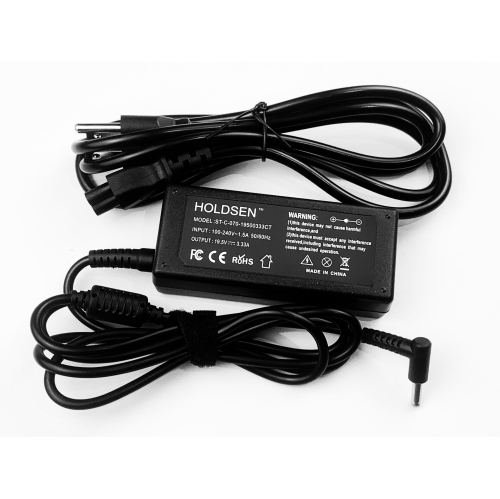
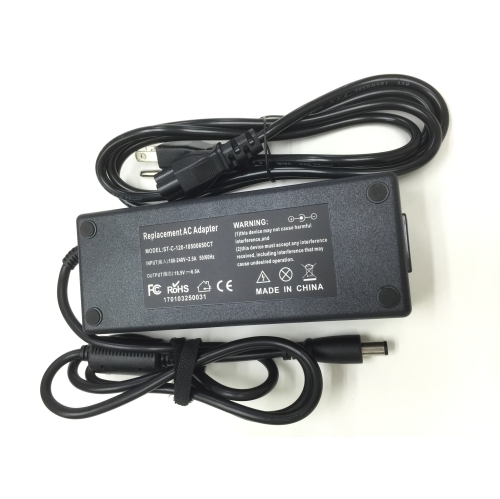
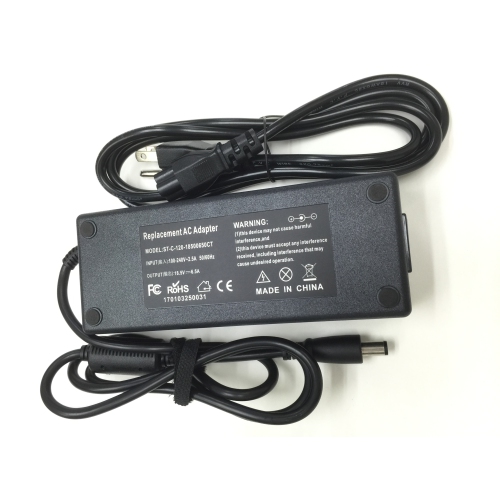
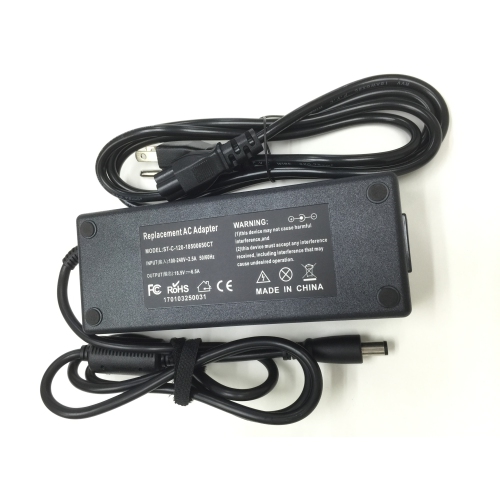
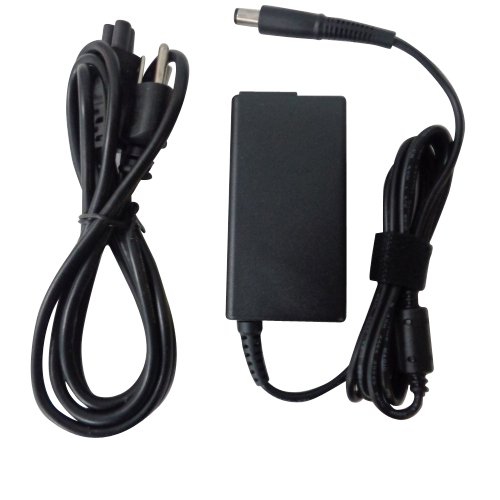
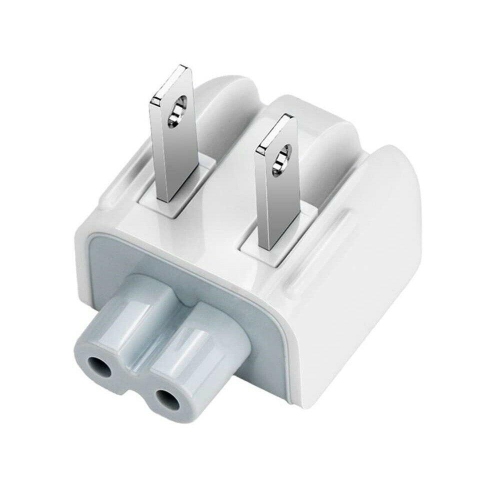
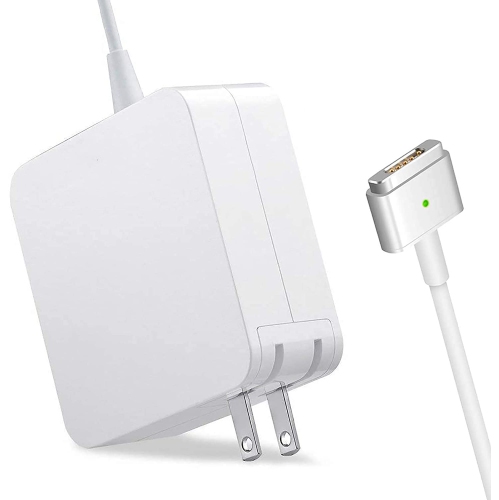
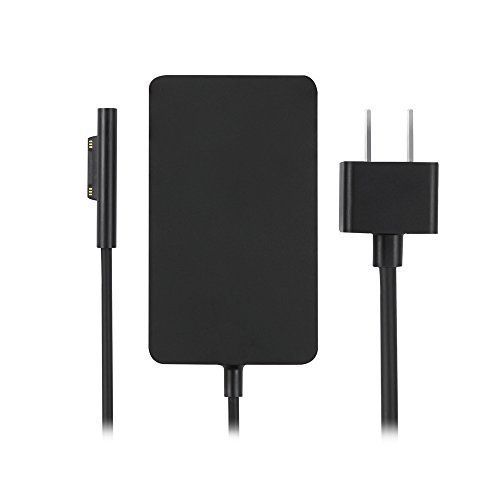
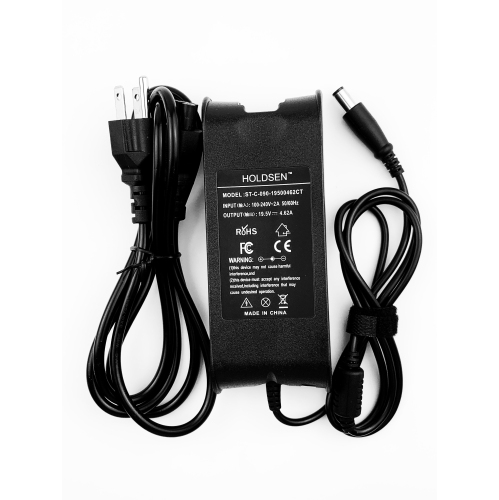
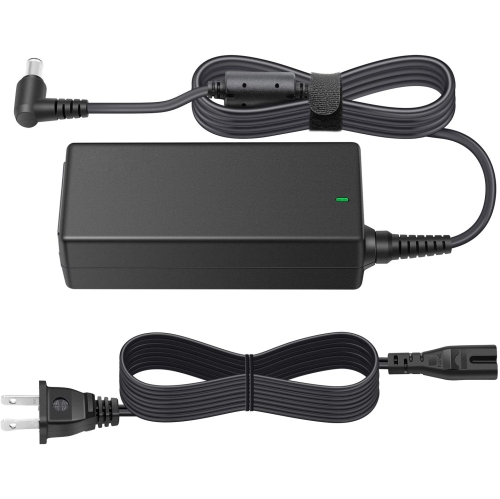
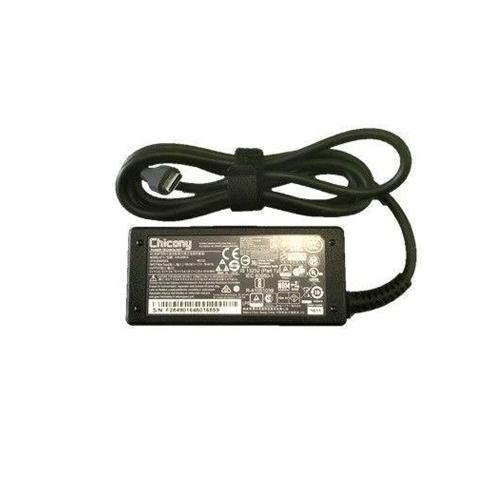
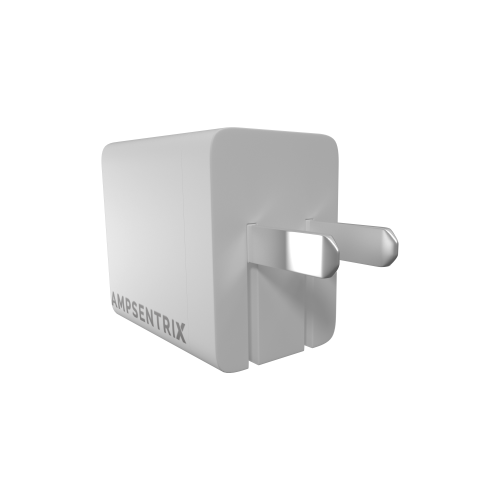
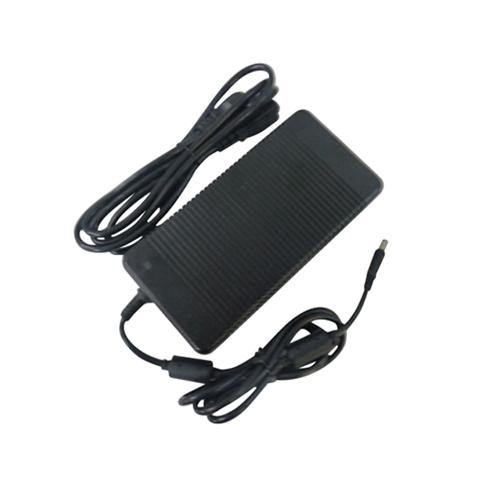
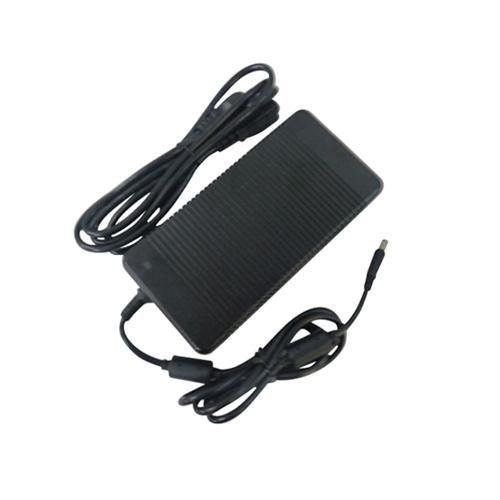
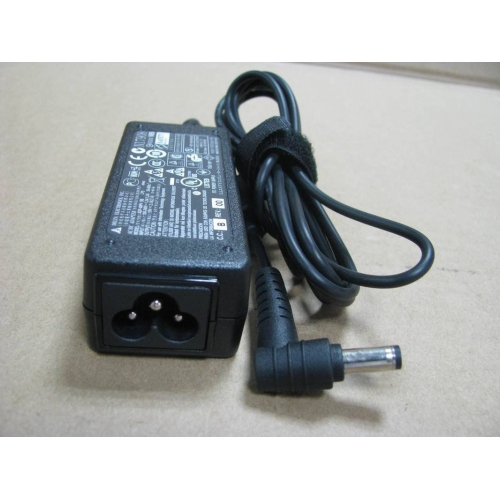
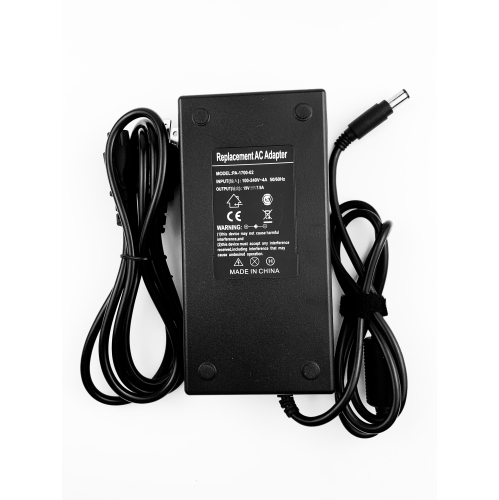
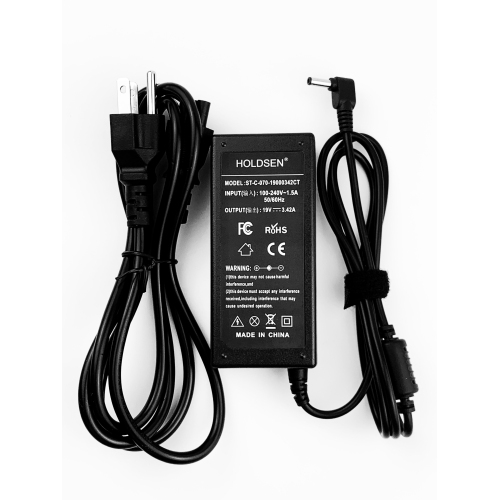
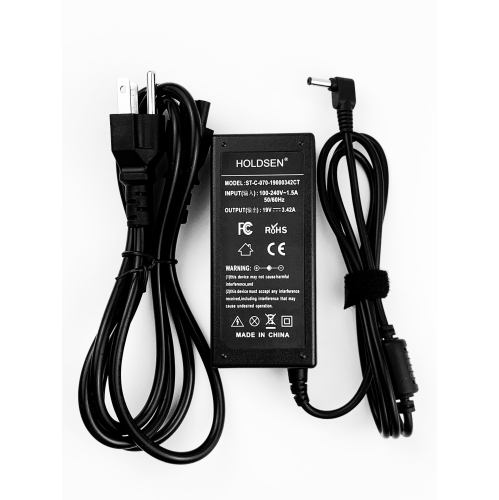
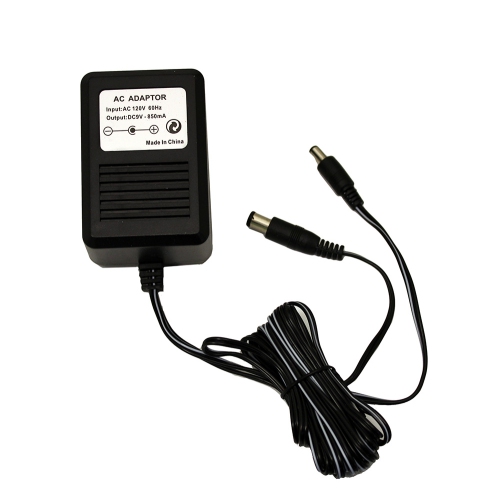
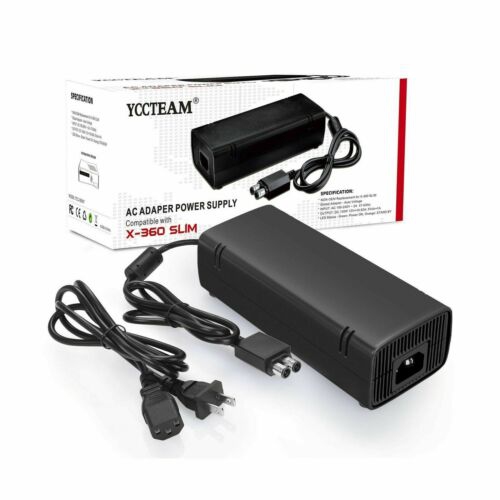
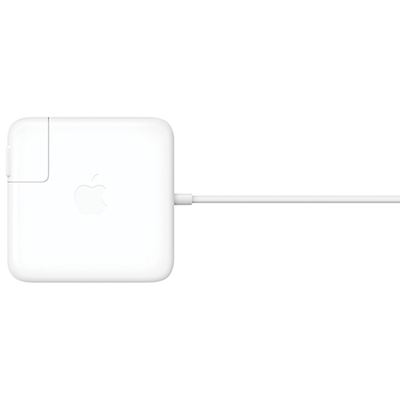
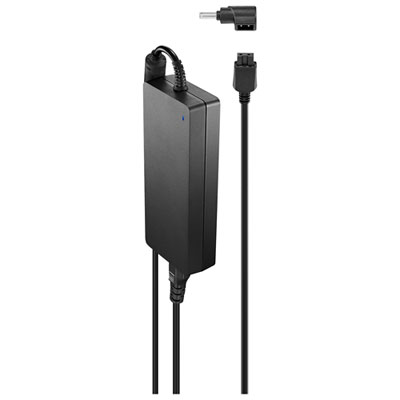
Replacement AC adapters provide a compatible power source when an electronic device’s original adapter is lost, damaged, or needed in another location. They are used with many everyday electronics, including laptops, monitors, network equipment, external storage devices, and small audio components. A replacement can restore a familiar desk setup or make it easier to keep one power supply at home and another in a work bag. Although “AC adapter” is a common name for this category, many adapters convert alternating current from a wall outlet into the direct current required by a device. Others provide an AC output, so the output type matters just as much as the connector. A suitable replacement AC adapter must match the device’s required output type, voltage, connector dimensions, and polarity where applicable, while providing at least the required current. The device’s power label, original adapter label, and manufacturer’s documentation are useful sources for these details. Input specifications describe the electricity the adapter accepts from the wall; output specifications describe the power it supplies to the electronics. Those two sets of numbers serve different purposes and are not interchangeable. Physical design also affects everyday convenience. A compact wall-mounted adapter keeps the power supply close to the outlet, while an inline power brick places the larger housing along the cable, which may make neighbouring sockets easier to access. Cable length influences whether a connection reaches comfortably from an outlet to a desk, shelf, or bedside table without pulling on the device. Students, home-office users, and people maintaining older electronics may all have a practical reason to replace an adapter rather than replace a working device. The most useful choice is not simply one with a plug that fits: it is a power supply whose electrical specifications and physical layout suit the equipment and the space where it will be used.
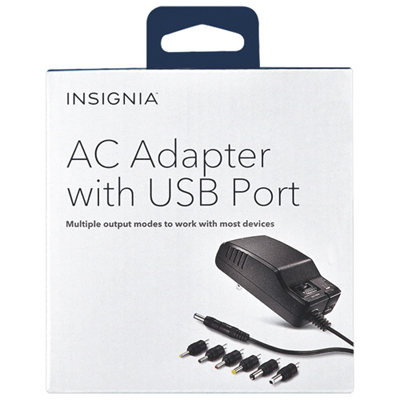
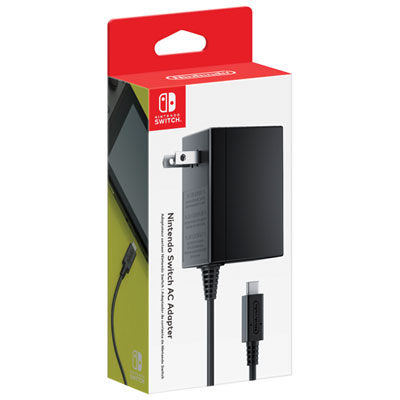
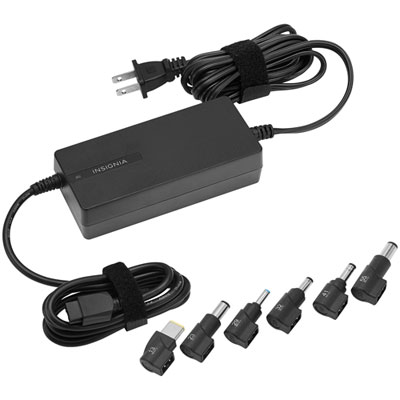
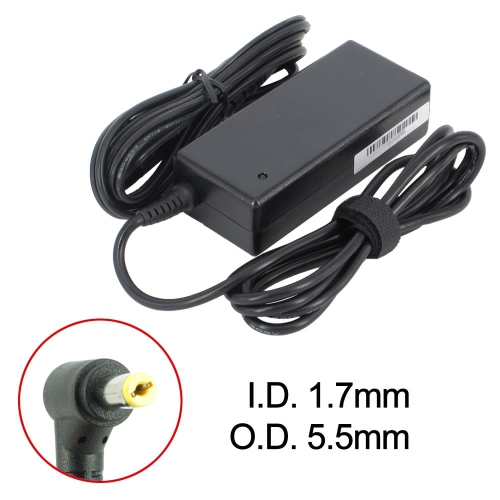
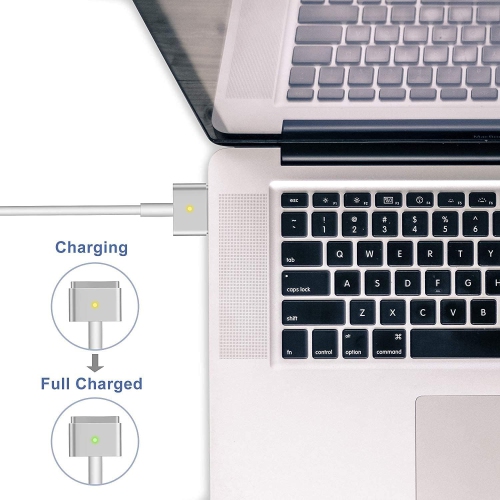
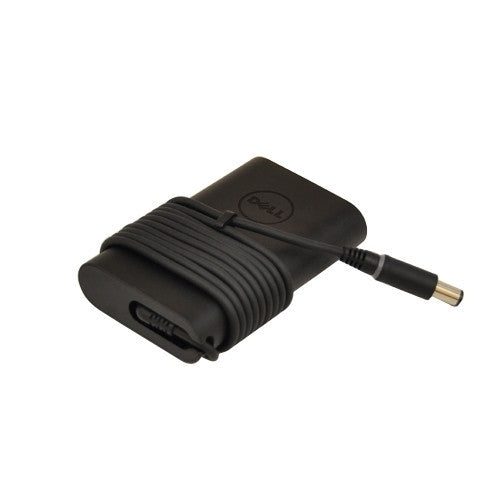
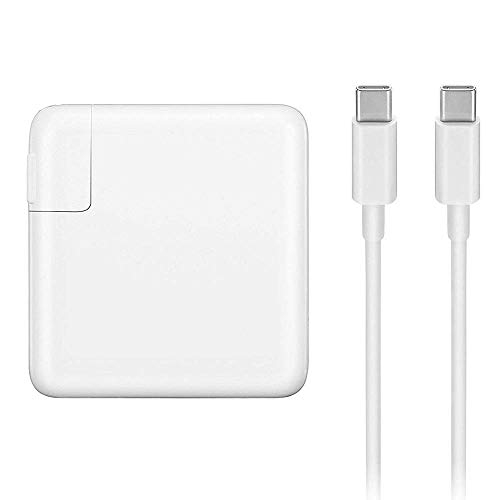
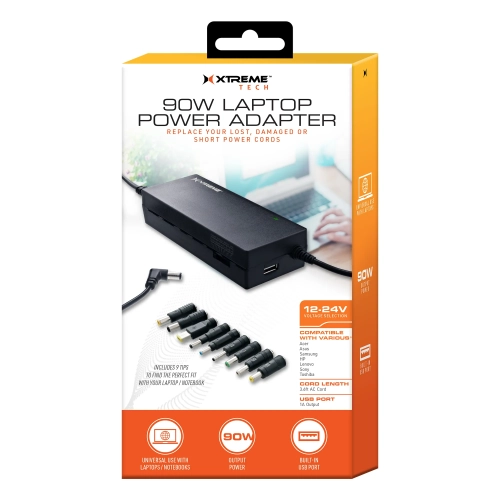
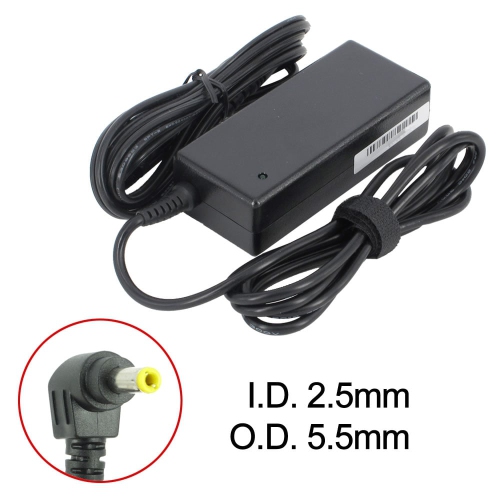
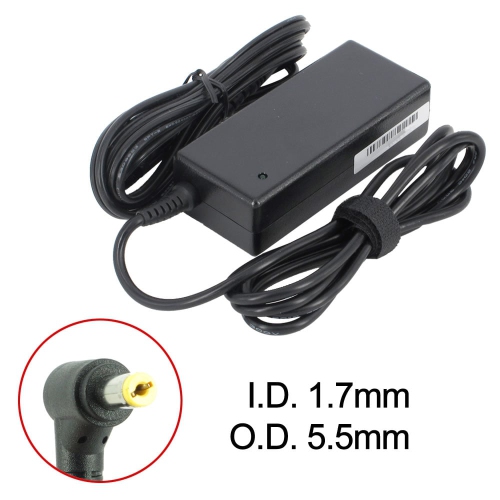
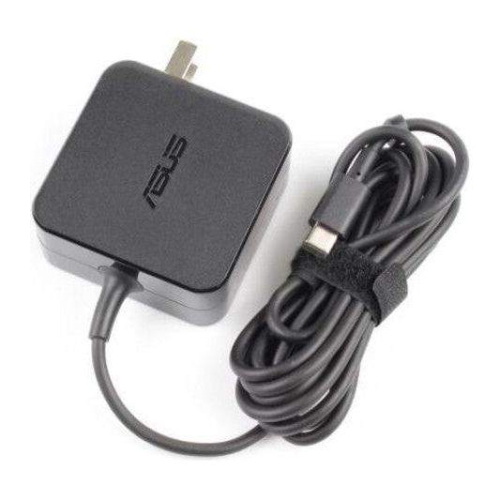
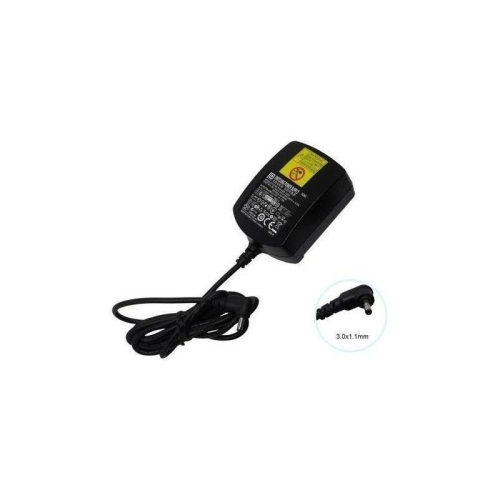
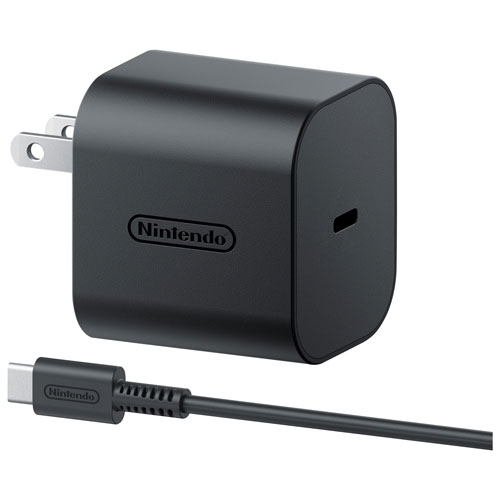
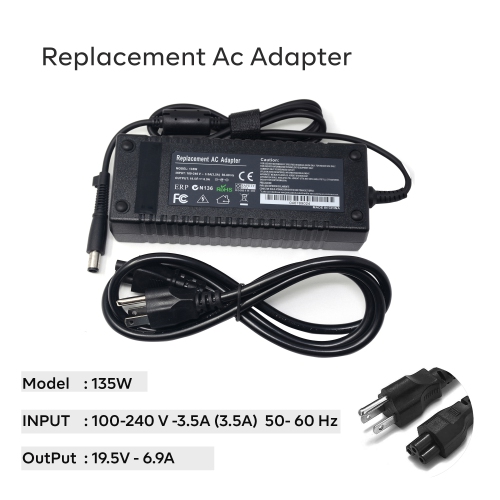
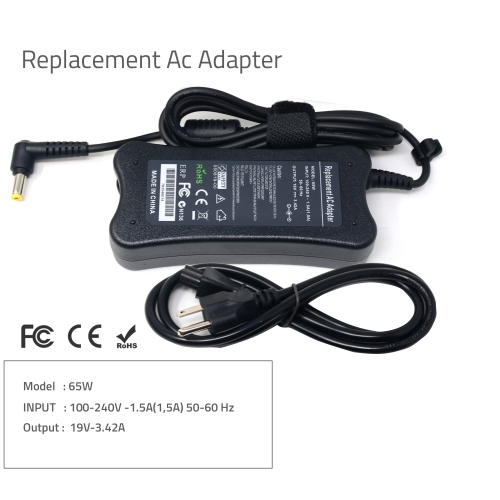
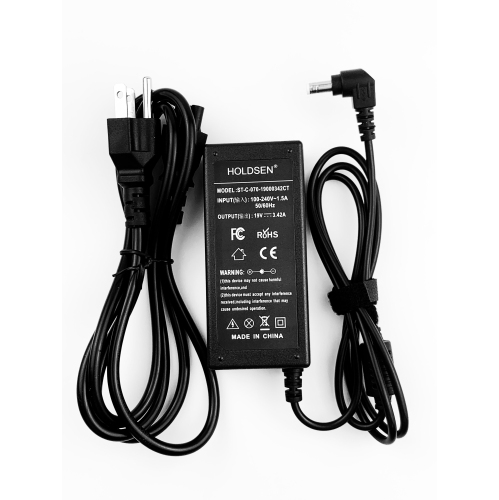
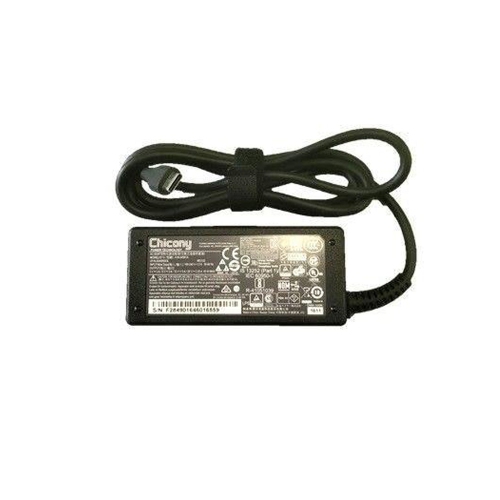
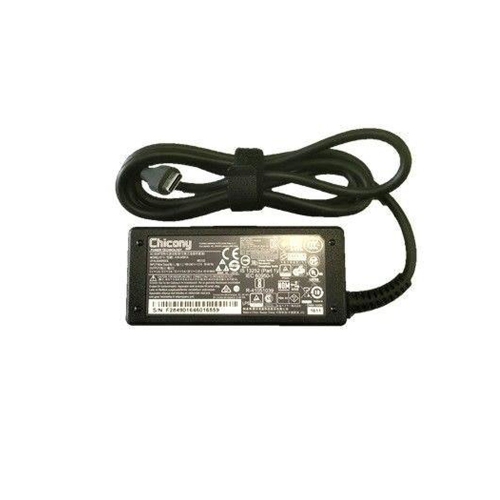
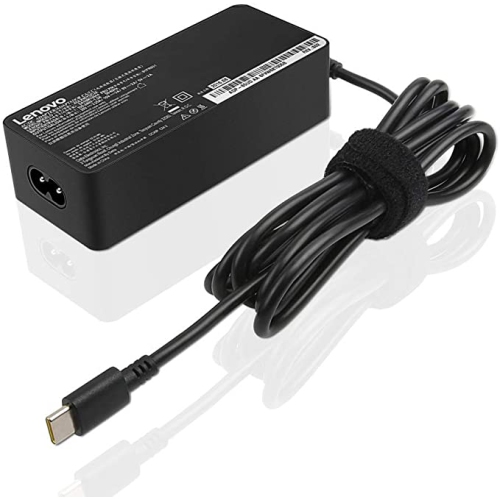
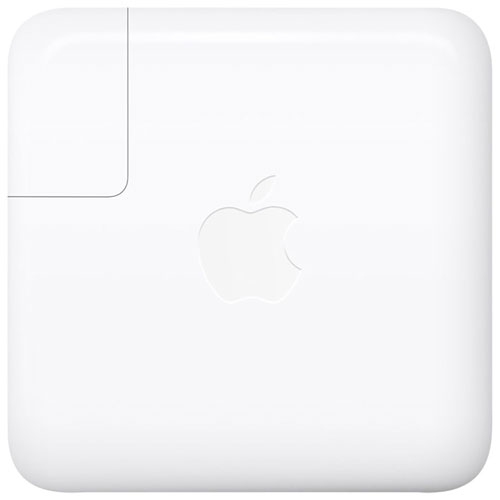
Electrical compatibility is the main distinction between a replacement that merely connects and one that is suitable for use. For a fixed-output adapter, the output voltage must match the voltage specified by the device manufacturer. A higher or lower voltage should not be treated as an acceptable substitute unless the manufacturer explicitly permits that range. Current capacity, shown in amperes or milliamperes, works differently: the adapter’s rated output current must equal or exceed the device’s requirement. A compatible device draws the current it needs, so a higher current capacity does not by itself mean the adapter will force extra current into it. Wattage expresses power, but a matching wattage alone does not establish compatibility because voltage, current, and other specifications still matter. For DC barrel connections, polarity must also match. The centre-positive or centre-negative symbol indicates how the connector’s inner and outer contacts are wired, and reversing that arrangement can damage equipment. Barrel plugs can look nearly identical while differing in outer diameter, inner diameter, or insertion length. A tip that feels loose, requires force, or only works when held at an angle is not a suitable fit. Some devices also use an identification contact or proprietary signalling, which means matching the basic electrical ratings and plug shape may still be insufficient. Manufacturer-confirmed compatibility is especially useful in those cases. For equipment designed to accept interchangeable tips, Universal AC Adapters can offer flexibility, provided the selected tip, output setting, and polarity meet the device’s requirements. “Universal” does not mean compatible with every device. USB-C power adapters require a different compatibility check: the device, adapter, and cable must support the necessary charging standard and power level. With USB Power Delivery, compatible equipment negotiates a supported power profile rather than relying on a manually selected barrel-adapter voltage. A USB-C connector alone does not guarantee sufficient power for a laptop or every charging feature supported by a device.
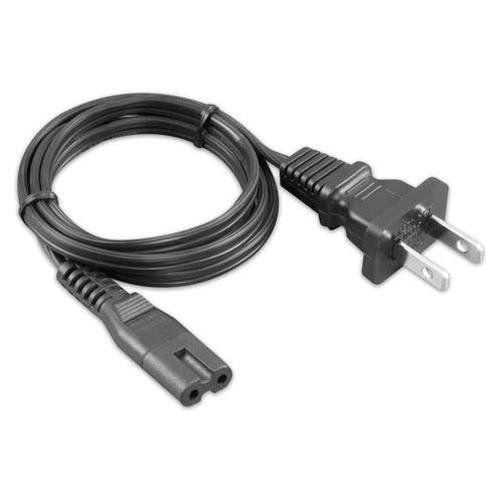
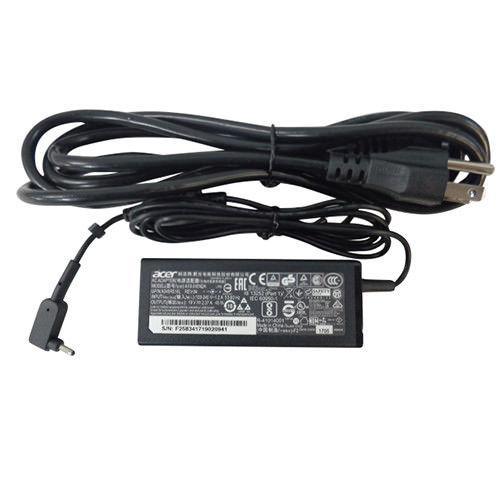
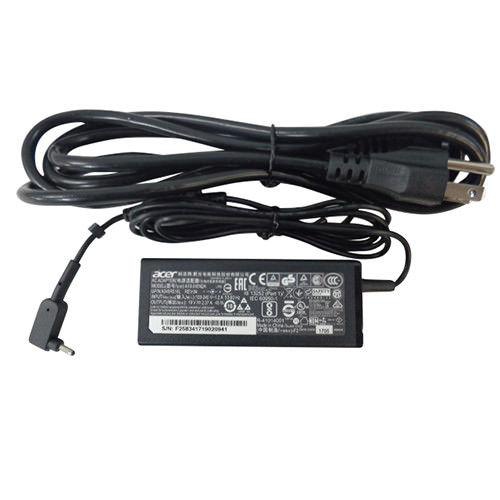
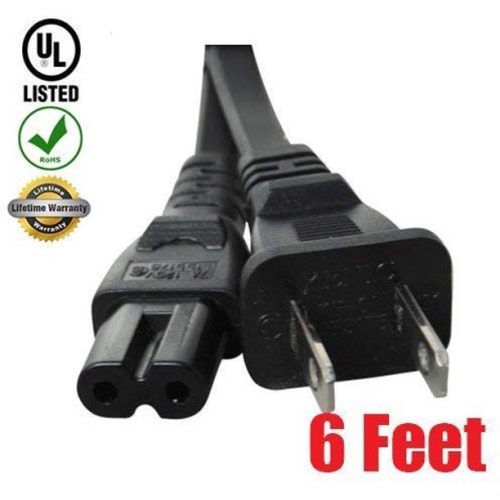
Build quality and cable design influence how well a replacement power adapter fits into daily routines. A sturdy housing protects the internal components, while cable insulation and strain relief help protect the cord where it enters the adapter and connector. These junctions receive repeated movement when a laptop is packed away, a desk is rearranged, or an adapter is unplugged behind a cabinet. An angled connector may reduce how far a cable projects from a device, while a straight connector may work better where the port is recessed; either style still needs the correct dimensions and electrical specifications. Detachable wall cords can make packing and routing easier, although their connector type and electrical rating must remain appropriate for the adapter. At a shared workspace, clearly identifying each adapter with its intended device helps prevent similar-looking power supplies from being mixed up. For travel, an input rating that includes the destination’s mains voltage and frequency is essential, and a plug-shape converter does not change voltage. For use in Canada, suitable electrical safety certification and compatibility with local outlets are important considerations alongside the device-specific requirements. Care is generally straightforward: cords should have enough slack to avoid constant tension, and tight bends around the power brick are best avoided. Pulling on the plug rather than the cable helps protect the connection. Adapters need the ventilation specified by their manufacturer and should not be buried beneath papers, bedding, or other coverings during use. Cleaning should follow the manufacturer’s directions with the adapter disconnected from power; liquids should be kept away from the housing and contacts. Frayed insulation, exposed wiring, cracked housings, scorch marks, or intermittent operation call for discontinuing use rather than attempting a makeshift repair. Whether the adapter stays beneath a home-office desk or travels between study spaces, a properly matched replacement supports a dependable setup without making connector fit, cable reach, or electrical compatibility an everyday concern.
Electrical compatibility is the main distinction between a replacement that merely connects and one that is suitable for use. For a fixed-output adapter, the output voltage must match the voltage specified by the device manufacturer. A higher or lower voltage should not be treated as an acceptable substitute unless the manufacturer explicitly permits that range. Current capacity, shown in amperes or milliamperes, works differently: the adapter’s rated output current must equal or exceed the device’s requirement. A compatible device draws the current it needs, so a higher current capacity does not by itself mean the adapter will force extra current into it. Wattage expresses power, but a matching wattage alone does not establish compatibility because voltage, current, and other specifications still matter. For DC barrel connections, polarity must also match. The centre-positive or centre-negative symbol indicates how the connector’s inner and outer contacts are wired, and reversing that arrangement can damage equipment. Barrel plugs can look nearly identical while differing in outer diameter, inner diameter, or insertion length. A tip that feels loose, requires force, or only works when held at an angle is not a suitable fit. Some devices also use an identification contact or proprietary signalling, which means matching the basic electrical ratings and plug shape may still be insufficient. Manufacturer-confirmed compatibility is especially useful in those cases. For equipment designed to accept interchangeable tips, Universal AC Adapters can offer flexibility, provided the selected tip, output setting, and polarity meet the device’s requirements. “Universal” does not mean compatible with every device. USB-C power adapters require a different compatibility check: the device, adapter, and cable must support the necessary charging standard and power level. With USB Power Delivery, compatible equipment negotiates a supported power profile rather than relying on a manually selected barrel-adapter voltage. A USB-C connector alone does not guarantee sufficient power for a laptop or every charging feature supported by a device.
Build quality and cable design influence how well a replacement power adapter fits into daily routines. A sturdy housing protects the internal components, while cable insulation and strain relief help protect the cord where it enters the adapter and connector. These junctions receive repeated movement when a laptop is packed away, a desk is rearranged, or an adapter is unplugged behind a cabinet. An angled connector may reduce how far a cable projects from a device, while a straight connector may work better where the port is recessed; either style still needs the correct dimensions and electrical specifications. Detachable wall cords can make packing and routing easier, although their connector type and electrical rating must remain appropriate for the adapter. At a shared workspace, clearly identifying each adapter with its intended device helps prevent similar-looking power supplies from being mixed up. For travel, an input rating that includes the destination’s mains voltage and frequency is essential, and a plug-shape converter does not change voltage. For use in Canada, suitable electrical safety certification and compatibility with local outlets are important considerations alongside the device-specific requirements. Care is generally straightforward: cords should have enough slack to avoid constant tension, and tight bends around the power brick are best avoided. Pulling on the plug rather than the cable helps protect the connection. Adapters need the ventilation specified by their manufacturer and should not be buried beneath papers, bedding, or other coverings during use. Cleaning should follow the manufacturer’s directions with the adapter disconnected from power; liquids should be kept away from the housing and contacts. Frayed insulation, exposed wiring, cracked housings, scorch marks, or intermittent operation call for discontinuing use rather than attempting a makeshift repair. Whether the adapter stays beneath a home-office desk or travels between study spaces, a properly matched replacement supports a dependable setup without making connector fit, cable reach, or electrical compatibility an everyday concern.
Top selling and popular products
-
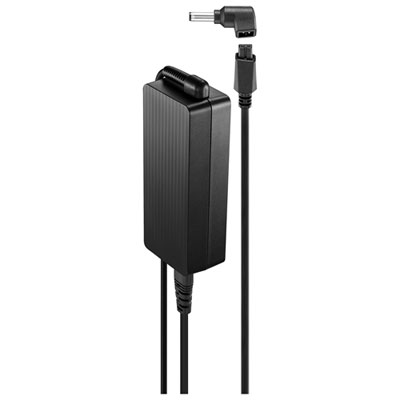 Your price for this item is $69.99
 -
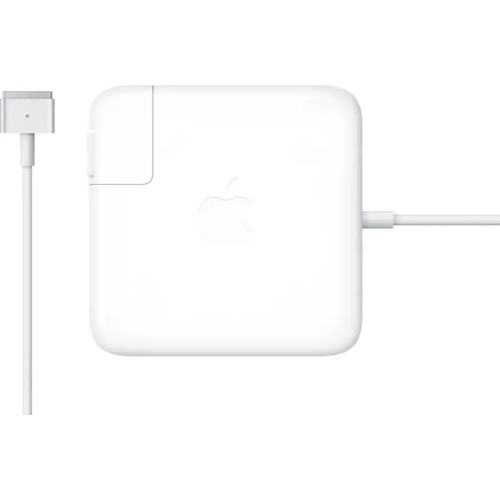 Your price for this item is $135.39
 -
 Your price for this item is $95
 -
 Your price for this item is $109.99
 -
 Your price for this item is $49.99
 -
 Your price for this item is $67
 -
 Your price for this item is $71
 -
 Your price for this item is $51.99
Discover more categories related to Replacement Ac Adapters
Top Collections:
Pokemon Centers, Kindle Devices, Best Budget Office Chairs, Apple iPhones 16, Best Laptops for Writers, iPhone 15 Apple, Canon G7X Cameras, Refurbished Apple Laptops, Alarm Clock, Motorola Razr Phones
Some products may be subject to Environmental Handling Fees
(EHF) depending on your province.
Learn more about EHFs.