Retro Gaming Handhelds
Step back in time to the golden age of gaming with our collection of retro gaming handhelds. Relive the nostalgia of classic video games right in the palm of your hand, with a modern twist for today's gamers. Whether you're a dedicated retro enthusiast or a newcomer looking to experience the magic of vintage gaming, these handheld consoles offer a compact and convenient way to enjoy timeless titles from yesteryear. Dive into a world of pixelated adventures, challenging puzzles, and iconic characters with our selection of retro gaming handhelds that bring the past into the present.
Sort
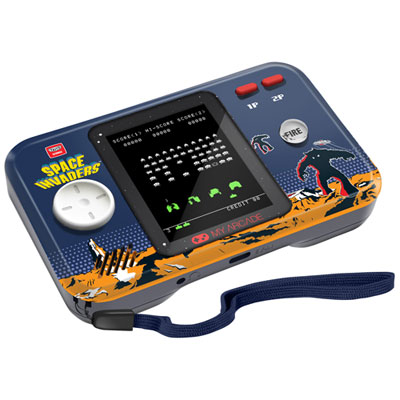
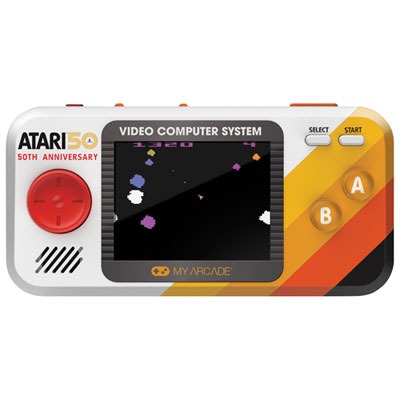
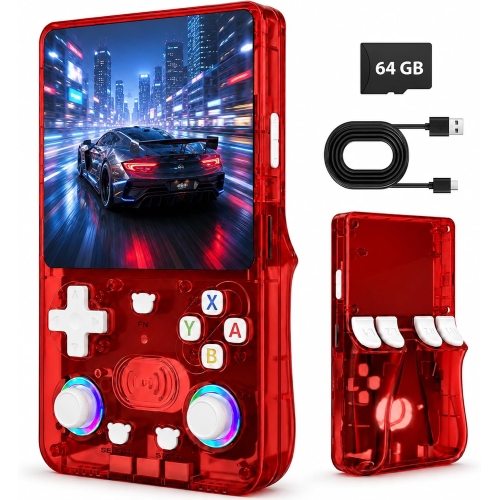
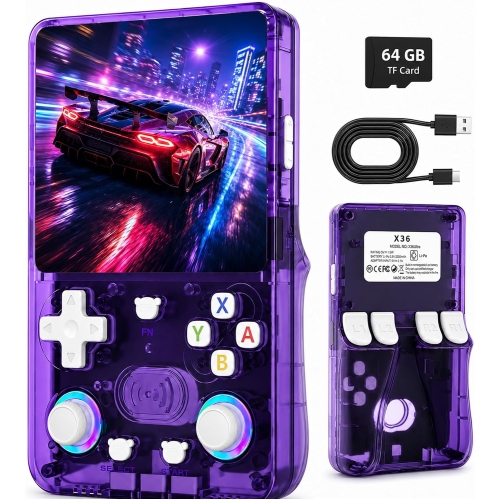
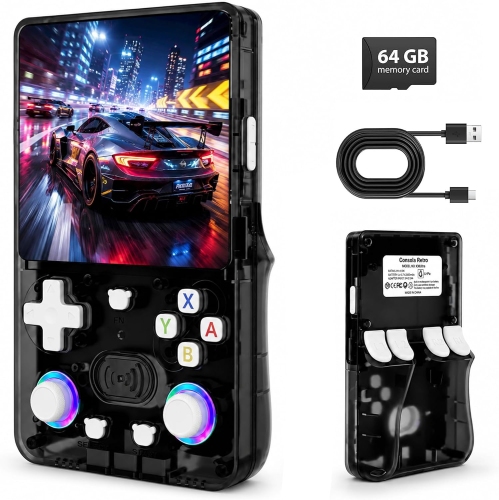

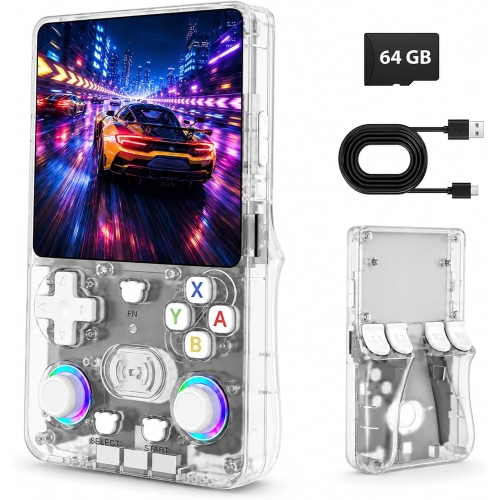
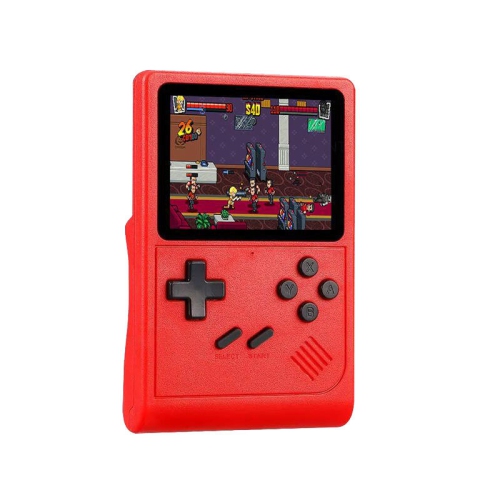


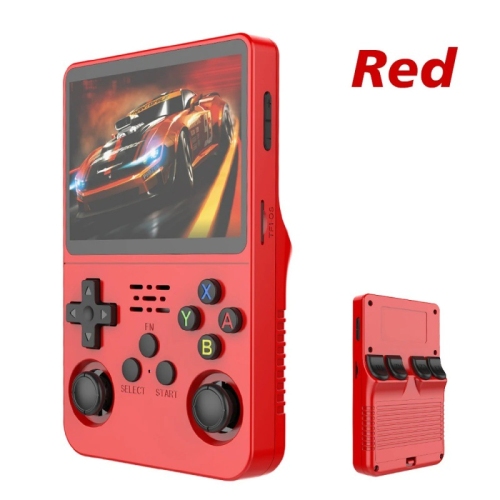




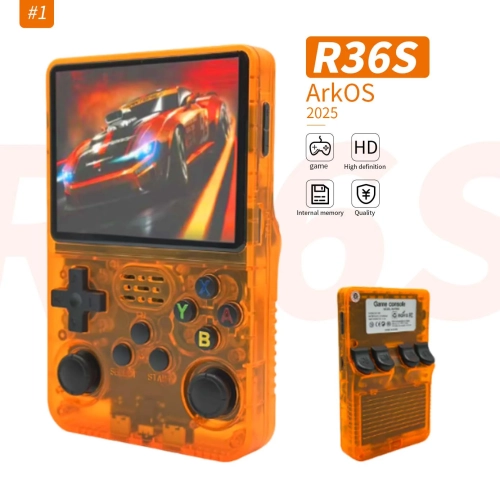

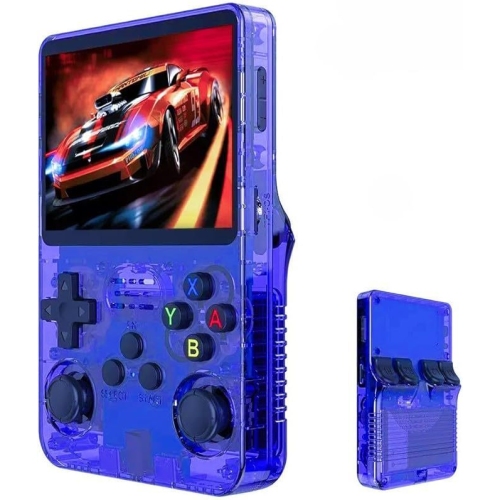
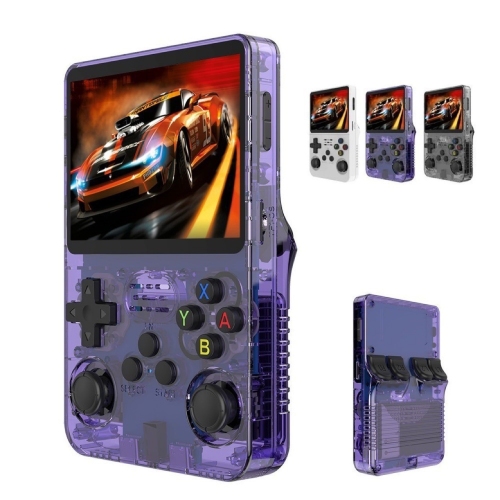
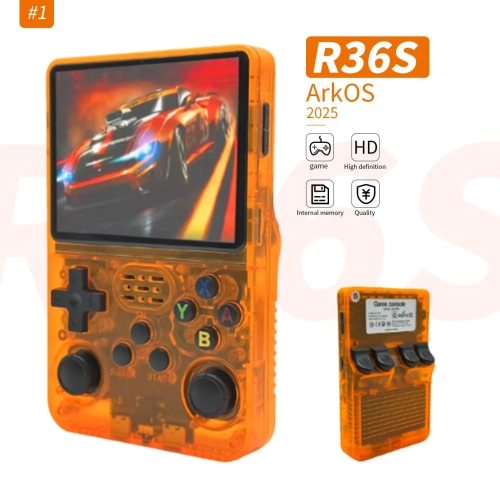


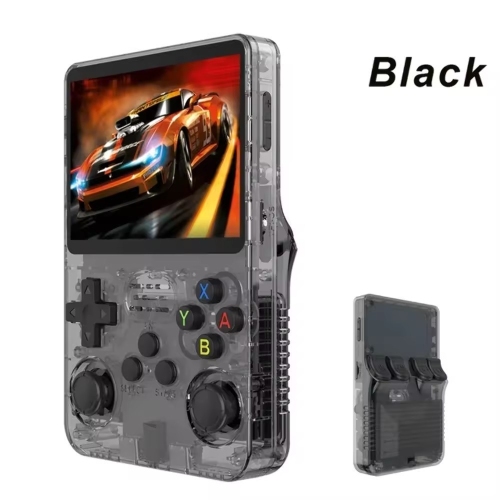

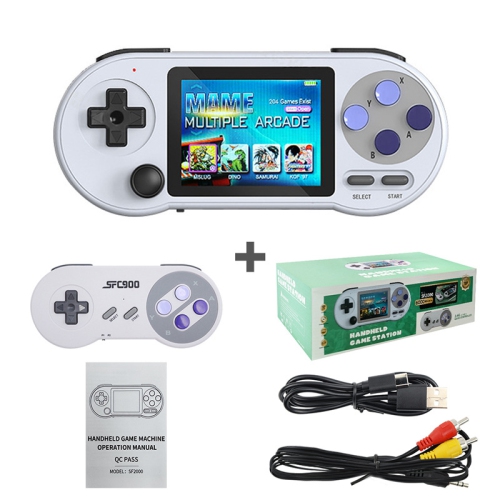

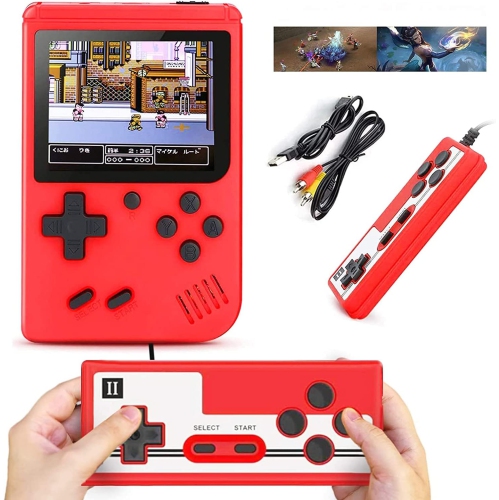
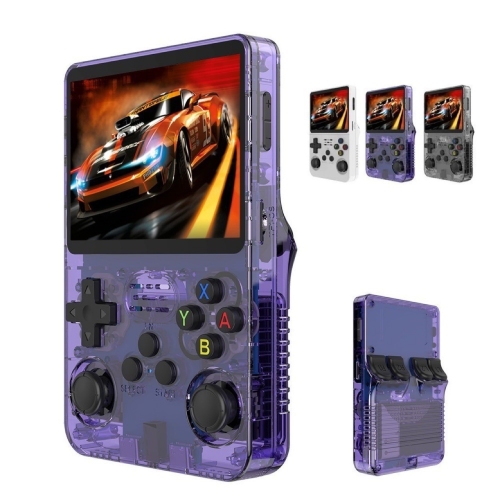
















Why game compatibility matters more than library size
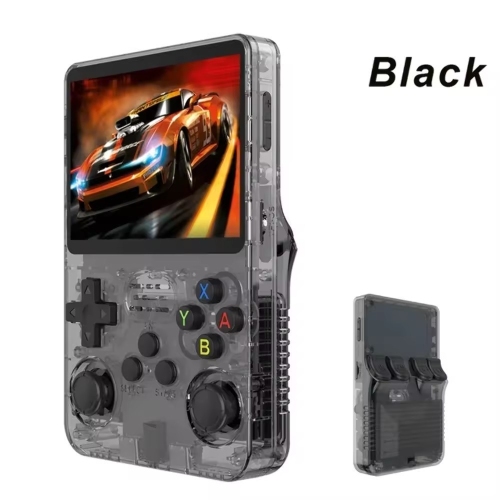
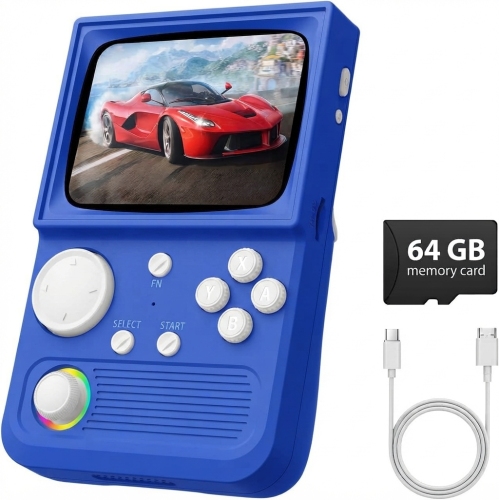
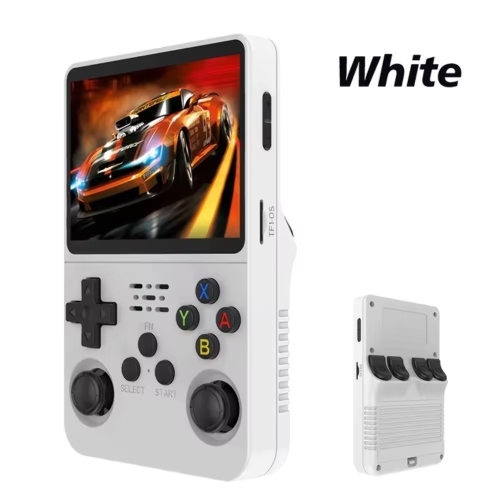
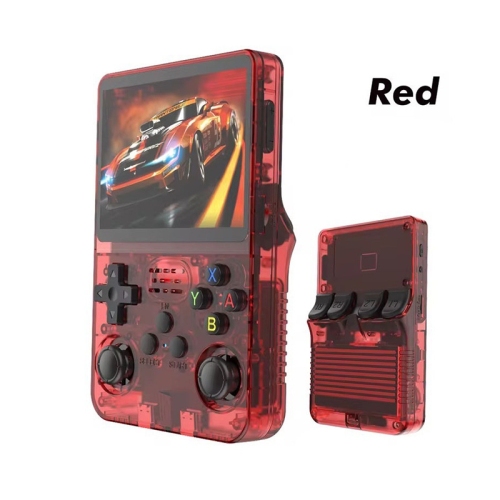
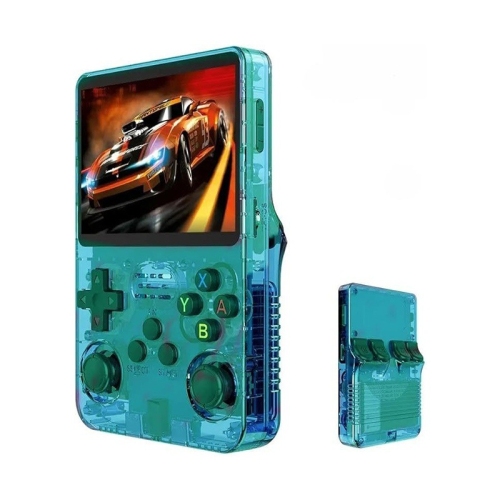
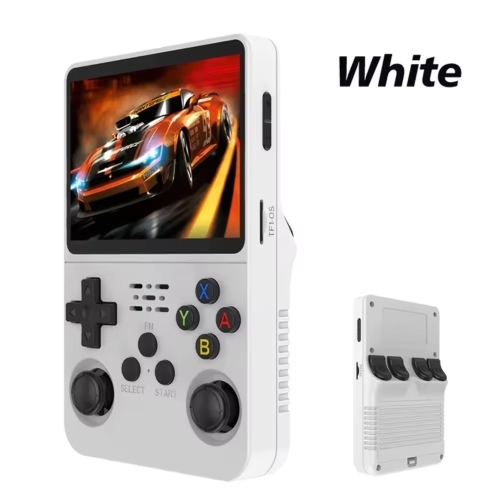
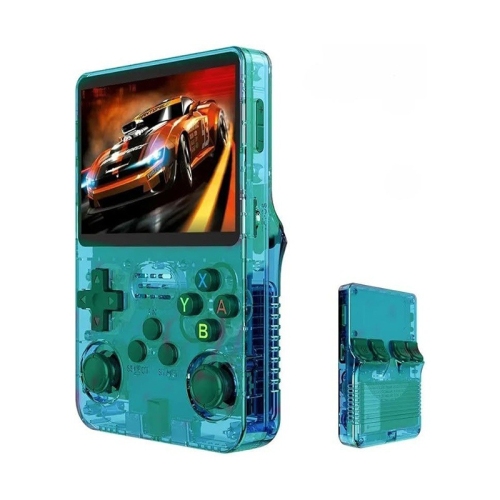
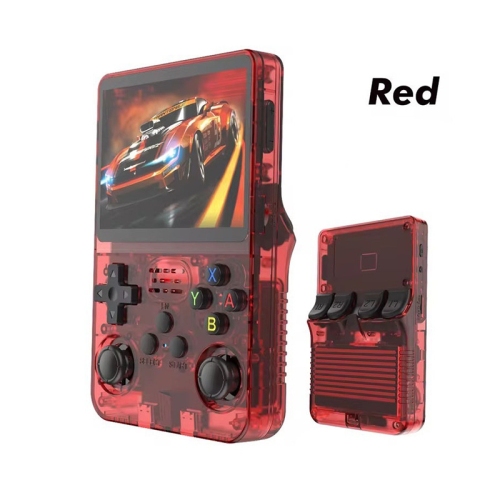
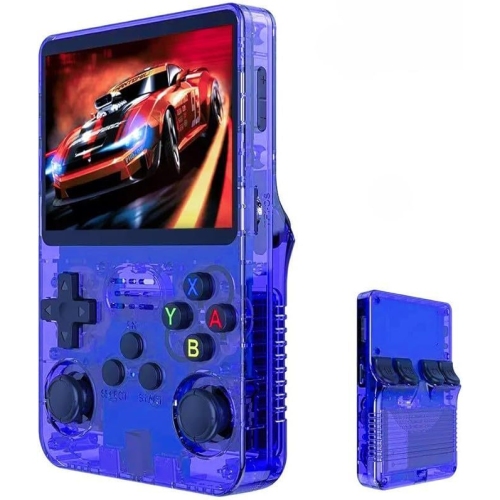
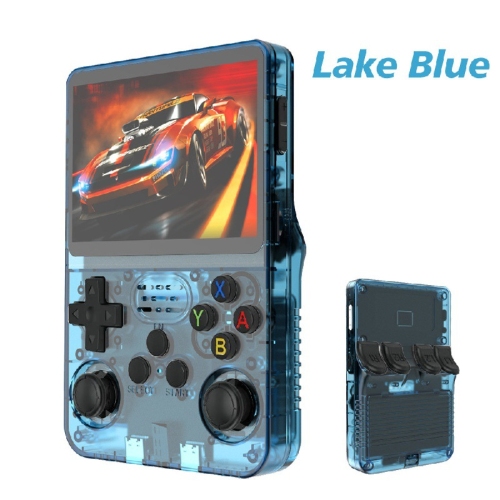
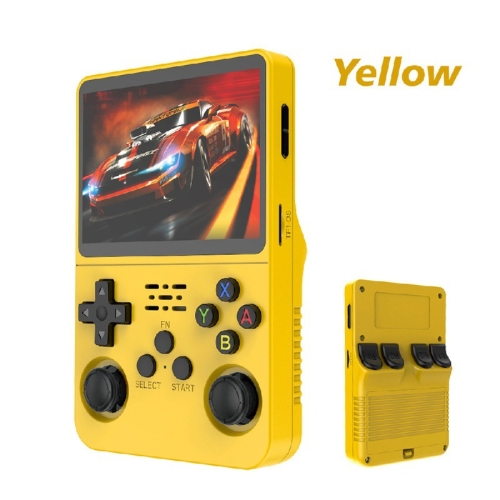
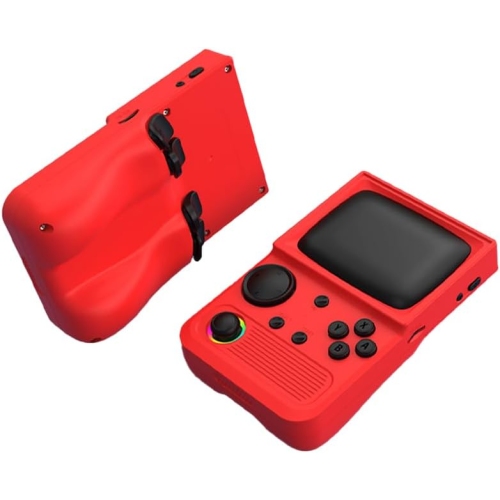
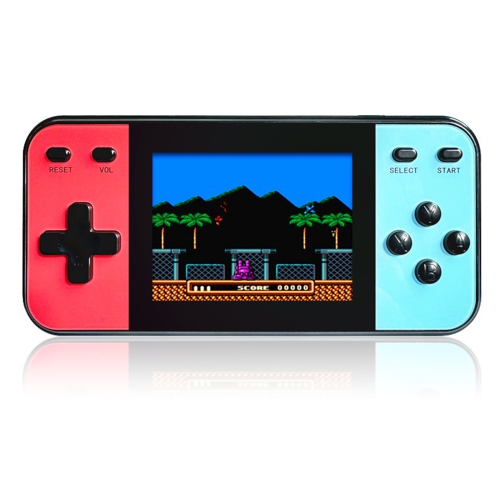
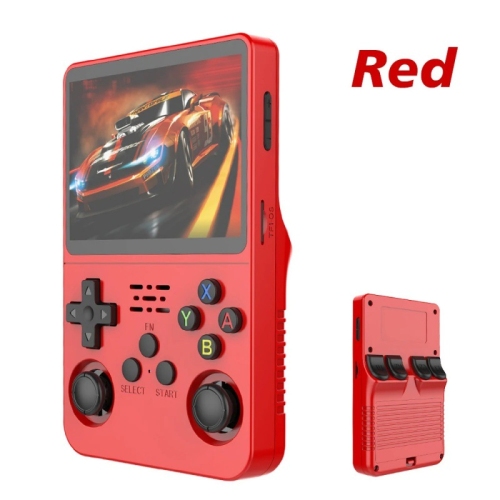
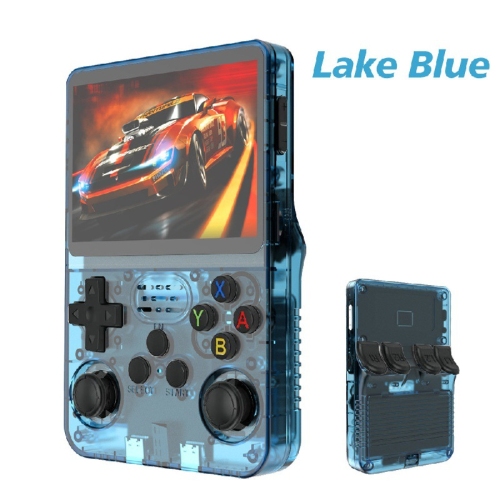
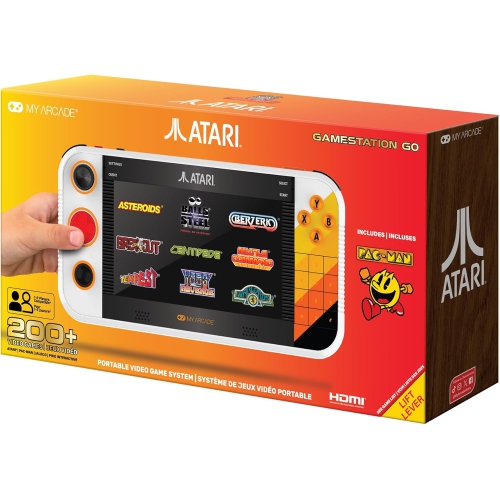
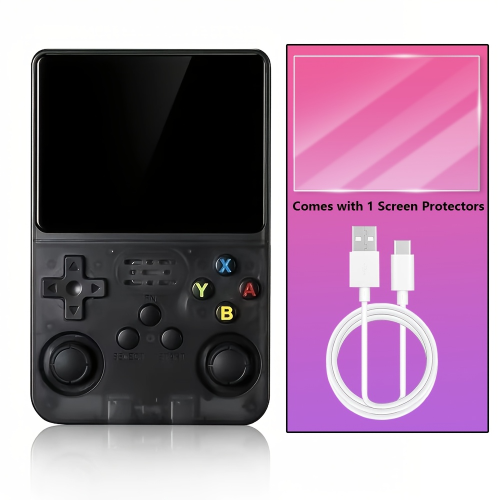
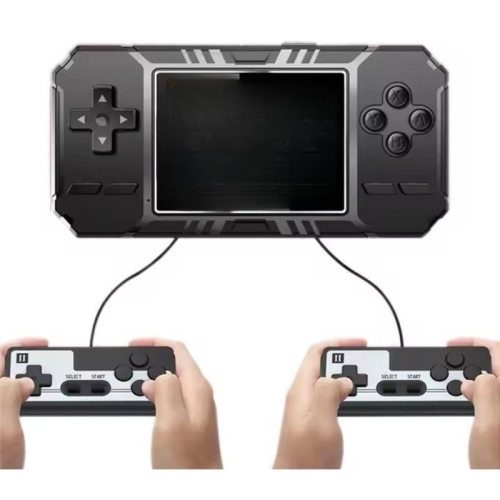
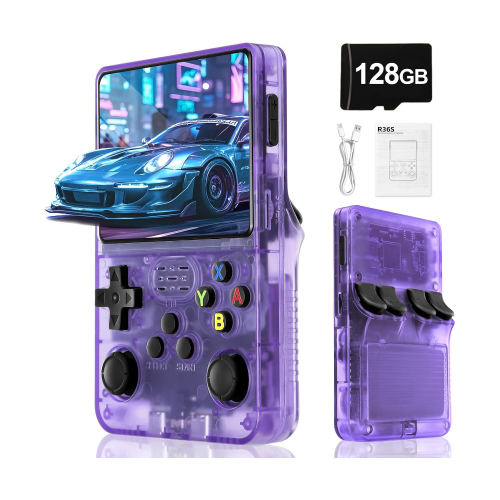
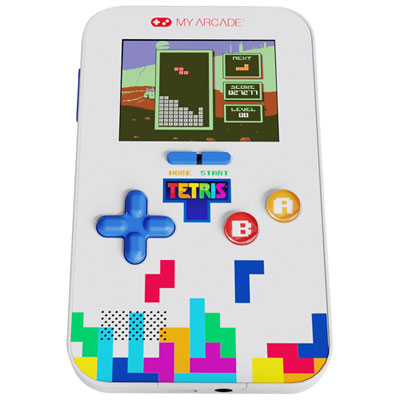
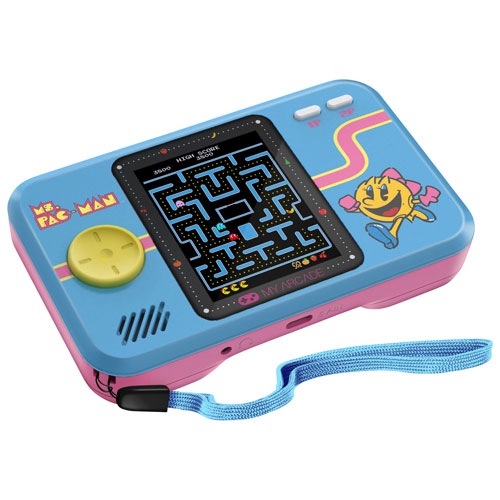
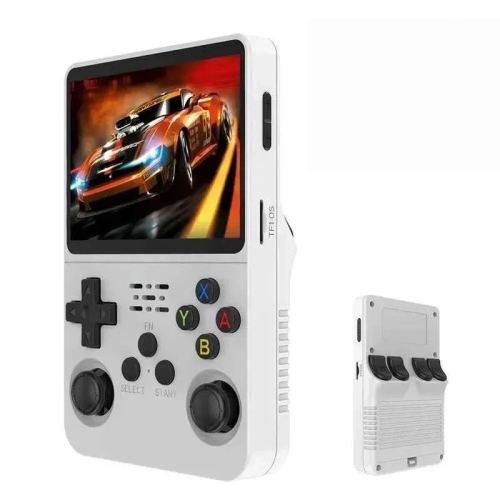
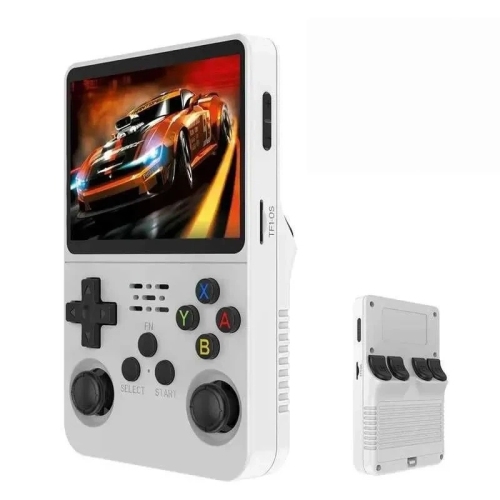
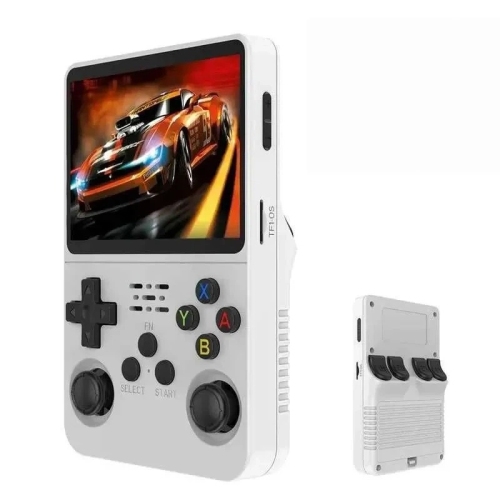
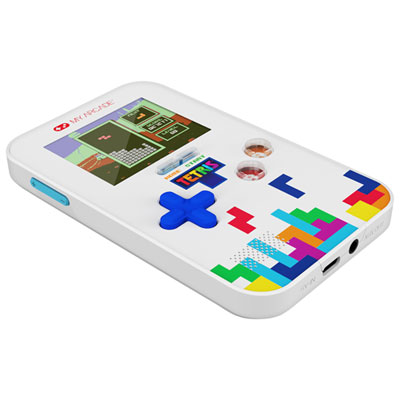
Retro gaming handhelds bring the feel of classic gaming into a portable format, pairing built-in controls with a screen designed for play away from a television. Their appeal ranges from quick arcade sessions and side-scrolling adventures to puzzle games, turn-based stories, and early three-dimensional favourites. For someone returning to games they grew up with, the draw might be a familiar directional pad and the rhythm of a well-timed jump. For a younger player, it might be discovering how much character fits into pixel artwork and a simple soundtrack. The category includes several distinct approaches to playing older games. Some handhelds come with a fixed library of licensed titles, some accept compatible physical cartridges, and others use software emulation to reproduce the behaviour of older gaming hardware. These approaches are not interchangeable: cartridge support depends on the device and cartridge format, while emulation performance depends on the processor, software, and individual game. A handheld that runs two-dimensional games smoothly may not deliver the same results with more demanding three-dimensional titles. Compatibility with the games and systems a person actually wants to play matters more than a large advertised game count. Included titles, supported formats, and any setup requirements are worth checking separately, since support for a system does not necessarily mean its games are included. Game files should come from authorized sources and be used in accordance with applicable licences and laws. Some devices are ready for straightforward play, while others suit hobbyists who enjoy organizing libraries, adjusting controls, and fine-tuning display settings. Handhelds complement the shared-screen experience associated with Retro Gaming Consoles, offering a personal screen for a train journey, a break between activities, or a favourite chair at home. The most suitable format depends on whether the intended experience centres on short bursts of familiar gameplay, longer adventures, or exploring a collection of classic titles.
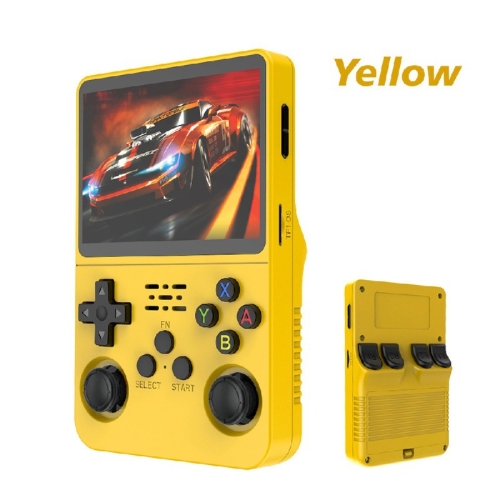
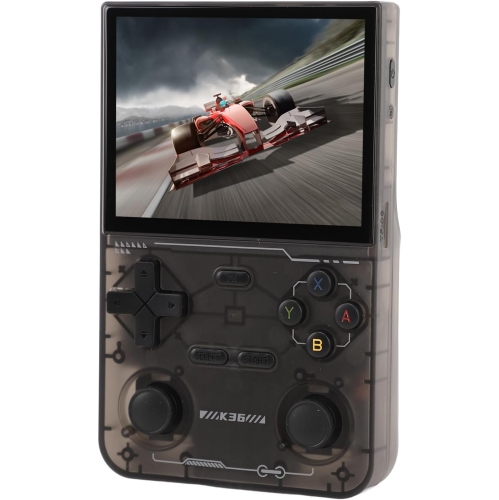
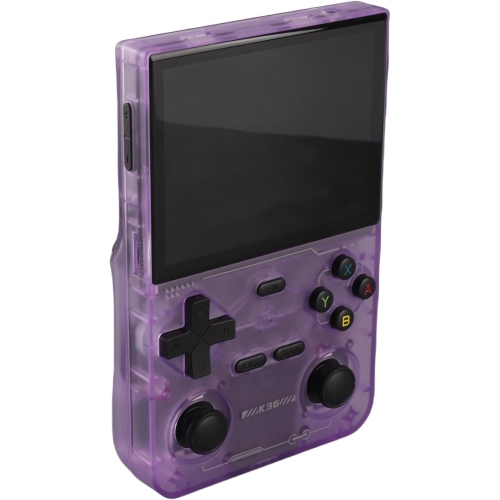
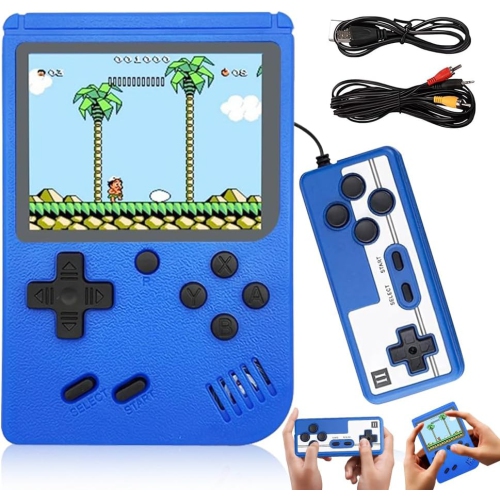
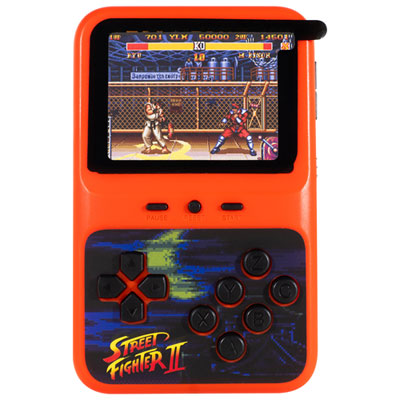
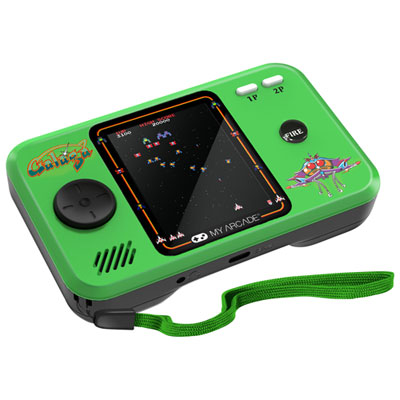
The shape of a retro handheld makes a noticeable difference to how it feels after the first few minutes. Horizontal designs place the controls on either side of the screen and can offer a relaxed grip, particularly when the body has shaped handles. Vertical designs put the display above the controls, recalling the layout of many early portable games machines while keeping the overall footprint narrow. Clamshell designs fold shut to help protect the screen during transport, although the hinge remains a moving part that needs careful handling. Small dimensions make a device easier to carry, but a very compact body can feel cramped in larger hands. Button spacing, shoulder-button placement, weight, and the distance a thumb travels to the directional pad all influence comfort. For platformers and fighting games, distinct directional inputs and responsive face buttons can matter more than having extra controls. Analogue sticks become more relevant for games originally designed around analogue movement or camera control. Screen proportions also shape the experience. A 4:3 display closely matches the intended presentation of many older television-based games, while other classic portable systems used different proportions, including 3:2. A widescreen display can accommodate a broader range of content, but older games may show borders when their original proportions are preserved. Stretching an image fills the screen at the expense of changing the shape of characters and scenery. Resolution, brightness adjustment, viewing angles, and scaling options affect how clearly small text and pixel artwork appear. Integer scaling, where supported, enlarges each original pixel by a whole-number multiple for more consistent pixel edges, sometimes leaving unused space around the image. A larger screen can make dialogue easier to read, though it also increases the size of the handheld. Built-in speakers suit casual play, while a supported headphone connection offers a more private listening option; wired and wireless audio support vary by device. Together, these details determine whether a handheld feels like a comfortable daily companion or something better suited to occasional play.
Materials, battery performance, and everyday care are just as relevant as the game library. Plastic housings generally keep weight down, while metal housings can feel more substantial but may add noticeable heft during longer sessions. Neither material alone establishes durability: secure controls, sound assembly, and a well-supported charging port also matter. A fitted carrying case helps protect the screen and keeps buttons from being pressed against loose objects inside a bag. Screen protectors need to match the display dimensions and, on folding designs, leave enough clearance for the lid to close properly. Routine cleaning is usually simple: power the device off, use a soft lint-free cloth, and follow the manufacturer's directions for any cleaning solution. Moisture should stay away from ports, speakers, and cartridge or memory-card slots. Battery-life estimates depend on brightness, speaker volume, wireless features, and how demanding the game is, so light two-dimensional play may last longer than intensive emulation on the same device. Charging connectors and power requirements also vary; a connector that fits does not automatically establish that every charger or cable is appropriate. Storage deserves similar attention. Built-in capacity, memory-card support, and supported card formats determine how a library can be stored, while save files may require their own backup process. Features such as sleep mode, save states, and button remapping can make play more convenient when supported. A save state captures a point in play through the device's software, rather than through the game's original save system, and its compatibility can depend on software versions. Video output, external controller support, and Wi-Fi are optional features rather than category-wide standards. For a gift recipient, familiar controls, readable text, suitable game content, and a manageable setup process often make more difference than a long specification list. A collector may value cartridge compatibility, a frequent traveller may prefer a protected pocketable design, and a player who enjoys lengthy role-playing games may appreciate a larger screen and comfortable grip. Matching those everyday habits to the handheld's capabilities helps keep the focus where it belongs: on enjoyable games that are easy to return to.
Top selling and popular products
-
 Your price for this item is $649.99
-
 Your price for this item is $649.99
-
 Your price for this item is $41.95
-
 Your price for this item is $54.99
-
 Your price for this item is $34.99
-
 Your price for this item is $24.97
-
 Your price for this item is $699.99
-
 Your price for this item is $39.99
Discover more categories related to Retro Gaming Handhelds


Top Collections:
Pokemon Centers, Best Cameras for Sports Photography, Kindle Devices, Samsung Galaxy Phones, Canon G7X Cameras, Pokémon 30th Celebration Cards, Refurbished Apple Laptops, iPhone 15 Apple, Laptops for Students, Budget Smartphones
Some products may be subject to Environmental Handling Fees
(EHF) depending on your province.
Learn more about EHFs.