Small Gaming Headsets
Small Gaming Headset options offer an ideal solution for gamers seeking comfort and convenience without sacrificing audio quality. Perfect for on-the-go sessions or compact gaming setups, these headsets are designed to fit easily while delivering immersive sound experiences. Whether you're playing at home or connecting with friends online, a Small Gaming Headset ensures you stay focused and comfortable throughout your gaming adventures. Explore the available selections to find the right fit for your style and setup.
Sort

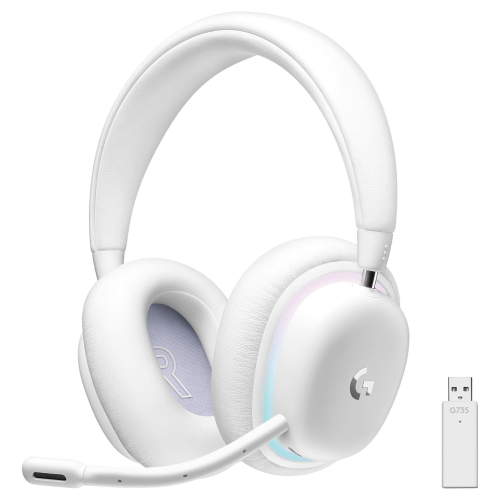
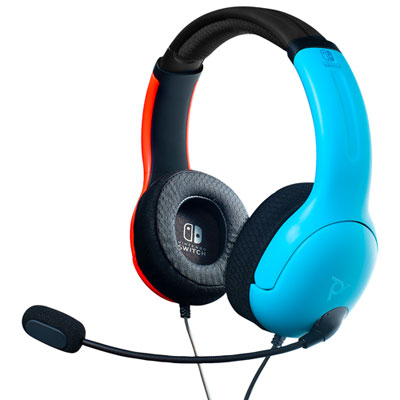
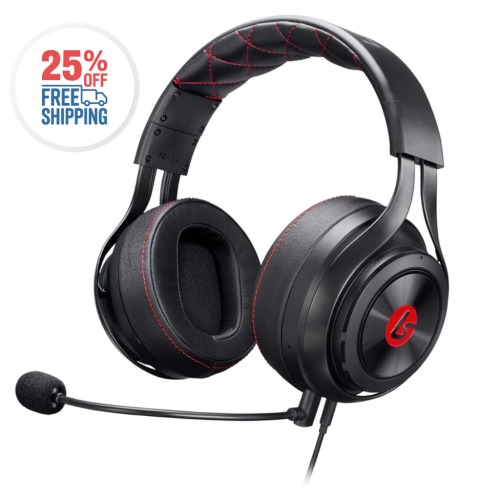

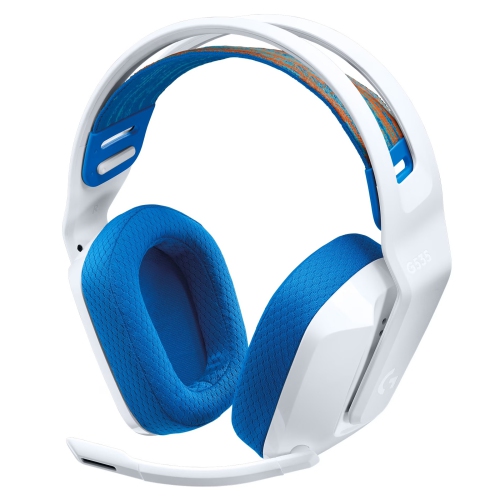
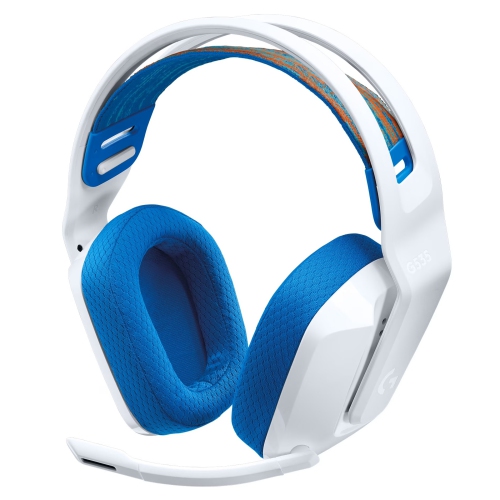
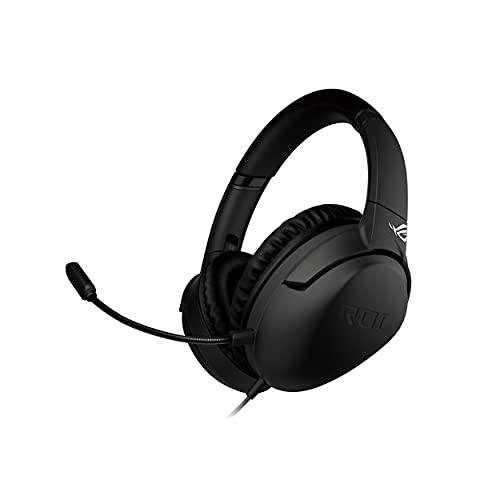
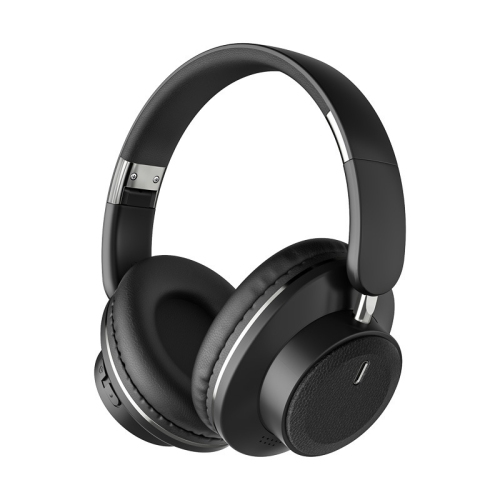
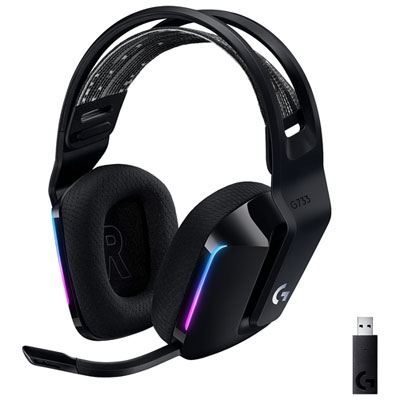
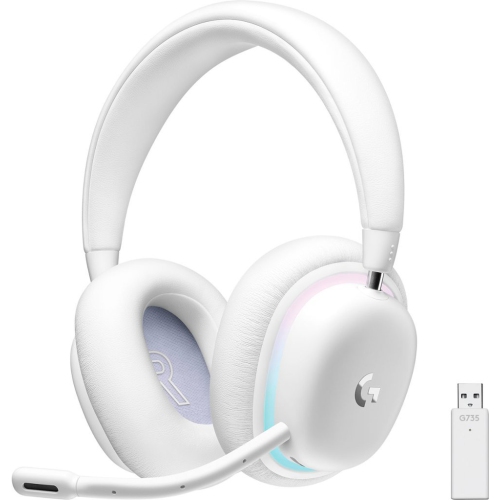
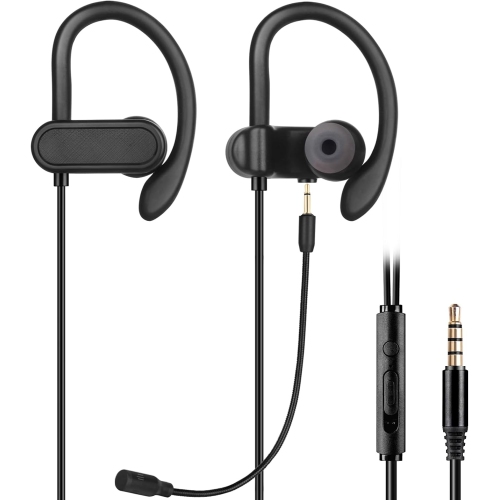
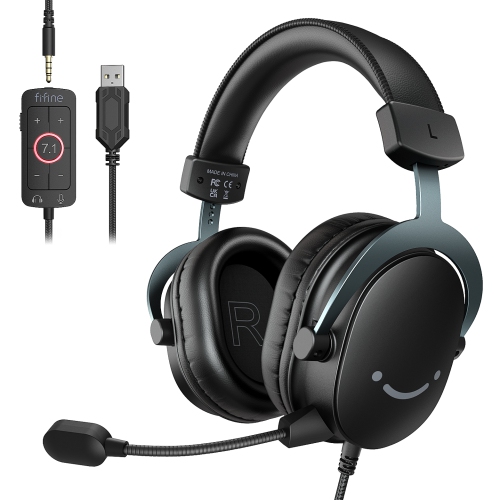

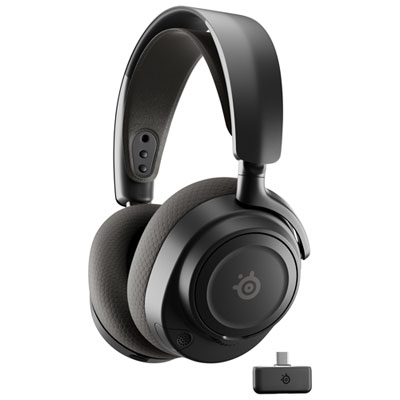
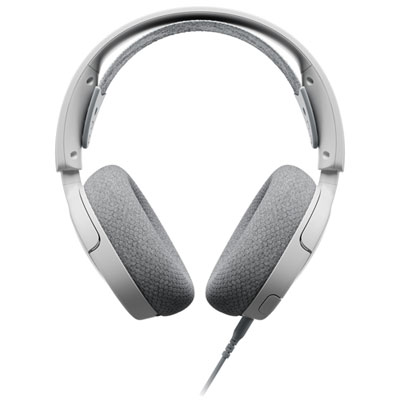
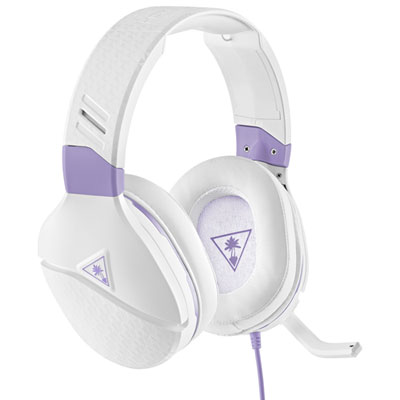

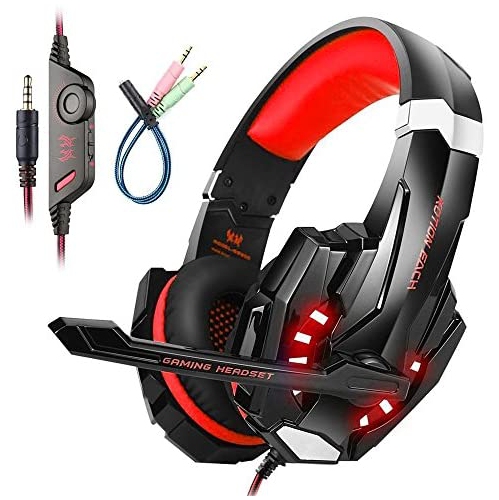
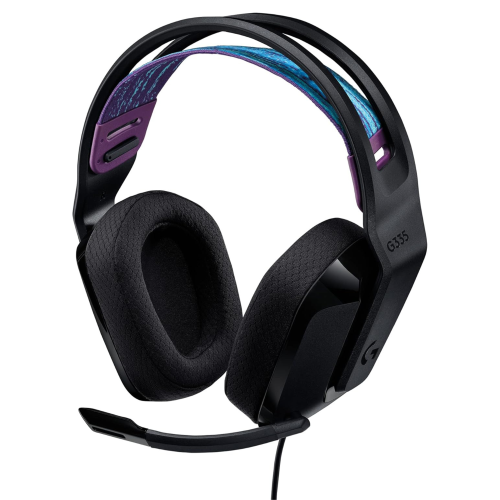
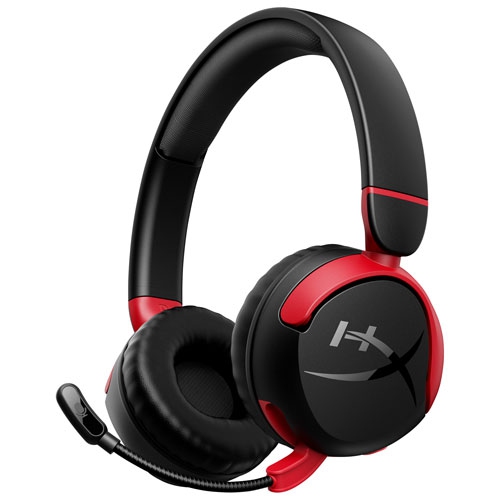
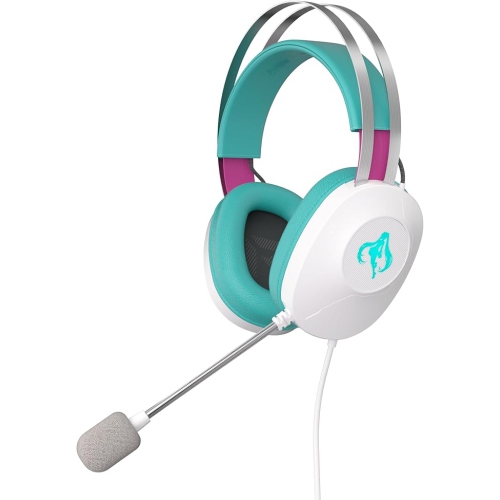

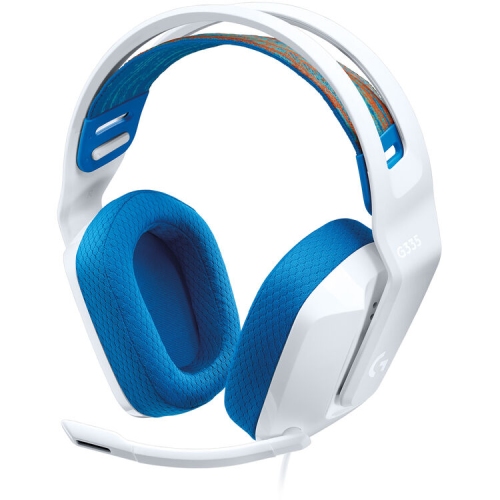
Why a compact headset isn’t always a snug fit
Small gaming headsets can suit players who need a shorter headband, others who prefer less bulk around their ears, and anyone looking for a headset that packs easily with a handheld console. Those needs can overlap, but a compact headset isn’t necessarily light, and a light headset can still sit too low on a smaller head. For a snug fit, the shortest headband setting matters more than how far the band extends. At that setting, the ear cups should line up with the ears without the headband pressing hard against the crown. A little room to extend the band is useful when a headset is shared. On an over-ear design, the opening inside each cushion matters as much as the size of the cup itself. A shallow cup can press against the outer ear even when the opening looks wide enough, while an on-ear design takes up less space but rests directly on the ear. Swivelling cups can sit more evenly along the jaw, and a suspension strap can spread pressure across the top of the head, provided it adjusts short enough. Clamping force is the grip the cups put on either side of the head. Too little grip and the headset may slide forward when a player looks down at a controller. Too much and the cushions can press the arms of glasses into the temples. For glasses wearers, trying the fit with frames on tells more than squeezing the pads by hand. Players most concerned with how much weight they feel over a long session can compare Lightweight Gaming Headsets as well. The weight listed in grams is a useful comparison, but where that weight rests and how well the headset fits can make two similarly light designs feel quite different.
The connection makes a difference in day-to-day use, especially if a headset moves between a desktop, a console and a handheld. A wired headset with a 3.5 mm plug can connect directly to compatible controllers and handhelds without needing to be paired or charged. Audio and microphone support still depend on the jack. A desktop with separate headphone and microphone ports may need a splitter for a headset with a single combined plug. At a desk, a longer cord can reach a computer tucked underneath without tugging when the player leans back. With a controller or handheld, a shorter cable leaves less slack to catch on a chair arm. A wireless headset with a compatible USB receiver can offer low-latency audio without a cord across the player’s lap, but the receiver needs a port the system supports for audio. Bluetooth can be convenient for a handheld or phone, though support varies by console and microphone use can affect audio quality. Anyone sensitive to the gap between an action on screen and its sound should consider that trade-off, particularly for rhythm games. Voice chat also has its own fit considerations. A flexible boom that reaches just to the side of the mouth can pick up speech without sitting directly in the path of every breath. A mute control that’s easy to find by touch helps when someone walks into the room mid-match. If voice chat is less common, a folding or detachable boom can make the headset easier to pack. For players whose main concern is pressure from a band, in-ear gaming designs avoid headband sizing altogether, but ear-tip fit, microphone placement and connection support still matter. A shorter headband with well-positioned cups may be the better fit for someone who prefers not to wear anything inside the ears.
Materials shape how a small gaming headset feels after several rounds and how well it holds up to being moved from a desk to a backpack. Cloth cushions tend to feel more breathable against the skin, while smooth synthetic leather is often easier to wipe clean. The foam underneath should have enough give to settle around glasses without compressing so far that the ear touches the inside of the cup. A compact plastic frame can keep weight down, while metal reinforcement at an adjustment point may add stiffness. Either way, hinges and sliders are worth a look: a design that folds neatly for travel still needs joints that move smoothly and hold their position when worn. Replaceable cushions or a detachable cable can help keep a headset in use when a part wears out. Routine care can be simple. Wipe down the headband and pads with a soft cloth as directed, avoid getting moisture into the microphone or speaker openings, and let the cushions dry before putting the headset away. Coil a detachable cable loosely rather than winding it tightly around the cups, and tuck the headset where books or a laptop won’t put pressure on the boom. As a gift, a compact model can make sense for a younger player whose headset always slips, an adult who wears glasses and finds bulky cups uncomfortable, or someone who likes to bring a handheld along on trips. For younger players, a volume-limiting feature can help manage listening levels, but it doesn’t replace sensible volume settings and listening breaks. If the headset is a gift, knowing which system the recipient uses and what bothers them about their present fit is more useful than guessing from age alone. Cups that hang low call for a shorter adjustment range, while sore spots at the temples point to the grip and cushioning. Those details help match the headset to the person who’ll wear it.
Top selling and popular products
-
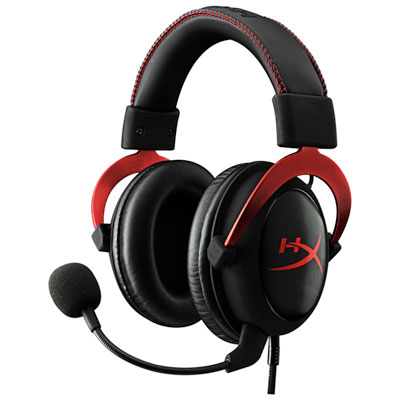 Your price for this item is $119.99
-
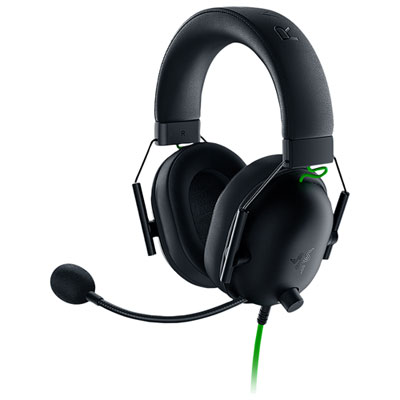 Your price for this item is $54.99
-
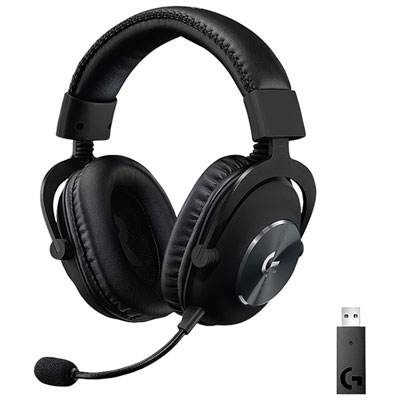 Your price for this item is $229.99
-
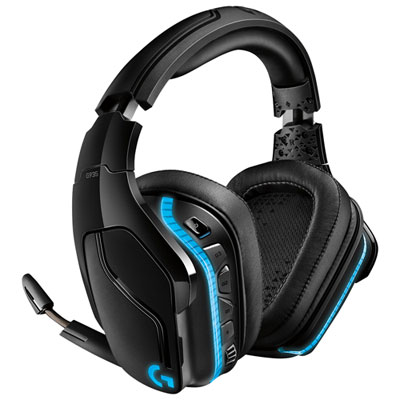 Your price for this item is $179.95
-
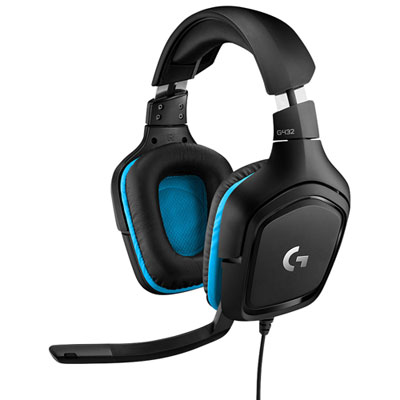 Your price for this item is $69.99
-
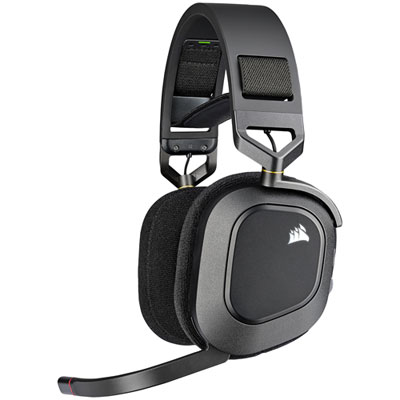 Your price for this item is $224.99
-
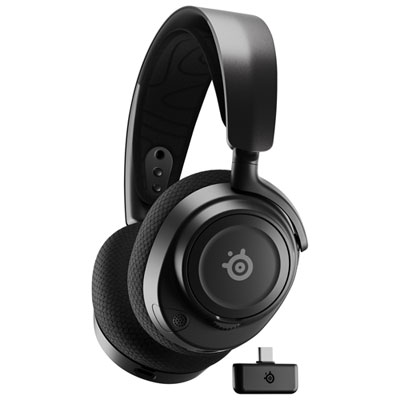 Your price for this item is $249.95
-
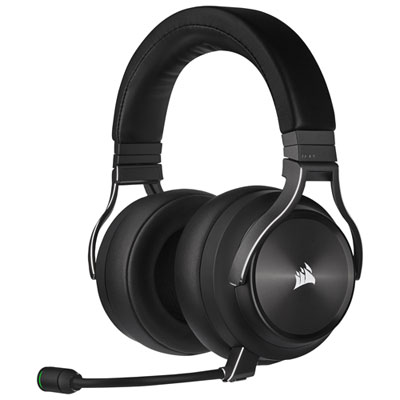 Your price for this item is $399.99
Discover more categories related to Small Gaming Headsets


Top Collections:
Best Black Friday Deals This Year, Best Black Friday Deals On Electronics, Kindle Devices, Pokemon Centers, Best Black Friday Deals On Apple Products, Best Cameras for Sports Photography, Dyson Airwrap, Pokémon 30th Celebration Cards, Apple iPhone 17 Pro, Canon G7X Cameras
Some products may be subject to Environmental Handling Fees
(EHF) depending on your province.
Learn more about EHFs.