VR Stands
Looking to enhance your virtual reality experience and keep your VR headset organized when not in use? Explore our selection of VR stands designed to provide a convenient storage solution while also showcasing your headset in style. Whether you're a gaming enthusiast or a tech-savvy individual, these VR stands offer a sleek and practical way to store your device, ensuring easy access whenever you're ready to dive into the immersive world of virtual reality. Discover the perfect VR stand that suits your needs and complements your gaming setup effortlessly.
Sort


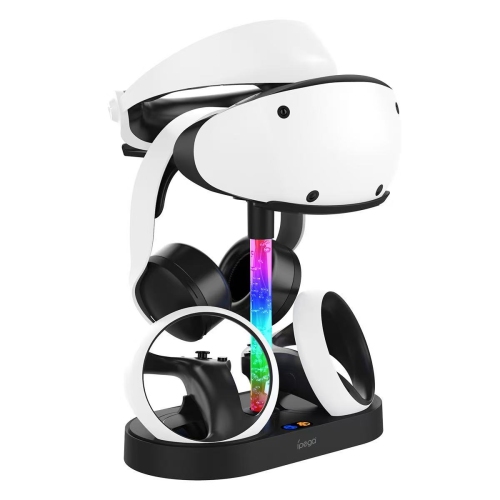
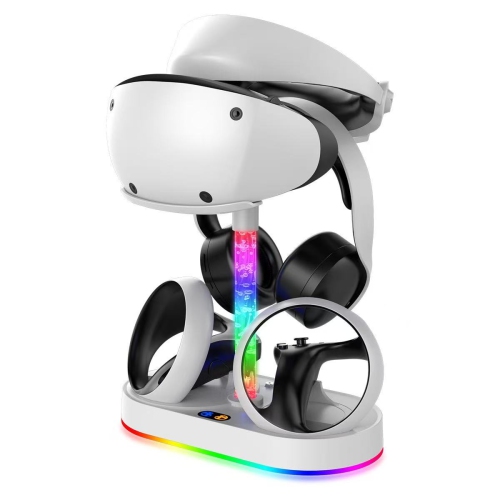



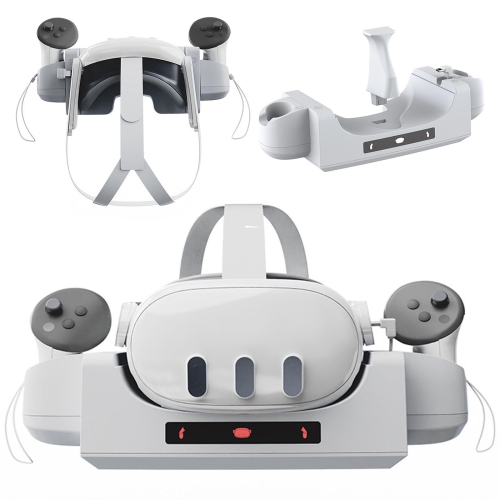
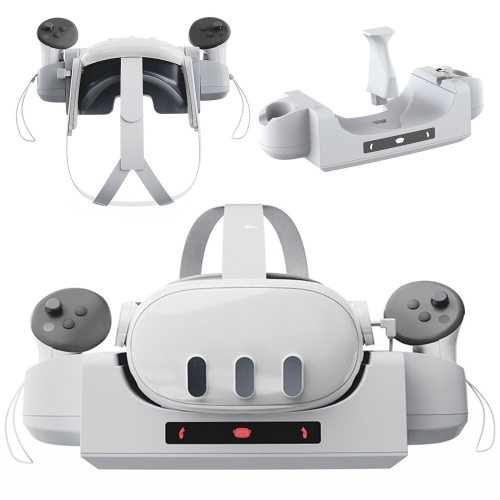
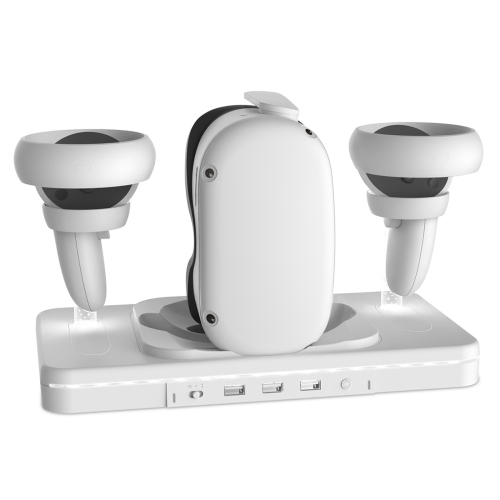
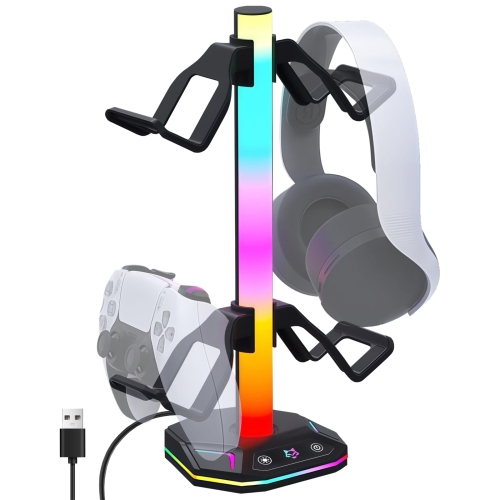


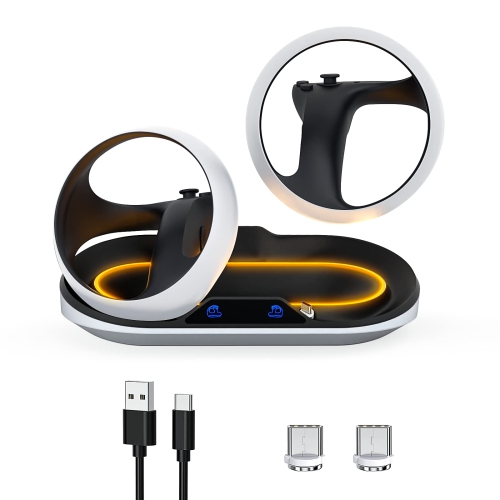

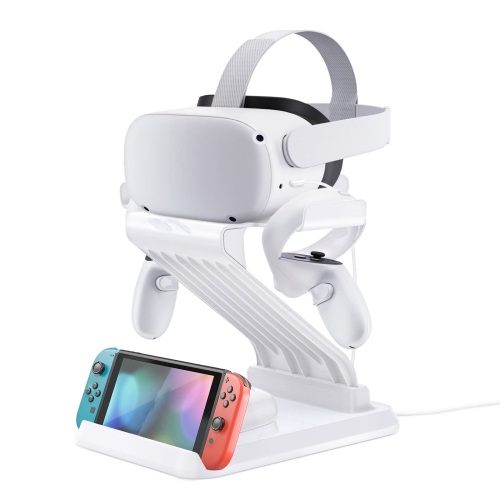

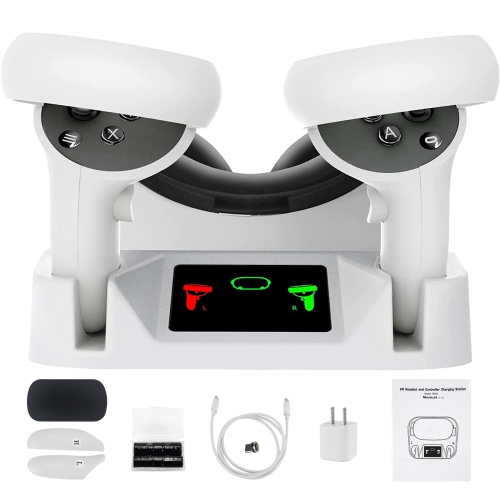


Practical storage for headsets, controllers, and charging cables
VR stands provide a practical home for virtual reality equipment when a headset is not in use. Rather than leaving the headset on a sofa, desk, or beside the television, a stand keeps it upright, visible, and ready for the next session. Many designs are made to hold a headset along with its touch controllers, charging cables, and other small accessories, helping turn a collection of gaming gear into a more orderly setup. A desktop stand is often a good choice for bedrooms, home offices, gaming rooms, or shared living spaces where floor space is limited. It can sit beside a monitor or television and give the headset a defined place between uses. A floor stand may be better for larger setups, especially when the headset is used with external tracking equipment or when a taller display position makes it easier to pick up and put away. Some floor-standing options are also suited to sensor or base-station placement, helping support a room-scale setup without relying on a wall-mounted solution. When comparing VR stands, look closely at the shape and width of the headset cradle, the placement of the controller holders, and the overall balance of the base. A weighted base with non-slip feet can help prevent tipping when controllers are lifted off or cables are pulled gently during charging. Soft contact points are useful for reducing the chance of scuffs on the headset shell or lenses, while open-frame designs can make it easier to place the equipment down without forcing it into a tight slot. A stand should support the headset securely without pressing on delicate lenses, facial interfaces, adjustment wheels, or top straps. If the headset has a large battery strap, comfort strap, or added accessories, check that the stand has enough clearance before choosing it. Cable management is another small detail that makes a noticeable difference: channels, hooks, or space beneath the base can keep charging leads from winding around the controllers or sliding behind furniture. For households with more than one headset, a wider stand or a separate controller arrangement can help prevent equipment from being mixed up.
The best VR stand depends on how the equipment is used and where it is stored. Someone who plays short sessions at a desk may prefer a compact desktop holder that keeps the headset close to a charging cable and leaves the rest of the workspace clear. A dedicated VR enthusiast with a room-scale play area may appreciate a taller stand that displays the headset and keeps controllers together near the entrance to the play space. In either case, storage is more than a visual upgrade. Putting the headset on a stand after each session helps keep it away from floor-level dust, accidental spills, pets, and the pressure that can occur when equipment is placed under books, cushions, or other items. It also makes a busy room easier to reset: controllers have a consistent location, cables are less likely to be stepped on, and the headset is easier to find when friends or family are ready to play. Consider the stand’s footprint carefully if it will share a crowded desk with a keyboard, speakers, a laptop, or a charging station. A narrow base may fit neatly beside a screen, while a broader base can offer extra stability in a high-traffic room. The materials and finish can also influence how naturally the stand fits with existing furniture. Metal and reinforced plastic designs may suit a modern gaming space, while a wood-finish option can blend more quietly with shelving or a living-room media console. If the stand will be moved often, weight and handleability matter; if it will remain in one place, a heavier base may be preferable. Those shopping for a gift can treat a VR stand as a useful accessory for a player who already owns a compatible headset. It is especially fitting for someone setting up a first dedicated gaming area, a student returning to a shared home, or a family that wants a simple way to keep virtual reality equipment together during the cooler months when more entertainment takes place indoors. Before buying, confirm that the stand matches the headset style and controller arrangement, and check whether charging is supported or whether the stand is intended only for storage and display.
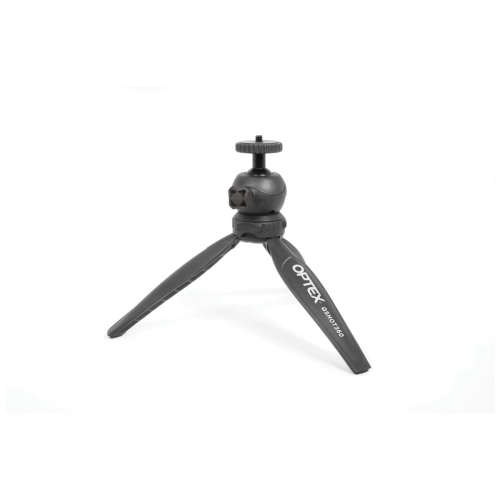
A tidy storage point can also make it easier to maintain the headset and prepare it for the next use. Keep lenses facing away from direct sunlight and avoid placing the headset where it may be knocked from a shelf or struck by a chair. A stand with an open design may allow air to circulate around the headset after active play, while a stand with dedicated controller supports can prevent buttons and thumbsticks from resting against a hard surface. It is wise to keep cables arranged so that they do not pull on the headset when someone walks past, and to place the stand outside the main movement area if the VR play space is nearby. For systems that use external tracking stations, stable tripod-style stands can help position sensors at a suitable height and keep them secure between sessions; the correct placement still depends on the headset system, room layout, and manufacturer instructions. People creating immersive videos or exploring virtual reality photography may also use a headset stand alongside VR Camera Lenses and related camera equipment, keeping frequently used accessories grouped in one area. A stand can be a particularly thoughtful present because it addresses an everyday frustration without requiring knowledge of a player’s favourite games. It can accompany a new headset, improve an established setup, or provide a clean display point for equipment that usually ends up tucked away. Whether the goal is to protect a valuable headset, reduce cable clutter, or make a gaming corner feel more complete, look for secure supports, a stable base, compatible dimensions, and enough room for the accessories that are used most often. With those details in place, a VR stand becomes a simple part of the routine: headset off after a session, controllers returned to their holders, cable guided into place, and the play area ready for the next experience.
Top selling and popular products
-
 Your price for this item is $109.37
-
 Your price for this item is $109.99
-
 Your price for this item is $95.99
-
 Your price for this item is $79.99
-
 Your price for this item is $179.99
-
 Your price for this item is $168.97
-
 Your price for this item is $88.97
-
 Your price for this item is $54.99
Discover more categories related to VR Stands


Top Collections:
Pokemon Centers, Best Cameras for Sports Photography, Kindle Devices, Samsung Galaxy Phones, Canon G7X Cameras, Pokémon 30th Celebration Cards, Refurbished Apple Laptops, iPhone 15 Apple, Laptops for Students, Budget Smartphones
Some products may be subject to Environmental Handling Fees
(EHF) depending on your province.
Learn more about EHFs.