XBOX Series S Adventure Games
XBOX Series S Adventure Games offer an exciting way to dive into immersive worlds and thrilling storylines from the comfort of your living room. Explore a wide variety of titles that transport you to new realms, challenge your problem-solving skills, and keep you engaged for hours. Whether you enjoy epic quests, mysterious journeys, or heart-pounding action, you'll find plenty of options to satisfy your sense of adventure on the XBOX Series S. Discover your next favorite game and get ready for unforgettable experiences with every play session.
Sort
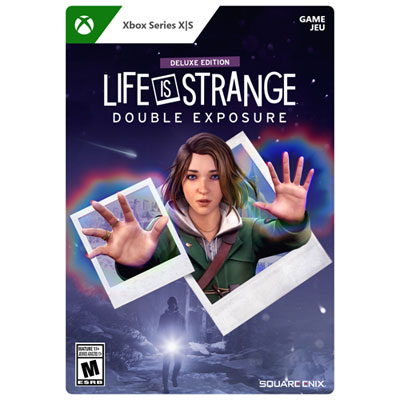


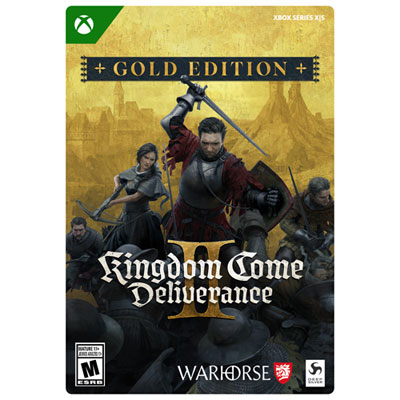

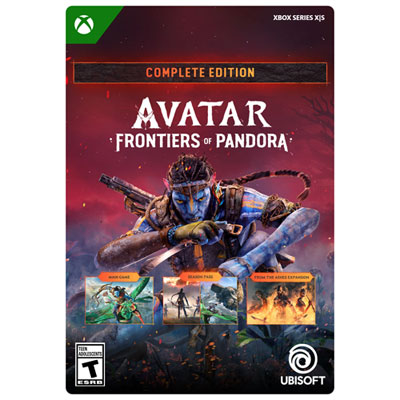

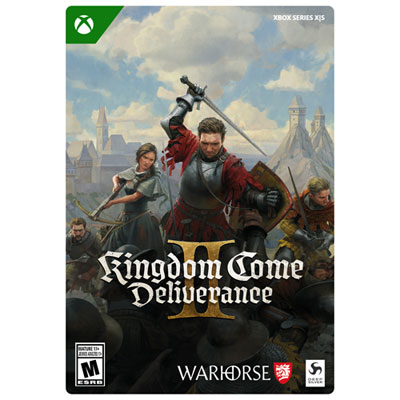
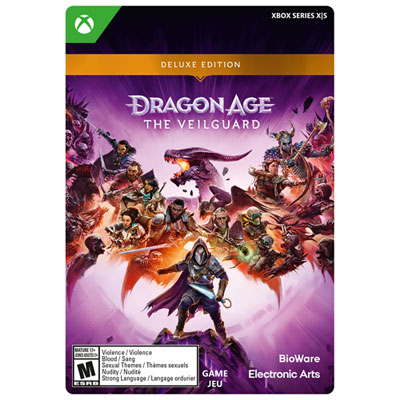


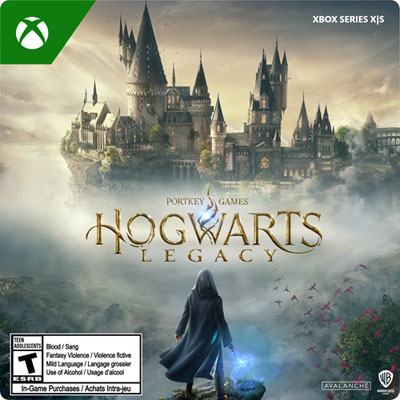


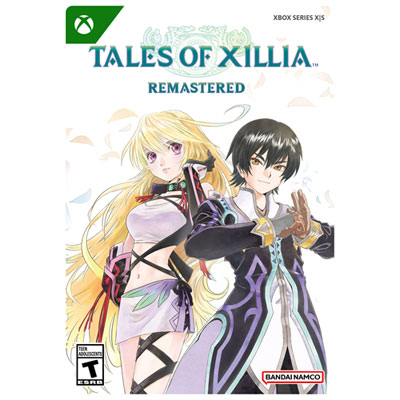


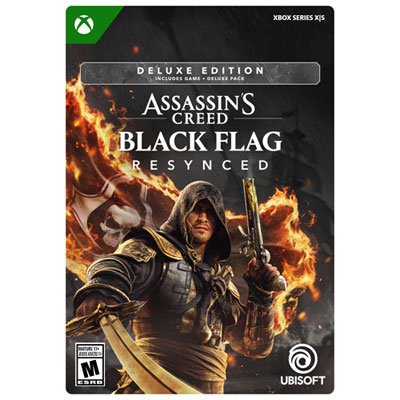


Every clue can lead to a bigger story
Xbox Series S adventure games bring together exploration, storytelling, and problem-solving, with experiences ranging from quiet mysteries to action-filled journeys. The defining feature is a sense of discovery: a locked room holds clues to a larger story, an unfamiliar town changes as its residents reveal their secrets, or a distant landmark becomes reachable after a character gains a new ability. Narrative adventures place particular emphasis on dialogue, relationships, and the consequences of decisions. Puzzle adventures ask players to observe details, connect information, and experiment with objects or mechanisms. Action-adventure games add more frequent combat, stealth, platforming, or timed movement, while exploration-led games may give players room to investigate at their own pace. These styles often overlap, so the balance between story, puzzles, and physical challenges matters more than the genre label alone. Someone who enjoys piecing together a mystery may prefer examining letters and listening to conversations, while a player drawn to movement may enjoy climbing ruined towers or finding a route across a crumbling bridge. Perspective also shapes the experience. A first-person viewpoint can make a small room feel immediate and personal, while a third-person camera keeps the main character visible during traversal and action. Side-scrolling adventures use a different sense of space, often building satisfying challenges around timing, distance, and newly learned abilities. Stories can unfold through cinematic scenes, spoken conversations, written discoveries, or details tucked into the scenery. A deserted workshop, for example, might explain its former owner's habits through unfinished projects rather than a lengthy speech. For players who enjoy getting absorbed in a fictional place, these details can be as memorable as a major plot reveal. The category suits a wide range of interests, from character-focused drama to imaginative fantasy and science-fiction mysteries, without requiring every adventure to follow the same structure or demand the same skills. Some experiences are built around a single carefully paced story; others reward wandering away from the main objective to follow an intriguing sound, investigate a hidden passage, or help a supporting character.
The feel of an adventure often comes down to how it handles progress, uncertainty, and the player's time. A clearly marked objective can make it easy to return after a break, while a journal that records conversations and discoveries helps keep a complicated mystery understandable. More open-ended games may leave the next step uncertain on purpose, making observation and experimentation part of the appeal. Neither approach is inherently better: a player with half an hour to spare may appreciate frequent checkpoints and a clear next destination, while someone settling in for a longer session may enjoy following several leads before finding a connection. Puzzle design is another important distinction. Some challenges depend on spatial reasoning, such as redirecting a beam of light or arranging platforms; others rely on language, memory, or interpreting a character's motives. Optional hints can preserve the pleasure of solving a problem without letting one obscure clue halt the entire story. Action sequences introduce different considerations, including combat difficulty, reaction time, and how much progress is lost after an unsuccessful attempt. Adjustable difficulty, remappable controls, readable subtitles, and separate audio settings can make an experience more comfortable, though the exact features vary by game. Camera settings and text size are especially relevant when playing from a sofa across the room. A richly detailed scene is less useful if an important note is difficult to read or rapid camera movement becomes distracting. For shared play, local co-operative support and online multiplayer are separate features; a story involving several characters does not necessarily allow several people to play together. Some adventures are enjoyable to share informally, with one person handling the controller while others spot clues or discuss dialogue choices. When choosing for children or as a gift, age ratings and content descriptions provide more useful context than artwork alone. A bright visual style can still accompany frightening scenes or difficult themes. Reading demands, puzzle complexity, and the recipient's interest in combat also help distinguish an engaging match from a frustrating one.
Digital compatibility is particularly important for Xbox Series S adventure games because the console has no disc drive and does not play physical game discs. A suitable game needs to support the console in its digital form, with the relevant platform and edition clearly identified. A familiar title or similar cover image does not, by itself, establish that a version is intended for the right system. The related Xbox Series X Action Adventure Games collection offers another way to explore the genre, but individual platform details remain important when comparing editions across consoles. Edition contents also matter: a complete game, a story expansion, and a collection of optional extras serve different purposes, and an add-on may require the base game. Download size affects how much console storage an adventure occupies, while updates and extra chapters can increase that requirement. Keeping saved progress is a separate consideration from keeping an installation; removing game files to free storage should not be confused with deliberately deleting saved data. An internet connection is needed for downloads and updates, and some games also require a connection during play. Offline play, account requirements, and any online membership requirements depend on the individual game and its features. These practical details are worth considering for a console used in a shared household or somewhere with limited internet access. For gifts, digital redemption requirements and regional compatibility should match the recipient's account, alongside their preferred language and play style. Beyond the initial story, replay value can come from branching conversations, alternate routes, hidden discoveries, or challenges that become easier to understand with experience. Not every adventure needs a large map or dozens of side activities to feel rewarding. A compact mystery with a satisfying conclusion can be just as absorbing as a sprawling journey, particularly for someone who values a focused story. The strongest match is an adventure whose pace, interaction, and sense of discovery fit the person holding the controller.
Top selling and popular products
-
 Your price for this item is $69.99
-
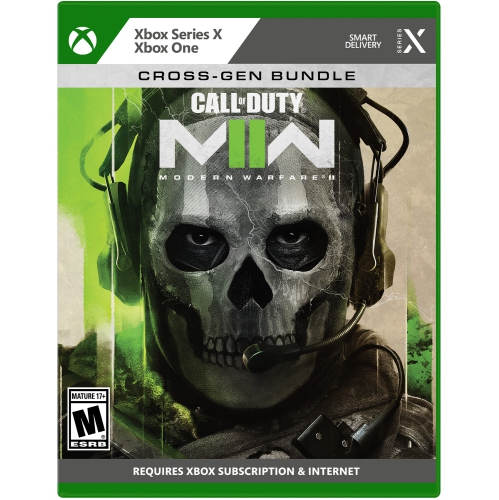 Your price for this item is $69.99
-
 Your price for this item is $59.99
-
 Your price for this item is $39.99
-
 Your price for this item is $22.99
-
 Your price for this item is $9.99
-
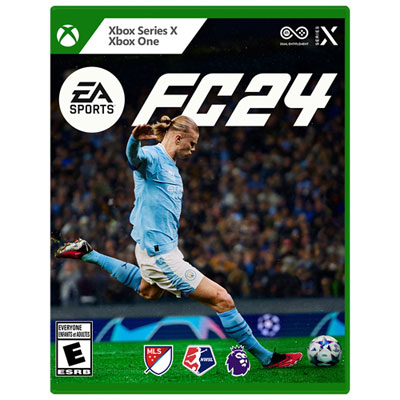 Your price for this item is $11.97
-
 Your price for this item is $39.99
Discover more categories related to XBOX Series S Adventure Games
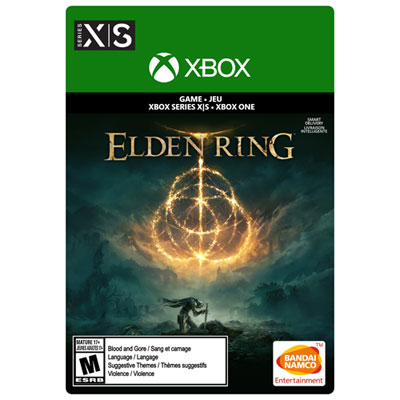
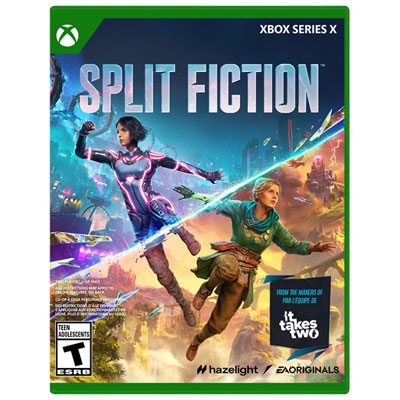

Top Collections:
Best Black Friday Deals This Year, Best Black Friday Deals On Electronics, Kindle Devices, Pokemon Centers, Best Black Friday Deals On Apple Products, Best Cameras for Sports Photography, Dyson Airwrap, Pokémon 30th Celebration Cards, Apple iPhone 17 Pro, Canon G7X Cameras
Some products may be subject to Environmental Handling Fees
(EHF) depending on your province.
Learn more about EHFs.