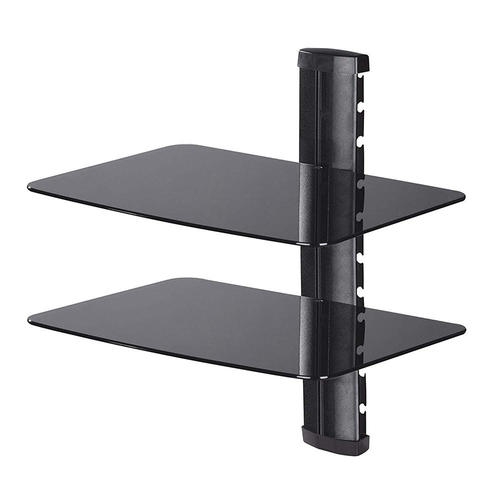
Wall-Mounted Speaker Shelves

Wall-mounted speaker shelves give your speakers a dedicated spot without taking up desk or floor space. Explore shelving options for your audio setup, comparing shelf dimensions, weight capacity, and mounting requirements to find a suitable fit for your speakers and wall type.

Sort

Speaker support that frees up your living space

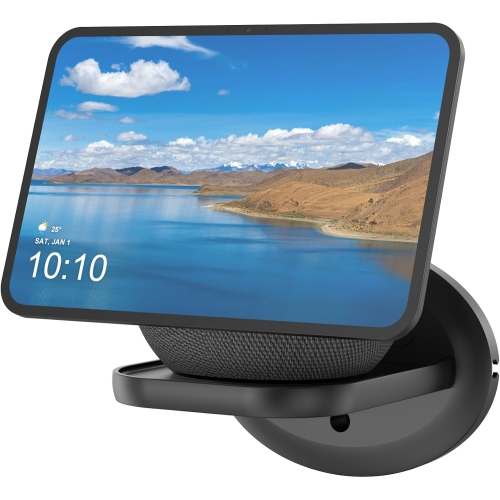
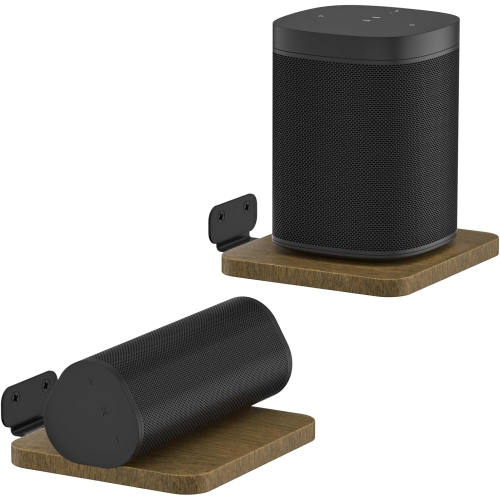
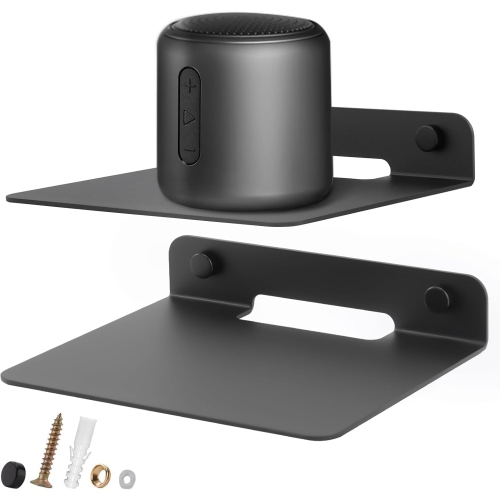
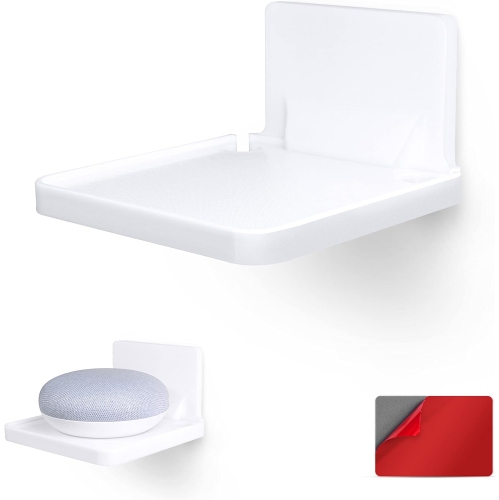
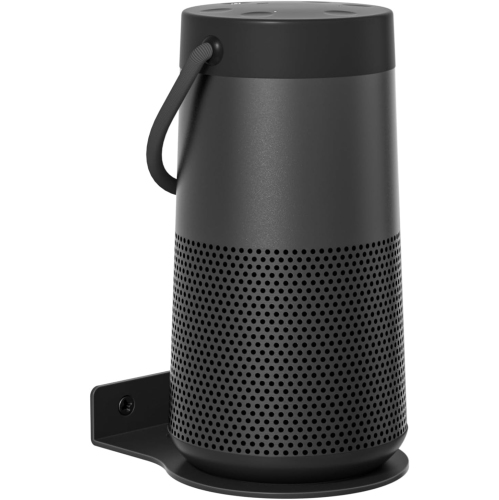
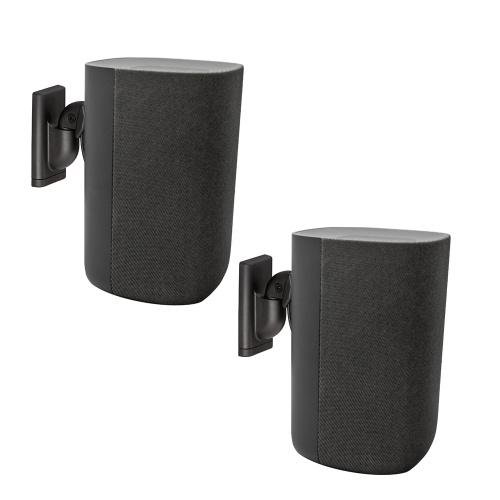
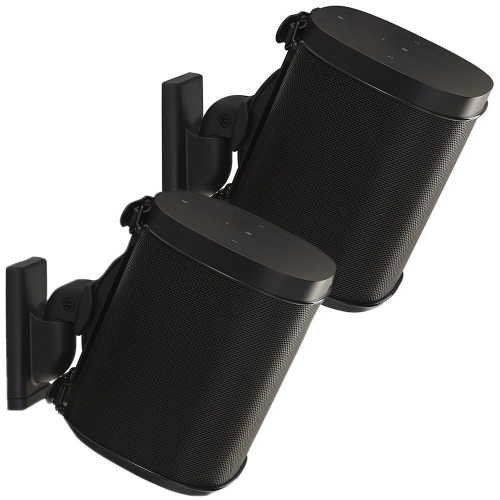
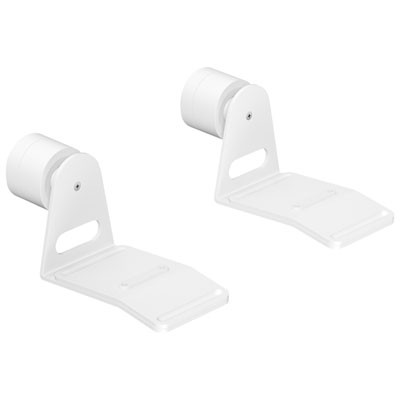
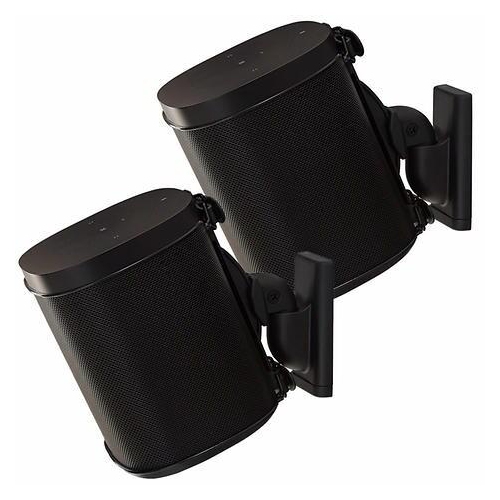
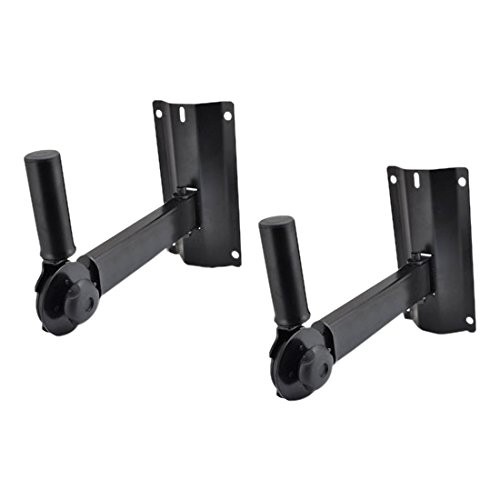
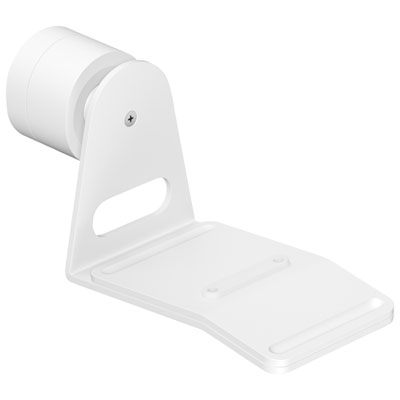
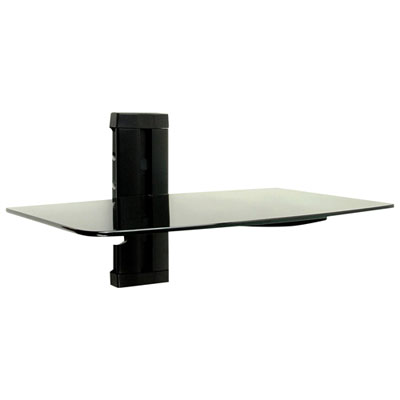
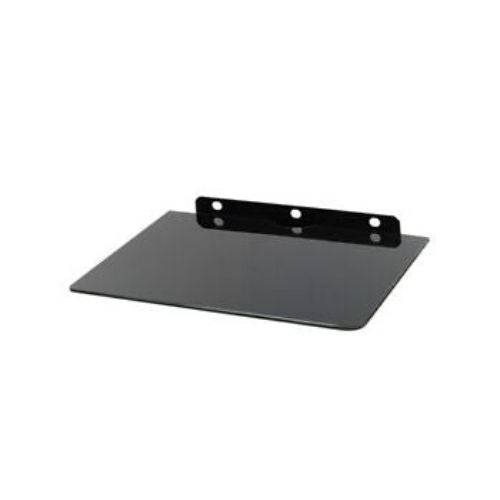
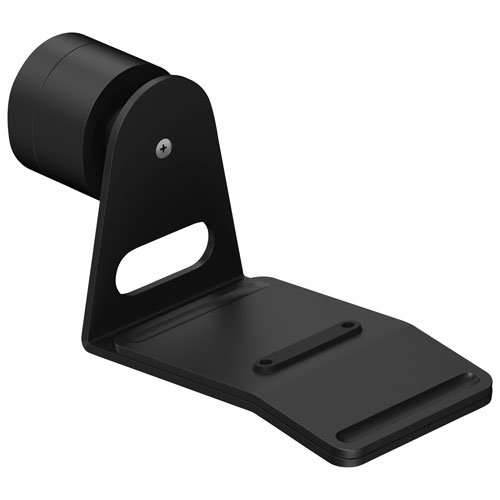
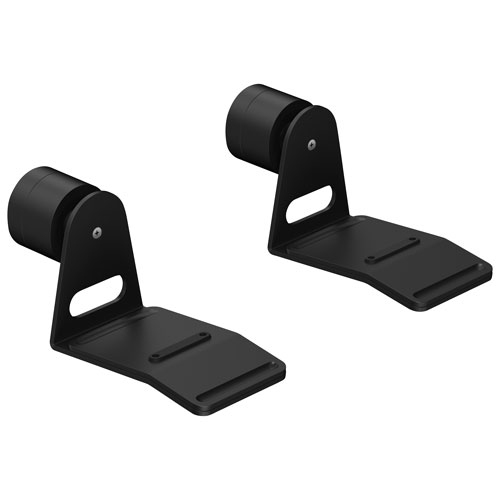
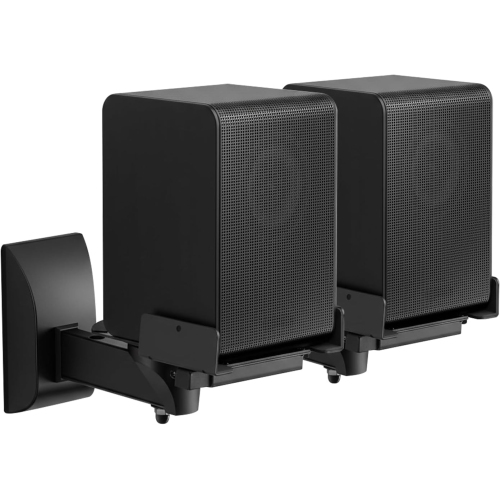
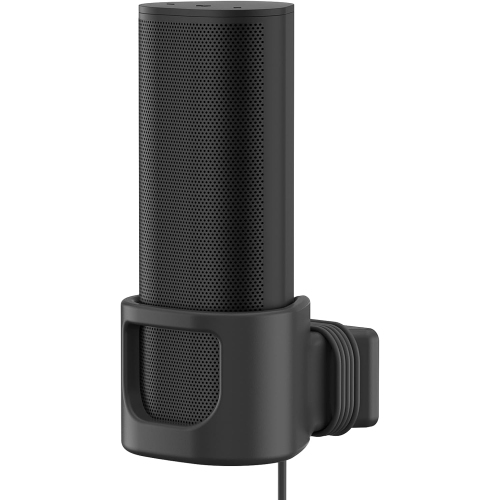
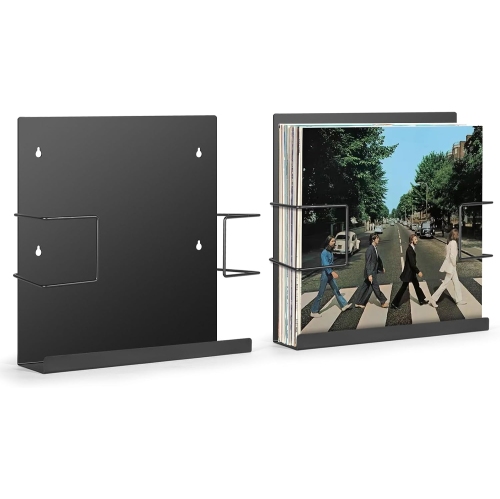
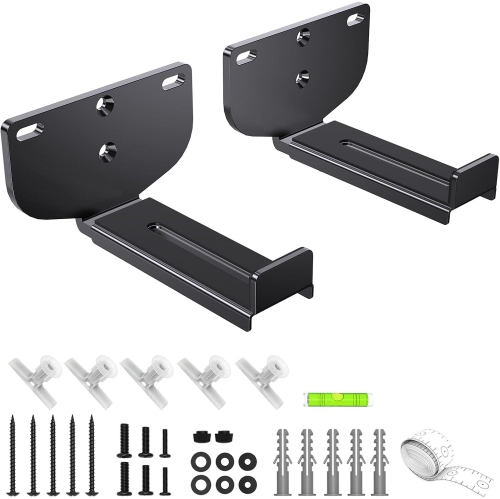
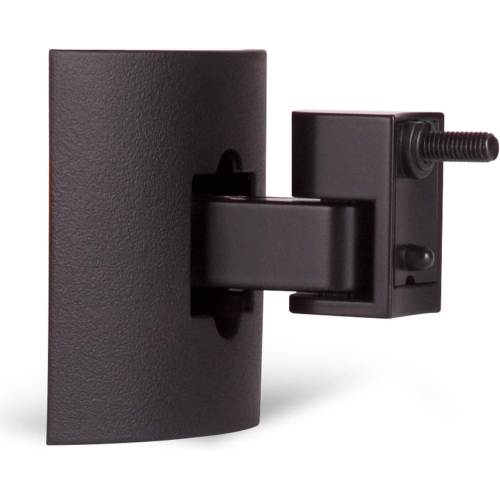
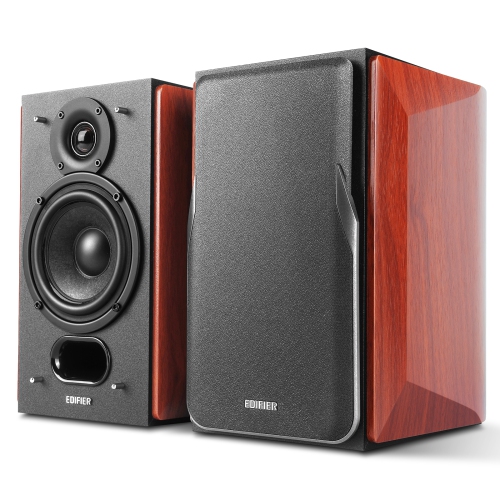
Wall-mounted speaker shelves are wall-fixed platforms that support speakers while freeing up floor, desktop, or cabinet space. They can give a compact smart speaker a dedicated spot beside a kitchen work area, hold a pair of bookshelf speakers on either side of a television, or keep rear speakers clear of a busy walkway. Unlike brackets that attach directly to a speaker cabinet, a shelf usually supports the speaker from underneath, making its usable surface area and load rating central to the fit. Some designs combine a platform with retaining edges, padded clamps, or adjustable supports; others have a simple floating profile that leaves the speaker fully visible. Fixed shelves suit layouts where the listening position stays much the same, while models with tilt or swivel adjustment offer more flexibility when a wall position is higher or farther to the side. Materials influence both appearance and everyday handling. Steel and aluminum supports can provide a slim, rigid structure, while wood and engineered wood platforms can coordinate with cabinetry, media consoles, and other furniture. Tempered glass offers a lighter visual presence, although fingerprints and dust may be more noticeable on its surface. Rounded corners, neatly finished edges, and a colour that blends with the wall help a shelf sit comfortably in a shared living space rather than look like an afterthought. A shallow platform may suit a small wireless speaker, whereas a deeper cabinet needs enough support beneath its base without blocking connections. For a home office, moving speakers off the desktop can leave more room for a monitor, keyboard, and paperwork. In a living room, matching shelves can create a balanced arrangement around a screen without requiring floor stands. The result depends on matching the shelf to the speaker and the room, rather than choosing by appearance alone.

A suitable wall-mounted speaker shelf accommodates the speaker’s dimensions, weight, connections, and intended position. Usable platform width and depth matter more than the shelf’s overall measurements, particularly when raised edges or clamps reduce the space inside. Speakers with curved bases, projecting feet, or connectors near the bottom may need extra clearance that is not obvious from cabinet dimensions alone. The manufacturer’s load rating should apply to the intended configuration, and a rating for a pair of supports should not be mistaken for the capacity of each individual shelf. The wall construction and fastening method are equally important: a strong platform is only one part of the installation. Stud fastening is often appropriate for heavier loads, while other wall types require compatible fixings and a mounting method approved for the stated weight. Adhesive-mounted designs are intended only for the loads, surfaces, and conditions specified by their manufacturer; they are not interchangeable with screw-mounted supports. In a rental home, permission to drill and the eventual removal requirements may also affect the choice. Placement influences listening as well as convenience. For many seated listening setups, positioning the tweeters near ear height provides a useful starting point, although the speaker manufacturer’s placement recommendations take priority. A shelf with adjustment can help direct sound toward a sofa or work surface when the mounting location is less than ideal. Rear-facing ports need the recommended space behind them, and power plugs or cable connectors should not be squeezed against the wall. Corners and nearby walls can reinforce bass, sometimes making a speaker sound fuller but also potentially less balanced. Leaving suitable clearance allows more flexibility than crowding the cabinet into the smallest possible opening. In a home theatre, shelves can help keep a left and right pair at comparable heights, while surround speaker positions should follow the requirements of the audio system. Wall mounting alone does not guarantee better sound; stable support, appropriate spacing, and a clear path toward the listening area all contribute to the result.

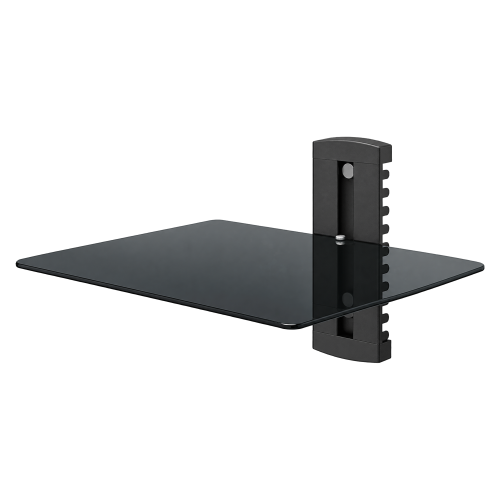
Cable handling, access, and care make a noticeable difference once speaker shelves become part of daily life. Pass-through openings and cable channels can keep leads close to the support, while a little slack allows connectors to remain relaxed and adjustable shelves to move without pulling on the plugs. Power and audio cables still need a safe route to their connections, away from pinch points and frequently used walkways. Ordinary speaker power cords should not be hidden inside a wall unless they are specifically rated and permitted for that use; an appropriate surface cable cover can provide a tidier alternative. A smart speaker also needs access to its microphones and controls, and any model with ventilation openings needs those areas left unobstructed. In a kitchen, a position away from splashes, steam, and cooking grease is more practical than a spot immediately above a sink or cooktop. In shared rooms, placement should account for doors, curtains, and the chance of someone brushing against the speaker. Wall mounting can reduce clutter within reach, but it does not make a speaker childproof or remove the need to secure loose cords. For routine care, a soft cloth and a cleaning method suited to the shelf’s finish help prevent scratches or streaks. Pads and contact surfaces should remain clean, and fasteners, clamps, and fittings benefit from periodic checks in line with the manufacturer’s instructions. A shelf that stays accessible is easier to clean around and makes it simpler to disconnect a speaker when needed. Where a media setup also includes a disc player or other playback equipment, Wall Mounted DVD Shelves offer a related option for organizing components, with separate attention to their dimensions, ventilation, and load requirements. Speaker shelves can also make a thoughtful gift for someone arranging a home office, listening corner, or home theatre, provided the speaker measurements and wall requirements are known. A well-matched design supports the equipment securely while keeping the room comfortable to use.

FAQ

Some products may be subject to Environmental Handling Fees (EHF) depending on your province. Learn more about EHFs.