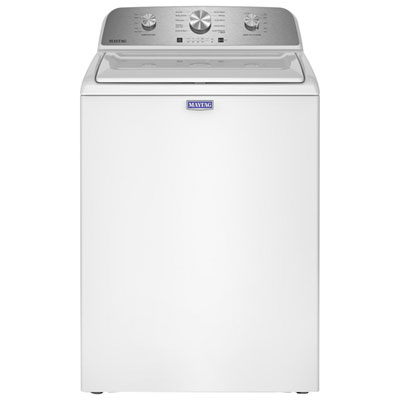
Washing Machine With Multiple Wash Programs
Washing Machine With Multiple Wash Programs offer versatile cleaning solutions to suit a variety of laundry needs. Whether handling delicate fabrics or heavily soiled items, these appliances provide a range of wash settings designed to help you achieve optimal results with every load. Explore options that fit seamlessly into your home and streamline your laundry routine, making it easier to care for clothing, bedding, and more. Find the right Washing Machine With Multiple Wash Programs to match your preferences and simplify everyday chores.
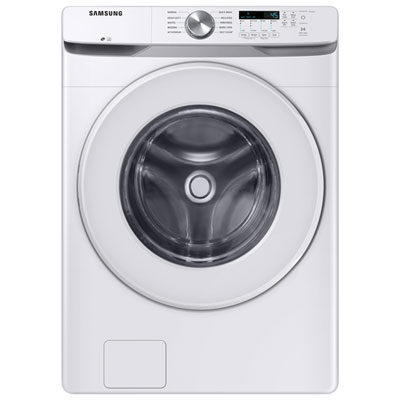
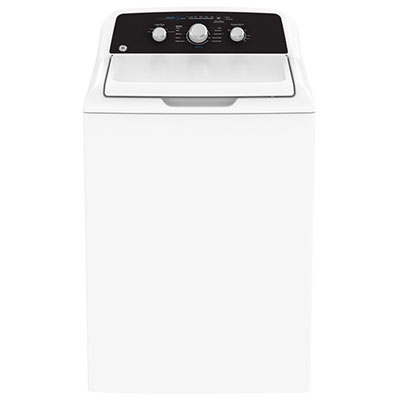
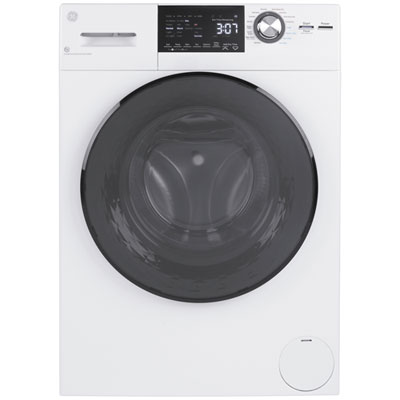
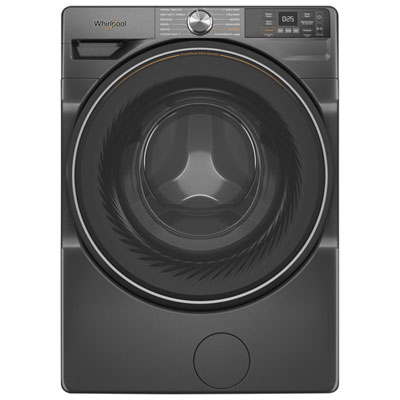
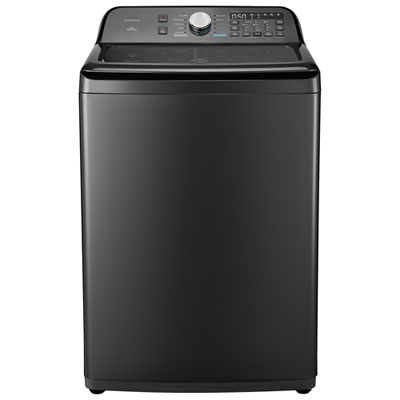
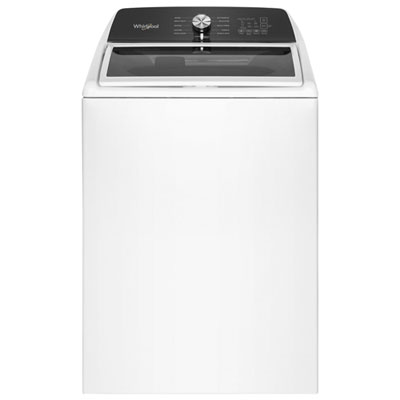
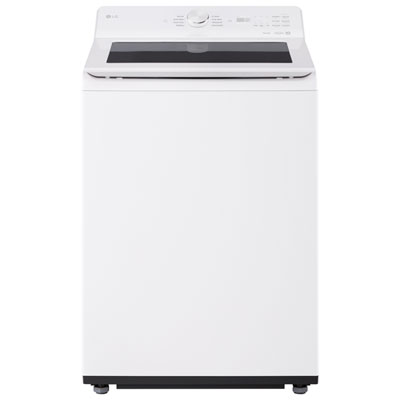
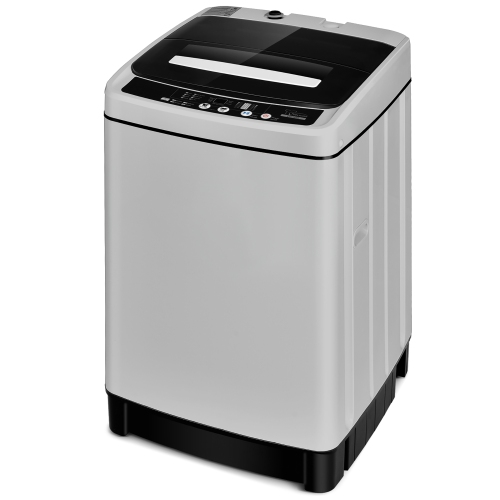
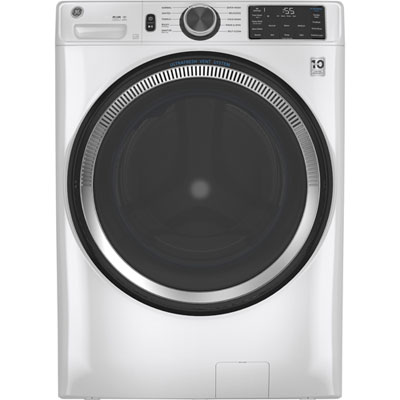
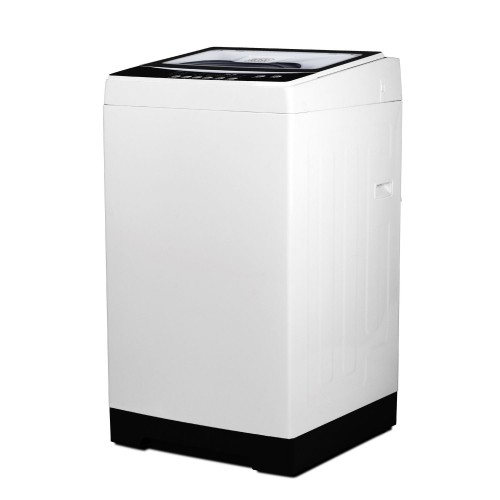
Different fabrics call for different wash cycles
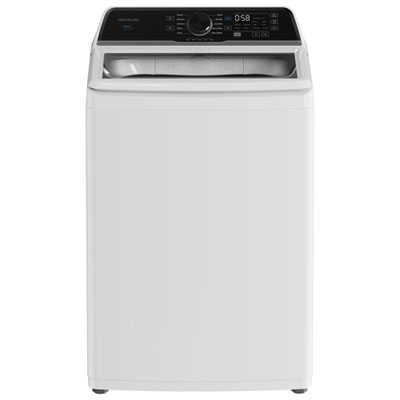
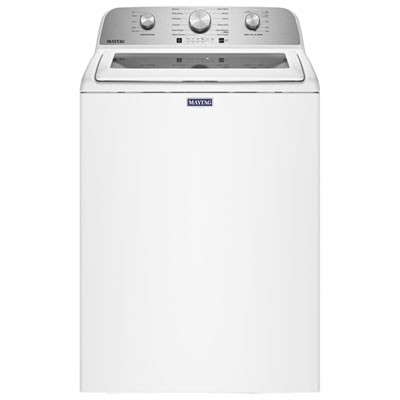
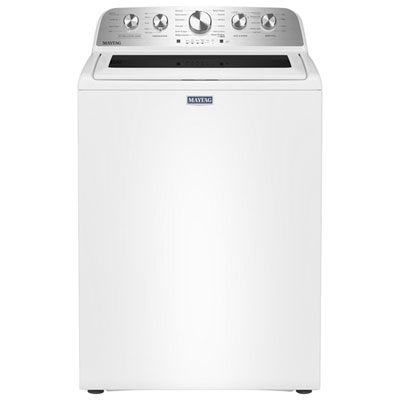
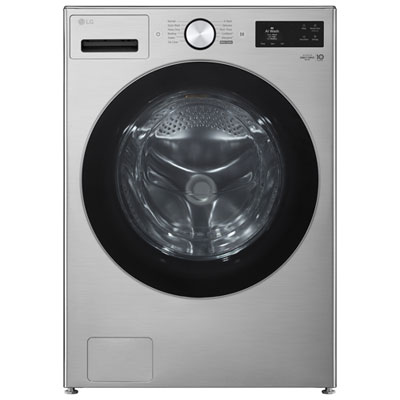
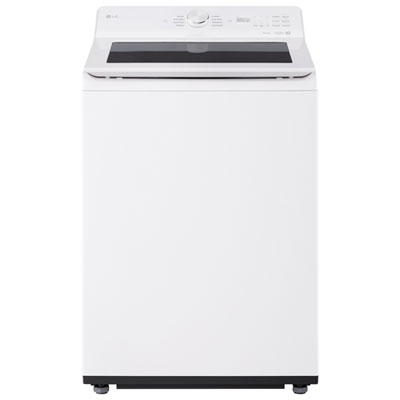
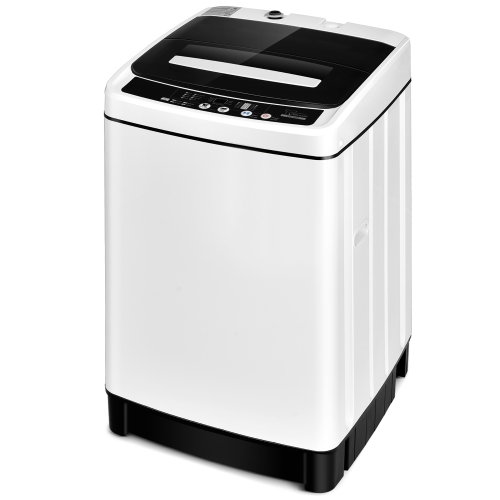
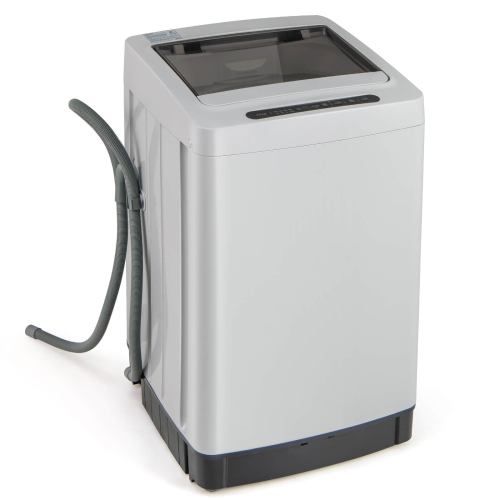
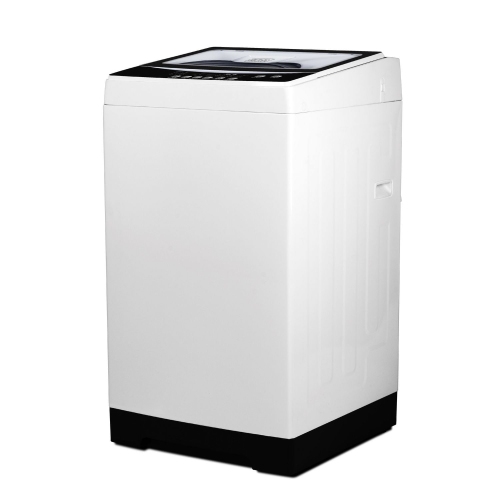
The washer’s construction and physical fit are just as important as its cycle selection. Front-load and top-load designs offer different loading experiences, and both can provide a broad range of wash programs. Front-load doors require clearance in front of the machine, while top-load lids need unobstructed space above; reaching the bottom of a deep top-load drum can also be a consideration. Some front-load washers can be stacked with a compatible dryer using the specified stacking kit, making them suitable for laundry closets where floor space is limited. Overall dimensions should account for hoses, connections, door movement and the route into the home, not just the width of the laundry alcove. Capacity is best considered alongside typical load size: frequent small loads of clothing have different requirements from large batches of towels or washable bedding. Overfilling can restrict movement and affect washing and rinsing, even when a dedicated bulky program is selected. Inside the machine, a smooth drum surface helps reduce snagging, and stainless steel drums are valued for their resistance to rust and wear. Durability also depends on correct installation, balanced loads and regular care rather than on drum material alone. A level machine on a suitable floor can help limit unnecessary movement during spinning, which matters in apartments and laundry areas near bedrooms or living spaces. Published noise information and vibration-control features can be useful points of comparison, though actual sound also depends on installation and the load being washed. For shared households, accessible controls and an easy-to-read display can be more useful day to day than a complicated menu. Someone loading laundry from a seated position may have different access needs from someone reaching over a tall top-load rim. Considering these practical details alongside wash programs helps ensure the appliance suits both the clothing being washed and the people using it.
Beyond the main programs, adjustable options can make a washer more adaptable to everyday routines. An extra rinse may be useful when a load needs more thorough detergent removal, while a prewash or soak option can help with certain heavily soiled washable fabrics. These settings do not replace appropriate stain treatment, and garment labels and detergent directions still determine what is suitable. Adjustable spin speeds offer another practical distinction: a higher spin can remove more water from suitable fabrics before drying, while a lower spin may be preferable for garments prone to creasing or stretching. Steam functions vary by machine and program, so their intended use is worth distinguishing from a dedicated sanitizing cycle; the two are not interchangeable. A pause-and-add feature can be handy for a forgotten sock, although access may be restricted once the water level or operating conditions make opening the door unsuitable. For households that want notifications or access to selected settings from a compatible device, Washing Machines With Smart Control offer another way to manage laundry routines. Connected functions depend on the appliance, app and network requirements, and remote operation may require activation at the washer first. Straightforward maintenance remains important regardless of how the controls are operated. Using the recommended detergent type and dose, wiping accessible seals, cleaning the dispenser and running the specified drum-cleaning program help manage residue and odours. Door-opening practices should follow the manufacturer’s directions, with children and pets kept safely away from the drum. Accessible filters, clear maintenance reminders and understandable care instructions can make upkeep less cumbersome. In daily use, the value of multiple wash programs comes from having suitable choices close at hand: a gentle cycle for a washable blouse, a regular program for everyday clothing and a more intensive option for sturdy, soiled laundry. Combined with the right capacity, comfortable access and consistent care, those choices support a washer that fits naturally into the household routine.
FAQ
What are multiple wash programs in a washing machine?
Multiple wash programs refer to the different preset cycles available on a washing machine, designed to handle various fabric types and laundry needs. These programs adjust settings like water temperature, spin speed, and wash duration for optimal cleaning results.
How do I choose the right wash program for my laundry?
To choose the right wash program, consider the type of fabric and the level of soiling. For example, delicate fabrics may require a gentle or hand-wash cycle, while heavily soiled items might benefit from an intensive or heavy-duty program.
Can I customize the settings within each wash program?
Many modern washing machines allow you to customize certain settings within each wash program, such as adjusting the temperature, spin speed, or adding extra rinse cycles to better suit your laundry preferences.
Are there specific wash programs for sensitive skin or allergies?
Yes, some washing machines offer specialized programs like 'Allergy Care' or 'Baby Care,' which use higher temperatures and extra rinses to remove allergens and detergent residues from clothing.
Do multiple wash programs help save water and energy?
Yes, using the appropriate wash program for your load can help optimize water and energy usage. For instance, quick cycles are designed to clean lightly soiled clothes efficiently while conserving resources.
Top selling and popular products
-
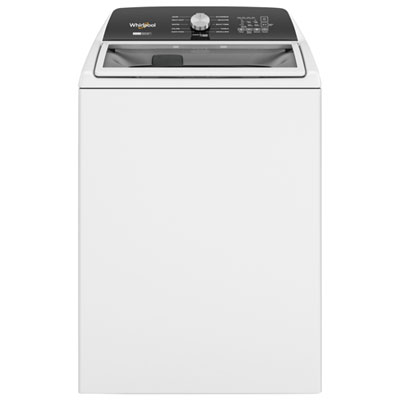 Your price for this item is $889.99
-
 Your price for this item is $474.99
-
 Your price for this item is $1249.99
-
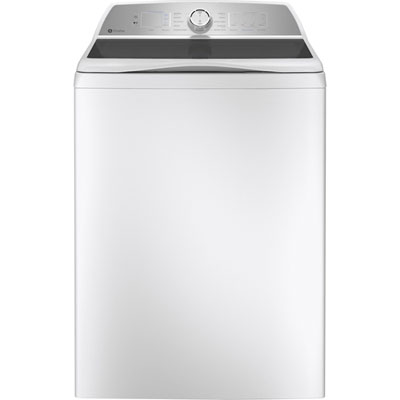 Your price for this item is $1049.99
-
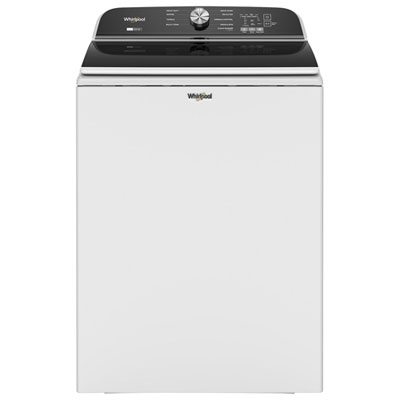 Your price for this item is $1099.99
-
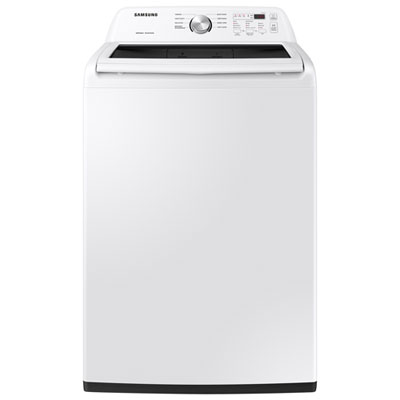 Your price for this item is $699.99
-
 Your price for this item is $849.99
-
 Your price for this item is $499.99