44mm Apple Watch On Small Wrist
Finding the perfect fit for your tech accessories is essential, especially when it comes to wearing a 44mm Apple watch on a small wrist. Whether you're tracking your fitness goals, staying connected on the go, or simply looking to accessorize with style, comfort is key. Explore a range of options designed to ensure your smartwatch not only performs exceptionally but also complements your personal style. Discover how you can enjoy the full functionality and sleek design of a 44mm Apple watch while ensuring it fits snugly and comfortably on smaller wrists.
Sort



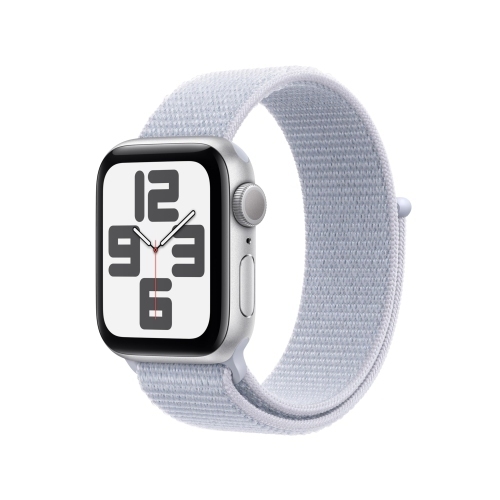

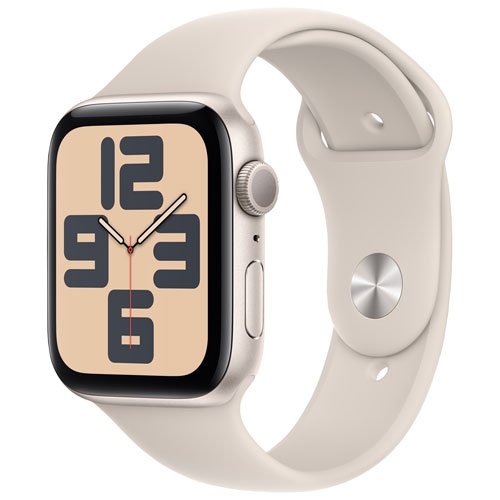
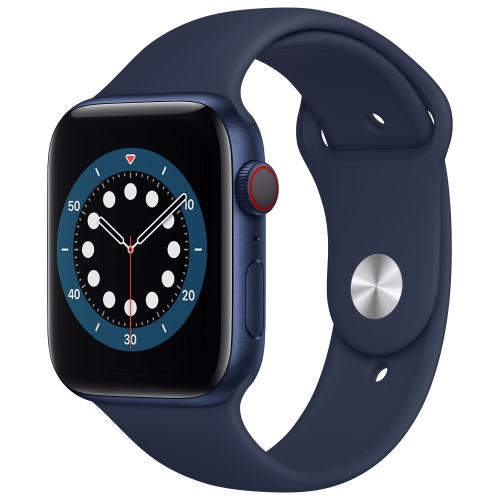


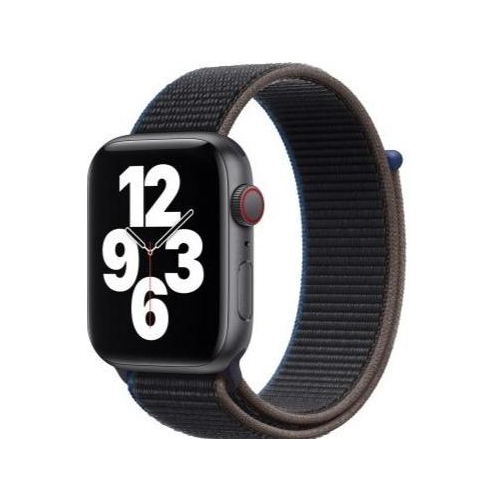

Why case size alone doesn’t determine wrist comfort
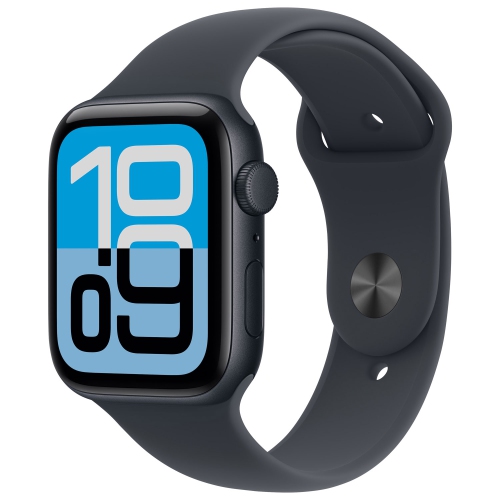
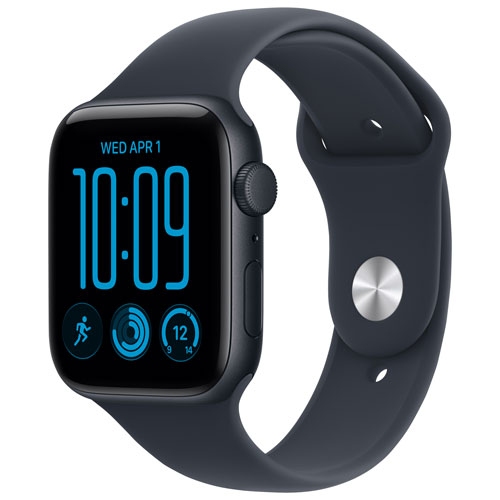
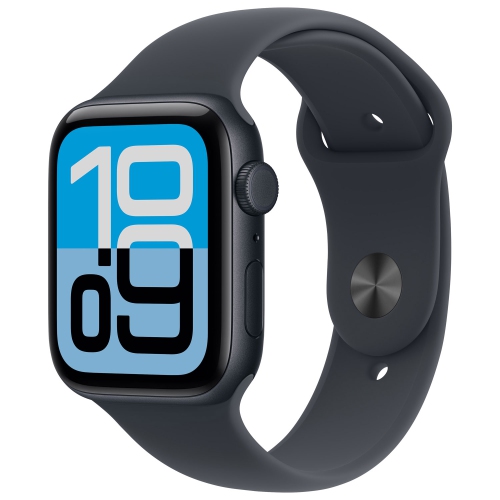
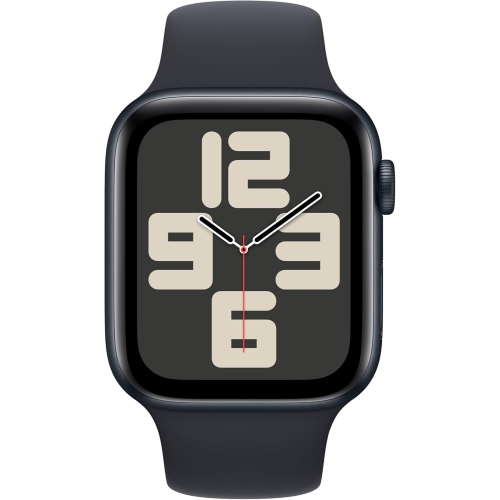
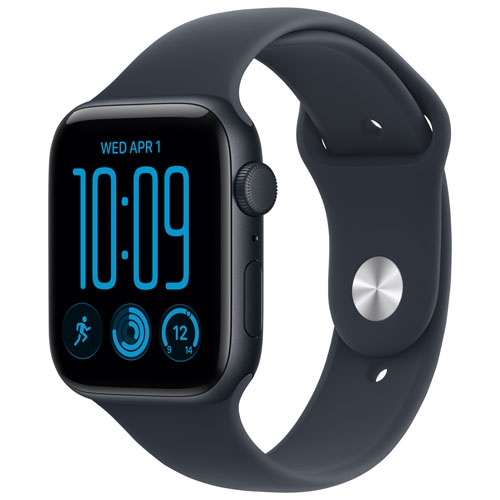
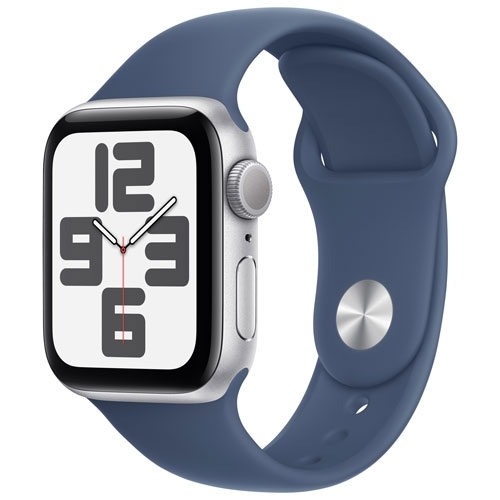
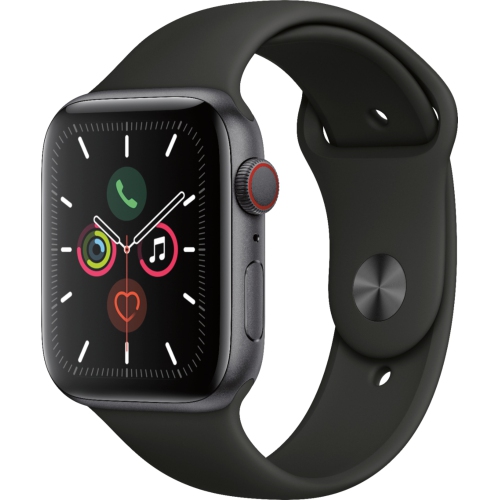
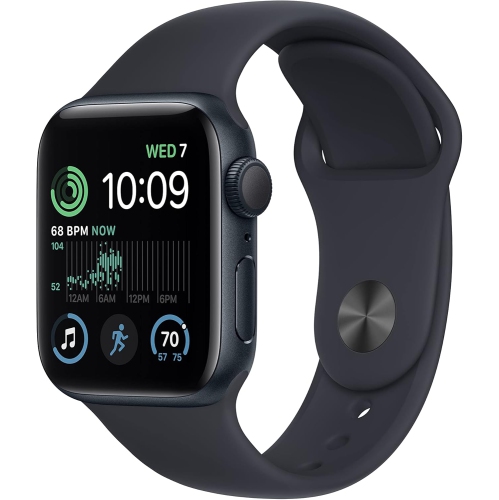
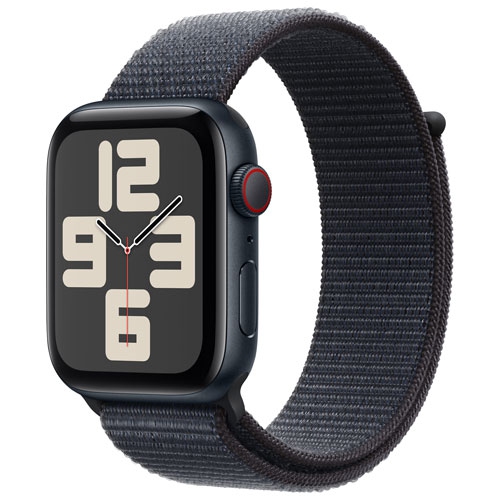
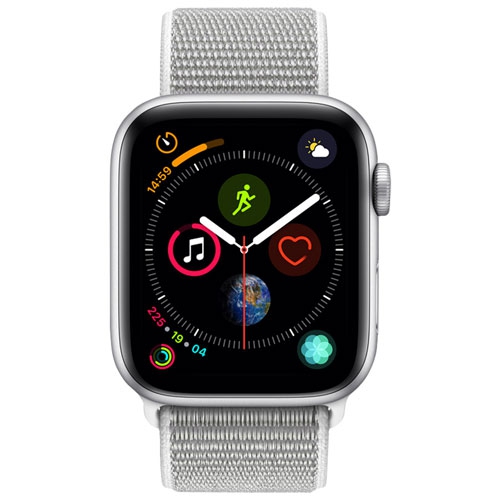
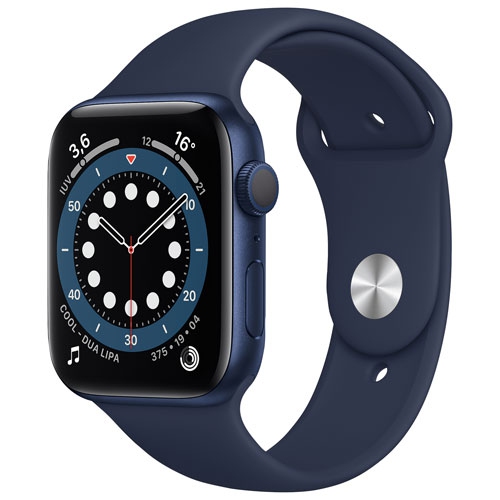
A 44mm smartwatch can fit a small wrist comfortably when its case sits securely on top of the wrist and its band adjusts to the correct circumference. The size alone does not determine whether the watch will feel bulky: wrist shape, case thickness, weight, and the way the band curves down from the case all affect the fit. On many rectangular smartwatches, 44mm refers to the case height rather than the screen diagonal or the distance across the wrist, so the full case dimensions provide a clearer picture of its proportions. A wrist measuring less than 160mm around is not automatically too small for this size, although a narrower case may offer a more understated appearance. Two people with the same wrist circumference can have different experiences because one wrist may have a broader, flatter top while the other is more rounded. A comfortable fit leaves the watch stable without forcing the band to pull sharply around the edges of the wrist. If the case extends noticeably beyond those edges, rocks from side to side, or presses into the hand when the wrist bends, its shape or size may not suit the wearer. The appeal of a larger case is often its display, particularly for someone who likes readable notifications, visible workout statistics, or touch controls with more room between them. Actual readability still depends on screen design, brightness, and text settings, not simply the case measurement. For everyday use, the balance is personal: a prominent watch can feel intentional and attractive on a slim wrist, while someone who spends hours typing may prefer a lighter, lower-profile fit. A 44mm watch on a small wrist therefore works best when the larger display feels useful and the case remains comfortable through ordinary movements, from holding a coffee cup to fastening a bag. For a broader comparison of proportions, Smart Watches for Small Wrist offers another way to explore the category.
Band fit often makes the greatest difference to how a larger smartwatch feels on a petite wrist. A short band with a suitable adjustment range can hold a 44mm case securely, while a band that is too long may leave the watch sliding towards the hand even at its tightest setting. Wrist circumference is best measured where the watch will actually sit, usually just above the wrist bone, using a flexible measuring tape held close to the skin without squeezing it. That measurement can then be compared with the band’s stated wrist range; labels such as small or medium are not consistent across every band style. Both the minimum fastening size and the amount of leftover strap matter. A long tucked-under tail can create extra bulk beneath a narrow wrist, particularly when resting an arm on a desk. Soft silicone and fluoroelastomer bands are often practical for exercise and daily wear because they are flexible and straightforward to clean, although comfort varies with the material, finish, and individual skin sensitivity. Woven nylon bands can feel light and offer closely spaced or continuous adjustment, depending on their fastening system, but they need time to dry after washing. Metal mesh can provide a different texture and appearance, while link bracelets may require links to be removed before they fit a smaller wrist properly. Leather offers a more traditional finish but generally needs greater protection from moisture and perspiration. Stretch bands rely on accurate sizing and may loosen with wear, so their stated measurement range deserves particular attention. Whatever the material, the closure should stay secure without pinching, and the case should maintain gentle contact with the skin rather than being clamped down tightly. Where supported, wrist-based sensors generally work best with stable contact during movement, though tightening a band excessively does not improve comfort or guarantee accurate readings. Band compatibility also depends on the watch’s attachment system and supported case sizes; a matching millimetre label by itself is not enough to confirm that a replacement band will attach correctly.
Materials, protection, and daily routines also shape whether a 44mm smartwatch feels manageable on a small wrist over time. Case weight deserves attention alongside dimensions, since a heavier watch may feel more noticeable during a walk or workout even when its outline is similar to that of a lighter one. Aluminium cases are generally lighter than comparable stainless steel cases, while the durability of any finish depends on its construction and the knocks or rubbing it encounters. Protective bumpers can help shield exposed edges, but they also add width and thickness, which may be especially apparent on a slim wrist. A close-fitting protective accessory may preserve more of the watch’s original proportions than a thick surround, although compatibility, touch response, and access to buttons still matter. Screen protectors can help limit surface scratches but do not make a display unbreakable or increase its water-resistance rating. Water resistance varies by watch and can diminish over time, so swimming, showering, and cleaning suitability should follow the manufacturer’s stated limits rather than assumptions based on appearance. Routine care is usually simple: remove accumulated perspiration and residue using the approved cleaning method, dry the watch and band thoroughly, and avoid trapping moisture against the skin. Bands should be checked for worn fastening holes, stretched fabric, loose connections, or damaged closures that could let the watch slip off. For someone who wears a smartwatch to bed, case thickness, band texture, and weight may matter as much as daytime screen visibility. For someone who mainly wants notifications, activity tracking, and quick glances at a timer, a stable fit during everyday tasks can be more useful than a particular look in a photograph. Phone compatibility and feature requirements remain important, since messaging, calls, navigation, and health-related functions vary by device and setup. As a gift, this size is most likely to suit someone who appreciates a larger display and already feels comfortable wearing a noticeable watch. A correctly sized, compatible band helps make that larger case feel secure, balanced, and genuinely wearable.
Top selling and popular products
-
 Your price for this item is $272.99
-
 Your price for this item is $995
-
 Your price for this item is $263.99
-
 Your price for this item is $253.99
-
 Your price for this item is $339.99
-
 Your price for this item is $485
-
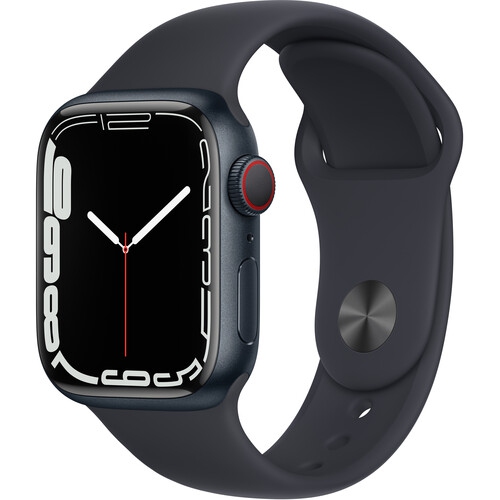 Your price for this item is $699
-
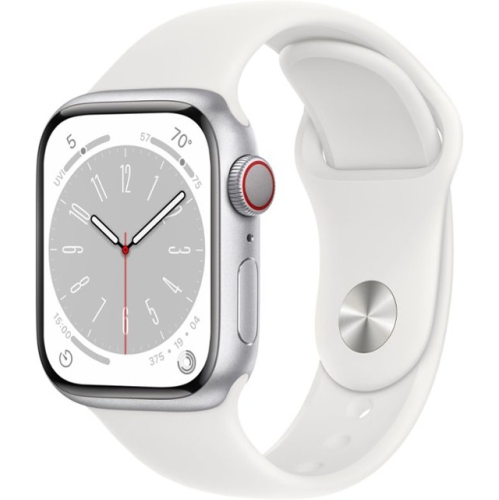 Your price for this item is $619
Discover more categories related to 44mm Apple Watch On Small Wrist


Top Collections:
Best Black Friday Deals This Year, Best Black Friday Deals On Electronics, Kindle Devices, Best Black Friday Deals On Apple Products, Best Budget Office Chairs, Best Cameras for Sports Photography, Dyson Airwrap, Canon G7X Cameras, Best Laptops for Writers, Samsung Galaxy Phones
Some products may be subject to Environmental Handling Fees
(EHF) depending on your province.
Learn more about EHFs.