Affordable Exercise Watches
If you're looking for an affordable fitness tracker, you've come to the right place. These watches are great for people who want to keep tabs on their daily activity levels and make sure they're getting the most out of their workouts. Here are some great options for affordable exercise watches.
Sort

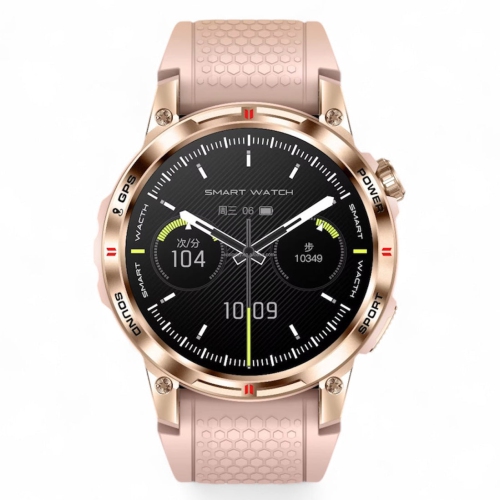
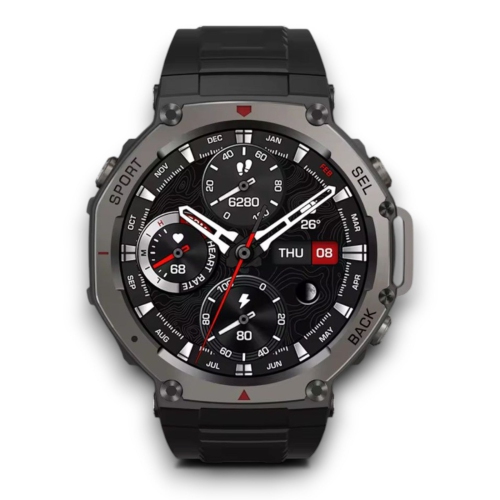
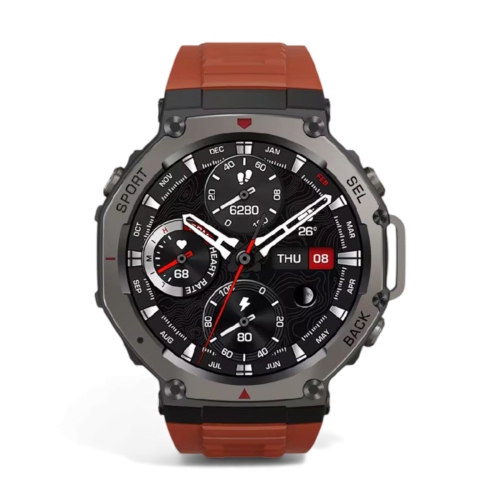
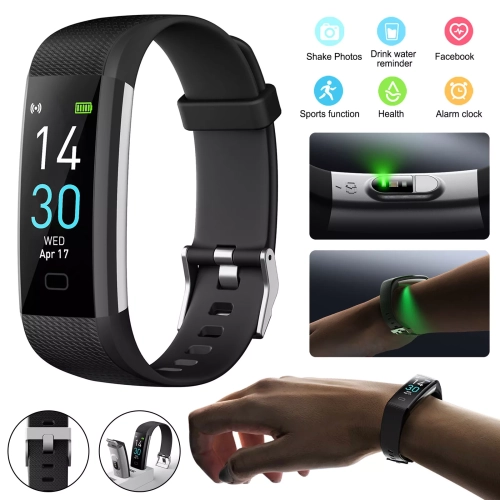
What wrist tracking can tell you about everyday movement
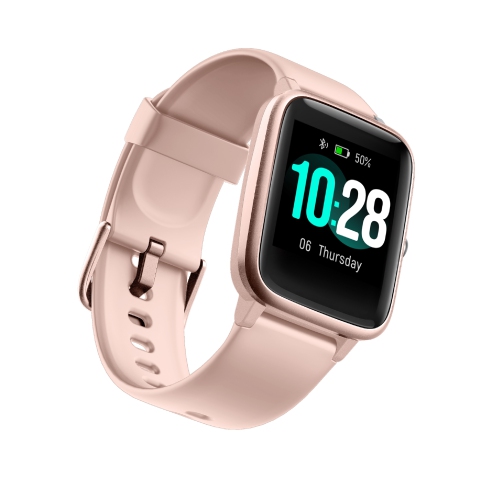
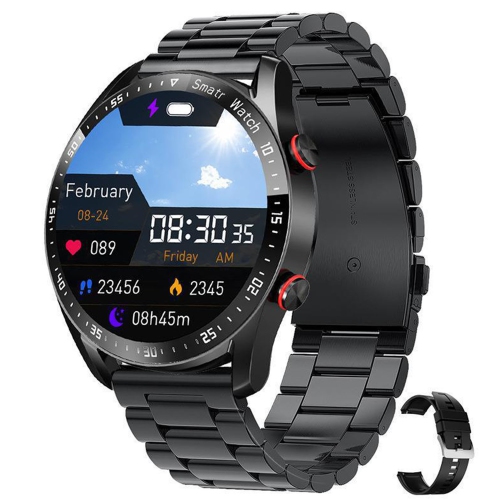
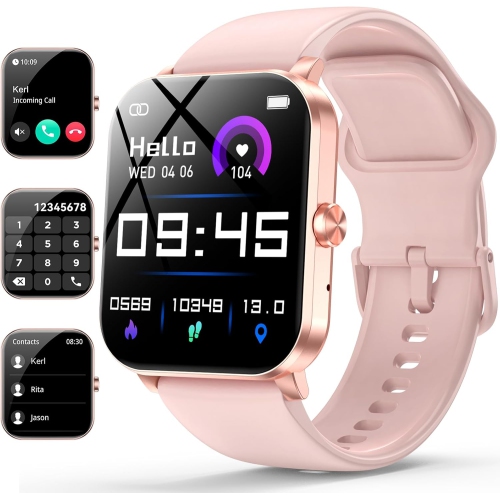
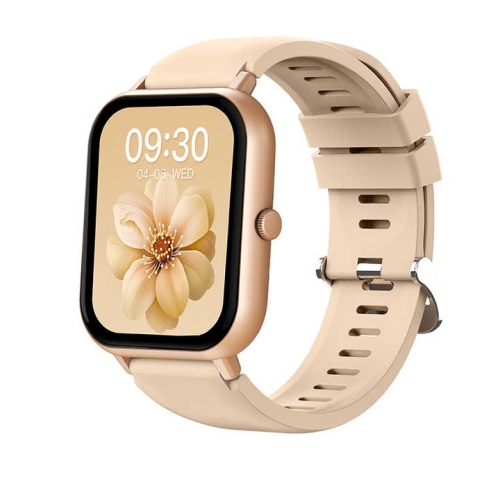
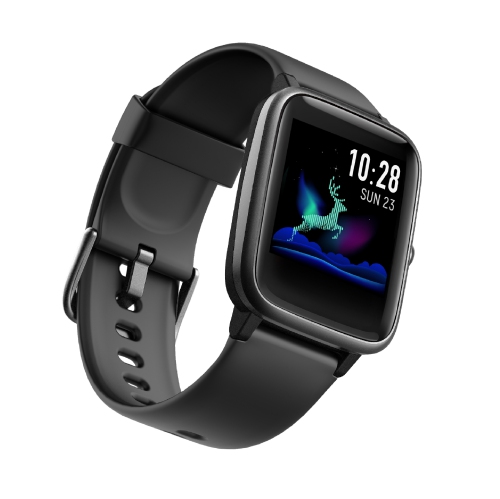
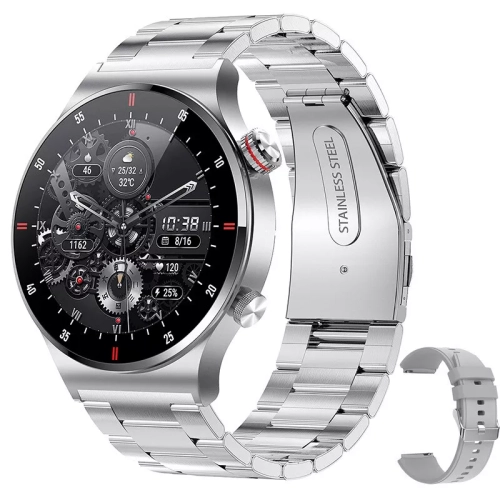
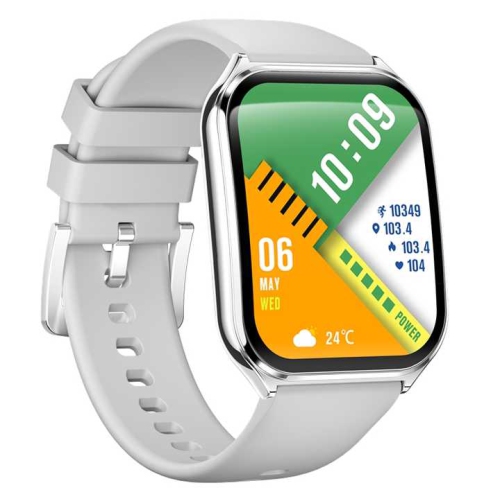
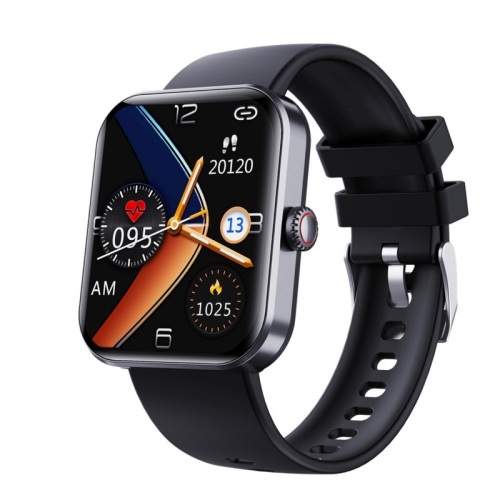
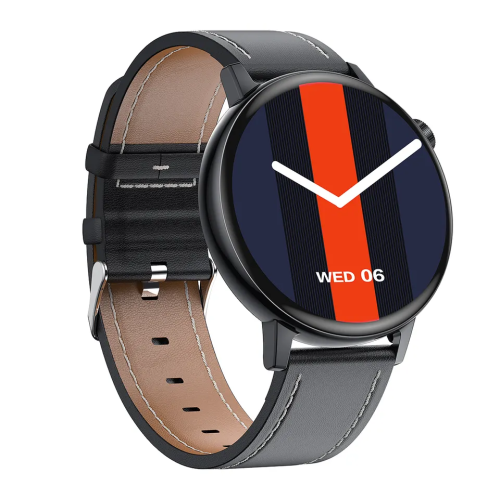
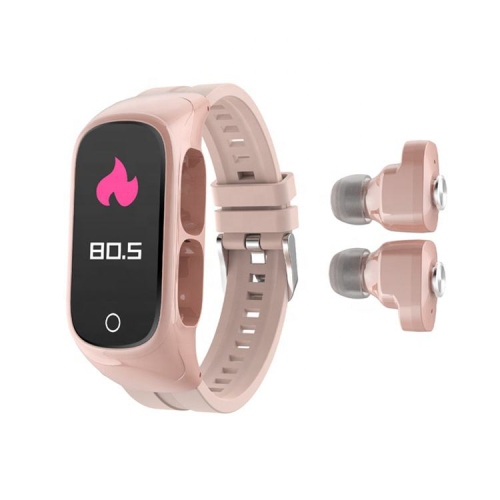
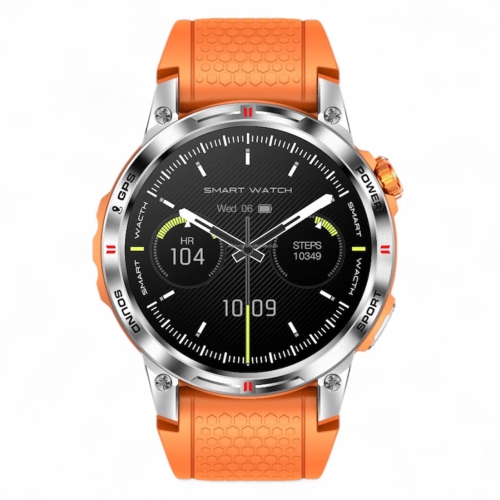
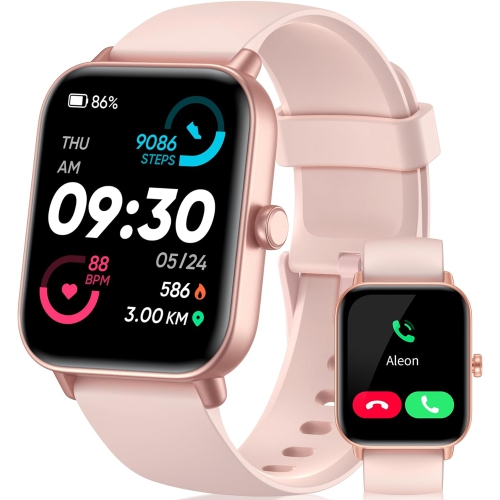
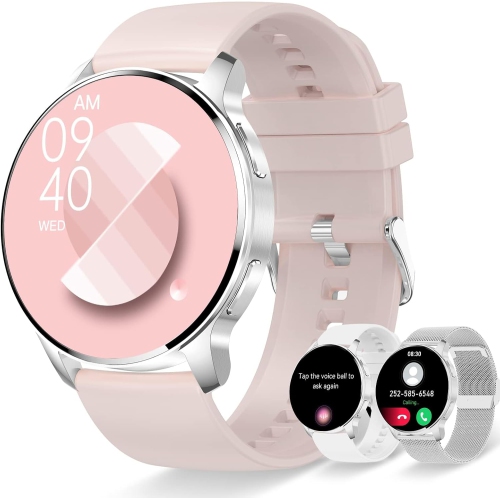
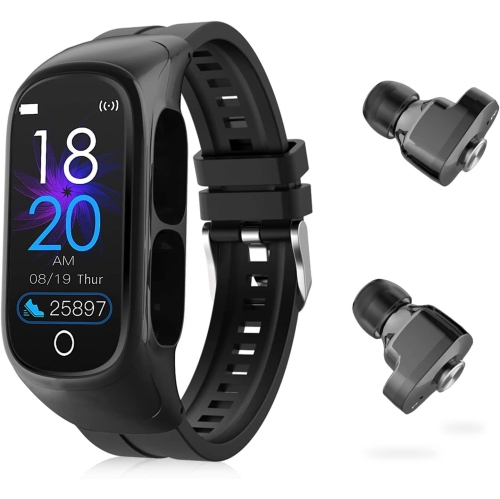
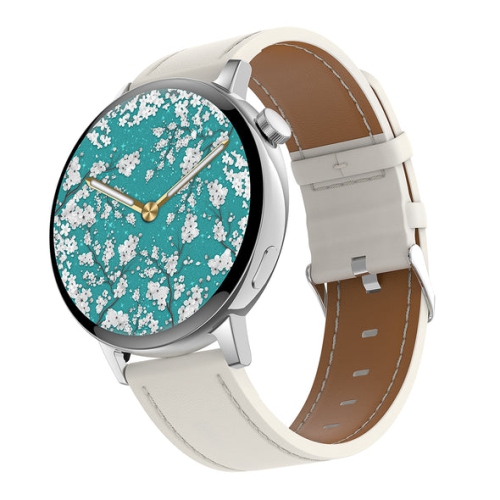
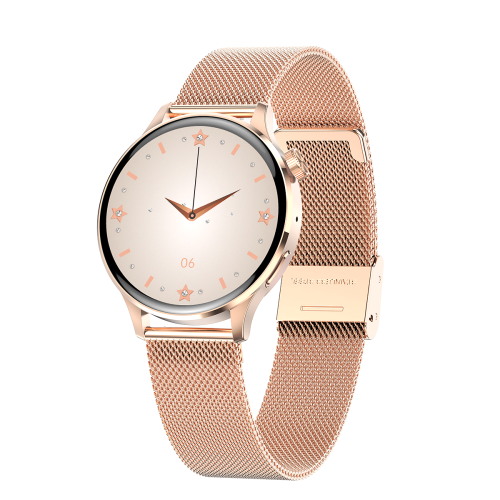
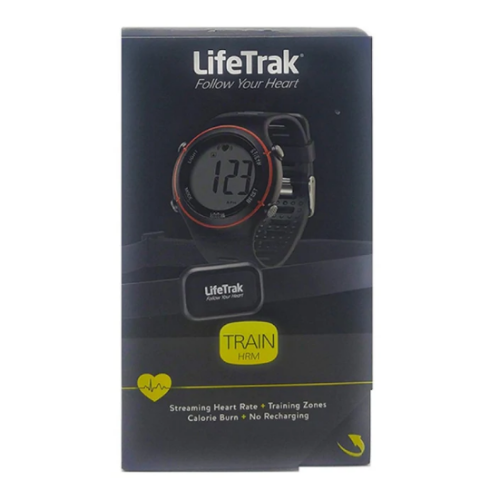
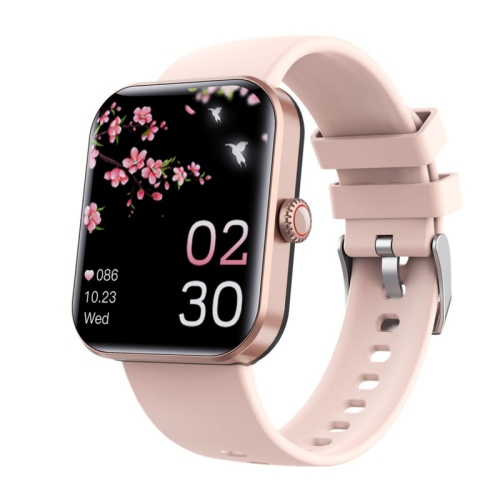
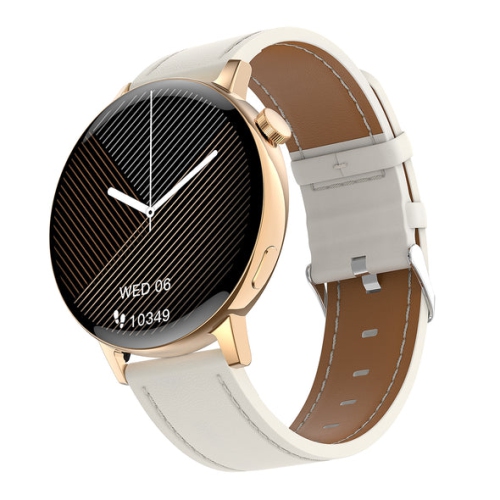
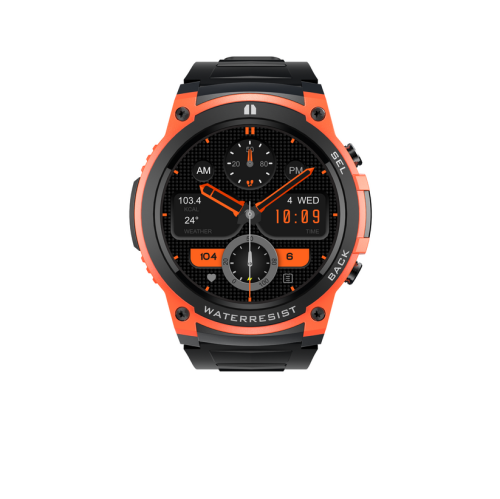
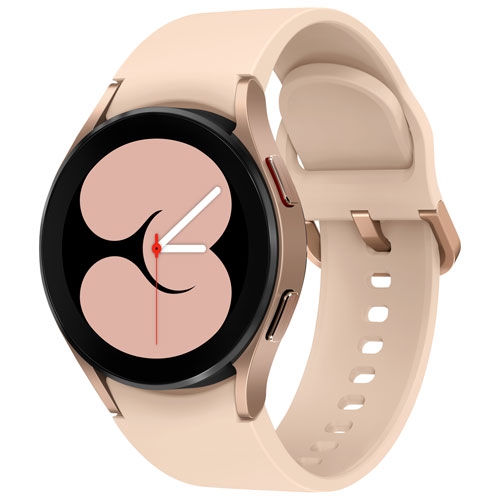
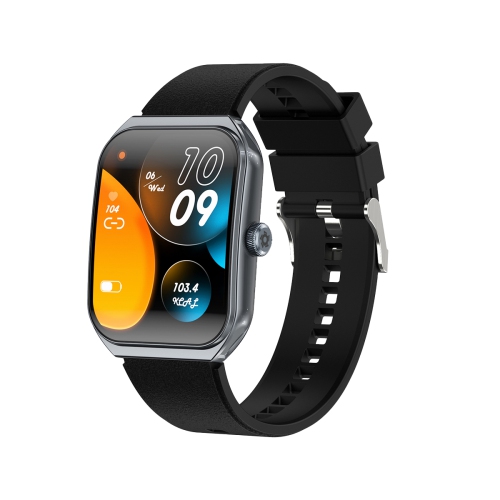
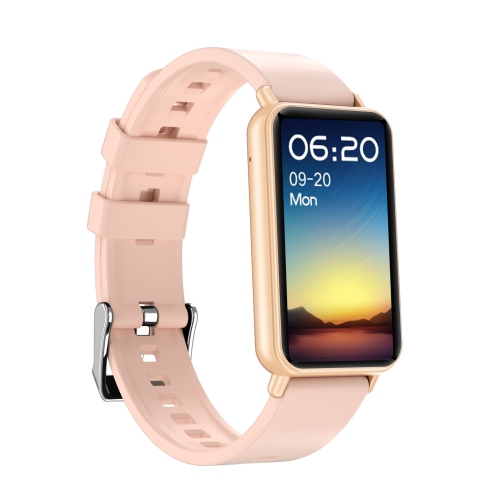
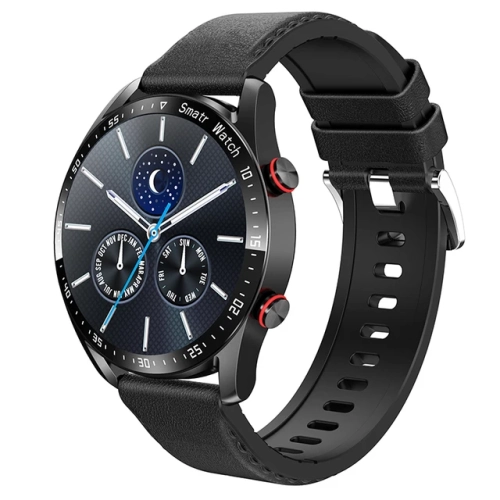
Affordable exercise watches bring everyday activity tracking and workout information to the wrist, making it easier to follow movement without repeatedly reaching for a phone. Depending on the model, useful features can include step counting, workout timers, optical heart rate tracking, sleep estimates, and activity reminders. These functions serve different purposes: a step total adds context to a day spent moving between a desk and errands, while a workout timer helps separate a brisk walk from a few casual trips around the house. For someone starting a regular exercise routine, a clear display and straightforward controls can be more useful than a long list of sport modes that rarely get opened. More active users may appreciate quick access to elapsed time, heart rate, and distance during a jog, cycle, or gym session. Exercise watches generally emphasize a watch-style screen and accessible workout information, while fitness bands often favour a slimmer shape for everyday wear, although the categories overlap. The Affordable Fitness Trackers page offers a related category for shoppers interested in activity-focused wearables. Across both styles, the most meaningful differences are often how comfortably a device fits, which activities it supports, and how clearly it presents useful information. Heart rate readings from the wrist can help show changes in effort, but movement, fit, skin contact, and the activity itself can affect accuracy. Step counts, calorie estimates, and sleep summaries are also approximations rather than clinical measurements. Their everyday value often comes from observing patterns over time, such as a steadier walking habit or a more consistent bedtime, rather than treating a single reading as definitive. For recreational exercise, a watch that makes a few relevant details easy to see can become a practical part of getting dressed for movement, whether that means a lunchtime walk, an indoor cycling session, or a weekend outing on a familiar trail.
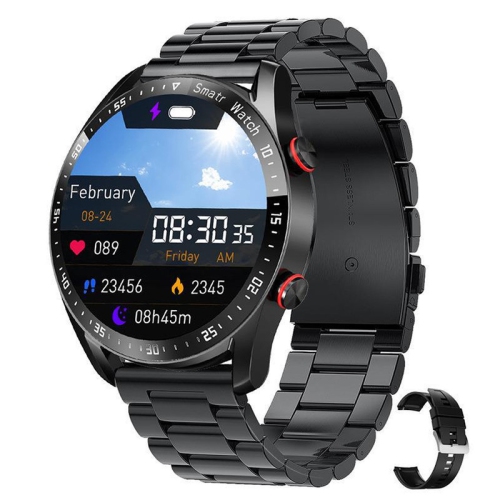
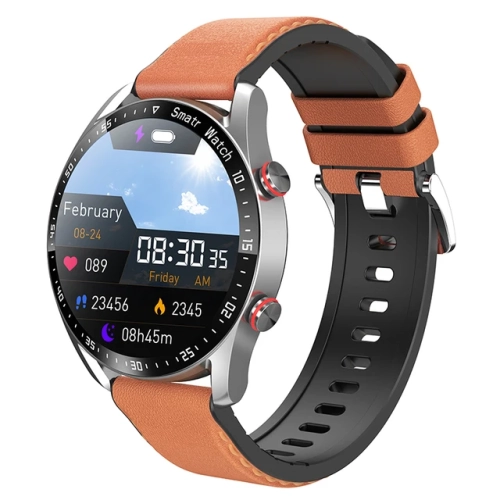
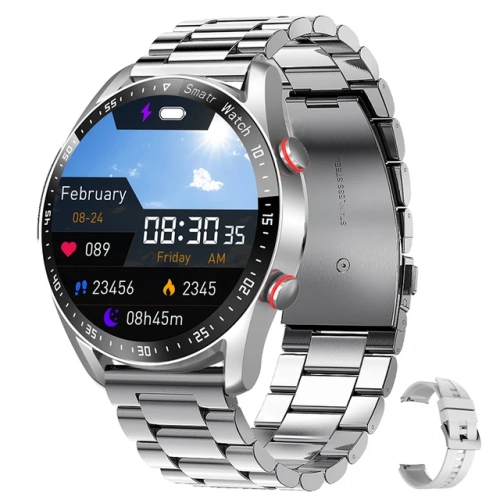
Materials and fit have a direct effect on how an exercise watch feels through a full day. Silicone and similar flexible straps are common because they are lightweight, bend with the wrist, and are usually easy to wipe clean after exercise. Woven straps can feel soft and allow airflow, though they may hold moisture longer after a sweaty session. Metal straps offer a different look for everyday wear, but their weight and adjustment style may be less convenient during vigorous activity. Case size matters as much as strap length: a broad watch face can make numbers easier to read, yet may press against the back of the hand during push-ups or catch beneath a close-fitting sleeve. A smaller case can feel less intrusive on a narrow wrist or during sleep. For optical tracking, a snug fit that maintains skin contact without pinching is generally preferable to a loose strap that slides around; the manufacturer's placement instructions remain important. Controls also affect comfort in use. Physical buttons can be helpful when fingers are damp, while a responsive touchscreen makes it easy to move between daily summaries and workout screens. During the cooler months, sleeves and gloves add another practical consideration, particularly for outdoor walkers and runners who want to check their progress without stopping for long. Durability depends on the case, screen, strap attachment, and stated resistance ratings, not simply on a sporty appearance. Water resistance varies widely, and protection against splashes does not automatically mean a watch is suitable for swimming, hot showers, or a sauna. The stated rating and permitted activities should match its intended use. Routine care usually involves following the manufacturer's cleaning directions, removing sweat and residue, drying the watch and strap thoroughly, and keeping charging contacts clean and dry. Compatible replaceable straps can also make it easier to maintain a comfortable fit as a band wears.
Workout features are most useful when they match the way someone actually moves. A person who walks familiar neighbourhood routes may mainly want time, steps, and a readable activity summary, while a runner exploring new paths may place greater importance on distance and route tracking. Built-in GPS can track an outdoor route without relying on a nearby phone for location data, whereas connected GPS uses a paired phone and generally requires carrying it during the workout. Neither feature should be assumed from the presence of a running mode alone. Indoor activities have different requirements: strength-training timers can help structure rest periods, and cycling modes can organize session information even when wrist movement contributes little to a step count. Automatic workout detection, where supported, may be convenient for spontaneous walks, but manually starting an activity can make its beginning and end clearer. Battery life also shapes daily use. Frequent GPS sessions, continuous monitoring, notifications, and an always-on display can shorten the time between charges, so stated battery figures are best understood alongside their testing conditions. Someone interested in overnight sleep tracking may prefer a charging routine that fits around a shower or time at a desk rather than leaving the watch plugged in all night. Phone compatibility deserves equal attention, including the supported operating system version, companion app requirements, and any features that work differently across phones. Message previews or call alerts do not necessarily mean a watch can place calls independently, and some app features may require a separate subscription. Clear text, adjustable brightness, and simple menus can make a device more approachable for a first-time wearer or a gift recipient who prefers uncomplicated technology. For a student balancing classes with recreation, an adult building a walking routine, or a family member who enjoys fitness classes, an exercise watch can offer a convenient view of activity throughout the day. A comfortable strap, manageable charging habits, and relevant workout functions help it feel useful beyond the first few sessions, supporting anything from a short stretch break to a longer workout without making every movement a performance target.
Materials and fit have a direct effect on how an exercise watch feels through a full day. Silicone and similar flexible straps are common because they are lightweight, bend with the wrist, and are usually easy to wipe clean after exercise. Woven straps can feel soft and allow airflow, though they may hold moisture longer after a sweaty session. Metal straps offer a different look for everyday wear, but their weight and adjustment style may be less convenient during vigorous activity. Case size matters as much as strap length: a broad watch face can make numbers easier to read, yet may press against the back of the hand during push-ups or catch beneath a close-fitting sleeve. A smaller case can feel less intrusive on a narrow wrist or during sleep. For optical tracking, a snug fit that maintains skin contact without pinching is generally preferable to a loose strap that slides around; the manufacturer's placement instructions remain important. Controls also affect comfort in use. Physical buttons can be helpful when fingers are damp, while a responsive touchscreen makes it easy to move between daily summaries and workout screens. During the cooler months, sleeves and gloves add another practical consideration, particularly for outdoor walkers and runners who want to check their progress without stopping for long. Durability depends on the case, screen, strap attachment, and stated resistance ratings, not simply on a sporty appearance. Water resistance varies widely, and protection against splashes does not automatically mean a watch is suitable for swimming, hot showers, or a sauna. The stated rating and permitted activities should match its intended use. Routine care usually involves following the manufacturer's cleaning directions, removing sweat and residue, drying the watch and strap thoroughly, and keeping charging contacts clean and dry. Compatible replaceable straps can also make it easier to maintain a comfortable fit as a band wears.
Workout features are most useful when they match the way someone actually moves. A person who walks familiar neighbourhood routes may mainly want time, steps, and a readable activity summary, while a runner exploring new paths may place greater importance on distance and route tracking. Built-in GPS can track an outdoor route without relying on a nearby phone for location data, whereas connected GPS uses a paired phone and generally requires carrying it during the workout. Neither feature should be assumed from the presence of a running mode alone. Indoor activities have different requirements: strength-training timers can help structure rest periods, and cycling modes can organize session information even when wrist movement contributes little to a step count. Automatic workout detection, where supported, may be convenient for spontaneous walks, but manually starting an activity can make its beginning and end clearer. Battery life also shapes daily use. Frequent GPS sessions, continuous monitoring, notifications, and an always-on display can shorten the time between charges, so stated battery figures are best understood alongside their testing conditions. Someone interested in overnight sleep tracking may prefer a charging routine that fits around a shower or time at a desk rather than leaving the watch plugged in all night. Phone compatibility deserves equal attention, including the supported operating system version, companion app requirements, and any features that work differently across phones. Message previews or call alerts do not necessarily mean a watch can place calls independently, and some app features may require a separate subscription. Clear text, adjustable brightness, and simple menus can make a device more approachable for a first-time wearer or a gift recipient who prefers uncomplicated technology. For a student balancing classes with recreation, an adult building a walking routine, or a family member who enjoys fitness classes, an exercise watch can offer a convenient view of activity throughout the day. A comfortable strap, manageable charging habits, and relevant workout functions help it feel useful beyond the first few sessions, supporting anything from a short stretch break to a longer workout without making every movement a performance target.
Top selling and popular products
-
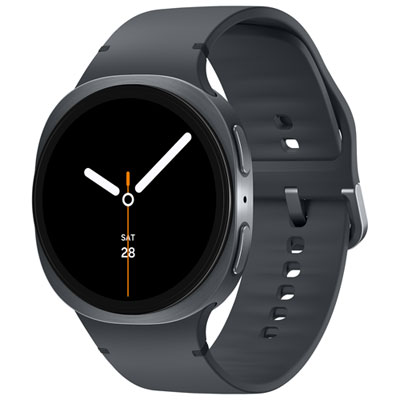 Your price for this item is $399.99
 -
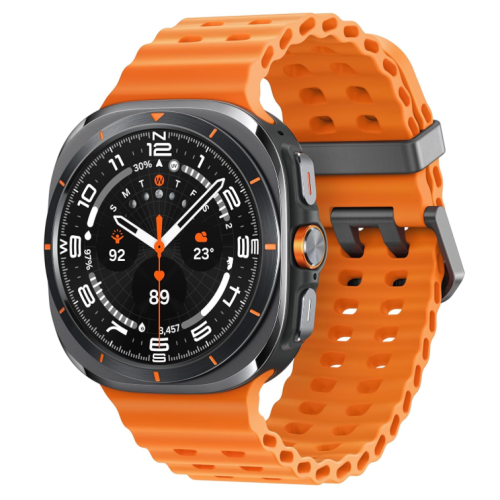 Your price for this item is $579.99
 -
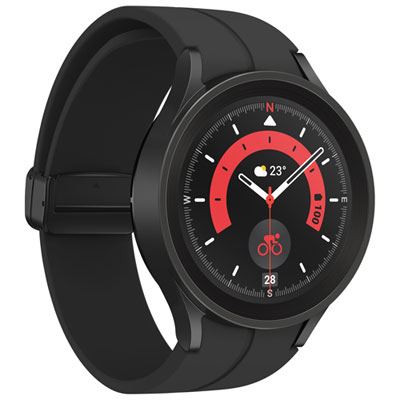 Your price for this item is $629.97
 -
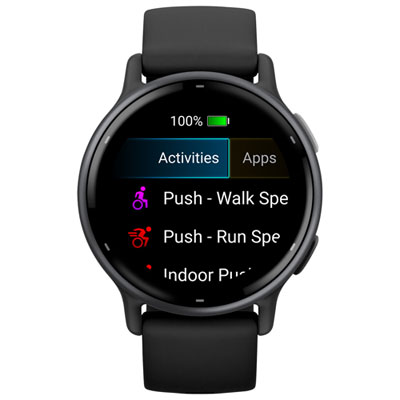 Your price for this item is $349.99
 -
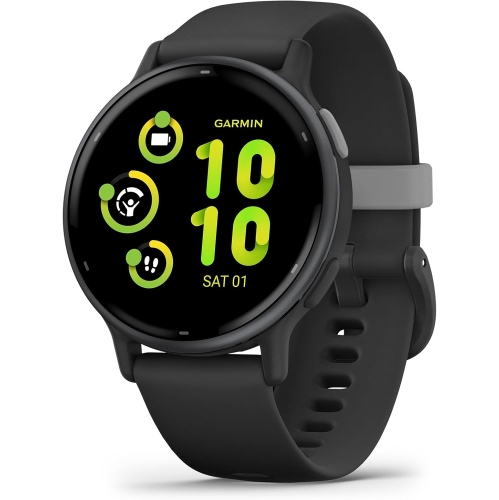 Your price for this item is $371.79
 -
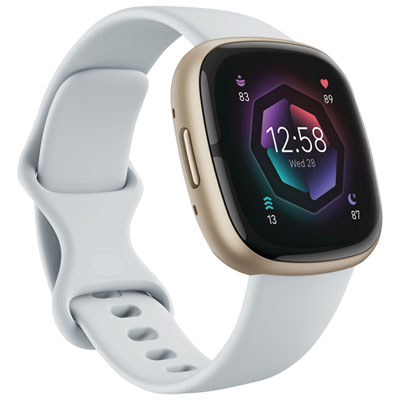 Your price for this item is $209.99
 -
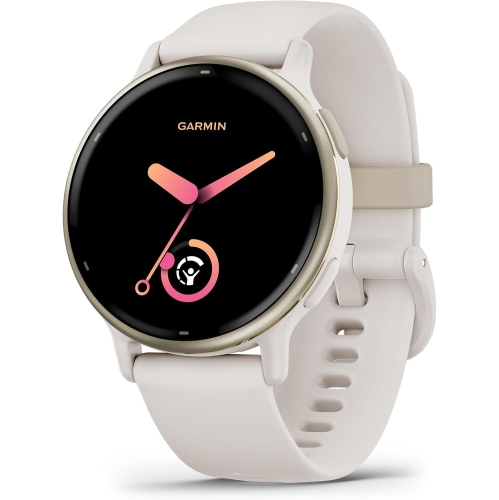 Your price for this item is $328.89
 -
 Your price for this item is $659.99
Discover more categories related to Affordable Exercise Watches
Top Collections:
Pokemon Centers, Kindle Devices, Best Budget Office Chairs, Apple iPhones 16, Canon G7X Cameras, iPhone 15 Apple, Alarm Clock, Refurbished Apple Laptops, Flip Phones, Best Laptops for Writers
Some products may be subject to Environmental Handling Fees
(EHF) depending on your province.
Learn more about EHFs.