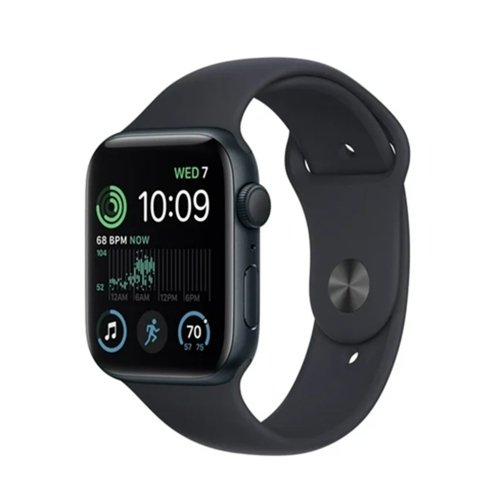
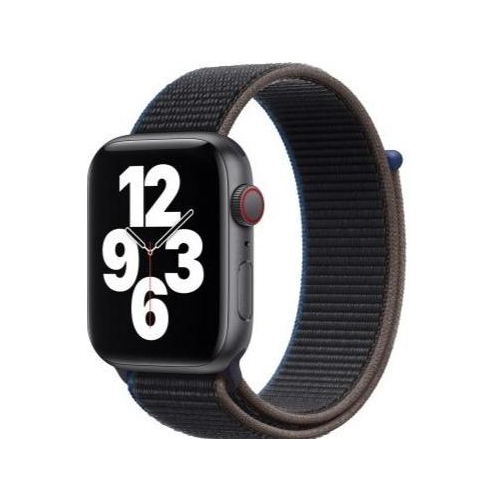
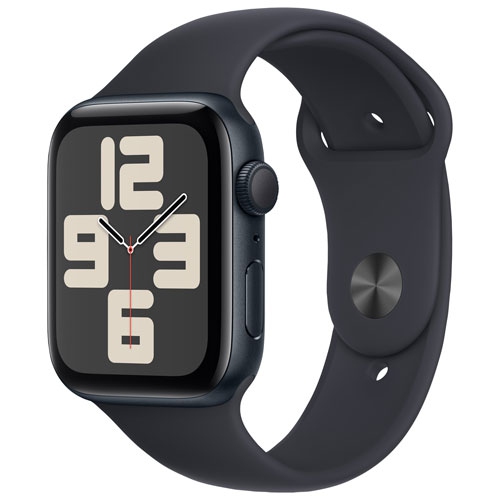
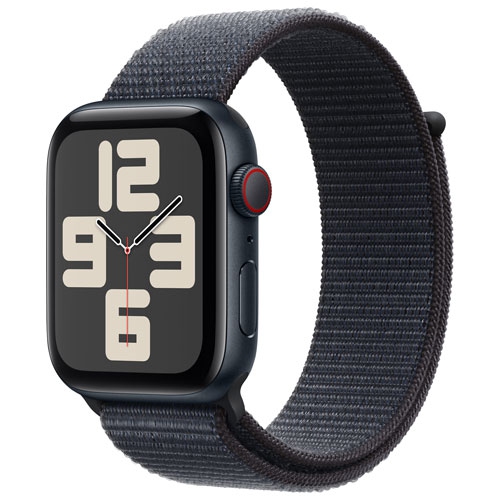
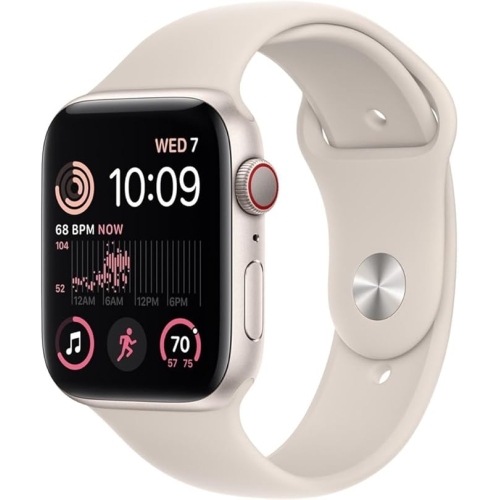
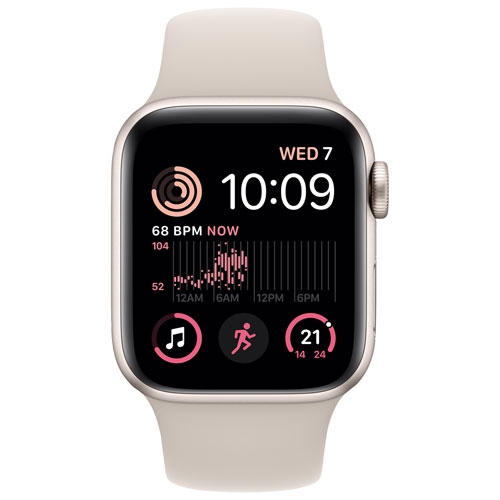
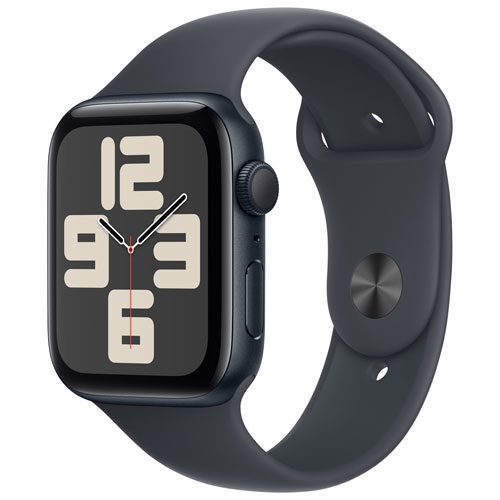
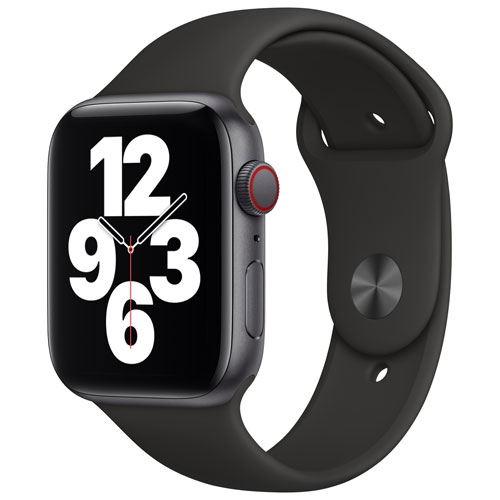
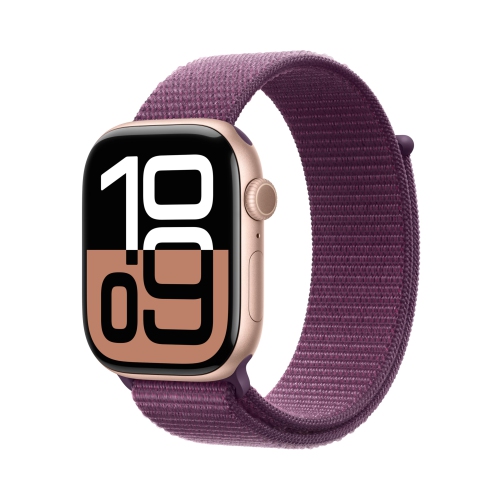
Apple Watch SE GPS 44mm
Discover the perfect blend of style and convenience with the Apple Watch SE GPS 44Mm. Designed to complement any lifestyle, this smartwatch offers a seamless way to stay connected and organized throughout your day. Whether you're managing your schedule, staying in touch on the go, or keeping track of daily activities, the Apple Watch SE GPS 44Mm provides a reliable companion for every moment. Explore a range of options to find the ideal fit for your needs and preferences.
Sort







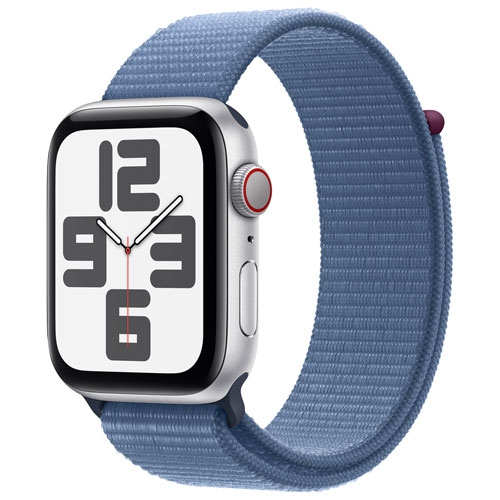
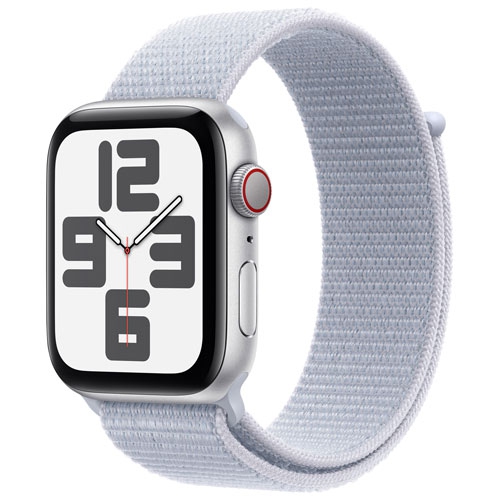
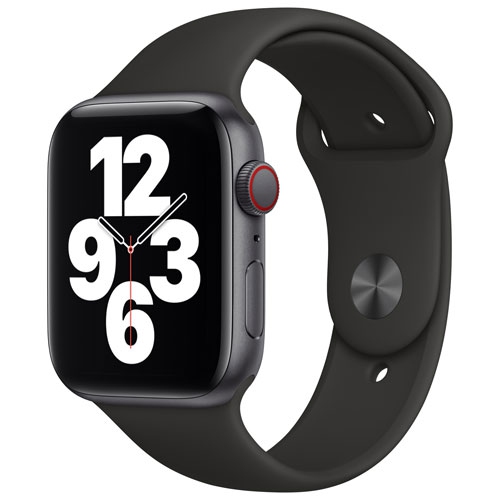


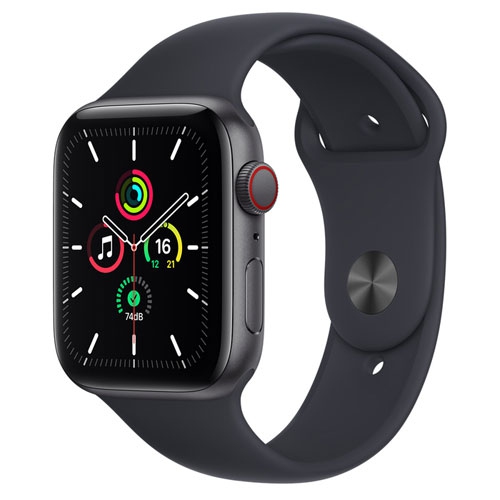

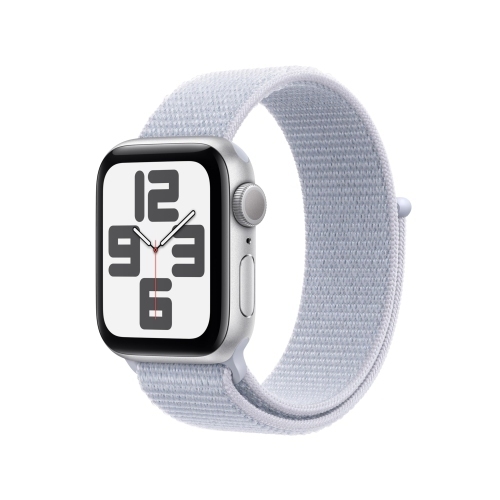
Why wrist comfort goes beyond a 44mm case
A 44mm GPS smartwatch brings everyday communication, activity tracking, and outdoor workout information together on the wrist. On this style of rectangular watch, 44mm refers to the case height, not the screen diagonal or the length of the band. That distinction matters when considering how the watch will sit on the wrist: the case should rest comfortably without extending awkwardly beyond its edges, while the band needs enough adjustment to hold it securely. A larger display can make a message, workout timer, or navigation prompt easier to read at a glance, although text size, brightness settings, and screen layout also affect readability. The Apple Watch SE 44 category brings this case size into focus, with generation, connectivity type, and band configuration remaining important distinctions. Aluminium cases offer a lightweight feel for everyday wear, while the glass face benefits from sensible protection against knocks from door frames, exercise equipment, and desk edges. Band material changes the wearing experience just as much as case size. Smooth sports bands are practical for exercise and straightforward to wipe clean, woven bands can feel soft and flexible, and metal styles give the watch a more structured appearance. Each material has its own care requirements, and suitability for water or vigorous exercise should be checked separately from the watch itself. A comfortable fit is snug rather than tight, with enough contact for the sensors to work without leaving the wrist feeling pinched. During a workout, a slightly closer fit can help prevent the watch from sliding; afterwards, loosening the band can improve comfort. Band length and attachment compatibility deserve separate attention, since the case measurement alone does not establish whether a strap will fit either the wearer or the watch. For someone moving between a desk, a fitness centre, and errands, these small details can make the difference between a watch worn occasionally and one that feels like a natural part of the day.
Built-in GPS is particularly useful for walking, running, and other supported outdoor workouts because it can track a route and measure distance and pace without requiring a phone to be carried throughout the activity. GPS connectivity is not the same as cellular connectivity, however. A GPS-only watch does not have its own mobile network connection, so calling, messaging, streaming, and other connected functions depend on a nearby paired phone, a compatible Wi-Fi connection, and the requirements of the particular feature. Some functions remain useful away from those connections, including supported workout tracking and playback of audio already downloaded to the watch. This distinction is relevant to someone heading out for a short run without a phone, compared with someone who needs dependable access to calls while away from it. Satellite reception can also be affected by tall buildings, dense tree cover, and other obstructions, so route and pace readings are best understood as practical training information rather than survey-grade measurements. Fitness features commonly include activity summaries, heart-rate readings, workout records, and sleep information, with the exact capabilities depending on the generation and software. These measurements can help a wearer notice patterns, such as more consistent movement across the week or changes in bedtime routines, but they are not a substitute for medical assessment. Sensor contact, movement, fit, and individual circumstances can influence readings. Water resistance deserves similar attention to detail. A rating of 50 metres describes performance under specified testing conditions; it does not mean a watch is intended for diving to that depth. Swimming and shallow-water use should follow the manufacturer’s directions, and a water-resistant case does not make every attached band suitable for the pool. High-speed water activities, impacts, and exposure to soaps or other chemicals can fall outside intended use. For regular swimmers, runners, and gym-goers, understanding those boundaries helps match the watch to the activity rather than assuming that every form of exercise places the same demands on it.
Daily convenience also depends on charging habits, phone compatibility, and straightforward care. Battery-life figures reflect defined testing conditions rather than a guaranteed interval between charges, and actual runtime changes with GPS workouts, display use, notifications, audio playback, and battery age. Someone recording a long outdoor session may need a different charging routine from someone mainly checking messages and tracking everyday movement. Sleep tracking adds another consideration: a short charging period while getting ready or sitting at a desk can be more practical than leaving the watch on its charger all night, provided there is enough charge for the intended use. Charging equipment should match the watch’s requirements, and charging contacts and surfaces should be clean and dry. For regular cleaning, a soft, non-abrasive cloth and the manufacturer’s recommended method help remove sweat and everyday residue without unnecessary wear. Bands should be cleaned according to their own material instructions, then allowed to dry before being worn again. Water resistance can diminish over time, and damage to the case or glass warrants attention before further water exposure. Software support and setup requirements are equally important, especially when comparing different generations: a compatible phone and supported operating system are essential, and not every feature is shared across every version. Notification controls, display settings, and accessibility options can make the watch easier to use without filling the day with interruptions. A commuter might favour discreet calendar reminders, while a student may prefer fewer alerts during class and a recreational runner may keep workout information prominent. As a gift, this type of smartwatch is most useful when the recipient’s phone compatibility, wrist fit, charging routine, and interest in wearing a connected device are understood. Colour and band texture can add a personal touch, but everyday comfort and a clear match to the wearer’s activities usually matter more over time. A well-suited combination supports quick interactions, useful activity records, and comfortable wear without demanding constant attention.
Top selling and popular products
-
 Your price for this item is $272.99
-
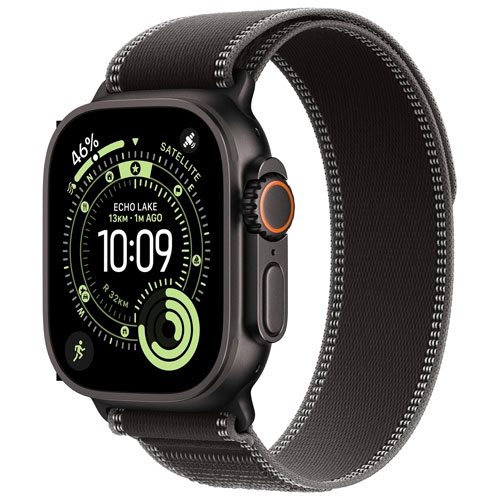 Your price for this item is $995
-
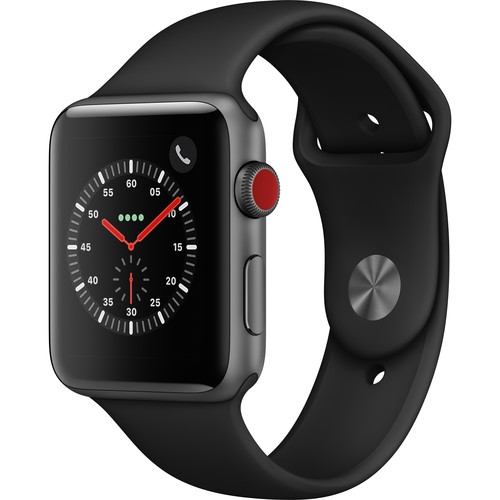 Your price for this item is $263.99
-
 Your price for this item is $253.99
-
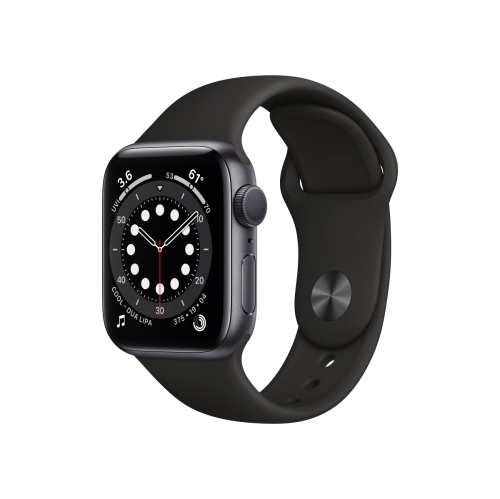 Your price for this item is $339.99
-
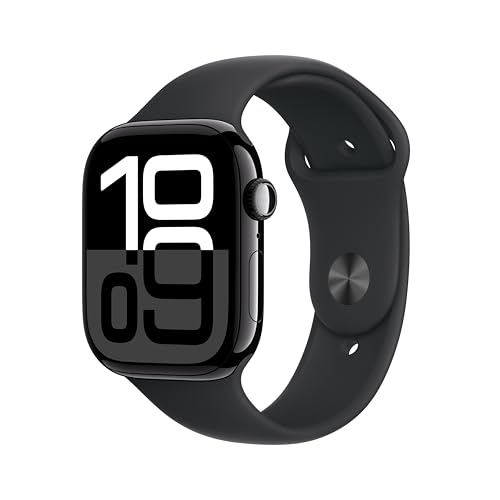 Your price for this item is $485
-
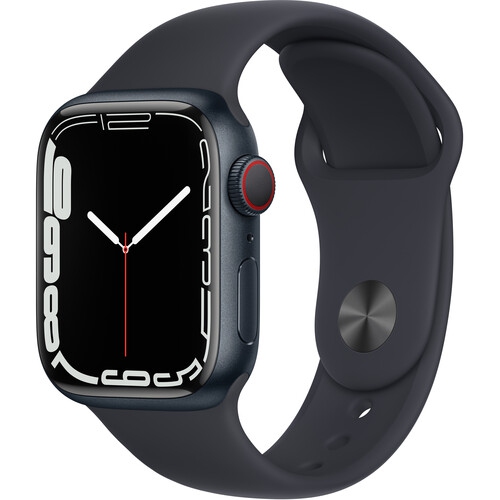 Your price for this item is $699
-
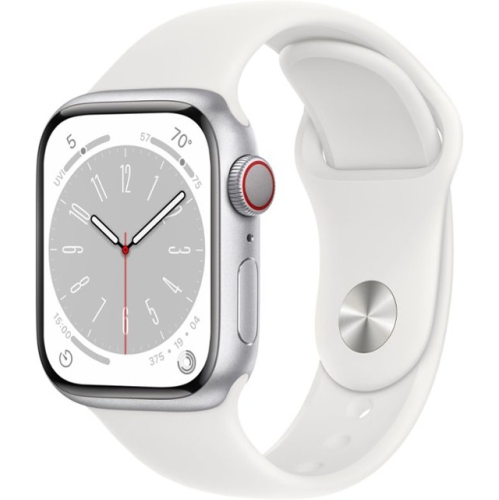 Your price for this item is $619
Discover more categories related to Apple Watch SE GPS 44mm
Top Collections:
Best Black Friday Deals This Year, Best Black Friday Deals On Electronics, Kindle Devices, Best Black Friday Deals On Apple Products, Best Budget Office Chairs, Best Cameras for Sports Photography, Dyson Airwrap, Canon G7X Cameras, Best Laptops for Writers, Samsung Galaxy Phones
Some products may be subject to Environmental Handling Fees
(EHF) depending on your province.
Learn more about EHFs.