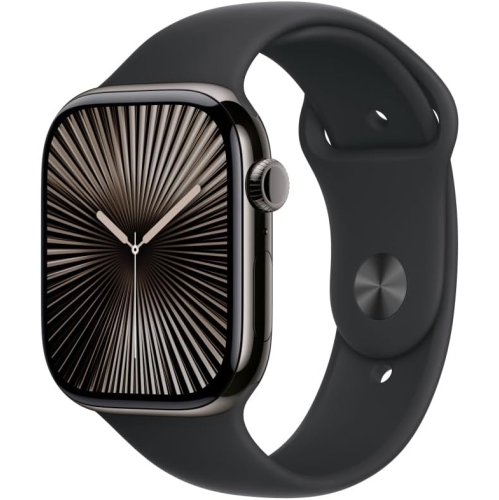
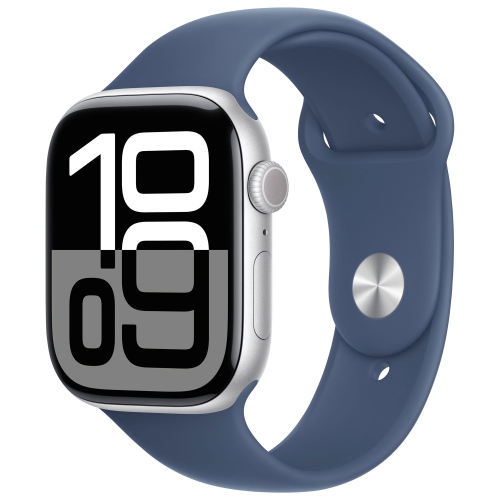
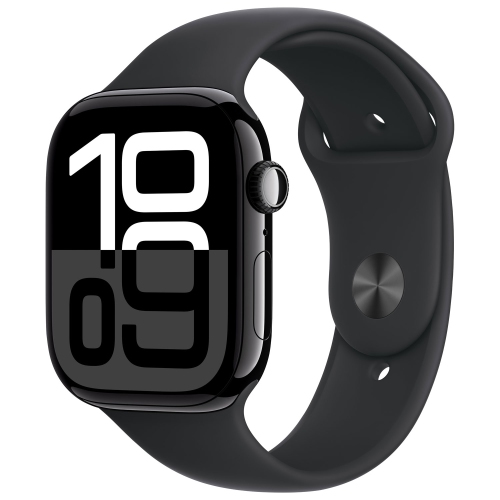
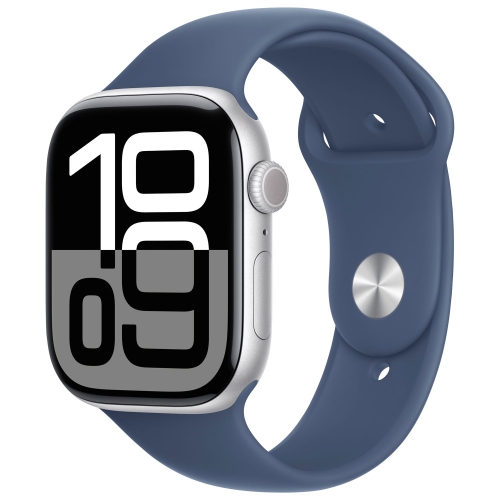
Apple Watch Series 10 GPS Cellular
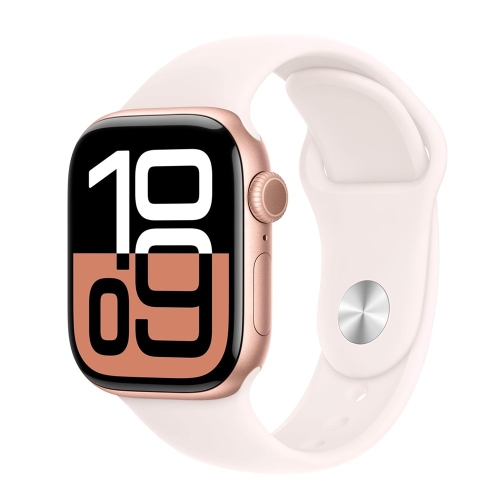
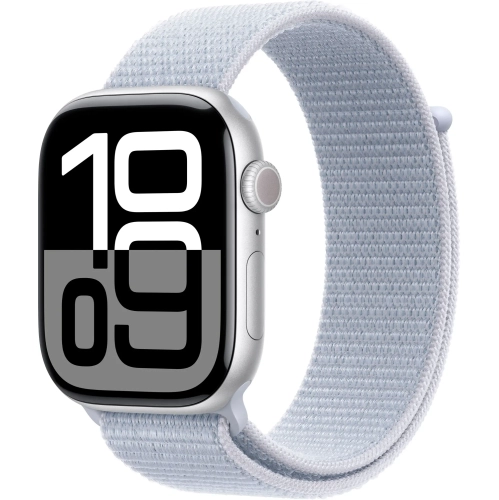
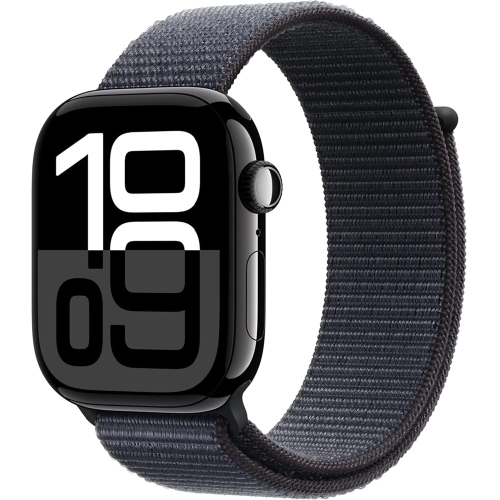
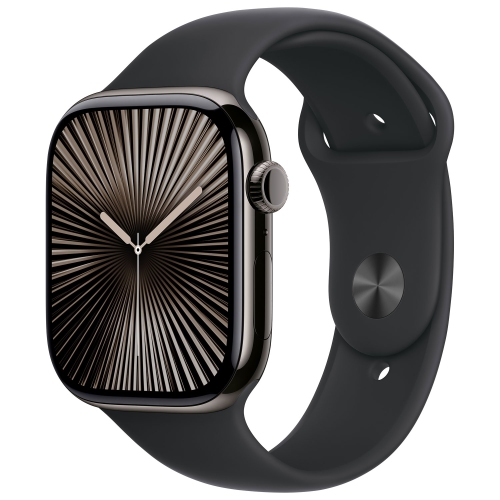
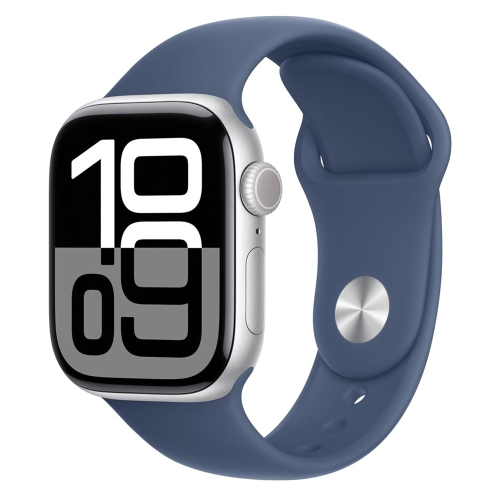
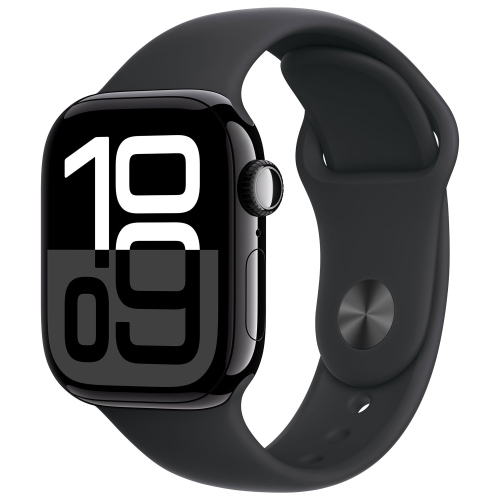
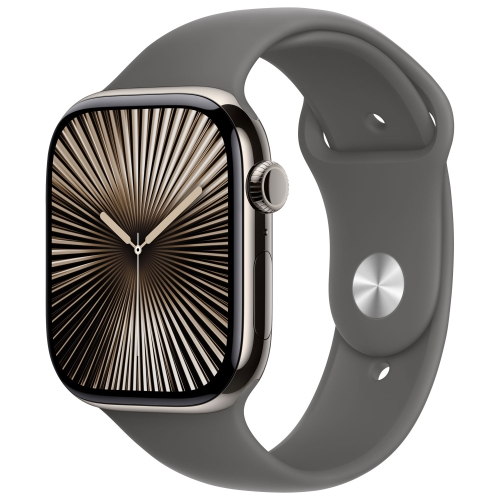
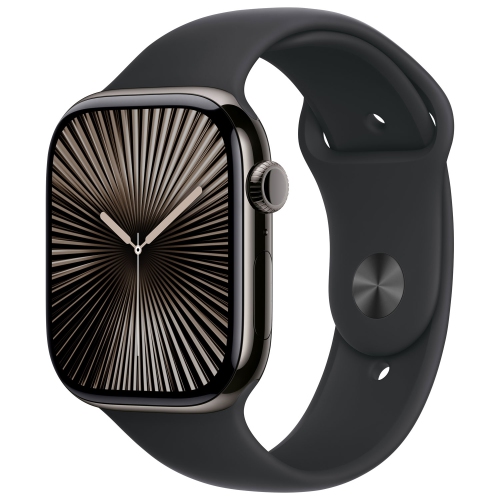
Experience the next level of connectivity and convenience with the Apple Watch Series 10 GPS Cellular. Designed for those who want to stay connected on the go, this advanced smartwatch offers seamless integration with your daily routine. Whether you’re tracking your fitness goals, managing notifications, or staying in touch without your phone, the Apple Watch Series 10 GPS Cellular brings versatility and style to your wrist. Explore a range of options to find the perfect fit for your lifestyle.
Sort




What your watch can do without your phone
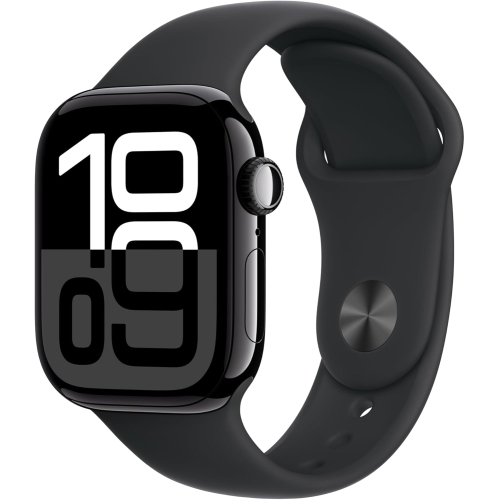
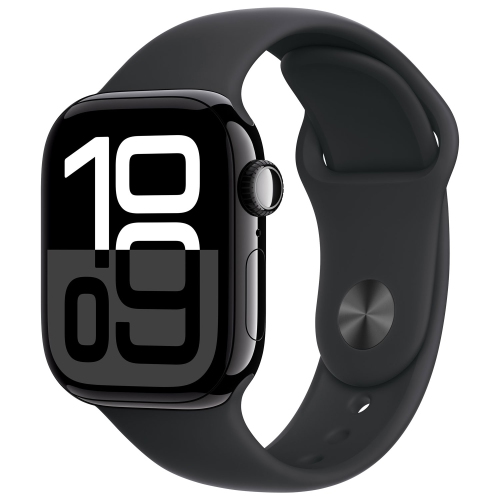
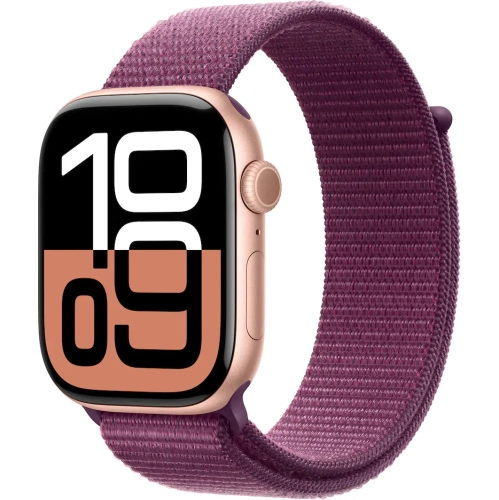
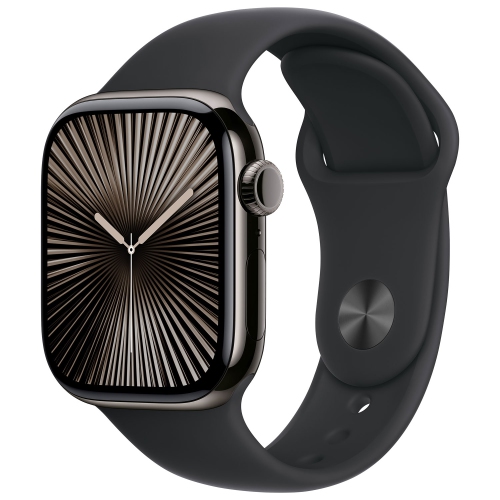
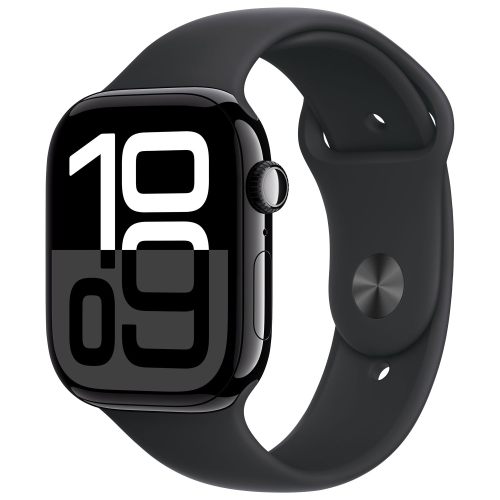
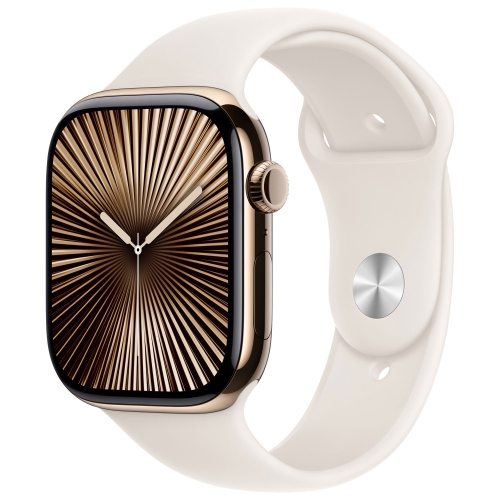
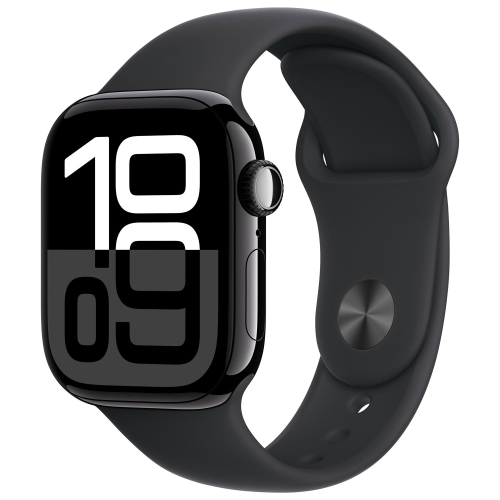
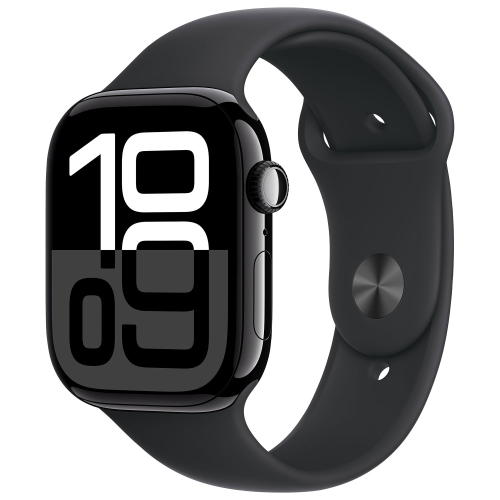
GPS + Cellular smartwatches bring calls, messages, navigation, and everyday activity tracking to the wrist, with cellular connectivity adding flexibility when a paired phone stays behind. On a walk with the dog or a workout without pockets, an activated watch can handle supported calls and texts through a compatible mobile network. Streaming music and using connected apps away from a phone also depend on network coverage, account settings, and the service involved. GPS serves a different purpose: it helps measure location, distance, and pace during outdoor activities, while cellular provides a connection for communication and data. A cellular-capable watch still needs a compatible phone for initial setup and many account functions, and independent connectivity generally requires a supported carrier plan. Phone compatibility, software requirements, and carrier support therefore matter as much as the watch’s appearance. Case sizes such as 42 mm and 46 mm describe the watch body rather than the strap length, so a comfortable fit depends on both dimensions. A smaller case can feel less noticeable under a shirt cuff, while a larger display gives text, workout numbers, and touch controls more room. Wide-angle OLED displays help keep information readable when the wrist is resting on a desk or gripping an exercise handle, and an always-on display can show key details without a full wrist raise. Case materials contribute to the feel as well: aluminum offers a lightweight option for everyday wear, while titanium combines strength with a distinctive metallic finish. Neither material removes the need to consider weight, strap comfort, and how the watch sits against the wrist. For shoppers comparing cellular capability with a smaller GPS-only format, the Series 10 GPS 42mm selection provides a related starting point. GPS-only watches can suit routines where a paired phone is usually close by, while cellular capability is particularly useful when leaving that phone behind is part of the appeal.
Health and fitness functions give a connected smartwatch a role beyond notifications, especially for people who want a clearer picture of everyday movement and rest. Workout tracking can bring elapsed time, heart rate, distance, and pace into one glanceable view, making it easier to follow an interval session or compare similar routes over time. GPS measurements are most useful when the watch has a clear signal; tall buildings, dense tree cover, and other obstructions can affect location accuracy. Heart-rate readings also depend on fit and movement, with a snug, comfortable strap helping the sensor maintain contact during exercise. Sleep tracking adds another reason to think about all-day comfort, since a watch that feels fine for a short workout may feel different when worn overnight. Supported sleep features can show patterns in sleep duration and provide notifications about possible signs of sleep apnea, while overnight health summaries may bring together measurements such as heart rate, respiratory rate, and wrist temperature. These functions support awareness rather than replace medical assessment, and eligibility can depend on age, software, and regional approvals. An ECG app, where supported, offers another way to capture heart-related information, but it does not rule out a heart attack or every heart condition. For swimmers and people who spend time in the water, supported depth and water-temperature sensors add context to suitable activities. A depth gauge rated to measure down to 6 metres is not the same as equipment intended for scuba diving, and a water-resistance rating does not make every water activity appropriate. Pool lengths, shallow-water sessions, and post-workout recovery are more relevant everyday uses than assuming the watch can handle any underwater setting. Outside exercise, timers, calendar reminders, navigation prompts, and accessibility features can make the watch useful throughout a busy day. A discreet vibration for a turn or appointment can be easier to notice than a phone tucked inside a bag, without requiring a screen to stay in hand.
Battery life, charging habits, and routine care help determine how comfortably a smartwatch fits into daily use. Ratings of up to 18 hours of typical use or up to 36 hours in a low-power mode are estimates under defined test conditions, not promises for every routine. Cellular calls, streaming, GPS workouts, display settings, and battery age all influence the time between charges. Low-power settings can extend runtime by limiting selected functions, so the practical balance is between longer use and the features that matter most. On supported fast-charging designs, charging from a depleted battery to about 80% in around 30 minutes can make a short charging break useful, provided the required charging cable and power adapter are used. That flexibility matters for someone who wants both daytime activity tracking and overnight sleep information: a charging window while showering or getting ready may be more convenient than leaving the watch off all night. Long-term comfort also depends on the band. Smooth, flexible materials are practical for exercise and frequent cleaning, woven bands can offer adjustable comfort, and metal styles bring a more structured feel for work or dressier occasions. Band sizing and attachment compatibility deserve attention, particularly when changing between case sizes or reusing an older strap. A secure fit should not pinch, and moisture trapped beneath a band can become uncomfortable. Cleaning methods vary by material, but a soft cloth, thorough drying, and following the maker’s care directions help protect the case, sensors, and strap. Water resistance can diminish over time, and impacts, soaps, or unsuitable cleaning products may affect seals or finishes. As a gift, a connected watch is most useful when it matches the recipient’s phone, wrist size, charging habits, and interest in fitness or communication features. Someone who regularly leaves a phone in a locker may value cellular connectivity more than someone who mainly wants quiet reminders at a desk. The strongest fit comes from that everyday routine, with case size, band choice, and connected features working together rather than any single specification deciding the experience.
Top selling and popular products
-
 Your price for this item is $272.99
-
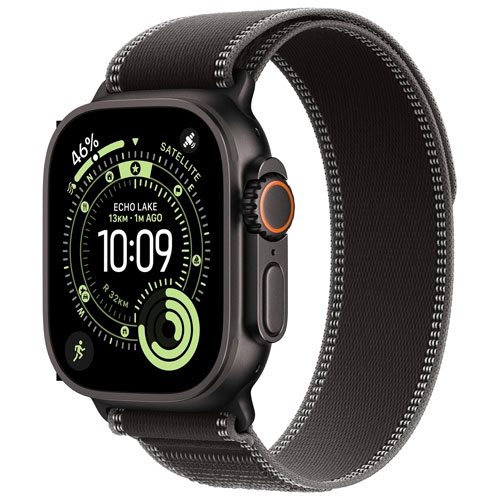 Your price for this item is $995
-
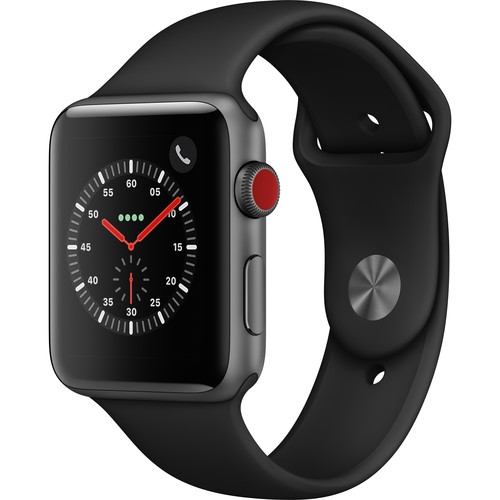 Your price for this item is $263.99
-
 Your price for this item is $253.99
-
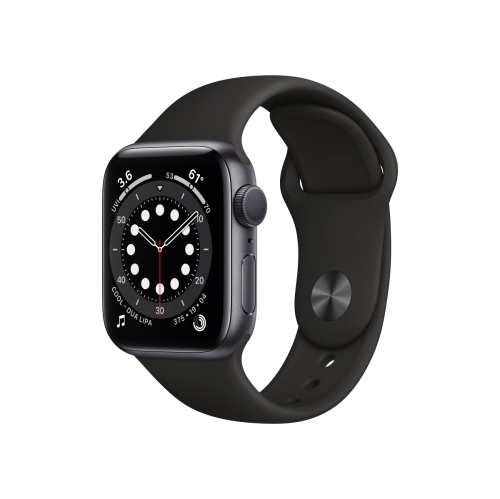 Your price for this item is $339.99
-
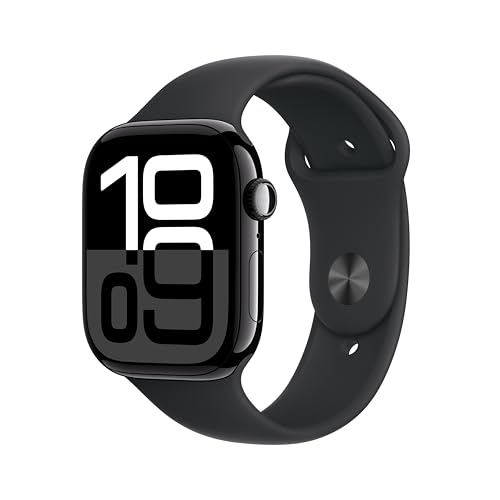 Your price for this item is $485
-
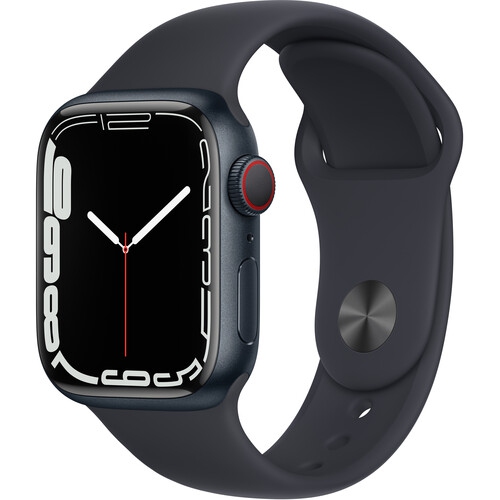 Your price for this item is $699
-
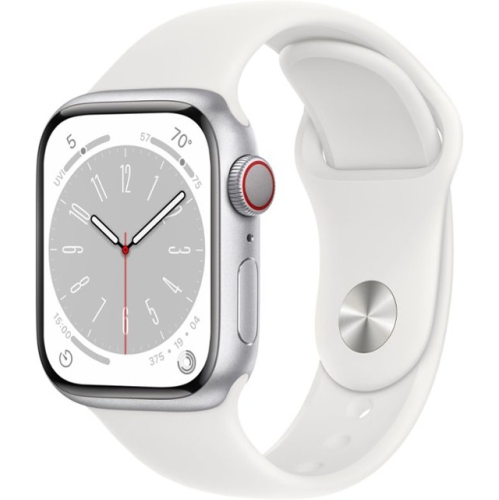 Your price for this item is $619
Discover more categories related to Apple Watch Series 10 GPS Cellular


Top Collections:
Best Black Friday Deals This Year, Best Black Friday Deals On Electronics, Kindle Devices, Best Black Friday Deals On Apple Products, Best Budget Office Chairs, Best Cameras for Sports Photography, Dyson Airwrap, Canon G7X Cameras, Best Laptops for Writers, Samsung Galaxy Phones
Some products may be subject to Environmental Handling Fees
(EHF) depending on your province.
Learn more about EHFs.