Bike Watches
Discover the perfect blend of style, functionality, and innovation with our collection of bike watches at Best Buy Canada. Designed for cycling enthusiasts and casual riders alike, these timepieces offer more than just a way to keep track of time. Whether you're navigating city streets or exploring rugged trails, bike watches provide intuitive features that enhance your biking experience. With sleek designs and durable construction, they are an essential accessory for any cyclist looking to stay on track and in sync with their ride. Explore our selection today to find the ideal companion for your next adventure.
Sort



Ride tracking that goes beyond distance and speed
Bike watches are wrist-worn fitness watches with cycling features that help riders track their rides, follow training sessions, and review activity afterwards. Depending on the watch, a cycling profile can record elapsed time, distance, speed, elevation gain, and heart rate, bringing useful ride information together without requiring a dedicated display on the handlebars. They suit a range of routines, from a short ride across town to a structured indoor cycling session or a longer outing with several climbs. For someone who cycles alongside running, swimming, or strength training, a multisport watch can also keep different activities in one place. The most useful features depend on how the watch will be used: straightforward ride recording may be enough for casual cycling, while regular training can call for customizable data screens, interval timers, and support for compatible external sensors. Display readability matters as much as the number of measurements available. Clear numbers, good contrast, and a screen layout that gives priority to the rider’s preferred information make brief checks easier. Physical buttons can be helpful when a touchscreen is difficult to operate, although controls and screen-lock options vary by watch. Settings and route changes are best handled while stopped, with attention kept on the road or trail while moving. Wrist-based heart rate offers a convenient view of effort, but grip pressure, vibration, movement, and watch fit can affect readings during cycling. Riders who want more consistent heart-rate data during demanding sessions may appreciate compatibility with an external chest strap. Training summaries can reveal patterns across rides, such as a familiar hill feeling easier or a steady effort lasting longer. These measurements are most useful as context for personal progress rather than as exact assessments of health or performance. For everyday use, the appeal is often simpler: start a ride, keep the essentials within reach, and save a record that makes the next outing easier to compare.
Navigation, satellite tracking, and battery life are important differences between bike watches. Built-in GPS can record an outdoor route without relying on a nearby phone for location, although some watches instead use a connected phone’s GPS. That distinction matters to anyone who prefers riding without a phone or wants independent route recording. Navigation features also differ considerably. A simple breadcrumb trail shows a line to follow, while full-colour maps can provide more context through visible roads, paths, and nearby landmarks. Turn prompts, off-course alerts, saved locations, and return-to-start functions may help on unfamiliar rides, but their operation depends on the watch, mapping coverage, and route setup. Offline maps, where supported, need to be downloaded before heading out; a map display does not necessarily mean live navigation or mobile service is included. Satellite reception can be affected by tall buildings, dense tree cover, and steep terrain, so recorded speed and distance may not match every other device exactly. Some watches offer additional satellite options that can improve positioning in difficult locations, often with a trade-off in battery use. For longer rides, the relevant battery specification is runtime with GPS and the intended features active, rather than the longer figure quoted for ordinary watch use. An always-on display, frequent screen checks, navigation, connected sensors, and music playback can all influence how long a charge lasts. Charging access and a comfortable margin beyond the expected ride duration are practical considerations for riders who spend several hours away from home. Connectivity deserves similar attention. Compatible speed, cadence, heart-rate, or power sensors can add detail to a ride, but Bluetooth and ANT+ support are not interchangeable guarantees of compatibility. Indoor cycling features may record exercise time and heart rate without automatically receiving distance or power from an exercise bike or trainer. Supported connections, training app integration, and activity export options determine how easily ride records fit into an existing routine, especially when sessions are reviewed across more than one device.
Comfort and construction have a direct effect on whether a bike watch becomes part of every ride or stays in a drawer. A case that sits securely without pressing into the wrist is easier to wear through repeated handlebar movements, and case diameter alone does not tell the whole story: thickness, weight, strap shape, and the position of the buttons also matter. A snug fit helps optical sensors maintain contact, but the strap should not pinch or restrict movement. Silicone bands are common for exercise because they are flexible and easy to wipe clean, while some fabric bands offer a softer feel and more precise adjustment; fabric can take longer to dry after washing. Replaceable straps can make it easier to adapt the fit or change a worn band, provided the attachment size and system match. Cases may combine reinforced polymers with metal components, and watch faces can use different types of glass or sapphire crystal. Scratch resistance, impact resistance, and water resistance describe different properties, so a tough-looking case is not a guarantee against damage. The stated water-resistance rating and care directions are more useful than appearance when judging suitability for sweat, splashes, or swimming. Routine care generally means removing sweat and dirt with a soft cloth, following the maker’s cleaning directions, and letting the watch and strap dry before prolonged wear or charging. Clean, dry charging contacts help maintain a reliable connection, while checking the strap and clasp can reveal wear before it causes a problem. Bike watches can make thoughtful gifts for regular commuters, recreational riders, or fitness-minded recipients who enjoy seeing their progress, particularly when wrist fit and phone compatibility are known. For someone also browsing men’s bikes, a cycling-capable watch can complement the riding setup without needing to be attached to one bicycle. Its value lies in matching the rider’s habits: comfortable enough for daily wear, clear enough to check easily, and equipped with the recording, navigation, and training features that will actually be used.
Top selling and popular products
-
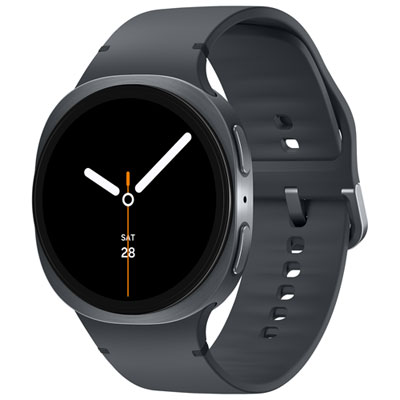 Your price for this item is $489.99
-
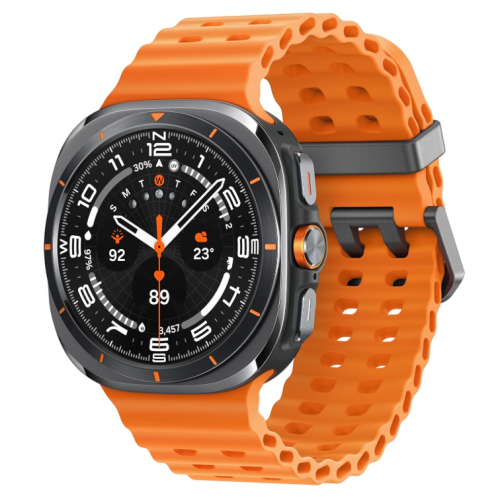 Your price for this item is $579.99
-
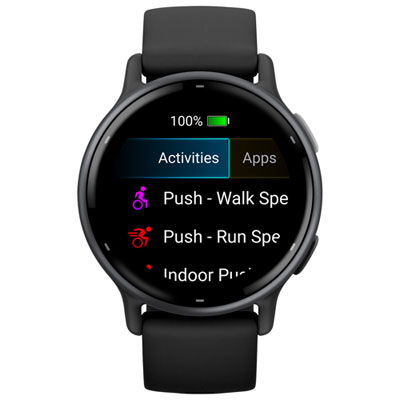 Your price for this item is $239.99
-
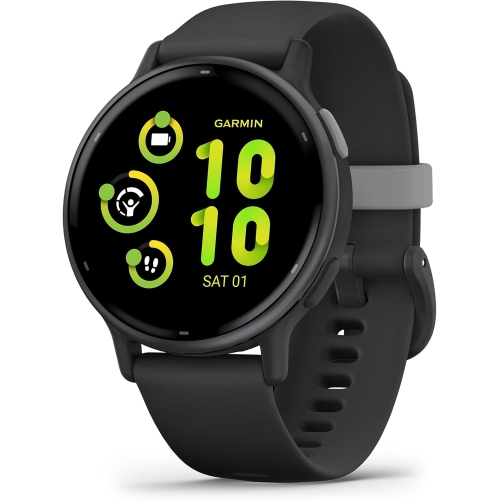 Your price for this item is $234.99
-
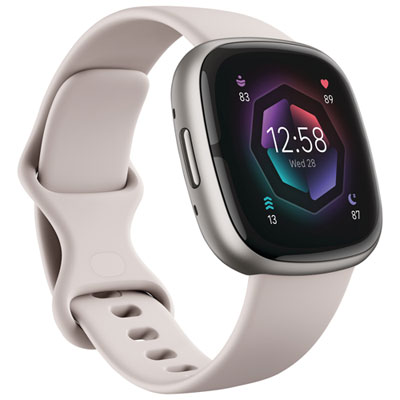 Your price for this item is $329.99
-
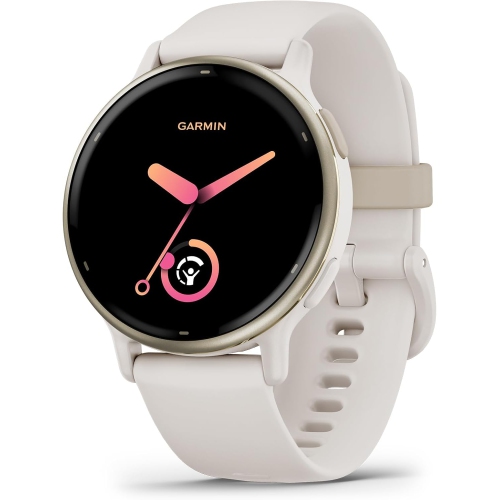 Your price for this item is $279.99
-
 Your price for this item is $399.99
-
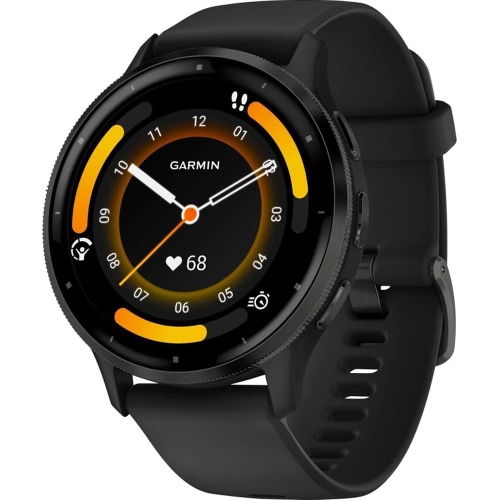 Your price for this item is $419.99
Discover more categories related to Bike Watches
Top Collections:
Best Black Friday Deals This Year, Best Black Friday Deals On Electronics, Kindle Devices, Pokemon Centers, Best Black Friday Deals On Apple Products, Best Cameras for Sports Photography, Dyson Airwrap, Pokémon 30th Celebration Cards, Apple iPhone 17 Pro, Canon G7X Cameras
Some products may be subject to Environmental Handling Fees
(EHF) depending on your province.
Learn more about EHFs.