Fitbit Charge 3
Fitbit Charge 3 offers a seamless way to stay connected to your daily goals, whether you're at the gym or on the go. Designed for those who want to keep track of their progress and stay motivated, Fitbit Charge 3 brings convenience and style to your wrist. Explore a range of options to find the perfect fit for your lifestyle and discover how Fitbit Charge 3 can help you make the most out of every day.
Sort
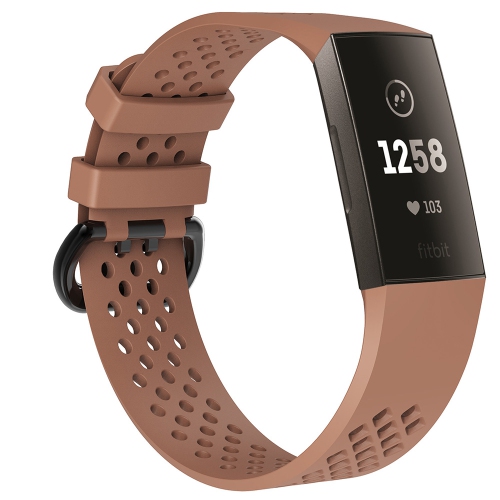
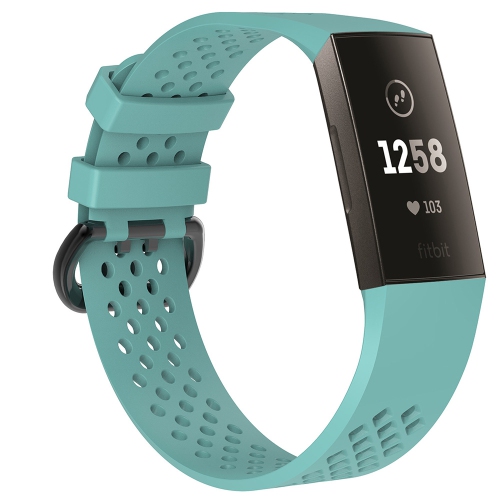
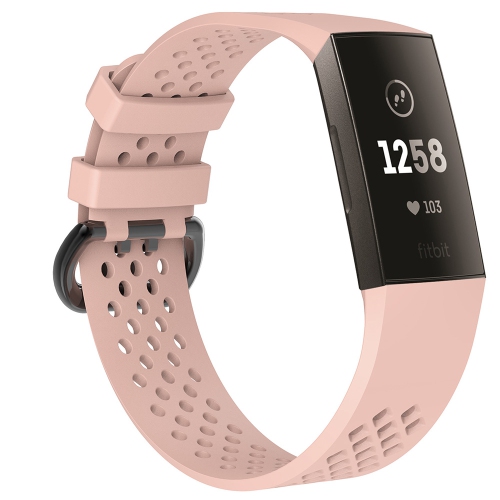
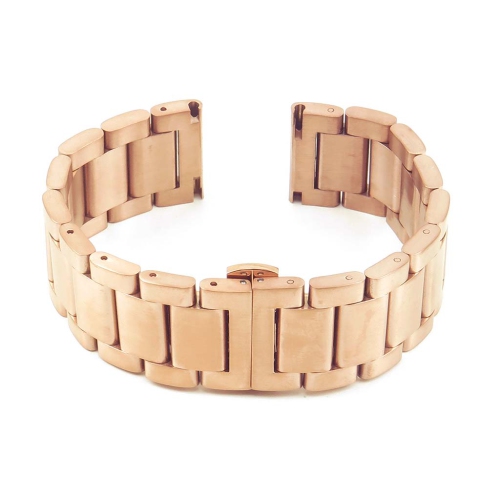
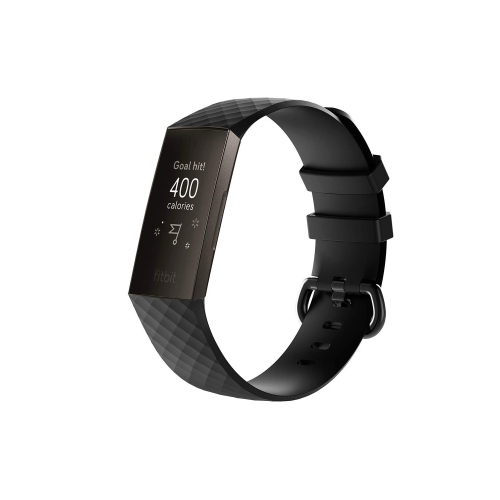
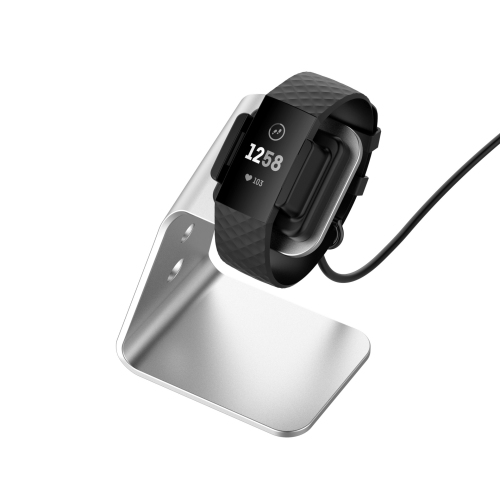
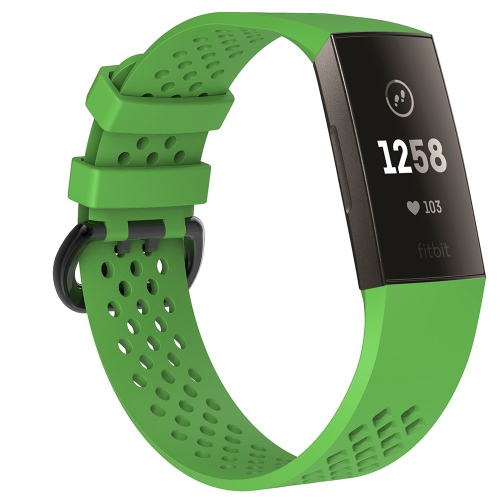
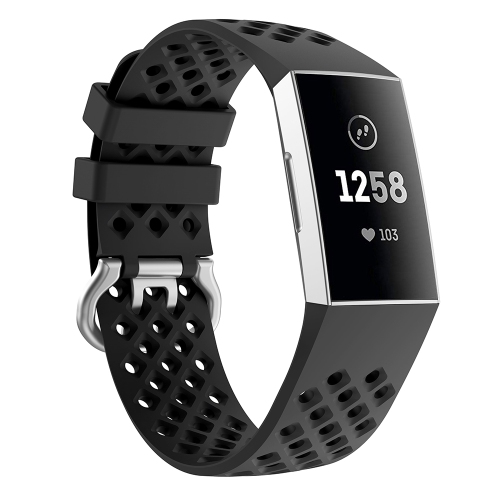
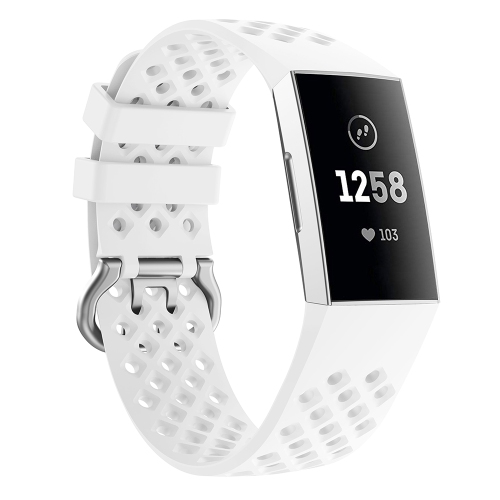
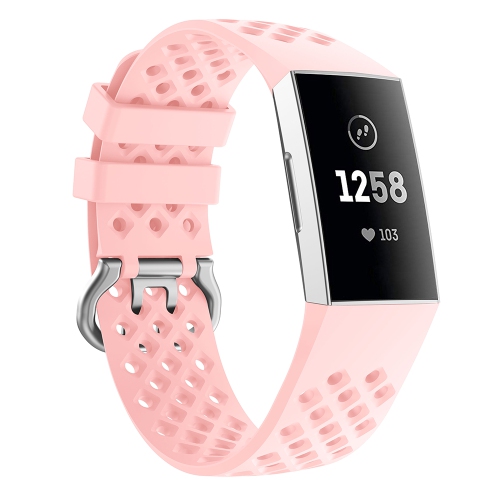
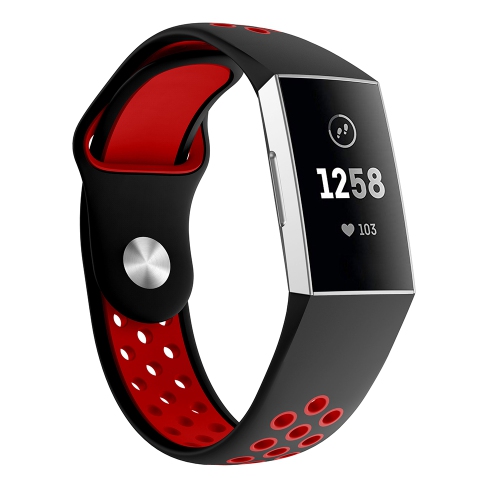
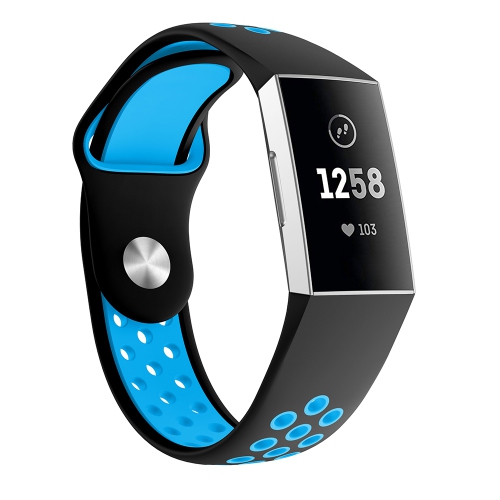
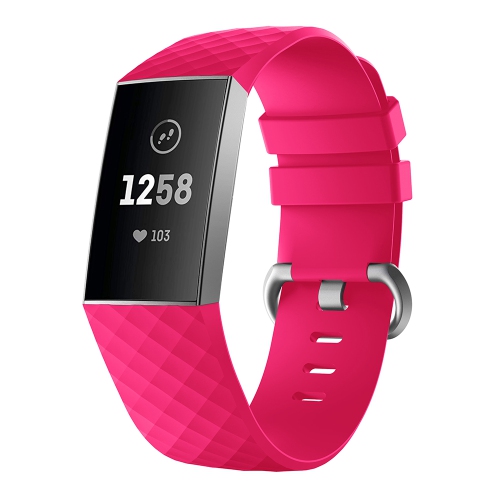
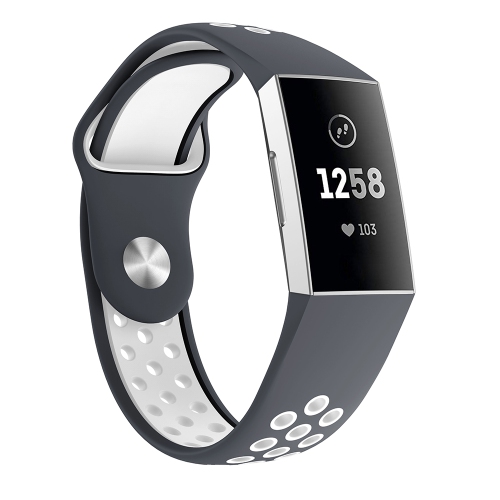
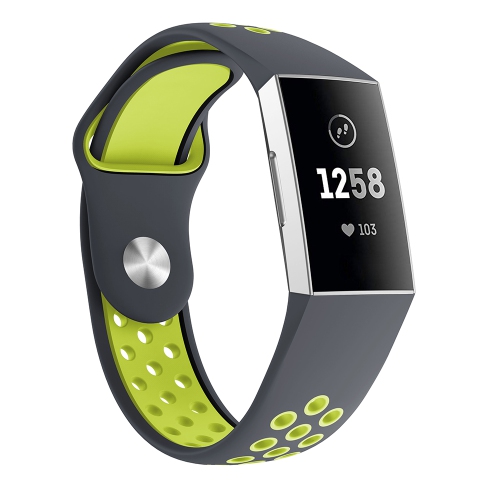
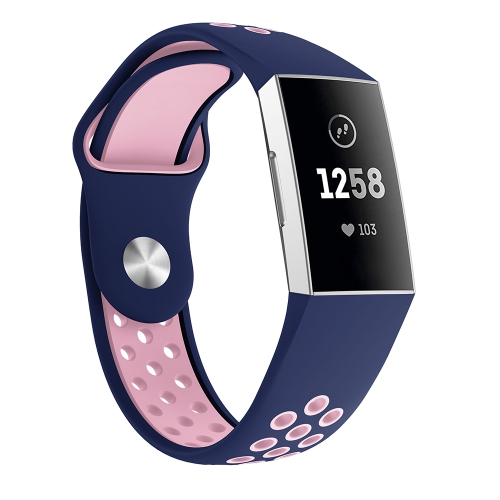
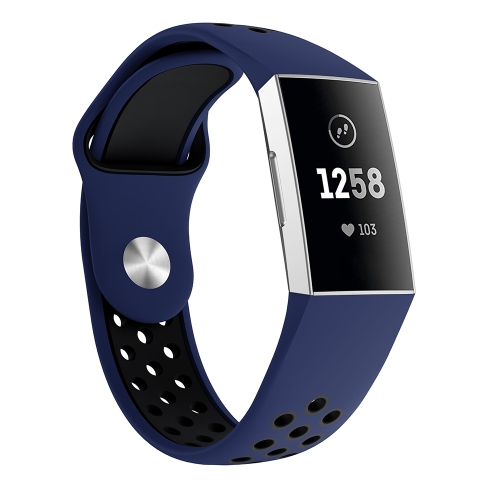
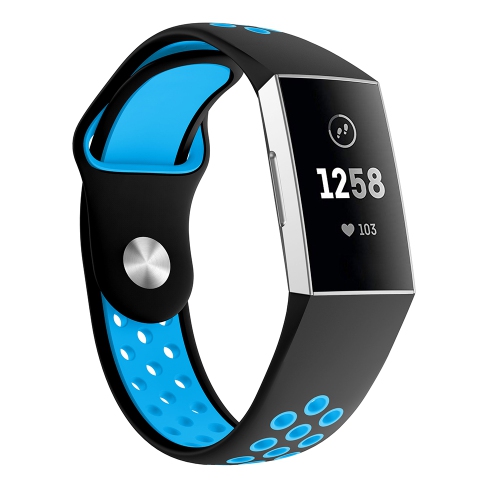
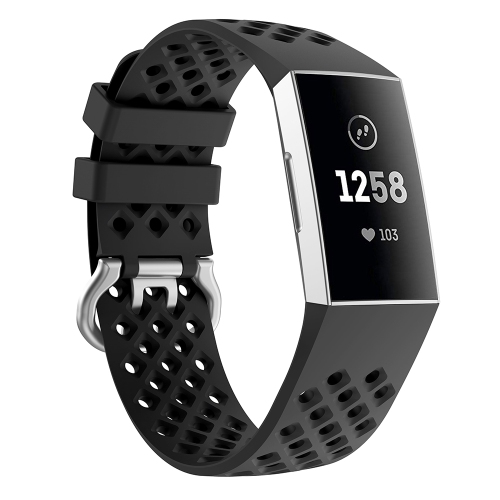
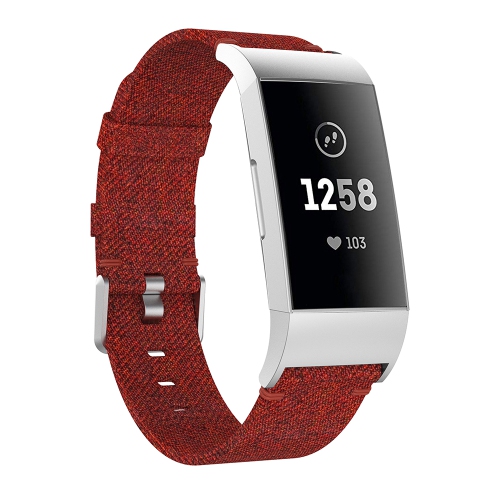
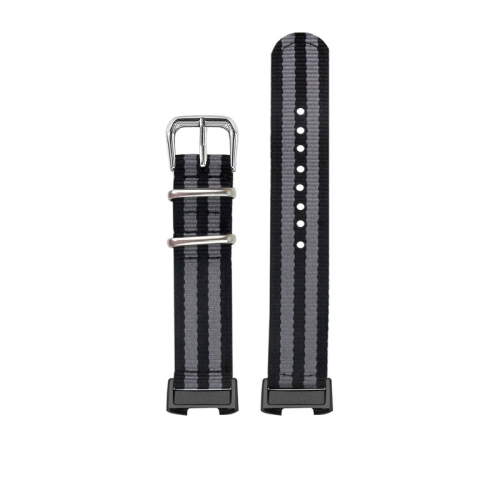
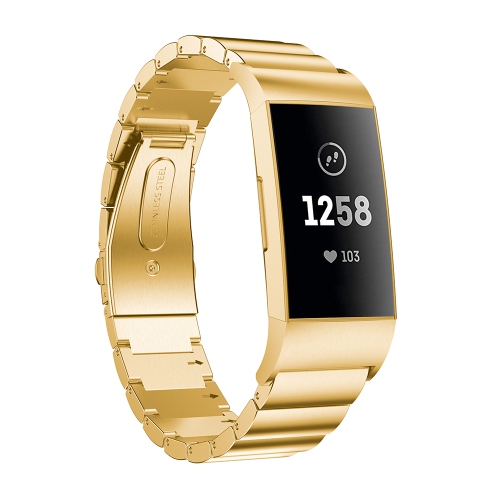
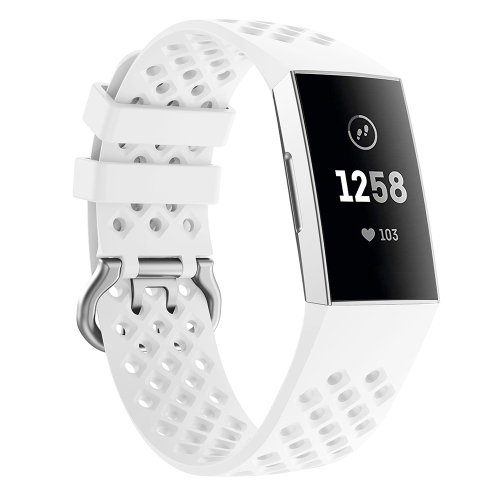
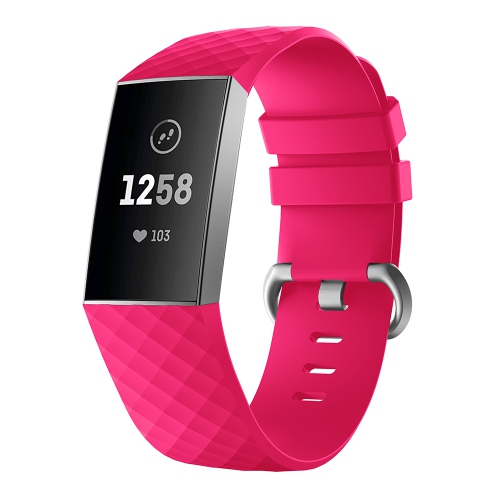
Daily activity and sleep insights in a slim wristband
Fitness trackers bring everyday activity, heart rate trends, and sleep information together in a compact wristband that is easy to wear throughout a busy day. Their appeal is often practical: a quick glance at the wrist can show progress towards a step goal, the time elapsed during a workout, or an incoming call without pulling out a phone. A slim tracker suits people who prefer a smaller screen and a lighter feel than a full-size smartwatch, whether they are walking between appointments, exercising at a community centre, or keeping track of a regular bedtime. Depending on the device and its supported software, tracking features may include steps, estimated calories burned, distance, continuous heart rate readings, and summaries of time spent in different sleep stages. These measurements are most useful as patterns over time rather than isolated scores. A more active afternoon or a shorter night’s sleep can add context to the numbers, while consistent wear helps create a clearer picture of typical routines. Exercise features also vary: automatic activity recognition may log a sustained walk, while a manually started exercise mode can provide a more deliberate record of a particular session. Connected GPS means that the tracker uses a compatible smartphone’s location information to map an outdoor route and calculate pace and distance; it is different from built-in GPS, which can record a route without relying on a nearby phone. Call, text, calendar, and app notifications likewise depend on phone compatibility, permissions, and the connection between devices. For someone who wants to keep a phone tucked away during a walk or glance at an alert between sets, these small conveniences can matter as much as the activity totals. Health-related readings are intended to support general awareness, not diagnose a condition or replace medical advice, and the presence of a sensor does not necessarily mean every related measurement is accessible through the app.
Comfort and compatibility are central to both a fitness tracker and the accessories worn with it. A band needs to feel secure enough that the sensor maintains contact with the skin, but not so tight that it leaves persistent marks or restricts movement. Wrist circumference is a more useful starting point than choosing a size by appearance, especially when a replacement band has a different buckle, clasp, or adjustment range from the original. The tracker body also occupies part of the wrist, so the stated fit range matters more than the strap length alone. Soft silicone or similar flexible materials are practical for exercise because they can usually be wiped clean and dried easily, although care requirements still depend on the material and manufacturer. Woven bands can offer a softer, less structured feel for everyday wear, while metal links or mesh create a more jewellery-like finish and may require extra attention to sizing. Leather has a distinct texture and can suit less active settings, but repeated exposure to moisture may affect its appearance and lifespan. For desk work, a low-profile fastening can be more comfortable against a keyboard tray; for sleep tracking, smooth edges and a band that does not shift excessively can make overnight wear less noticeable. Interchangeable bands also make it possible to change colour or texture without replacing the tracker itself. However, similar-looking devices do not necessarily share the same attachment system. Exact model compatibility matters for bands, protective covers, screen protectors, and charging cables, since connector shapes, display dimensions, and charging-contact positions can differ between generations. A cover should leave the display readable and controls accessible, and a screen protector should fit without lifting at the edges or interfering with touch response. For a broader comparison of wrist-worn formats, Fitbit Versa 3 Smartwatches offer a related category to explore alongside slim activity trackers. The most useful distinction is often how the device feels during the activities it will accompany, not simply how it looks in a photograph.
Daily care, charging habits, and phone support have a lasting effect on the experience of wearing a fitness tracker. After exercise, removing perspiration from the band and gently cleaning the device according to its care instructions can help prevent residue from building up around the sensor or fastening. Both the wrist and the band should be dry before the tracker goes back on, and taking occasional breaks from wear can help keep skin comfortable. Water resistance requires particular attention because a rating is not a promise of protection during every water-related activity. A tracker rated water-resistant to 50 metres may be suitable for swimming when its manufacturer specifies that use, but that does not make it appropriate for diving, high-pressure water, or every type of band. Resistance can also diminish with wear or damage. Charging contacts should be clean and completely dry before connecting a cable, and a compatible charger should seat properly without being forced. On clip-style chargers, the pins need to line up with the contacts on the tracker; an on-screen charging indicator helps confirm that the connection is working. Battery runtime depends on factors such as display use, notifications, tracking settings, and battery age, so an advertised maximum is not a guaranteed interval between charges. For someone who wears a tracker overnight, charging during a shower or another regular break can help preserve a consistent sleep record. Long-term usefulness also depends on whether the companion app supports the intended phone and whether the desired features remain supported. App requirements, account setup, syncing, and notification permissions are worth understanding before choosing a device or giving one as a gift. A tracker can be a thoughtful option for someone who already enjoys walking, swimming, or following their workout progress, while a replacement band can refresh a device they know and like. Wrist size, preferred materials, accessibility needs, and comfort with smartphone apps all shape how well that gift fits their routine. Reliable fit, straightforward charging, and features that match actual habits tend to matter more in daily use than a long list of functions that rarely get opened.
Comfort and compatibility are central to both a fitness tracker and the accessories worn with it. A band needs to feel secure enough that the sensor maintains contact with the skin, but not so tight that it leaves persistent marks or restricts movement. Wrist circumference is a more useful starting point than choosing a size by appearance, especially when a replacement band has a different buckle, clasp, or adjustment range from the original. The tracker body also occupies part of the wrist, so the stated fit range matters more than the strap length alone. Soft silicone or similar flexible materials are practical for exercise because they can usually be wiped clean and dried easily, although care requirements still depend on the material and manufacturer. Woven bands can offer a softer, less structured feel for everyday wear, while metal links or mesh create a more jewellery-like finish and may require extra attention to sizing. Leather has a distinct texture and can suit less active settings, but repeated exposure to moisture may affect its appearance and lifespan. For desk work, a low-profile fastening can be more comfortable against a keyboard tray; for sleep tracking, smooth edges and a band that does not shift excessively can make overnight wear less noticeable. Interchangeable bands also make it possible to change colour or texture without replacing the tracker itself. However, similar-looking devices do not necessarily share the same attachment system. Exact model compatibility matters for bands, protective covers, screen protectors, and charging cables, since connector shapes, display dimensions, and charging-contact positions can differ between generations. A cover should leave the display readable and controls accessible, and a screen protector should fit without lifting at the edges or interfering with touch response. For a broader comparison of wrist-worn formats, Fitbit Versa 3 Smartwatches offer a related category to explore alongside slim activity trackers. The most useful distinction is often how the device feels during the activities it will accompany, not simply how it looks in a photograph.
Daily care, charging habits, and phone support have a lasting effect on the experience of wearing a fitness tracker. After exercise, removing perspiration from the band and gently cleaning the device according to its care instructions can help prevent residue from building up around the sensor or fastening. Both the wrist and the band should be dry before the tracker goes back on, and taking occasional breaks from wear can help keep skin comfortable. Water resistance requires particular attention because a rating is not a promise of protection during every water-related activity. A tracker rated water-resistant to 50 metres may be suitable for swimming when its manufacturer specifies that use, but that does not make it appropriate for diving, high-pressure water, or every type of band. Resistance can also diminish with wear or damage. Charging contacts should be clean and completely dry before connecting a cable, and a compatible charger should seat properly without being forced. On clip-style chargers, the pins need to line up with the contacts on the tracker; an on-screen charging indicator helps confirm that the connection is working. Battery runtime depends on factors such as display use, notifications, tracking settings, and battery age, so an advertised maximum is not a guaranteed interval between charges. For someone who wears a tracker overnight, charging during a shower or another regular break can help preserve a consistent sleep record. Long-term usefulness also depends on whether the companion app supports the intended phone and whether the desired features remain supported. App requirements, account setup, syncing, and notification permissions are worth understanding before choosing a device or giving one as a gift. A tracker can be a thoughtful option for someone who already enjoys walking, swimming, or following their workout progress, while a replacement band can refresh a device they know and like. Wrist size, preferred materials, accessibility needs, and comfort with smartphone apps all shape how well that gift fits their routine. Reliable fit, straightforward charging, and features that match actual habits tend to matter more in daily use than a long list of functions that rarely get opened.
Top selling and popular products
-
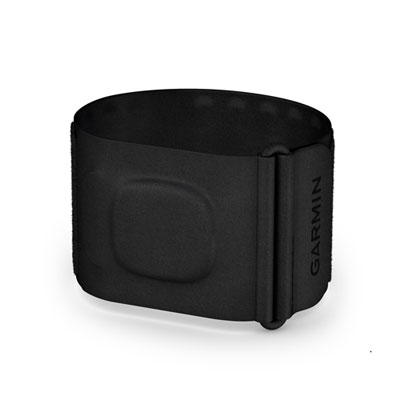 Your price for this item is $239.99
 -
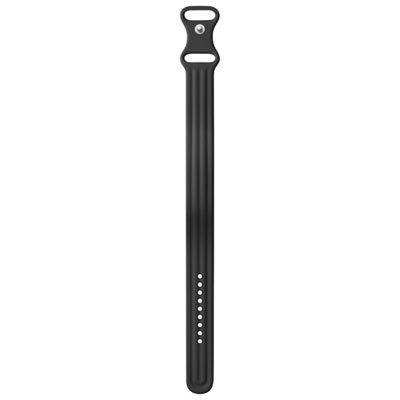 Your price for this item is $49.99
 -
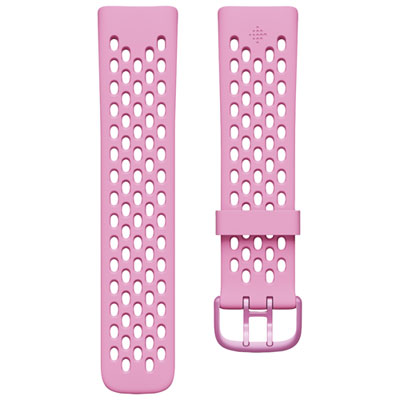 Your price for this item is $14.95
 -
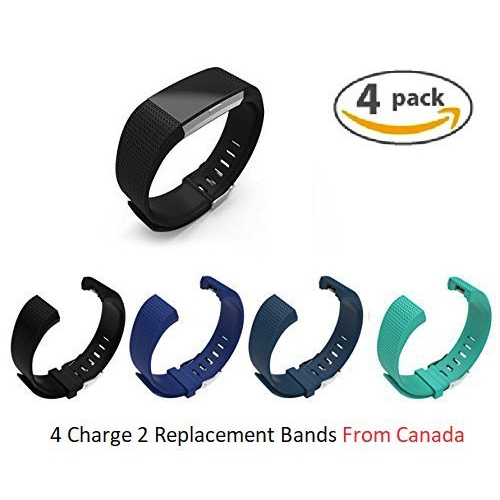 Your price for this item is $17.99
 -
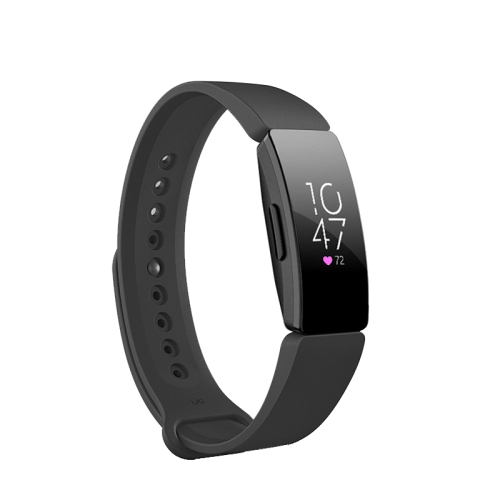 Your price for this item is $12.99
 -
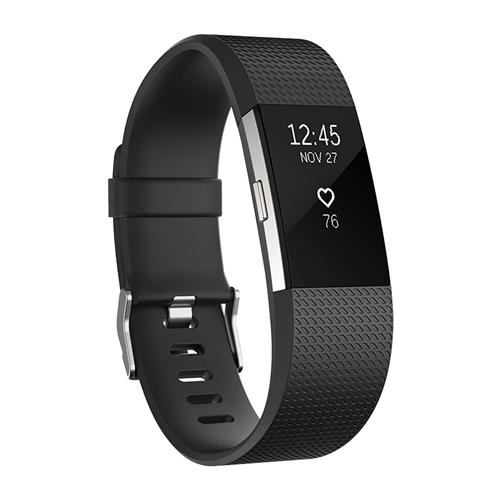 Your price for this item is $9.99
 -
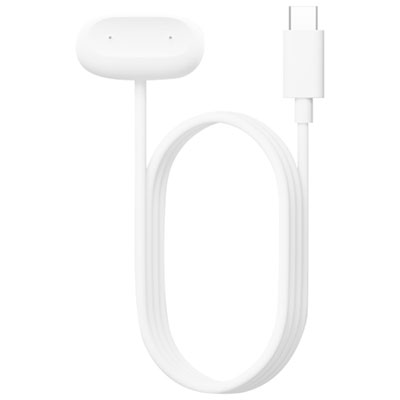 Your price for this item is $34.99
 -
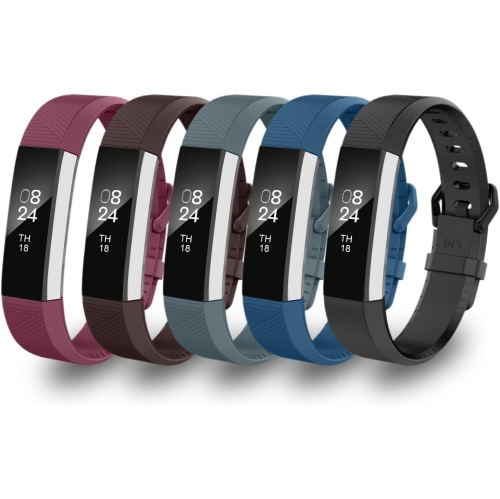 Your price for this item is $21.96
Discover more categories related to Fitbit Charge 3
Top Collections:
Pokemon Centers, Kindle Devices, Best Budget Office Chairs, Apple iPhones 16, Canon G7X Cameras, iPhone 15 Apple, Alarm Clock, Refurbished Apple Laptops, Flip Phones, Best Laptops for Writers
Some products may be subject to Environmental Handling Fees
(EHF) depending on your province.
Learn more about EHFs.