Fitbit Models
Explore the latest Fitbit Models to find the perfect fitness companion for your lifestyle. Whether you're looking to track daily activity, monitor your progress, or stay connected on the go, there’s a Fitbit designed to match your needs. Compare a variety of styles and features to discover which Fitbit Models suit your goals, preferences, and budget. Start your journey toward a healthier routine with advanced wearables that fit seamlessly into everyday life.
Sort
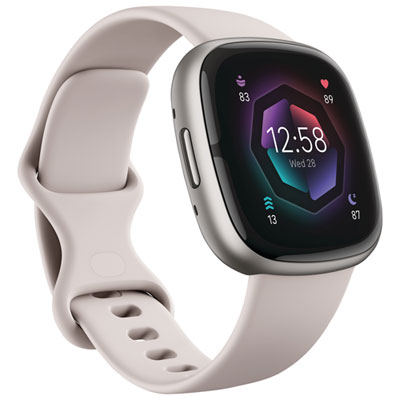
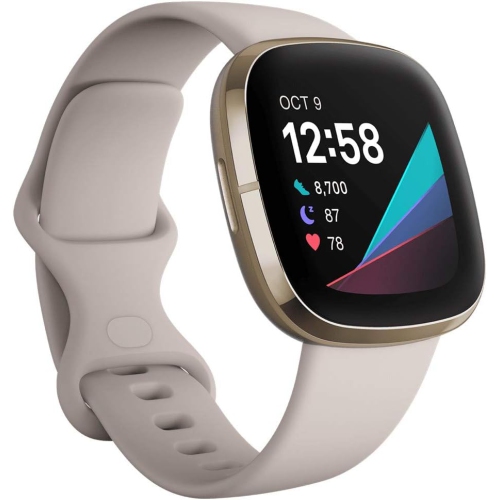
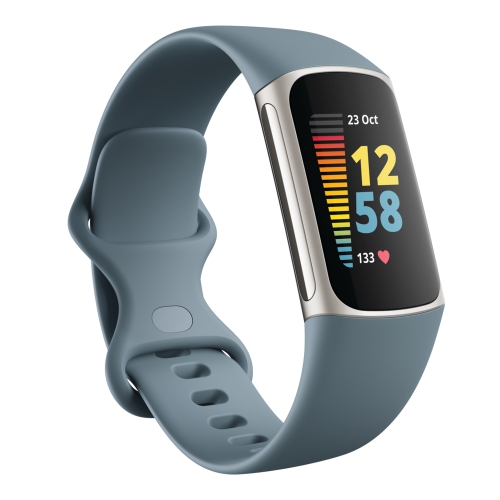
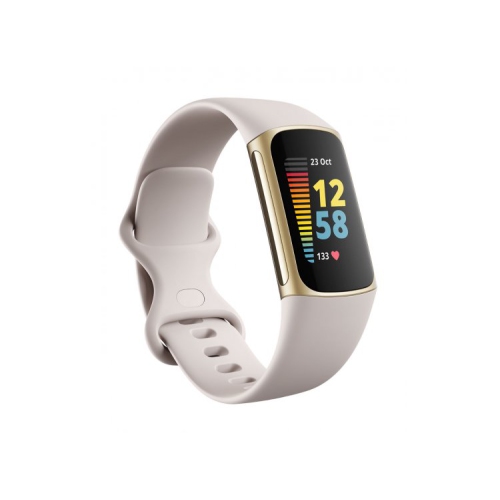
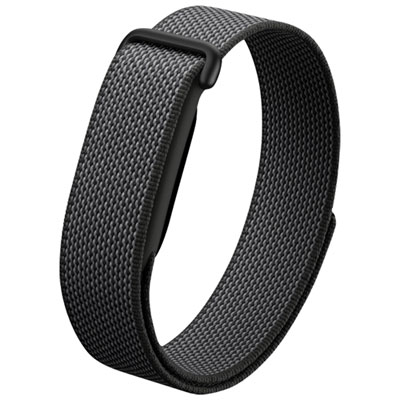
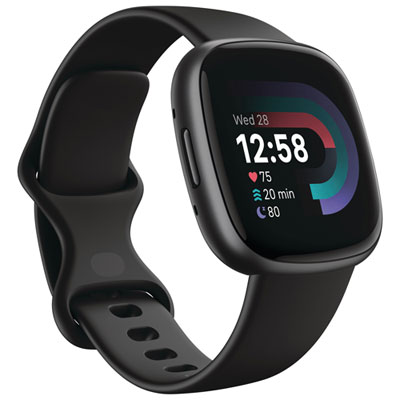
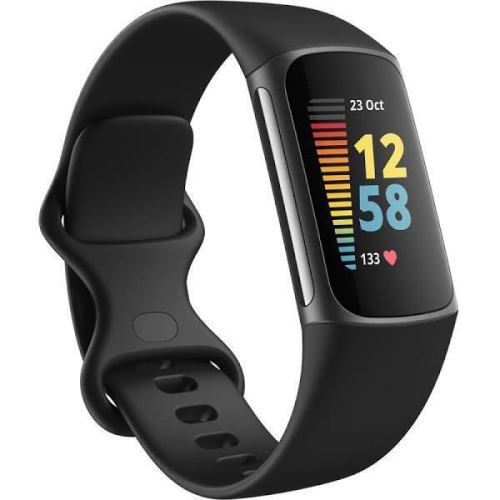
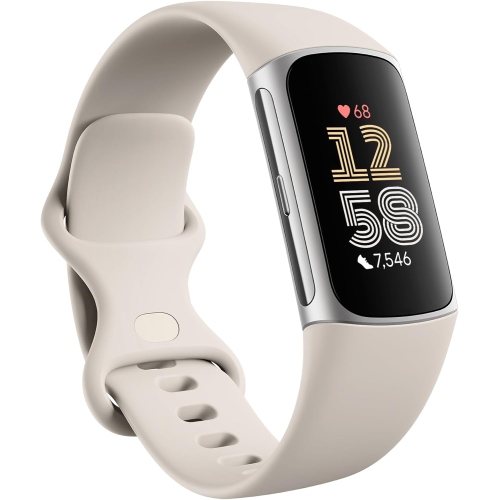
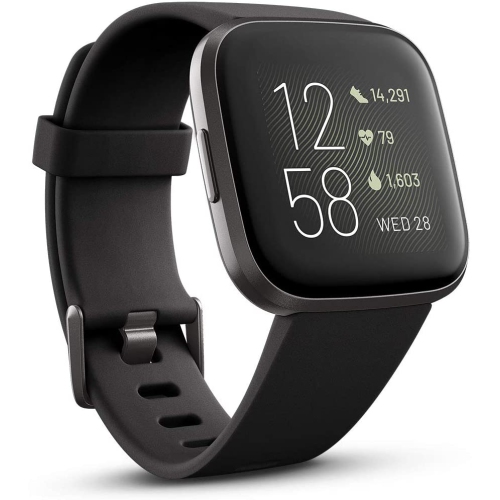
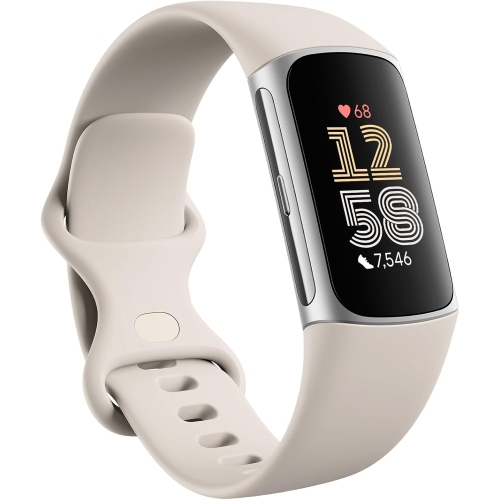
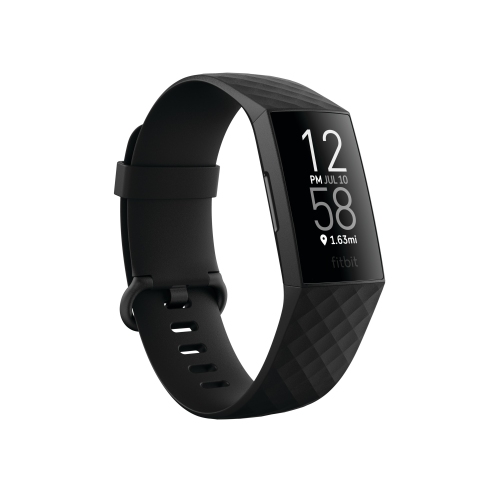
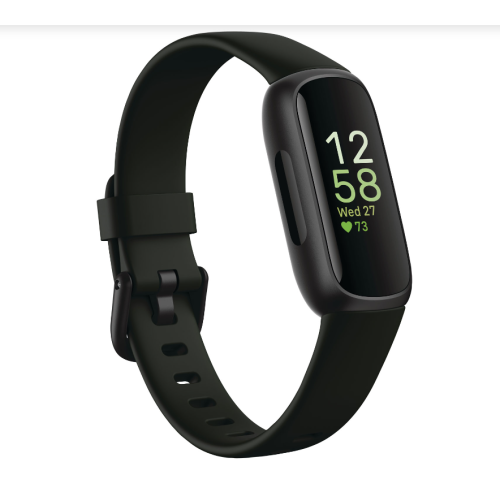

Why tracker size tells only part of the story
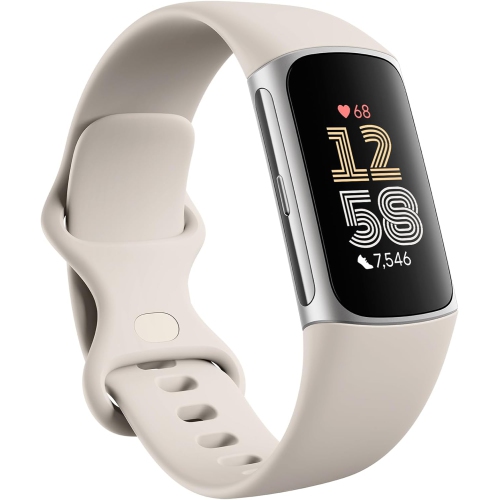
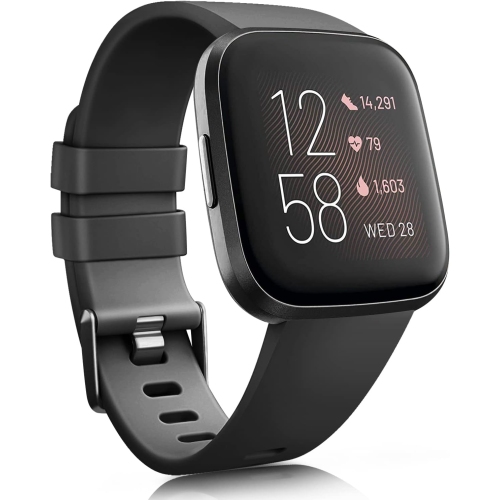
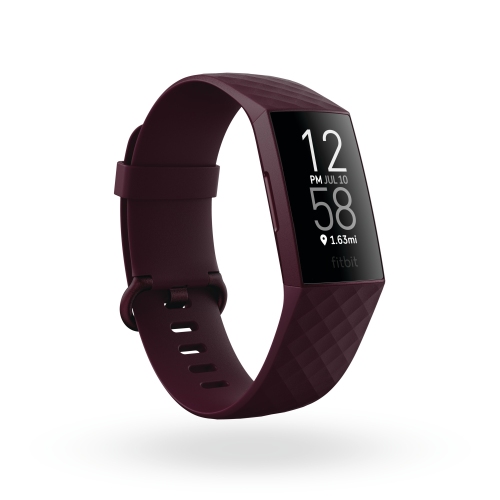
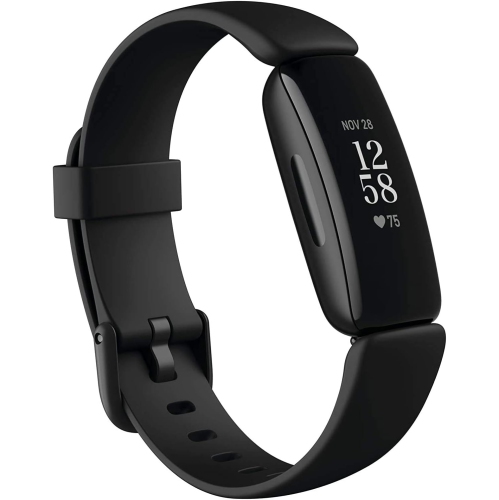
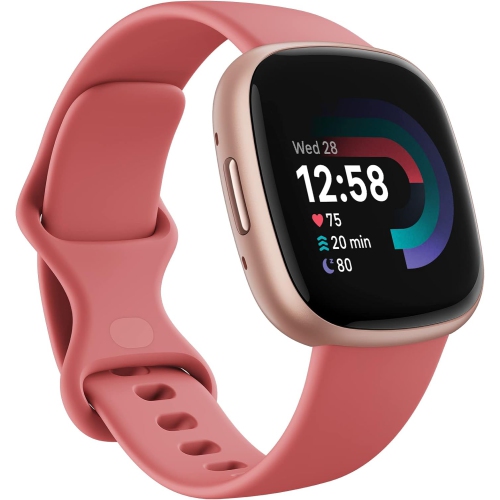
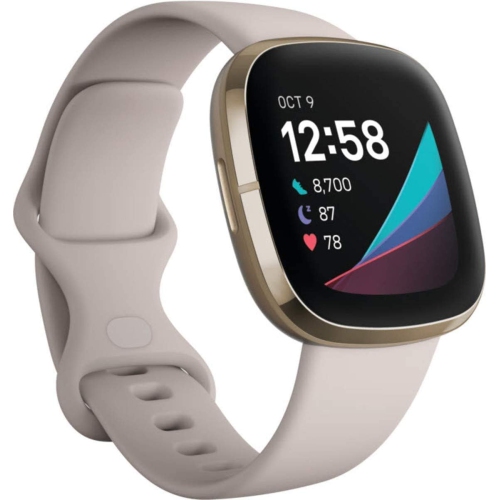
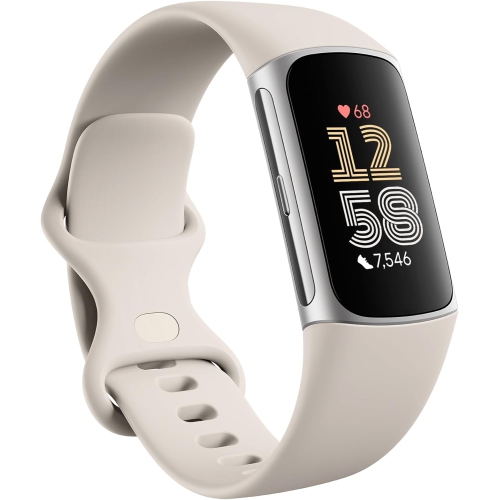
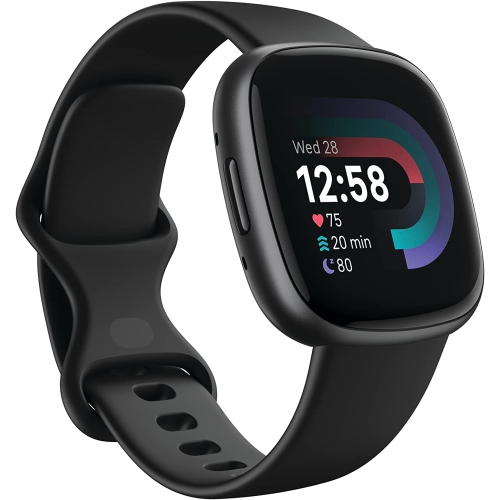
Fitness trackers and fitness smartwatches bring daily movement, exercise sessions, and selected wellness information together on the wrist. The main differences among models are their size, display, sensors, GPS capabilities, battery life, and connected features. Slim trackers tend to suit people who want a discreet device for step counting, activity reminders, and overnight wear, while watch-style designs generally offer more screen space for viewing workout details and notifications. Neither shape tells the whole story: a compact tracker can include advanced sensors, and a larger watch may place more emphasis on everyday convenience than detailed health measurements. For everyday use, a clear display, comfortable strap, and straightforward controls can matter as much as the number of exercise modes. Someone fitting short walks between meetings may value gentle movement reminders and a quick view of daily activity. A regular runner may be more interested in pace, distance, heart rate zones, and route tracking. Built-in GPS can capture an outdoor route without relying on a phone for location data, whereas connected GPS uses a paired phone that needs to come along. GPS operation, supported activities, and the information shown during exercise vary by model. Related Fitbit Fitness Watches bring this wrist-worn approach to a range of everyday routines, from lunchtime walks to structured training. Across fitness wearables, touchscreen brightness, text size, and button placement affect how easily information can be checked at a glance. A narrow display may feel unobtrusive beneath a shirt cuff, while a broader face can make workout statistics easier to read without stopping. Colour choices and interchangeable bands also influence how naturally a device fits into daily life. A neutral band can work with office clothing and exercise gear, while a different strap can give the same watch a more dressed-up appearance. The most useful balance is often the one that supports familiar habits without demanding constant attention throughout the day.
Fit and materials have a direct effect on comfort, durability, and sensor contact. Many fitness wearables use flexible silicone or similar bands intended for active use, while compatible replacement straps may include woven textiles, leather, or metal. Each material has a different feel against the skin: a soft, flexible band can suit exercise, a textile strap may offer a less rubbery texture, and a metal bracelet adds weight as well as a different finish. Material suitability for sweat and water varies, so an exercise-ready watch body does not automatically make every attached band suitable for swimming or repeated exposure to moisture. Wrist measurements are more dependable than choosing a size by appearance, especially when a strap needs enough adjustment for comfortable daytime and overnight wear. A secure fit helps the optical heart rate sensor maintain contact, but the band should not pinch, leave the wrist uncomfortable, or need to be pulled excessively tight. Following the device’s placement instructions is particularly useful during workouts, when wrist movement can affect readings. Case thickness matters too: a watch that feels comfortable while standing may press against the hand during push-ups or catch on a fitted sleeve. For sleep tracking, smooth edges, manageable weight, and a strap that stays comfortable through changes in sleeping position can make consistent wear easier. Care is usually simple but should follow the instructions for both the watch and its band. Sweat, soap residue, and trapped moisture can irritate skin or affect materials, so regular cleaning with the recommended method and thorough drying are worthwhile habits. Charging contacts should be clean and dry before connecting the charger. Water resistance is not the same as being suitable for every water activity; swimming, showering, hot water, and high-pressure water exposure can have different restrictions. Glass screens and metal or polymer cases are built for everyday wear, but they can still show scratches or damage from impacts. For strength training, racquet sports, or hands-on work, case size and where the device sits on the wrist deserve attention alongside its appearance.
The value of activity and wellness features often comes from seeing patterns over time rather than focusing on a single reading. Step counts, active minutes, resting heart rate trends, and sleep summaries can help people notice how their routines differ between a desk-based day and a day spent moving around. Depending on the model, additional features may include estimated blood oxygen levels, skin temperature variation, stress-related measurements, or an electrocardiogram function. These capabilities are not universal, and some depend on age eligibility, regional support, software, or account settings. Consumer wearables provide estimates and selected insights; they do not replace professional medical assessment, and a reassuring reading should not be used to dismiss symptoms. Sleep tracking can offer a useful view of bedtime consistency and estimated sleep duration, although sleep stages and other measurements are not equivalent to a clinical sleep study. Phone compatibility is another practical consideration. Notifications, call handling, navigation prompts, and contactless payments differ across devices and may depend on the paired phone, supported apps, participating financial institutions, or a nearby connection. Some insights and services may require a separate subscription. Battery life also depends on use: frequent GPS workouts, an always-on display, brighter screen settings, and other active features can shorten the time between charges. For someone who wants both daytime activity tracking and overnight sleep information, a charging routine that fits around a shower or quiet time at a desk can help reduce gaps in the data, provided the device is dry before charging. Fitness wearables can make thoughtful gifts for someone who already enjoys walking, running, gym sessions, or keeping track of personal goals. Wrist size, phone compatibility, preferred screen size, and interest in notifications are useful details to know beforehand. They can also suit someone starting a more active routine, especially when the controls and app feel approachable. Whether worn mainly for exercise or throughout the day, a comfortable device with relevant features is more likely to become a useful part of an established routine.
Fit and materials have a direct effect on comfort, durability, and sensor contact. Many fitness wearables use flexible silicone or similar bands intended for active use, while compatible replacement straps may include woven textiles, leather, or metal. Each material has a different feel against the skin: a soft, flexible band can suit exercise, a textile strap may offer a less rubbery texture, and a metal bracelet adds weight as well as a different finish. Material suitability for sweat and water varies, so an exercise-ready watch body does not automatically make every attached band suitable for swimming or repeated exposure to moisture. Wrist measurements are more dependable than choosing a size by appearance, especially when a strap needs enough adjustment for comfortable daytime and overnight wear. A secure fit helps the optical heart rate sensor maintain contact, but the band should not pinch, leave the wrist uncomfortable, or need to be pulled excessively tight. Following the device’s placement instructions is particularly useful during workouts, when wrist movement can affect readings. Case thickness matters too: a watch that feels comfortable while standing may press against the hand during push-ups or catch on a fitted sleeve. For sleep tracking, smooth edges, manageable weight, and a strap that stays comfortable through changes in sleeping position can make consistent wear easier. Care is usually simple but should follow the instructions for both the watch and its band. Sweat, soap residue, and trapped moisture can irritate skin or affect materials, so regular cleaning with the recommended method and thorough drying are worthwhile habits. Charging contacts should be clean and dry before connecting the charger. Water resistance is not the same as being suitable for every water activity; swimming, showering, hot water, and high-pressure water exposure can have different restrictions. Glass screens and metal or polymer cases are built for everyday wear, but they can still show scratches or damage from impacts. For strength training, racquet sports, or hands-on work, case size and where the device sits on the wrist deserve attention alongside its appearance.
The value of activity and wellness features often comes from seeing patterns over time rather than focusing on a single reading. Step counts, active minutes, resting heart rate trends, and sleep summaries can help people notice how their routines differ between a desk-based day and a day spent moving around. Depending on the model, additional features may include estimated blood oxygen levels, skin temperature variation, stress-related measurements, or an electrocardiogram function. These capabilities are not universal, and some depend on age eligibility, regional support, software, or account settings. Consumer wearables provide estimates and selected insights; they do not replace professional medical assessment, and a reassuring reading should not be used to dismiss symptoms. Sleep tracking can offer a useful view of bedtime consistency and estimated sleep duration, although sleep stages and other measurements are not equivalent to a clinical sleep study. Phone compatibility is another practical consideration. Notifications, call handling, navigation prompts, and contactless payments differ across devices and may depend on the paired phone, supported apps, participating financial institutions, or a nearby connection. Some insights and services may require a separate subscription. Battery life also depends on use: frequent GPS workouts, an always-on display, brighter screen settings, and other active features can shorten the time between charges. For someone who wants both daytime activity tracking and overnight sleep information, a charging routine that fits around a shower or quiet time at a desk can help reduce gaps in the data, provided the device is dry before charging. Fitness wearables can make thoughtful gifts for someone who already enjoys walking, running, gym sessions, or keeping track of personal goals. Wrist size, phone compatibility, preferred screen size, and interest in notifications are useful details to know beforehand. They can also suit someone starting a more active routine, especially when the controls and app feel approachable. Whether worn mainly for exercise or throughout the day, a comfortable device with relevant features is more likely to become a useful part of an established routine.
Top selling and popular products
-
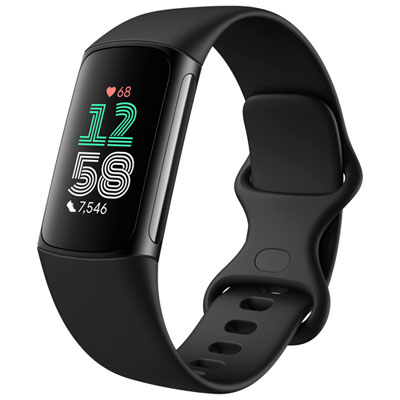 Your price for this item is $219.99
 -
 Your price for this item is $149.99
 -
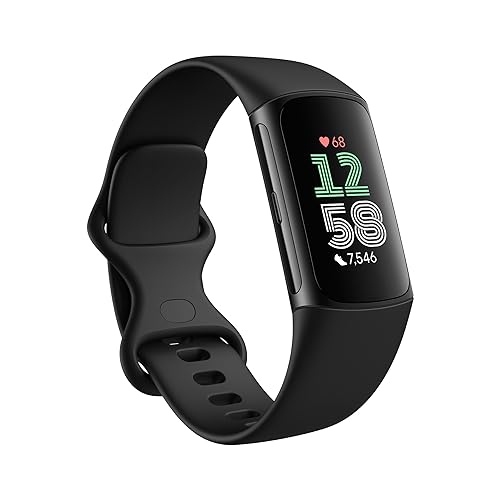 Your price for this item is $199.99
 -
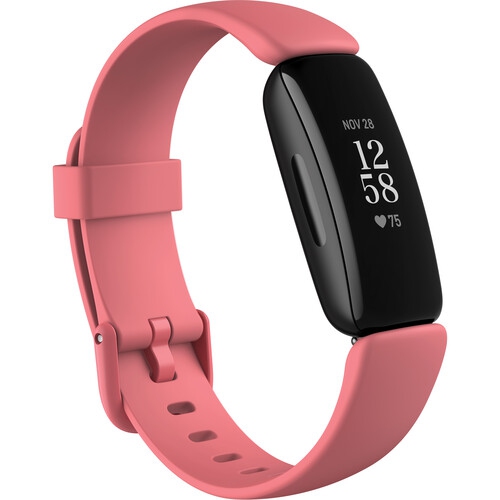 Your price for this item is $119.49
 -
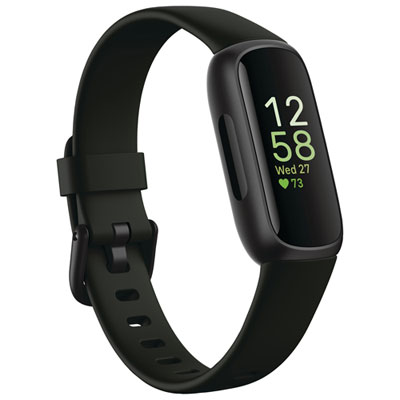 Your price for this item is $99.99
 -
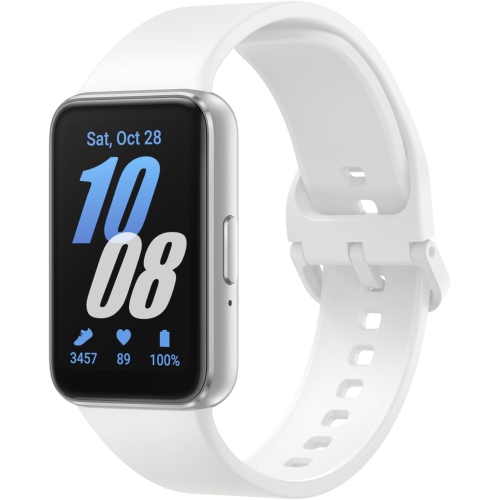 Your price for this item is $67
 -
 Your price for this item is $74.95
 -
 Your price for this item is $69.95
Discover more categories related to Fitbit Models

Top Collections:
Pokemon Centers, Kindle Devices, Best Budget Office Chairs, Apple iPhones 16, Best Laptops for Writers, iPhone 15 Apple, Canon G7X Cameras, Refurbished Apple Laptops, Alarm Clock, Motorola Razr Phones
Some products may be subject to Environmental Handling Fees
(EHF) depending on your province.
Learn more about EHFs.