Fitness Gadgets
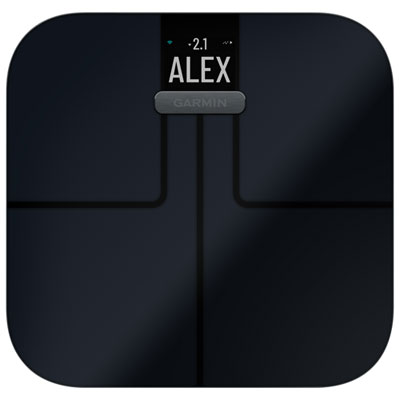
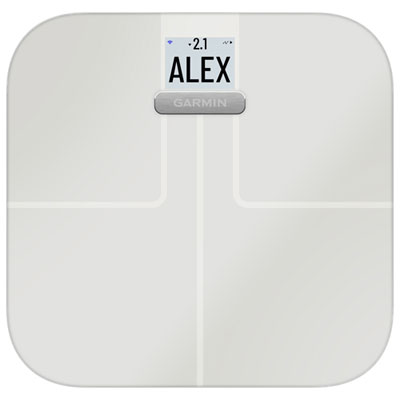
Stay motivated and achieve your fitness goals with the latest fitness gadgets. Whether you're a seasoned athlete or just starting your fitness journey, these innovative devices are designed to help you track your progress, stay accountable, and make every workout count. From activity trackers that monitor your steps and heart rate to smart scales that provide valuable insights into your body composition, our selection of fitness gadgets has everything you need to enhance your workouts and take your fitness routine to the next level. Explore our range of cutting-edge technology and find the perfect fitness gadget to support your active lifestyle.
Sort
![APPLE Watch Series 10 [Gps 42MM Case] Smartwatch With Rose Aluminum Case With Light Blush Sport Band - S/m In Gold I love it! By far best Apple Watch I’ve bought! Durable & better life great](https://multimedia.bbycastatic.ca/multimedia/products/500x500/185/18596/18596693.jpeg)
![APPLE Watch Series 10 [Gps 46MM Case] Smartwatch With Aluminum Case With Denim Sport Band - M/l In Silver Love my new watch! Best quality as usual! Thanks Best Buy!](https://multimedia.bbycastatic.ca/multimedia/products/500x500/186/18618/18618513.jpeg)
![APPLE Watch Series 10 [Gps 42MM Case] Smartwatch w Jet Aluminium Case w Ink Sport Loop. Fitness Tracker, Ecg App, Always-On Retina Display I Love the watch, it is the best size and shape and the best part is that it is waterproof](https://multimedia.bbycastatic.ca/multimedia/products/500x500/188/18891/18891521.jpeg)
![APPLE - Watch Se (2Nd Gen) [Gps 40Mm] Smartwatch With Aluminium Case With Denim Sport Band S/m In Silver Love my watch! Best buy service was great would always buy from here!](https://multimedia.bbycastatic.ca/multimedia/products/500x500/193/19377/19377273.jpeg)

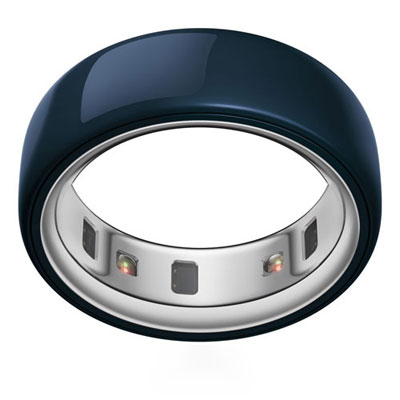
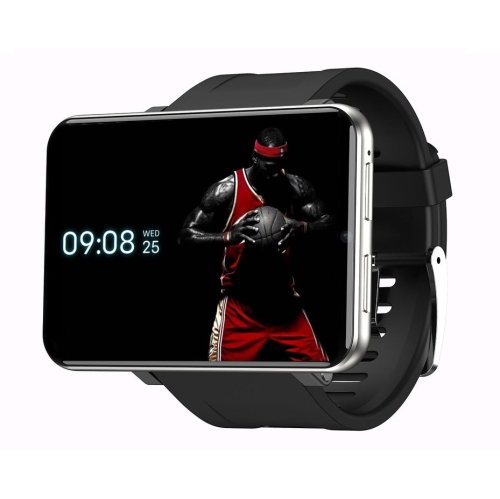
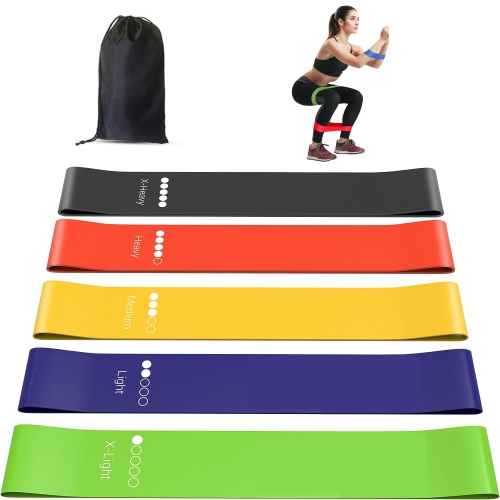
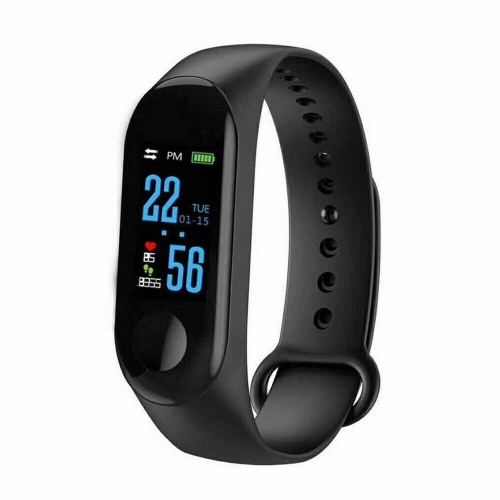




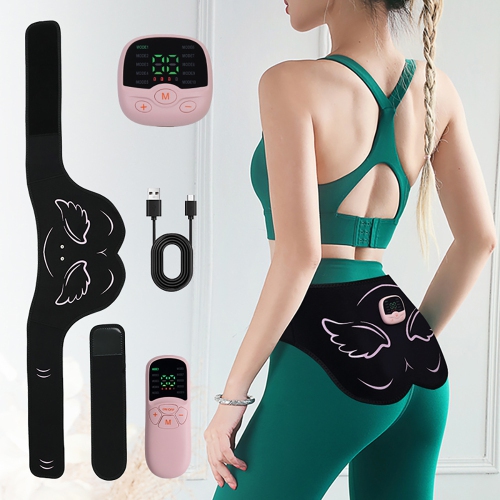
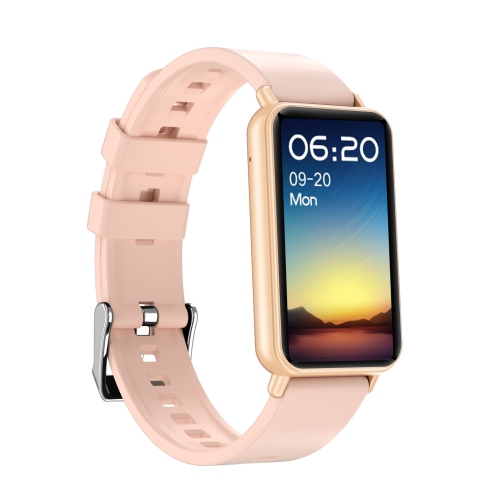
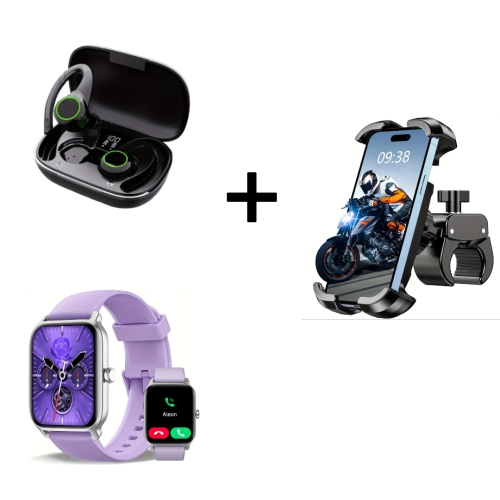
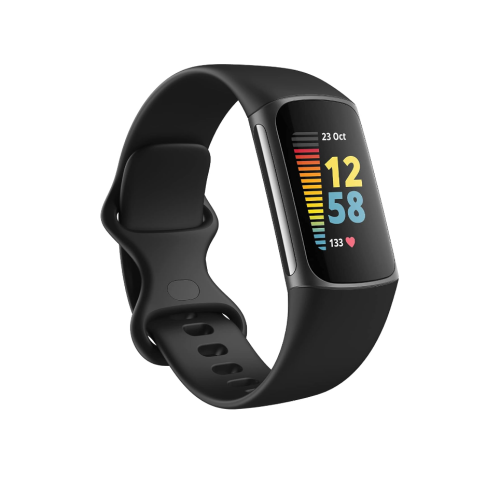
Workout tracking works best when it fits your routine
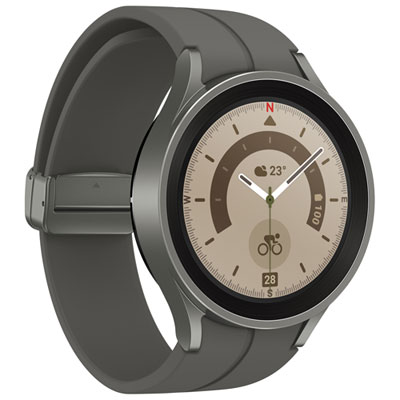
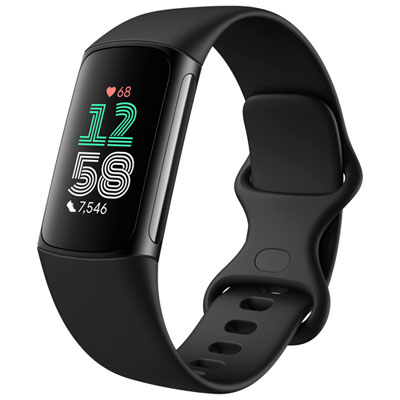
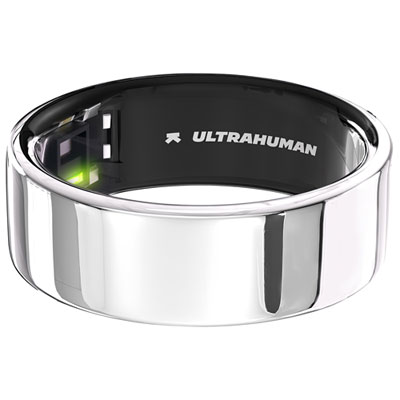
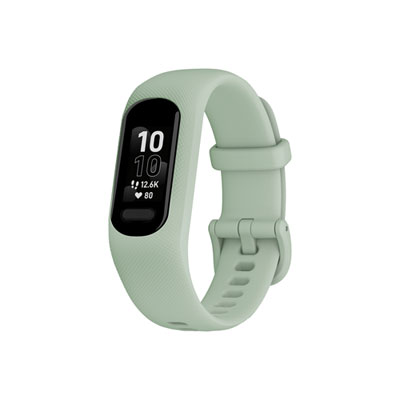
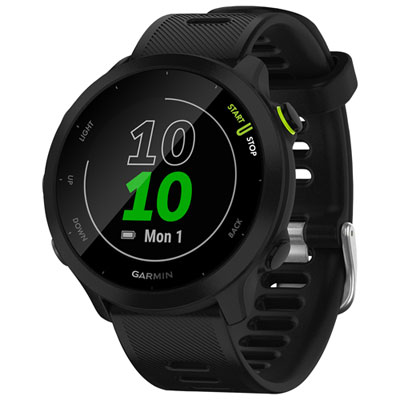
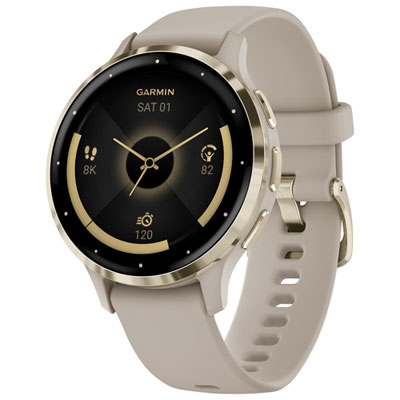
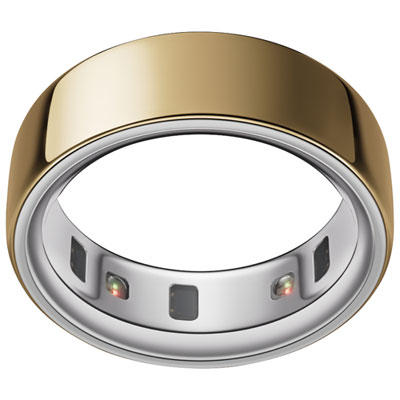
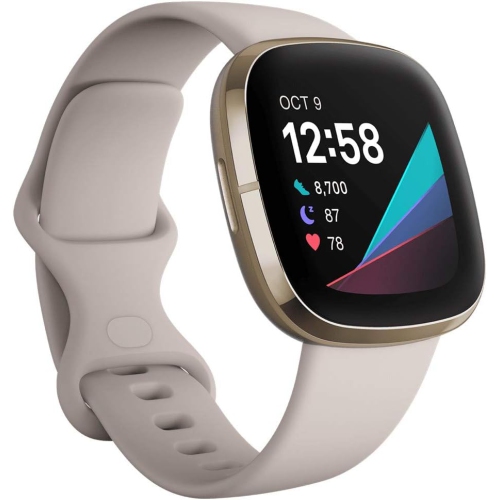
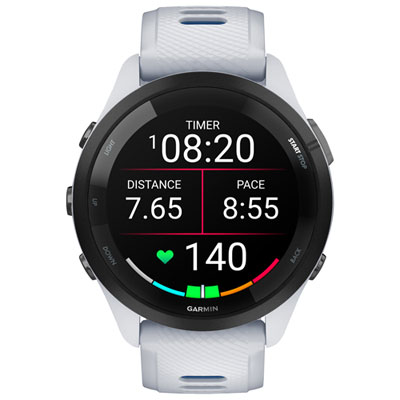
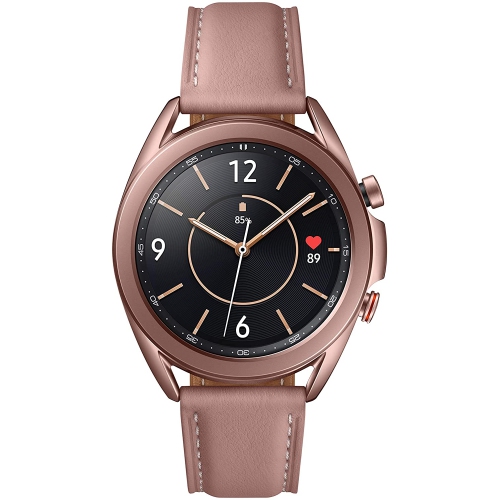
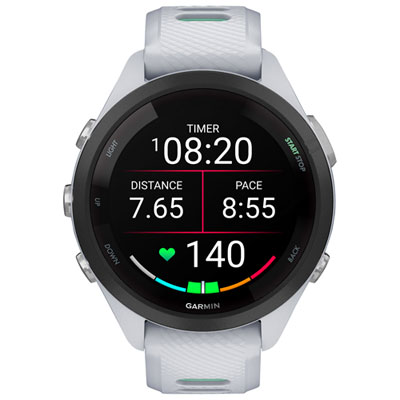
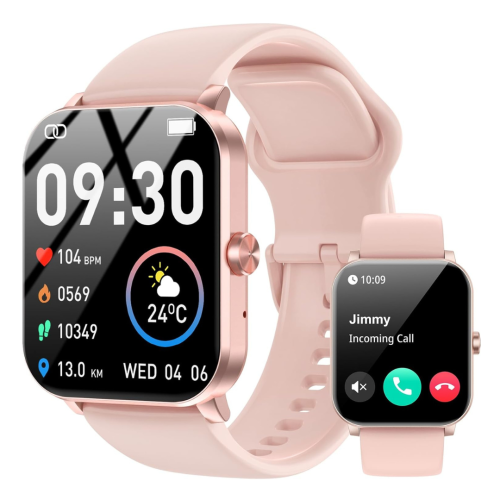
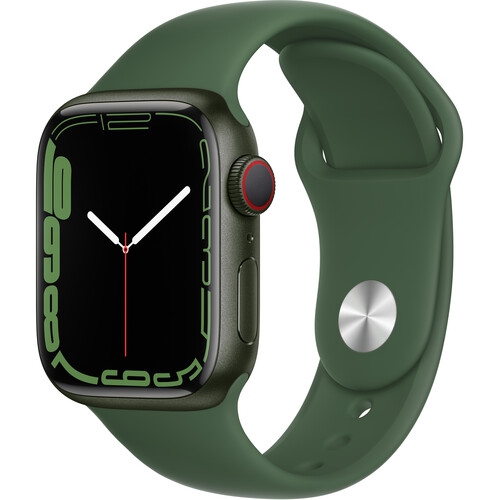
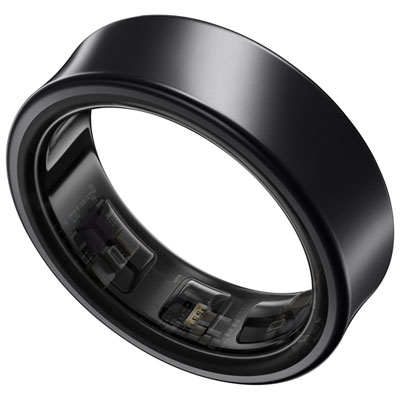
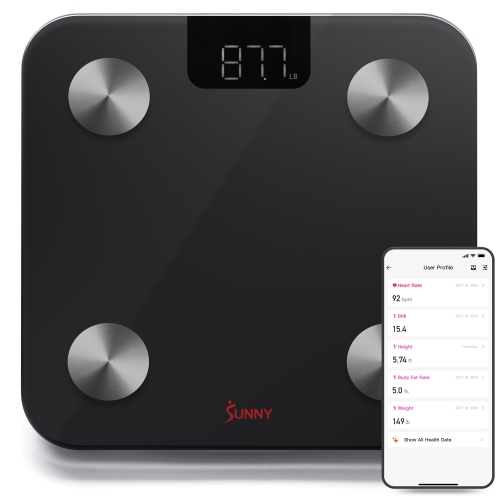
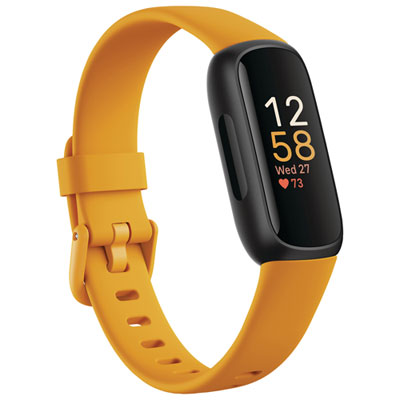
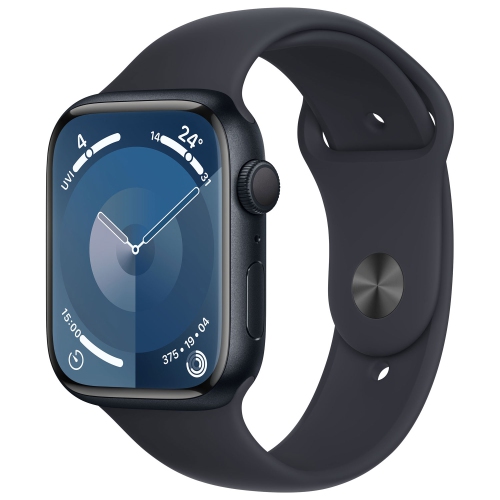
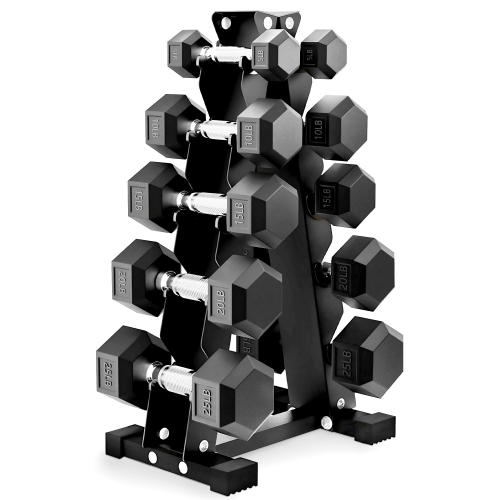
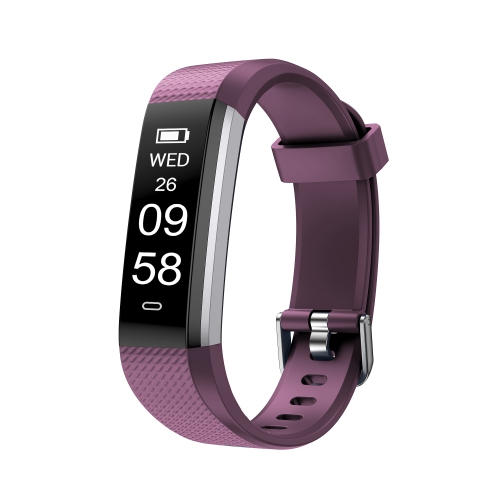
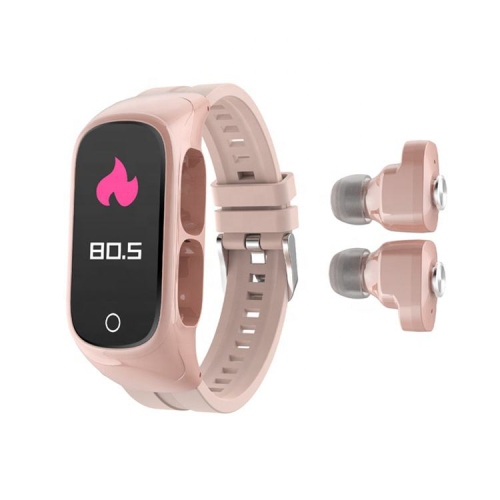
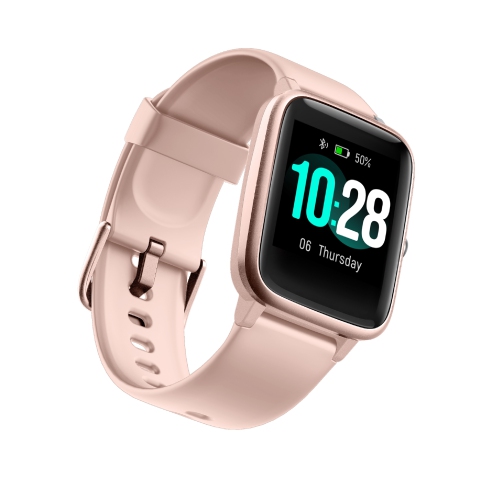
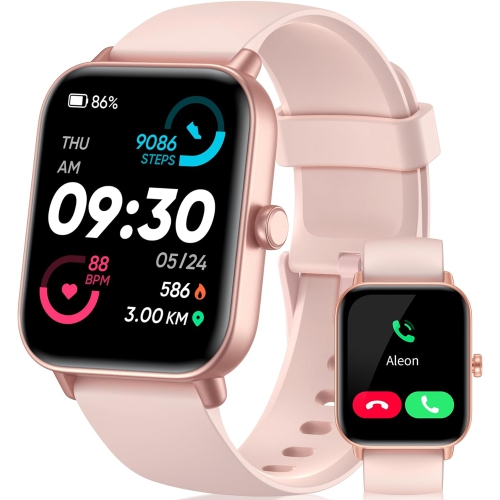
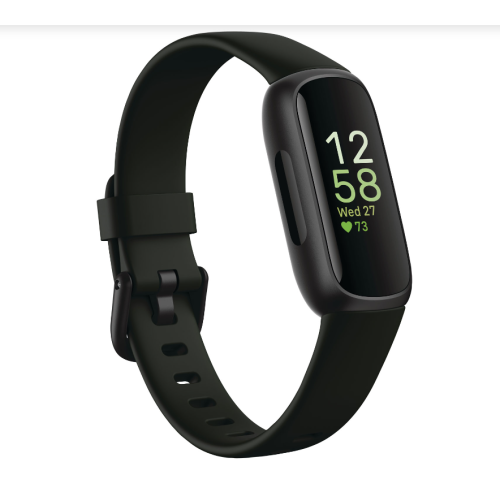
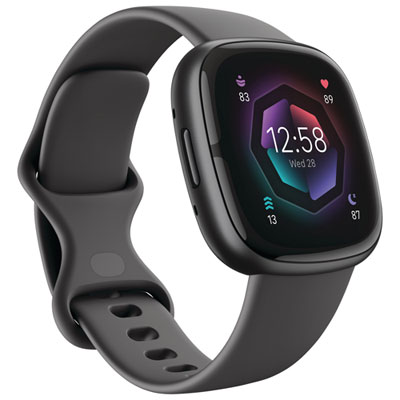
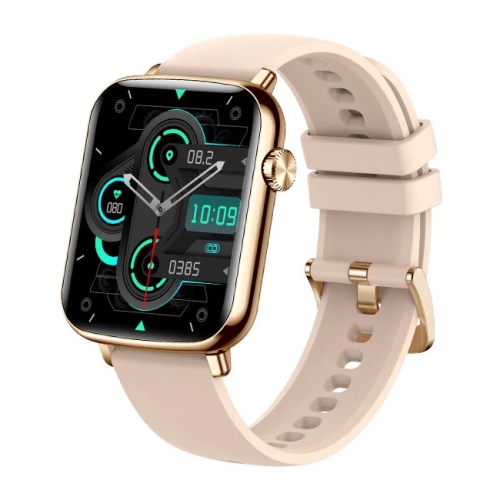
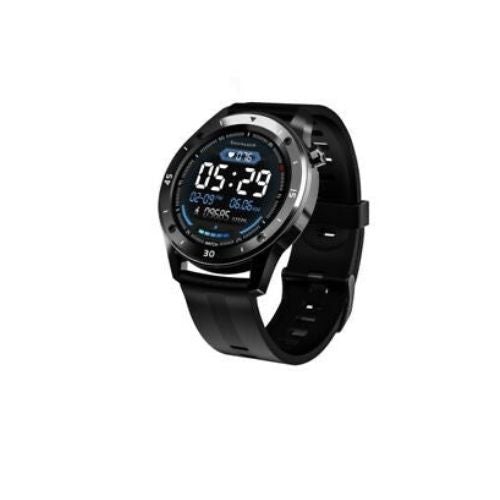
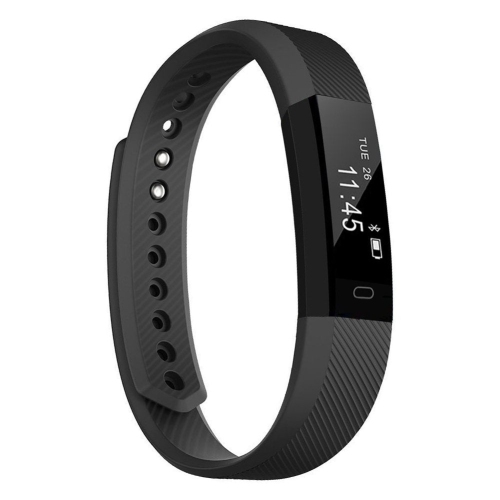
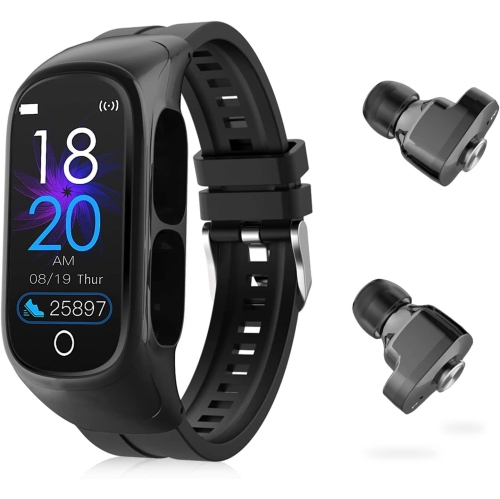
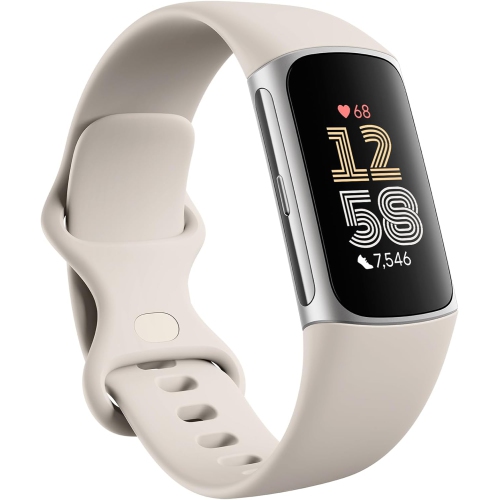
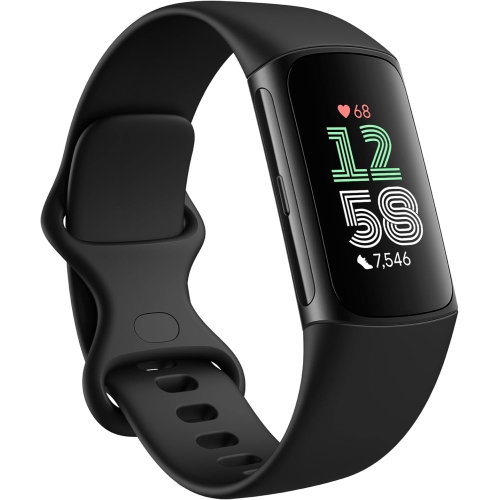
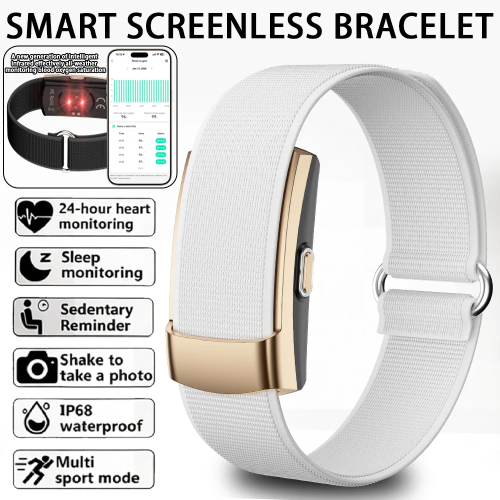
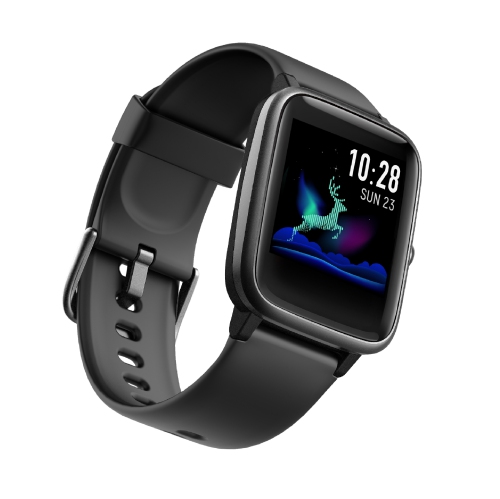
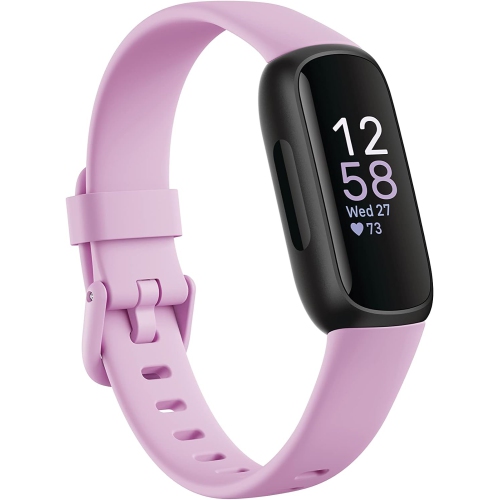
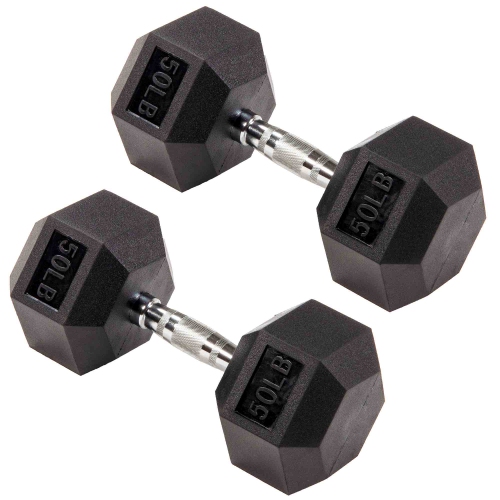
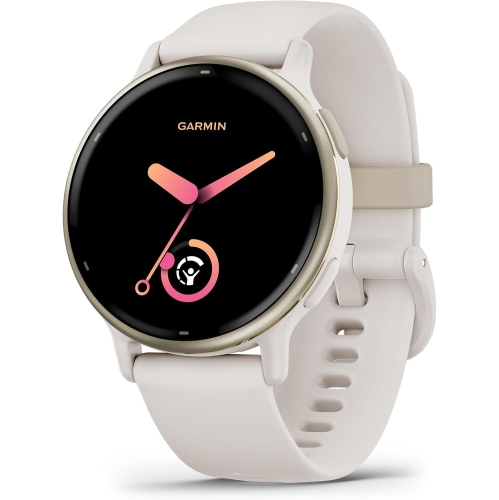
Fitness gadgets are electronic tools that track movement, support workouts, or help make an exercise routine easier to manage. The category spans wearable activity trackers, GPS-enabled watches, heart rate monitors, connected training equipment, and powered massage tools. Each serves a different purpose: a wearable can record a walk between meetings, a heart rate sensor can help someone monitor effort during a cycling session, and connected strength equipment can log training sessions over time. For everyday activity, useful features often include step counts, movement reminders, workout timers, and an easy-to-read summary of the day. Running and cycling place more emphasis on distance, pace, route tracking, and controls that remain practical while moving. Built-in GPS can record a route without relying on a nearby phone, while connected GPS generally uses the phone’s location services. For strength training, rest timers and exercise logs may matter more than step totals, particularly when the goal is to keep sessions organized rather than accumulate distance. Swimming calls for equipment specifically rated for that activity, along with suitable workout modes; a general water-resistance claim alone does not establish that a device is appropriate for pool use. The most useful measurements are those that connect to a real habit, whether that means taking a longer lunchtime walk or keeping track of weekly workouts. Activity, heart rate, sleep, and energy-expenditure figures are estimates, and accuracy varies with the device, movement, fit, and individual circumstances. Trends collected under similar conditions are often more useful than treating a single reading as a definitive result. Fitness gadgets can support personal goals, but consumer wellness measurements are not a substitute for medical assessment. A clear display and straightforward controls also matter in practice: checking elapsed time during a brisk walk should not require scrolling through several screens. For many people, a small set of dependable functions is more useful than a long feature list that rarely gets used.
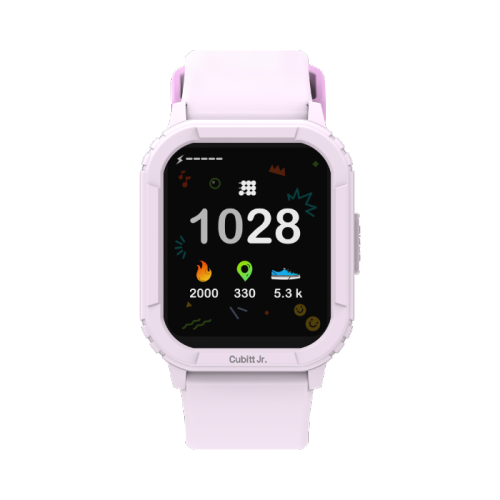
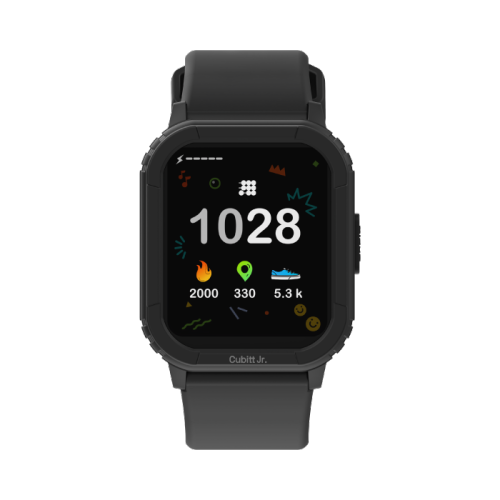
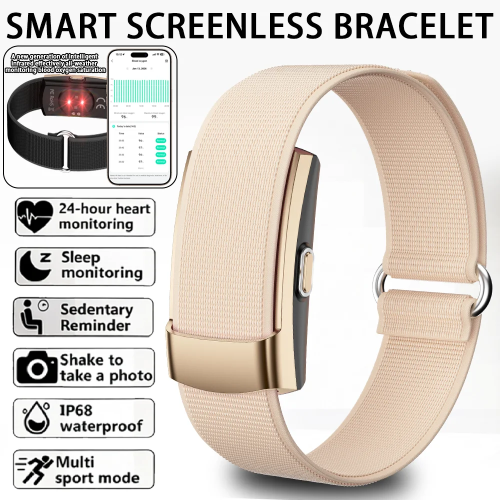
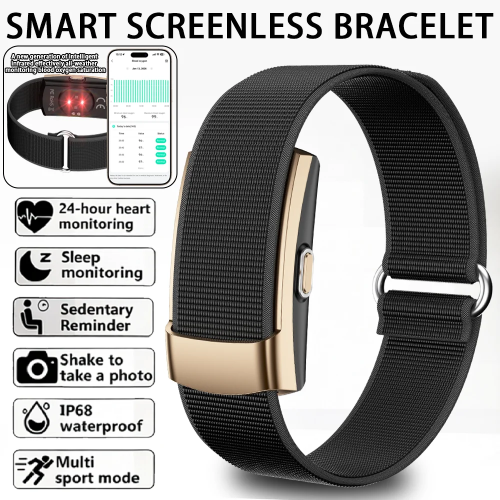
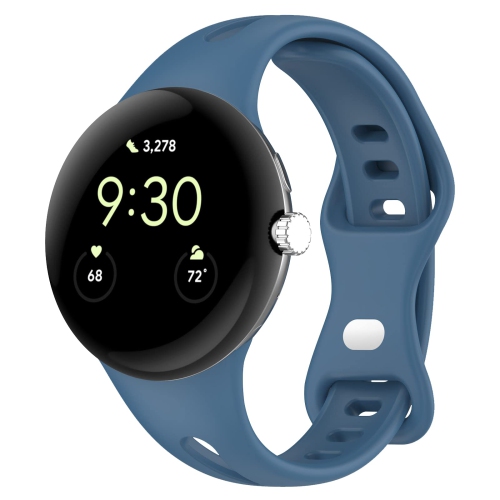
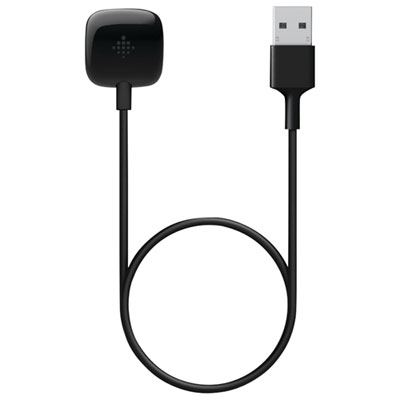
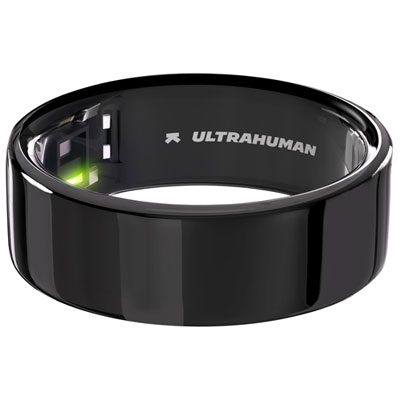
Comfort and durability help determine whether a fitness gadget becomes part of a routine or stays in a drawer. A wrist-worn device should sit securely without pinching, sliding, or interfering with wrist movement during exercises such as push-ups. Adjustable straps accommodate different wrist sizes, but the case dimensions and weight also affect how a wearable feels during a workout or overnight. Silicone straps are often practical for sweaty sessions because they are flexible and easy to wipe clean, while woven straps can feel soft but may take longer to dry. Metal components, strap fasteners, and other skin-contact materials deserve attention for anyone with known sensitivities. Optical sensors generally need consistent contact with the skin, so a loose fit can affect readings as well as comfort. Chest-worn heart rate monitors have their own sizing and care requirements, including maintaining the strap and sensor contacts according to the manufacturer’s directions. Across the category, water and dust ratings, impact protection, and replaceable straps or accessories provide useful context for intended use. Water resistance is not permanent, and suitability for swimming does not automatically extend to hot tubs, diving, or high-pressure water. Routine care usually starts with removing sweat and residue using the recommended cleaning method, then allowing the device and skin-contact surfaces to dry before wearing or charging. Battery life deserves equal attention: GPS recording, frequent notifications, bright screens, and an always-on display can increase charging needs. A charging routine that fits around showers or desk time can make continuous use less disruptive. Phone compatibility, app requirements, Bluetooth connections, and any Wi-Fi requirements should match the technology already used at home. Some functions may depend on a separate account or membership, so the distinction between built-in features and app-based services matters. Readable text, vibration alerts, tactile buttons, and adjustable display settings can also make everyday interaction easier. Data-sharing controls are another practical consideration, particularly when an app records location, sleep patterns, or detailed activity history.
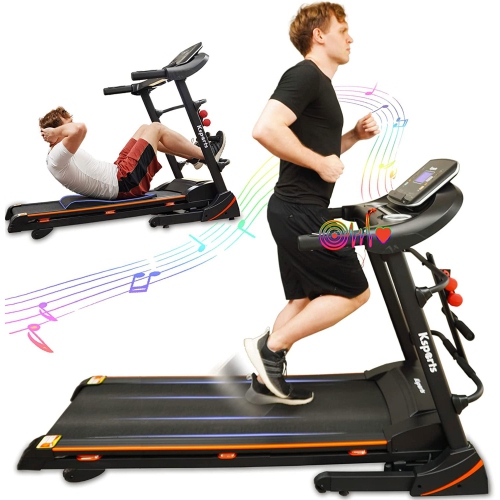
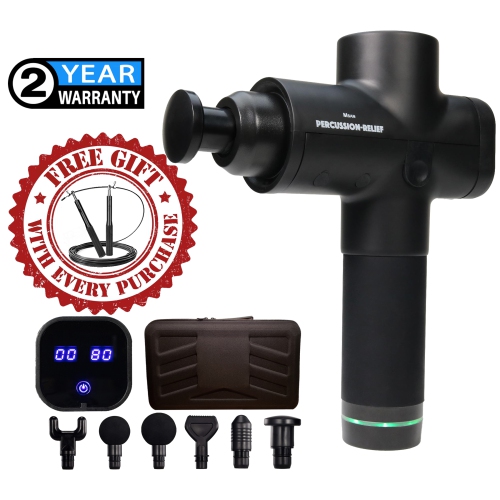
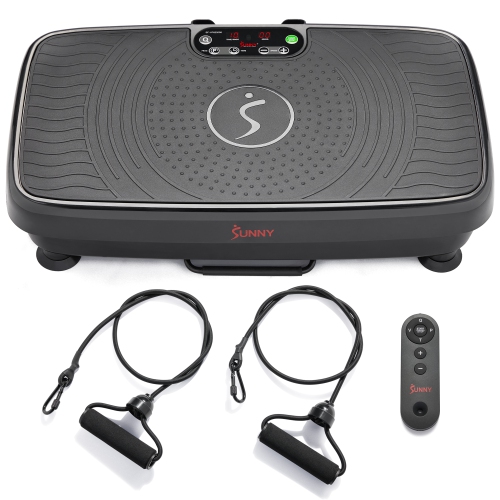
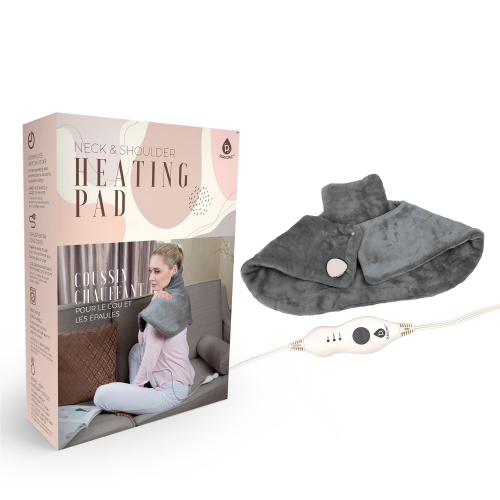
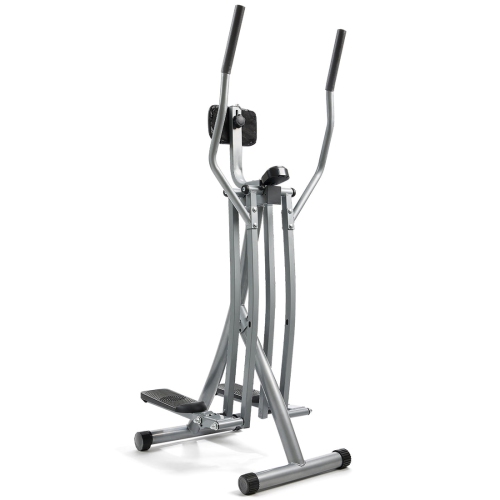
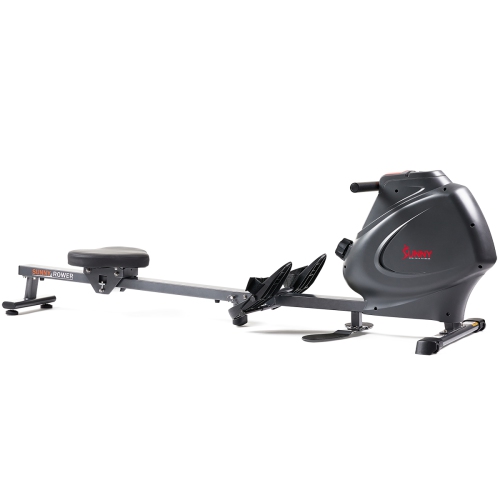
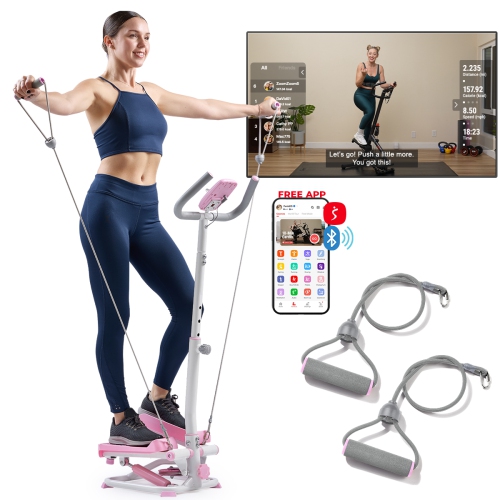
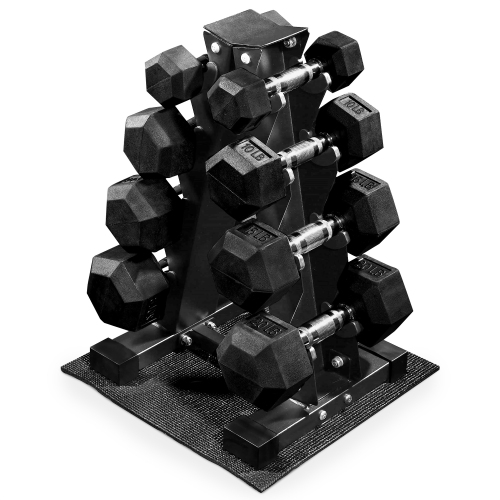
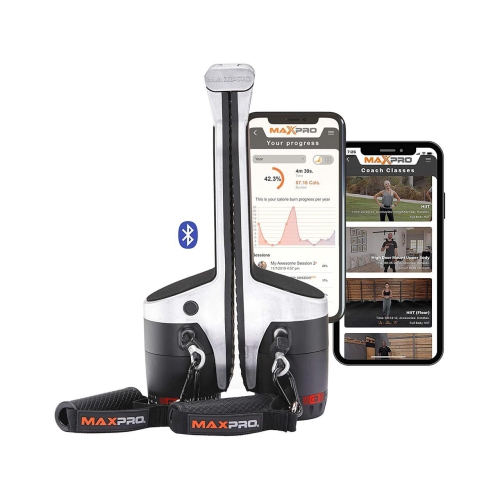
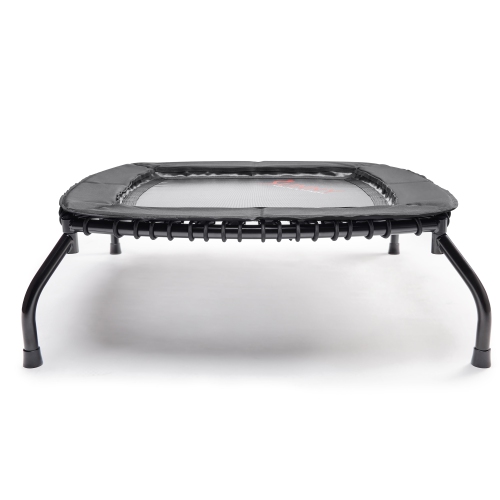
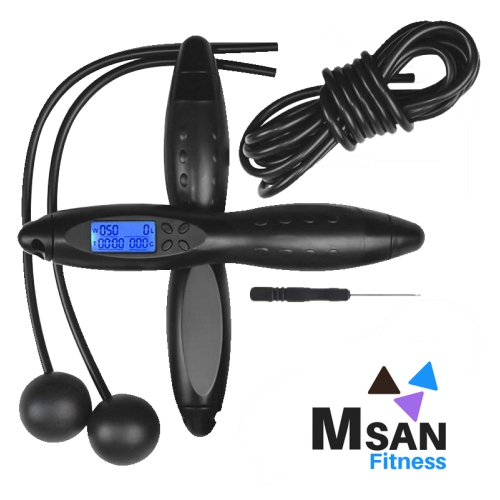
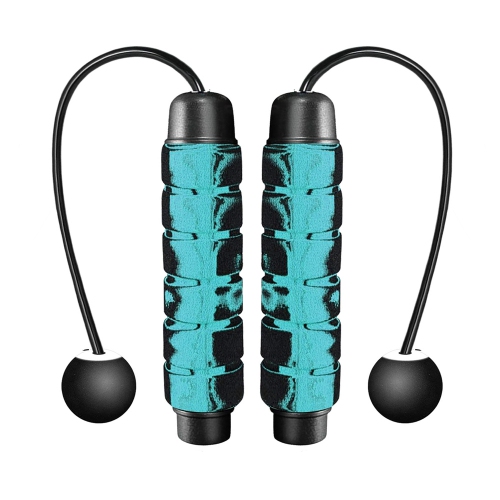
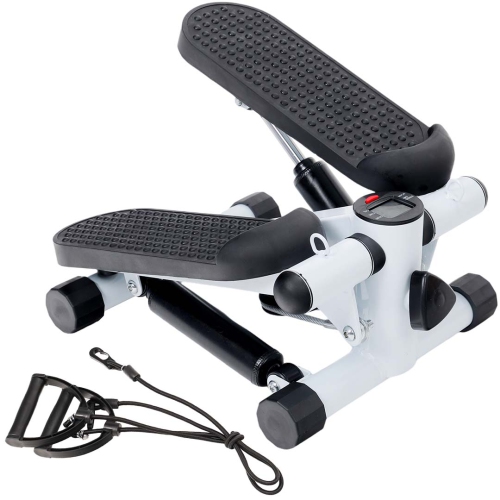
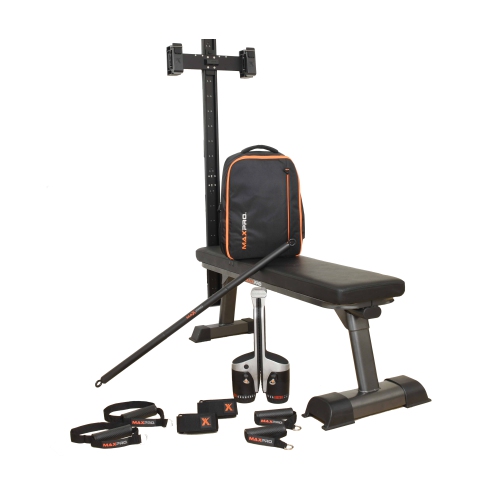
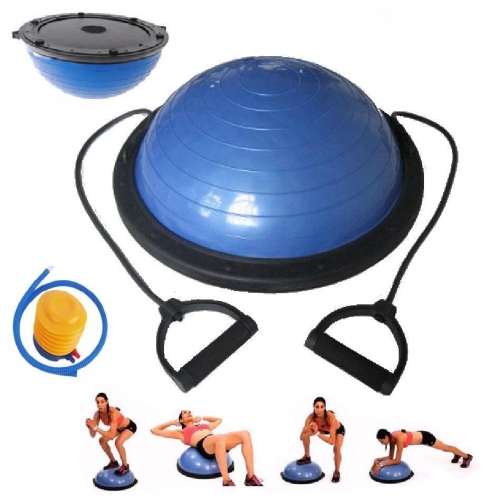
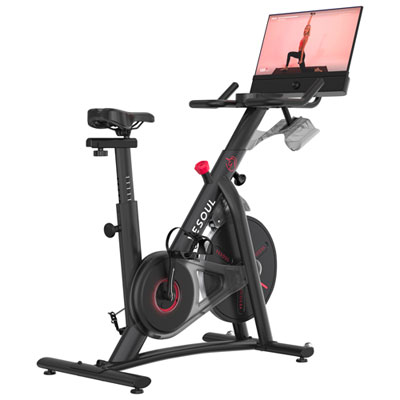
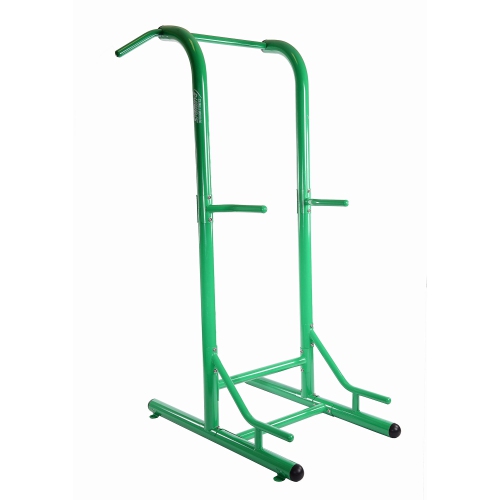
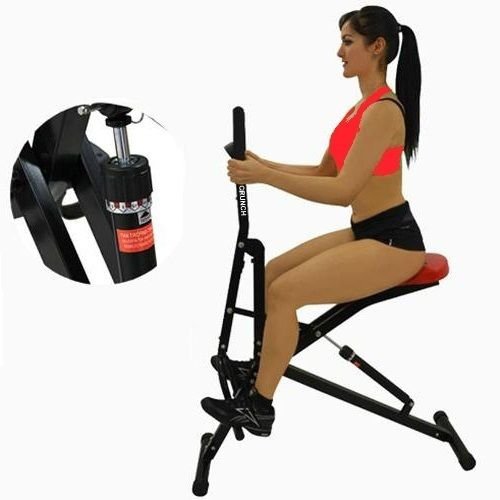
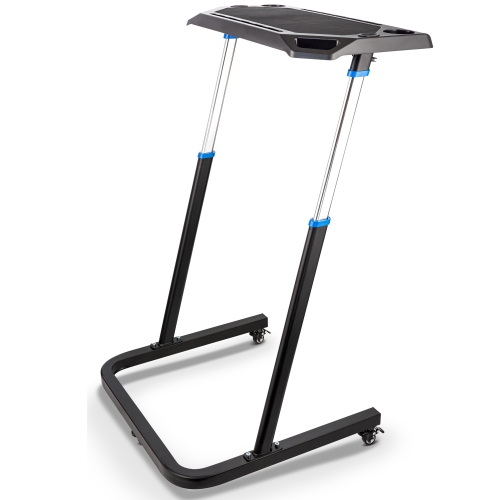
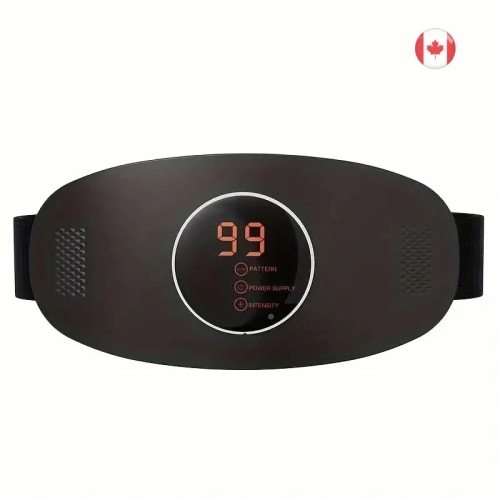
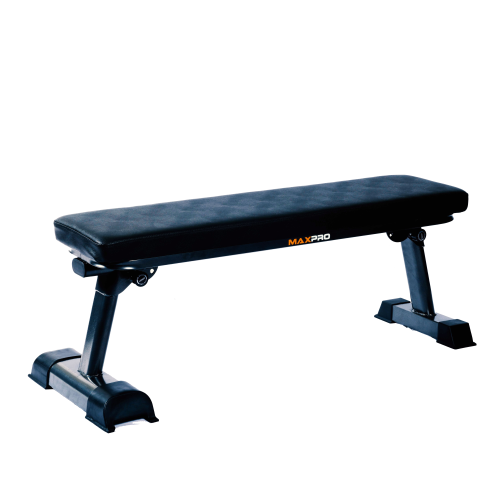
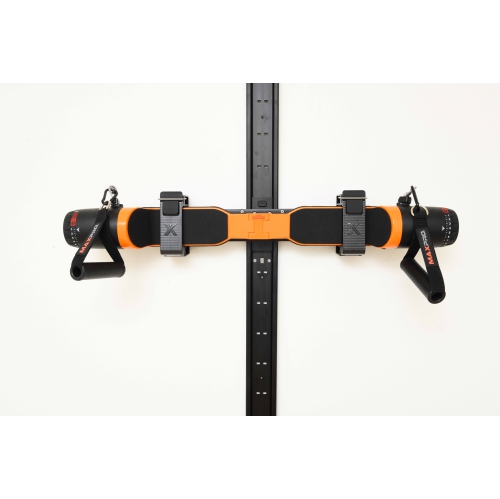
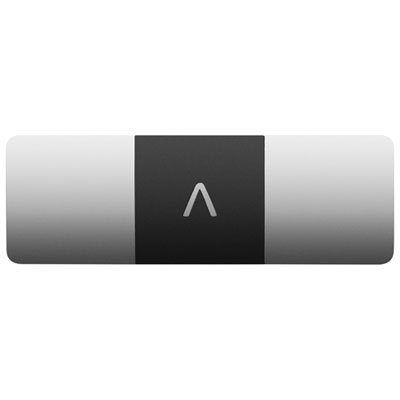
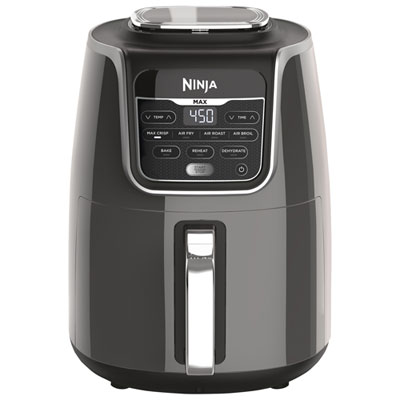
Beyond wearables, fitness gadgets can bring structure and feedback to exercise at home. Connected equipment may display workout metrics, offer guided sessions, or save training history, depending on its features. For someone fitting exercise into a shared living room, the physical footprint matters as much as the screen: there needs to be enough clearance for the movement itself, not just space to store the equipment. Stable placement, suitable flooring, reachable power connections, and manageable cable routing all contribute to a practical setup. Noise and vibration can also affect suitability for an apartment or a room above a shared space. Digital resistance systems have different installation, clearance, and user requirements, and their resistance ranges should suit the intended exercises and users. Smaller electronic training accessories can be easier to carry between home and the gym, although portability still depends on weight, protective storage, and charging needs. Powered massage tools serve a different role from activity trackers, providing a massage sensation rather than recording a workout. Their usefulness depends on factors such as grip comfort, device weight, attachment shape, and adjustable intensity. A handle that is comfortable to hold may matter more than maximum power when reaching a thigh or calf after exercise. These tools should be used only as directed, avoiding injured areas and any locations the manufacturer identifies as unsuitable; people with relevant medical conditions should seek professional advice before use. Across all types of fitness technology, intended use is the best starting point for a gift. Someone who enjoys long walks may appreciate uncomplicated activity tracking, while a regular gym-goer may value workout logging or a convenient interval timer. Personal preferences count, too, from strap colour and display size to whether the recipient wants another phone-connected device. For a broader look at related technology, Health Gadgets for Fitness Enthusiasts brings together another perspective on everyday wellness and exercise tools. The strongest fit is a gadget that handles a familiar task well, feels comfortable to use, and requires a manageable amount of upkeep.
Comfort and durability help determine whether a fitness gadget becomes part of a routine or stays in a drawer. A wrist-worn device should sit securely without pinching, sliding, or interfering with wrist movement during exercises such as push-ups. Adjustable straps accommodate different wrist sizes, but the case dimensions and weight also affect how a wearable feels during a workout or overnight. Silicone straps are often practical for sweaty sessions because they are flexible and easy to wipe clean, while woven straps can feel soft but may take longer to dry. Metal components, strap fasteners, and other skin-contact materials deserve attention for anyone with known sensitivities. Optical sensors generally need consistent contact with the skin, so a loose fit can affect readings as well as comfort. Chest-worn heart rate monitors have their own sizing and care requirements, including maintaining the strap and sensor contacts according to the manufacturer’s directions. Across the category, water and dust ratings, impact protection, and replaceable straps or accessories provide useful context for intended use. Water resistance is not permanent, and suitability for swimming does not automatically extend to hot tubs, diving, or high-pressure water. Routine care usually starts with removing sweat and residue using the recommended cleaning method, then allowing the device and skin-contact surfaces to dry before wearing or charging. Battery life deserves equal attention: GPS recording, frequent notifications, bright screens, and an always-on display can increase charging needs. A charging routine that fits around showers or desk time can make continuous use less disruptive. Phone compatibility, app requirements, Bluetooth connections, and any Wi-Fi requirements should match the technology already used at home. Some functions may depend on a separate account or membership, so the distinction between built-in features and app-based services matters. Readable text, vibration alerts, tactile buttons, and adjustable display settings can also make everyday interaction easier. Data-sharing controls are another practical consideration, particularly when an app records location, sleep patterns, or detailed activity history.
Beyond wearables, fitness gadgets can bring structure and feedback to exercise at home. Connected equipment may display workout metrics, offer guided sessions, or save training history, depending on its features. For someone fitting exercise into a shared living room, the physical footprint matters as much as the screen: there needs to be enough clearance for the movement itself, not just space to store the equipment. Stable placement, suitable flooring, reachable power connections, and manageable cable routing all contribute to a practical setup. Noise and vibration can also affect suitability for an apartment or a room above a shared space. Digital resistance systems have different installation, clearance, and user requirements, and their resistance ranges should suit the intended exercises and users. Smaller electronic training accessories can be easier to carry between home and the gym, although portability still depends on weight, protective storage, and charging needs. Powered massage tools serve a different role from activity trackers, providing a massage sensation rather than recording a workout. Their usefulness depends on factors such as grip comfort, device weight, attachment shape, and adjustable intensity. A handle that is comfortable to hold may matter more than maximum power when reaching a thigh or calf after exercise. These tools should be used only as directed, avoiding injured areas and any locations the manufacturer identifies as unsuitable; people with relevant medical conditions should seek professional advice before use. Across all types of fitness technology, intended use is the best starting point for a gift. Someone who enjoys long walks may appreciate uncomplicated activity tracking, while a regular gym-goer may value workout logging or a convenient interval timer. Personal preferences count, too, from strap colour and display size to whether the recipient wants another phone-connected device. For a broader look at related technology, Health Gadgets for Fitness Enthusiasts brings together another perspective on everyday wellness and exercise tools. The strongest fit is a gadget that handles a familiar task well, feels comfortable to use, and requires a manageable amount of upkeep.
Top selling and popular products
-
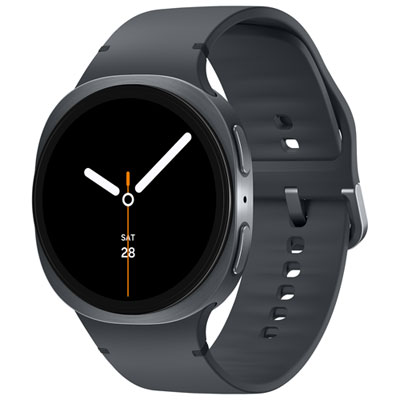 Your price for this item is $399.99
 -
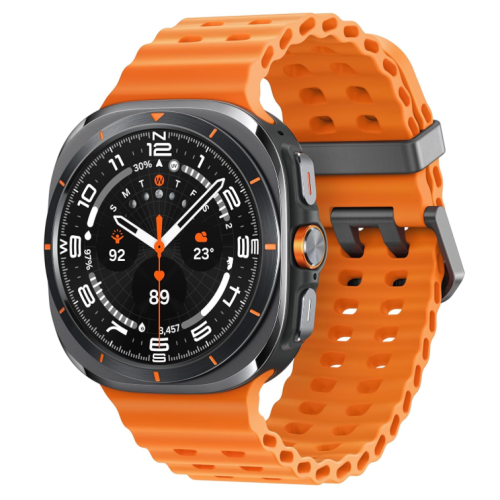 Your price for this item is $579.99
 -
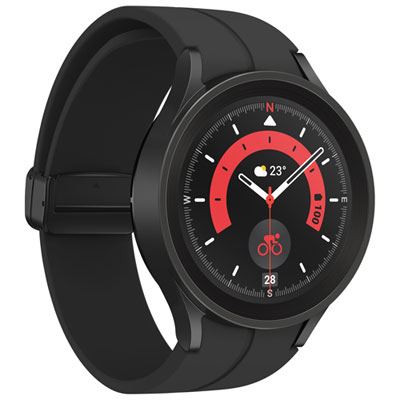 Your price for this item is $629.97
 -
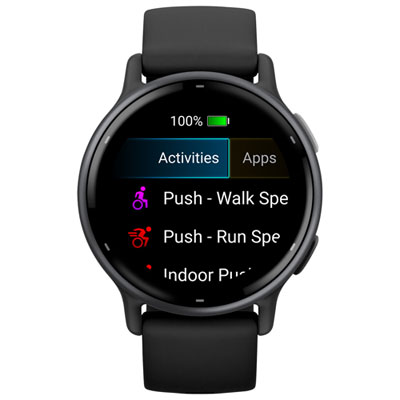 Your price for this item is $349.99
 -
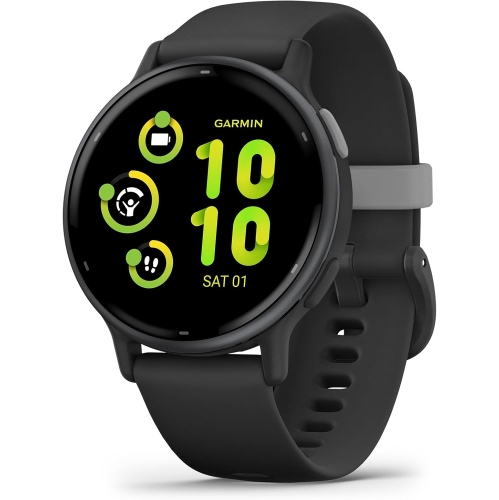 Your price for this item is $371.79
 -
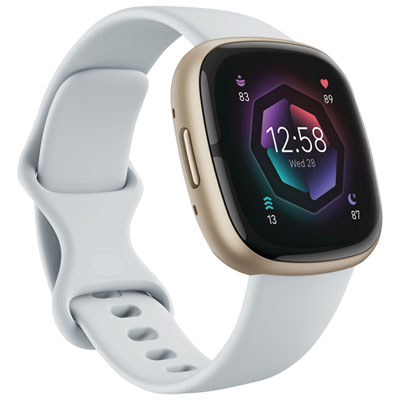 Your price for this item is $209.99
 -
 Your price for this item is $328.89
 -
 Your price for this item is $659.99
Discover more categories related to Fitness Gadgets
Top Collections:
Pokemon Centers, Kindle Devices, Best Budget Office Chairs, Apple iPhones 16, Canon G7X Cameras, iPhone 15 Apple, Alarm Clock, Refurbished Apple Laptops, Flip Phones, Best Laptops for Writers
Some products may be subject to Environmental Handling Fees
(EHF) depending on your province.
Learn more about EHFs.