Garmin 965
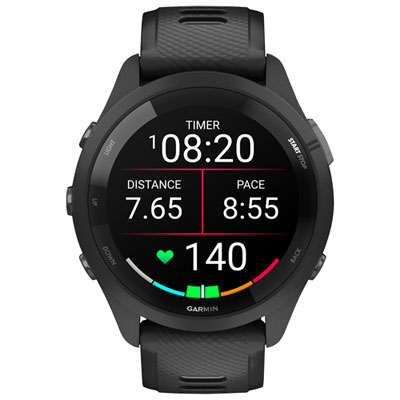
Discover the possibilities with the Garmin 965, designed to support your active lifestyle and enhance your daily routine. Whether you're looking to track your fitness progress, navigate new routes, or stay connected on the go, the Garmin 965 offers solutions tailored to your needs. Explore a range of options and find the perfect match to help you reach your goals with confidence and ease.
Sort
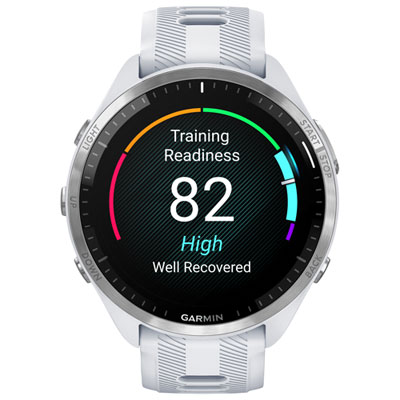
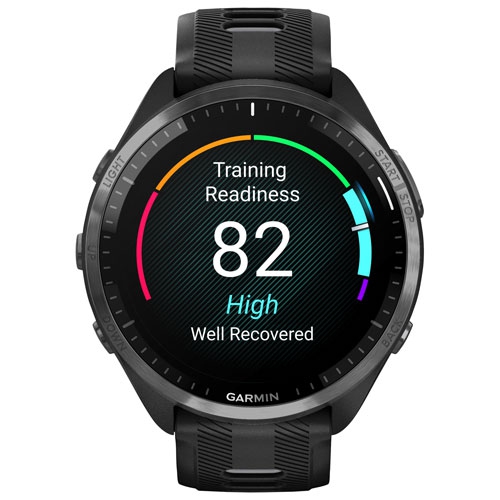
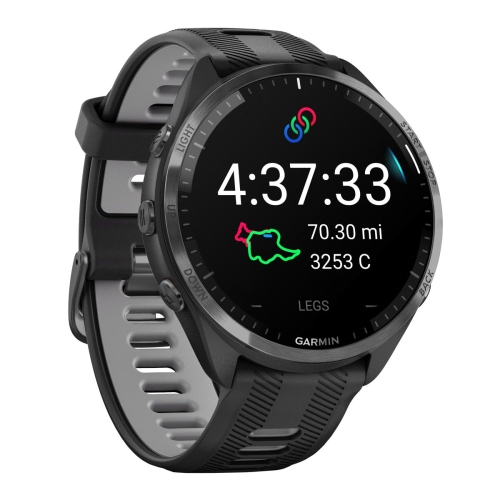
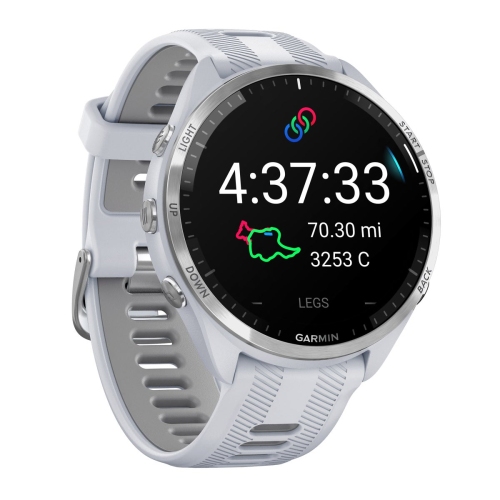


How multisport watches put each workout in context
Advanced GPS running and multisport smartwatches combine detailed activity tracking, navigation, and everyday connected features in a device designed to stay on the wrist between workouts. Their appeal goes beyond counting steps: they help runners, cyclists, swimmers, and triathletes understand how individual sessions fit into a broader training routine. A runner building towards a first half-marathon may value clear pace and distance readings, while an experienced athlete may be more interested in structured intervals, recovery estimates, and the relationship between training intensity and rest. Multisport functionality is particularly useful when a session includes more than one discipline, allowing different activities and transitions to be recorded together rather than treated as unrelated workouts. Depending on the watch, training tools can include suggested workouts, race-time estimates, training load, and assessments that draw on sleep, recent exercise, and heart rate variability. These measurements provide context rather than certainty, and their usefulness generally improves with consistent wear and accurate personal settings. Wrist-based heart rate tracking is convenient for everyday exercise, while compatibility with an external heart rate sensor can be valuable for athletes who want another measurement option during demanding sessions. Indoor activity profiles also matter: treadmill running, strength training, stationary cycling, and pool swimming each call for different information on the screen. Someone moving between gym sessions and longer runs may appreciate a watch that keeps those records together without making every workout feel like a race. Everyday movement, rest days, and sleep can be part of that same picture, helping activity tracking remain useful outside formal training. Health and fitness estimates are not medical diagnoses, but they can make patterns easier to recognize, such as a rising weekly workload or several nights of shorter sleep. The strongest fit is often a watch whose training depth matches the wearer’s habits, whether that means straightforward workout recording or a more detailed look at performance over time. For some wearers, a clearly displayed lap time is more useful than dozens of advanced measurements that rarely get opened.
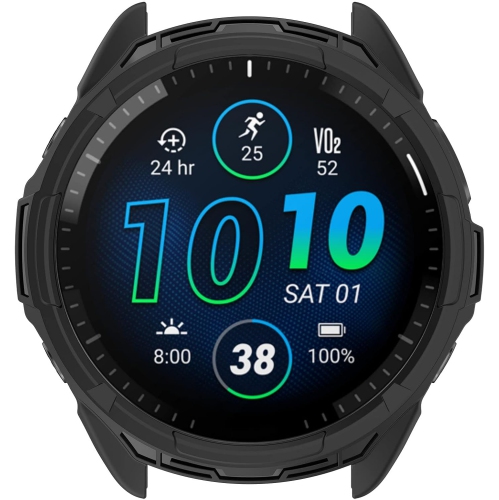
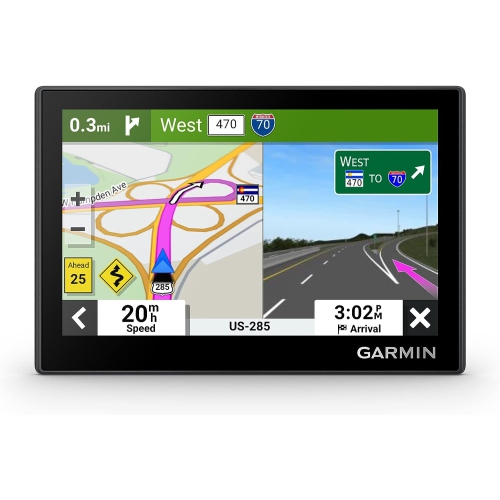
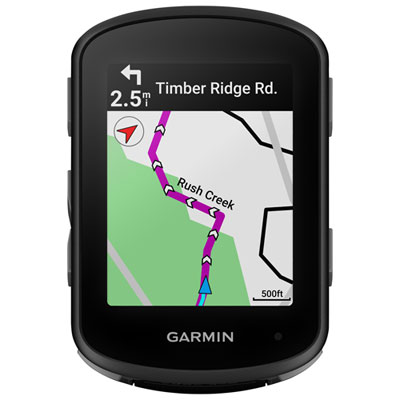
Navigation and screen design have a substantial influence on how a sports watch feels during an actual outing. A full-colour AMOLED display can make maps, workout graphics, and everyday notifications easier to distinguish, while physical buttons provide another way to start a lap or pause an activity without relying entirely on touch controls. Screen size, text clarity, and the number of data fields shown together all affect readability at a glance. During a steady run, a simple view of pace, elapsed time, and distance may be enough; on a longer ride, a map or elevation profile may become more useful. For runners and cyclists drawn to Garmin Navigation, wrist-based mapping can make an unfamiliar route easier to follow without repeatedly taking out a phone. Mapping, course guidance, and satellite positioning are related but distinct features: recording a GPS track does not necessarily mean a watch includes detailed maps or turn-by-turn directions. Where supported, downloaded courses and onboard mapping can help with following a planned loop, identifying a junction, or finding the way back after a missed turn. Multi-band satellite reception can also be helpful where tall buildings or tree cover make positioning more challenging, although no positioning system is perfect in every location. Satellite tracking does not automatically provide cellular communication, and a watch should not be treated as a replacement for appropriate navigation preparation. Battery performance deserves similar context. An always-on display, frequent navigation checks, music playback, and more demanding satellite settings can use power faster than basic daily wear. Long-distance athletes may therefore place particular value on adjustable tracking settings and a charging routine that fits around training. Beyond exercise, supported features such as smartphone notifications, wireless syncing, music storage, and contactless payments can reduce the need to reach for a phone. These conveniences depend on the device, phone compatibility, connected services, and participating financial institutions. A useful balance keeps essential information close without filling a workout screen with distractions, especially when attention needs to stay on a path, road, or training session.
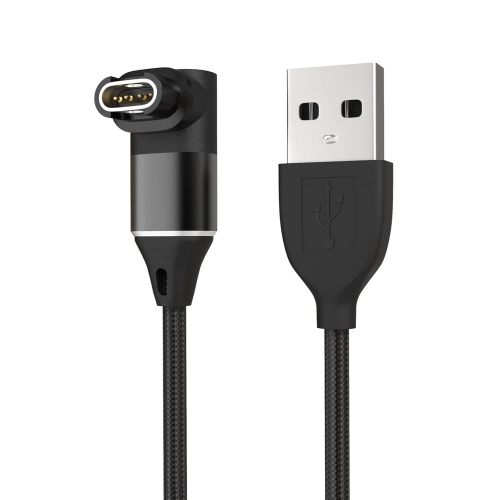
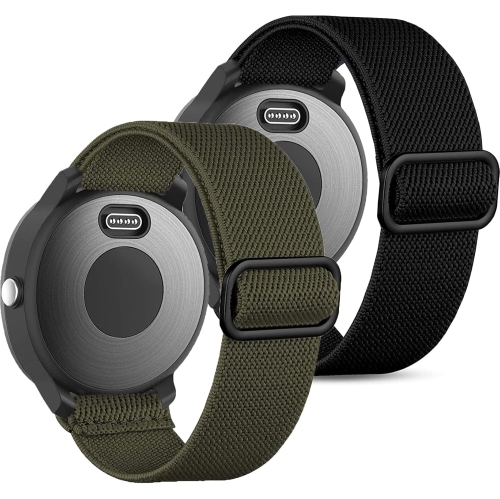
Comfort and construction matter just as much as the feature list when a watch is worn through exercise, work, and sleep. Case diameter is only part of the fit: thickness, weight, strap flexibility, and the way the case sits against the wrist all influence whether it feels unobtrusive or bulky. A larger display can improve readability, but it should still sit securely without extending awkwardly beyond the wrist. Lightweight polymer cases and metal bezels offer different combinations of weight, structure, and appearance, while titanium is often valued for keeping a metal component relatively light. Lens materials and protective treatments affect resistance to everyday wear, although no watch face is immune to scratches or impact. Flexible silicone straps are practical for workouts because they are easy to rinse, while compatible replacement bands can change the feel or appearance for daily wear. A secure fit helps optical sensors maintain contact with the skin, but the band should not need to be uncomfortably tight. Allowing the wrist and strap to dry after exercise can make extended wear more comfortable. Regular care is generally straightforward: sweat and pool residue should be rinsed away as directed by the manufacturer, and the watch should be clean and dry before charging. Charging contacts, strap attachment points, and the underside of the case benefit from gentle cleaning rather than abrasive products. Water resistance should suit the intended activity; suitability for swimming does not automatically extend to diving or high-pressure water. For gifting, the recipient’s routine provides more useful direction than appearance alone. A distance runner may appreciate mapping and training analysis, a triathlete may prioritize smooth activity transitions, and a fitness enthusiast may prefer comfortable all-day tracking with clear workout summaries. Wrist size, preferred controls, smartphone compatibility, and willingness to charge and wear the device consistently all shape the experience. A well-matched sports smartwatch becomes a familiar training companion because its information is accessible, its fit is comfortable, and its features serve activities the wearer actually enjoys.
Top selling and popular products
-
 Your price for this item is $24.99
-
 Your price for this item is $24.95
-
 Your price for this item is $49
-
 Your price for this item is $69.99
-
 Your price for this item is $39.99
-
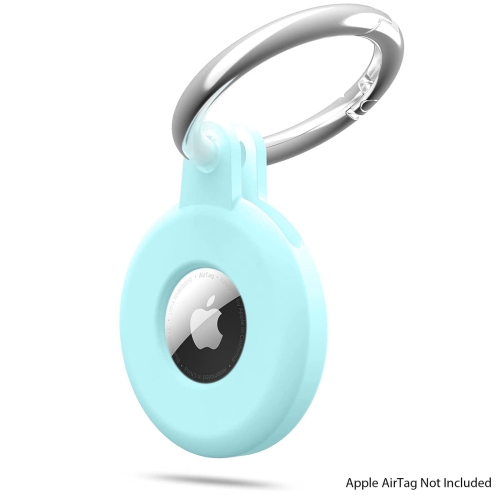 Your price for this item is $38
-
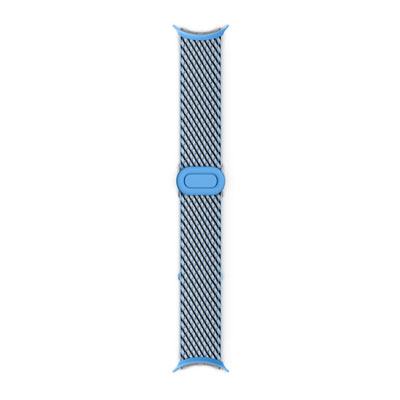 Your price for this item is $79.97
-
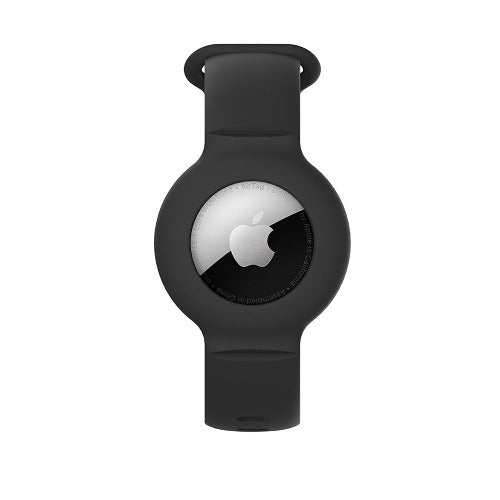 Your price for this item is $45
Discover more categories related to Garmin 965

Top Collections:
Best Black Friday Deals This Year, Best Black Friday Deals On Electronics, Kindle Devices, Pokemon Centers, Best Black Friday Deals On Apple Products, Best Cameras for Sports Photography, Dyson Airwrap, Pokémon 30th Celebration Cards, Apple iPhone 17 Pro, Canon G7X Cameras
Some products may be subject to Environmental Handling Fees
(EHF) depending on your province.
Learn more about EHFs.