Good Fitness Bands
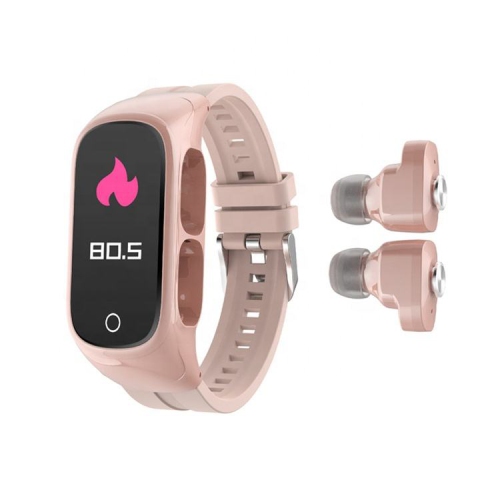
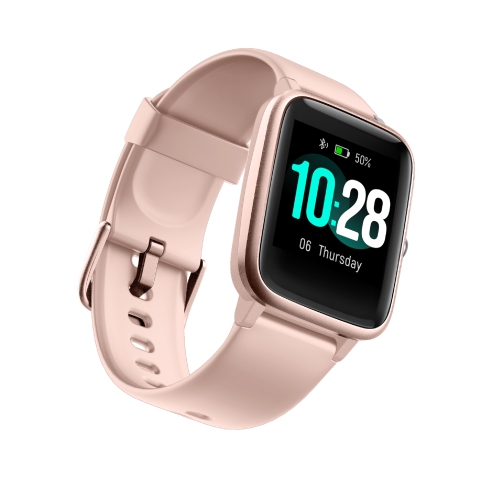
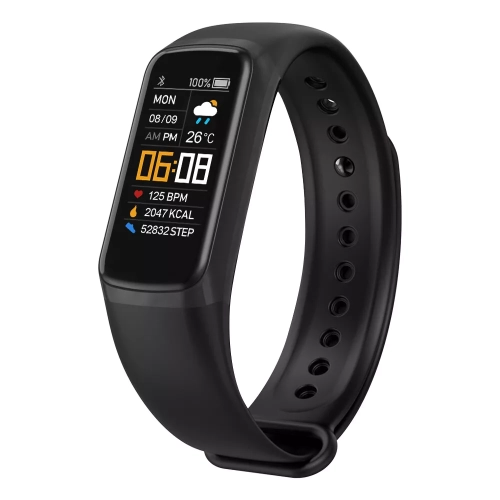
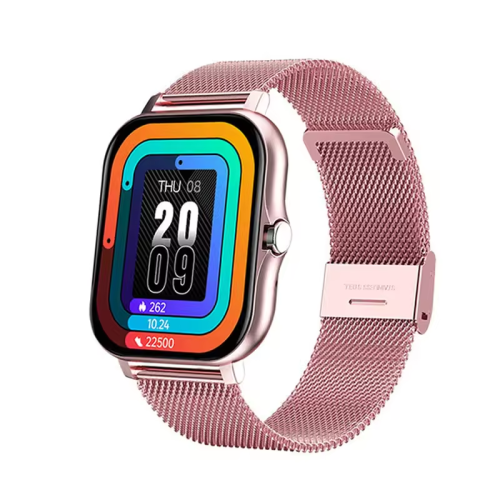
Looking to track your fitness progress and achieve your health goals? Look no further than our selection of top-notch fitness bands. These sleek and stylish wearables are designed to keep you motivated, monitor your activity levels, and provide valuable insights into your overall well-being. Whether you're a seasoned athlete or just starting out on your fitness journey, our range of fitness bands offers something for everyone. With features like heart rate monitoring, step tracking, sleep analysis, and more, staying active has never been easier or more enjoyable. Explore our collection of fitness bands today and take a step towards a healthier lifestyle.
Sort


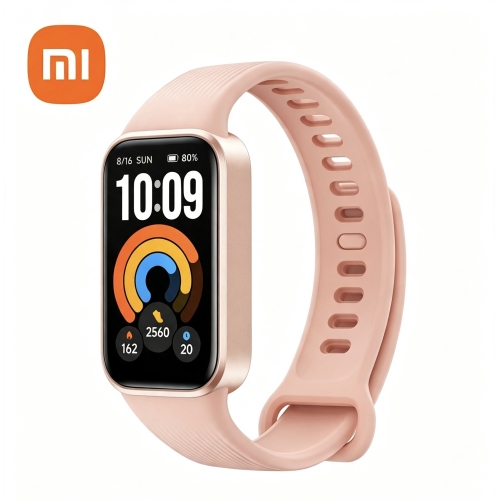
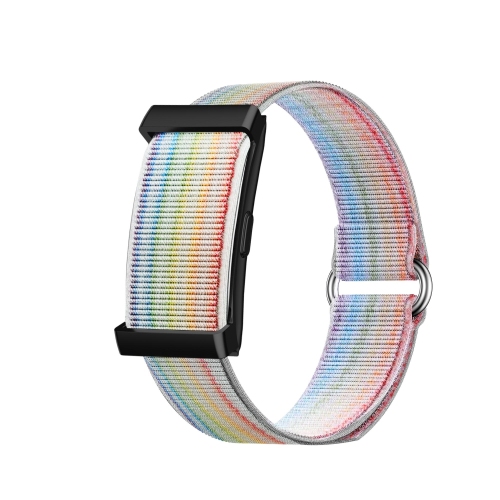
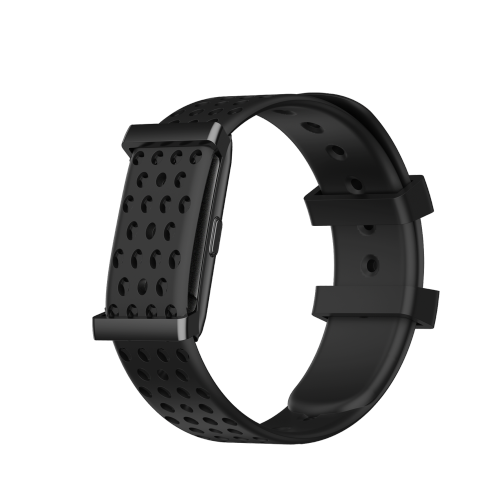
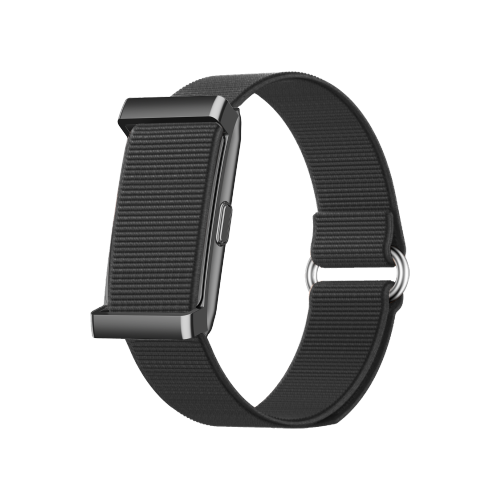











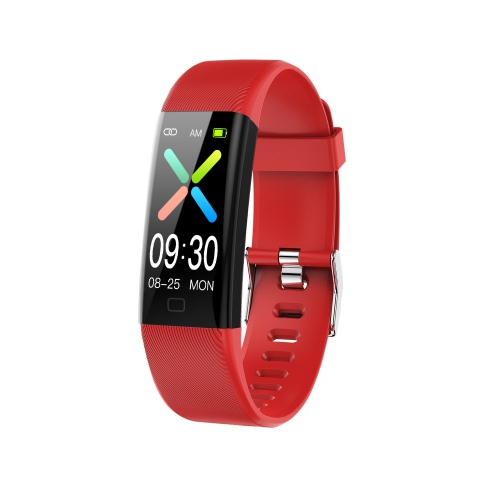
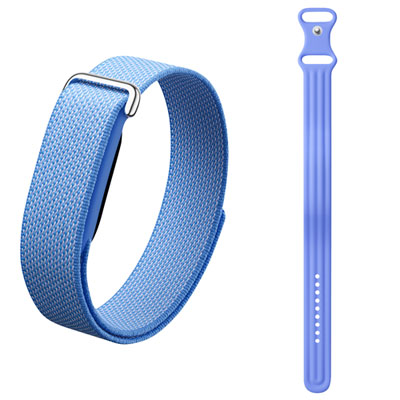
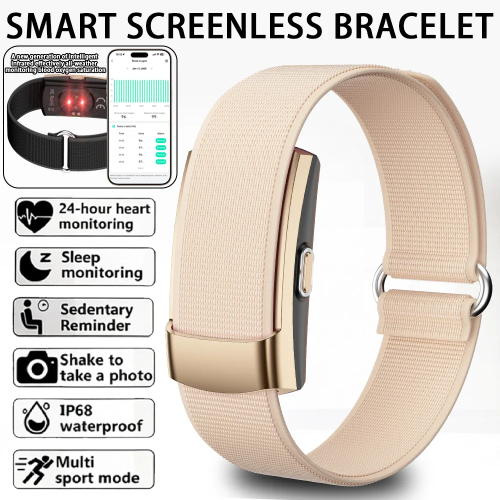
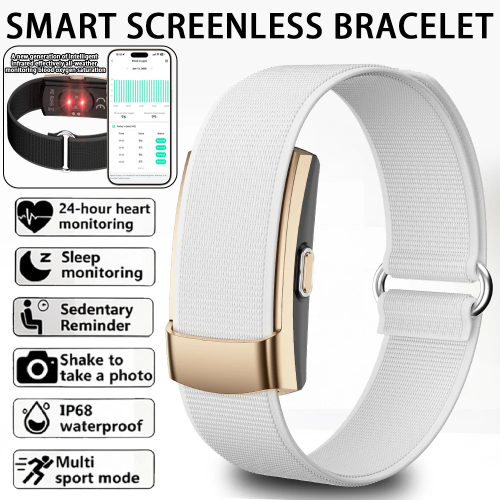
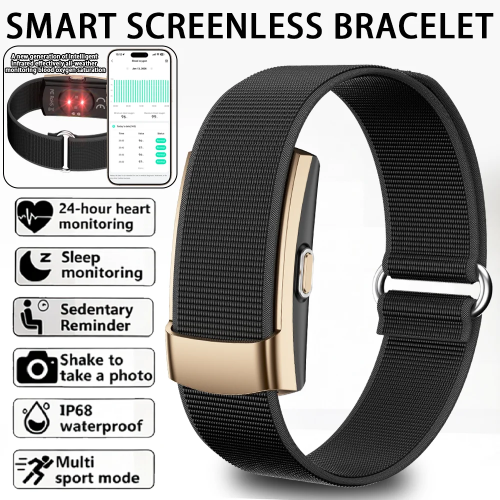
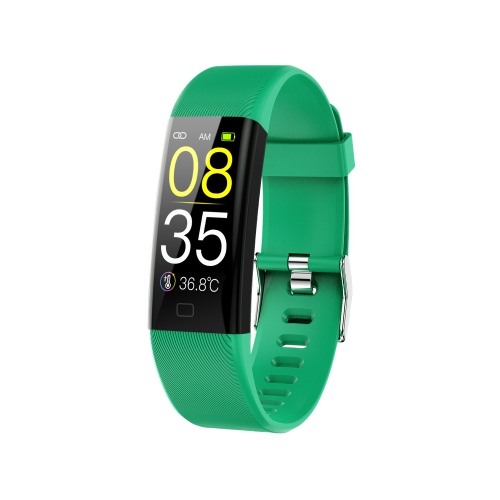
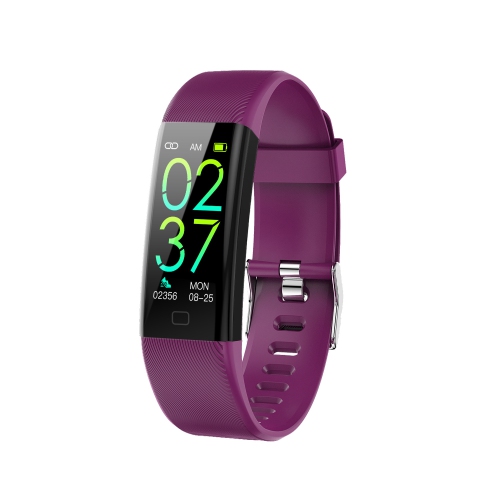
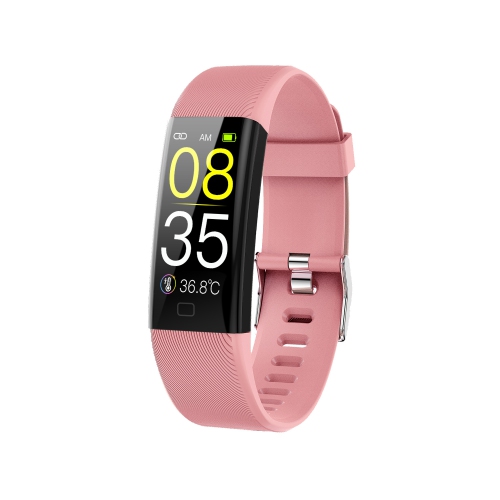
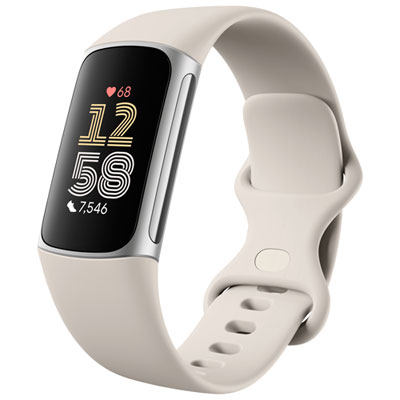

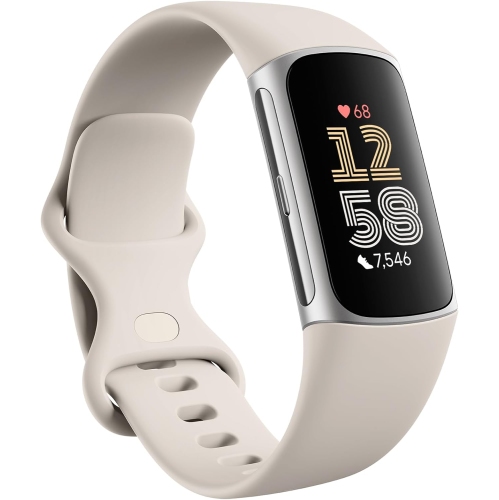

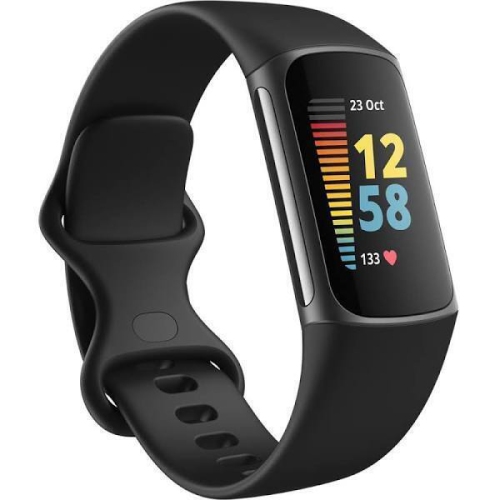

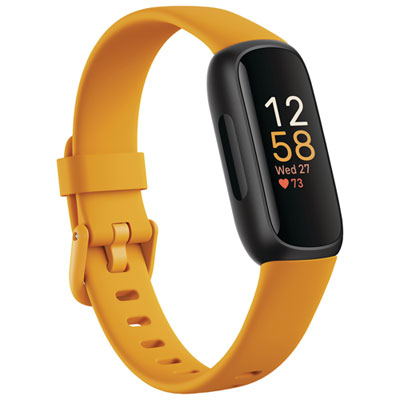




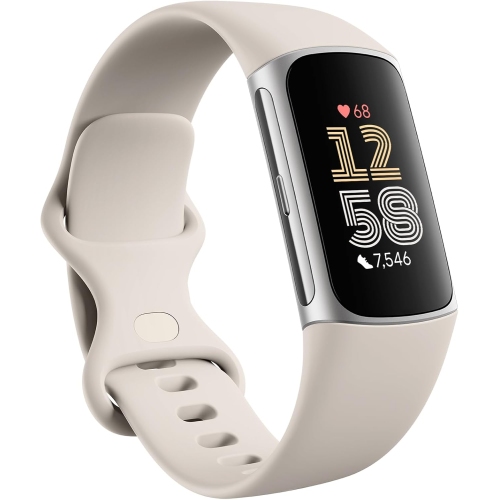


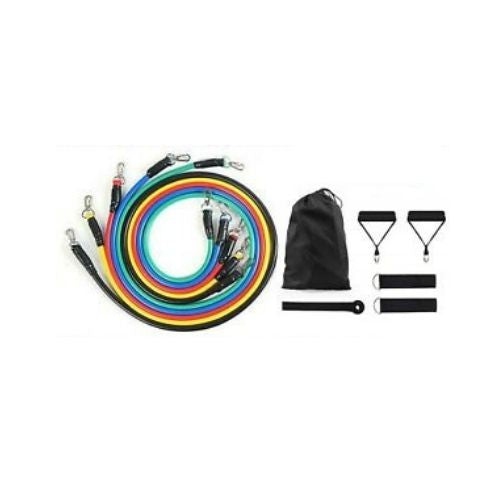
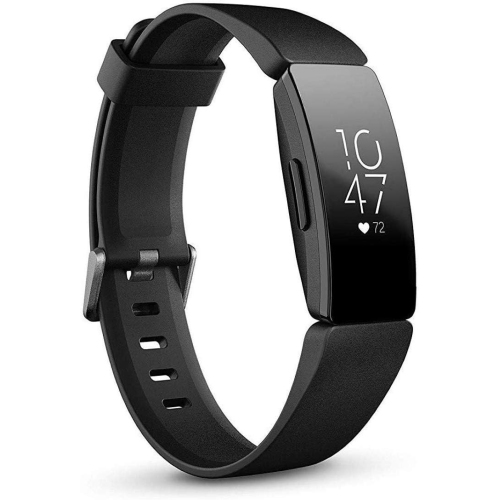

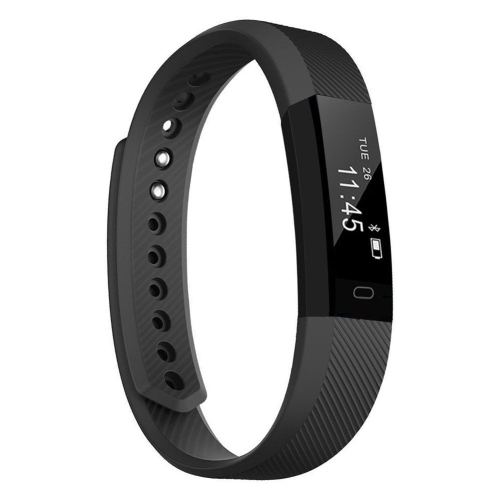









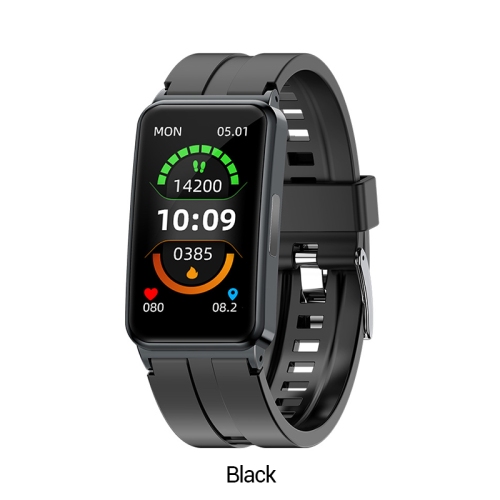
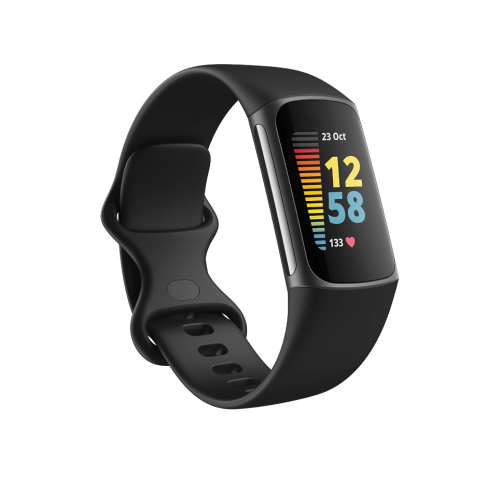
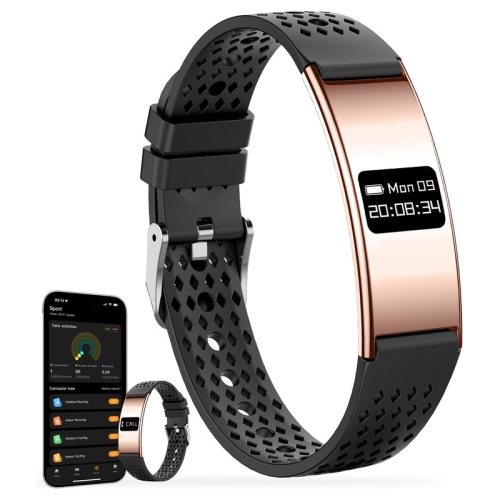
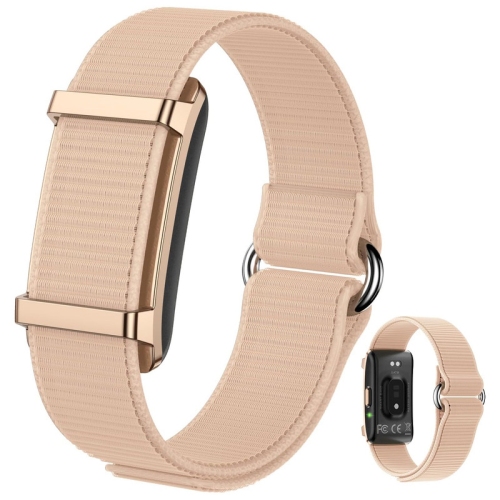

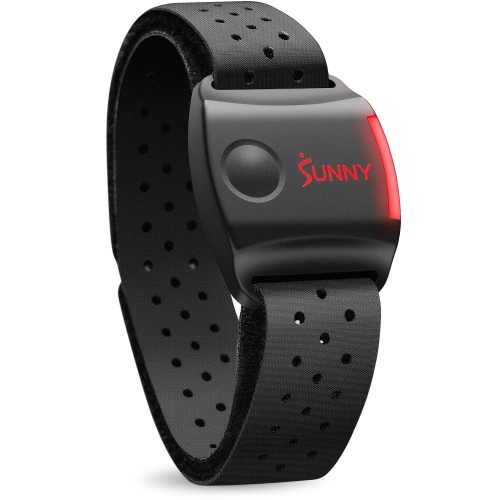
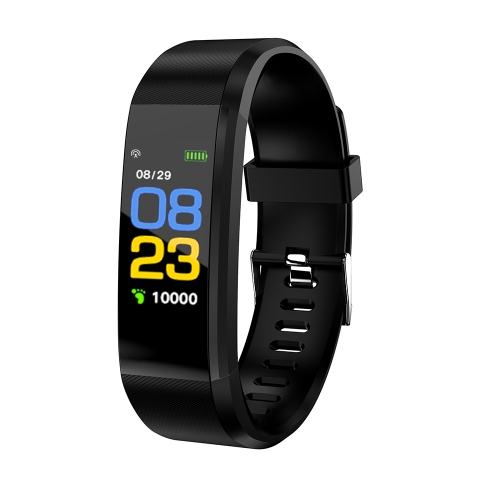

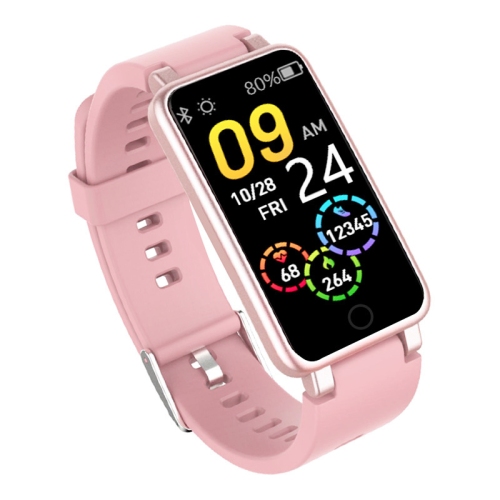
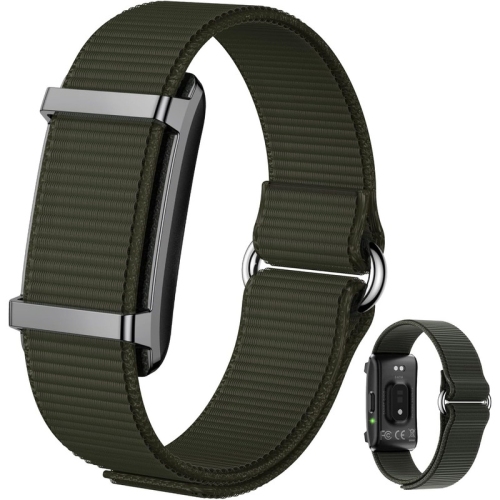





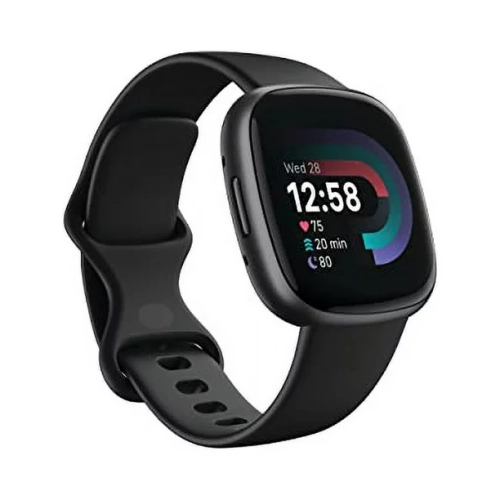

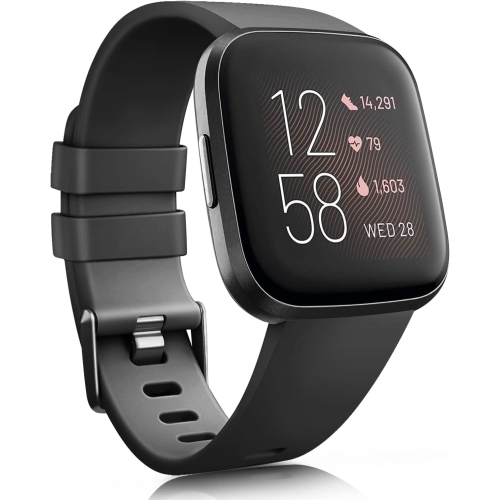


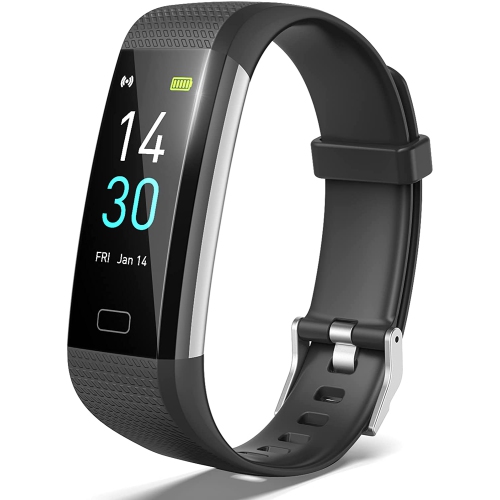

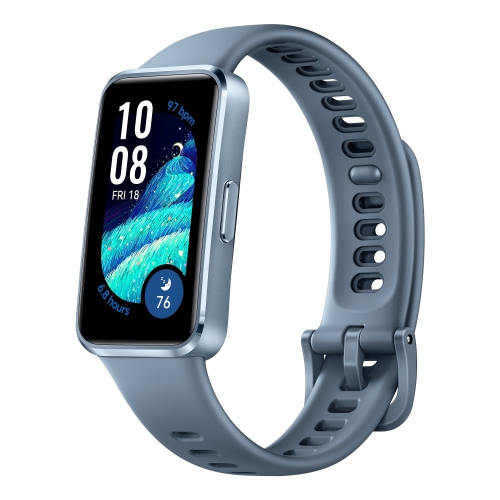


















Why different resistance bands suit different strength exercises
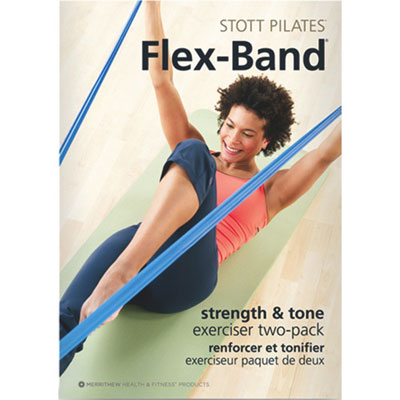
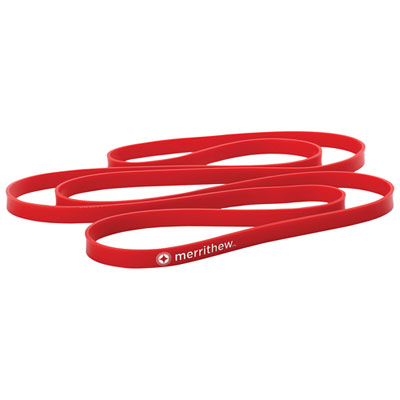
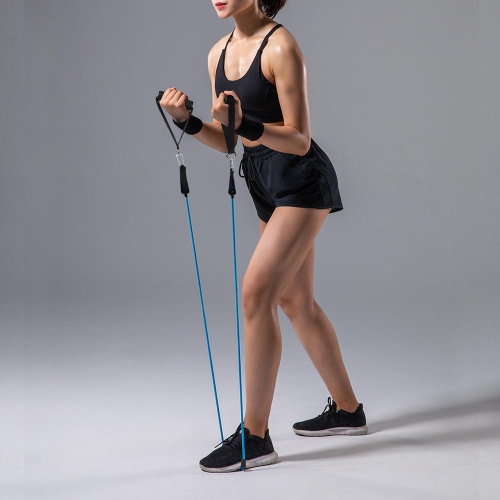
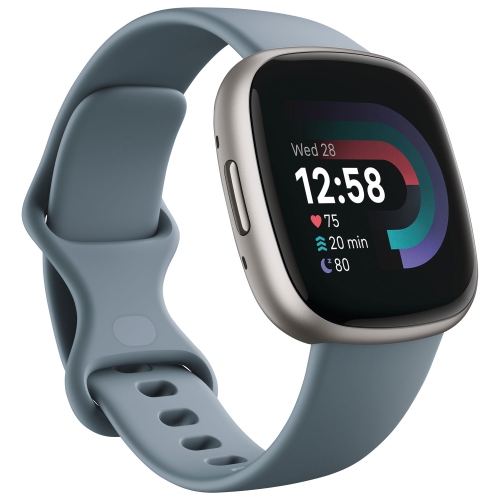
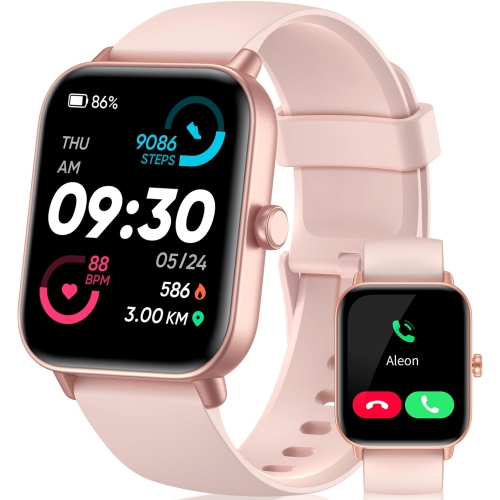
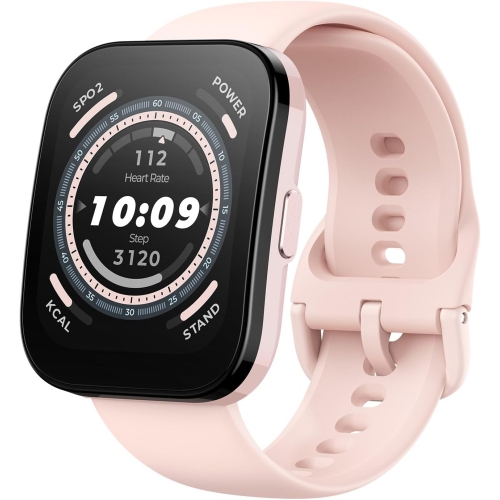
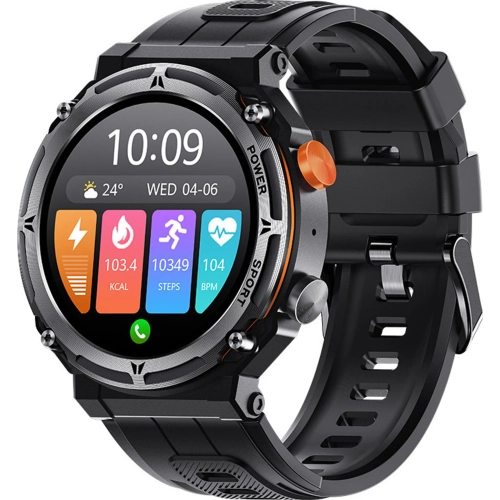
Good fitness bands suit the movements, resistance levels, and workout space a person uses most often. In strength training, fitness bands are elastic resistance tools rather than wrist-worn activity monitors: they create tension as they stretch, allowing muscles to work against a load without relying entirely on free weights. The main styles include short loop bands, long continuous loops, flat resistance strips, and tubes with handles. Each has a different feel and purpose. Short fabric loops are often well suited to glute and lower-body exercises, including lateral steps and seated hip abductions, because their wider construction can help them stay flat against clothing. Lightweight rubber mini loops take up very little room and work well for controlled warm-up movements when their size and tension match the exercise. Long loop bands offer more room to stretch for rows, presses, and assisted pull-ups, provided the band and attachment point are suitable for that use. Tube bands with handles provide a familiar grip for exercises such as biceps curls and standing chest presses, while flat strips allow different grip widths for gentle resistance work. No single style is best for every routine. Someone adding resistance to a short home workout may value a few easy-to-change tension levels, while an experienced lifter may need longer bands with clearly stated specifications for particular movements. Resistance also changes through the exercise: an elastic band generally becomes harder to stretch as it lengthens, so its feel differs from lifting a fixed weight. That makes controlled positioning and a manageable range of motion important. A useful band allows smooth movement without forcing the shoulders to shrug, the back to arch, or the knees to drift out of alignment. For shoppers interested in activity tracking alongside exercise equipment, Best Wrist Fitness Trackers covers a separate category of wrist-worn devices. Resistance bands supply the physical training load; trackers may help record activity, depending on their features.
Materials, dimensions, and construction have a noticeable effect on how resistance bands perform. Fabric bands typically combine woven fibres with elastic components, creating a thicker surface that can feel comfortable over leggings or shorts. Some include an inner grip treatment to reduce slipping, although comfort and stability still depend on band size, clothing, and movement. Fabric is not automatically latex-free, so anyone with a latex allergy should check the full material information rather than judging by the outer layer. Natural rubber latex bands are valued for their elasticity, while latex-free alternatives may use other elastic materials with a different stretch and feel. Thin rubber loops are compact and easy to position, but they can roll or bunch if their width, tension, or placement does not suit the exercise. Wider fabric loops tend to stretch less freely than many rubber styles, which can make them useful for targeted lower-body work but less suitable for movements requiring a long reach. Fit matters even though these bands are not worn like ordinary clothing. A short loop should provide usable tension in the intended starting position without feeling painfully tight or restricting comfortable movement. Long bands need enough working length for the exercise without being stretched beyond the manufacturer's limit. Handles should sit securely in the palm, and any included ankle cuffs should fasten comfortably without digging in. Stated resistance figures need context, too. A rating in pounds or kilograms may refer to a particular amount of stretch, and colour coding is not standardized across manufacturers. A light band from one range may feel quite different from a similarly coloured band elsewhere. Multiple resistance levels can be practical because a band suitable for a standing row may be too demanding for a small shoulder movement. For shared households, varied tensions also make it easier for different users to find a comfortable starting point. Clear dimensions, material details, and intended-use information are more useful than assuming that the thickest or heaviest band will deliver the best workout.
Fitness bands fit naturally into many routines, from a few deliberate sets beside a desk to a full strength session in a home exercise area. Their compact size makes them convenient for people who have limited storage or want exercise equipment that fits into a travel bag. Beginners may appreciate lighter resistance that leaves room to practise technique, while regular gym users may use bands for warm-ups, accessory exercises, or suitable assisted movements. They can also make thoughtful gifts for someone who already enjoys home fitness, particularly when the style matches that person's routine and grip preferences. For rehabilitation or exercise after an injury, band type and resistance should follow advice from a qualified healthcare professional rather than a general strength label. Safe setup is just as important as resistance selection. Rows and presses performed from an anchor require an attachment designed for the task and a secure structure that can withstand the pull. Door anchors should only be used as directed, with the door positioned and secured according to the supplied instructions; an improvised attachment to a handle or lightweight piece of furniture can fail. Before each session, inspect elastic surfaces for cuts, cracks, thinning, or brittleness, and check fabric stitching, handles, cuffs, and connectors for damage. A band showing deterioration should be taken out of use rather than stretched to test its remaining strength. During exercise, maintain a secure grip and control the return movement instead of letting the band snap back. Keep stretched bands away from the face and avoid contact with sharp edges or abrasive surfaces. Care requirements vary by material: some fabric bands permit gentle washing, while many rubber bands need only wiping and thorough drying. Follow the supplied cleaning directions, avoid harsh chemicals, and store bands away from direct sunlight and heat sources. Letting them dry before placing them in a pouch helps keep the storage space clean. With suitable resistance, sound construction, and consistent care, fitness bands can provide a straightforward way to add purposeful movement without filling a room with equipment.
Top selling and popular products
-
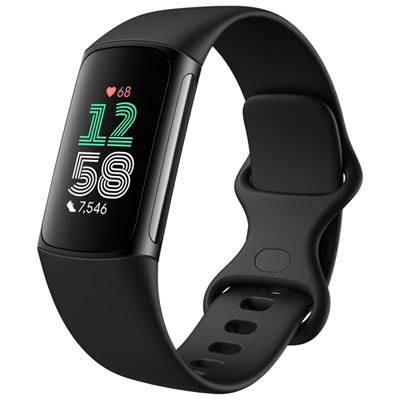 Your price for this item is $219.99
-
 Your price for this item is $199.99
-
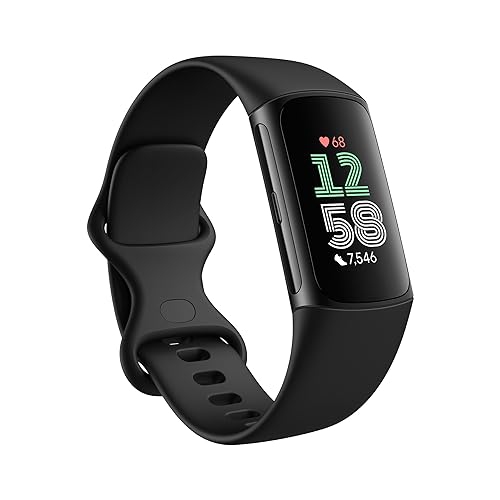 Your price for this item is $199.99
-
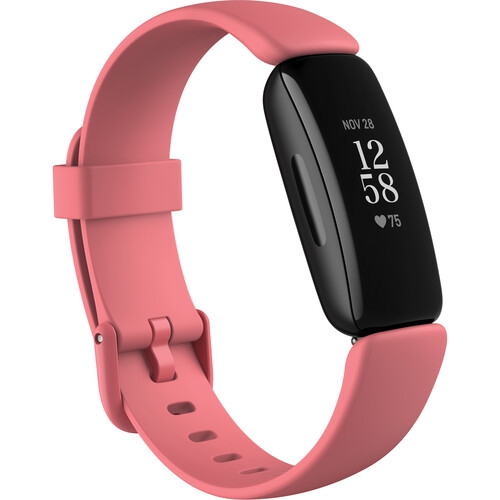 Your price for this item is $99
-
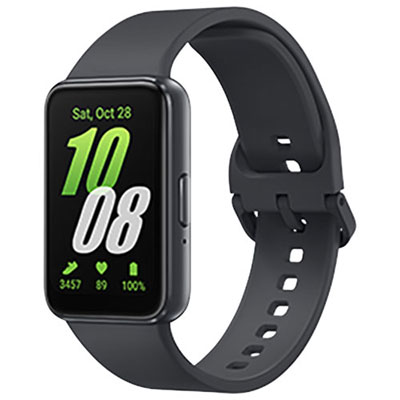 Your price for this item is $79.99
-
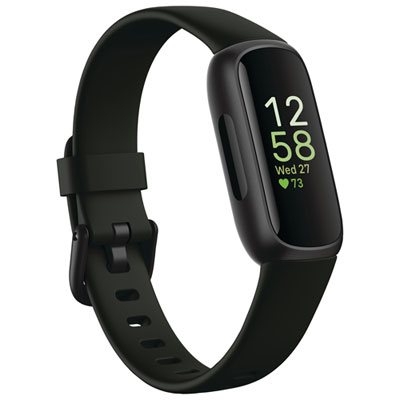 Your price for this item is $129.99
-
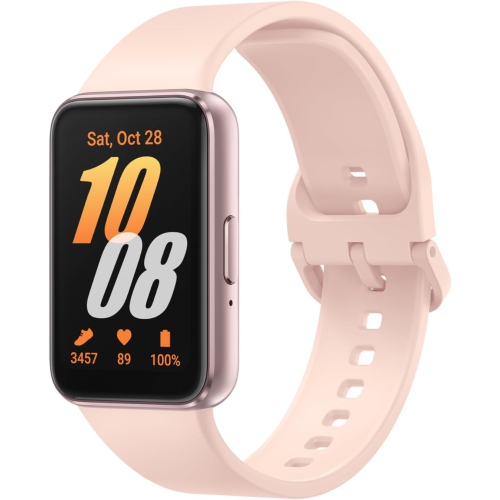 Your price for this item is $79
-
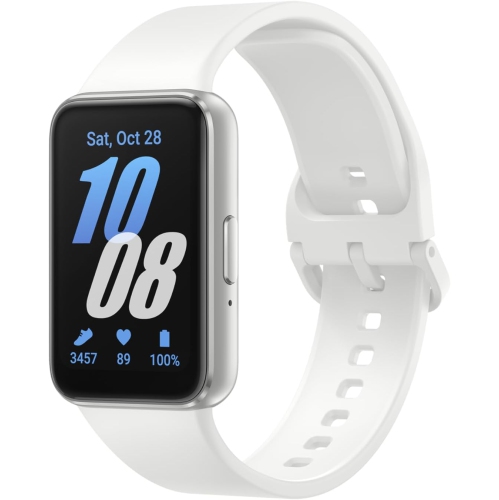 Your price for this item is $67
Discover more categories related to Good Fitness Bands
Top Collections:
Pokemon Centers, Best Cameras for Sports Photography, Kindle Devices, Samsung Galaxy Phones, Canon G7X Cameras, Pokémon 30th Celebration Cards, Refurbished Apple Laptops, iPhone 15 Apple, Laptops for Students, Budget Smartphones
Some products may be subject to Environmental Handling Fees
(EHF) depending on your province.
Learn more about EHFs.