GPS Smartwatches for Fitness Tracking
GPS Smartwatches for Fitness Tracking offer a convenient and reliable way to monitor your activity and stay connected on the go. Designed for those who want to keep track of their progress, these smartwatches combine advanced technology with stylish designs to suit any lifestyle. Whether you’re running, cycling, or simply staying active throughout the day, GPS Smartwatches for Fitness Tracking help you make the most of every workout and everyday movement. Explore a wide selection to find the perfect match for your fitness journey.
Sort





Why some watches need your phone to track routes
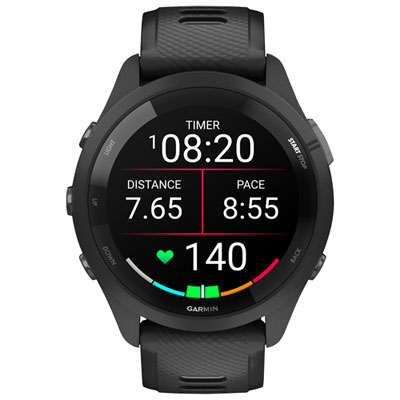
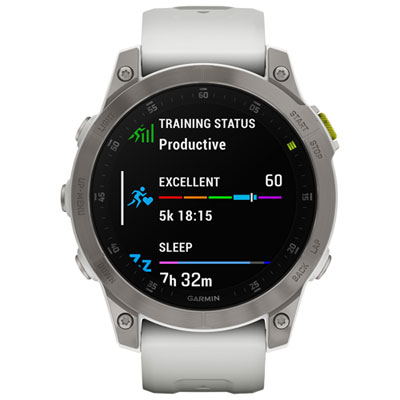
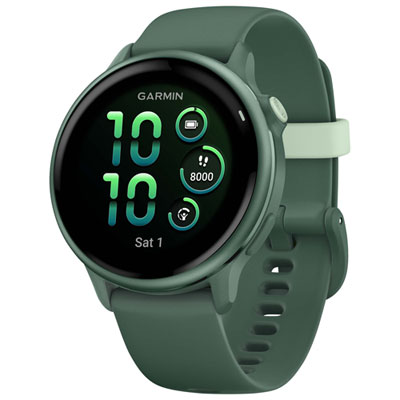
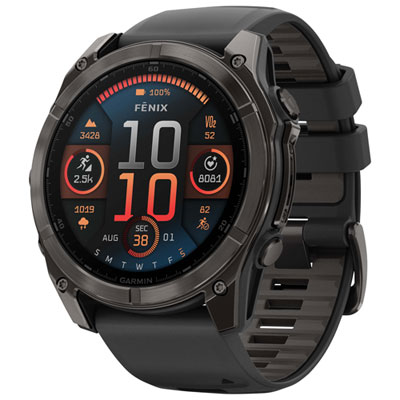
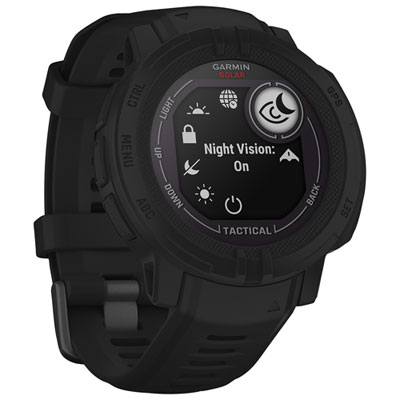
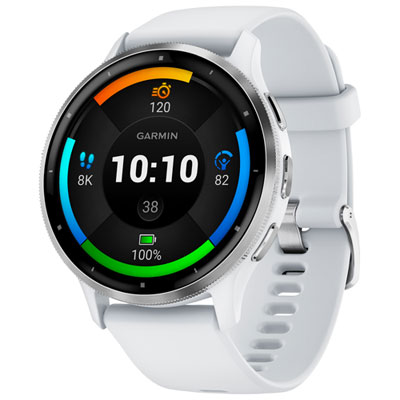
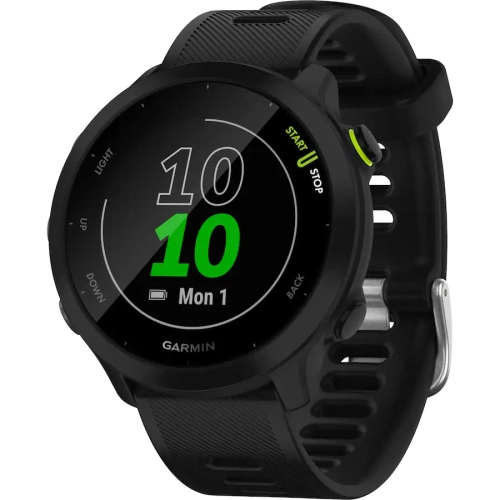
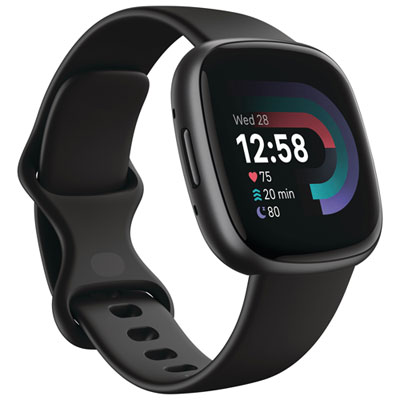
GPS smartwatches for fitness tracking bring route recording, workout measurements, and everyday activity tracking together in a device worn on the wrist. Built-in GPS allows a compatible watch to record outdoor distance, pace, and route without relying on a nearby phone for positioning, making it useful for runs, walks, hikes, and bike rides. Watches with connected GPS instead use a paired smartphone’s location signal, so the phone needs to come along for those measurements. That distinction matters for anyone who prefers a quiet morning run with less to carry or wants to leave a phone tucked away during a workout. GPS performance varies with the watch’s hardware, satellite support, settings, and surroundings. Tall buildings, dense tree cover, and steep terrain can interfere with reception; support for multiple satellite systems or dual-frequency GPS can help compatible watches maintain more consistent positioning in challenging locations. Route recording and navigation are also different capabilities. A watch may save a route for viewing afterwards without offering maps or directions on its own screen, while more advanced navigation features may include breadcrumb trails, saved courses, or offline maps. For fitness tracking, GPS measurements work alongside motion sensors and, on many watches, an optical heart rate sensor to provide a fuller picture of an activity. Typical workout summaries can include elapsed time, distance, average pace, elevation changes, and estimated energy expenditure, although the exact measurements depend on the device and selected activity mode. Runners may value lap splits and pace alerts, cyclists may want connections to compatible accessories, and hikers may appreciate elevation information and route navigation. Indoor workouts have different needs: strength training, yoga, and treadmill sessions rely more on activity-specific tracking and sensors than satellite positioning. A well-matched GPS fitness smartwatch supports the activities that fill an ordinary week, whether that means brisk lunchtime walks, regular gym visits, weekend trail outings, or preparation for a longer-distance event.
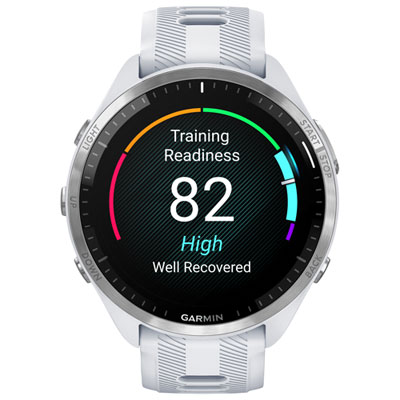
The practical appeal of a fitness smartwatch often comes down to how comfortably its features fit into a daily routine. Battery life deserves particular attention because general smartwatch use and continuous GPS tracking draw power at different rates. A battery rating measured in days does not mean the watch can record an uninterrupted GPS workout for the same length of time. Always-on displays, frequent notifications, music playback, cellular connections where supported, and more demanding satellite settings can shorten the time between charges. Someone recording a few short walks each week has different battery needs from someone tracking an all-day hike, especially during the cooler months when low temperatures can affect battery performance. Screen visibility and controls also influence day-to-day use. A bright, readable display makes it easier to check pace at a glance, while physical buttons can be helpful with sweaty fingers or when gloves make a touchscreen awkward. Smartphone compatibility determines which connected features work, including notifications, app syncing, calls, and access to certain health measurements. Some functions require a nearby paired phone, a separate service, or additional accessories, even when the watch has built-in GPS. Beyond individual workouts, many fitness smartwatches track steps, resting heart rate, sleep patterns, and periods of inactivity. Some also provide training load, suggested recovery time, or other readiness estimates based on recorded data. These measurements can help reveal patterns, such as a higher-than-usual effort on a familiar route after a poor night’s sleep, but they are estimates rather than diagnoses or substitutes for medical advice. Wrist-based heart rate readings can also be affected by movement, fit, skin contact, and the type of exercise. Compatibility with an external heart rate sensor may be useful for activities where wrist readings are less consistent. For a broader view of watches centred on movement, exercise, and daily activity, Best Smartwatches for Fitness brings the focus to fitness features beyond outdoor route tracking. The most useful information is generally the information a wearer can understand and return to consistently, rather than the largest possible collection of measurements.
Materials, sizing, and care have a lasting effect on how enjoyable a GPS smartwatch is to wear. Cases may use lightweight reinforced polymers or metals such as aluminium, stainless steel, and titanium, with differences in weight, finish, and resistance to everyday wear. Display covers also vary, and scratch resistance should not be confused with protection against every impact. A low-profile case can sit more comfortably beneath a jacket cuff, while a larger screen may be easier to read during exercise but feel bulky on a smaller wrist. Strap length, adjustment spacing, case dimensions, and overall weight all contribute to fit. For optical heart rate tracking, the watch generally needs steady contact with the skin without being tight enough to cause discomfort; placement and adjustment should follow the manufacturer’s directions. Soft silicone straps are common for sweaty workouts because they are easy to wipe clean, while woven straps can offer a flexible feel but may take longer to dry. Interchangeable bands, where supported, make it easier to move between exercise and everyday wear. Sweat, sunscreen, and dirt can collect beneath a band, so cleaning the watch and strap as directed, drying them thoroughly, and keeping charging contacts clean help maintain comfort and reliable charging. Water resistance is another specification that needs context. A rating suitable for rain or splashes does not automatically make a watch appropriate for pool swimming, diving, hot water, or high-pressure water exposure. Swim suitability and care requirements depend on the manufacturer’s stated limits, and water resistance can change with wear or damage. Intended use matters just as much as appearance when a smartwatch is given as a gift. A regular walker may appreciate clear activity summaries and simple controls, while a runner may use structured workouts and a hiker may place greater value on navigation and longer GPS battery life. Phone compatibility, wrist fit, charging habits, and comfort with connected features all help shape that match. Whether worn for a familiar neighbourhood loop or a demanding training session, a thoughtfully chosen GPS smartwatch keeps useful fitness information close at hand without making the activity itself more complicated.
Top selling and popular products
-
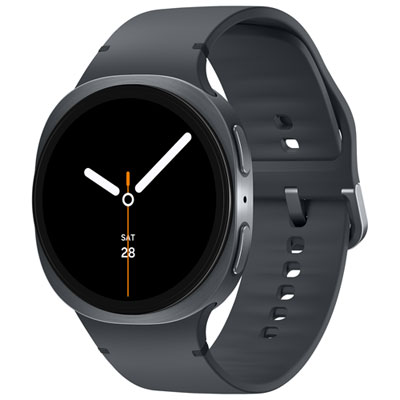 Your price for this item is $349.99
-
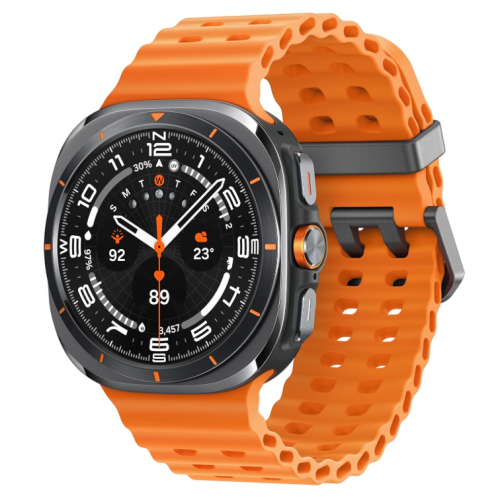 Your price for this item is $579.99
-
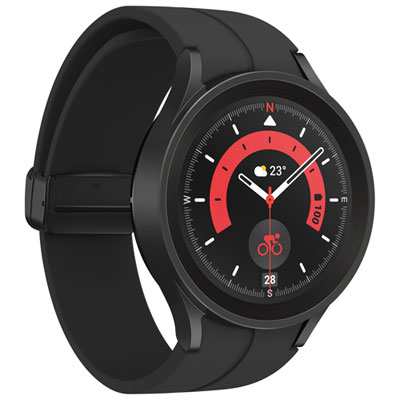 Your price for this item is $569.97
-
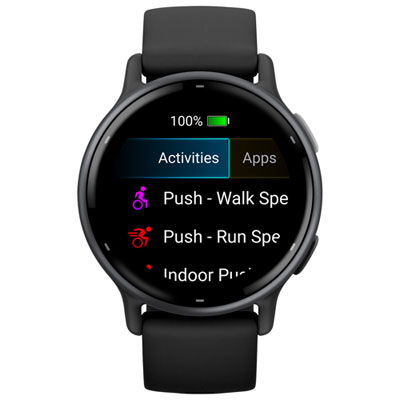 Your price for this item is $349.99
-
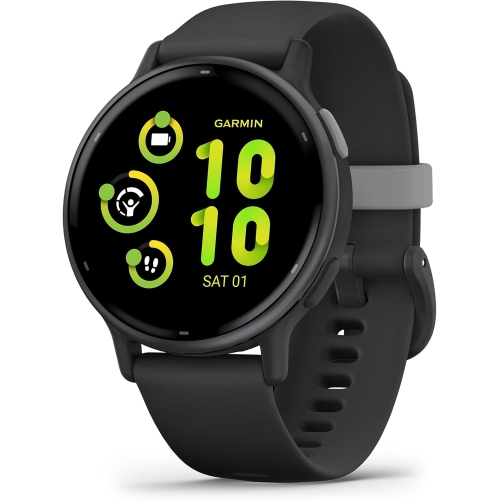 Your price for this item is $371.79
-
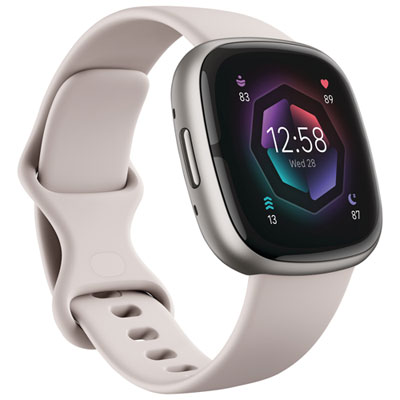 Your price for this item is $329.99
-
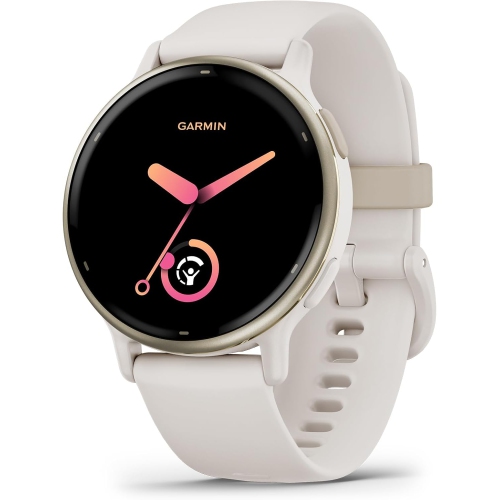 Your price for this item is $319
-
 Your price for this item is $659.99
Discover more categories related to GPS Smartwatches for Fitness Tracking
Top Collections:
Pokemon Centers, Kindle Devices, Best Budget Office Chairs, Canon G7X Cameras, Apple iPhones 16, Samsung Galaxy Phones, Refurbished Apple Laptops, Laptops for Students, iPhone 15 Apple, Budget Smartphones
Some products may be subject to Environmental Handling Fees
(EHF) depending on your province.
Learn more about EHFs.