Smartwatch To Track Fitness
Stay connected to your health goals with a smartwatch to track fitness, offering convenient ways to monitor your daily activity and progress. Designed for users with active lifestyles, these smartwatches provide an easy way to keep tabs on movement, workouts, and more. Whether you’re looking to stay motivated or simply want a better overview of your routine, a smartwatch to track fitness can help you make the most of every step. Explore a variety of options to find the perfect fit for your needs.
Sort
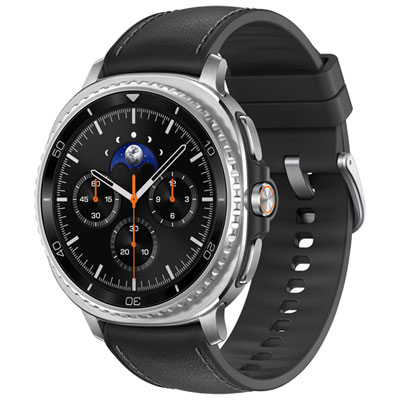
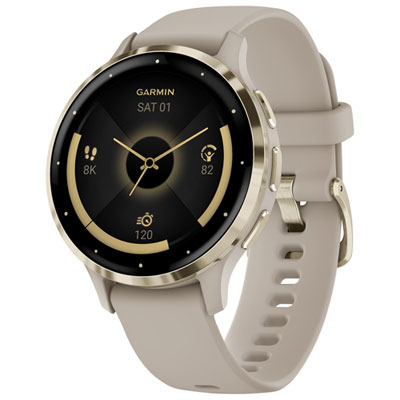
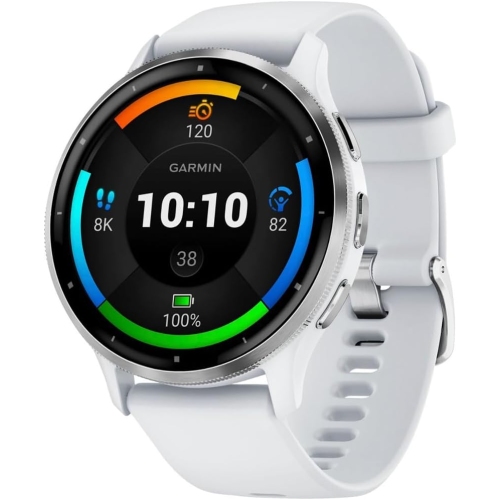
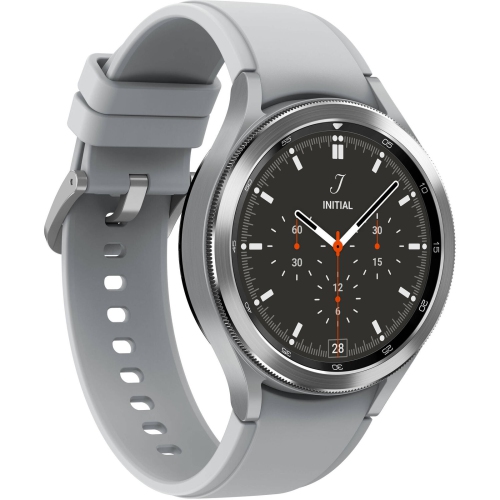





Why workout tracking depends on more than sensors
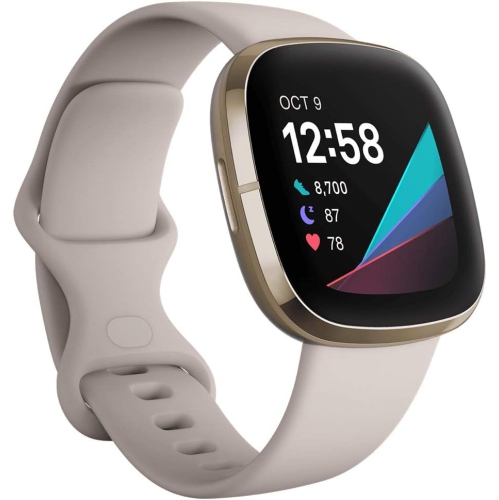
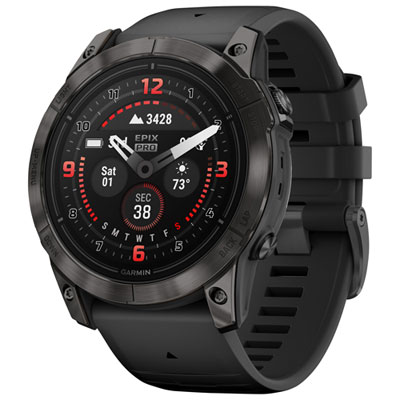
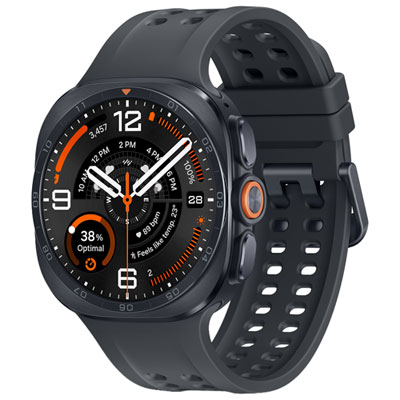
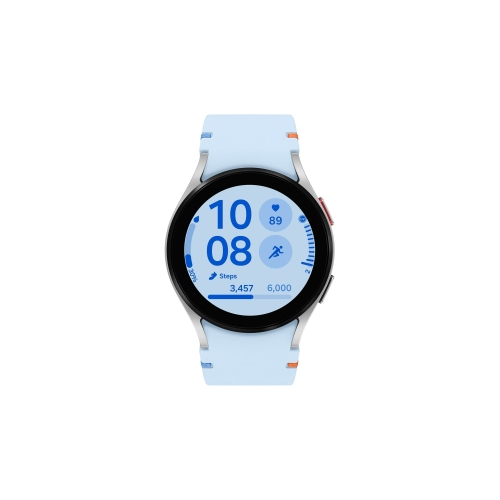
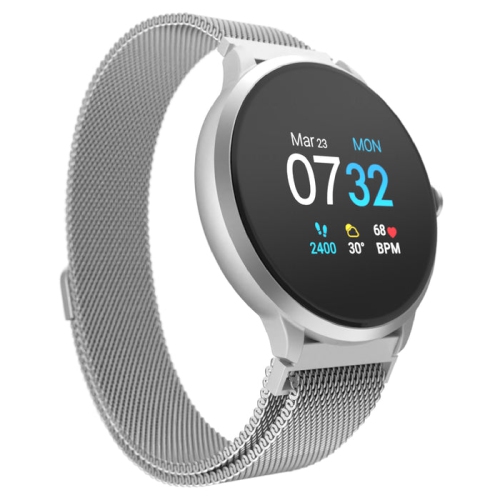
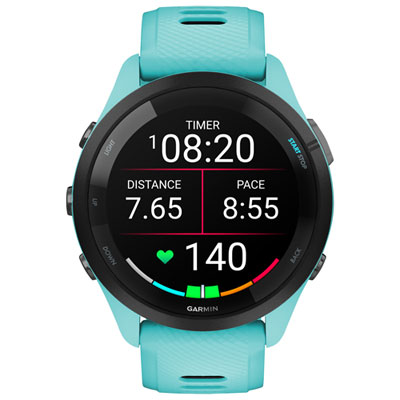
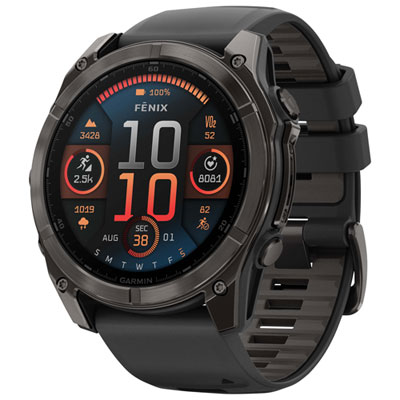
Smartwatches for tracking fitness combine activity sensors, workout modes, and connected features in a wrist-worn device, making it easier to follow movement throughout the day and review exercise over time. The category spans everyday activity watches focused on steps, active minutes, and simple workout summaries, along with performance-oriented designs that offer detailed training metrics, navigation, and support for multiple sports. For someone who walks at lunch, takes a fitness class, and spends part of the day at a desk, reminders to move and easy-to-read activity totals may be the most useful features. A runner or cyclist may place more emphasis on distance, pace, route tracking, and quick access to workout controls. Built-in GPS can track an outdoor route without relying on a phone for location data, while connected GPS uses a paired phone; that distinction matters when heading out with just a watch and headphones. Multi-sport modes help organize different activities, although the measurements shown for a strength session, pool swim, or outdoor run will vary by watch. During exercise, heart-rate displays can provide a useful reference for effort, while lap times and pace alerts help bring structure to familiar routes. Afterward, workout histories make it easier to compare similar sessions rather than judge progress from a single busy day. Some watches also estimate training load, rest needs, or aerobic fitness, offering additional context for people following a regular exercise program. Sleep tracking can sit alongside these records to show patterns in sleep duration and timing when the watch is worn overnight. These measurements are best understood as estimates: wrist movement, fit, skin contact, and the type of exercise can affect readings. Fitness tracking supports awareness and personal goals, but it does not replace professional medical advice. A clear display and straightforward workout controls can be just as valuable as a long feature list, especially when checking a timer between sets or glancing at distance halfway through a walk.
Comfort and construction have a direct effect on how useful a fitness smartwatch becomes, because consistent tracking depends on a watch that feels comfortable enough to wear regularly. Case dimensions, thickness, weight, and band adjustment all influence fit. A larger screen can make workout numbers easier to read at a glance, while a smaller, lighter case may feel less noticeable during sleep or floor exercises. The watch should sit securely against the wrist without pinching, rubbing, or sliding around; an overly loose band can interrupt sensor contact, while an overly tight one can become uncomfortable during movement. Adjustable silicone bands are common for exercise because they are flexible and easy to wipe down. Woven bands can offer a softer feel, though they may take longer to dry after getting wet, and metal bands may suit everyday wear more than vigorous workouts. Interchangeable bands allow the same watch to move between a gym session and a workday, provided the attachment and sizing are compatible. Case materials such as aluminium, stainless steel, and titanium offer different combinations of weight, feel, and durability. Screen materials and raised edges can also influence resistance to everyday knocks, but scratch resistance does not mean a display is scratch-proof. Touch controls are convenient for browsing menus, while physical buttons can be easier to operate with damp fingers or during a moving workout. Water-resistance ratings deserve particular attention for swimming and other water activities, since protection against splashes does not automatically mean a watch is suitable for pool sessions, diving, or high-pressure water. The stated rating and intended activities should match how the watch will be used. Routine care generally includes following the maker’s cleaning instructions, wiping away sweat with a soft cloth, and allowing the watch and band to dry before extended wear. Keeping charging contacts clean and checking bands for wear also helps maintain a dependable everyday fit.
Phone compatibility, battery habits, and the way fitness information is presented shape the experience beyond the workout itself. A smartwatch may pair with a phone yet offer different features depending on the phone’s operating system, so compatibility includes more than simply establishing a Bluetooth connection. Notifications, call handling, app support, and health-data sharing can all differ. Some watches display incoming messages or control music playing on a phone; others support downloaded audio and compatible wireless headphones for a more independent exercise session. Fitness apps also vary in how they present trends, allow workout exports, and connect with other training services. For someone following a walking goal, a simple weekly view may be enough, while a regular runner may appreciate lap breakdowns and route comparisons. Privacy settings are another practical consideration, particularly when sharing activity summaries or maps that could reveal familiar starting points. Battery life should be considered in the context of actual use: continuous GPS, music playback, a bright display, and frequent connected features can use more power than basic activity tracking. Overnight wear also makes a convenient charging routine important, whether that means a short charge while getting ready or a longer break between activities. The Best Smartwatches for Fitness page offers another way to explore this category with exercise needs in mind. As a gift, a fitness smartwatch can suit someone building a walking routine, returning to regular workouts, or enjoying a mix of activities, but phone compatibility, wrist size, and preferred sports are more useful starting points than assumptions about fitness level. Clear text, adjustable alerts, and a manageable interface can make daily use more comfortable for a wide range of wearers. The most useful combination is one that fits naturally into the wearer’s routine, whether that means dependable workout tracking, fewer reasons to reach for a phone, or a clearer view of everyday movement.
Top selling and popular products
-
 Your price for this item is $489.99
-
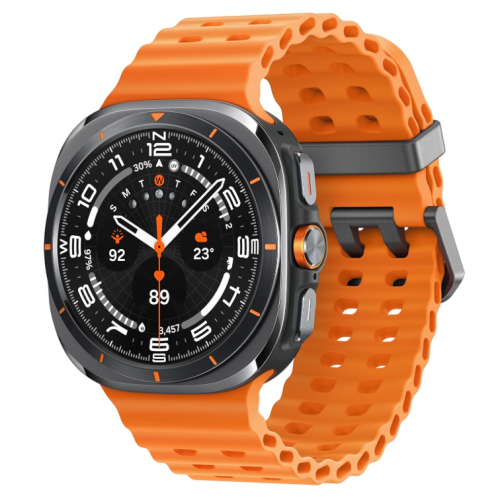 Your price for this item is $579.99
-
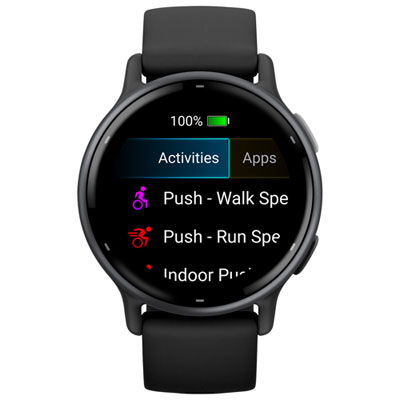 Your price for this item is $239.99
-
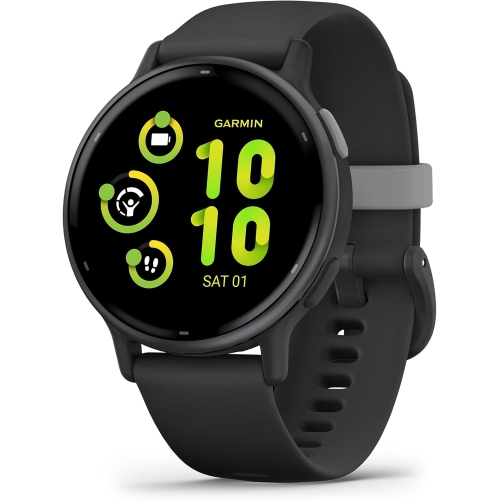 Your price for this item is $234.99
-
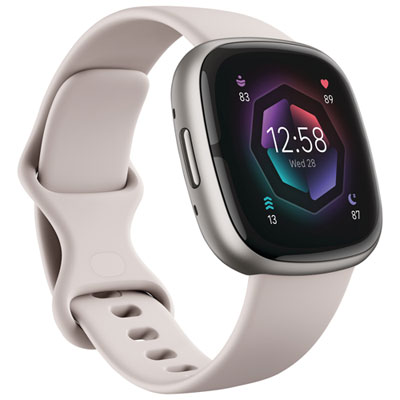 Your price for this item is $329.99
-
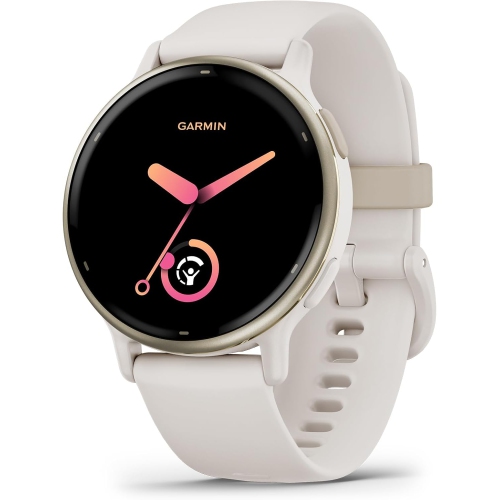 Your price for this item is $279.99
-
 Your price for this item is $399.99
-
 Your price for this item is $419.99
Discover more categories related to Smartwatch To Track Fitness
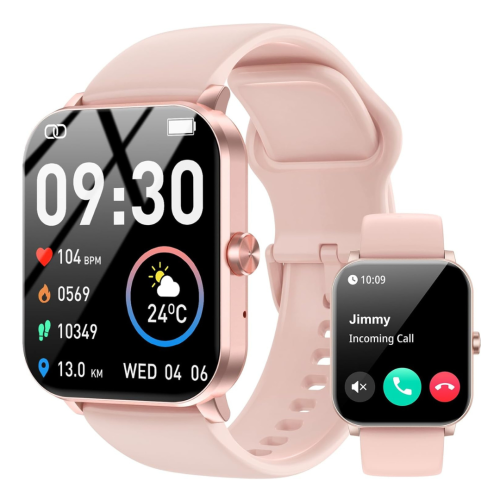
Top Collections:
Best Black Friday Deals This Year, Best Black Friday Deals On Electronics, Kindle Devices, Pokemon Centers, Best Black Friday Deals On Apple Products, Best Cameras for Sports Photography, Dyson Airwrap, Pokémon 30th Celebration Cards, Apple iPhone 17 Pro, Canon G7X Cameras
Some products may be subject to Environmental Handling Fees
(EHF) depending on your province.
Learn more about EHFs.