Heart Rate Monitors for Exercise
Monitoring your heart rate during exercise is essential for maximizing your workouts and achieving your fitness goals. Whether you're a seasoned athlete or just starting your fitness journey, a reliable heart rate monitor can provide valuable insights to help you track your progress and optimize your training sessions. With a variety of options available, finding the right heart rate monitor for your needs can make a significant difference in how effectively you reach your desired level of fitness.
Sort

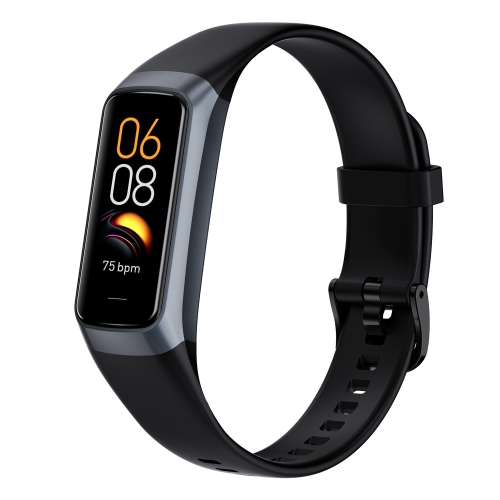
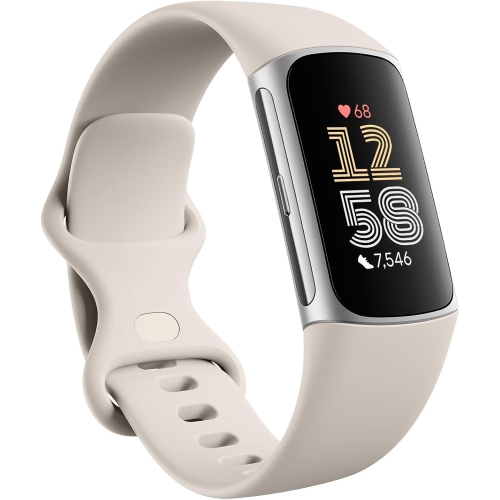
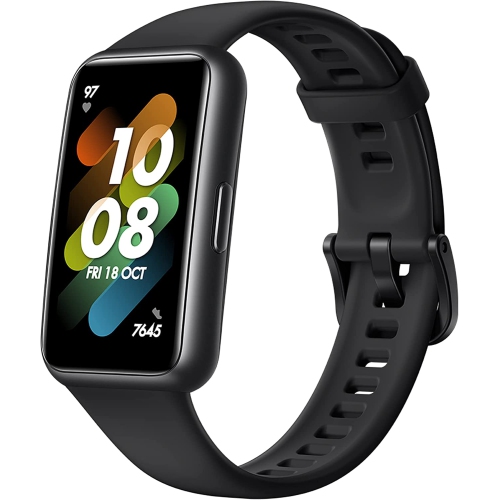
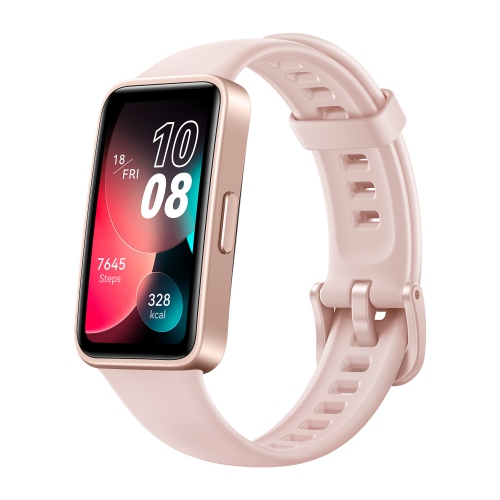
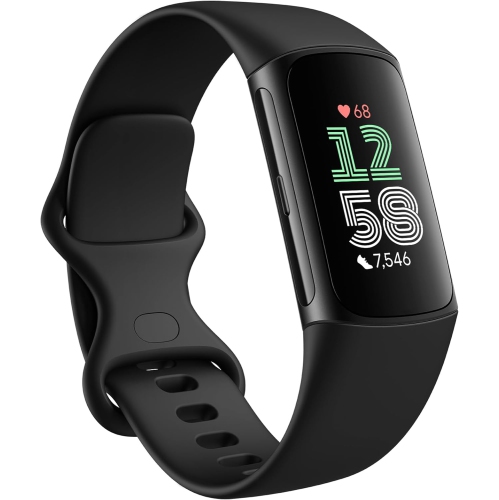
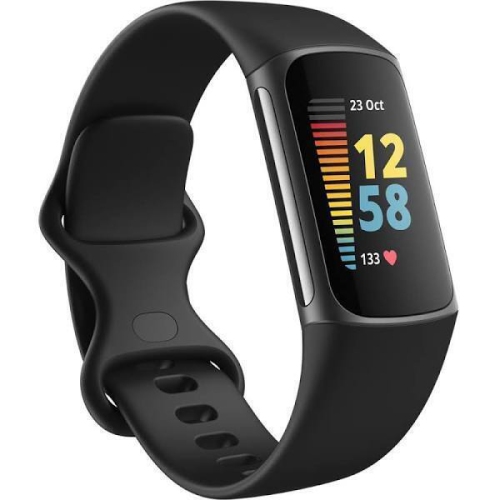
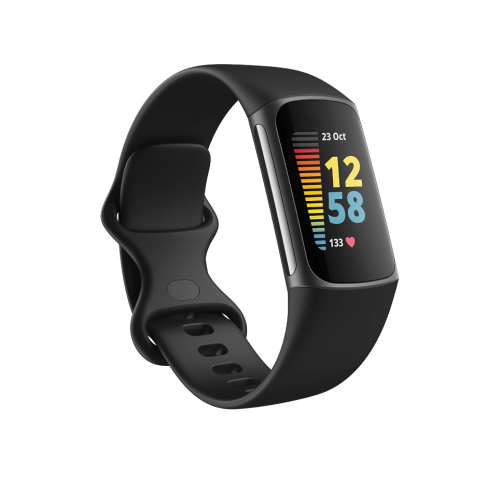
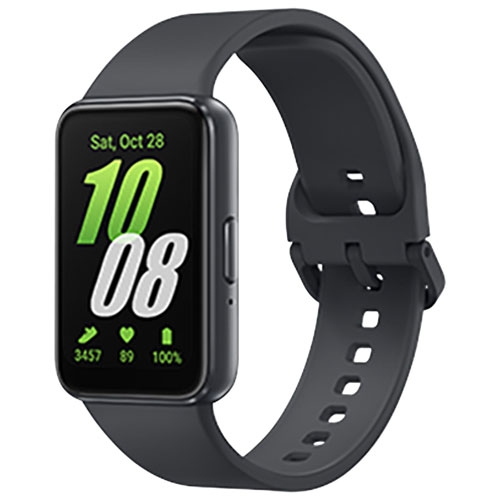
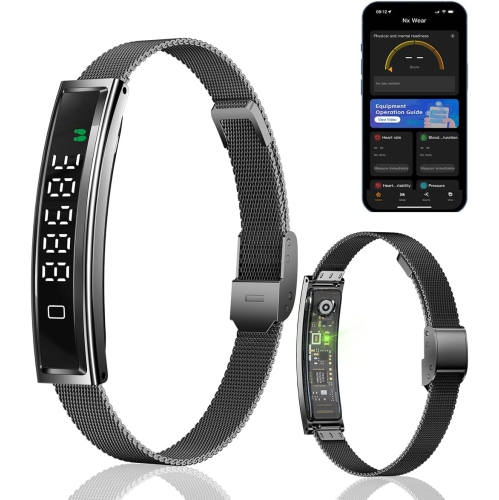
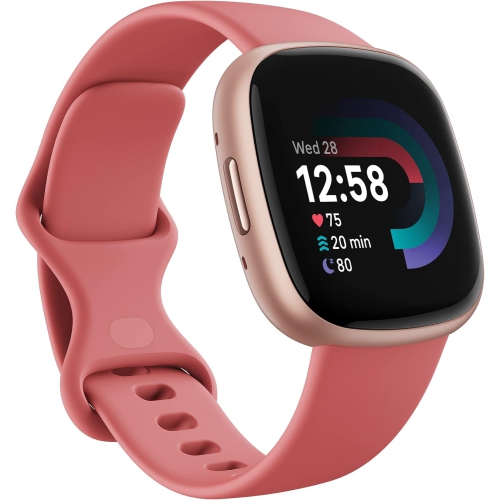
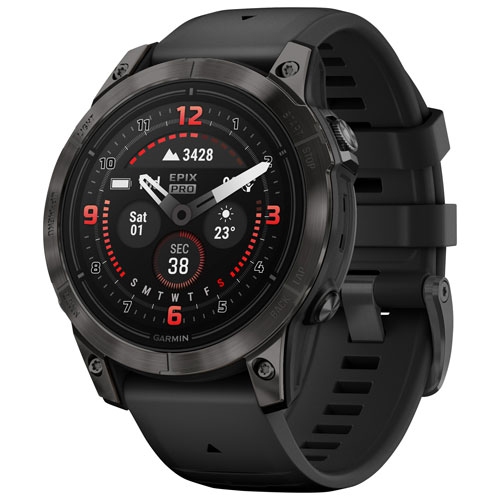
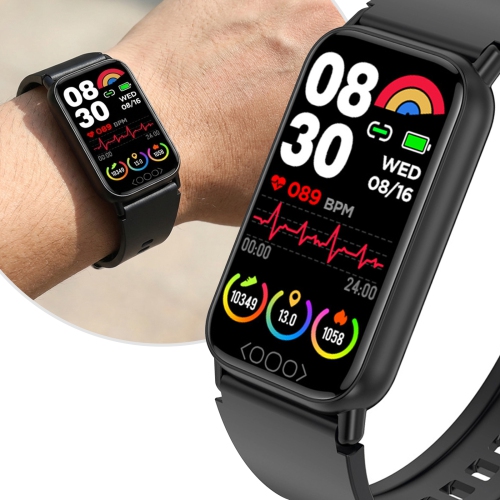
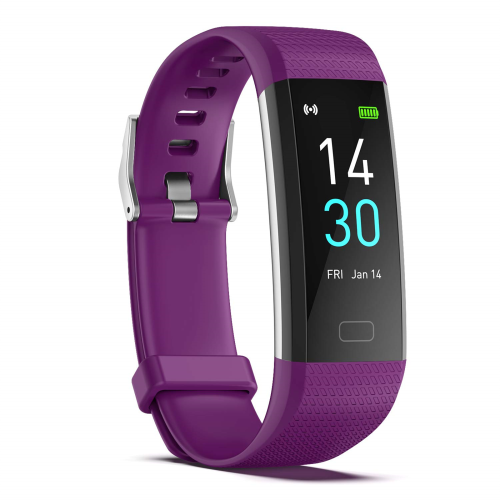
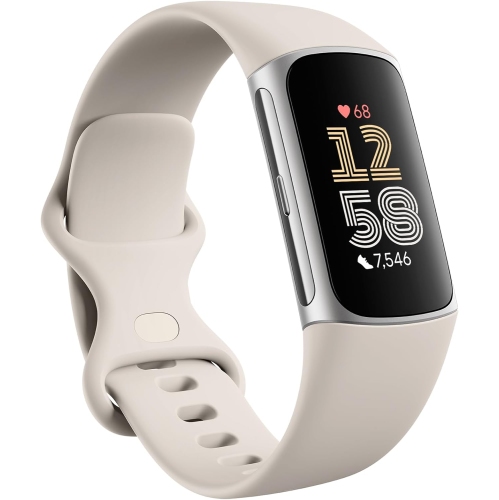
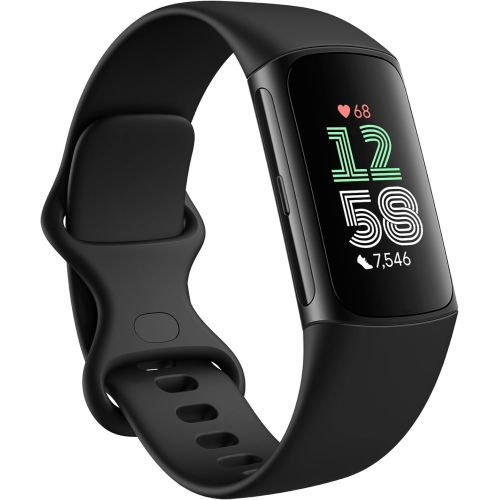


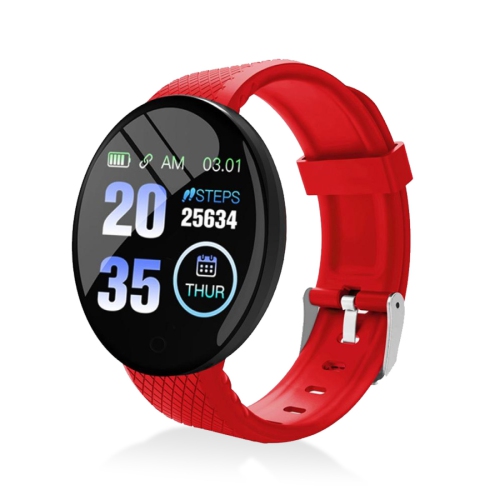

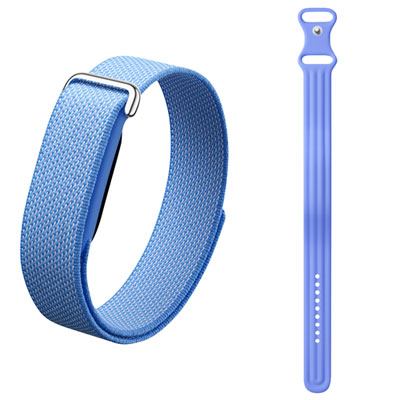

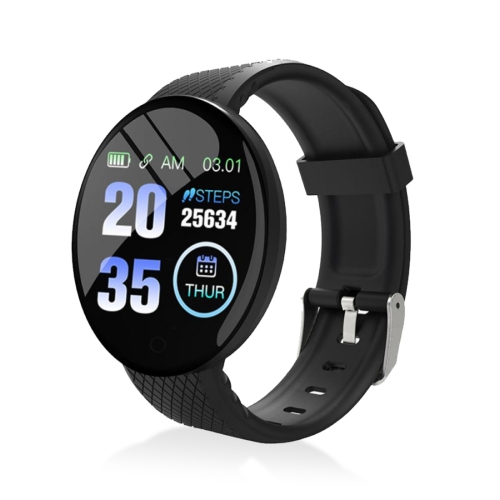
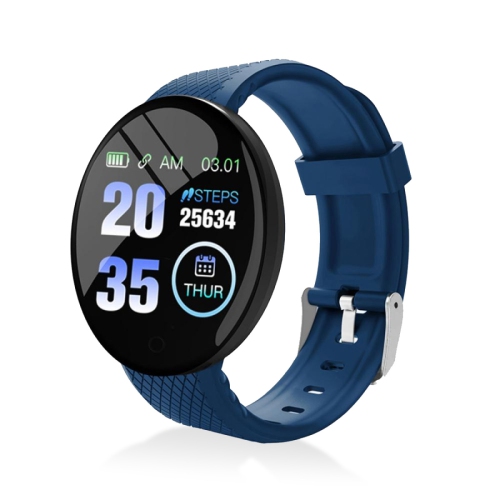
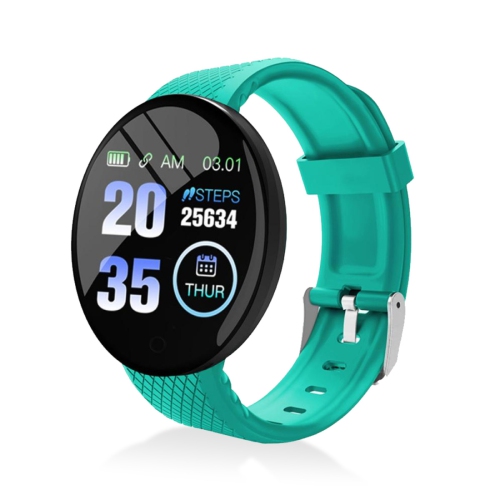
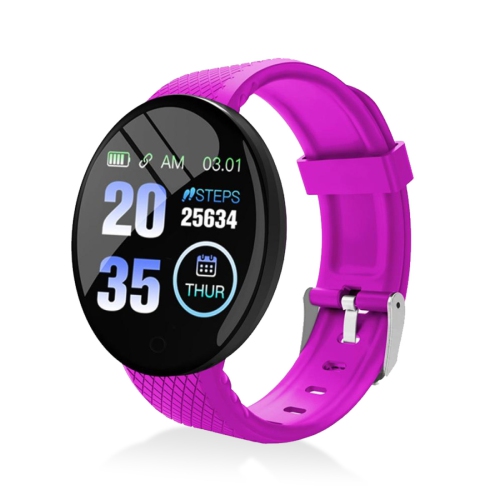

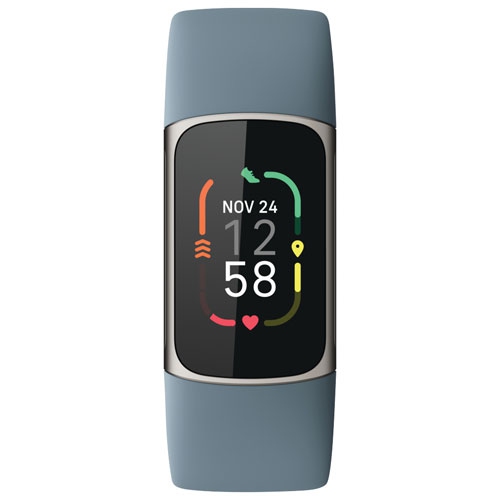
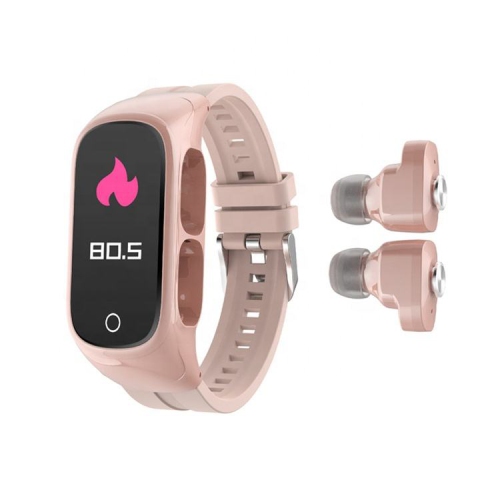
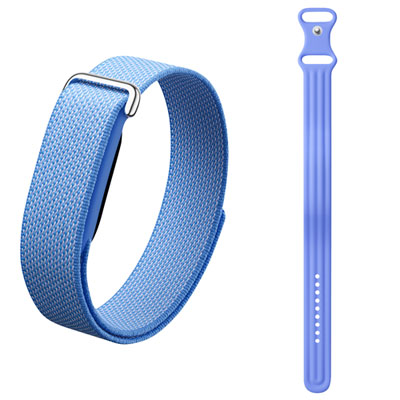
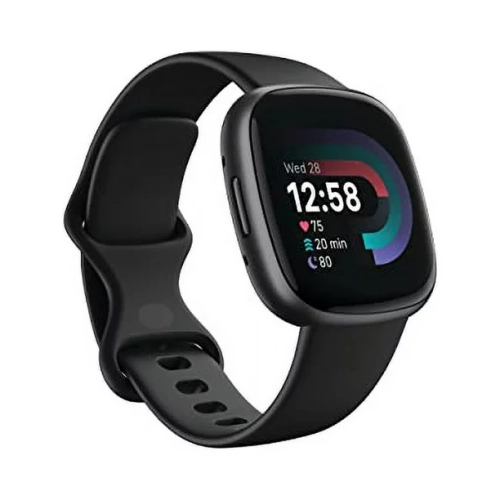
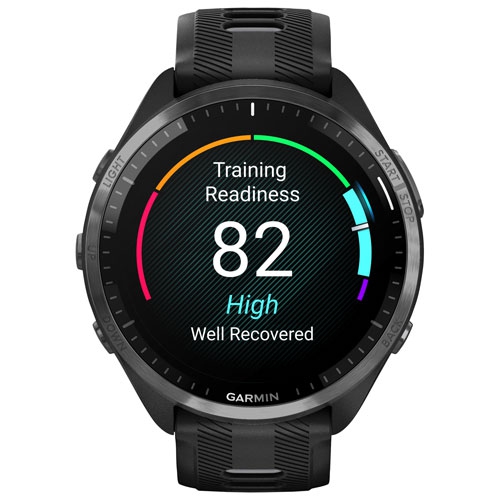
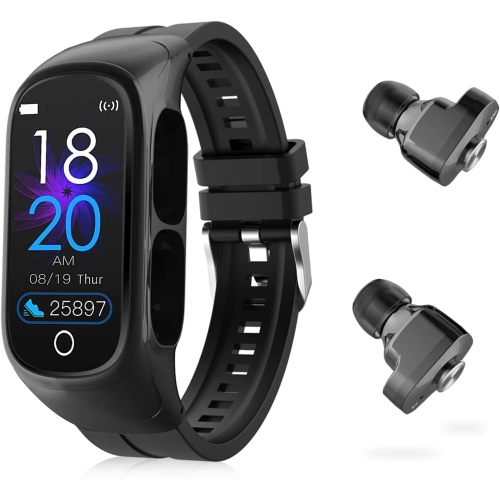
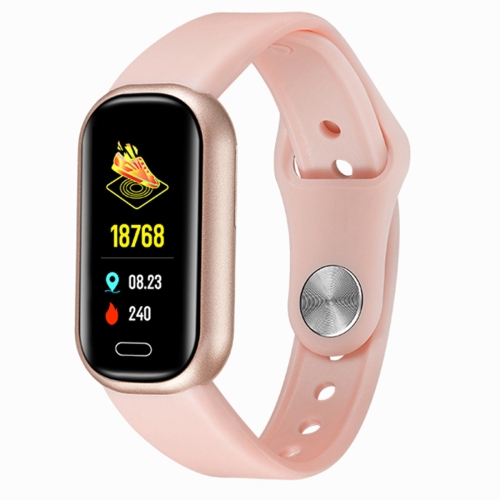

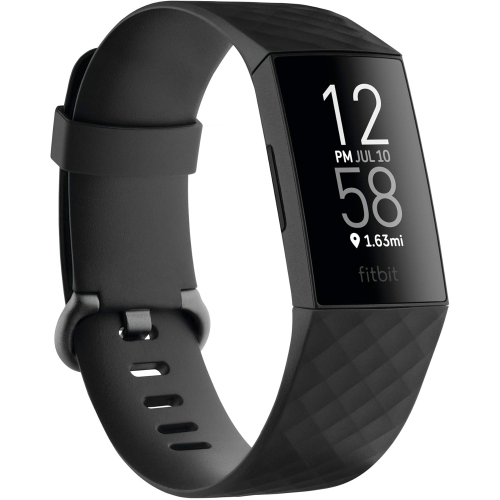

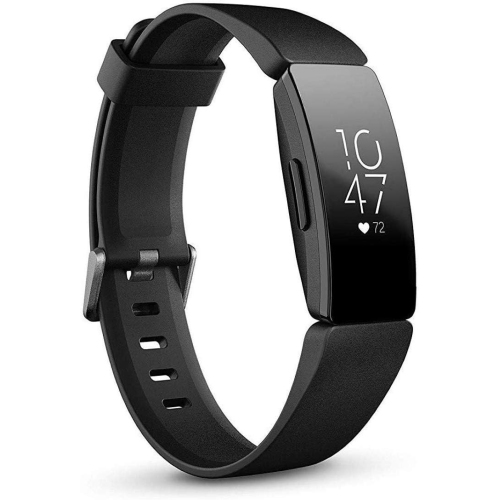

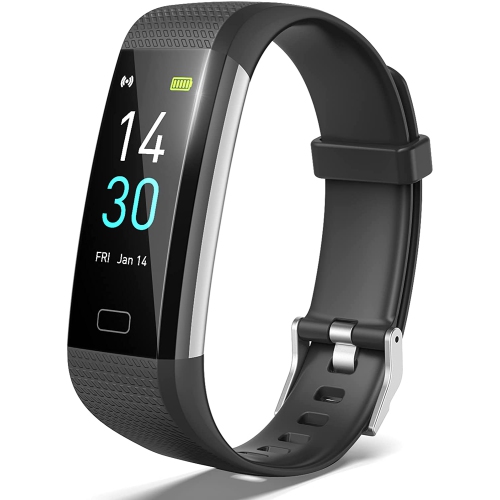
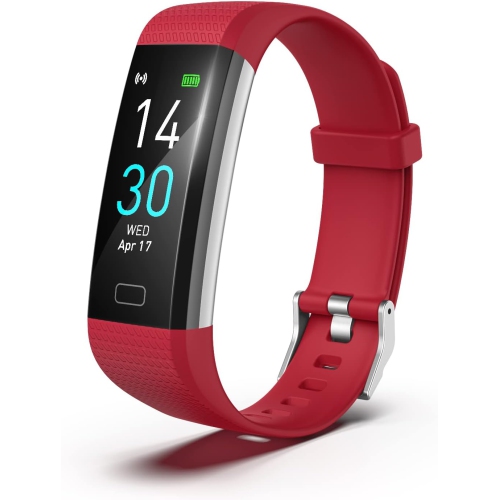
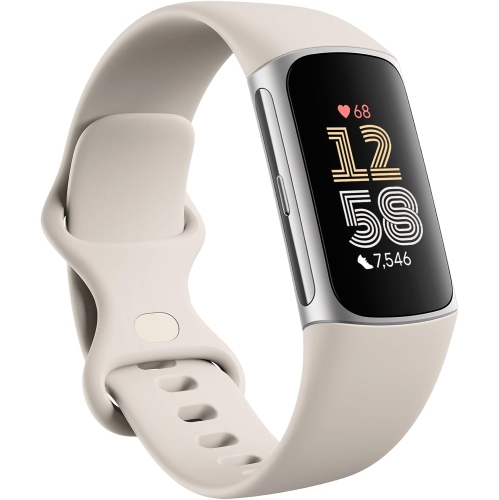
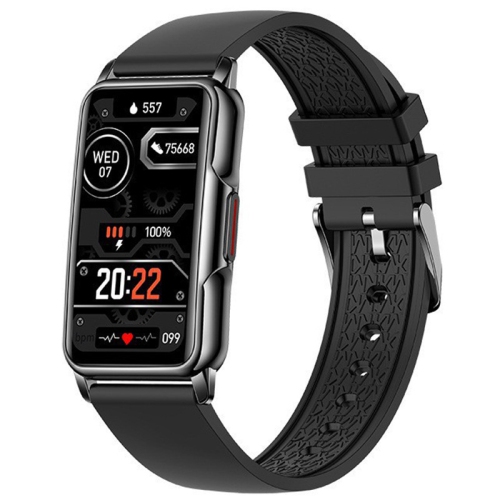
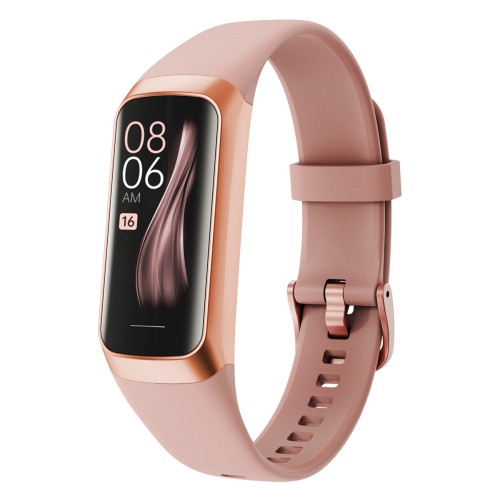
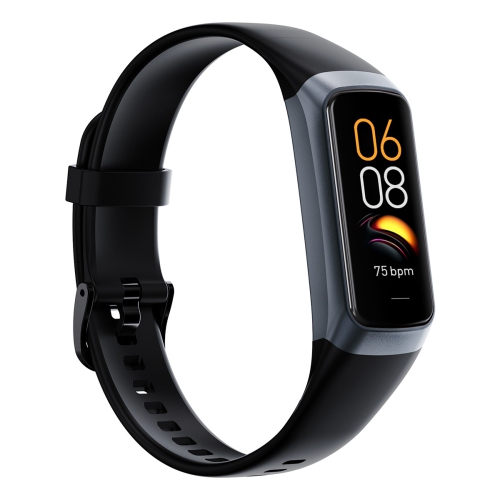


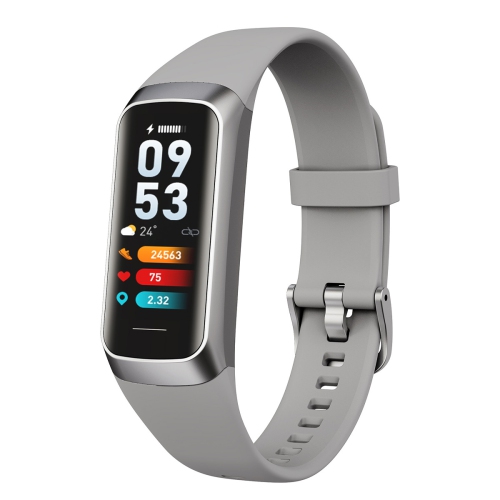
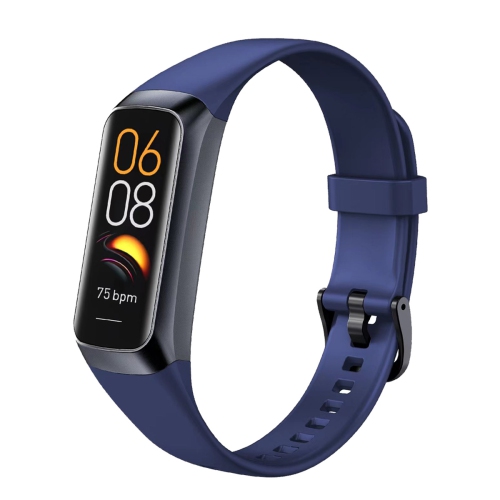
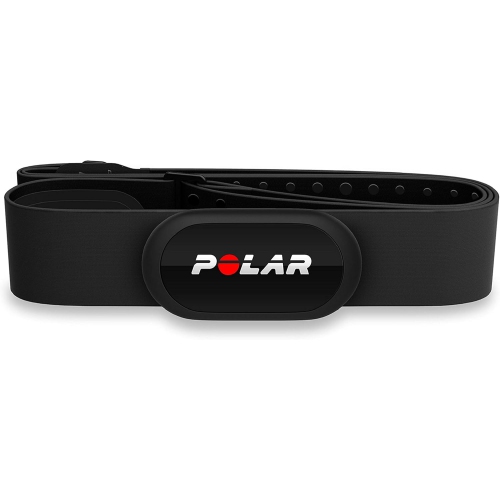

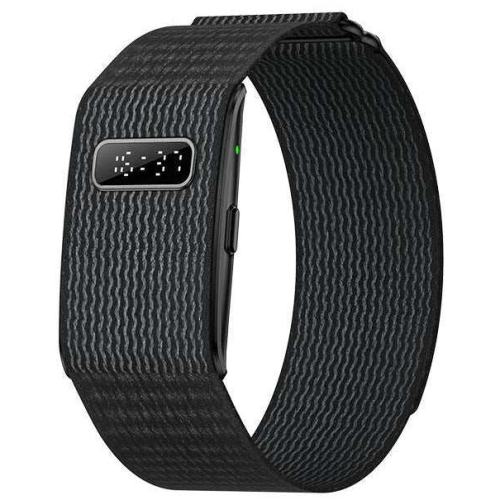

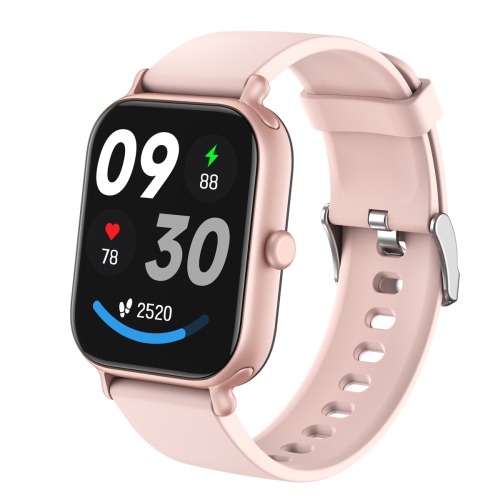

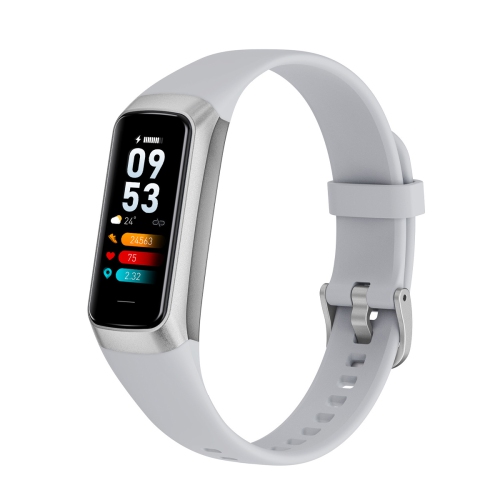
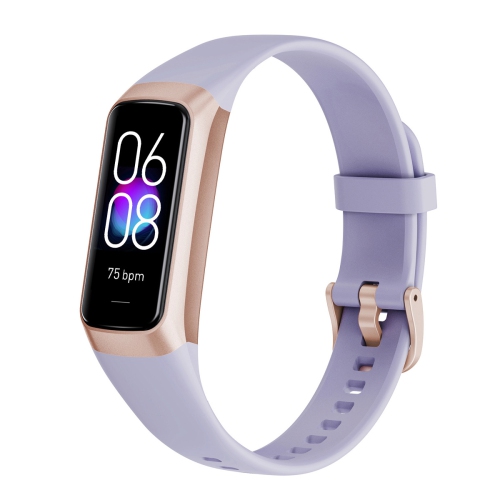
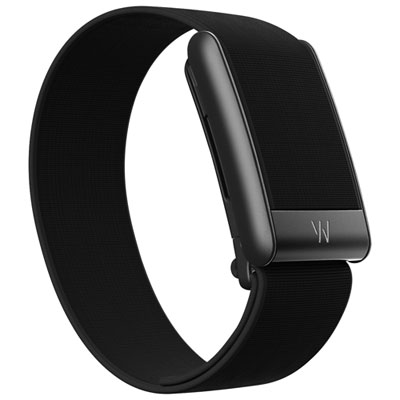
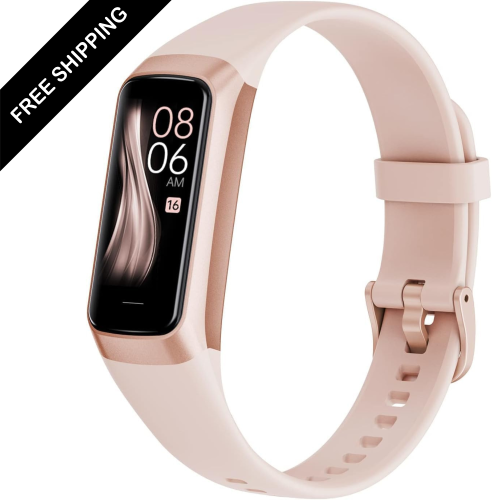

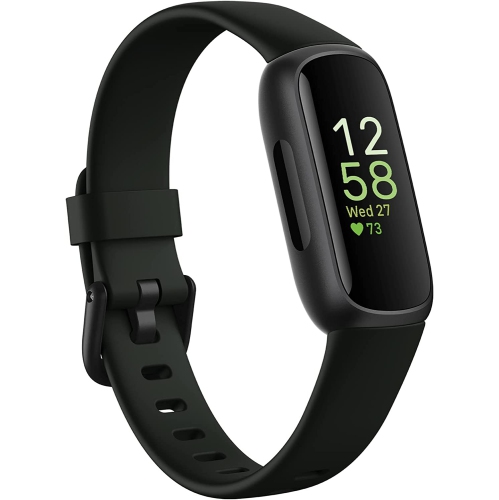
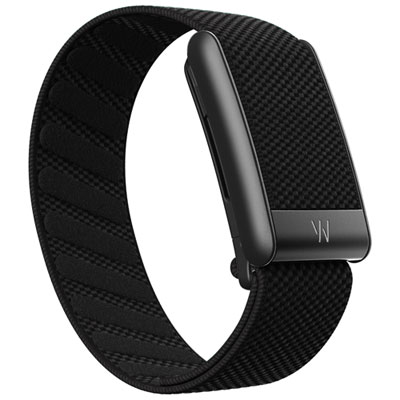
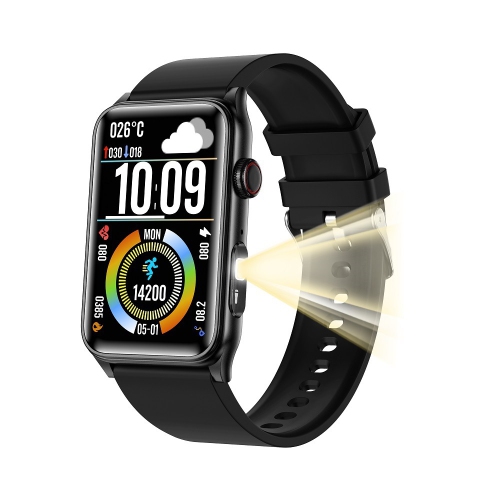
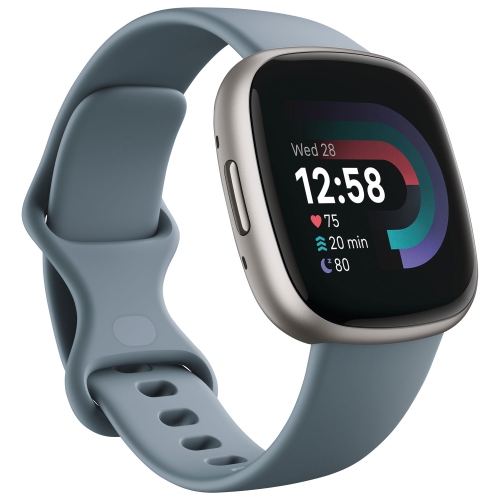


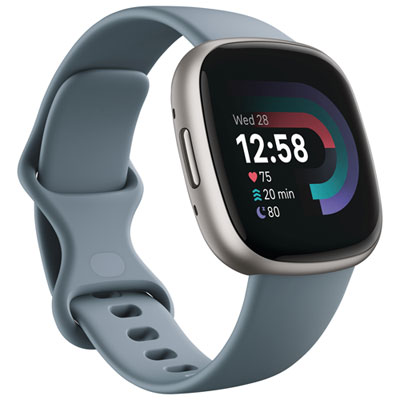
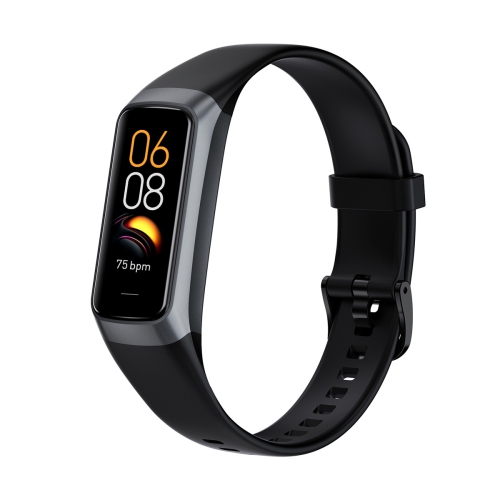

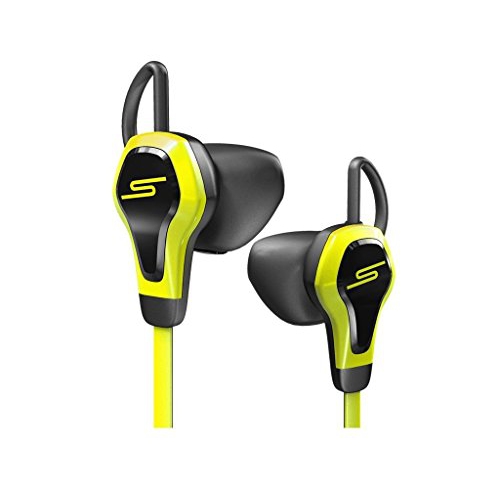
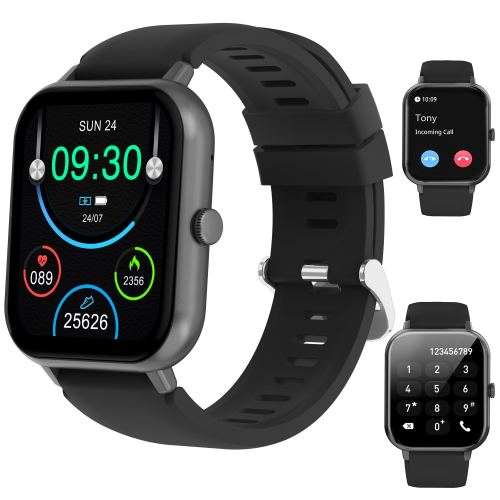

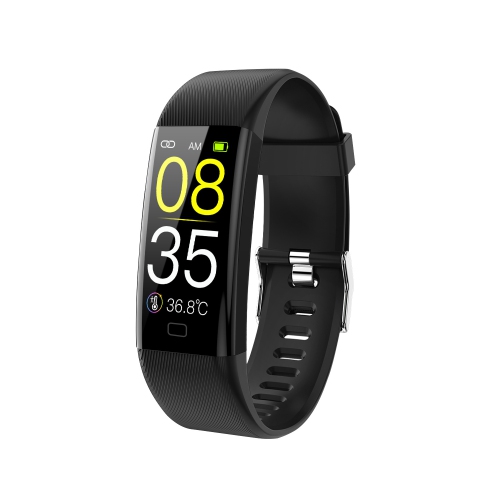


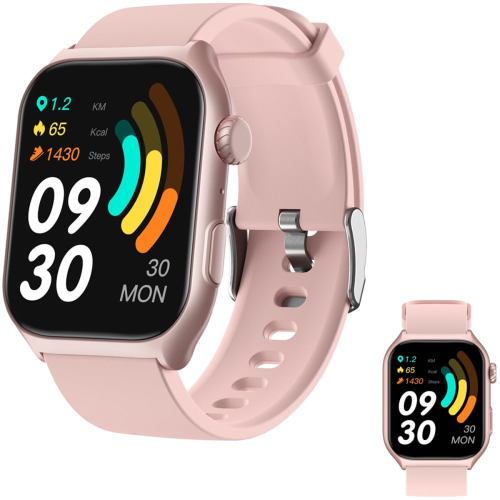
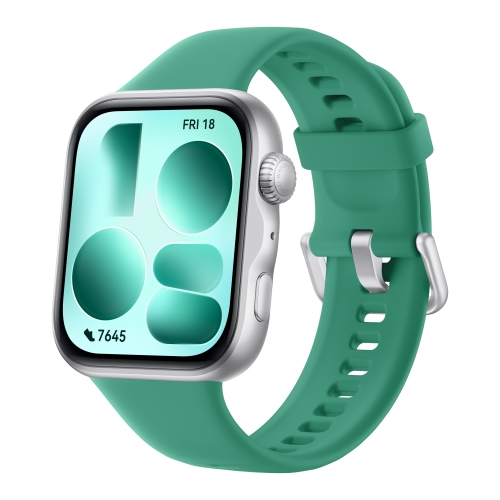
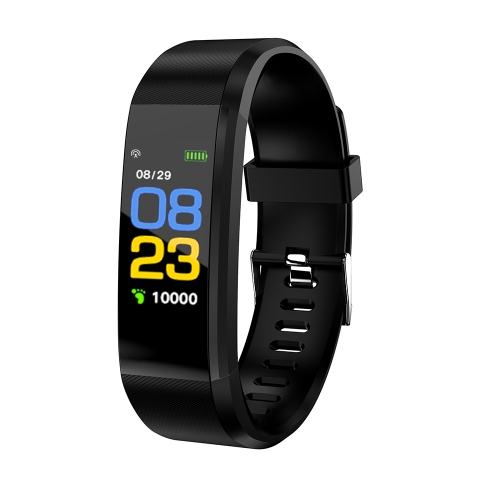
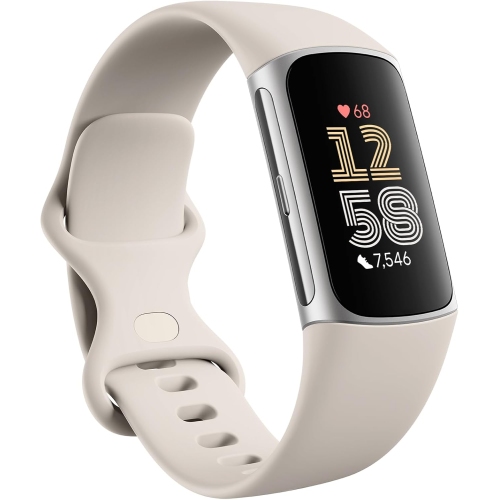
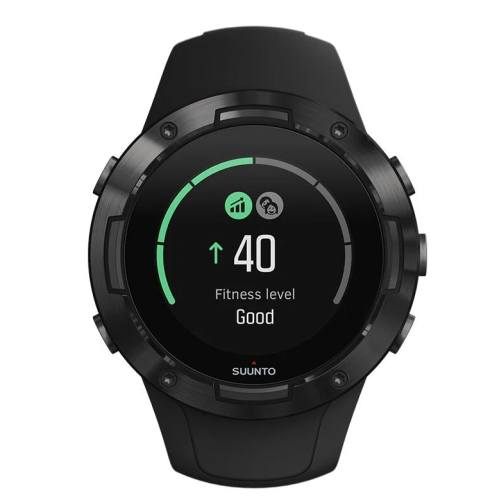
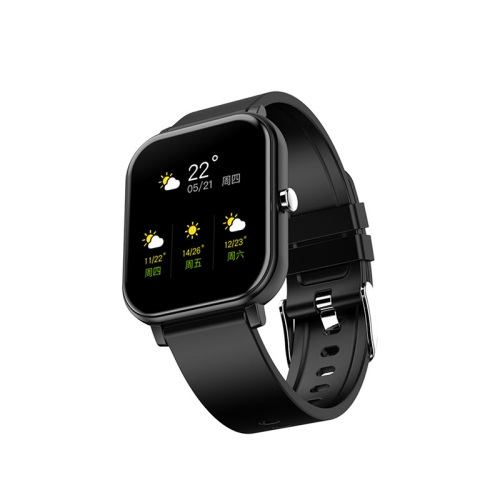
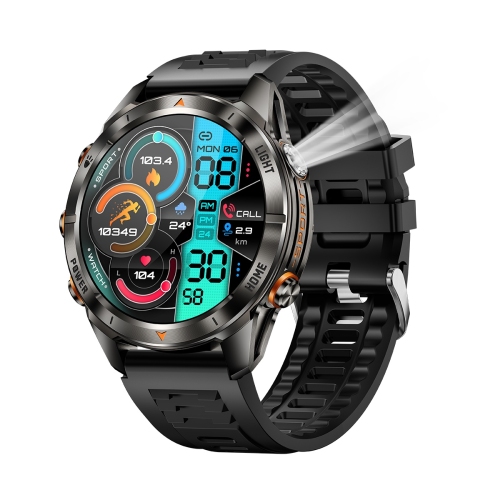

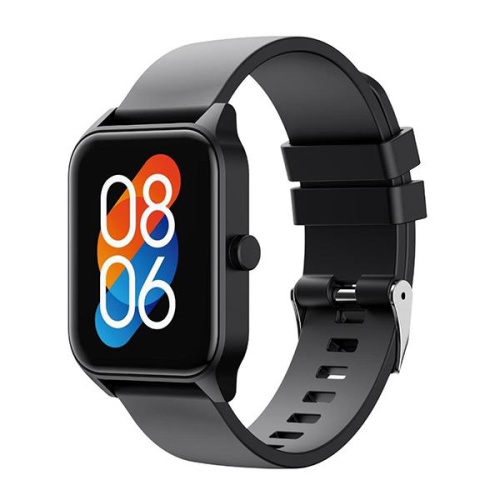

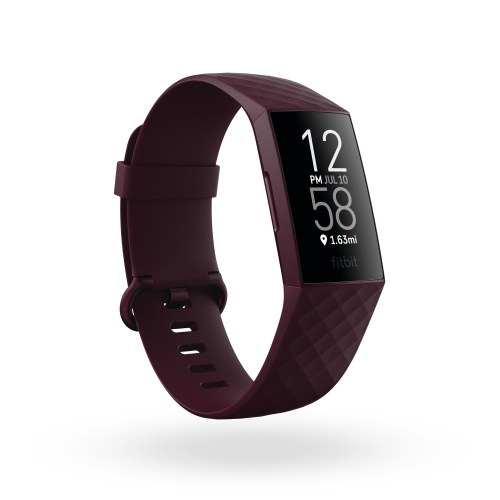
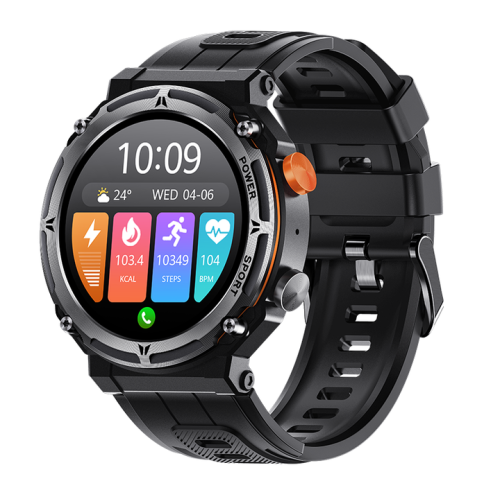

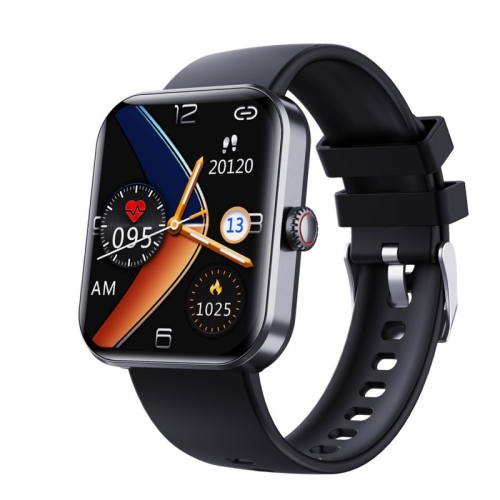
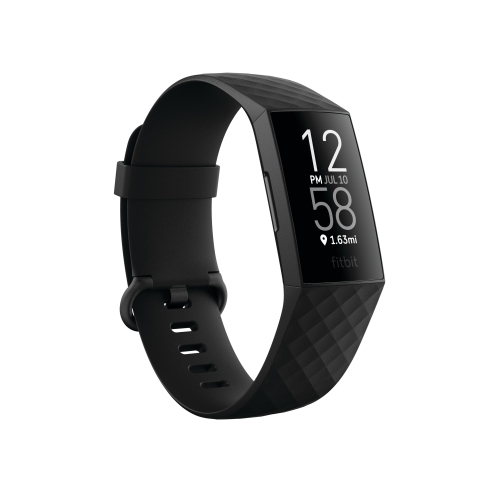
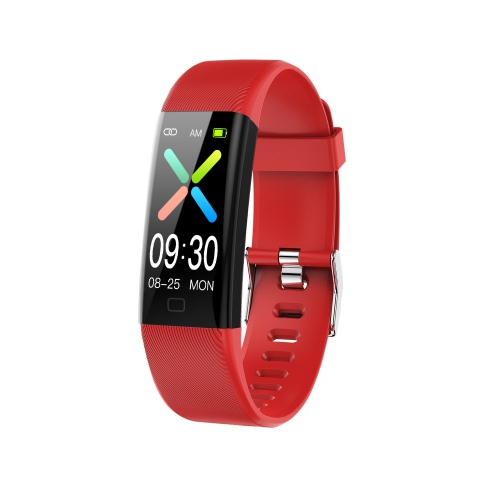
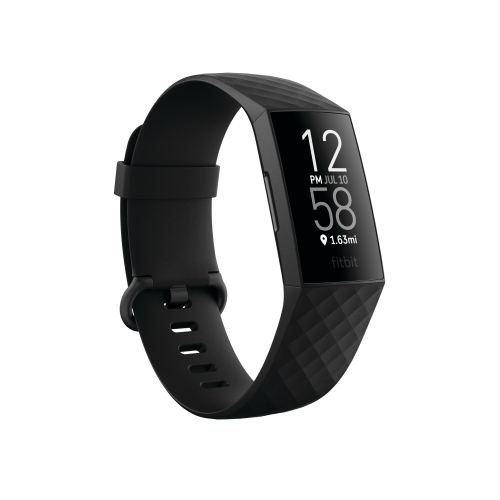

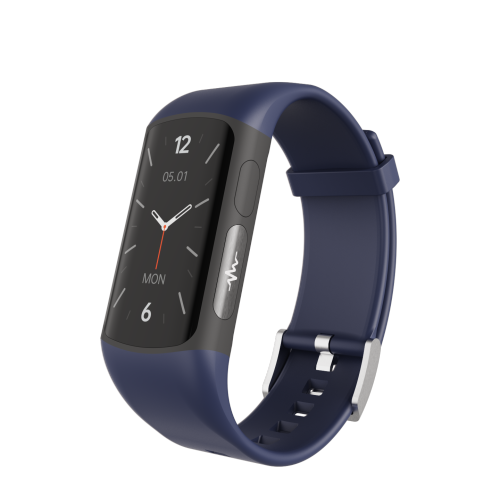
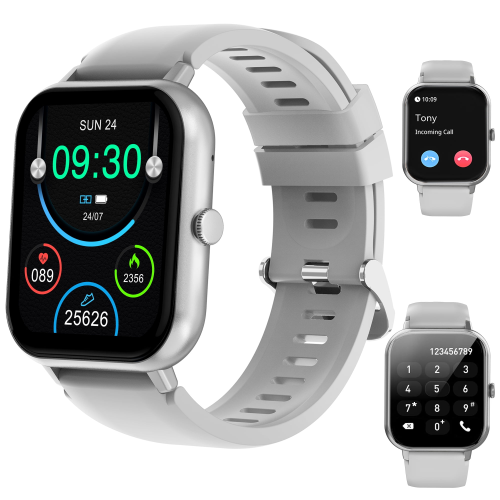
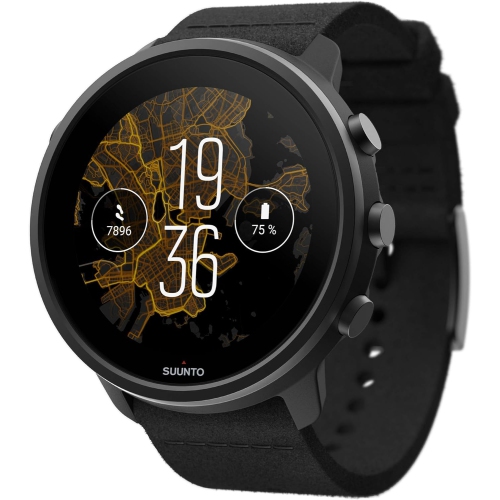
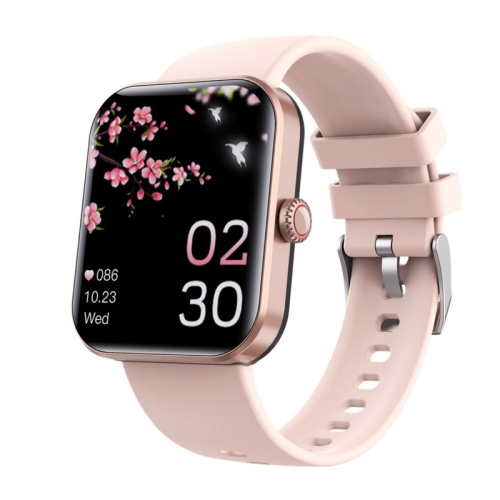
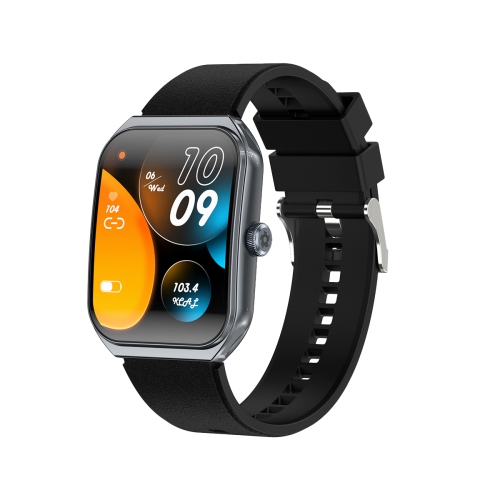
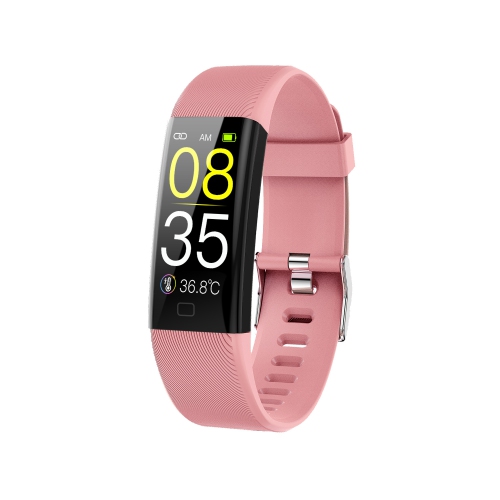
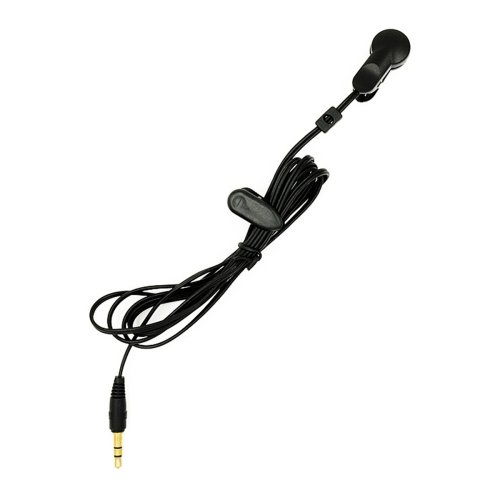
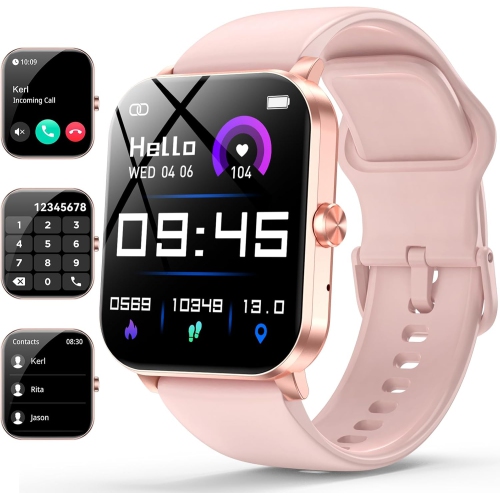
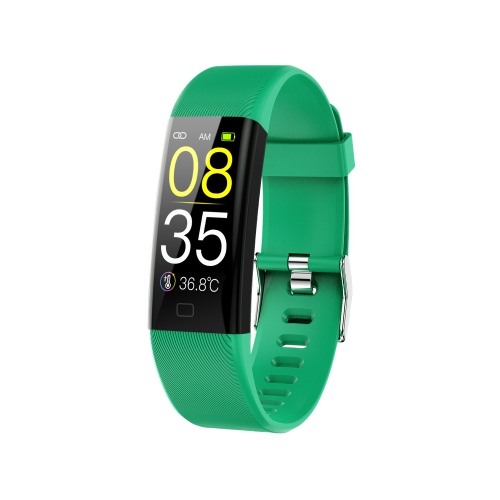
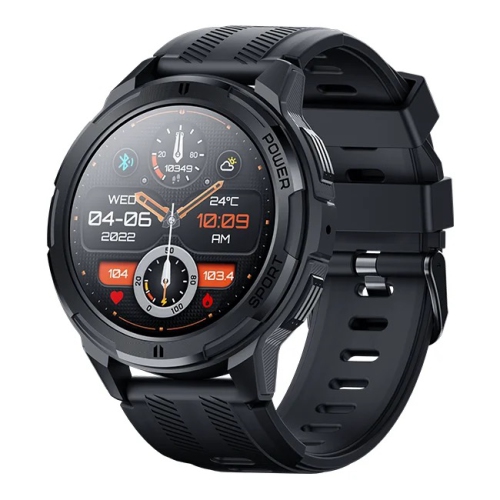
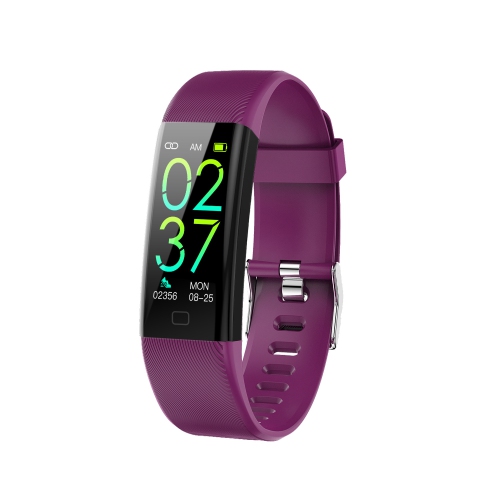
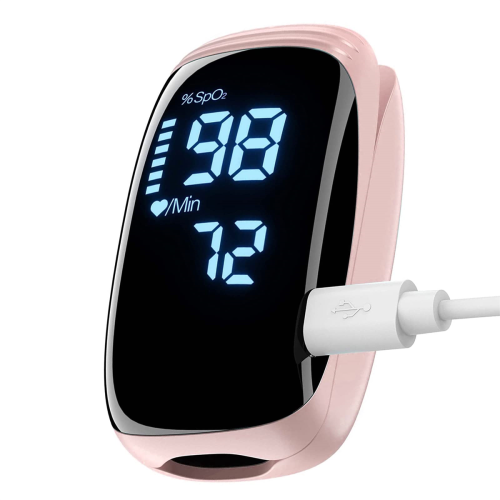
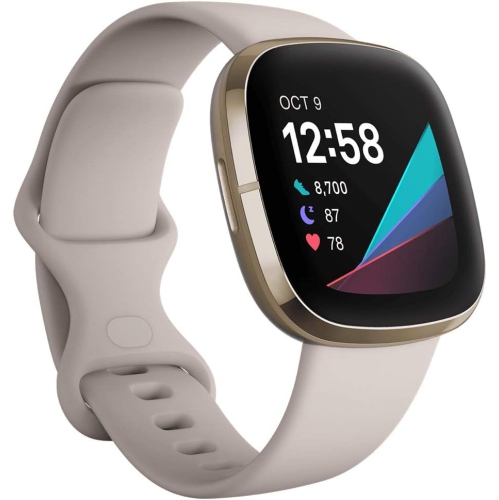
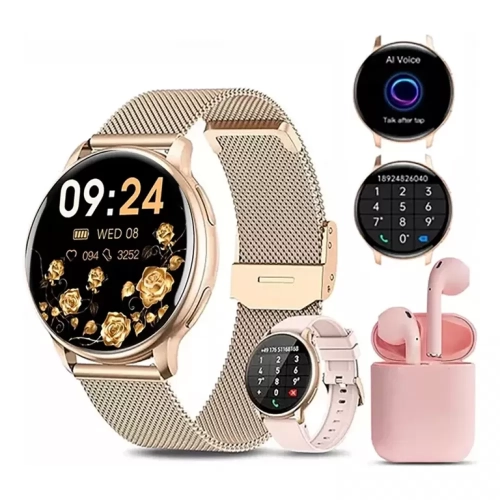
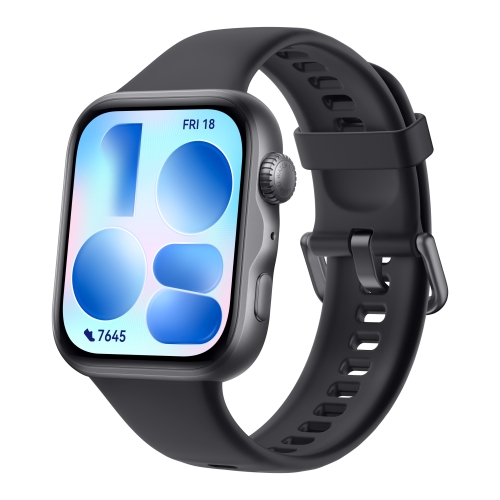

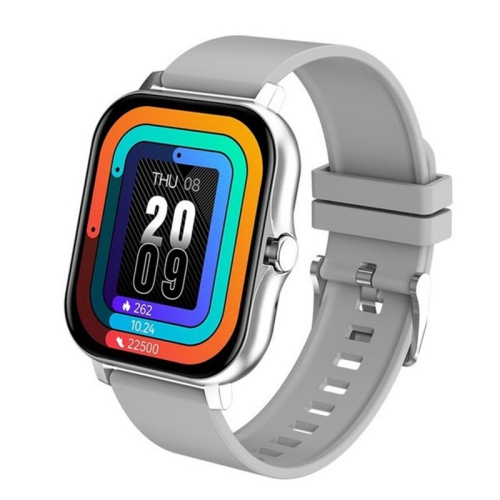
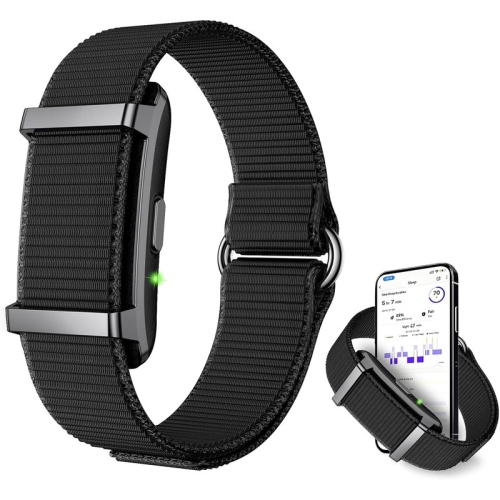
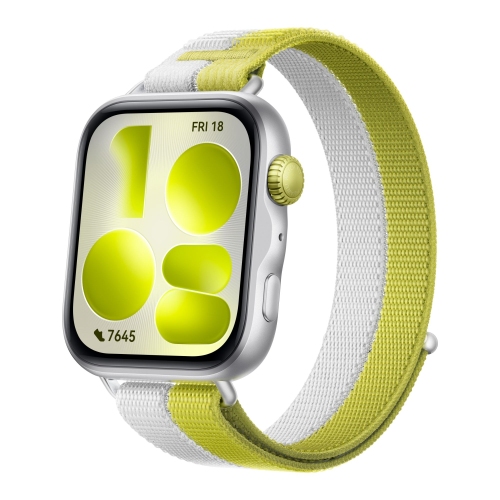

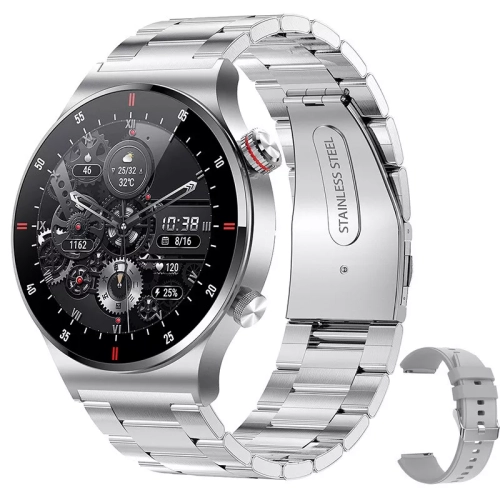
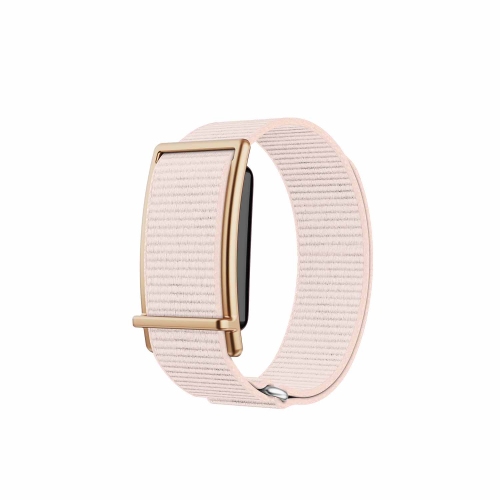
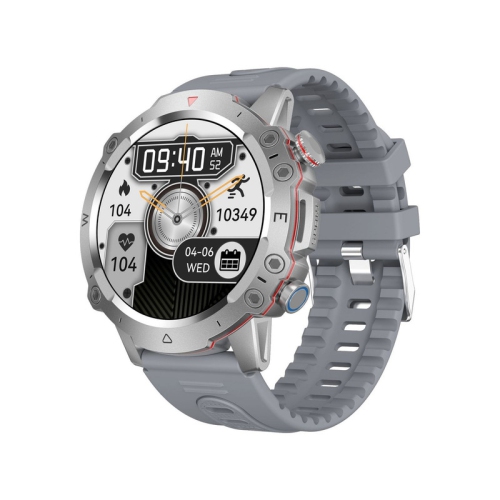
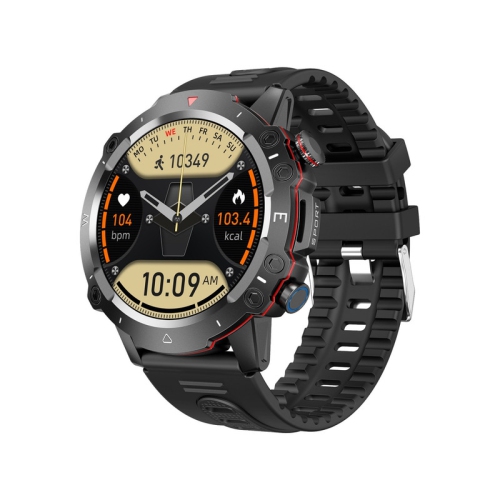

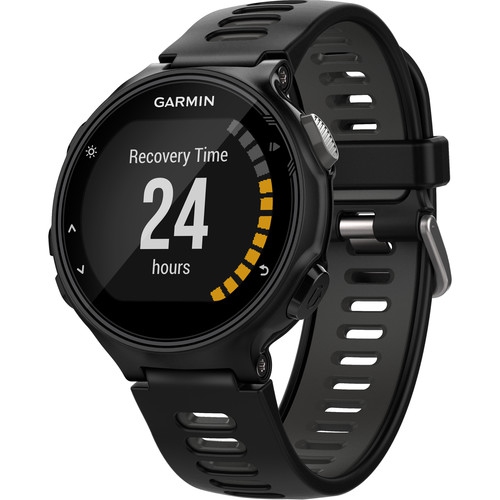
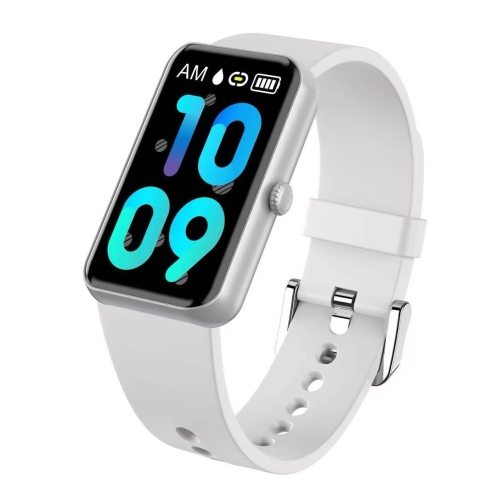
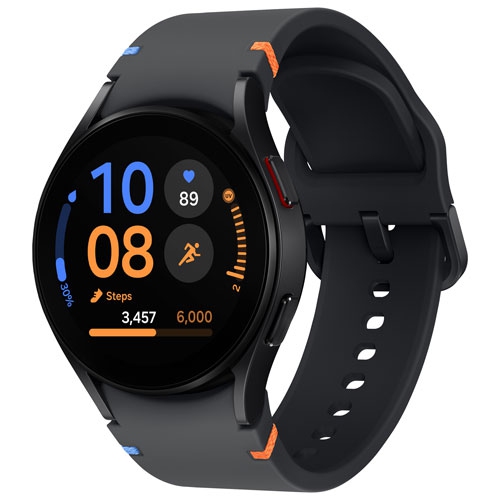

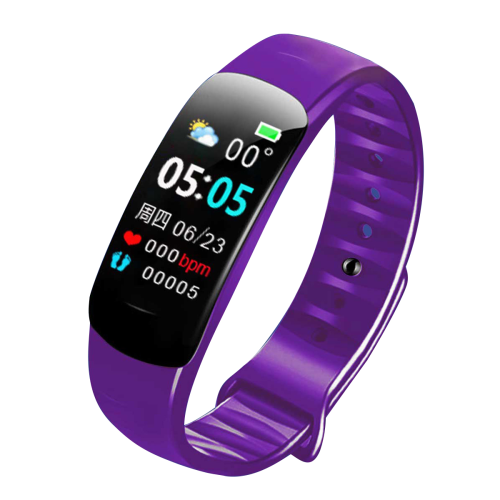

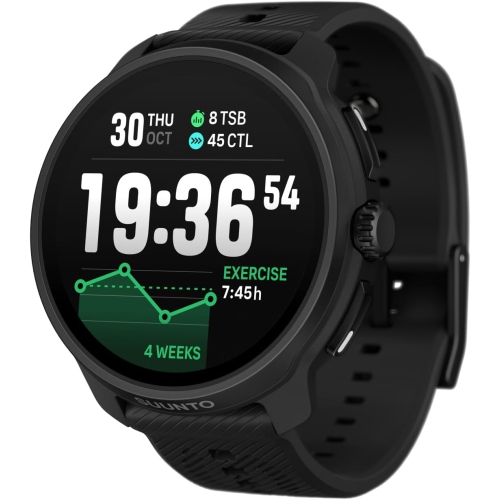


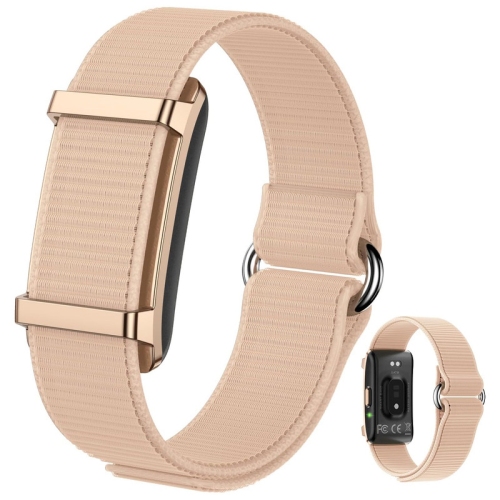

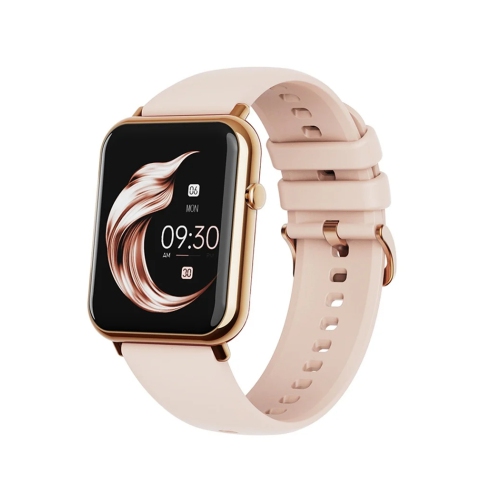

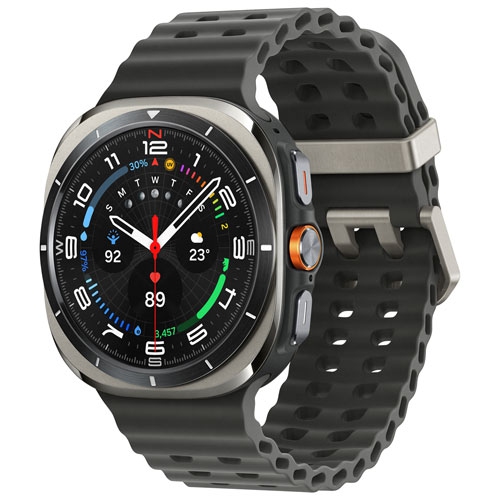


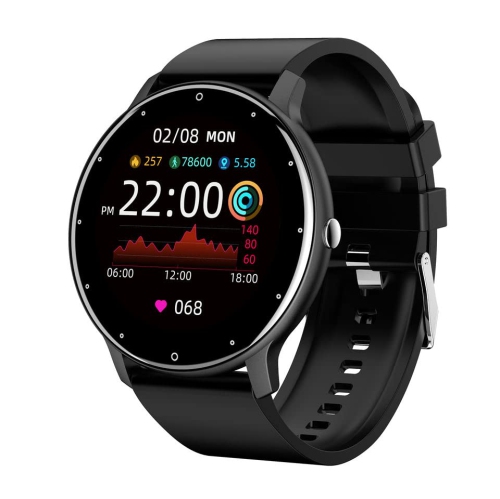

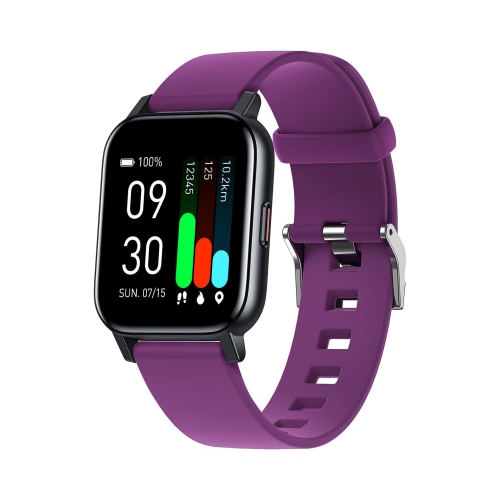
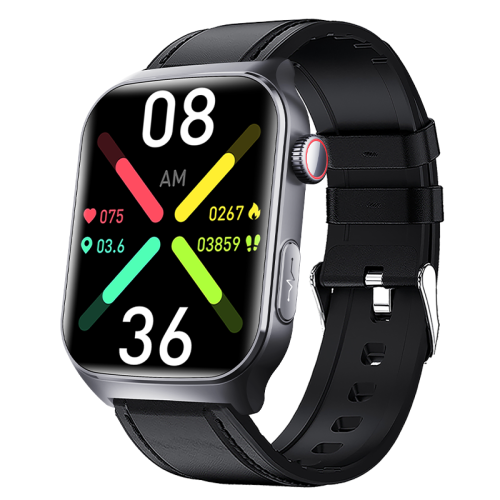
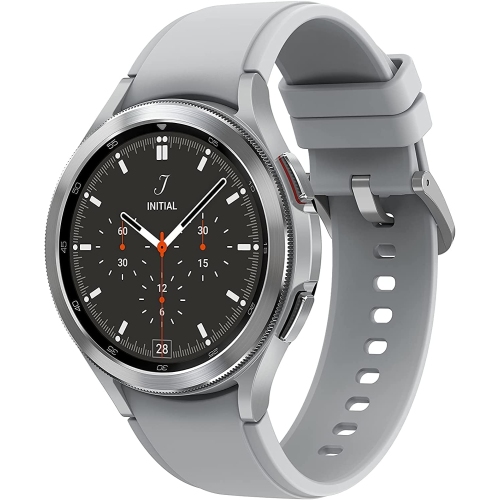

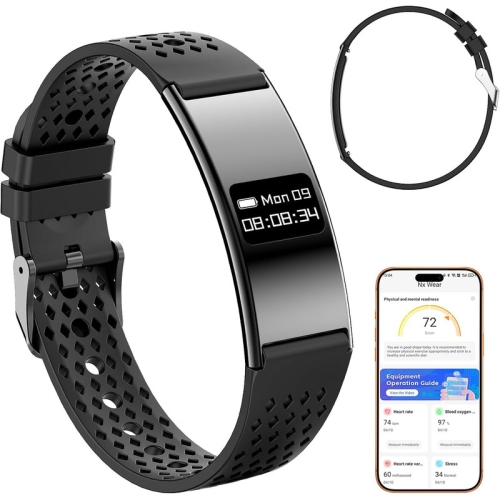
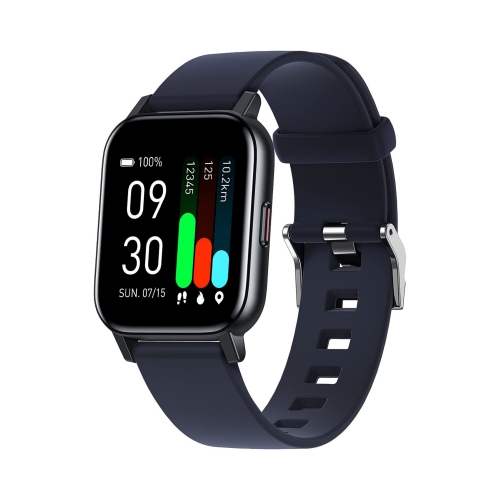


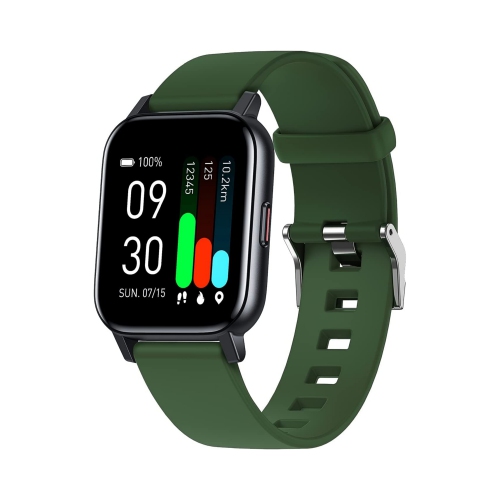


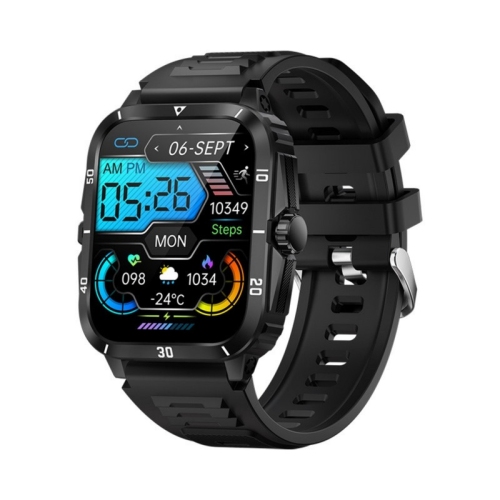

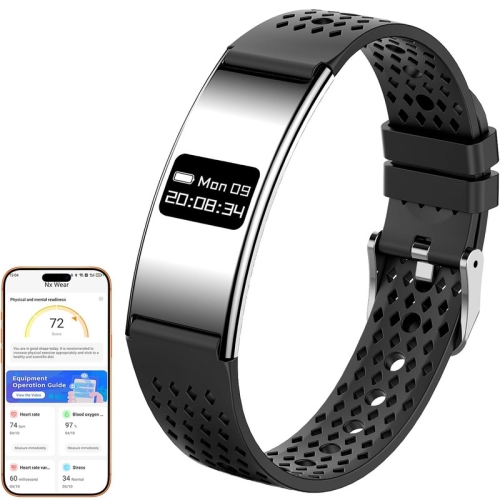

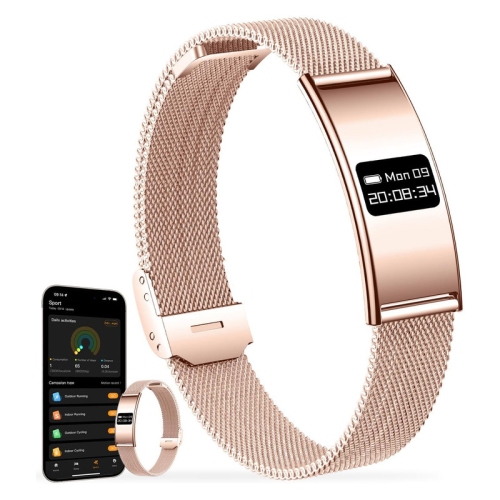
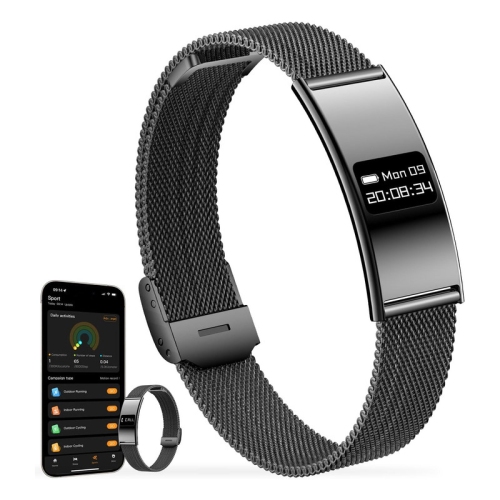
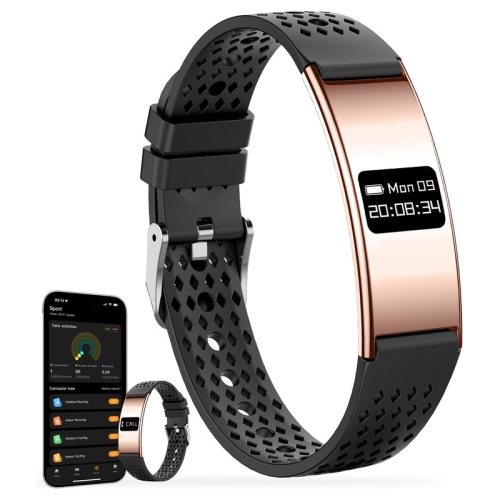
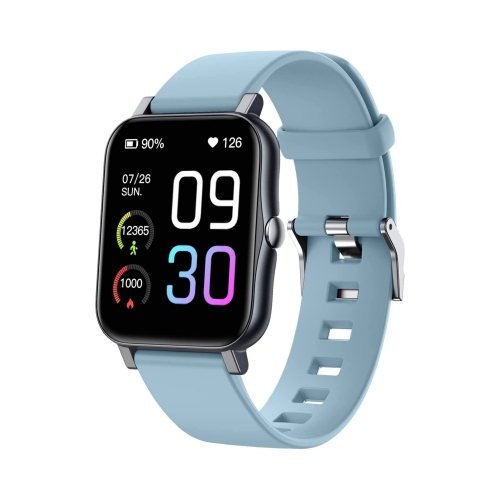
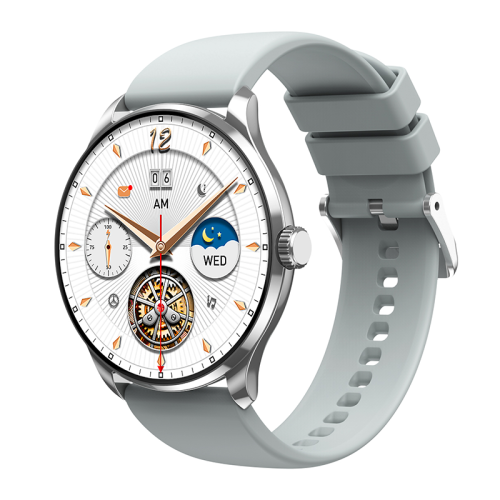

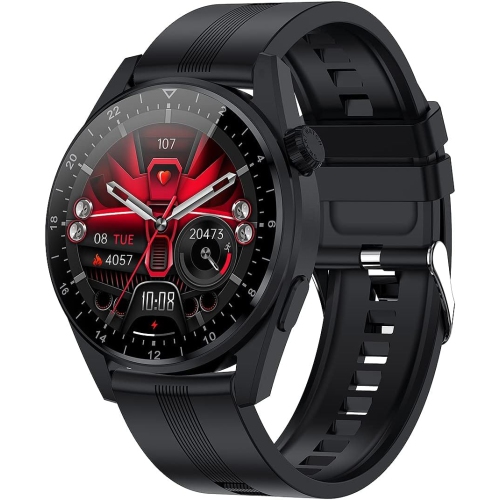
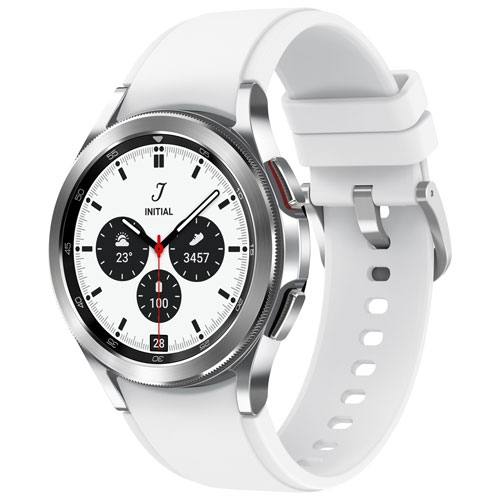
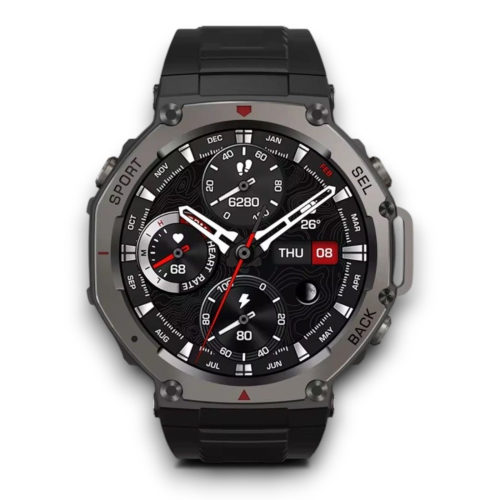
Understand workout intensity through real-time heart rate data
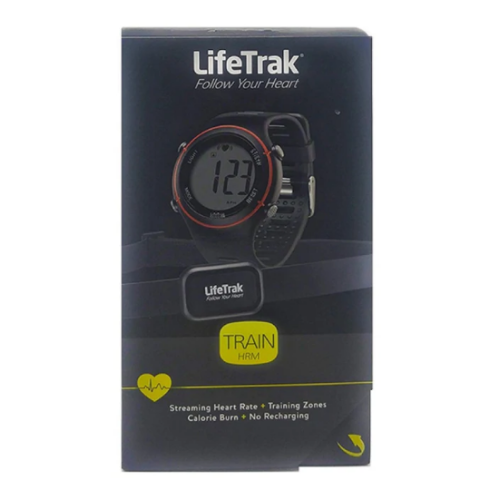
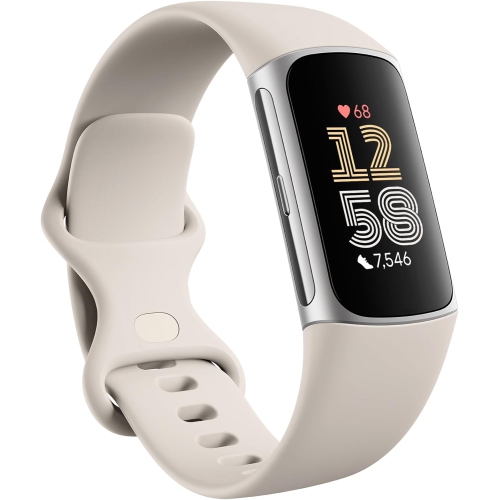
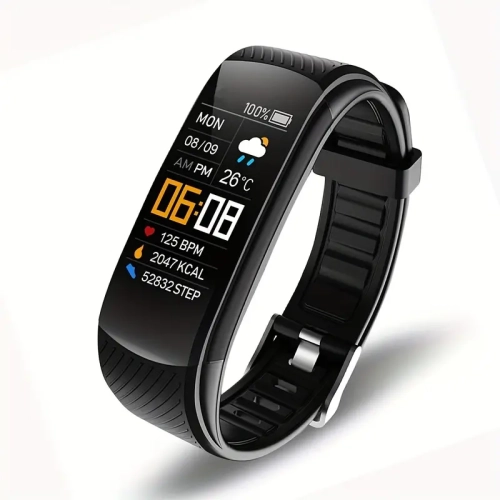
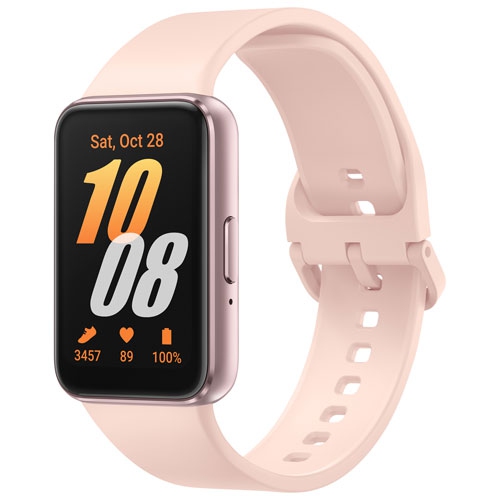
Heart rate monitors for exercise provide a practical way to see how your body is responding while you move, whether you are building a running habit, riding indoors during cooler months, lifting weights, or taking a brisk walk through the neighbourhood. By tracking your pulse in real time, these devices can help you understand exercise intensity and stay closer to a planned heart rate zone. A lower zone may suit an easy warm-up, recovery session, or longer steady workout, while a higher zone can be useful for intervals and other demanding efforts. Heart rate data is not a substitute for professional medical advice, and individual readings can vary, but it can add helpful context to how a workout feels. Many people find that perceived effort and heart rate tell a more complete story together: a pace that feels comfortable after a good night’s sleep may feel surprisingly difficult after a stressful day, and the numbers can help make that difference visible. Depending on the design, a monitor may send readings to a compatible smartwatch, fitness tracker, phone, tablet, exercise machine, or cycling computer, giving you a clearer record of each session. If you are comparing options across different activities, explore Heart Monitors to find formats that match the way you prefer to train and review your data.
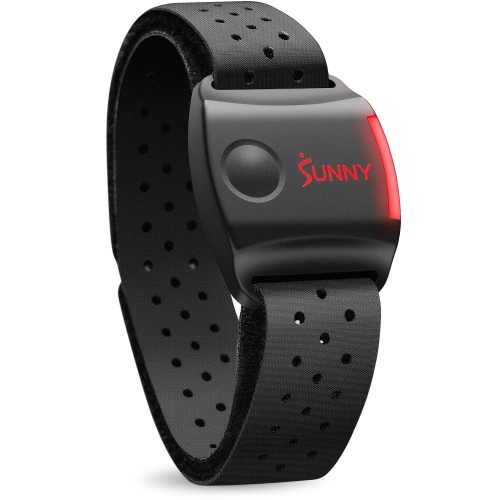
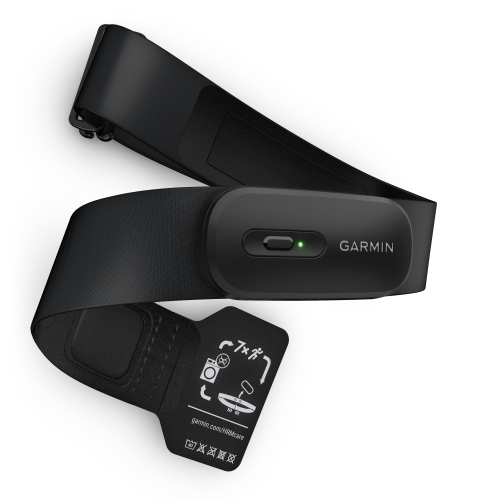
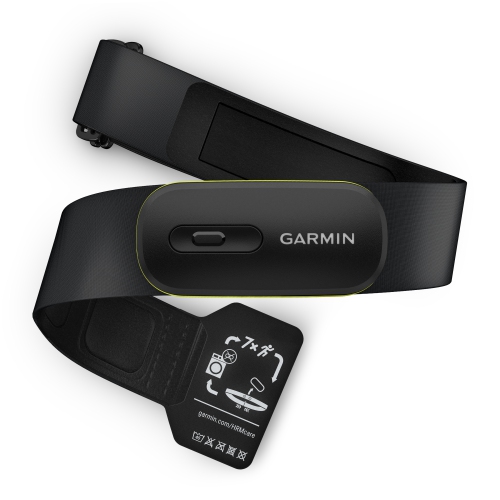
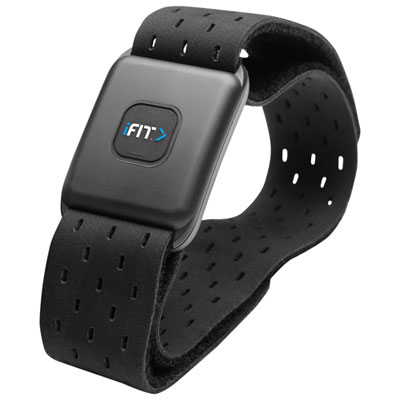
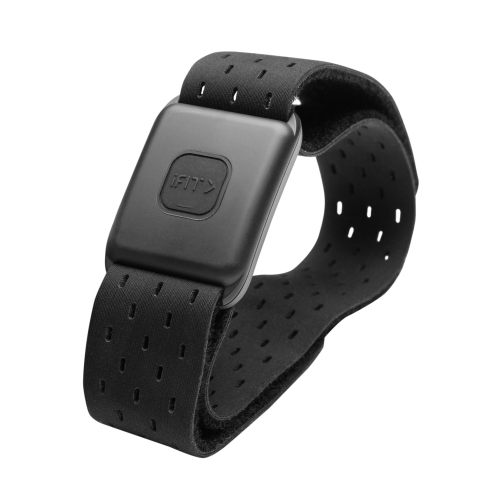
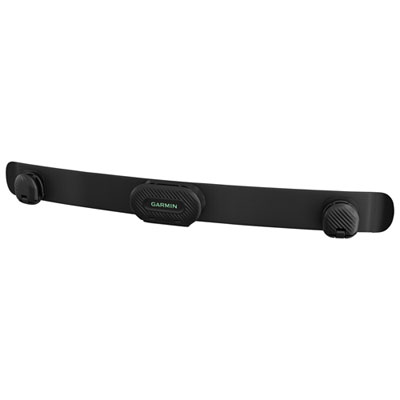
The main styles include chest straps and armbands, with each offering a different balance of stability, comfort, and convenience. A chest strap sits around the ribcage and uses electrodes to detect the heart’s electrical signals, which can provide highly responsive readings during intervals, cycling, circuit training, and other workouts with quick changes in effort. A soft, adjustable strap should sit securely without feeling restrictive, and the sensor should maintain consistent contact as you move. Chest straps are often favoured by runners and athletes who want precise workout data without relying on wrist movement. Armbands typically sit on the upper arm or bicep and use optical sensors to estimate pulse through changes in blood flow. Many people prefer this style when they dislike the feeling of a band around their chest or want something that is easy to put on before a workout. An armband can also be convenient for strength training, rowing, group fitness, and other activities where a wrist-worn device may get in the way. When selecting a monitor, look for a fit that stays in place through steady movement, arm swings, and changes in posture. Sensor contact, skin moisture, body movement, and placement can all affect readings, so following the manufacturer’s fitting instructions is important. For swimming, check the product’s stated water resistance and storage or transmission capabilities, since not every monitor is designed to record or send heart rate data underwater.
Connectivity is another important consideration, particularly if you already use fitness technology. Bluetooth is commonly used to connect a monitor with a smartphone, smartwatch, tablet, or compatible piece of cardio equipment, while ANT+ can allow communication with cycling computers, gym machines, and other supported devices. A monitor with both connection types offers more flexibility when your routine changes between a treadmill at home, a spin bike, a fitness class, and outdoor training. It is worth checking how many devices can be paired at once, whether the monitor stores workout data independently, and whether the companion app or receiving device supports the metrics you want to see. Battery style and charging are also part of everyday convenience. Replaceable batteries can be useful for people who prefer quick changes before a workout, while rechargeable designs can reduce the need to keep spare batteries on hand. Consider the display experience as well: some monitors only transmit data, while others work alongside an existing watch or phone that shows your heart rate, zones, calories, and workout duration. For training plans, recovery-focused routines, or gradual fitness goals, reliable data can make it easier to notice patterns without turning every session into a test. A heart rate monitor can be a thoughtful gift for a runner preparing for a first race, a cyclist setting up an indoor training space, a fitness enthusiast who enjoys tracking progress, or someone returning to regular activity and looking for a simple way to measure effort. During the cooler months, it can pair well with indoor workouts, while its compact design makes it easy to pack for travel or bring along when exercise moves outdoors. Choose based on the recipient’s preferred activity, comfort with chest straps or armbands, device compatibility, and interest in detailed training information, so the monitor becomes a useful part of their routine rather than another piece of gear left in a drawer.
Top selling and popular products
-
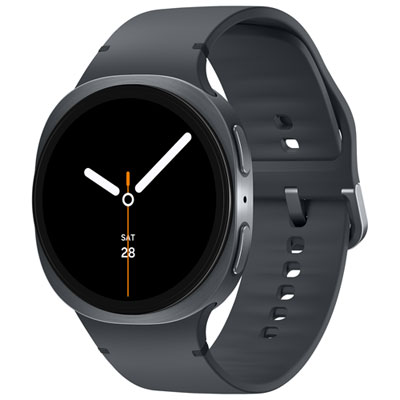 Your price for this item is $399.99
-
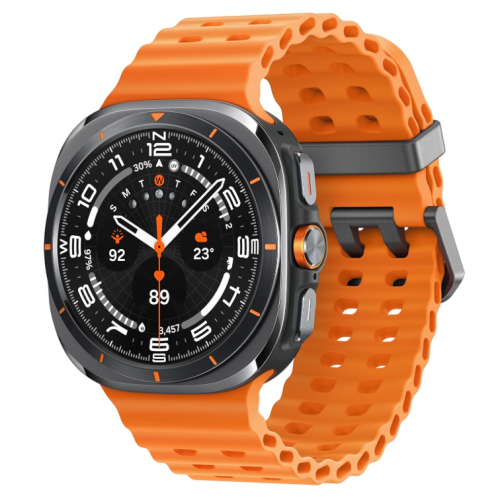 Your price for this item is $579.99
-
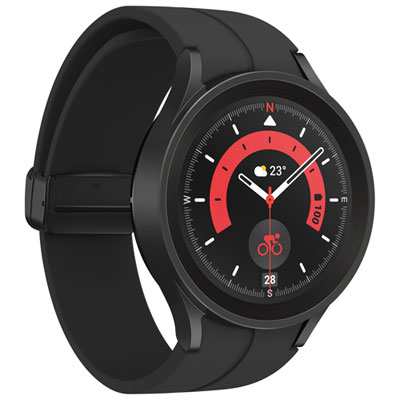 Your price for this item is $629.97
-
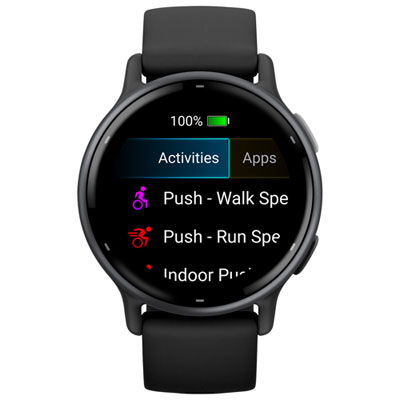 Your price for this item is $349.99
-
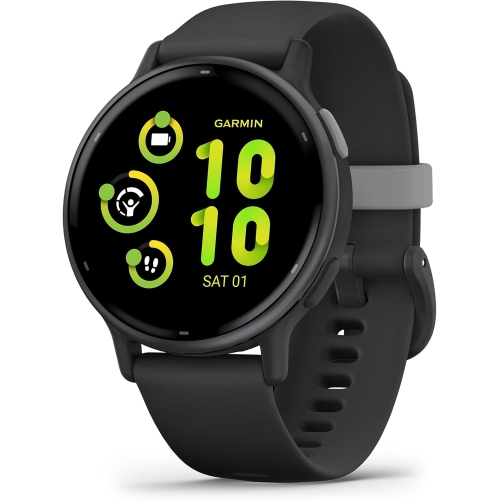 Your price for this item is $371.79
-
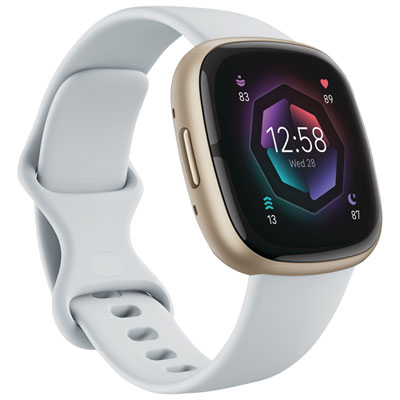 Your price for this item is $329.99
-
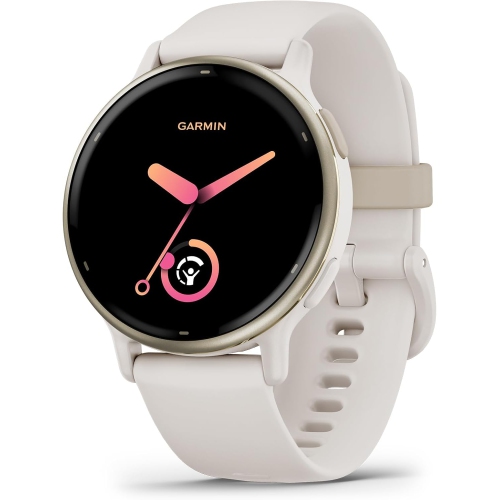 Your price for this item is $323
-
 Your price for this item is $659.99
Discover more categories related to Heart Rate Monitors for Exercise
Top Collections:
Pokemon Centers, Best Cameras for Sports Photography, Kindle Devices, Samsung Galaxy Phones, Canon G7X Cameras, Pokémon 30th Celebration Cards, Refurbished Apple Laptops, iPhone 15 Apple, Laptops for Students, Budget Smartphones
Some products may be subject to Environmental Handling Fees
(EHF) depending on your province.
Learn more about EHFs.