Fetal Heart Rate Monitors
Looking to keep tabs on your little one's heartbeat during pregnancy? Look no further than our selection of fetal heart rate monitors. These innovative devices allow expectant parents to listen to their baby's precious heartbeat from the comfort of their own home. With easy-to-use features and reliable accuracy, fetal heart rate monitors provide peace of mind and a deeper connection to the miracle of life.
Sort

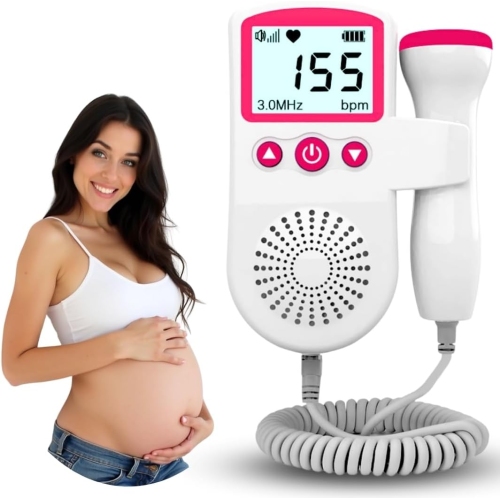
What to know about readings, home use, and clinical monitoring
Fetal heart rate monitors are designed to detect and display the speed and rhythm of a developing baby’s heartbeat during pregnancy or labour. Depending on the type of monitor, they may use ultrasound technology, sensors placed against the abdomen, or clinical electrodes used under specific hospital conditions. Handheld Dopplers are compact devices that can allow a trained user to listen to fetal heart sounds through the abdomen, while external electronic fetal monitoring systems use flat sensors and adjustable belts to track the baby’s heart rate and, in some cases, uterine activity. In a clinical setting, monitoring may be recommended during prenatal assessments, labour, or situations where a healthcare professional wants to observe changes in the baby’s heart rate over time. A fetal heart rate is not perfectly steady from one moment to the next. It can change with movement, sleep cycles, gestational age, contractions, and other factors, which is why healthcare providers consider the overall pattern rather than relying on one isolated number. A commonly referenced range later in pregnancy is approximately 110 to 160 beats per minute, but only a qualified healthcare professional can interpret what a particular reading means for an individual pregnancy.
When choosing among fetal heart rate monitors, consider who will operate the device, where it will be used, and what type of information it is intended to provide. A handheld monitor may be selected for occasional listening at home, but it should not replace prenatal appointments, diagnostic testing, or advice from a midwife, obstetrician, family doctor, or other qualified provider. Look for clear controls, an easy-to-read display if the monitor includes one, a comfortable probe shape, and practical power options for the setting in which it will be used. Some people appreciate audio output that lets them hear the heartbeat, while others may prefer a visual readout or recording function. It is also worth checking the recommended stage of pregnancy, the intended user, cleaning instructions, included accessories, and any guidance about gel or positioning. Finding a heartbeat can be difficult, especially in early pregnancy or when the baby changes position. Placenta placement, body shape, movement, and the angle of the probe can all affect what is heard or displayed. A quiet room and a calm routine may make the experience feel more manageable, but they cannot guarantee a reliable reading. If a heartbeat cannot be found, or if a reading seems unusual, repeated searching at home can increase worry without providing a clear answer. Home devices can also create false reassurance, since hearing a heartbeat does not confirm that everything is well. Contact a healthcare provider promptly for concerns about reduced fetal movement, pain, bleeding, fluid leakage, contractions, or any other pregnancy symptom, regardless of what a home monitor appears to show.
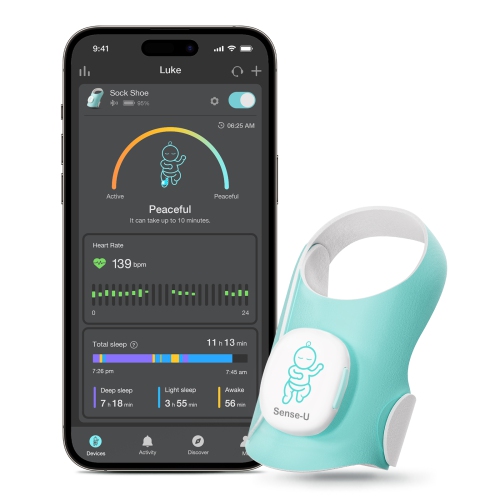
Fetal heart rate monitors may be considered by expecting parents who want to become familiar with the sound of a heartbeat between scheduled appointments, or by family members looking for a pregnancy-related gift that supports a quiet bonding ritual. They can be especially meaningful when used with realistic expectations: a parent may sit in a softly lit room, apply the recommended amount of gel, and listen together for a brief moment before returning to everyday routines. Even then, the device should be treated as a listening tool rather than a medical diagnosis system. If giving one as a gift, consider whether the recipient has discussed home monitoring with a healthcare professional and whether they would find it reassuring or stressful. For products intended for use after birth, such as devices that track an infant’s heart rate, breathing, or sleep, browse Infant Heart Rate Monitors instead, since fetal monitors and infant monitors serve different purposes and are used at different stages. Clinical monitoring is distinct again: external belts can follow fetal heart rate and contractions during labour, while internal monitoring may involve a small electrode attached to the baby after the amniotic sac has broken, and is performed only by trained medical staff when appropriate. Whichever type is being considered, read the instructions carefully, use the device only as intended, and keep regular prenatal care at the centre of pregnancy monitoring.
Top selling and popular products
-
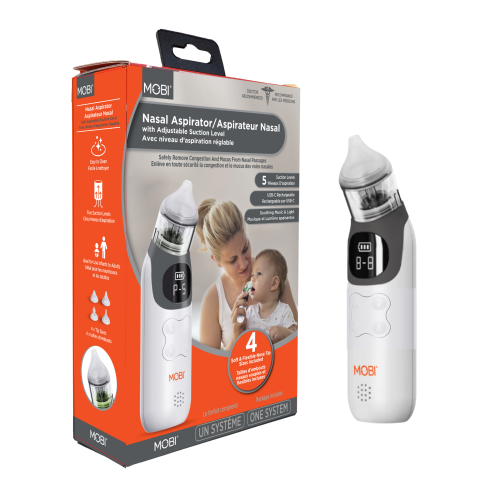 Your price for this item is $49.99
-
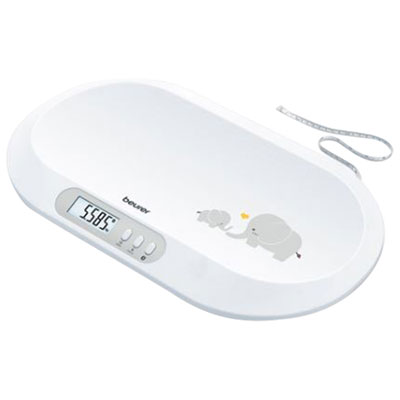 Your price for this item is $99.99
-
 Your price for this item is $74.95
-
 Your price for this item is $79.95
-
 Your price for this item is $117.97
-
 Your price for this item is $129.97
-
 Your price for this item is $19.99
-
 Your price for this item is $73.59
Discover more categories related to Fetal Heart Rate Monitors
Top Collections:
Pokemon Centers, Best Cameras for Sports Photography, Kindle Devices, Samsung Galaxy Phones, Canon G7X Cameras, Pokémon 30th Celebration Cards, Refurbished Apple Laptops, iPhone 15 Apple, Laptops for Students, Budget Smartphones
Some products may be subject to Environmental Handling Fees
(EHF) depending on your province.
Learn more about EHFs.