In Ear Hearing Aids
Looking for discreet and effective solutions to enhance your hearing? Look no further than our collection of in-ear hearing aids. Designed to provide clear sound quality and customizable features, these devices are perfect for individuals seeking improved hearing in a compact and comfortable package. Whether you're looking to amplify conversations, enjoy music with greater clarity, or simply enhance your overall auditory experience, our selection of in-ear hearing aids offers a range of options to suit your unique needs. Explore our assortment today and discover the perfect solution to help you stay connected to the world around you.
Sort
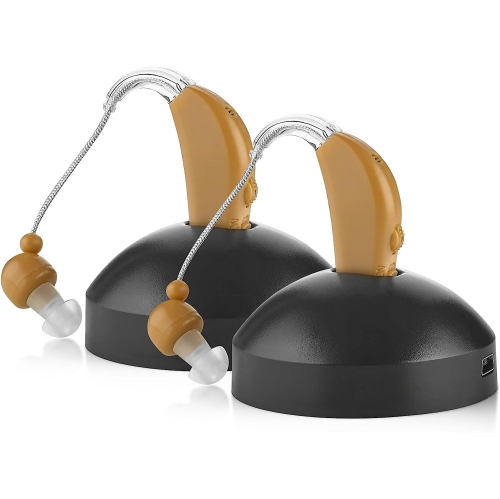
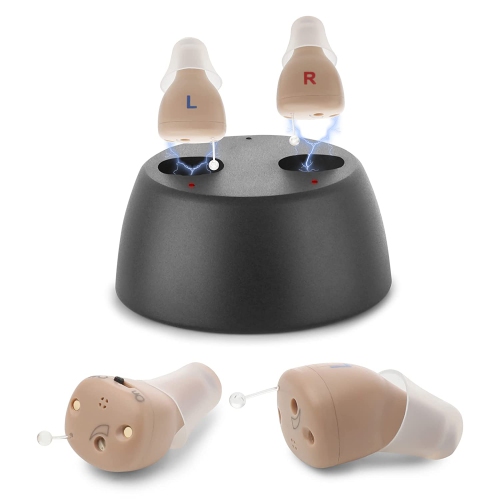
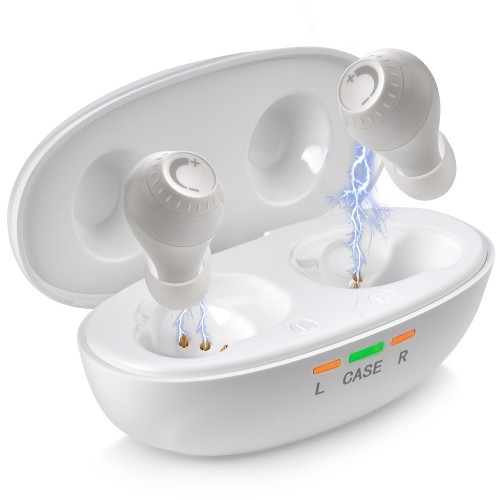
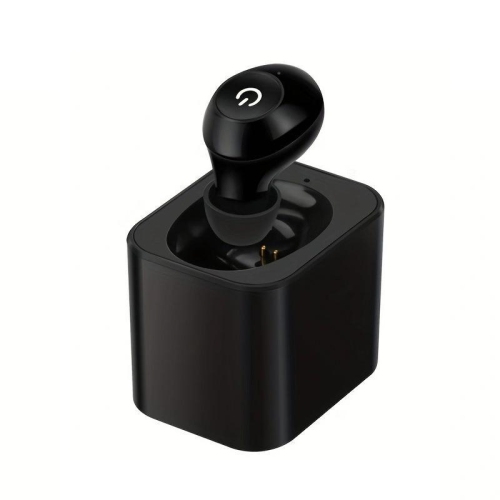
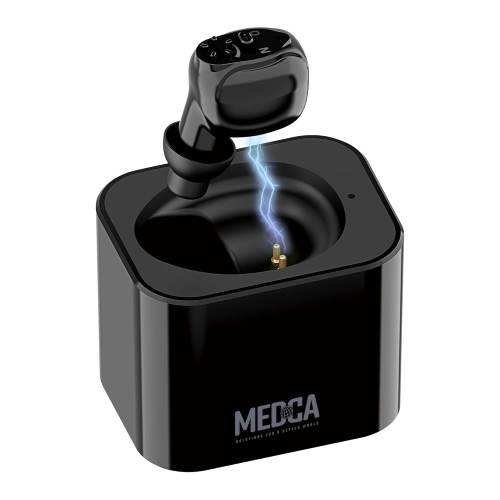
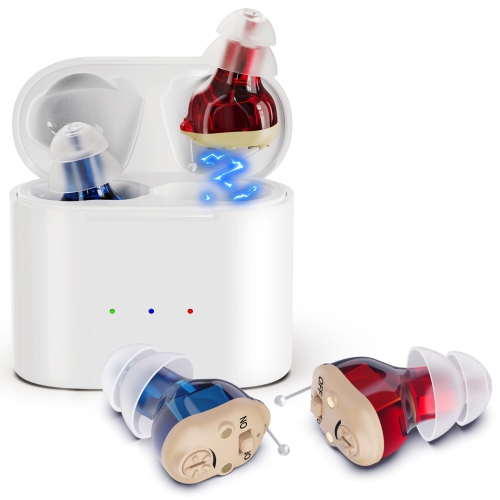
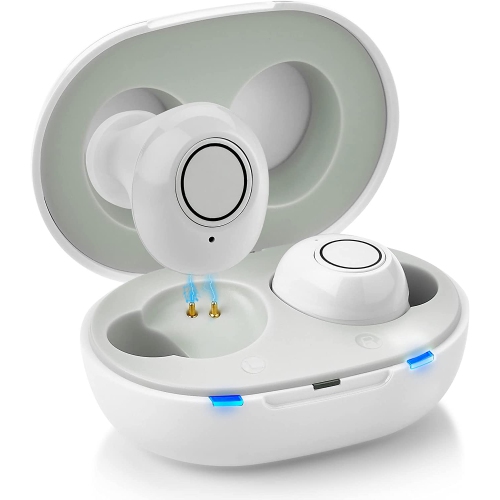
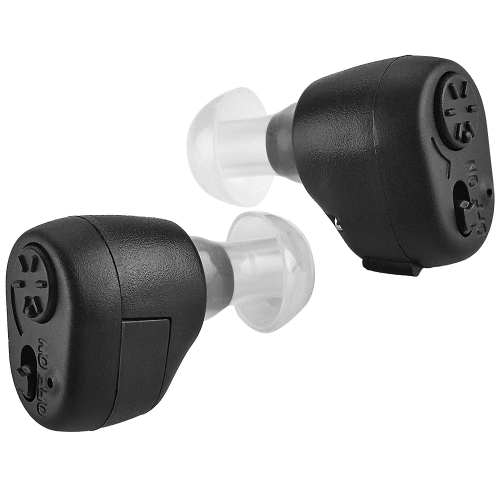
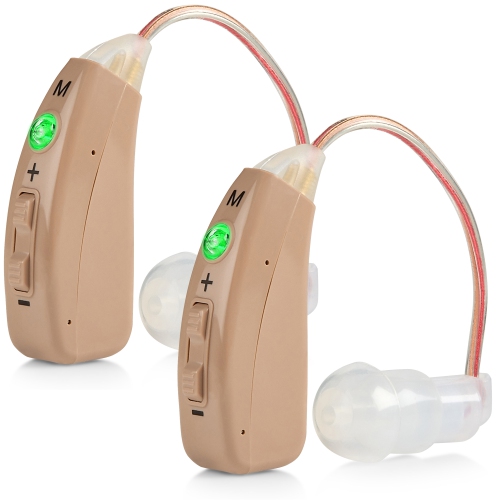
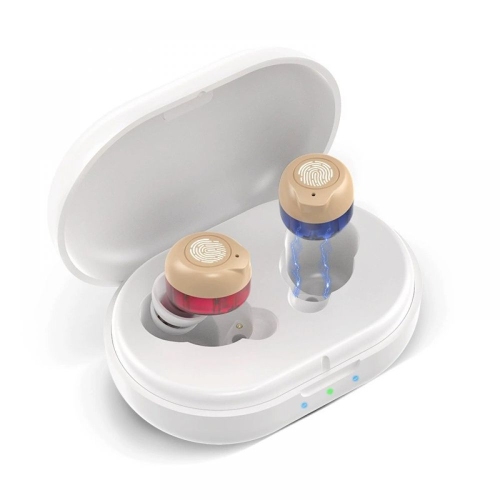
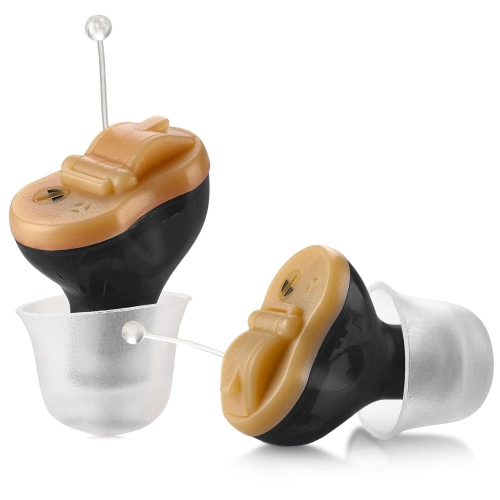
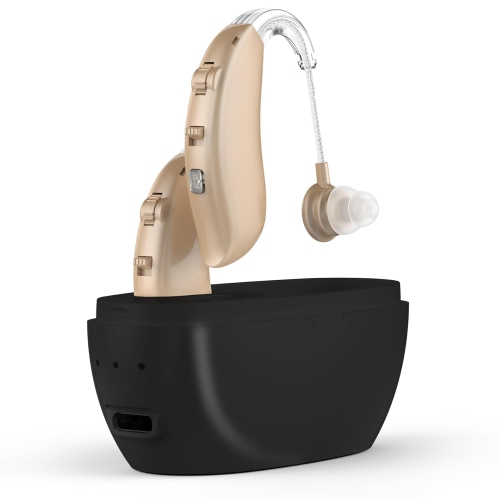
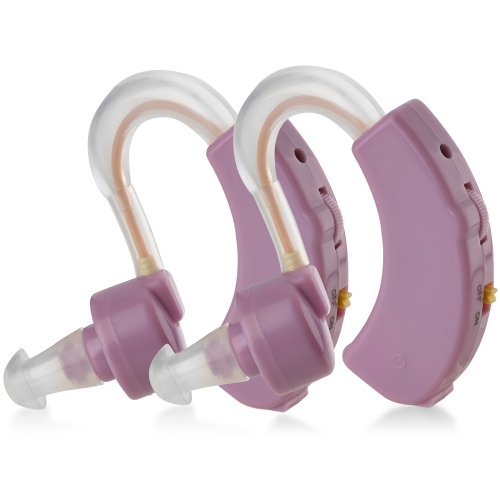
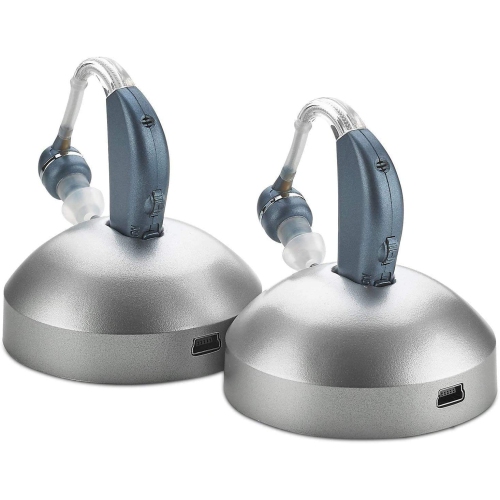
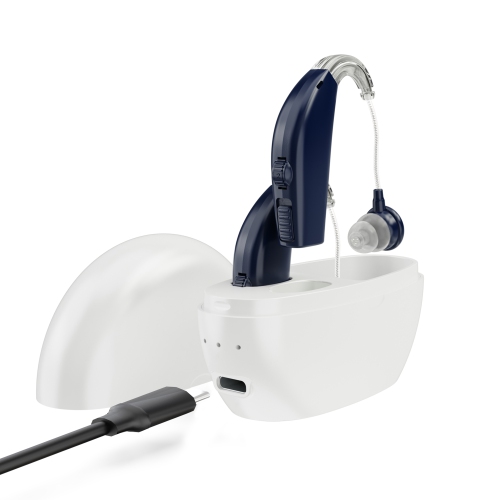
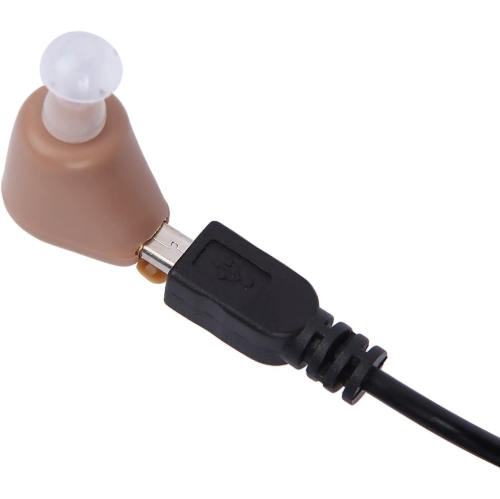
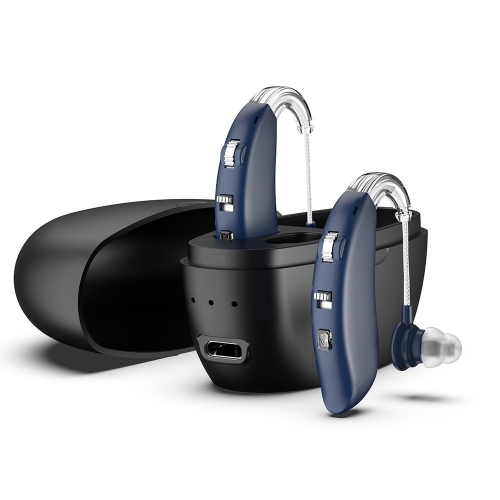
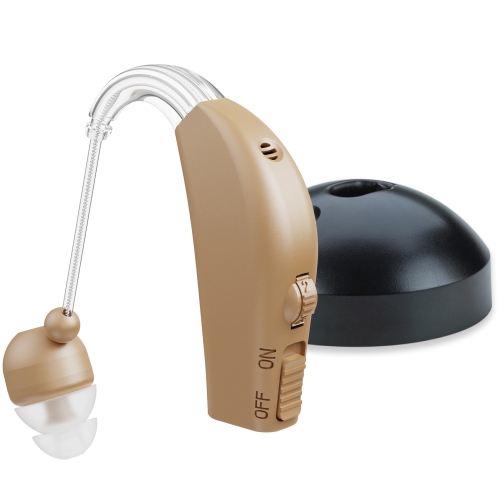
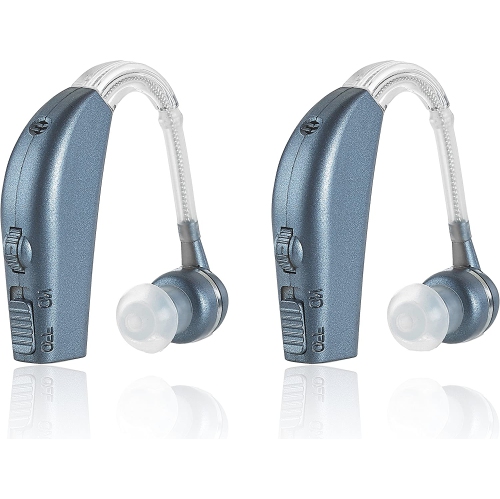
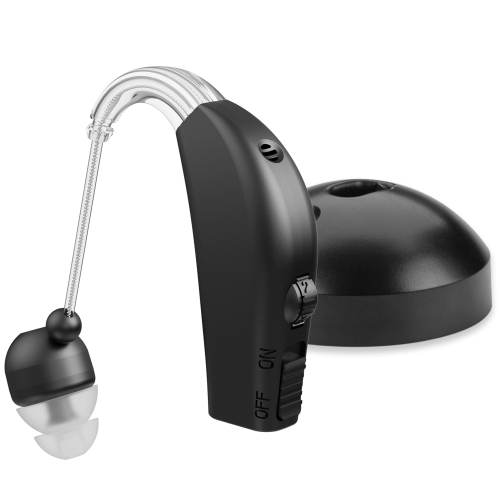

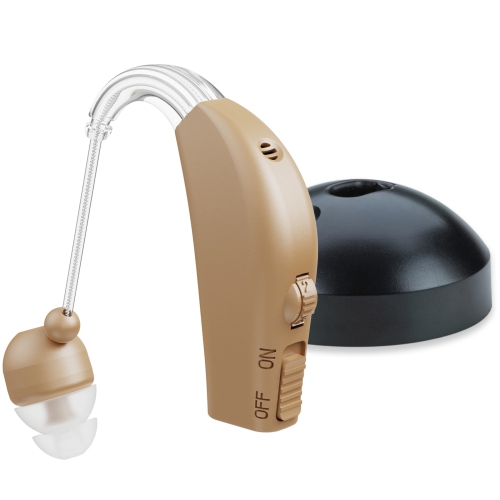
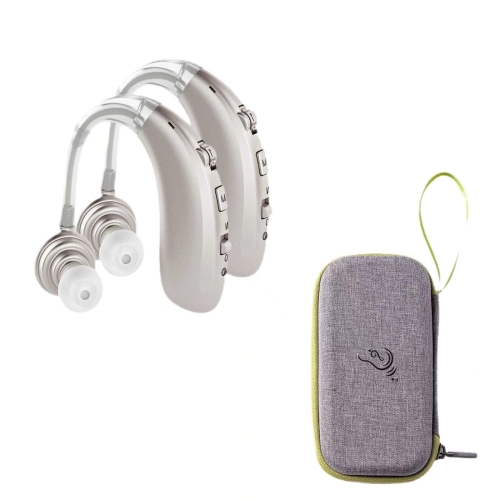
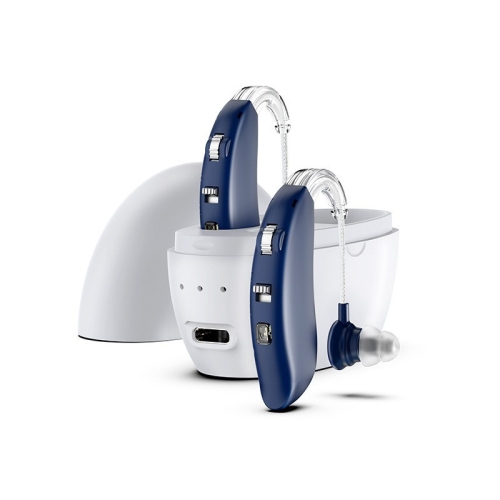
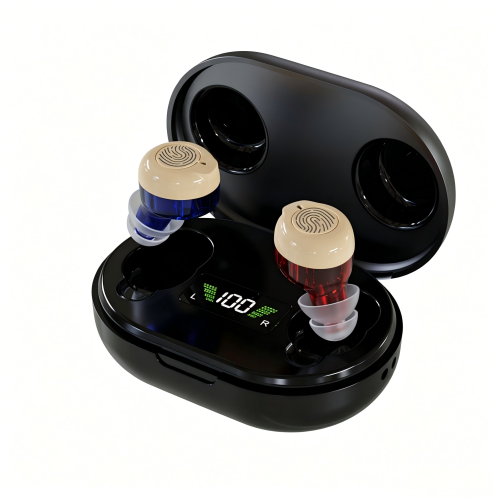
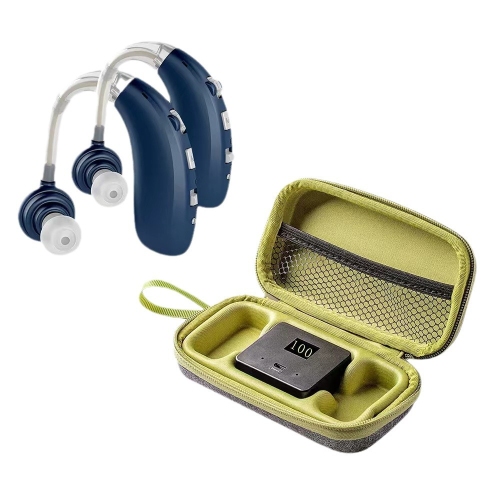
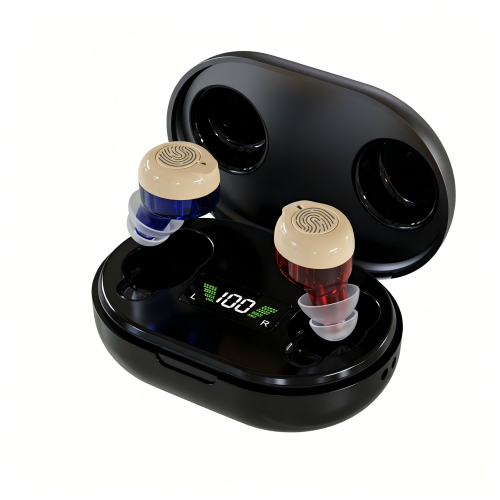
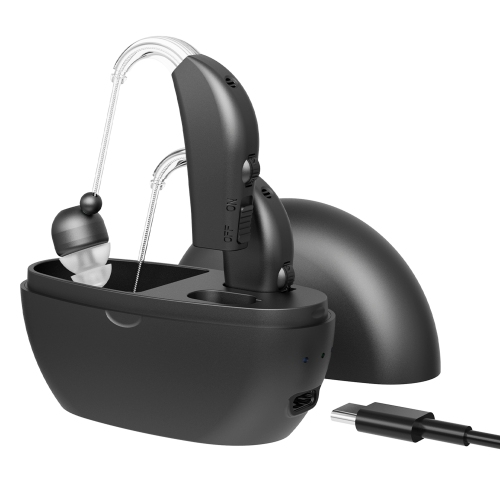
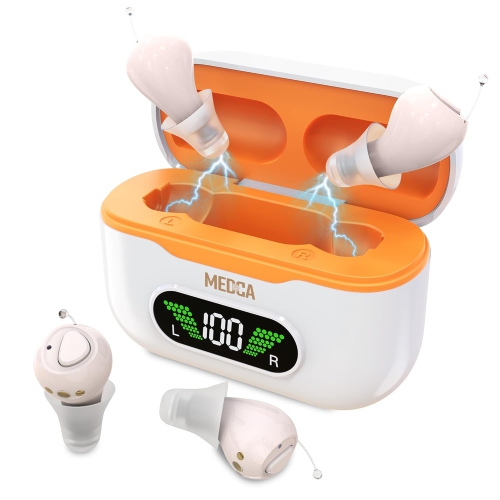
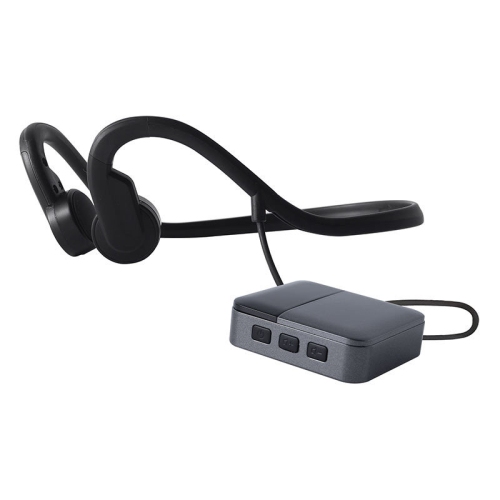
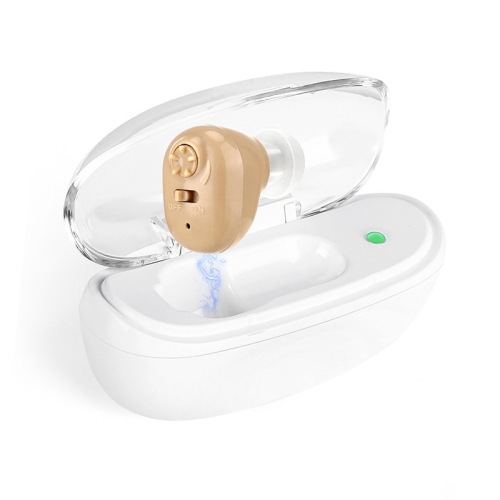
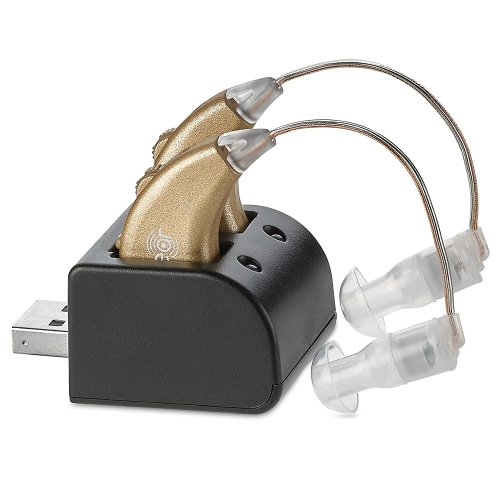
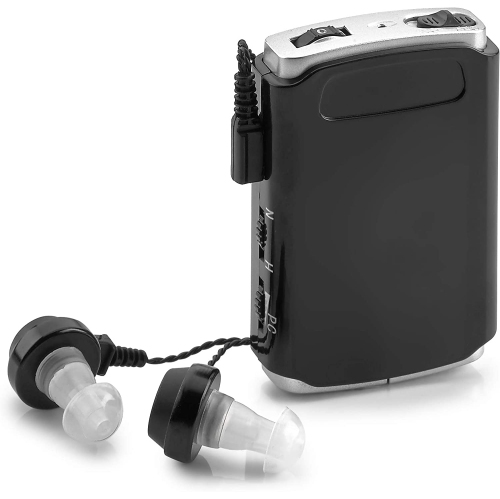
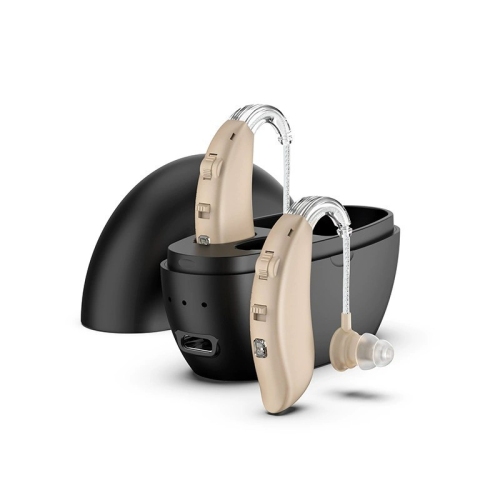
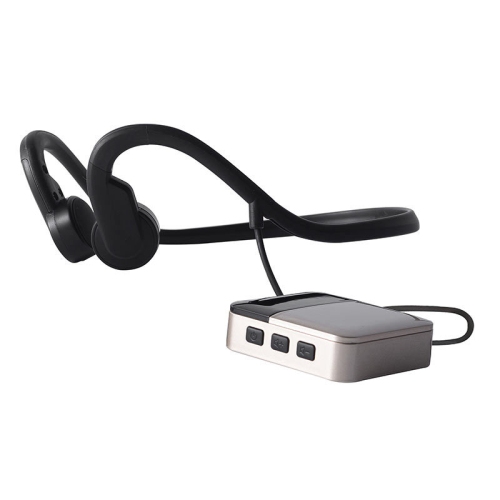
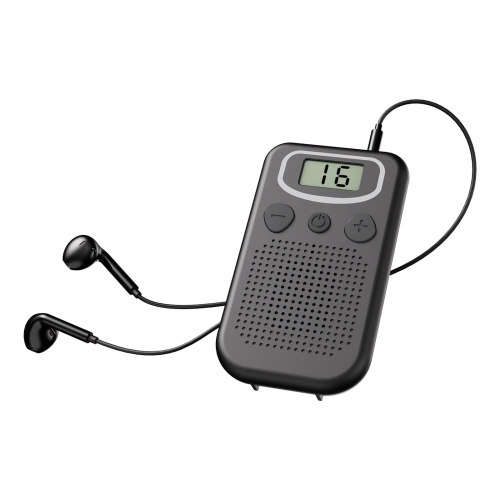
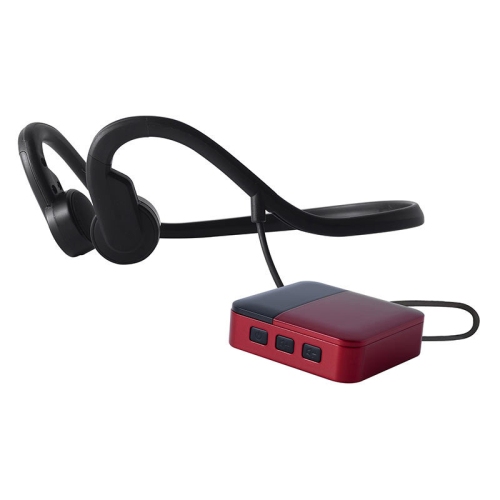
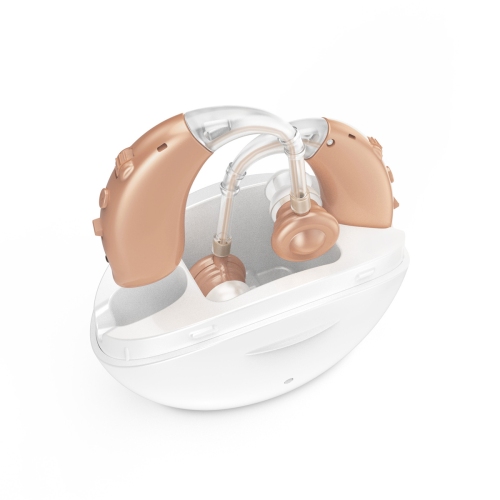

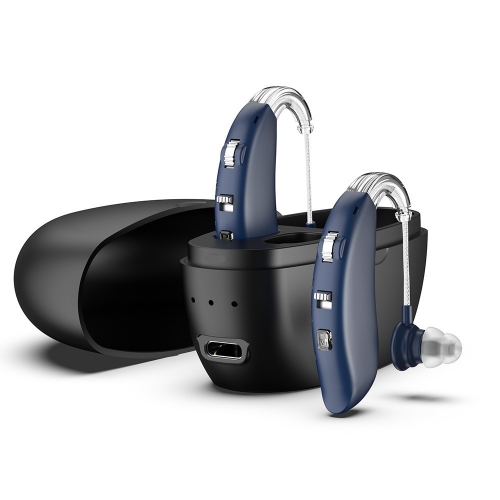
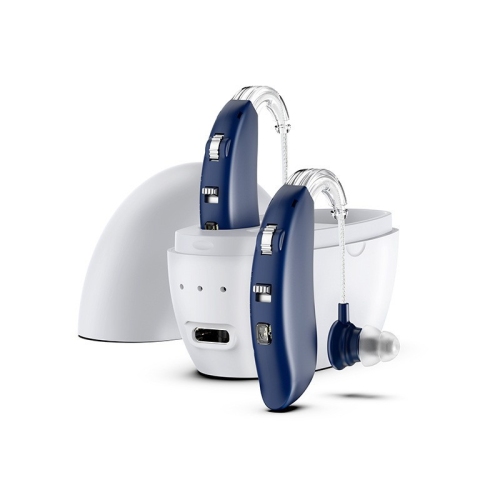
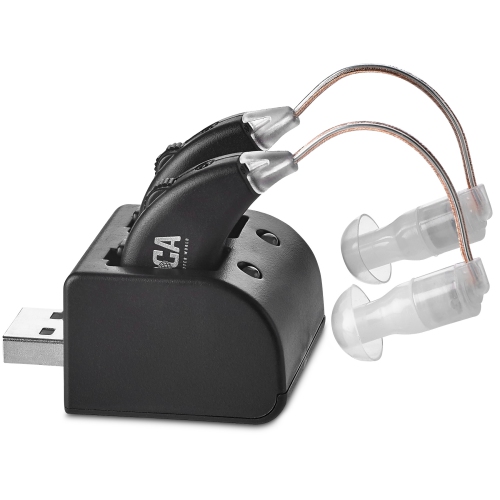
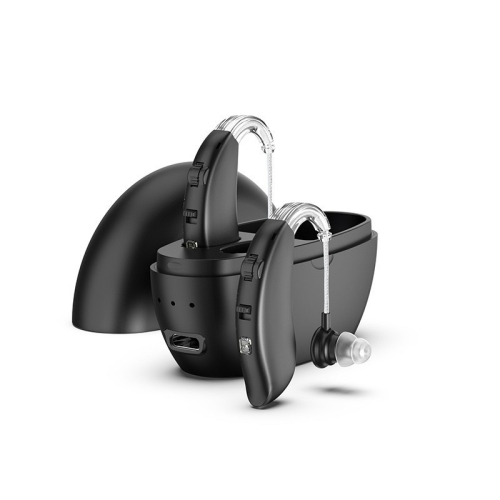
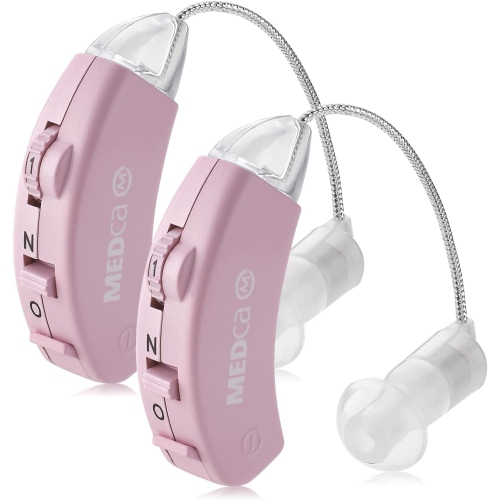
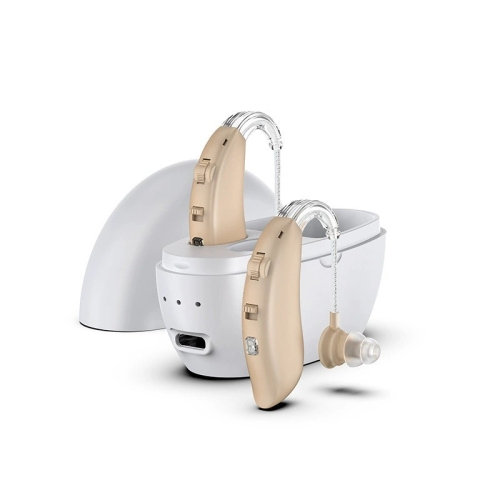
How fit, features, and care shape everyday hearing support
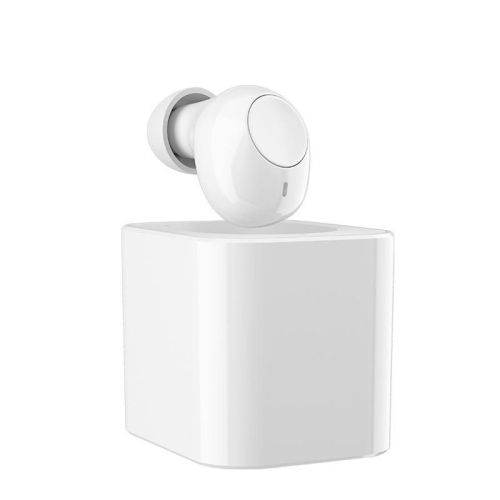
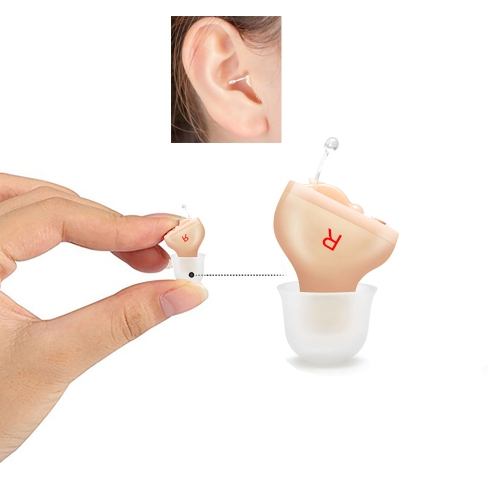
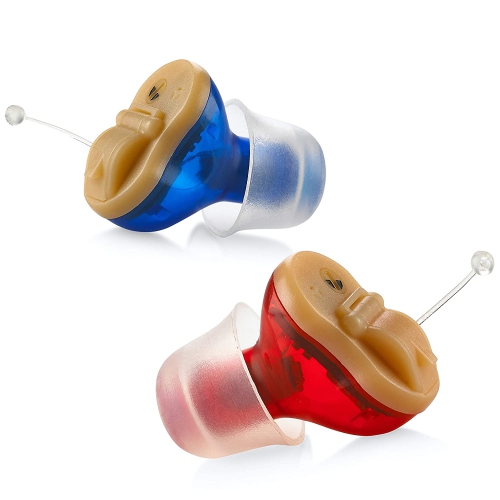
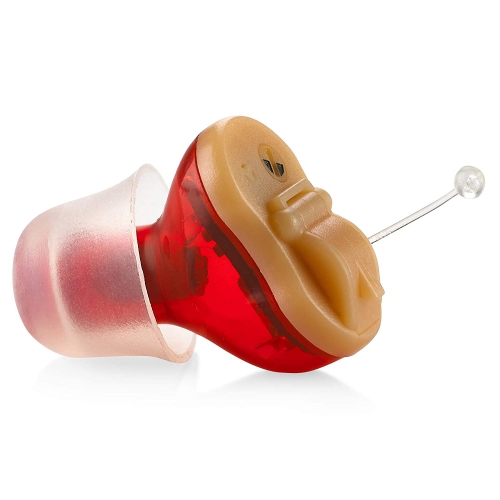
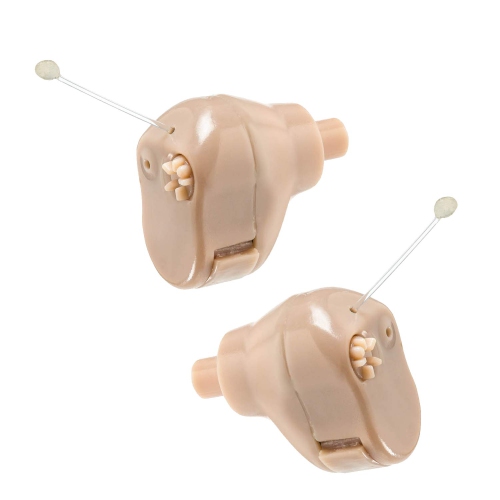
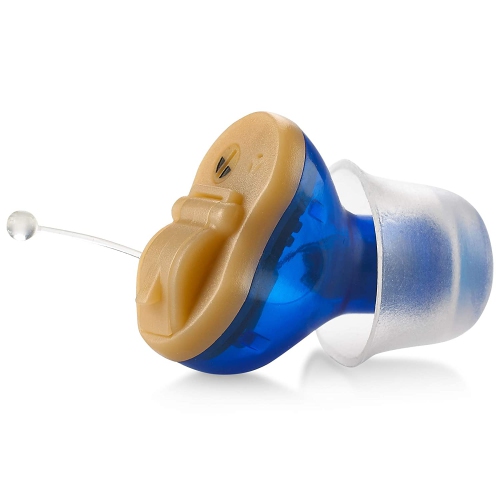
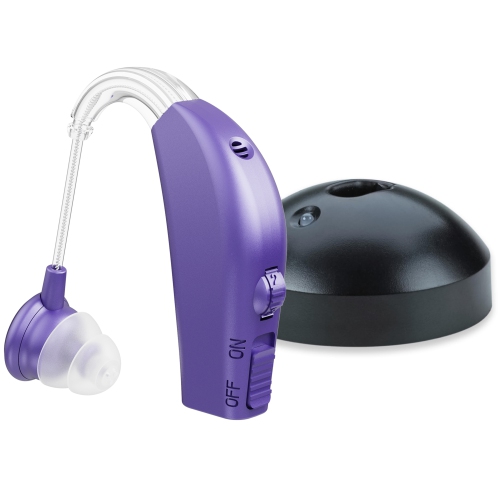
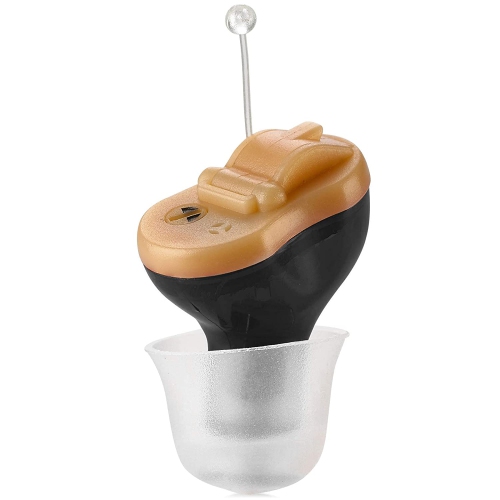
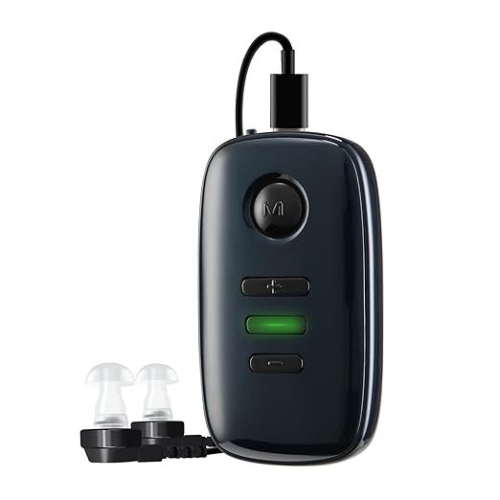
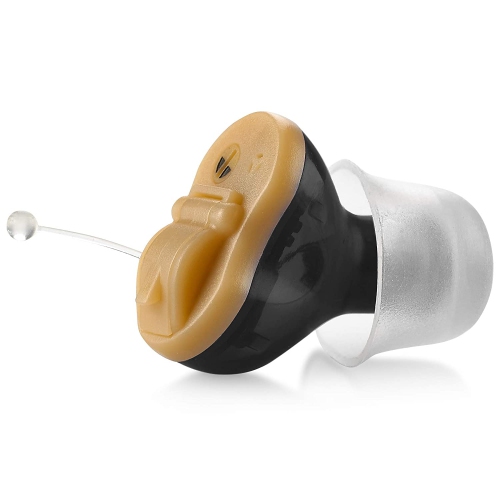
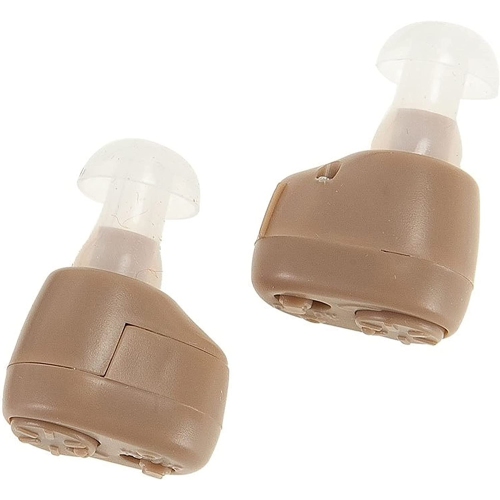
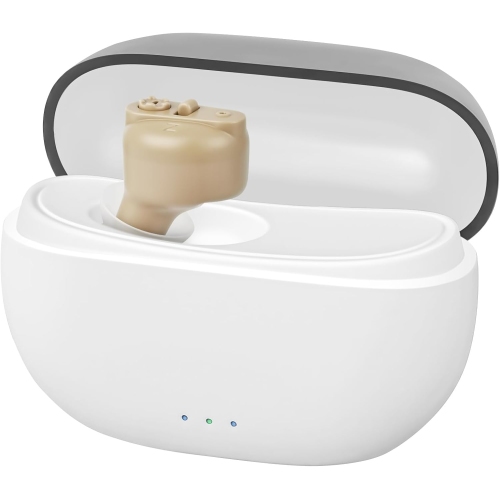
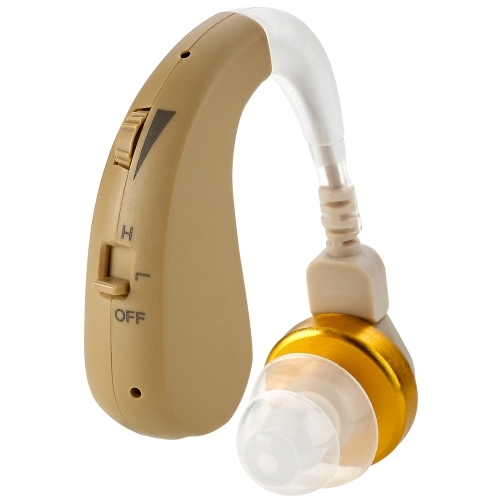
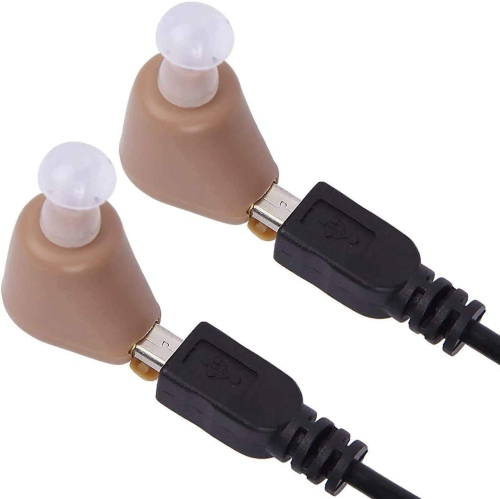
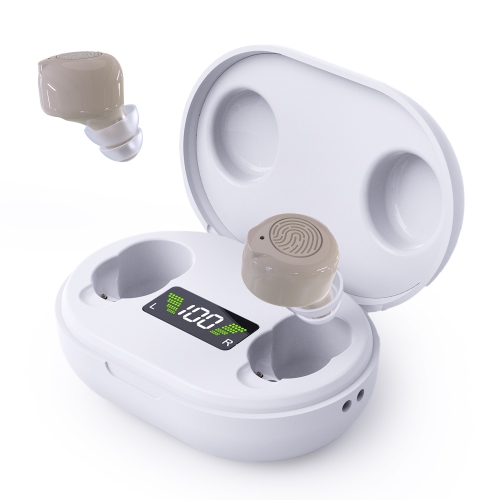
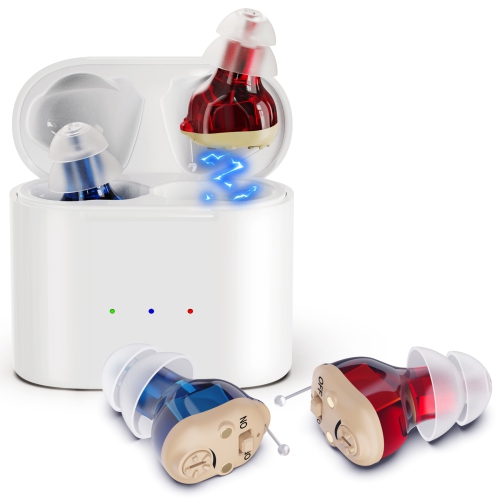
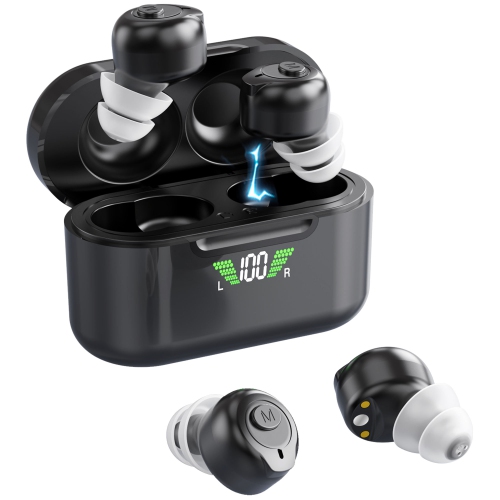
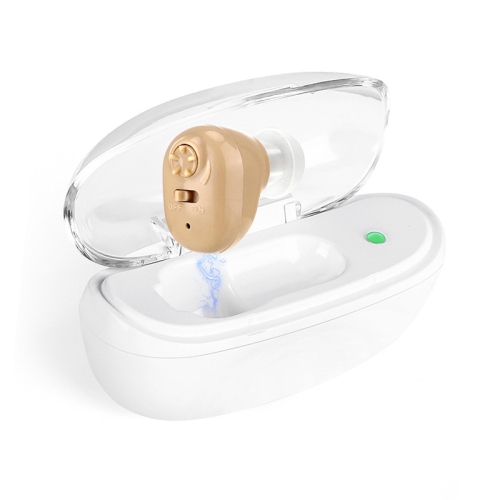
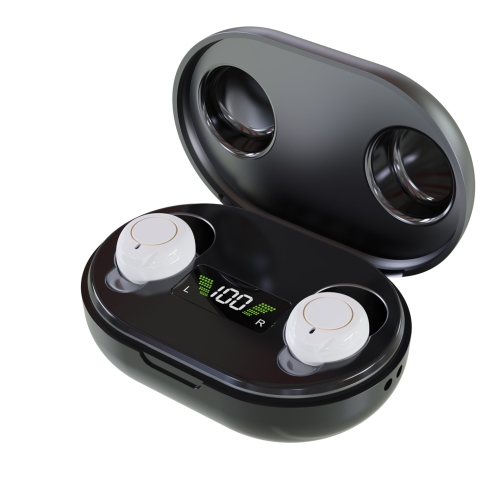
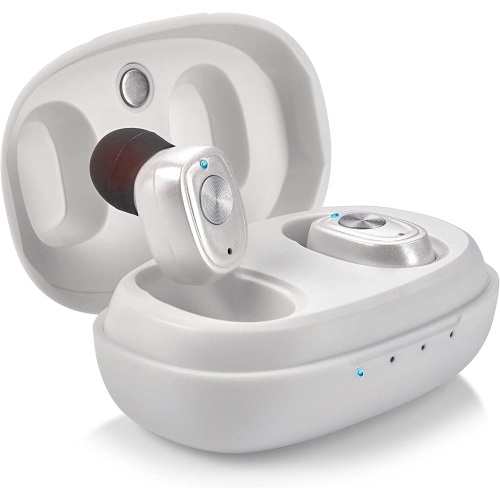
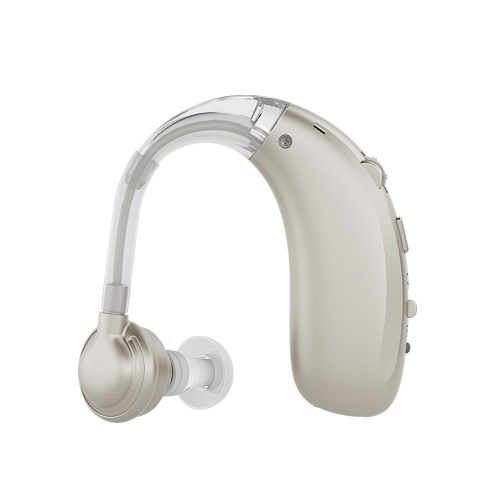
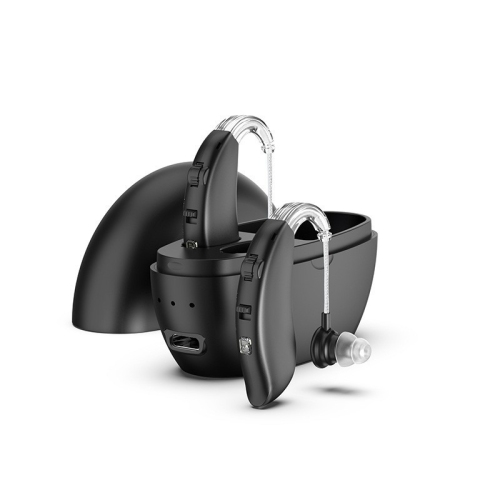
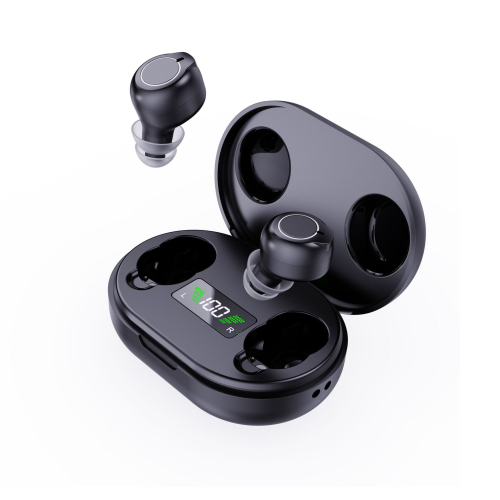
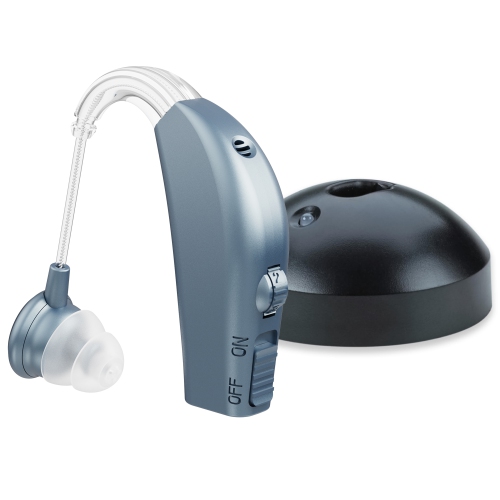
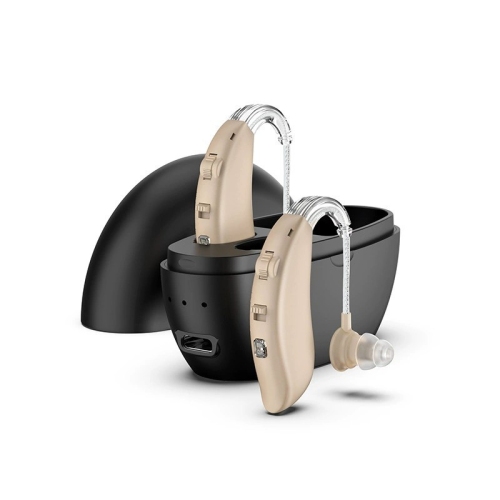
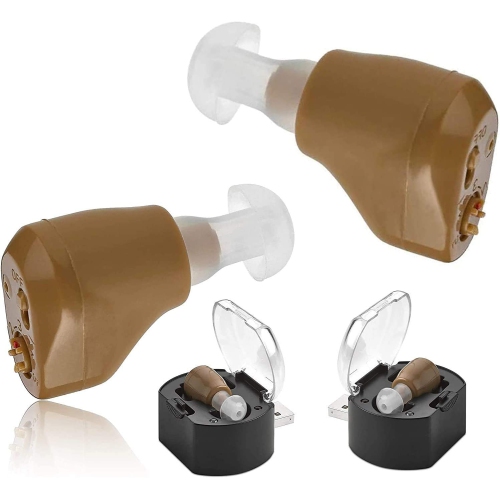
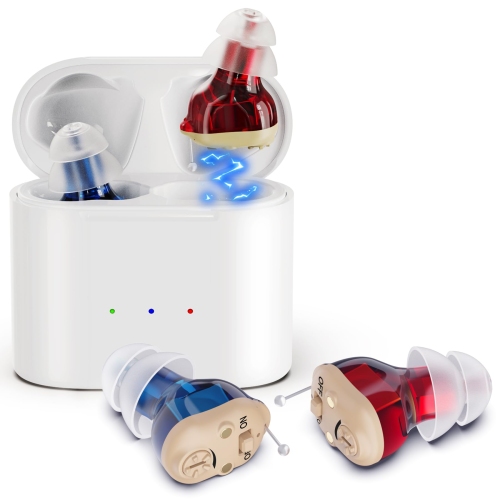
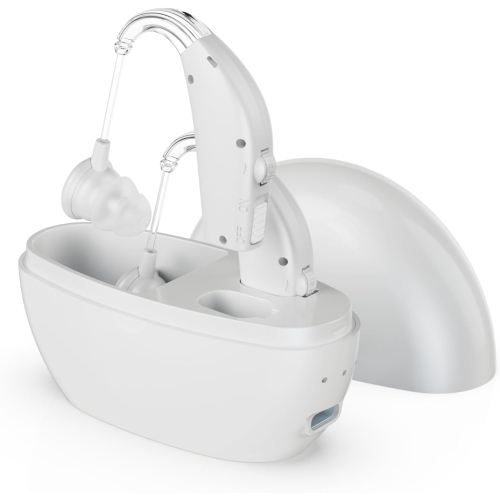
In-ear hearing aids are designed to sit inside the outer ear or ear canal, offering a discreet option for people who want hearing support without a larger device behind the ear. Depending on the design, an in-the-ear model may rest in the bowl of the ear, while an in-the-canal style sits farther inside the ear canal. Invisible-in-the-canal (IIC) hearing aids are positioned deeply and are usually difficult to see when worn. Completely-in-the-canal (CIC) models sit mostly inside the canal, with only a small faceplate or removal cord visible. In-the-canal (ITC) hearing aids fill part of the lower ear bowl and may have room for additional controls or wireless features. Half-shell and full-shell in-the-ear styles occupy more of the outer ear and can be easier to insert, remove, and handle for people who prefer a slightly larger device. The right choice depends on the degree and type of hearing loss, the shape of the ear, comfort preferences, dexterity, and the features that matter most in daily life. A hearing care professional can assess hearing needs, confirm whether an in-ear style is suitable, and help with fitting and programming. For people who want a different placement, behind-the-ear designs are also worth exploring through BTE Hearing Aids.
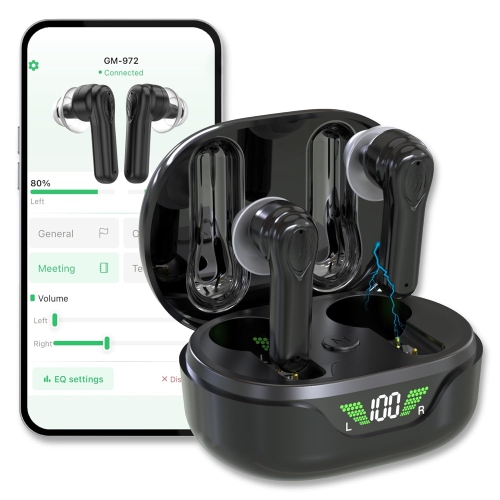
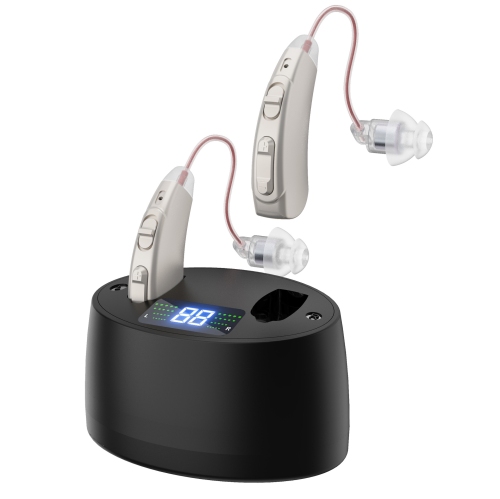
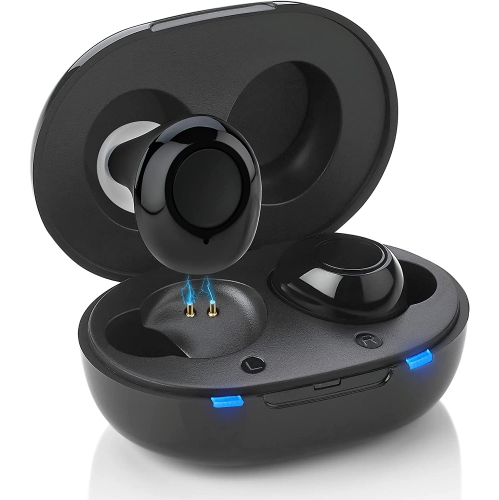
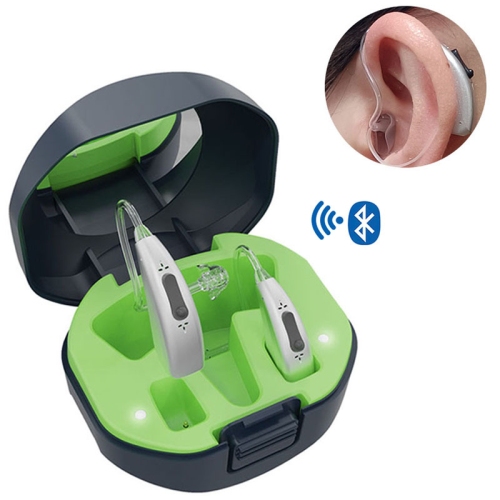
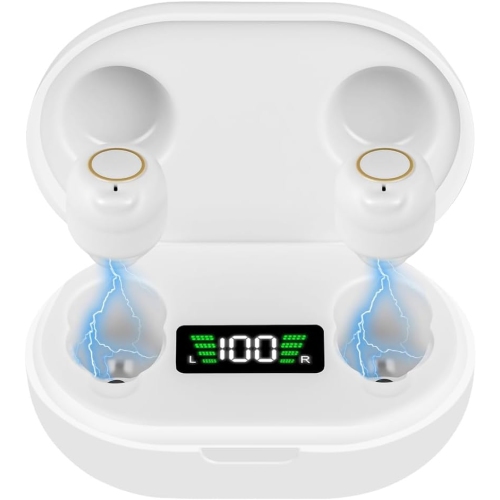
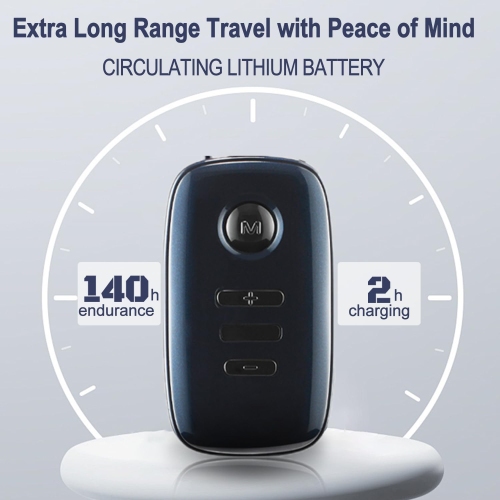
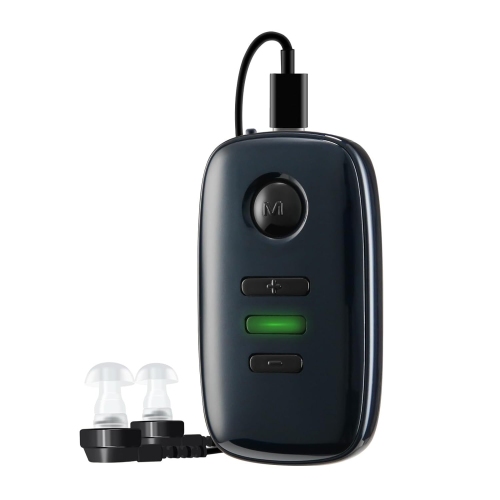
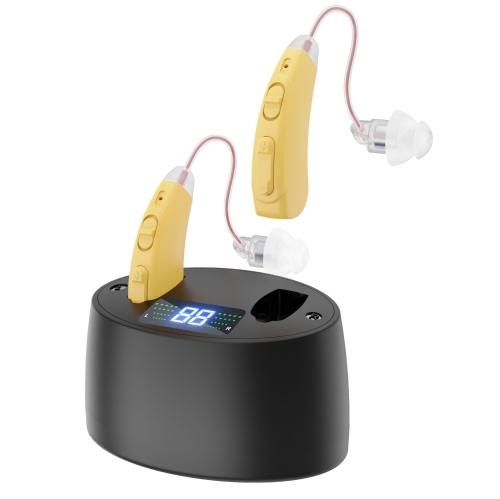
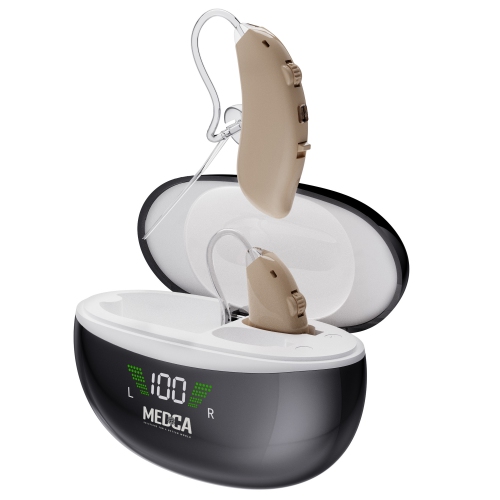
A discreet in-ear design can be especially appealing for conversations in quiet rooms, family gatherings, community activities, and everyday errands. Because the device sits within the ear, it does not usually compete for space with glasses, hats, hoods, or scarves, which can be convenient during cooler months. Its placement may also reduce the sensation of wind noise when walking outdoors, although performance varies by model, fit, and listening environment. Some in-ear hearing aids include directional microphones that help focus on speech across a table, feedback management for a clearer listening experience, and different listening programmes for settings such as restaurants, meetings, or outdoor spaces. Wireless connectivity may allow compatible models to stream audio from a smartphone, tablet, or television, while app controls can make it easier to adjust volume and settings without touching the device. Battery preferences are another important consideration. Rechargeable hearing aids can be placed in a charging case overnight, which suits someone who follows a dependable routine. Disposable battery models can be useful for people who want to carry spare batteries or prefer not to rely on a charging cycle. Tiny in-ear devices may have less room for a larger battery, so battery life can be shorter than with some larger hearing aids, particularly when wireless streaming is used frequently. It is helpful to consider how often the device will be worn, whether it will be used for phone calls or television, and whether the wearer is comfortable handling small parts.
Fit and day-to-day care are just as important as technology. An in-ear hearing aid should feel secure without creating painful pressure, and it should not cause persistent soreness, rubbing, blocked sensations, or unusual feedback. Custom-moulded devices are shaped for an individual ear, while other designs use interchangeable tips or shells to create a comfortable seal. A proper fit can support clearer sound and help prevent the device from loosening while speaking, walking, or eating. Since the device sits close to earwax and moisture, regular cleaning is essential. Earwax can block openings and microphones, while sweat, condensation, and water can affect performance. Follow the manufacturer’s care instructions, keep the hearing aid away from showers and swimming unless it is specifically rated for that use, and store it in a dry location when it is not being worn. Never insert sharp objects into the sound outlet, and arrange professional cleaning or servicing if sound becomes weak, muffled, distorted, or intermittent. People with limited hand dexterity may find very small IIC or CIC models challenging to insert, remove, or maintain, while a half-shell or full-shell design may provide a larger surface to grip. An in-ear hearing aid can be a thoughtful gift for someone who has already discussed hearing support with a qualified professional, but hearing devices are highly personal and should not be chosen solely for appearance. A considerate approach is to support the recipient in arranging a hearing assessment, comparing comfort and amplification needs, and learning how to use and care for the device. With the right fit and realistic expectations, in-ear hearing aids can make speech, familiar voices, television dialogue, and everyday sounds easier to follow while helping the wearer stay connected in the moments that matter.
Top selling and popular products
-
 Your price for this item is $331.22
-
 Your price for this item is $159.99
-
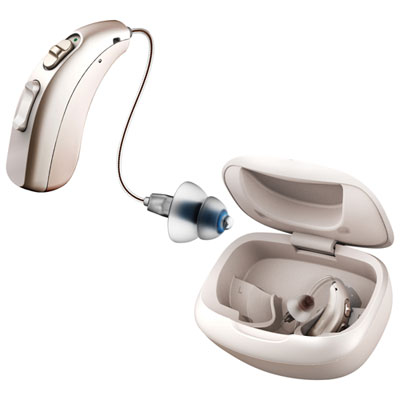 Your price for this item is $499.99
-
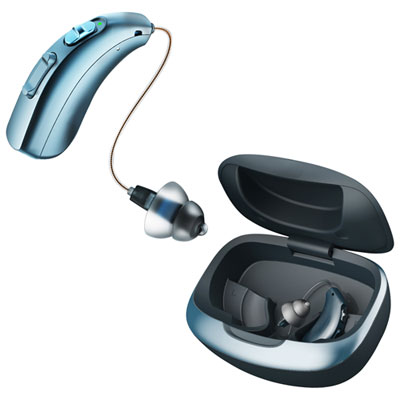 Your price for this item is $349.99
-
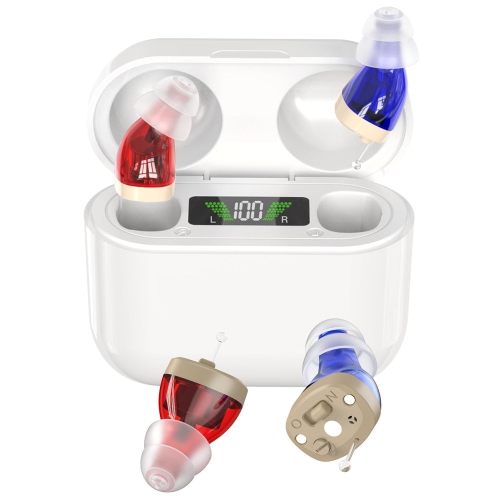 Your price for this item is $289.99
-
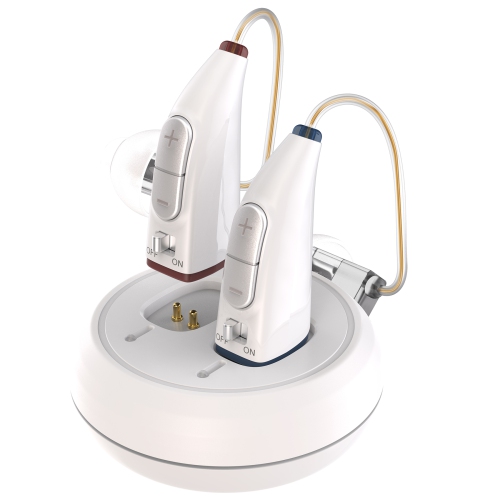 Your price for this item is $259.99
-
 Your price for this item is $36.24
-
 Your price for this item is $82.99
Discover more categories related to In Ear Hearing Aids

Top Collections:
Pokemon Centers, Kindle Devices, Best Budget Office Chairs, Canon G7X Cameras, Apple iPhones 16, Samsung Galaxy Phones, Refurbished Apple Laptops, Laptops for Students, iPhone 15 Apple, Budget Smartphones
Some products may be subject to Environmental Handling Fees
(EHF) depending on your province.
Learn more about EHFs.