Hearing Aids
Discover a world of enhanced hearing with our selection of cutting-edge hearing aids. Whether you're looking for discreet in-ear options or advanced behind-the-ear models, we have a range of solutions to suit your needs. Say goodbye to missing out on conversations or struggling to hear in noisy environments – our hearing aids are designed to provide clarity and comfort, helping you stay connected and engaged in every moment. Explore our collection today and experience the difference for yourself.
Sort
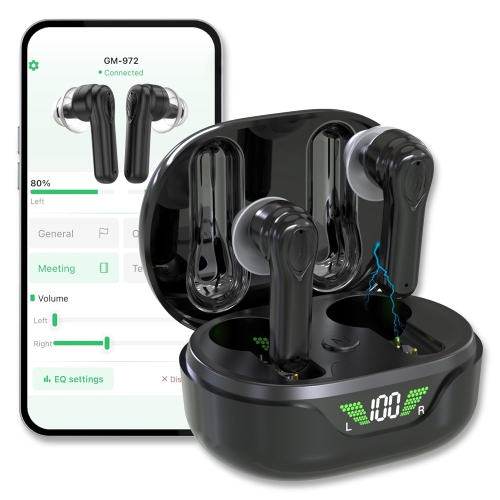
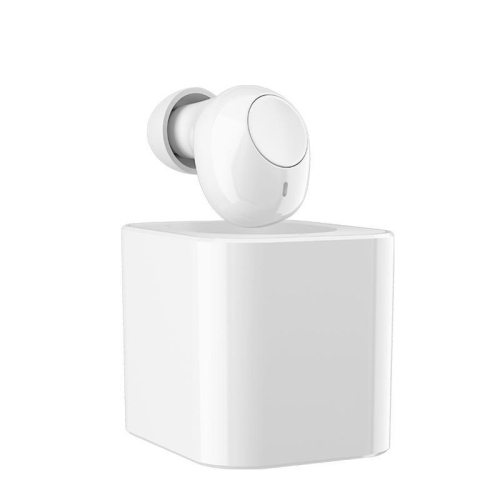
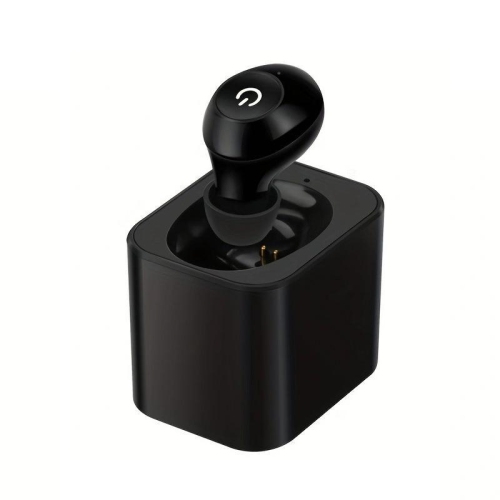
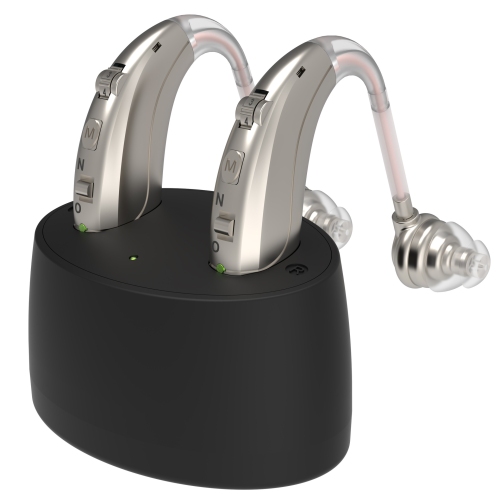


Understanding styles, features and hearing support options
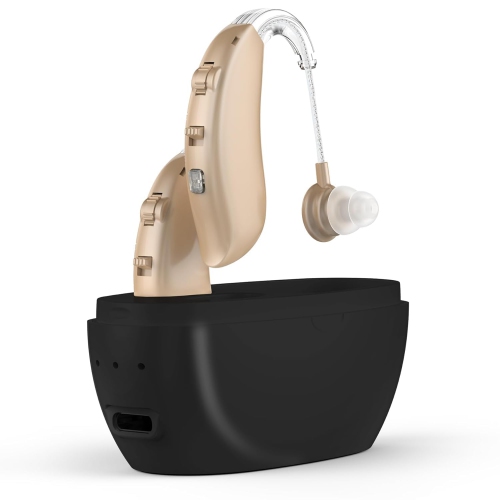
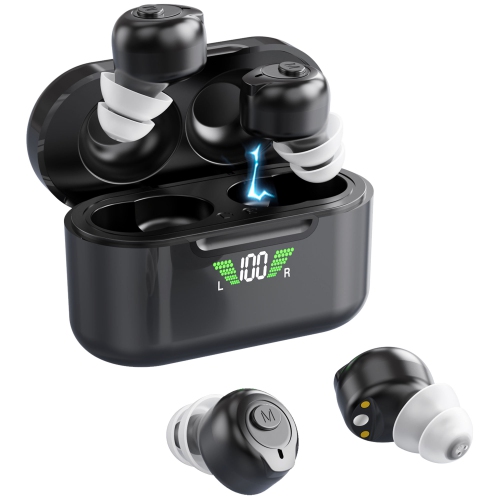
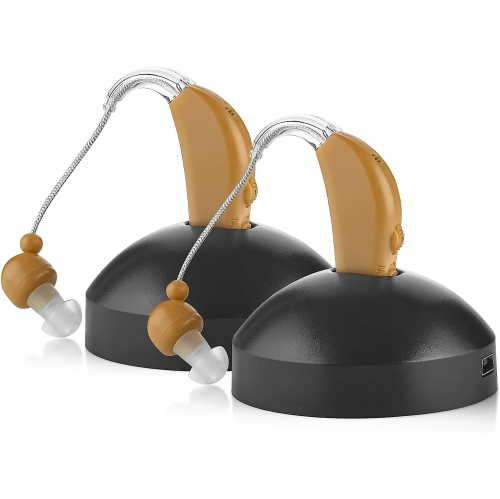
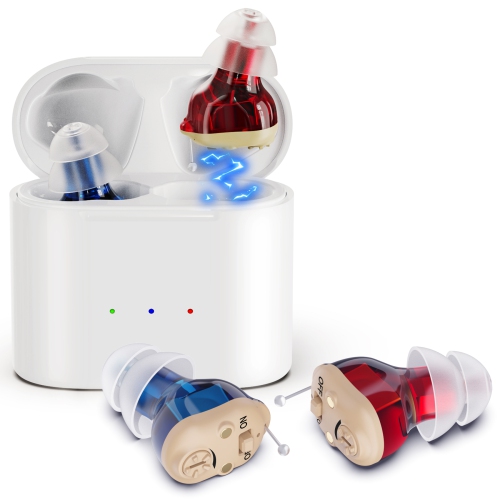
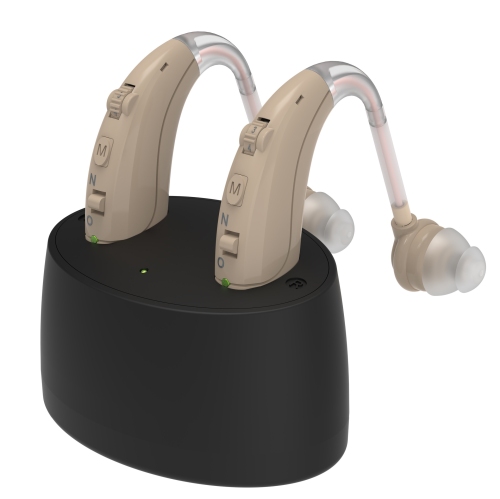
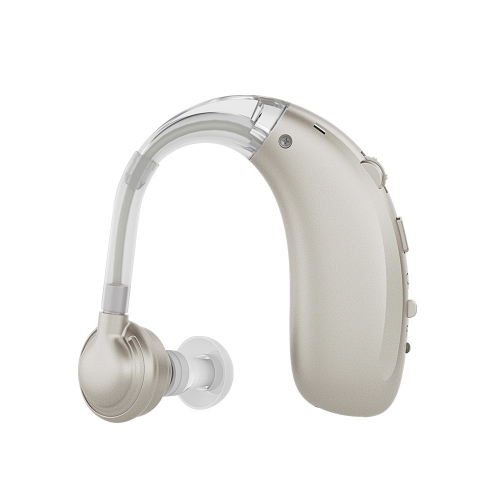
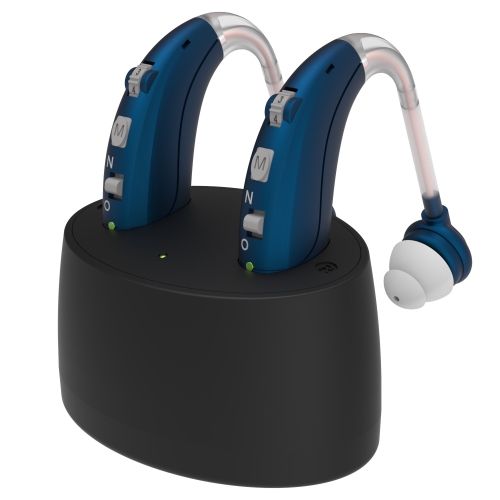
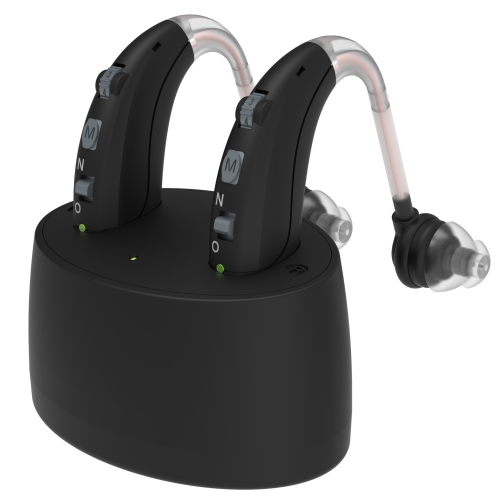
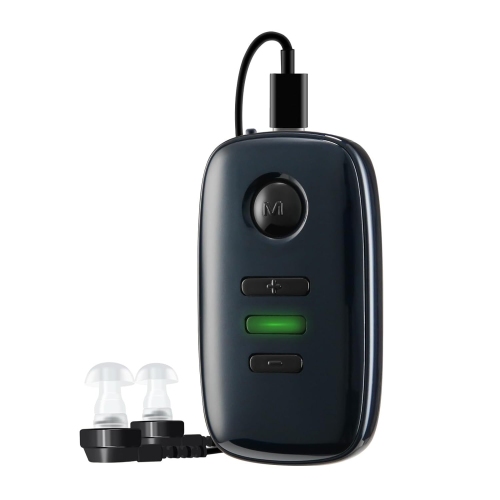
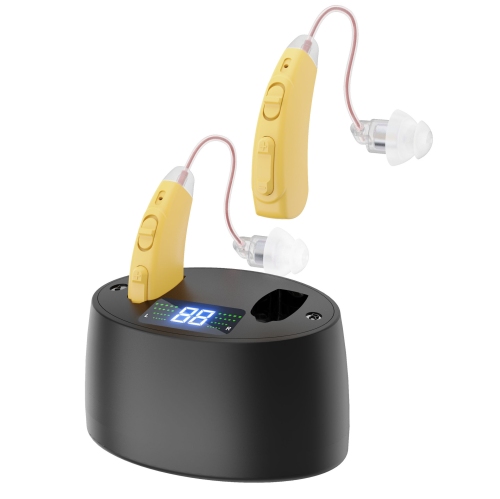
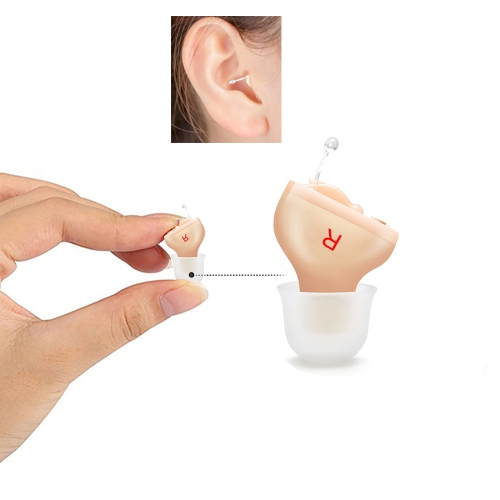
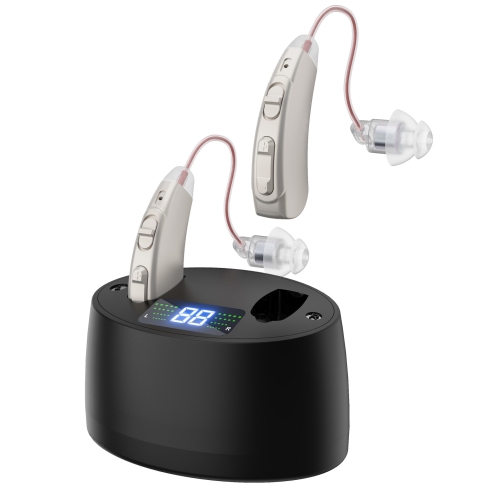
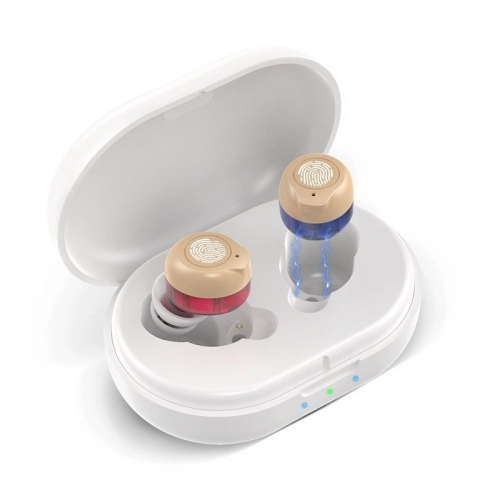
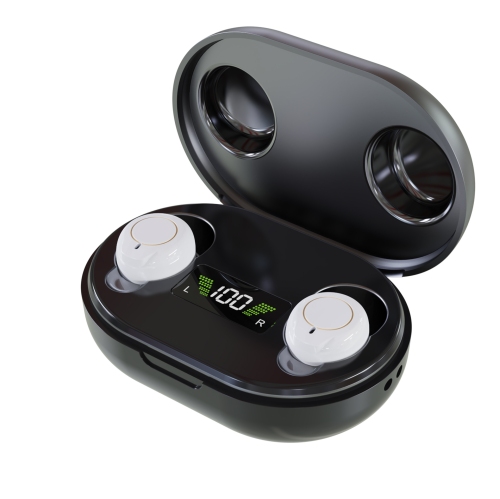
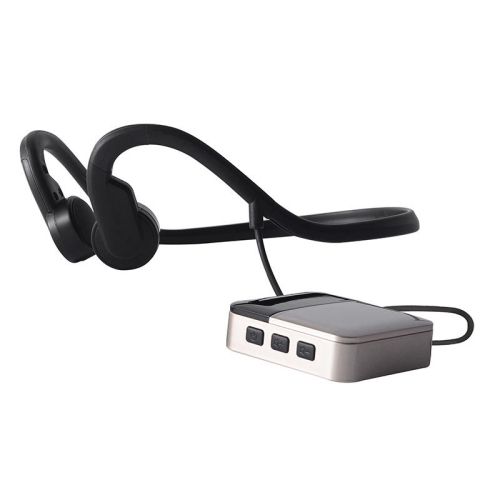
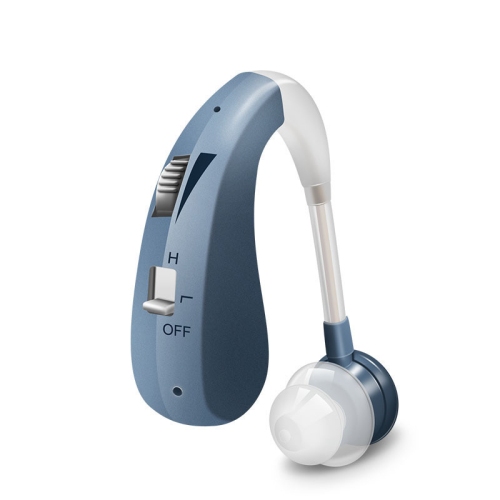
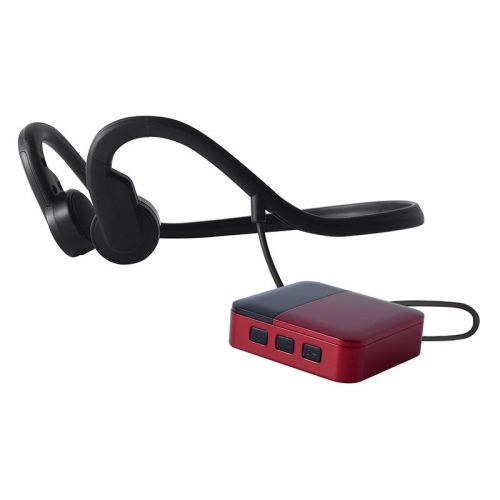
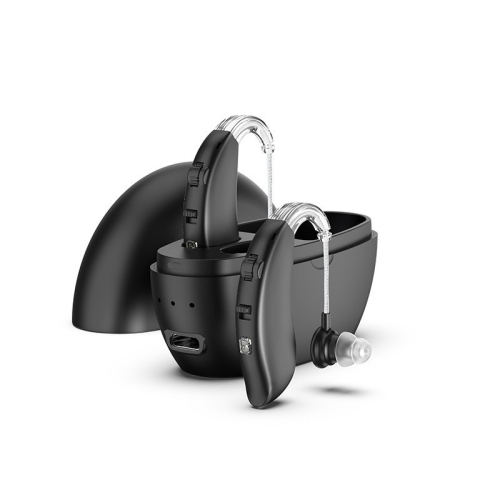
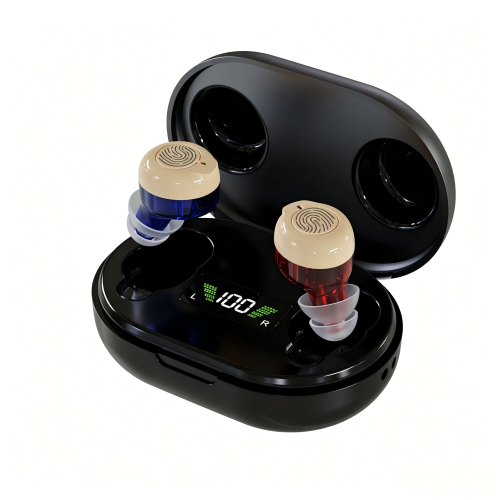
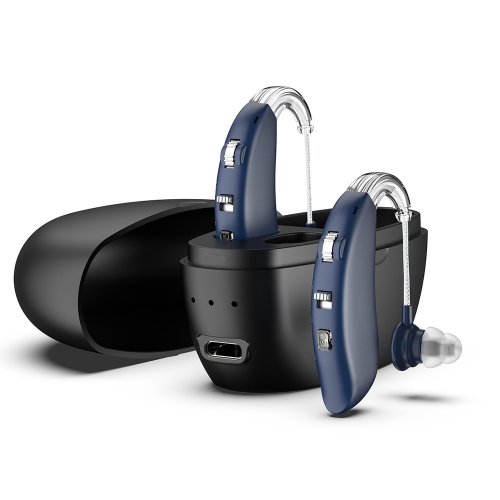
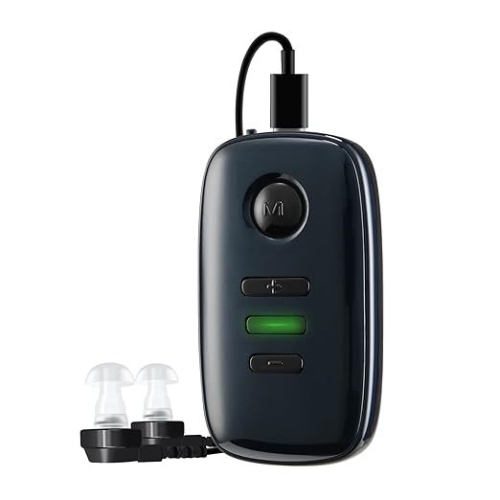
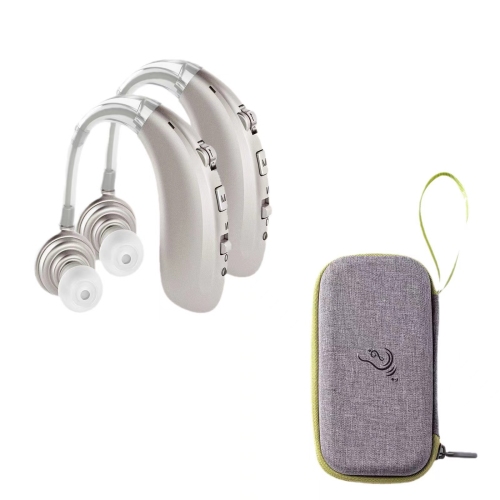
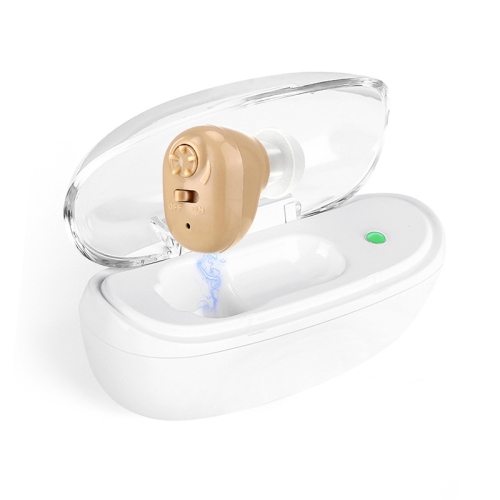
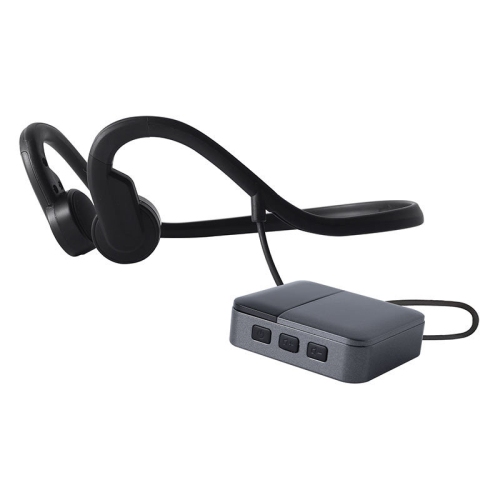
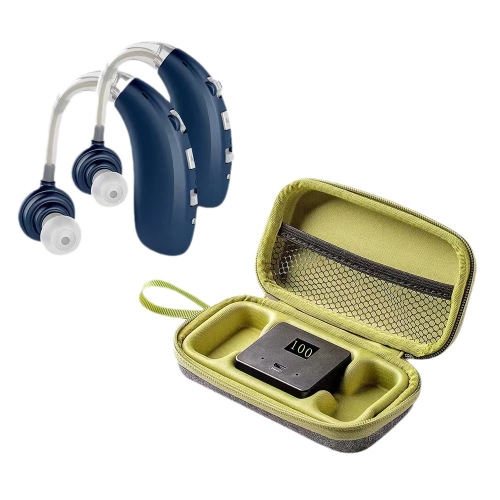
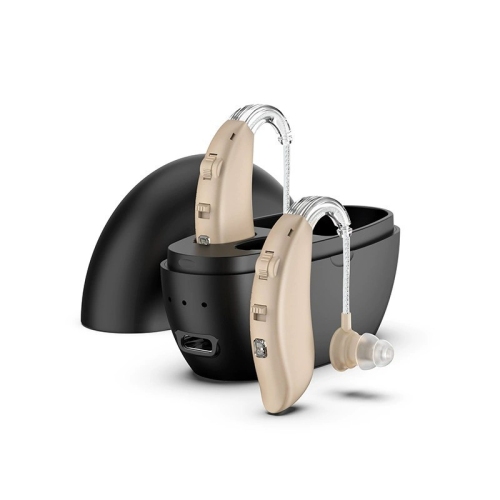
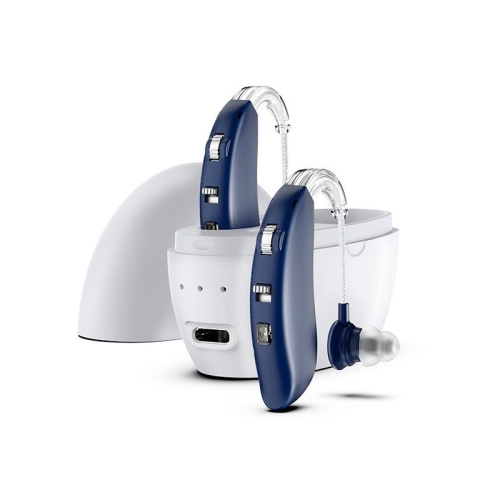
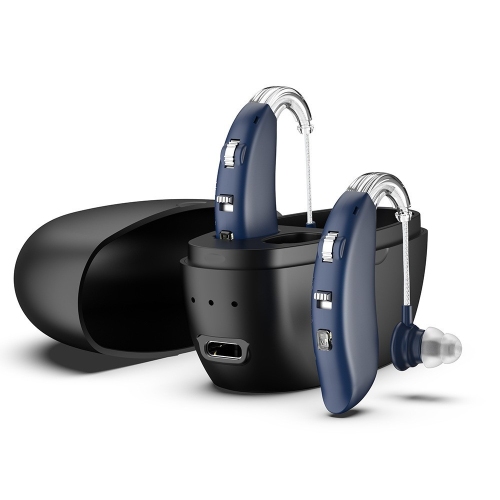
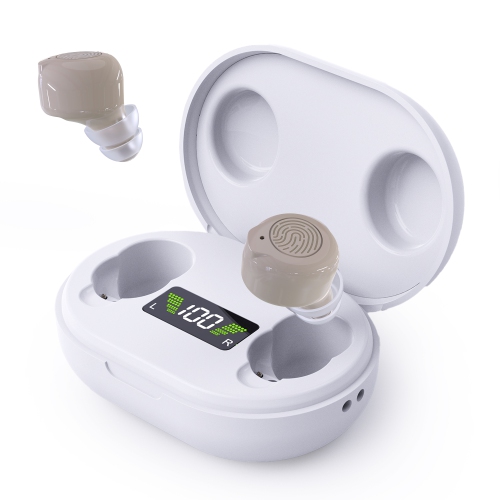
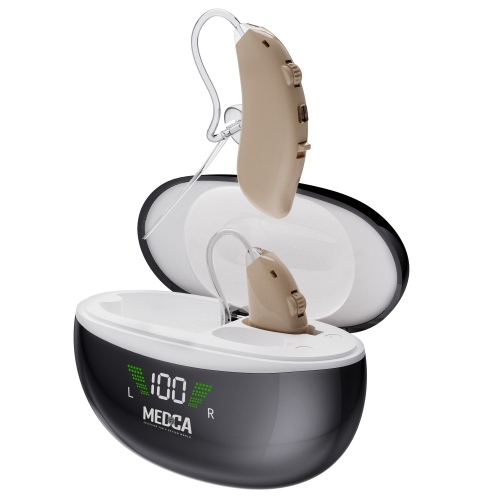
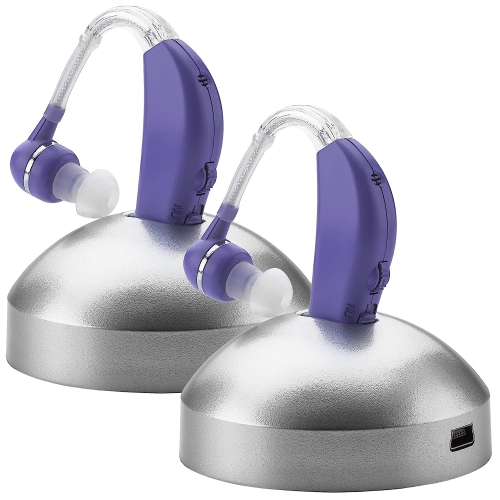
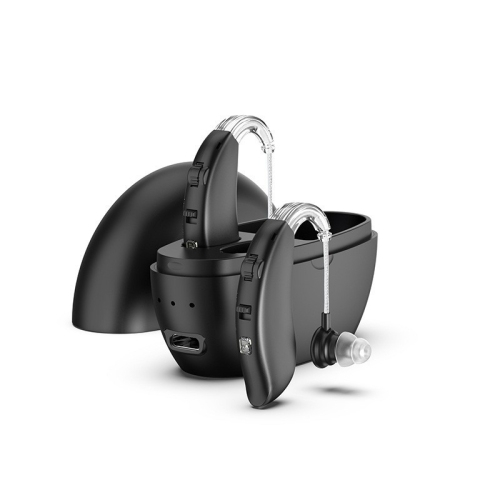
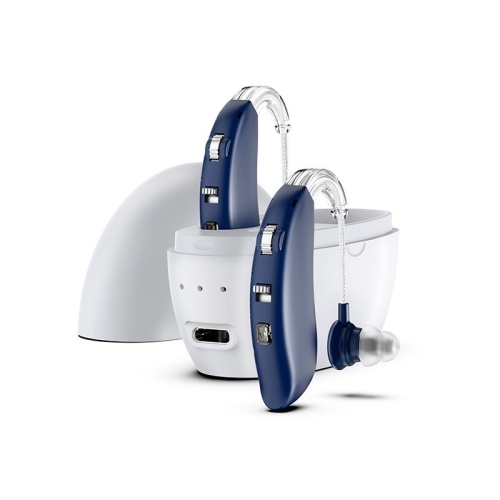
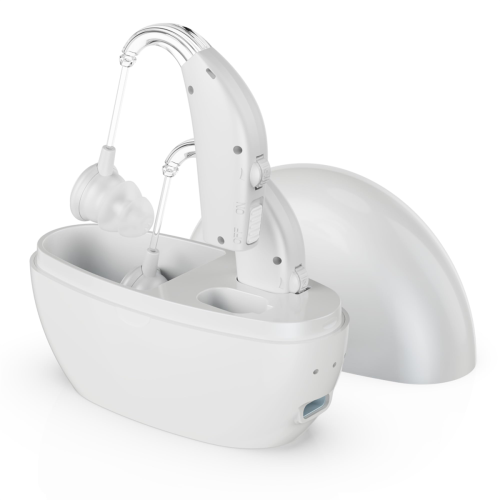
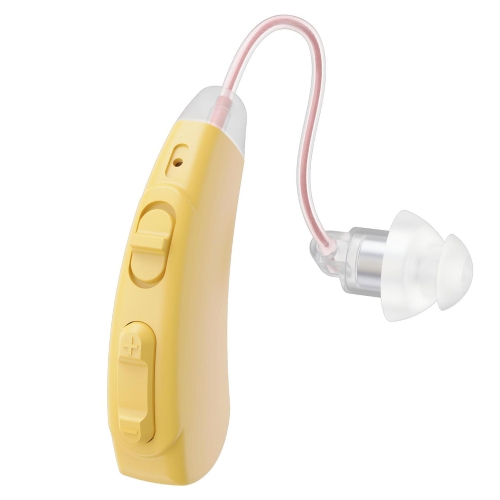
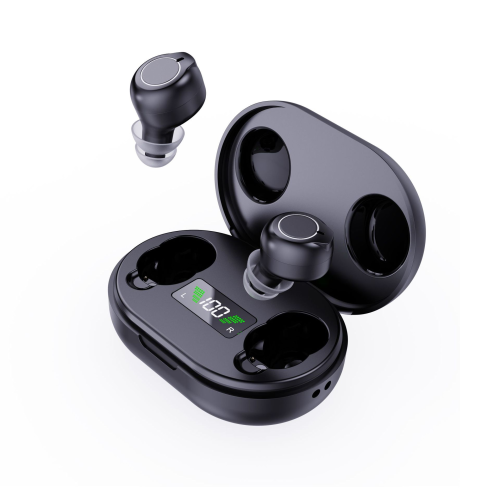
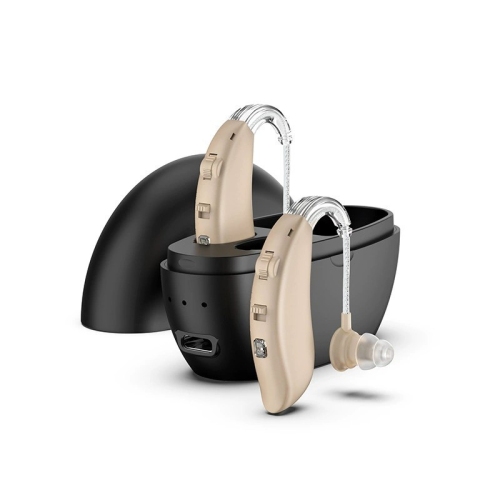
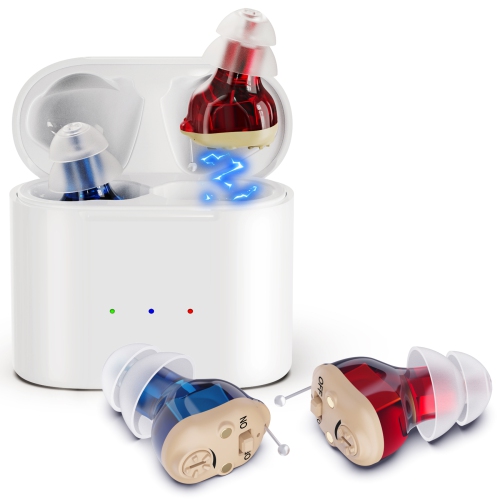
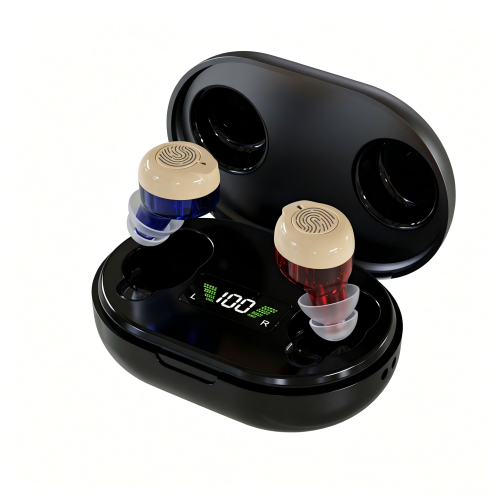
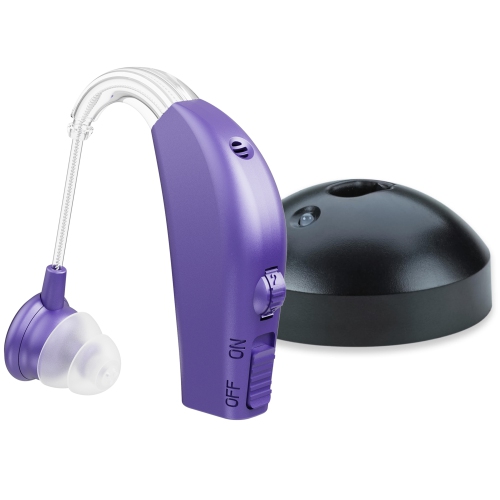
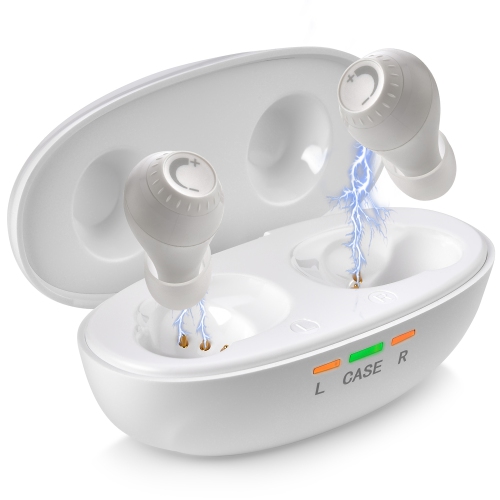
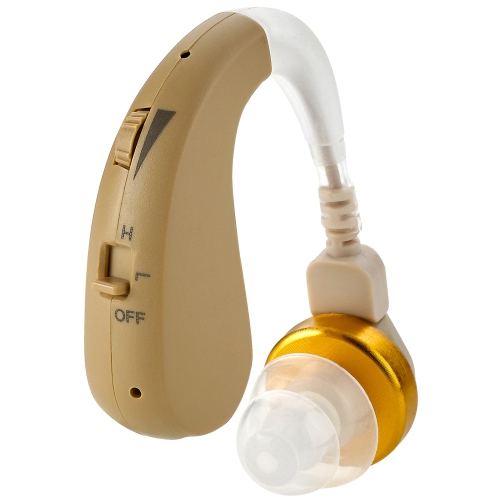
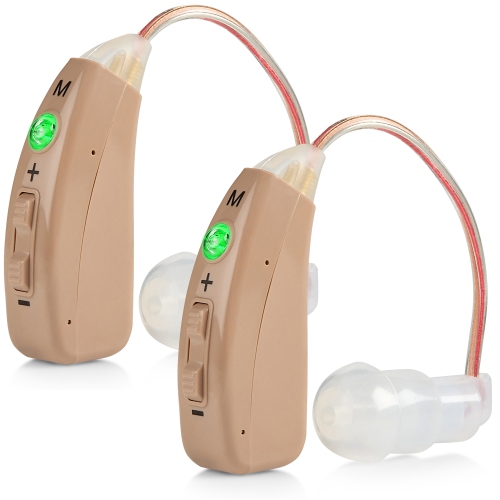
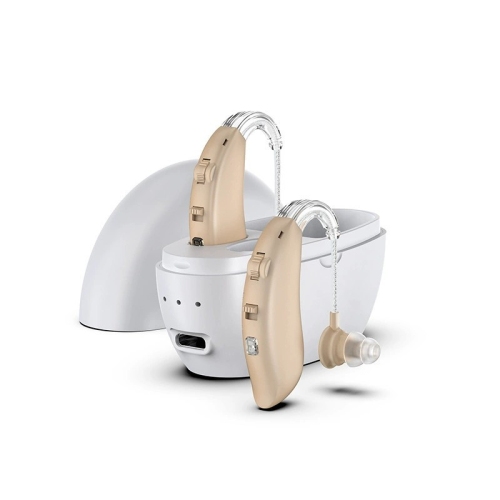
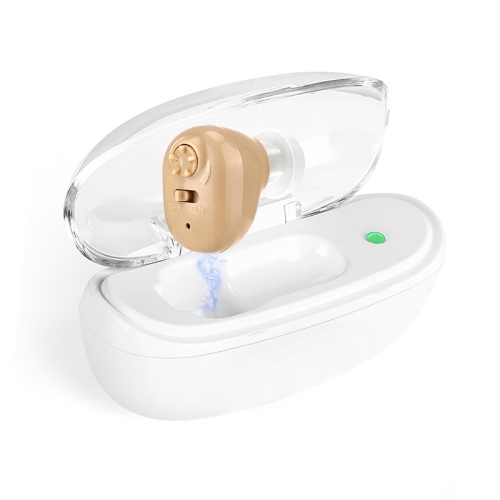
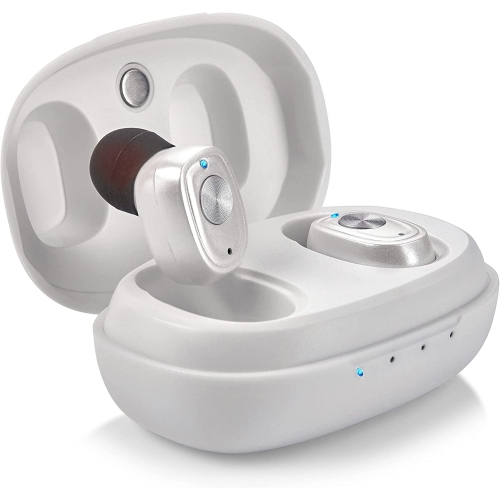
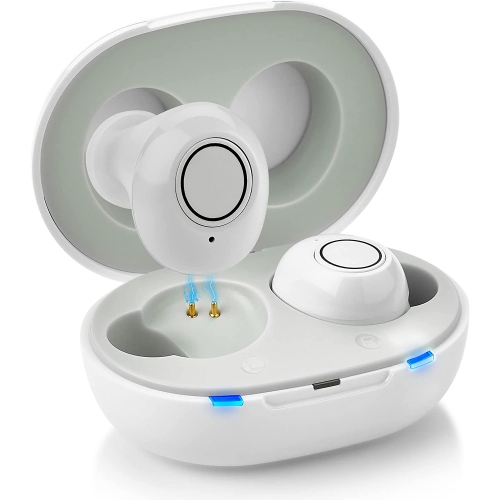
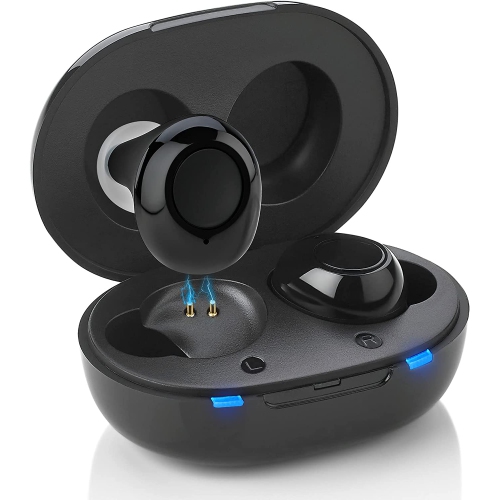
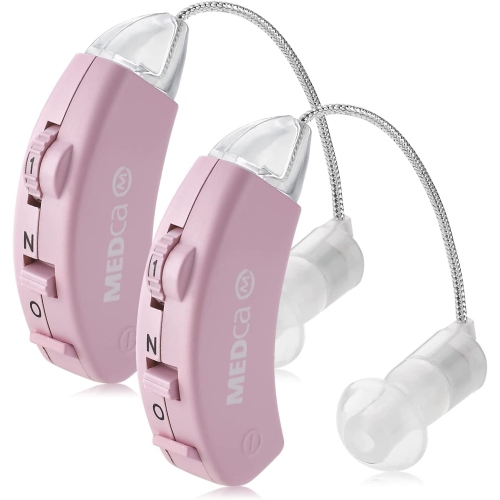
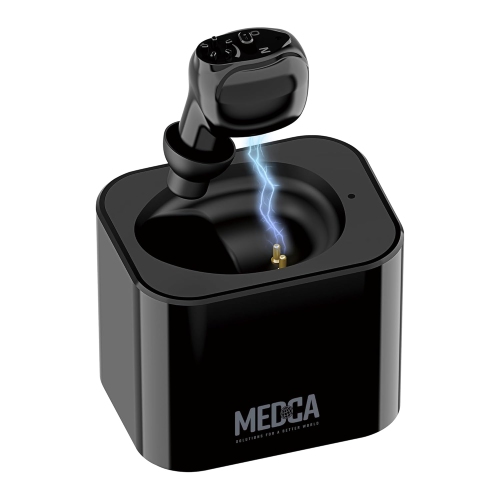
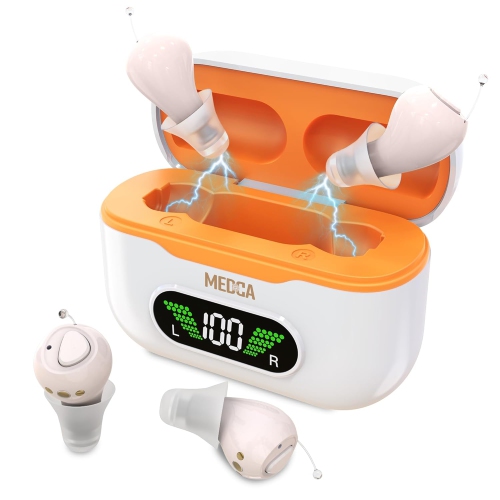
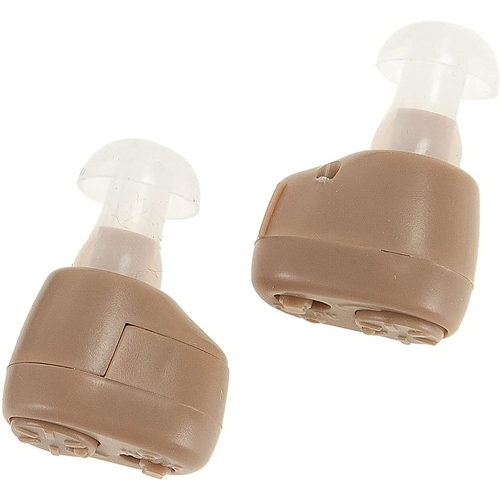
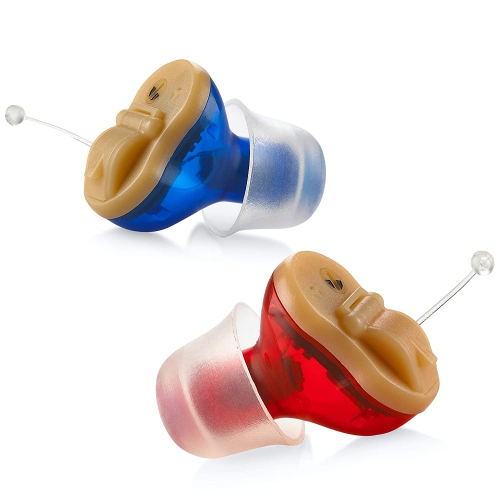
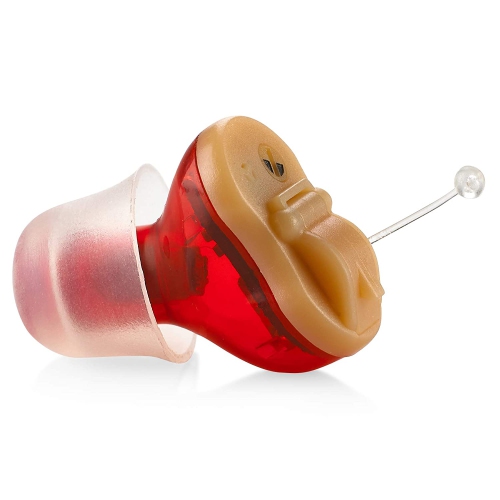
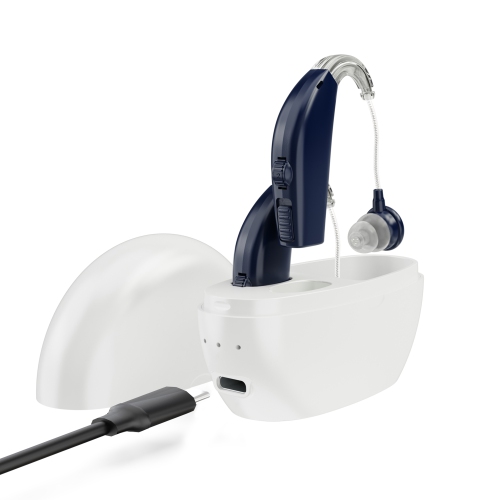
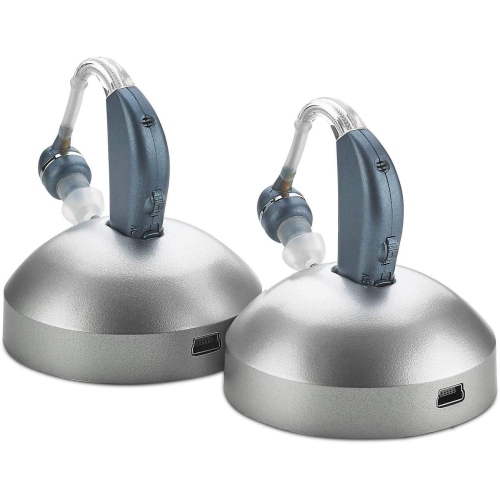
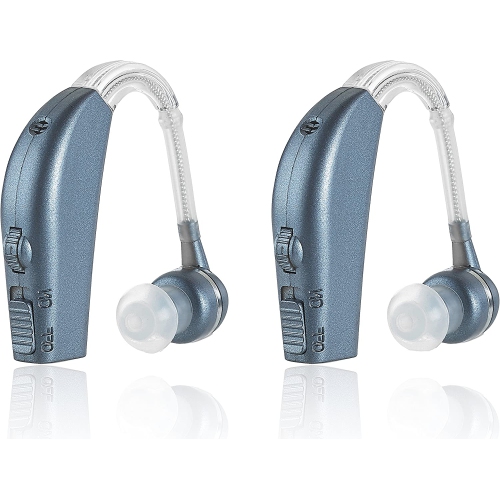
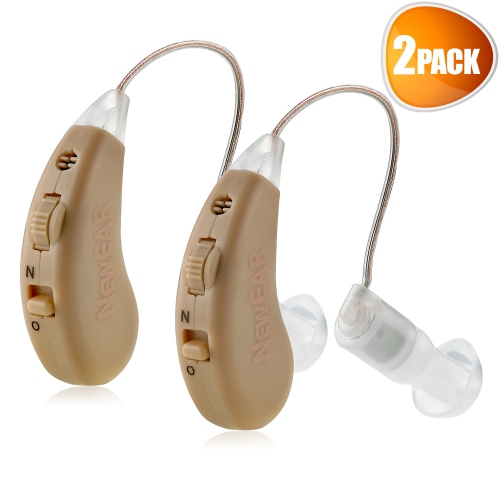
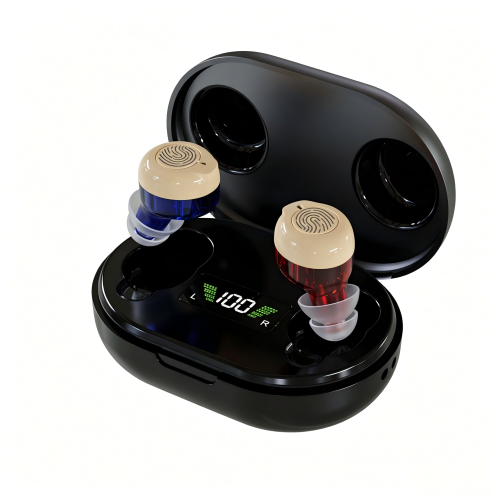
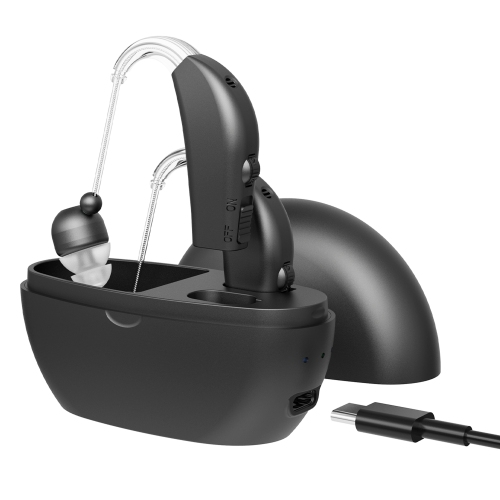
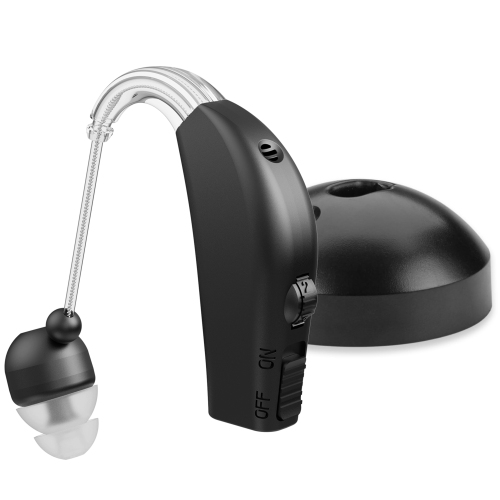
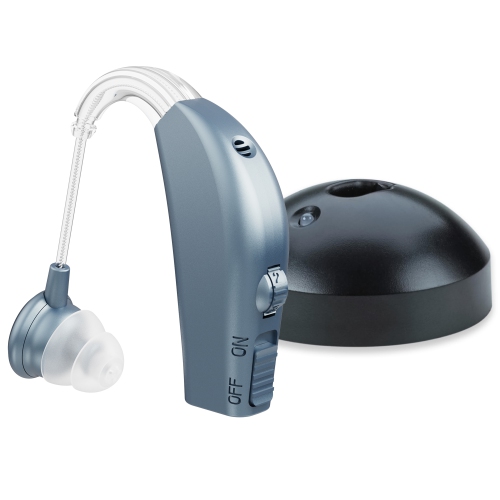
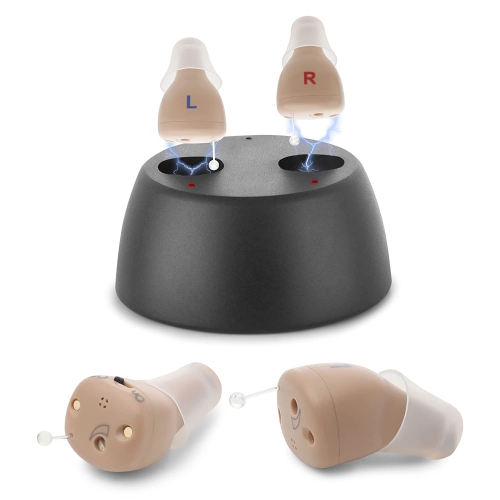
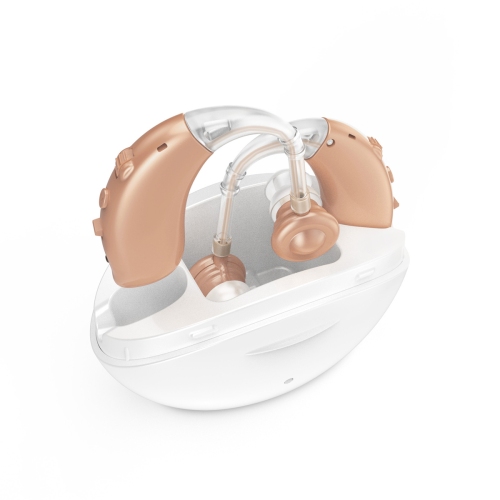
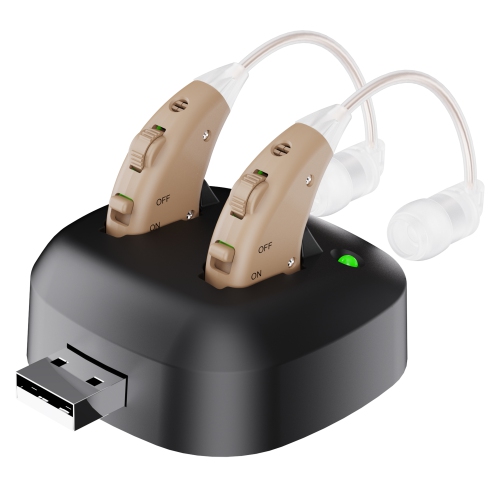
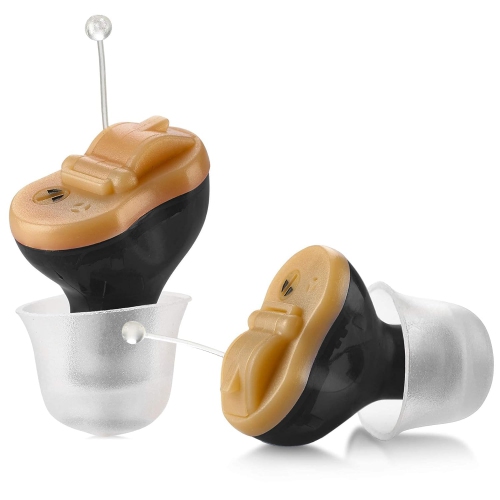
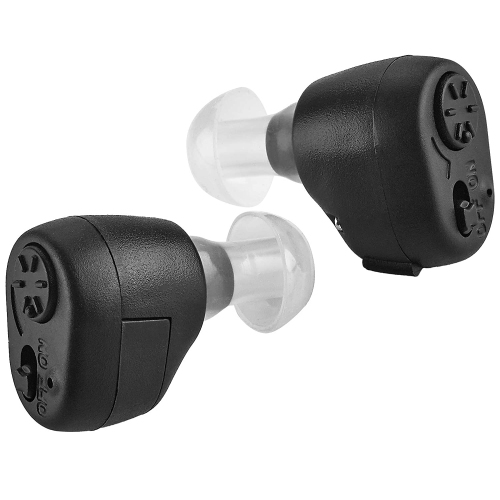
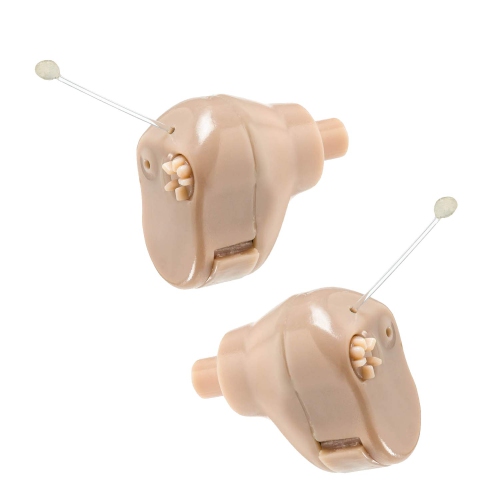
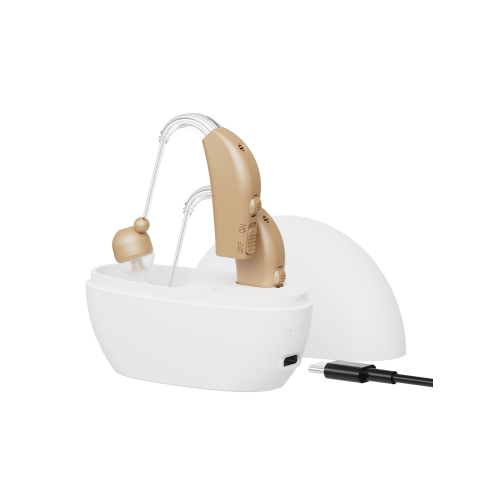
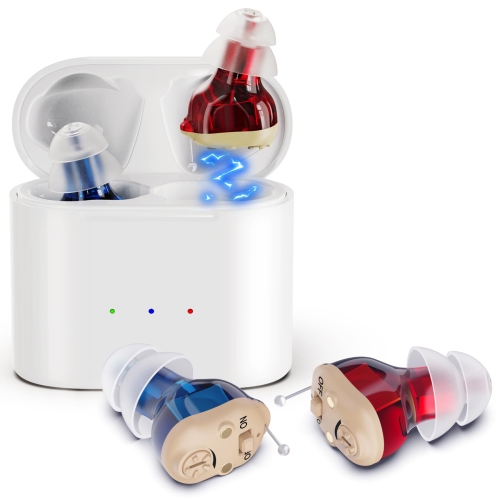
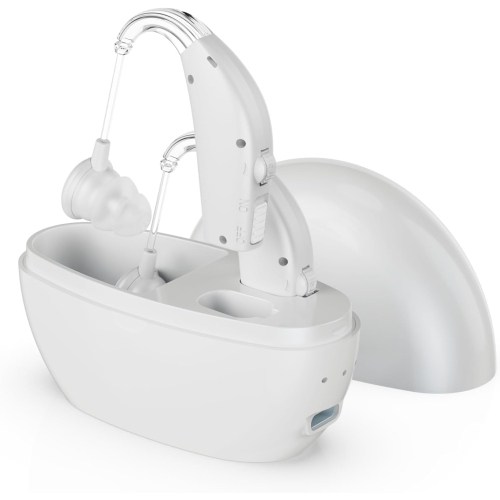
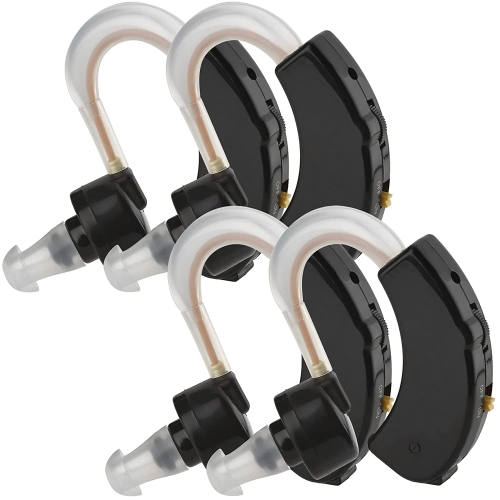
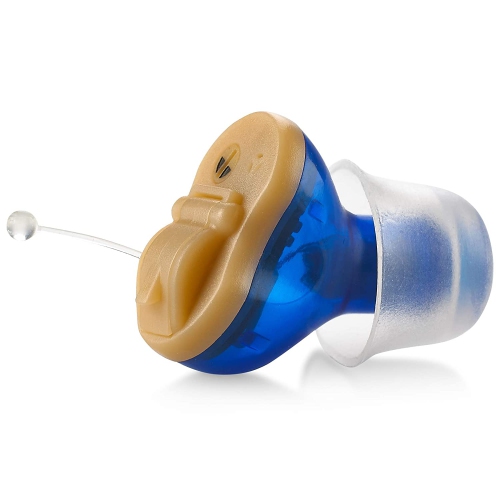
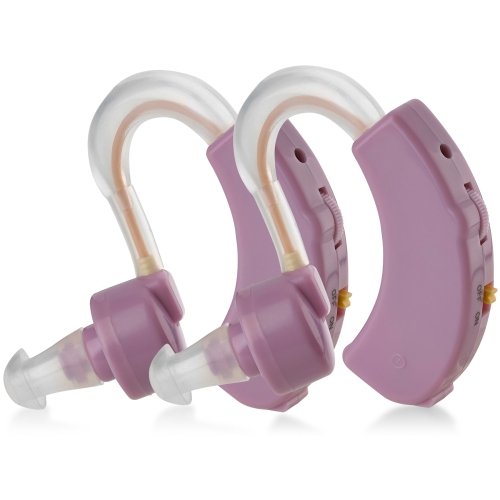
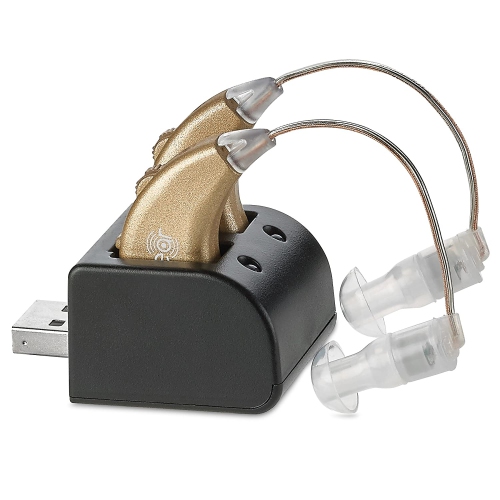
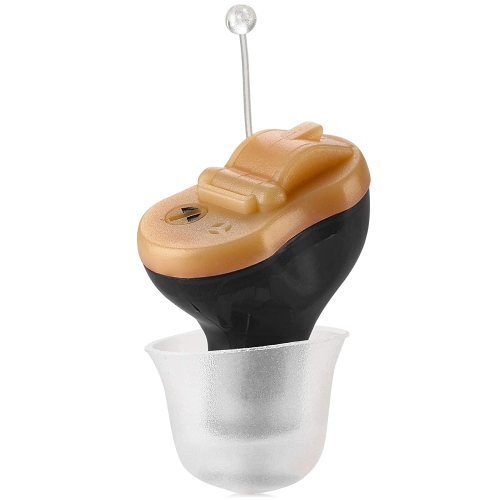
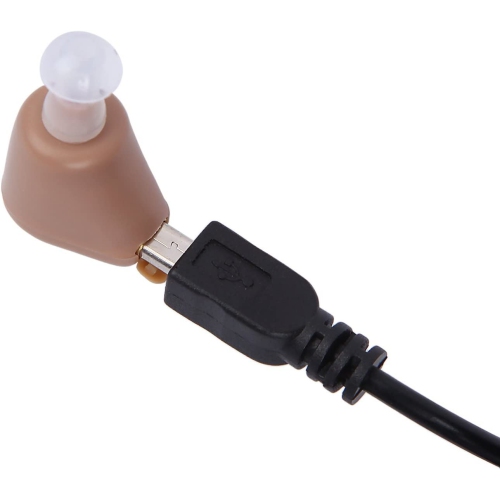
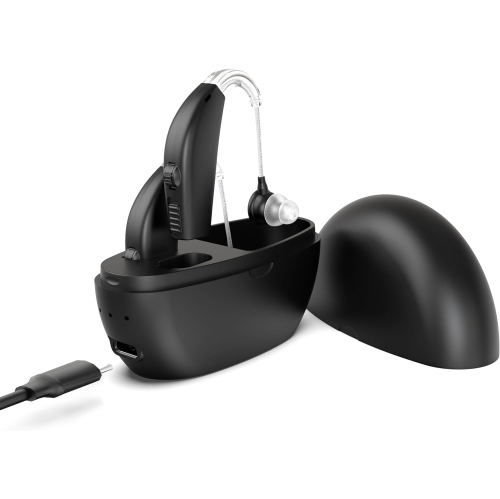
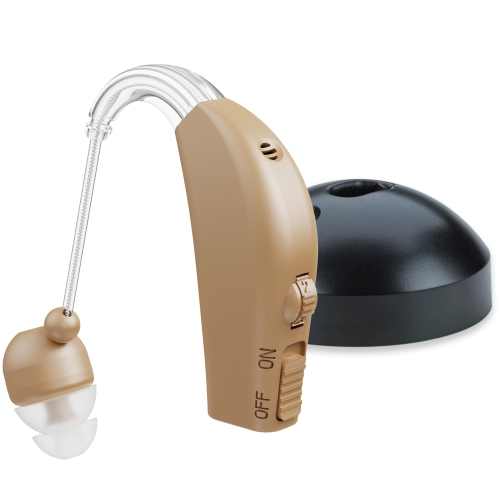
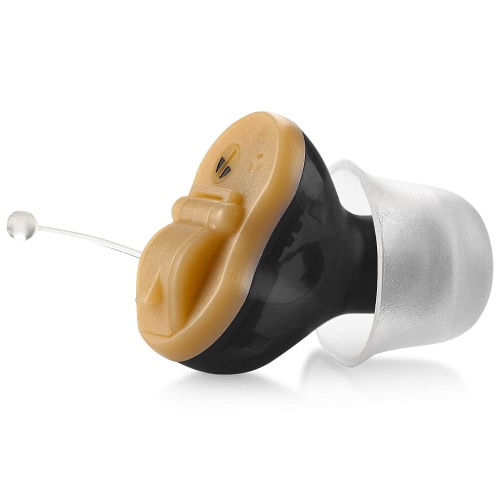
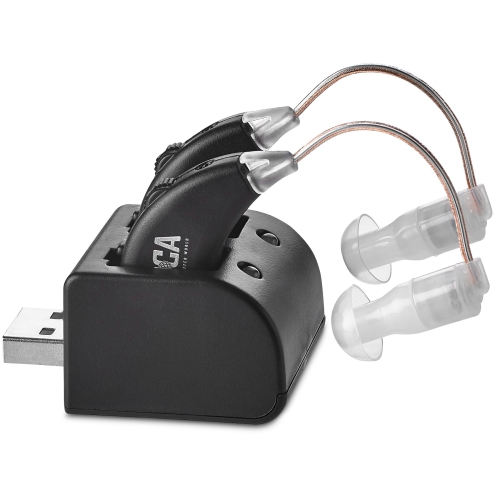
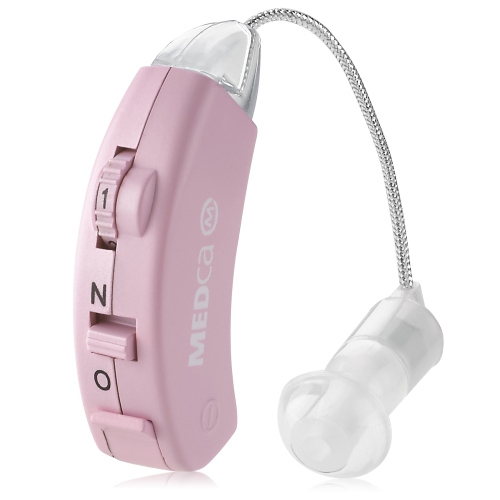
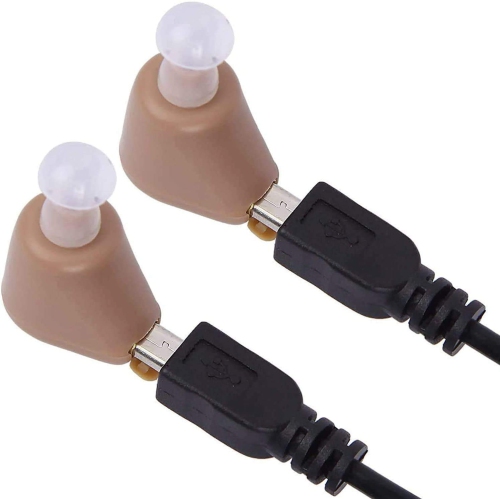
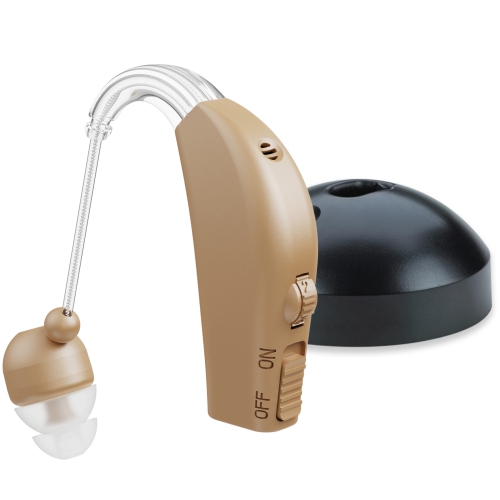
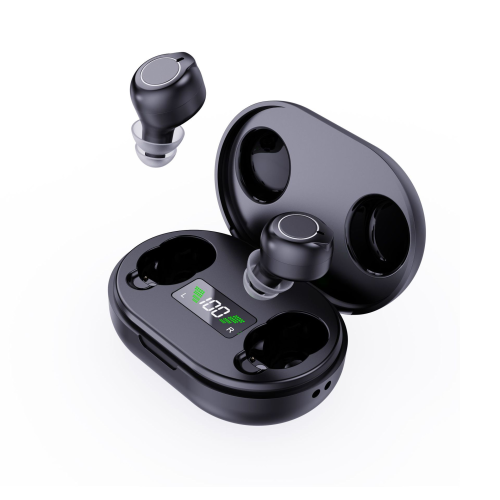
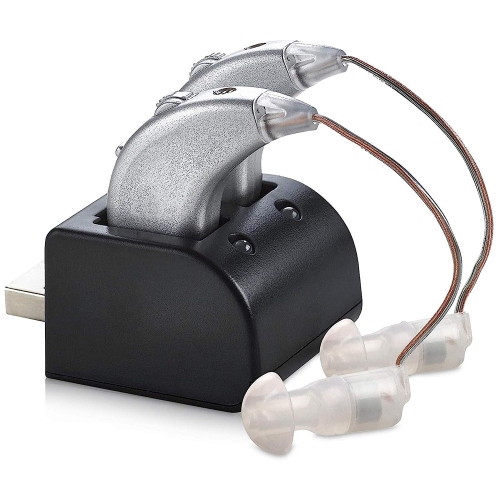
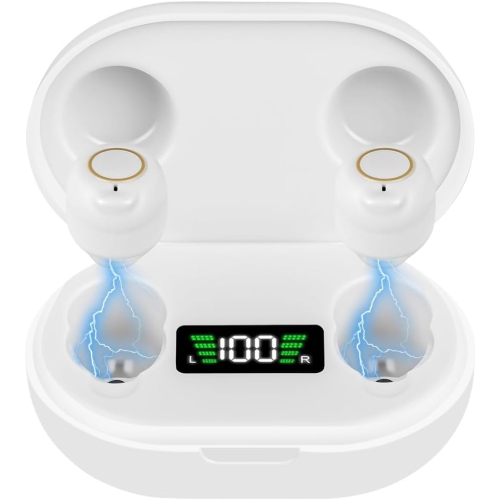
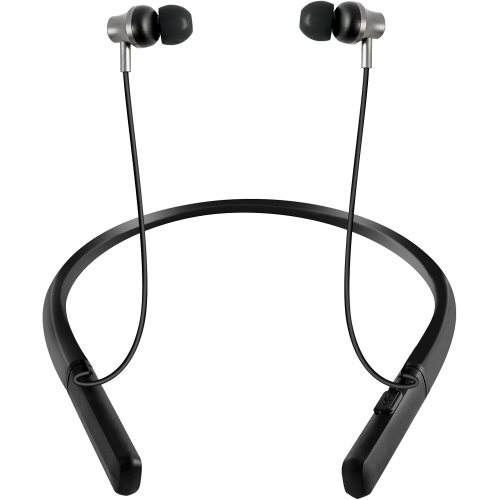
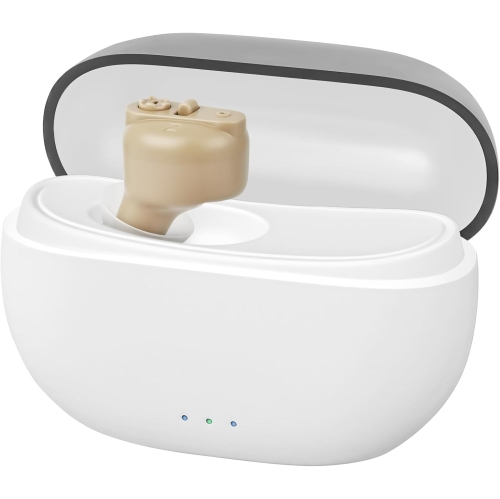
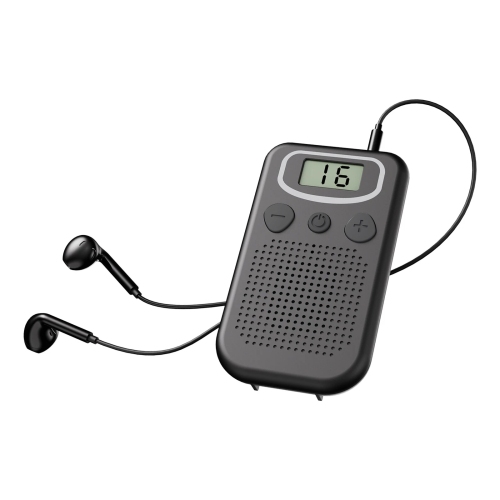
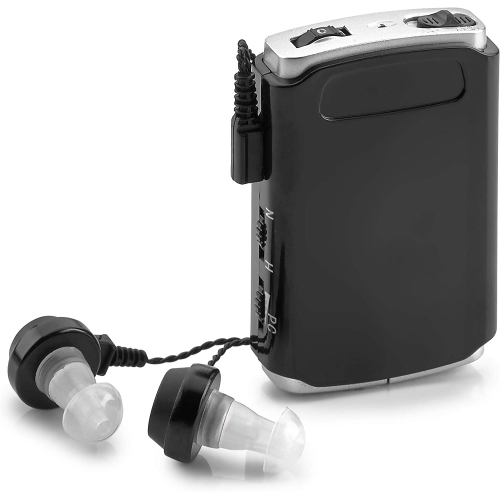
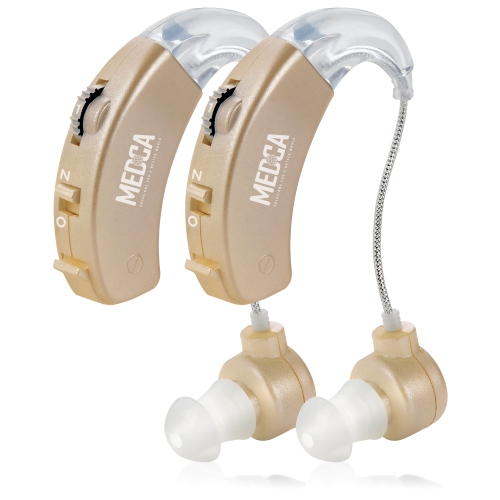
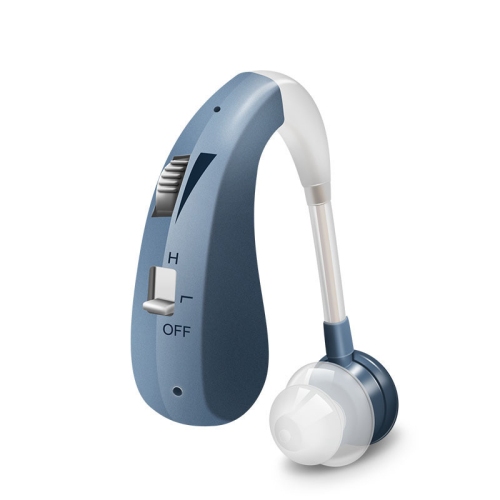
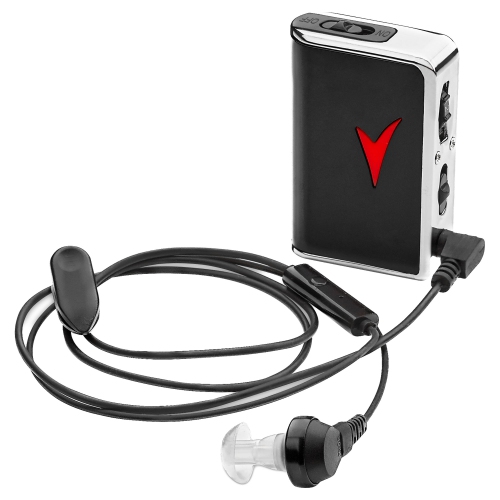
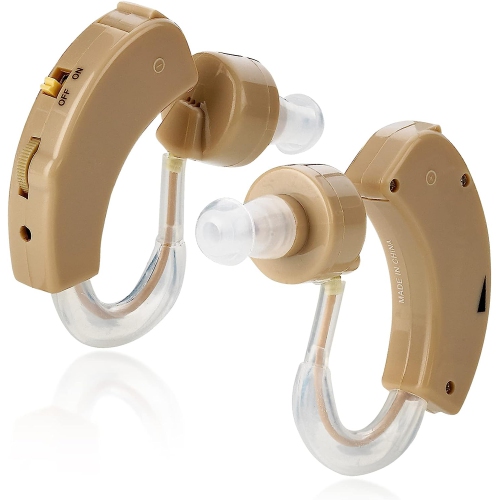
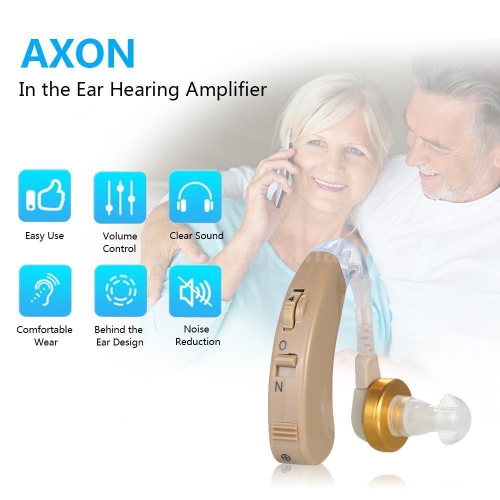
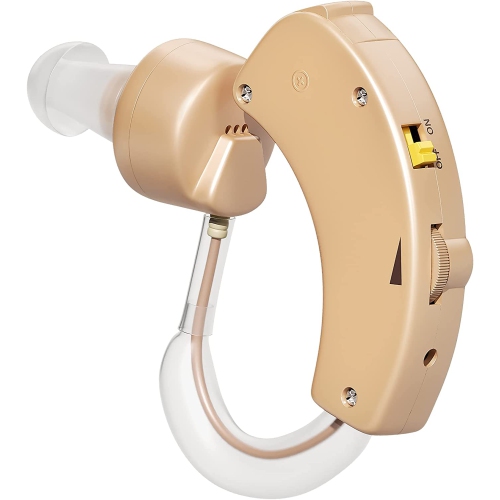
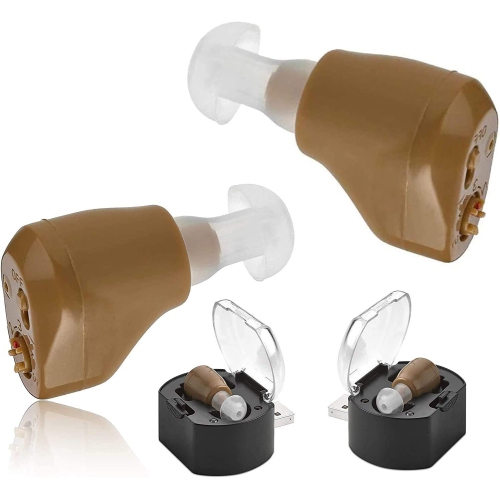
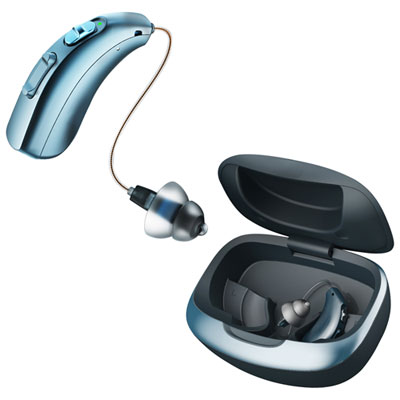
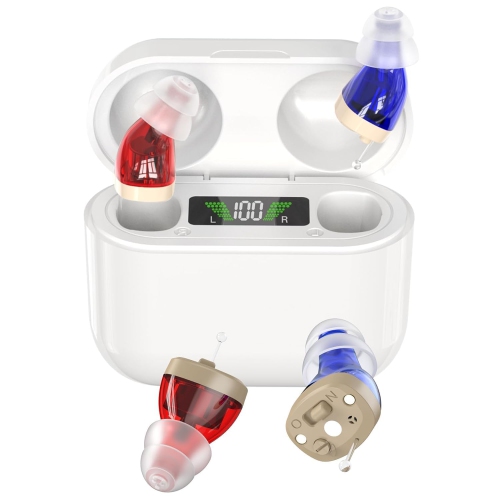
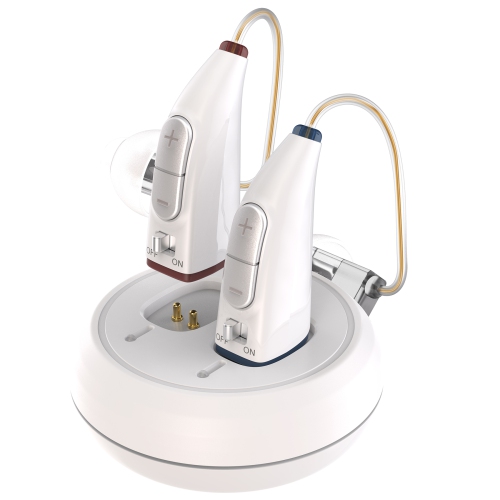
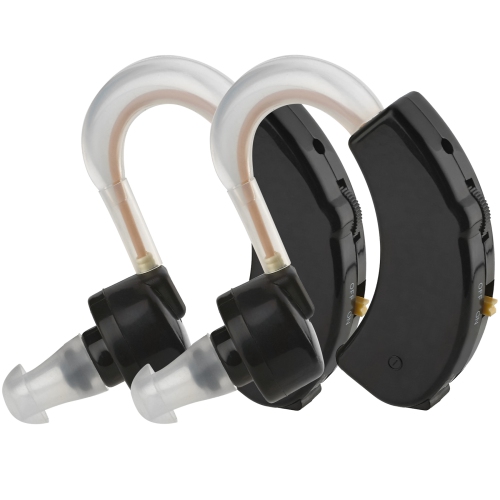
Hearing aids are small electronic devices designed to help make speech and everyday sounds easier to hear for people with hearing loss. A microphone picks up sound from the surrounding environment, an amplifier processes and strengthens selected frequencies, and a speaker sends the adjusted sound into the ear. Modern hearing aids can be worn in or behind the ear and may help with conversations, television, doorbells, traffic sounds and other important cues at home or on the go. They are available in several styles, including behind-the-ear (BTE), receiver-in-canal (RIC or RITE), in-the-ear (ITE), in-the-canal (ITC) and invisible-in-canal (IIC) designs. Behind-the-ear models rest behind the outer ear and direct sound through a tube or thin wire, while receiver-in-canal models place the speaker closer to the ear canal for a more natural listening experience. In-the-ear styles sit in the bowl of the ear, and smaller canal styles are designed to fit more discreetly inside the ear canal. The best hearing aid style depends on the degree and type of hearing loss, ear shape, comfort preferences, dexterity, desired visibility and the environments where it will be used. Someone who spends much of the day talking with family may prioritize clear speech and comfortable all-day wear, while a person who attends meetings, community gatherings or noisy restaurants may look for sound-processing features that help separate voices from background noise. Hearing aids can also be useful for staying connected during the cooler months, when more time indoors may mean more conversations around the kitchen table, family room or workplace.
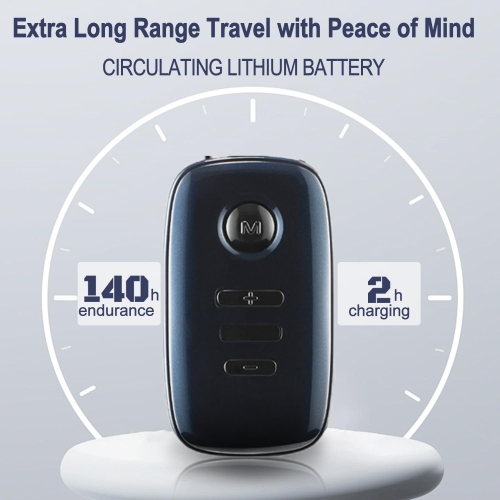
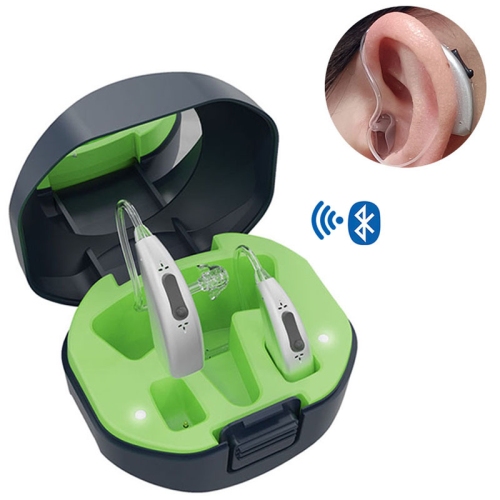
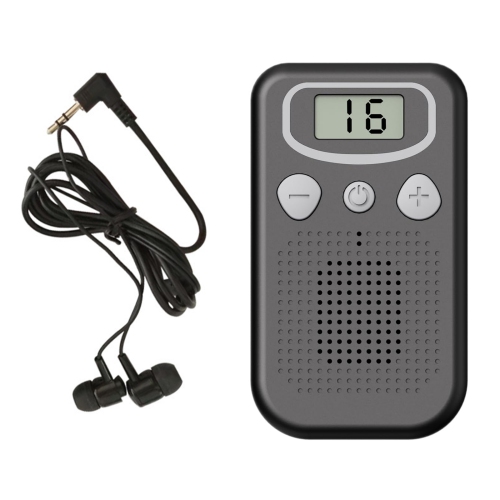
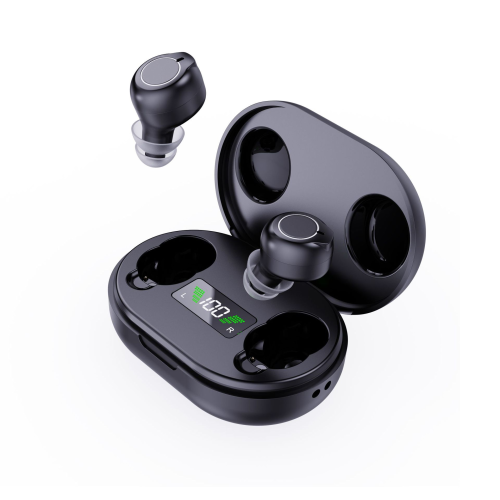
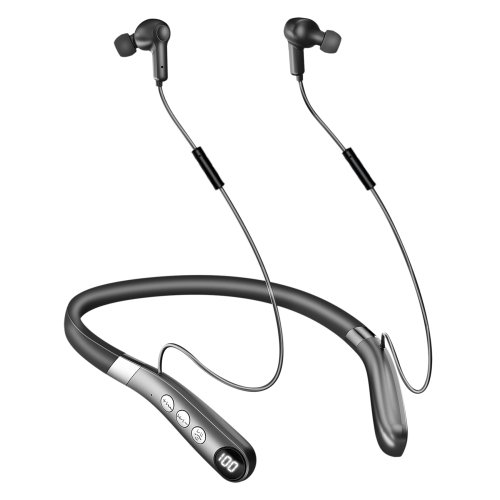
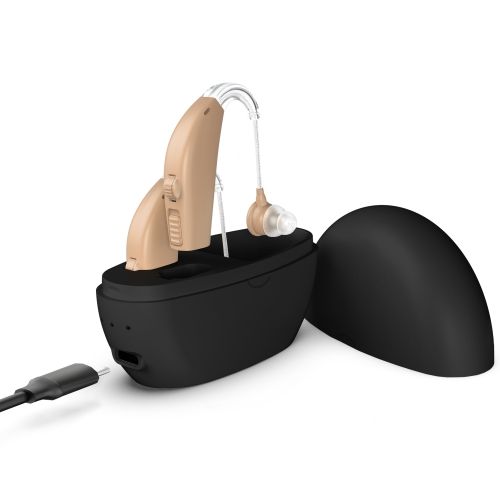
When choosing hearing aids, consider fit, controls, power, connectivity and maintenance alongside amplification. A secure, comfortable fit matters because even a well-featured device may be difficult to use if it causes pressure, irritation or feedback. Different ear-tip sizes or fitting options can help create a comfortable seal, and some people prefer simple physical buttons that are easy to locate without removing the device. Rechargeable hearing aids can reduce the need to handle small disposable batteries, while replaceable-battery designs may suit people who prefer to carry spares for travel or extended days away from home. Bluetooth connectivity may allow compatible hearing aids to connect with a smartphone, tablet or other audio source for calls, music and streaming, although compatibility and available functions vary. Look for controls that make it easy to adjust volume or listening modes in changing surroundings, such as moving from a quiet room into a busy street or a lively gathering. Water resistance can be helpful for everyday exposure to light moisture, perspiration or unexpected weather, but water resistance is not the same as waterproofing; always follow the care instructions and keep devices away from showers, swimming pools and prolonged moisture unless the manufacturer specifically states otherwise. Regular cleaning is also important. Earwax, dust and moisture can affect sound quality, so inspect the microphone openings, speaker or receiver, tubing and ear tips as directed, and store the devices in a dry, protected place when they are not being worn. For people comparing related listening products, Hearing Aid Amplifiers may provide another option to explore, depending on the intended use and level of hearing support required.
Hearing aids can be considered by adults experiencing difficulty hearing speech, television dialogue, telephone conversations or everyday signals such as timers and doorbells. They may also be purchased by a family member who wants to support a parent, partner or grandparent, but hearing assistance is a personal choice and comfort, hearing needs and professional guidance should remain central to the decision. A thoughtful approach is to discuss the person’s listening challenges rather than presenting the device as a surprise, since the right style and settings depend on individual needs. Before selecting a hearing aid, consider arranging a hearing assessment with an audiologist, hearing instrument specialist or other qualified hearing professional, particularly when hearing loss is sudden, affects only one ear, is accompanied by pain, dizziness or drainage, or has not been evaluated before. Prescription hearing aids are fitted and programmed by a hearing professional for specific hearing needs, while direct-purchase or over-the-counter options may be intended for adults with perceived mild-to-moderate hearing loss; availability, eligibility, fitting support and regulations can vary in Canada. New users often need a period of adjustment as ordinary sounds become more noticeable again. Starting in a quiet setting, wearing the devices for manageable periods and gradually introducing busier environments can make the transition feel more comfortable. Speech may become clearer over time as the devices are fine-tuned, and follow-up support can help address fit, volume or sound-quality concerns. Keep expectations practical: hearing aids amplify and process sound, but they do not restore natural hearing or remove every challenge in a crowded environment. With a suitable fit, consistent use and proper care, they can support clearer conversations and greater confidence during daily routines, social visits, work, travel and the many indoor and outdoor activities that continue through the changing seasons.
When choosing hearing aids, consider fit, controls, power, connectivity and maintenance alongside amplification. A secure, comfortable fit matters because even a well-featured device may be difficult to use if it causes pressure, irritation or feedback. Different ear-tip sizes or fitting options can help create a comfortable seal, and some people prefer simple physical buttons that are easy to locate without removing the device. Rechargeable hearing aids can reduce the need to handle small disposable batteries, while replaceable-battery designs may suit people who prefer to carry spares for travel or extended days away from home. Bluetooth connectivity may allow compatible hearing aids to connect with a smartphone, tablet or other audio source for calls, music and streaming, although compatibility and available functions vary. Look for controls that make it easy to adjust volume or listening modes in changing surroundings, such as moving from a quiet room into a busy street or a lively gathering. Water resistance can be helpful for everyday exposure to light moisture, perspiration or unexpected weather, but water resistance is not the same as waterproofing; always follow the care instructions and keep devices away from showers, swimming pools and prolonged moisture unless the manufacturer specifically states otherwise. Regular cleaning is also important. Earwax, dust and moisture can affect sound quality, so inspect the microphone openings, speaker or receiver, tubing and ear tips as directed, and store the devices in a dry, protected place when they are not being worn. For people comparing related listening products, Hearing Aid Amplifiers may provide another option to explore, depending on the intended use and level of hearing support required.
Hearing aids can be considered by adults experiencing difficulty hearing speech, television dialogue, telephone conversations or everyday signals such as timers and doorbells. They may also be purchased by a family member who wants to support a parent, partner or grandparent, but hearing assistance is a personal choice and comfort, hearing needs and professional guidance should remain central to the decision. A thoughtful approach is to discuss the person’s listening challenges rather than presenting the device as a surprise, since the right style and settings depend on individual needs. Before selecting a hearing aid, consider arranging a hearing assessment with an audiologist, hearing instrument specialist or other qualified hearing professional, particularly when hearing loss is sudden, affects only one ear, is accompanied by pain, dizziness or drainage, or has not been evaluated before. Prescription hearing aids are fitted and programmed by a hearing professional for specific hearing needs, while direct-purchase or over-the-counter options may be intended for adults with perceived mild-to-moderate hearing loss; availability, eligibility, fitting support and regulations can vary in Canada. New users often need a period of adjustment as ordinary sounds become more noticeable again. Starting in a quiet setting, wearing the devices for manageable periods and gradually introducing busier environments can make the transition feel more comfortable. Speech may become clearer over time as the devices are fine-tuned, and follow-up support can help address fit, volume or sound-quality concerns. Keep expectations practical: hearing aids amplify and process sound, but they do not restore natural hearing or remove every challenge in a crowded environment. With a suitable fit, consistent use and proper care, they can support clearer conversations and greater confidence during daily routines, social visits, work, travel and the many indoor and outdoor activities that continue through the changing seasons.
Top selling and popular products
-
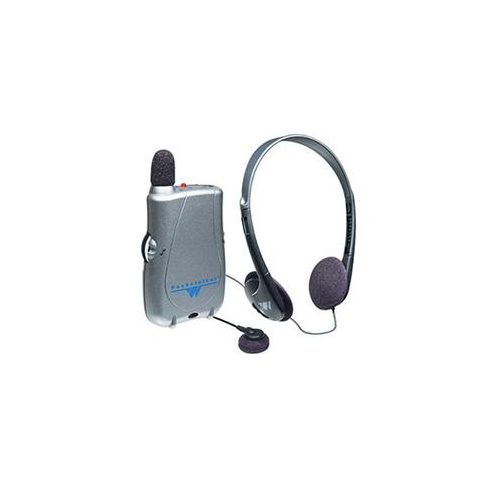 Your price for this item is $331.22
 -
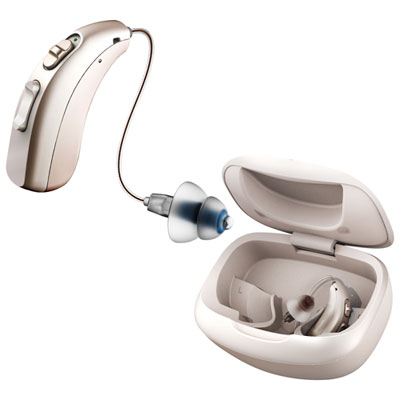 Your price for this item is $499.99
 -
 Your price for this item is $349.99
 -
 Your price for this item is $289.99
 -
 Your price for this item is $259.99
 -
 Your price for this item is $36.24
 -
 Your price for this item is $49.99
 -
 Your price for this item is $82.99
Discover more categories related to Hearing Aids
Top Collections:
Pokemon Centers, Best Cameras for Sports Photography, Kindle Devices, Samsung Galaxy Phones, Canon G7X Cameras, Pokémon 30th Celebration Cards, Refurbished Apple Laptops, iPhone 15 Apple, Laptops for Students, Budget Smartphones
Some products may be subject to Environmental Handling Fees
(EHF) depending on your province.
Learn more about EHFs.