Replacement Bands for Fitbit Versa 3
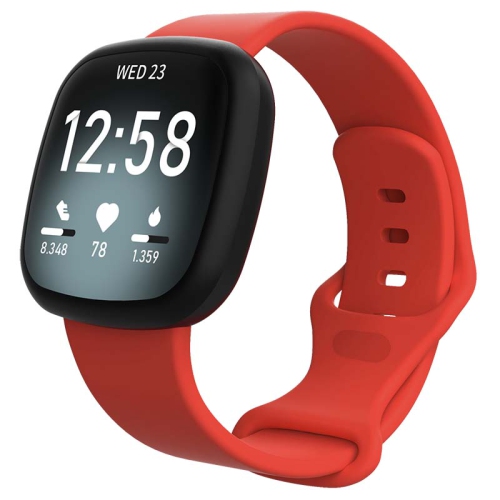
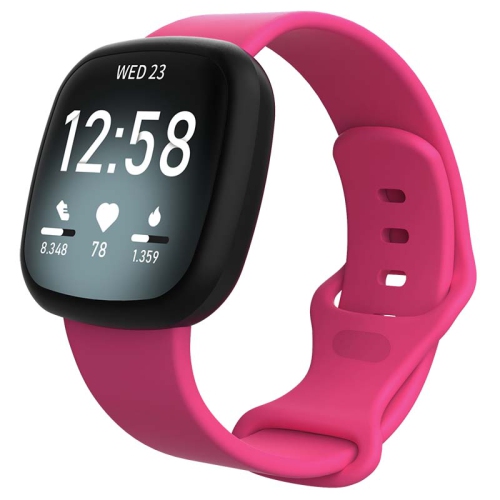
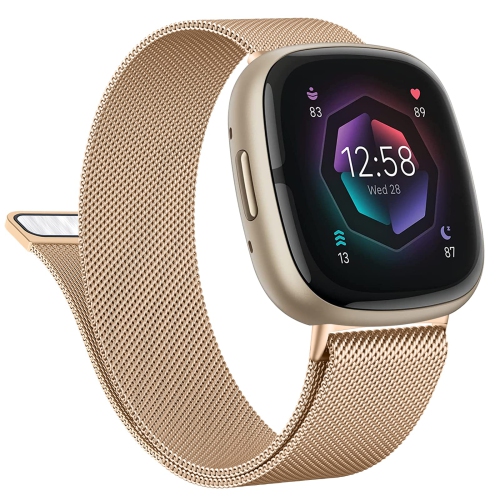
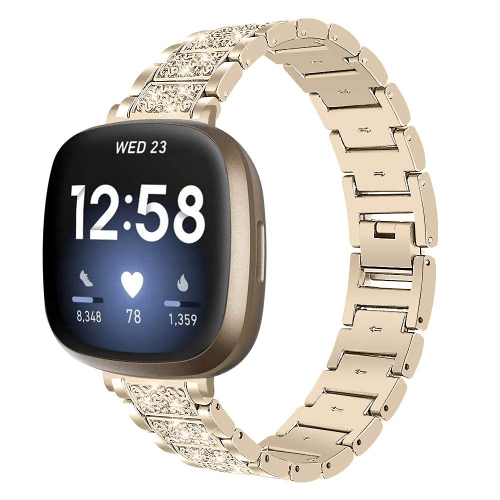
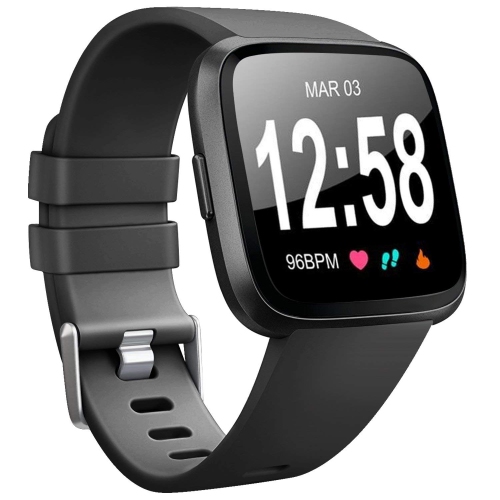
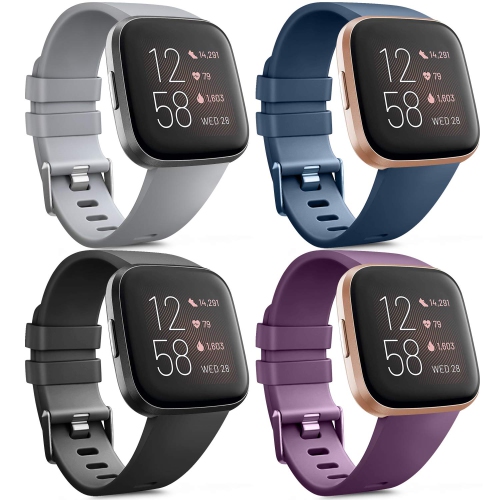
If you're a Fitbit Versa user, you know that the band is the most important part of your tracker. It's what makes your device look different from everyone else's, and it's what makes your Versa unique. That's why it's important to get a replacement band that not only fits your wrist, but also complements your style and personality. Here are some replacement bands for the Fitbit Versa 3.
Sort
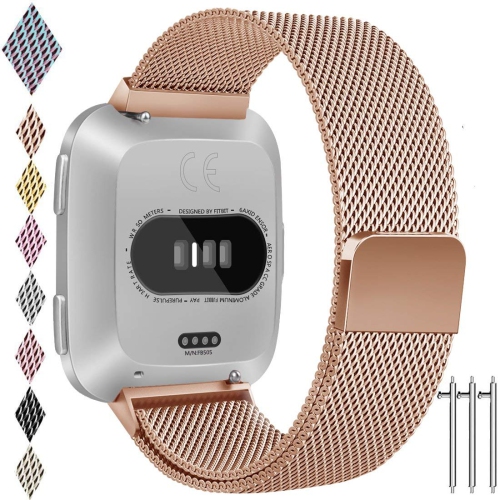
![NAVOR Fitbit Versa Bands; Replacement Classic Accessory Band for Fitbit Versa/versa 2/versa Lite/versa Se [Small]](https://multimedia.bbycastatic.ca/multimedia/products/500x500/129/12965/12965849.jpeg)
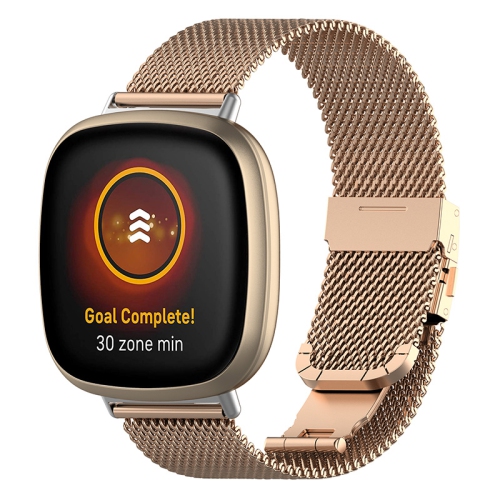
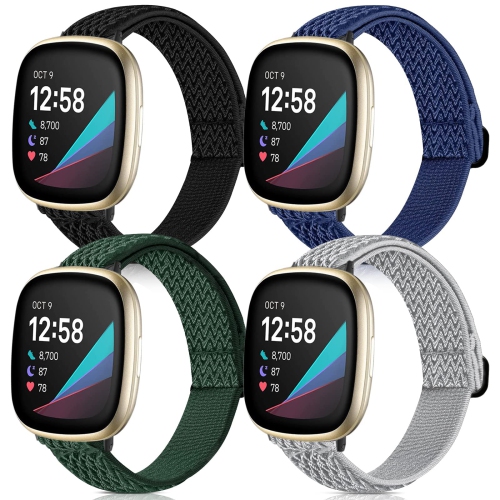
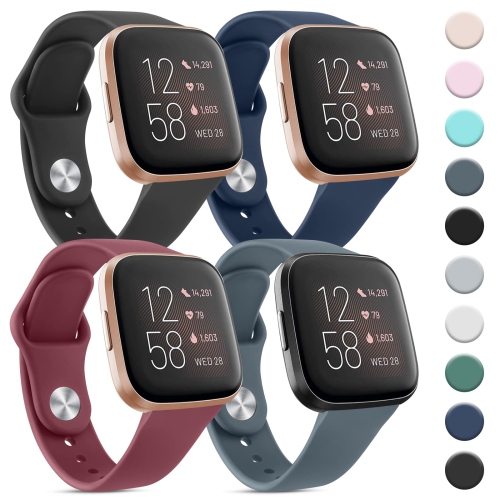
![NAVOR Bands Compatible With Fitbit Versa/fitbit Versa 2 / Fitbit Versa Lite/fitbit Versa Se Classic Soft Silicone Sport Strap for Women Men[Large]](https://multimedia.bbycastatic.ca/multimedia/products/500x500/129/12965/12965847.jpeg)
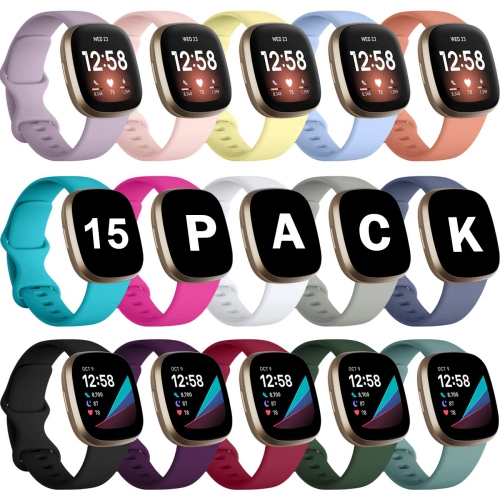
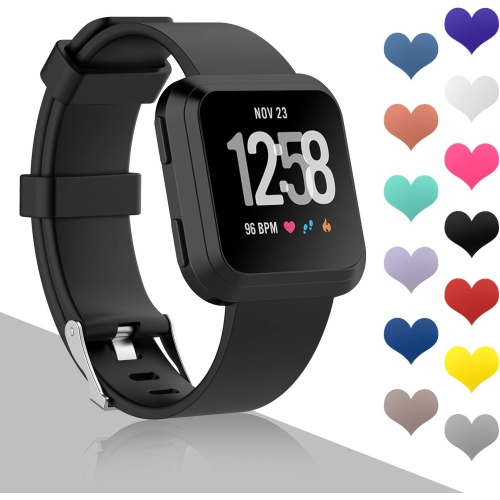
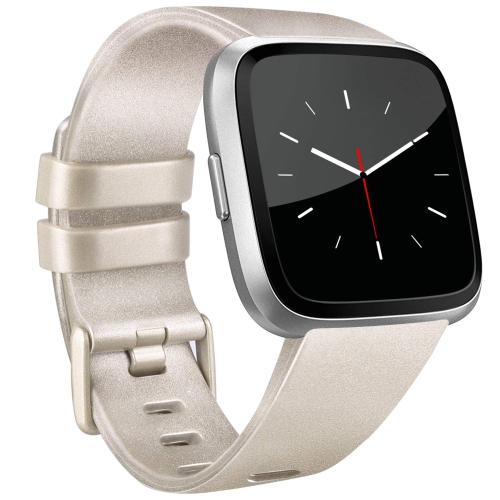
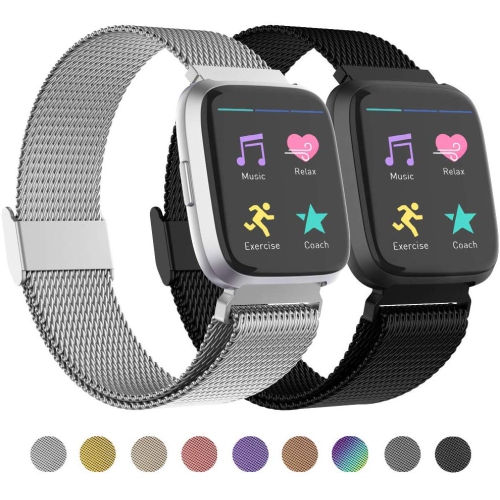
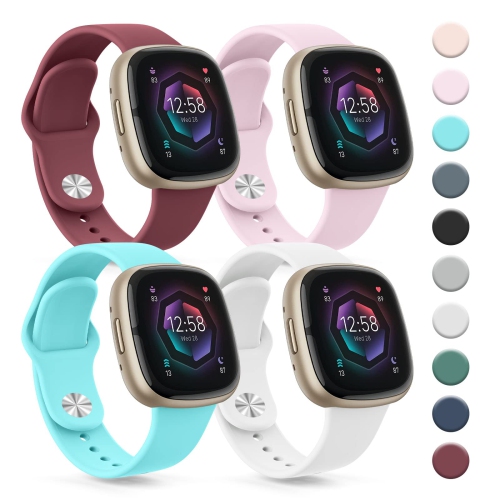
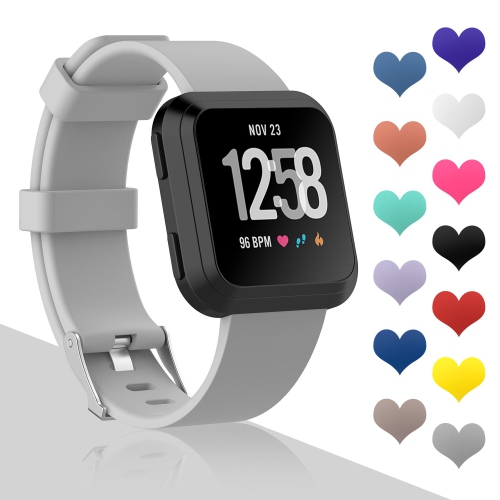
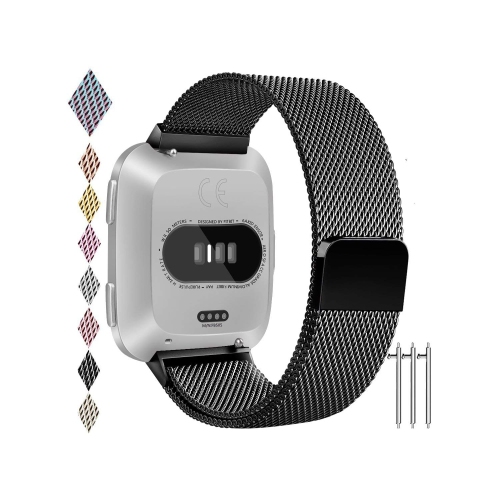
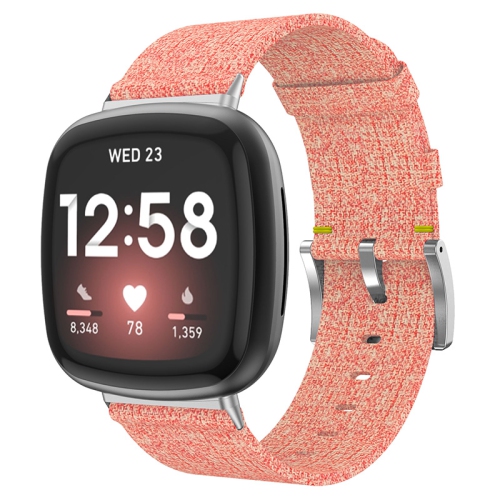
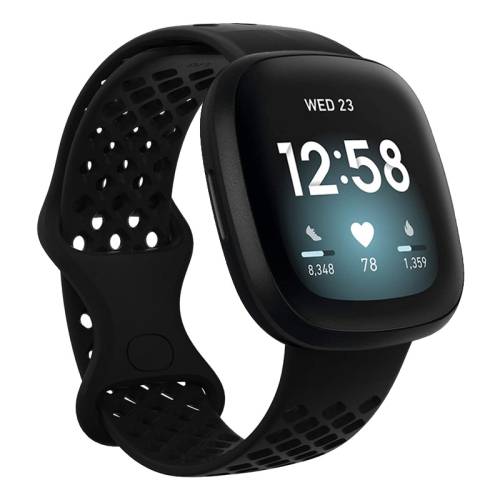
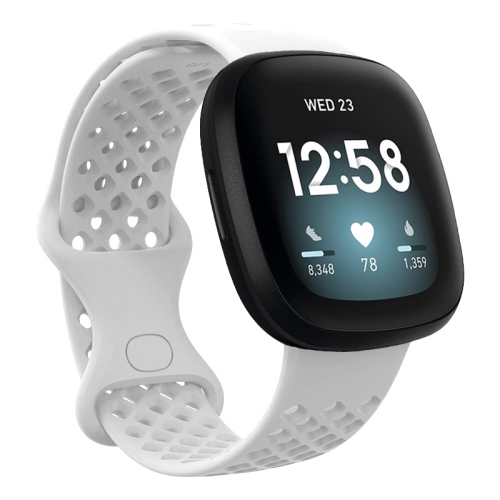
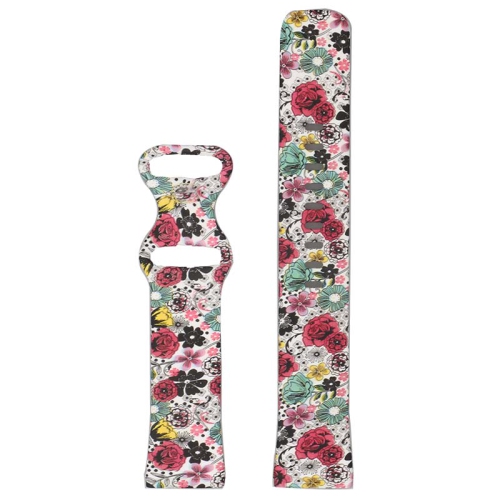
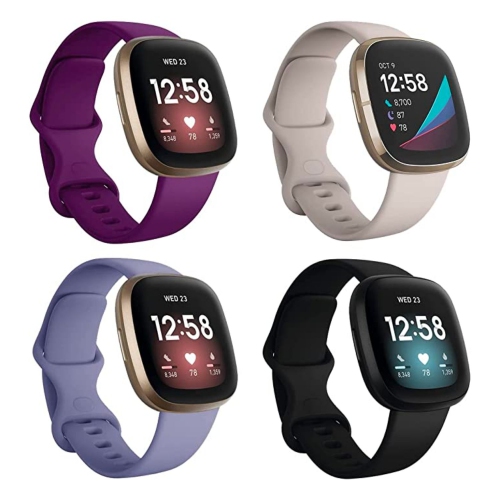
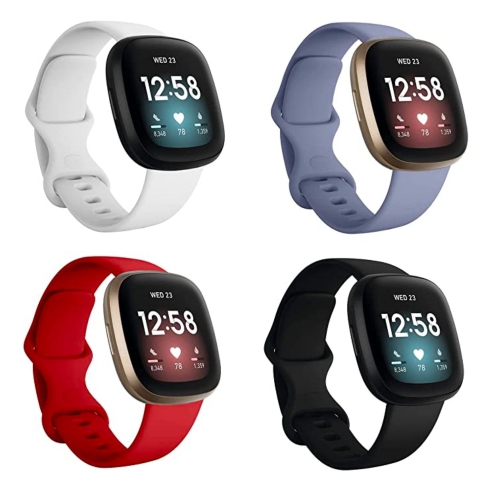

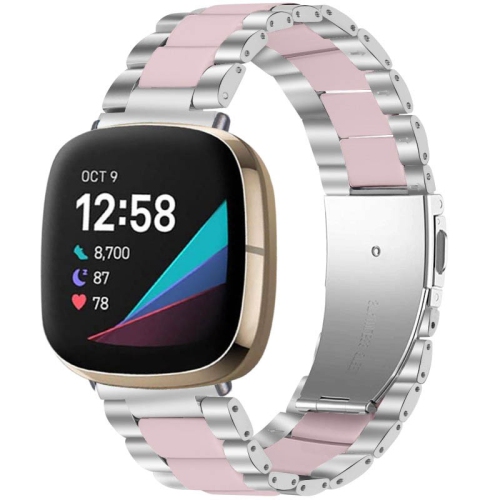
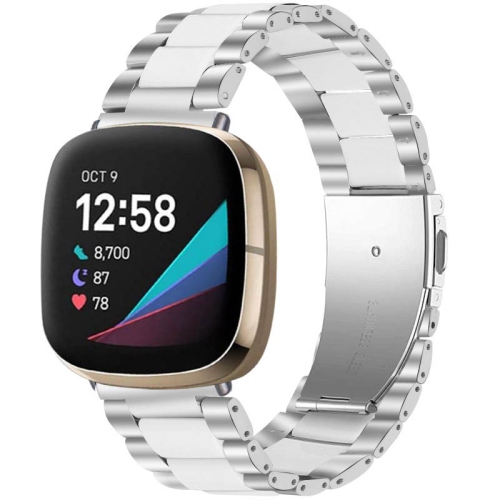
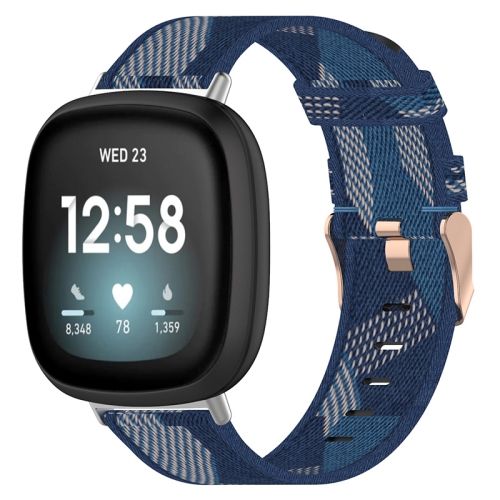
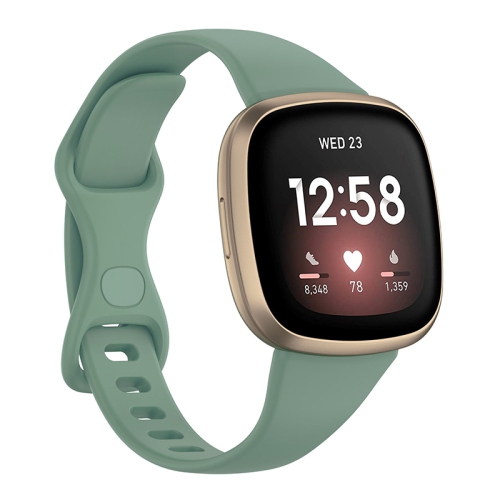

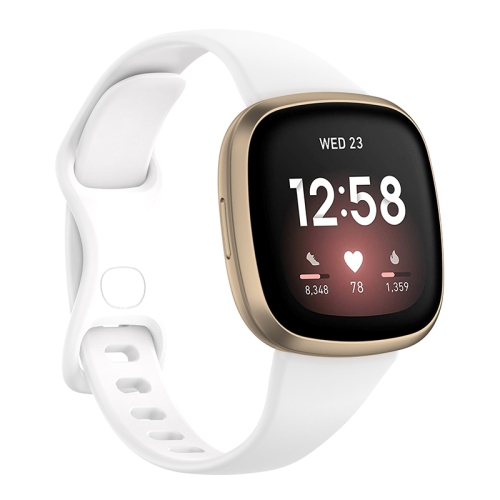
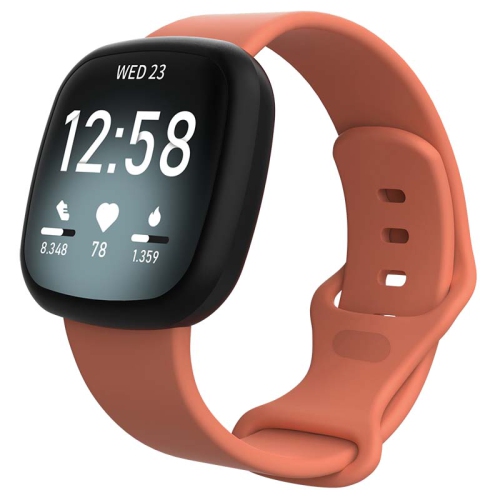
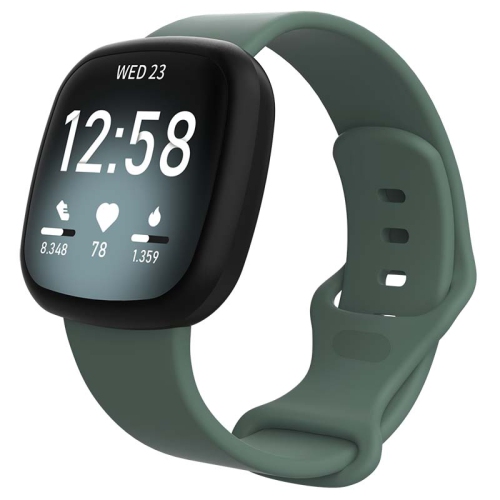
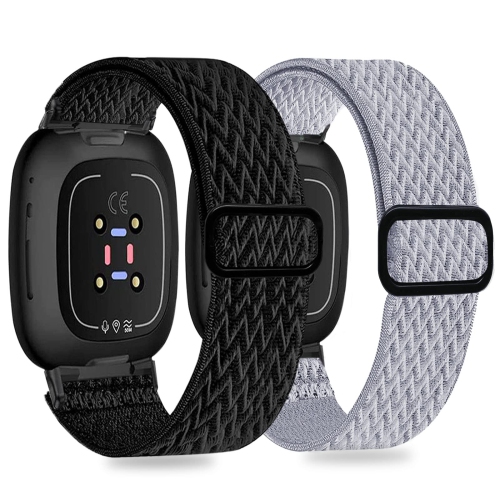
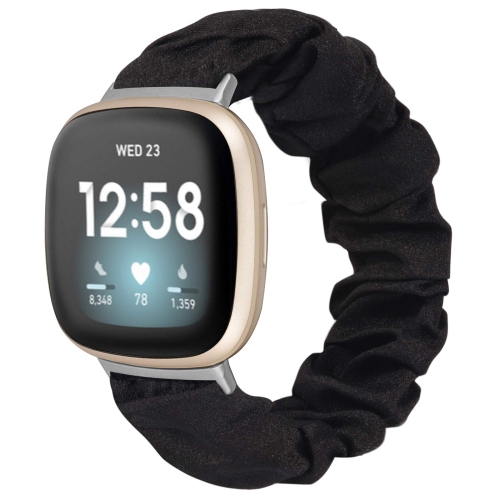
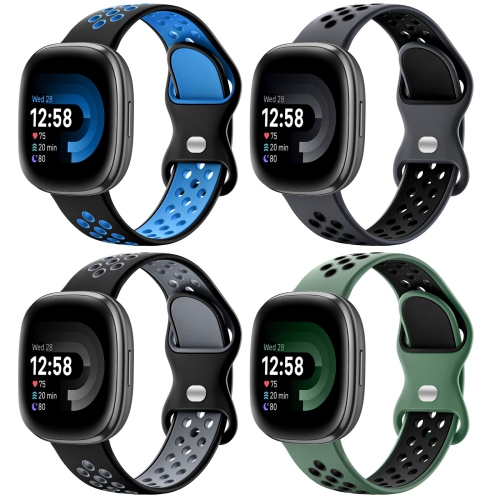
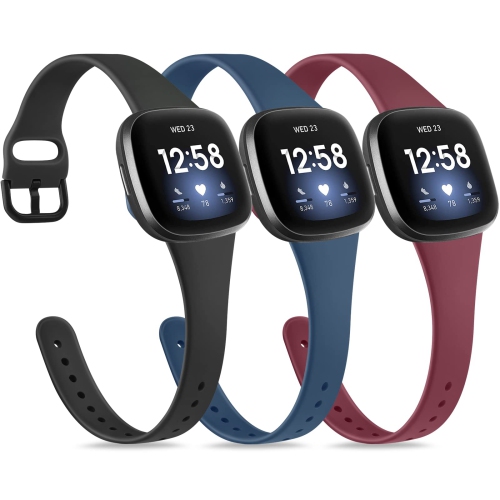
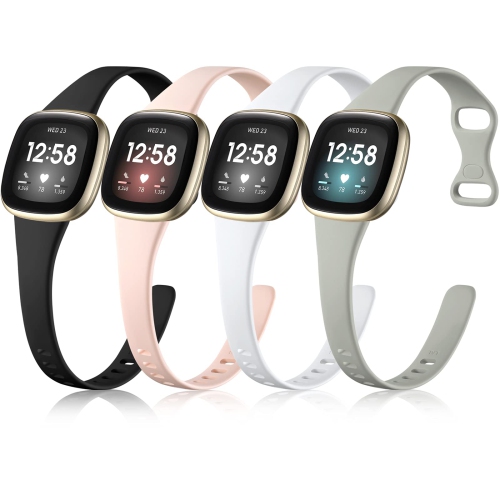
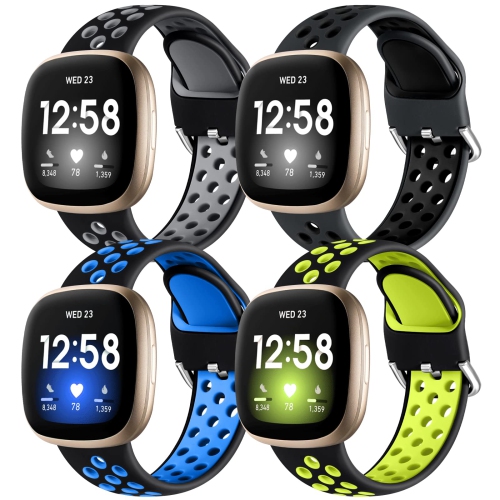
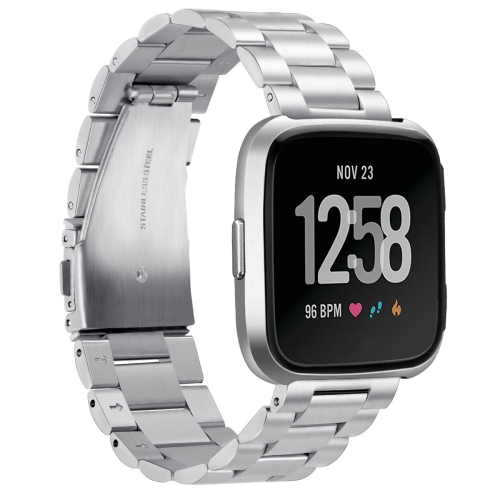
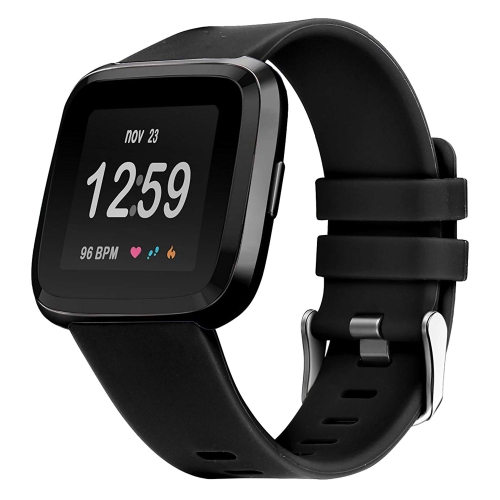
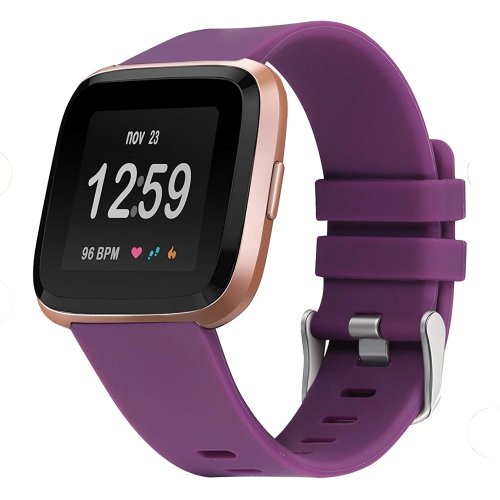
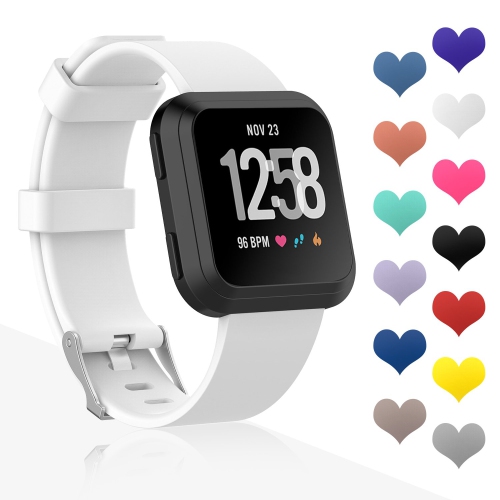
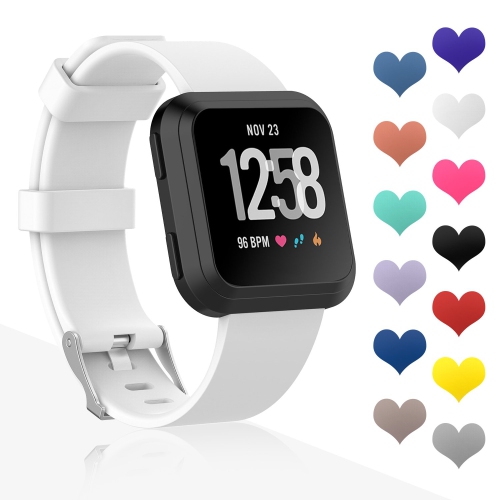
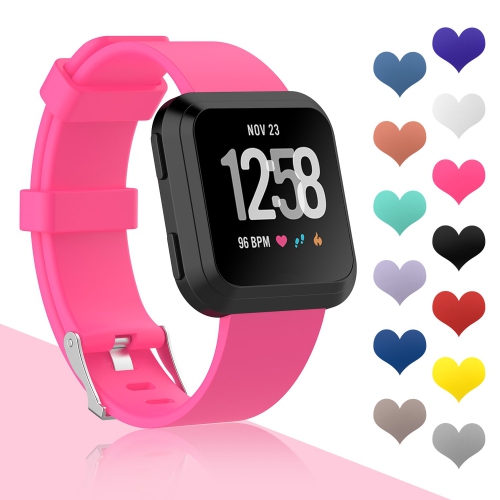
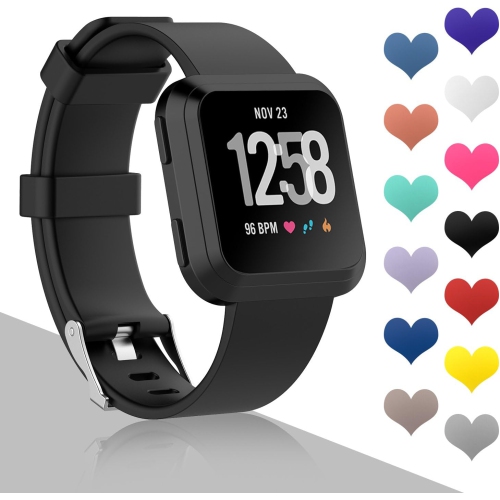
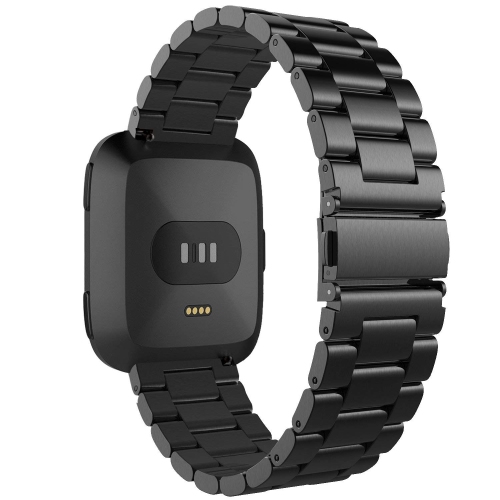
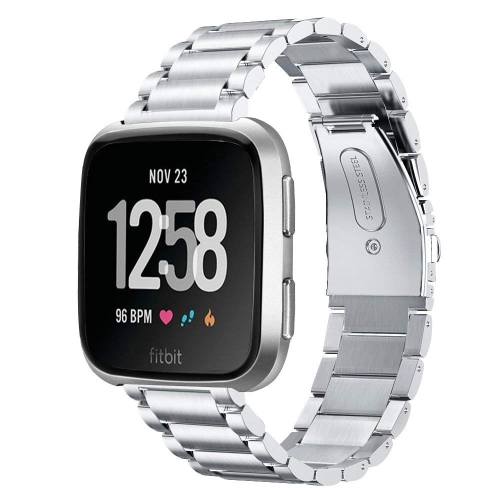

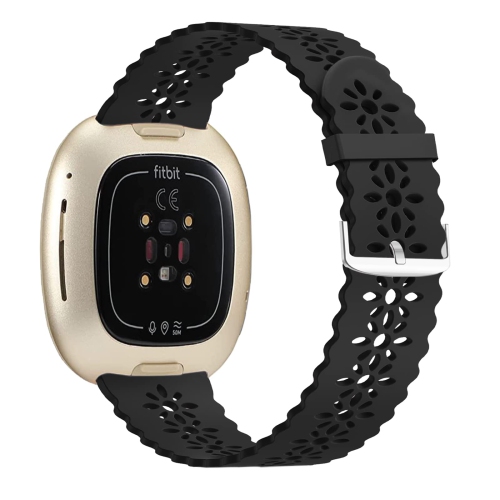
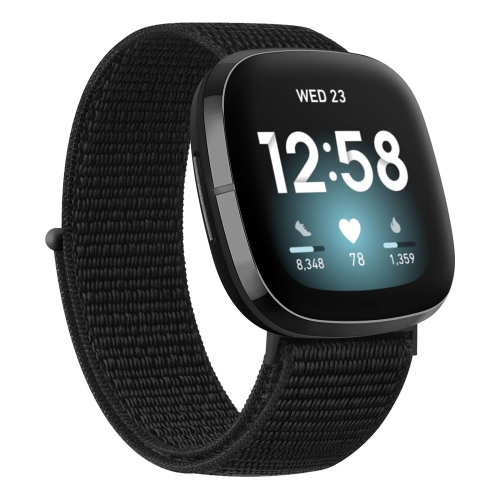
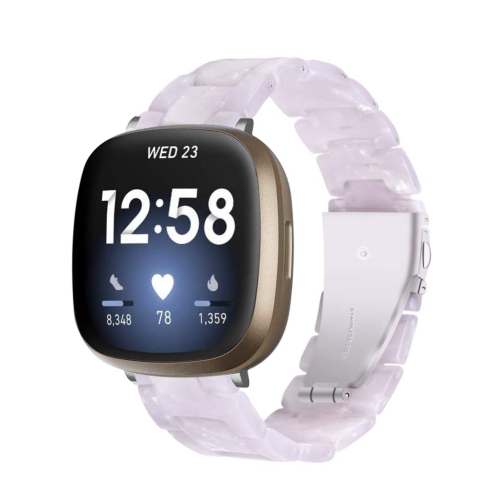
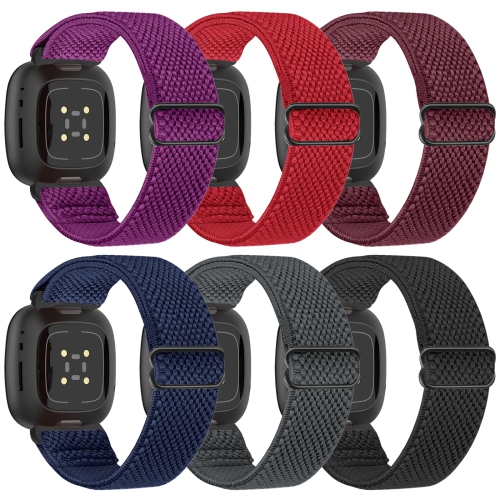
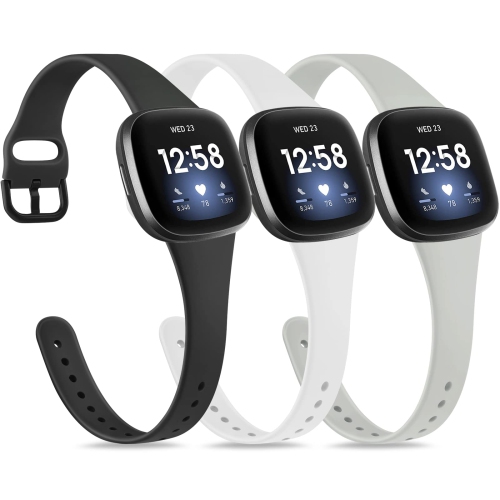
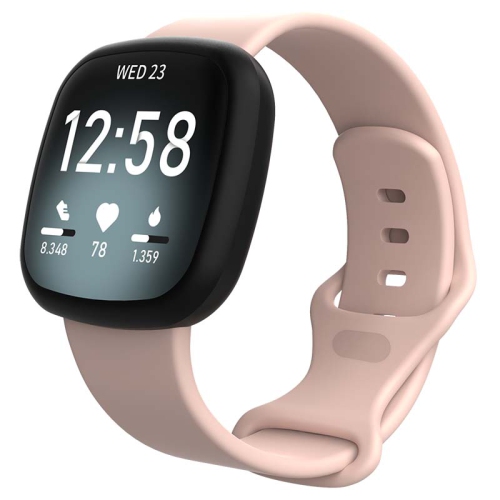
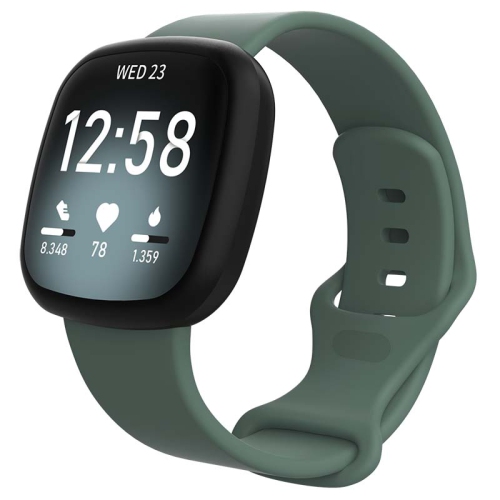
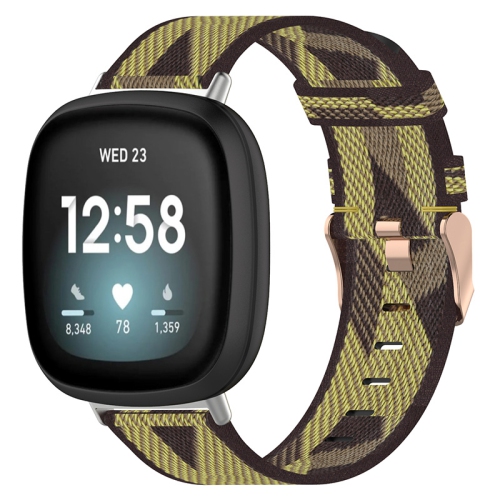
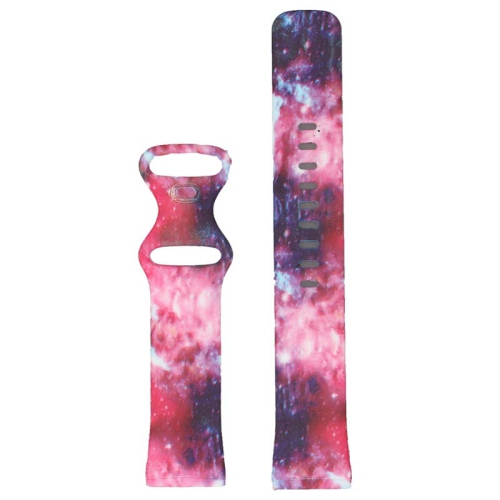
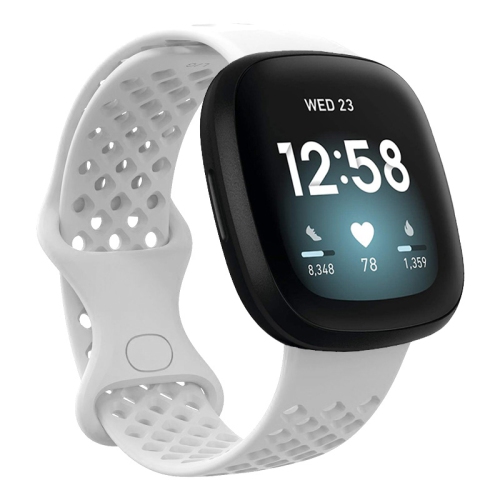
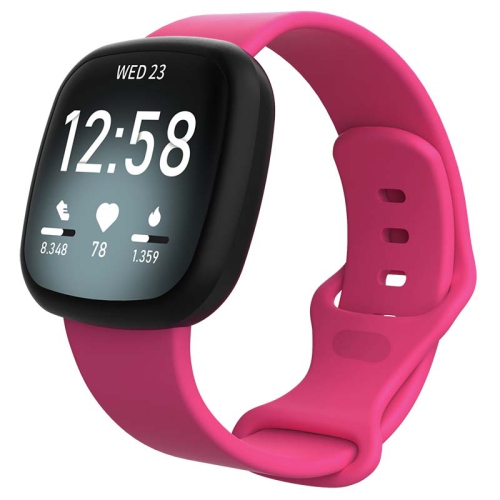
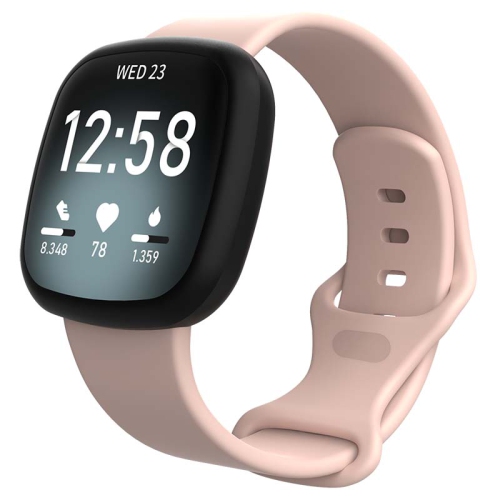
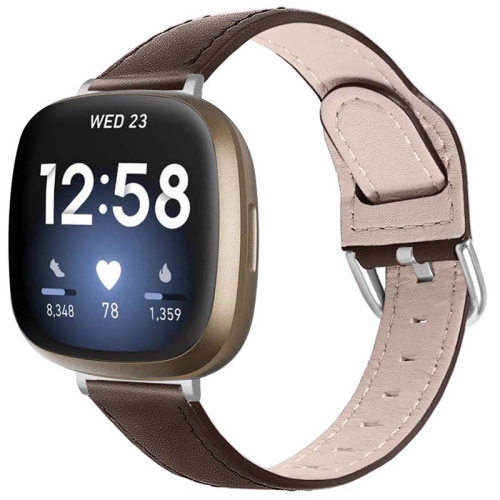
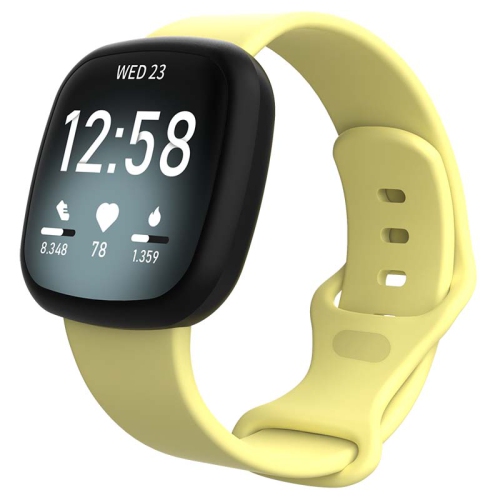
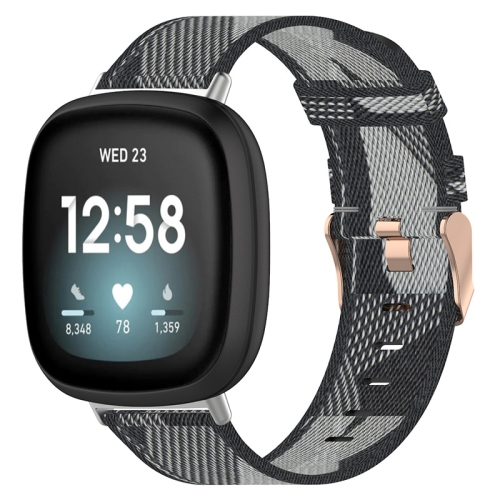
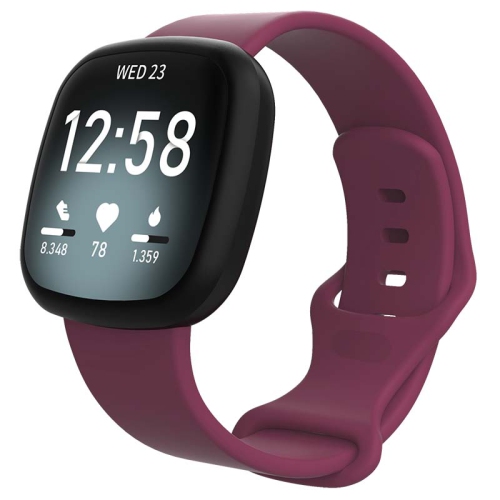
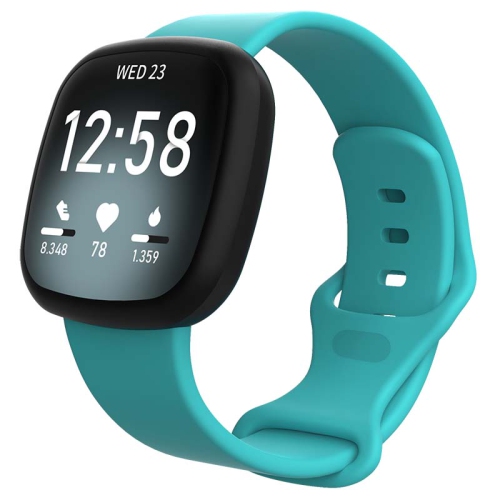
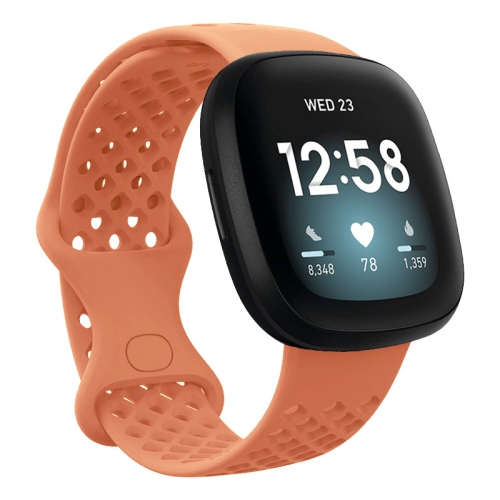
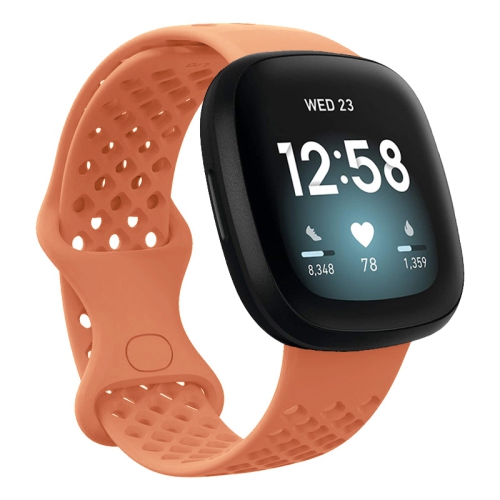
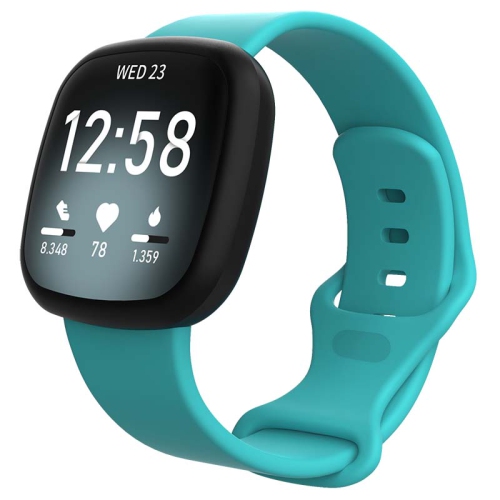
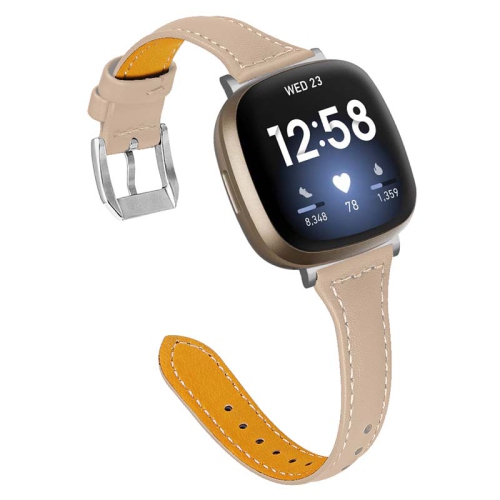
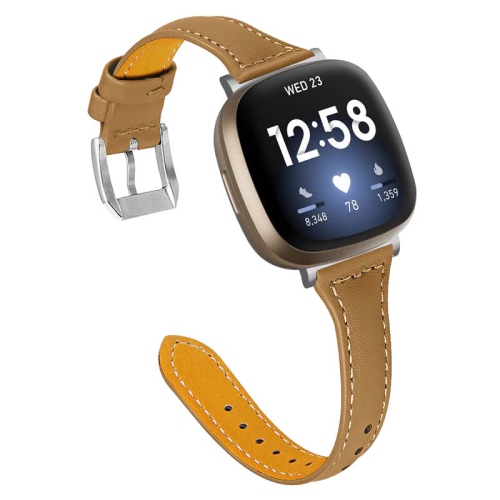
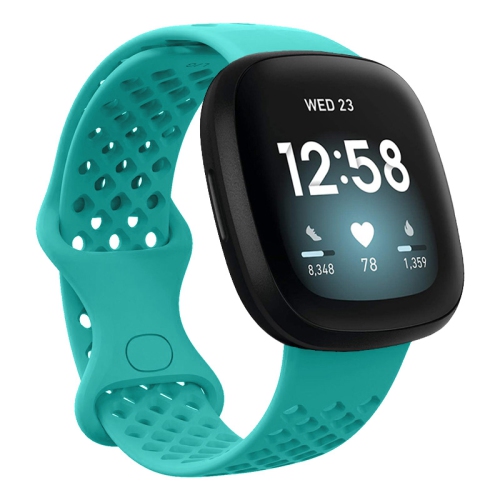
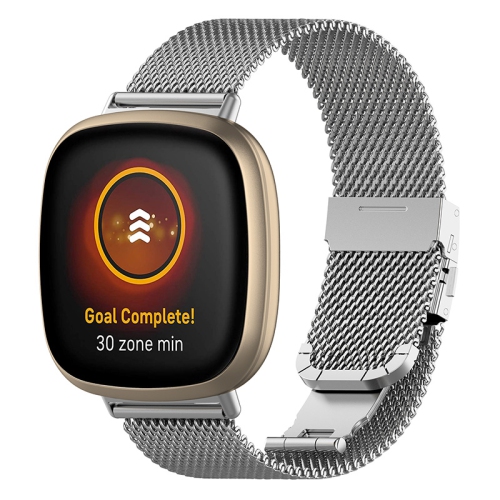

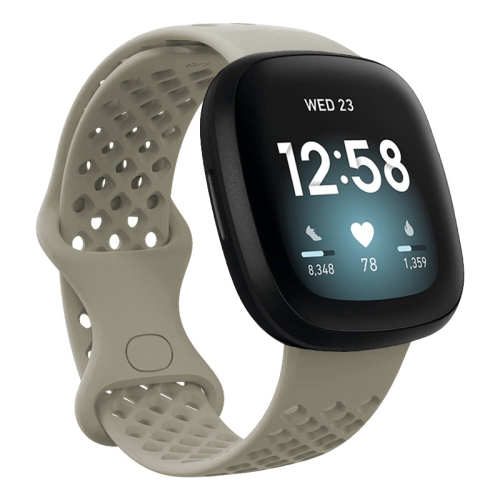

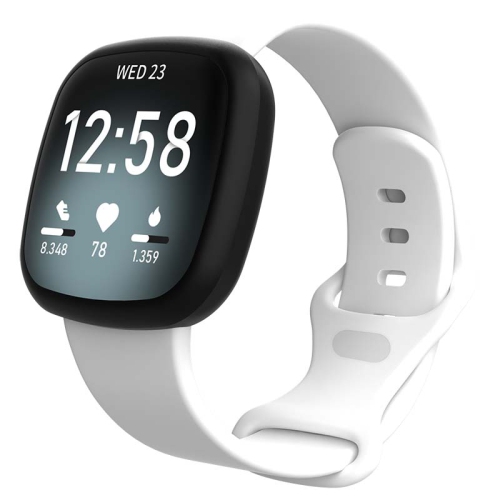
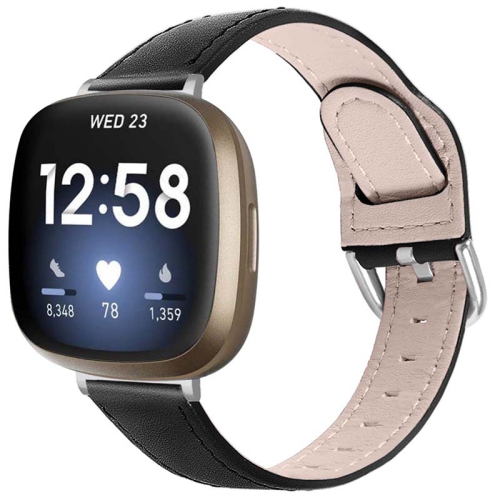
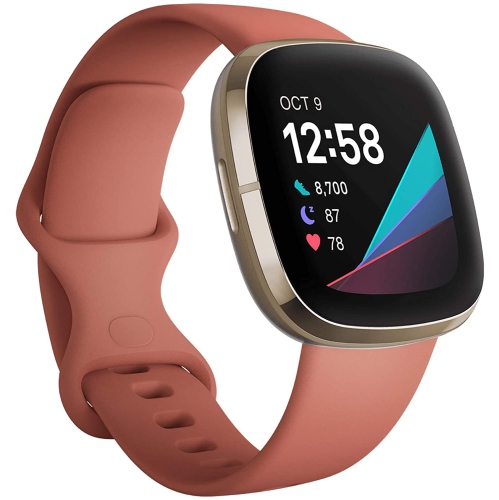
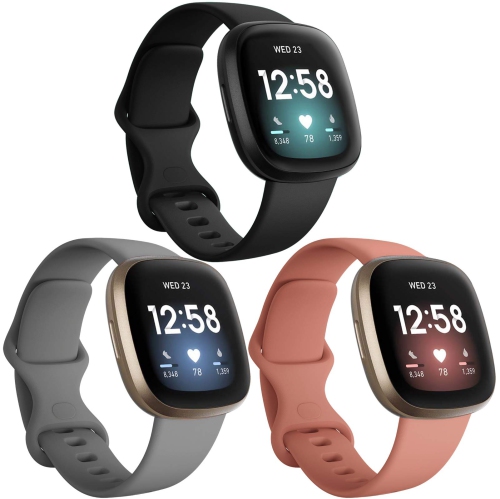
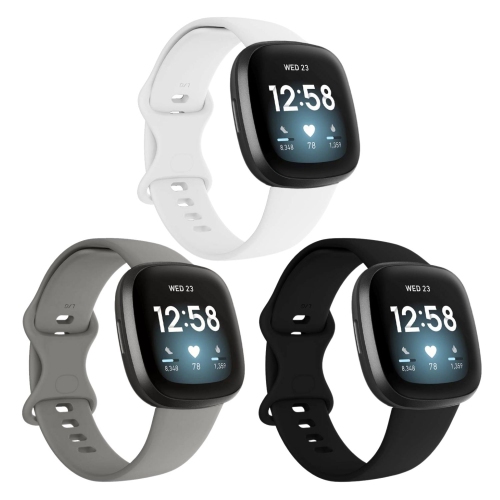
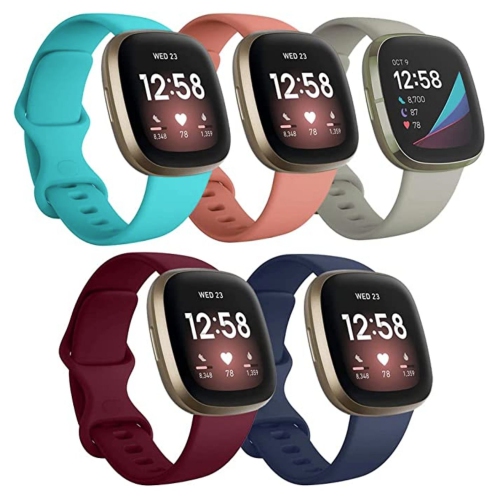
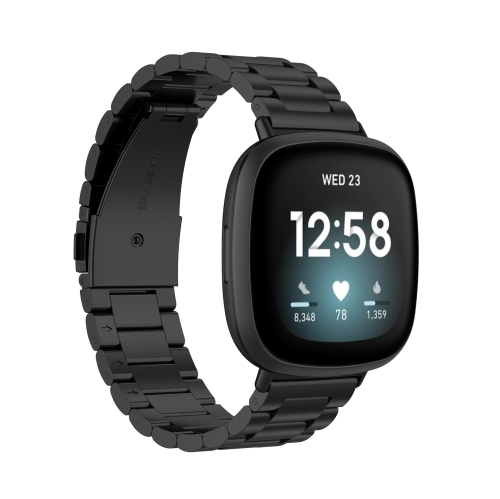
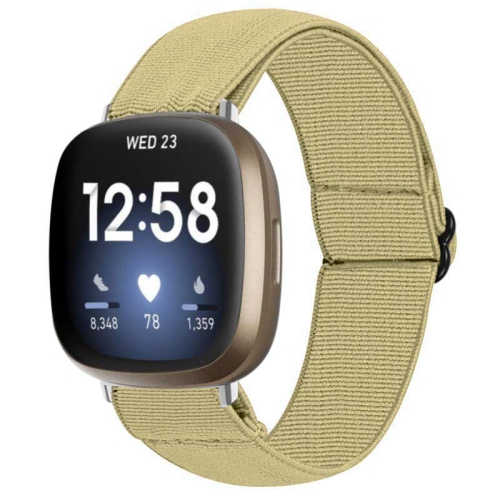
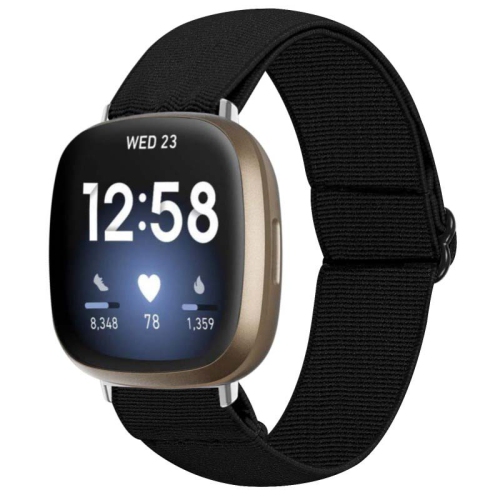
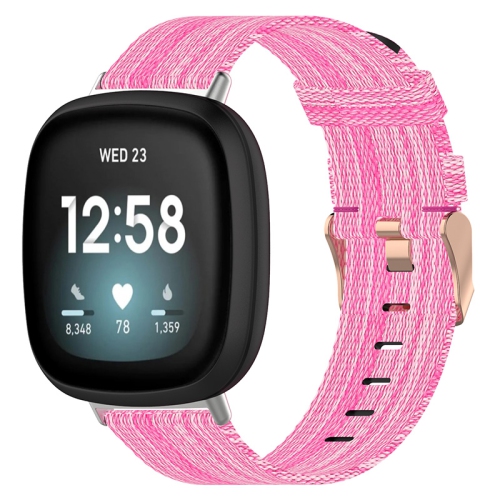

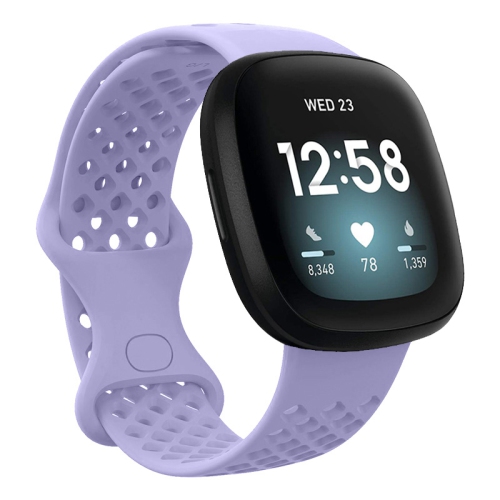
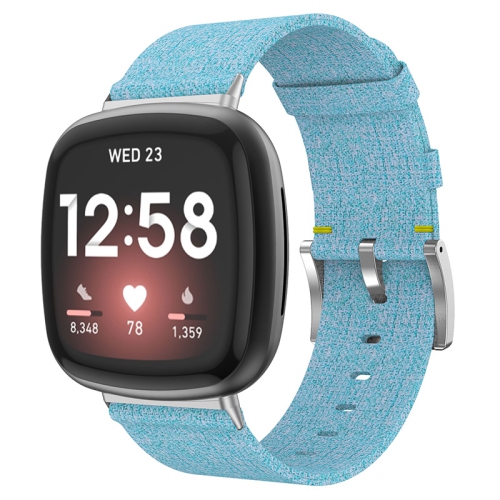
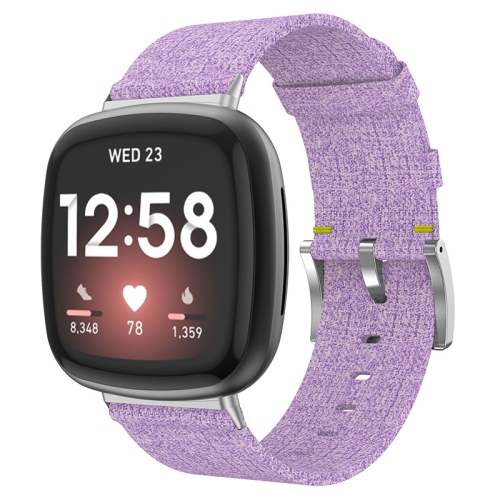
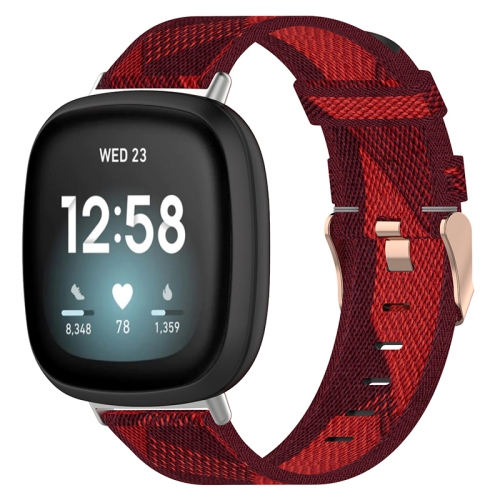
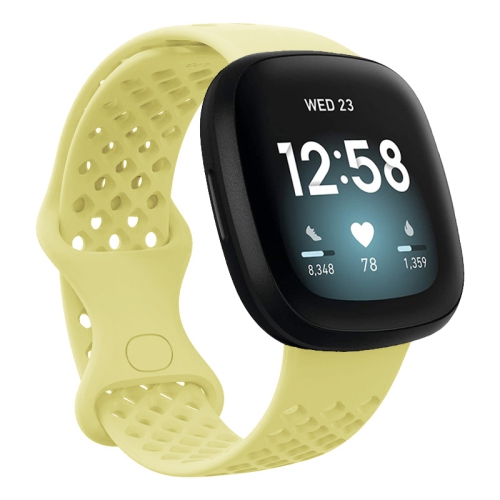
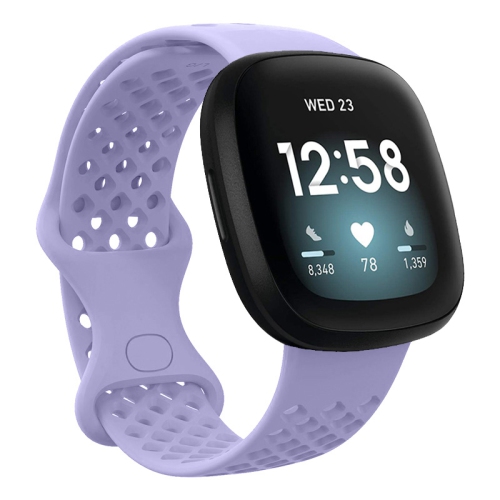
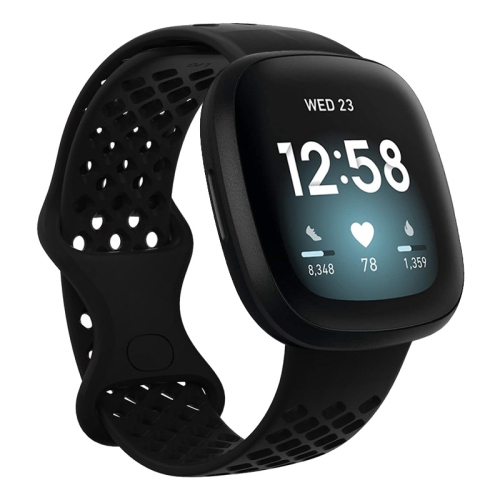
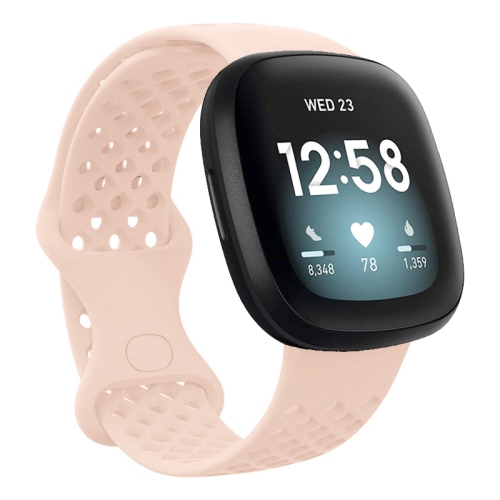
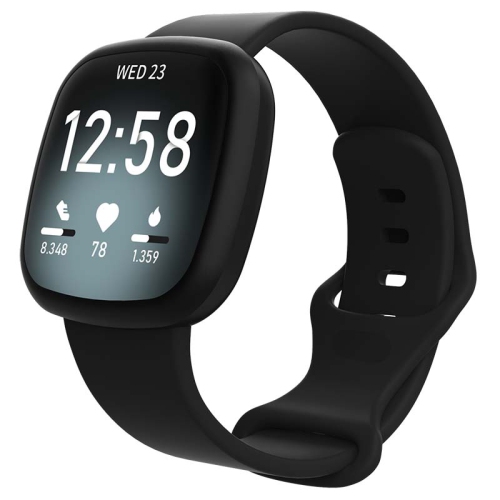
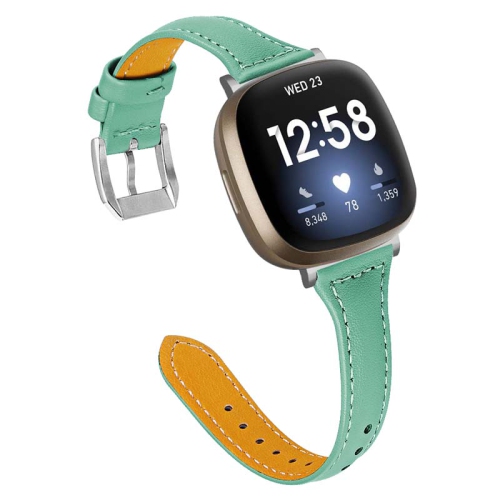
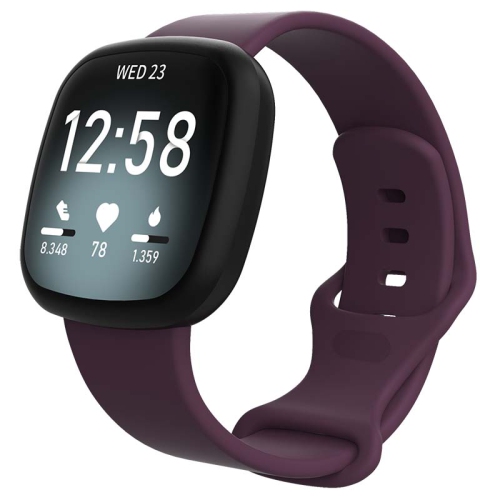
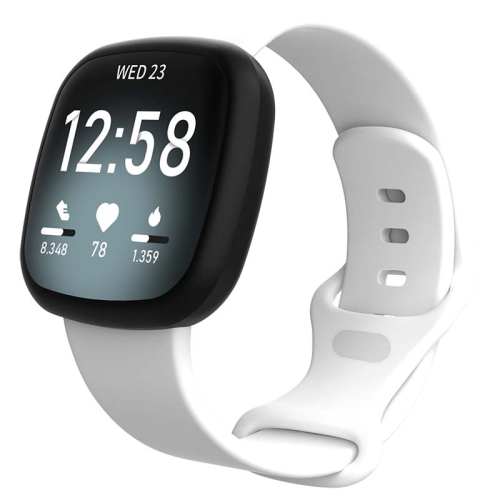
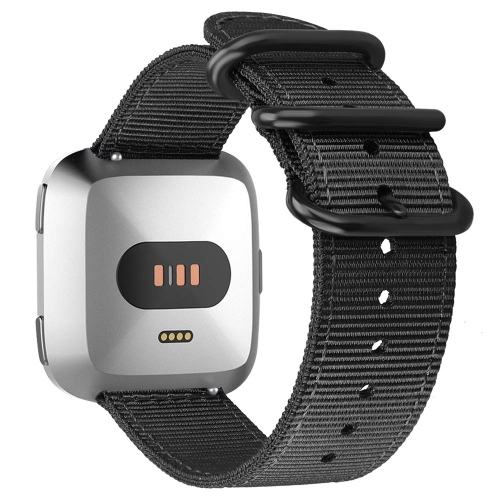
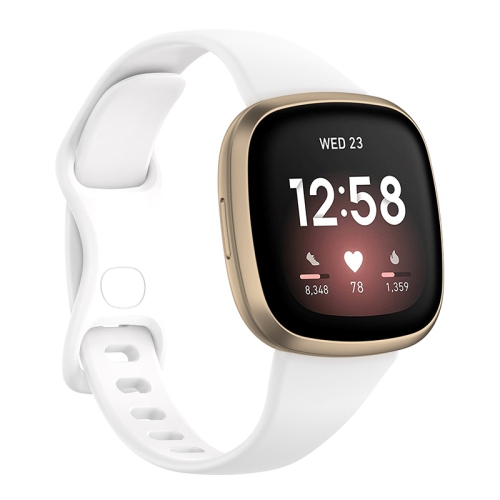
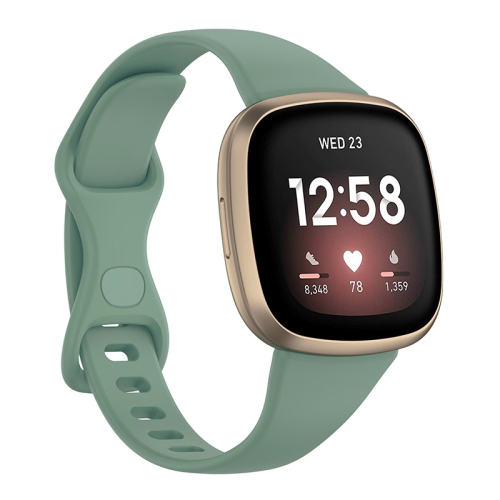
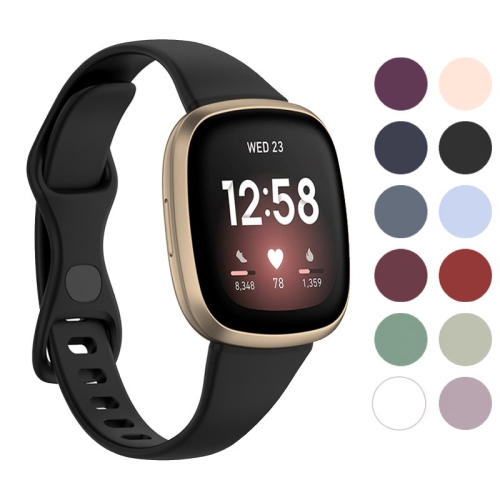
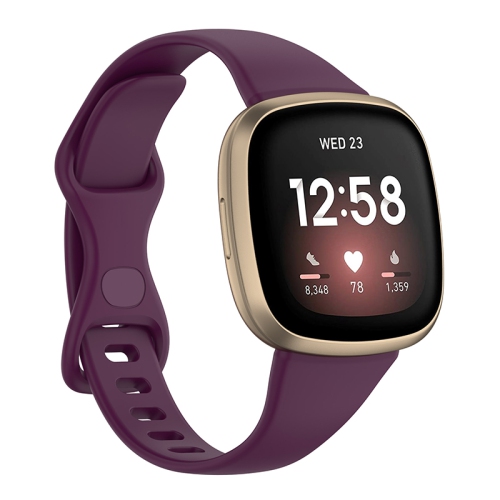
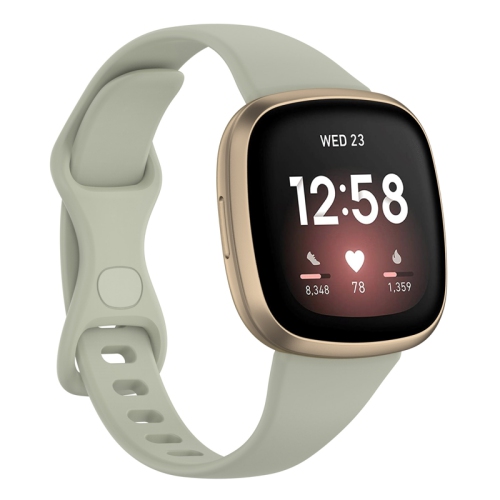
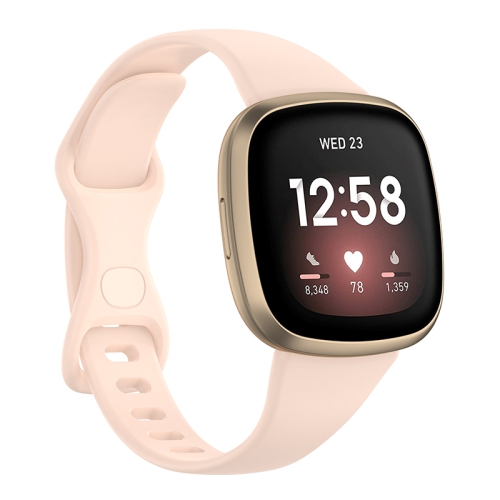
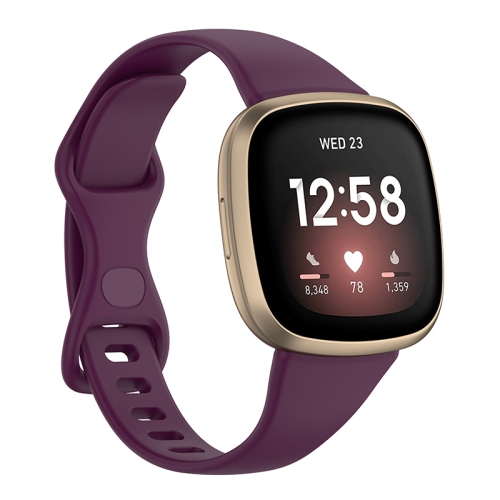
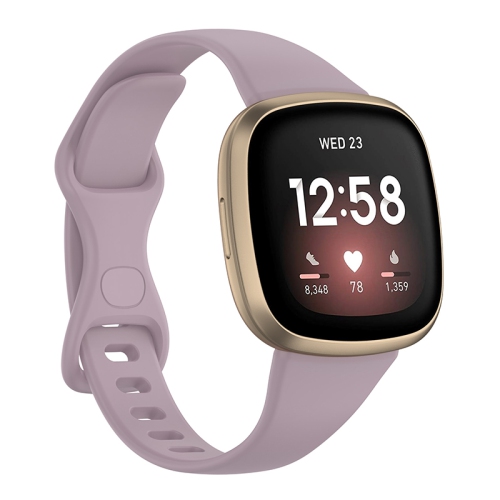
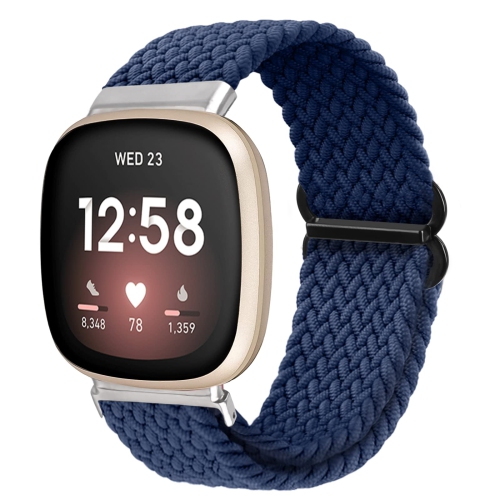
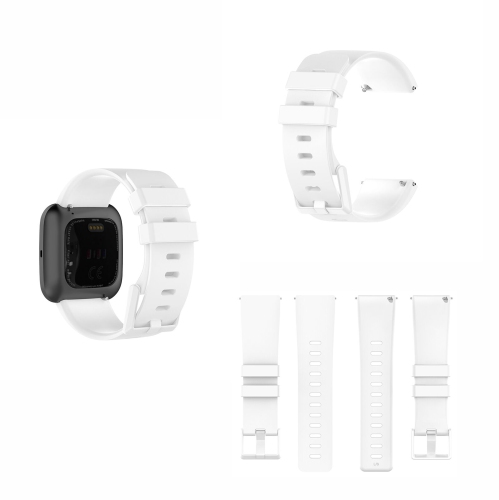
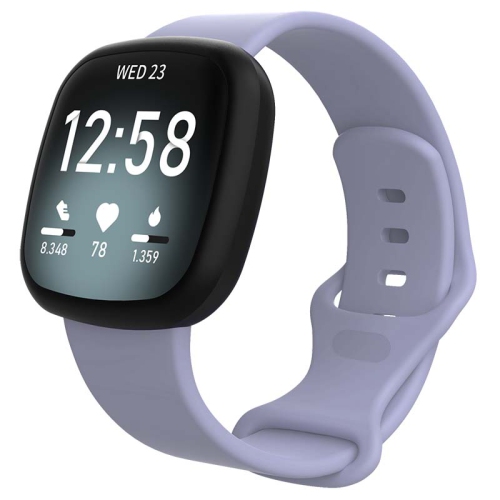
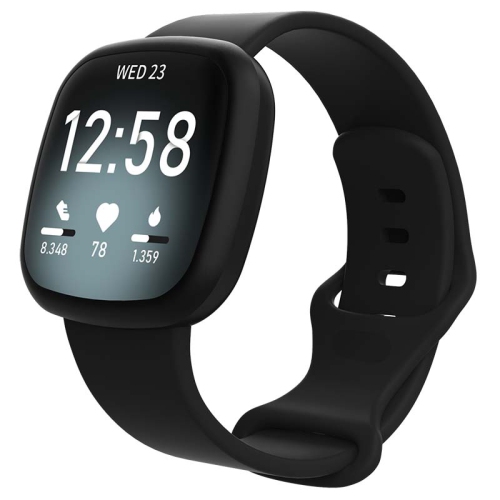
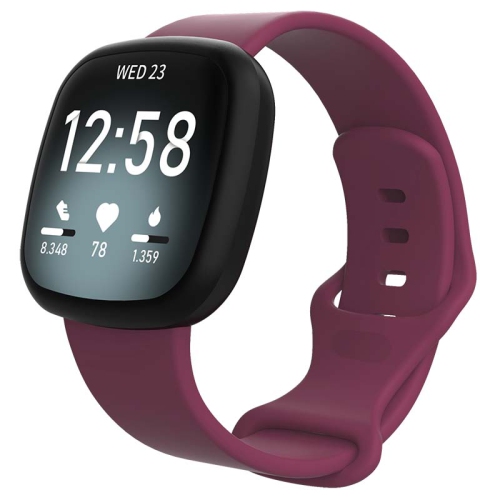
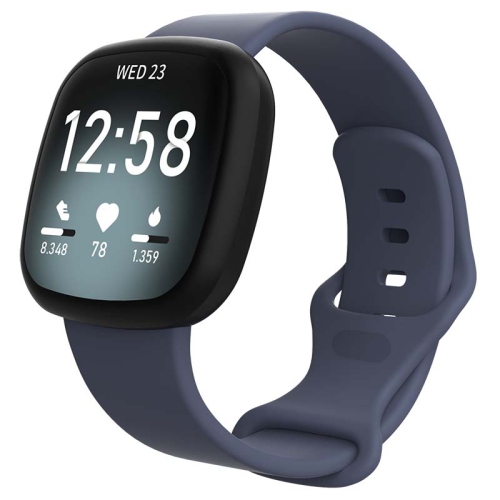
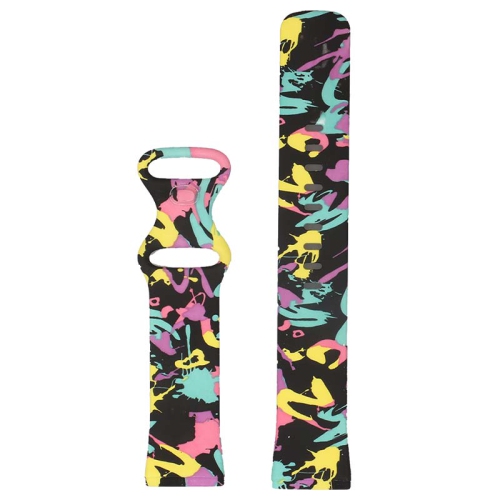
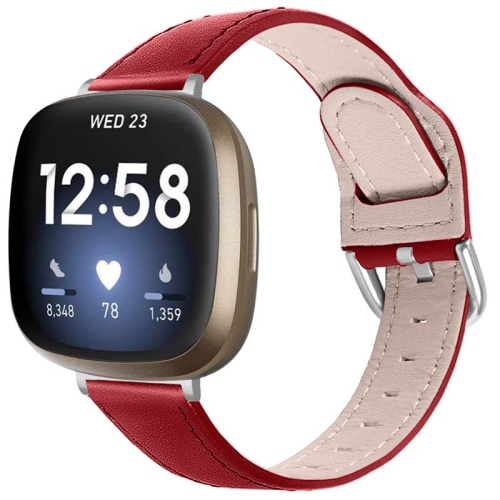
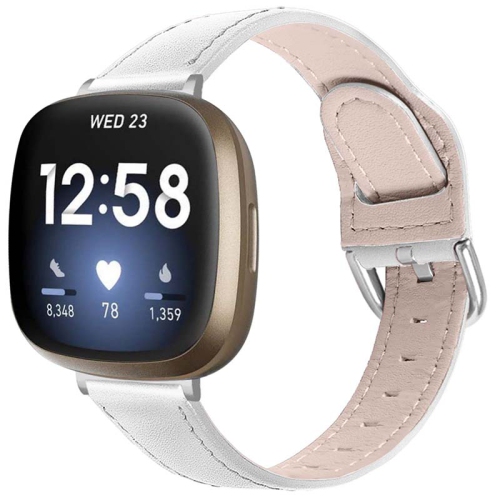
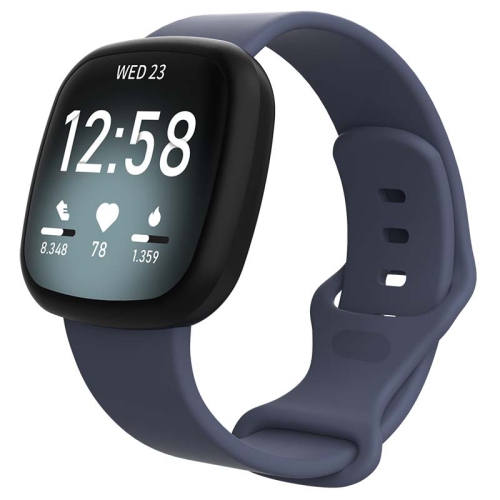
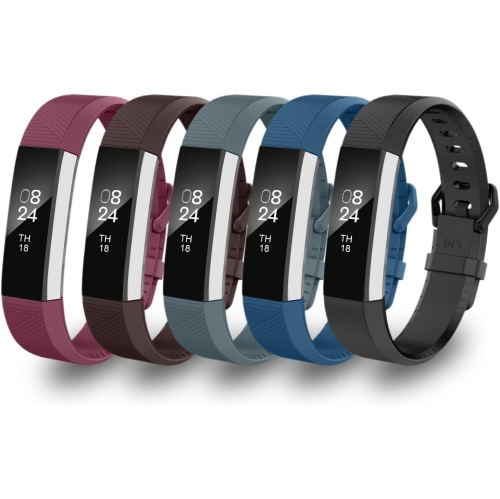
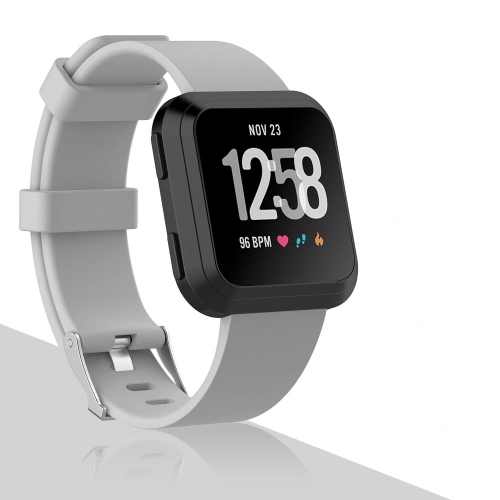
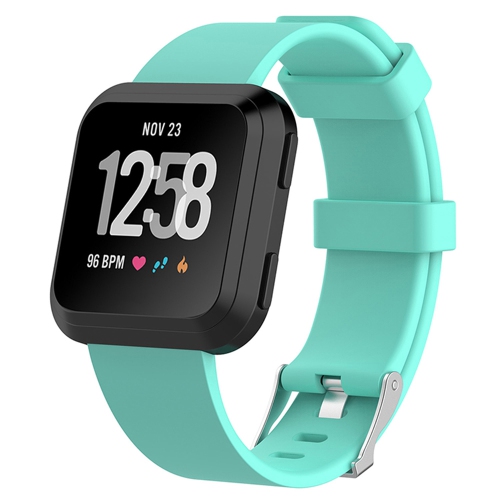
Personal comfort and style without replacing the tracker
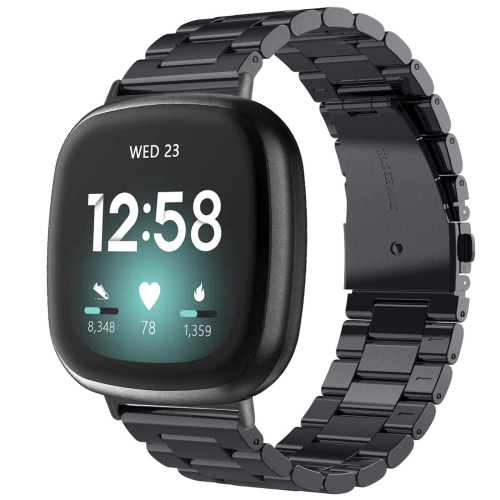
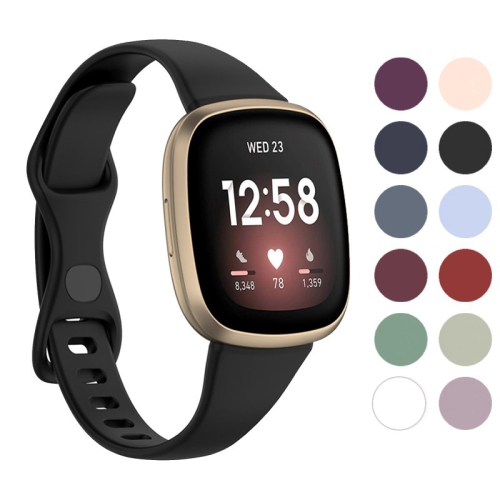
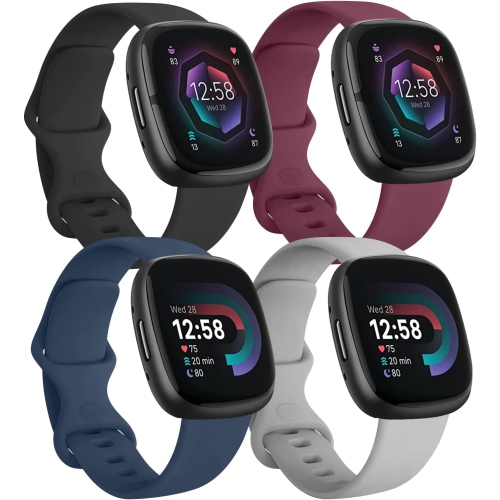
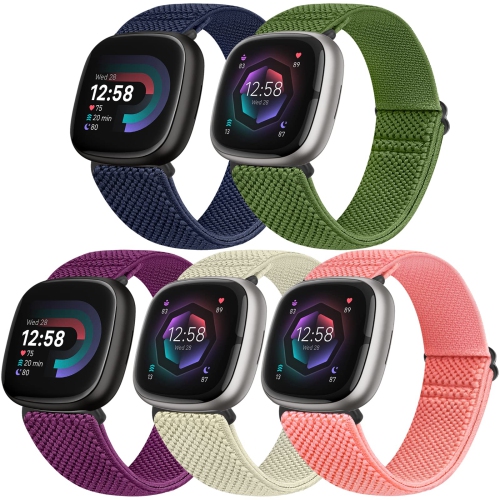
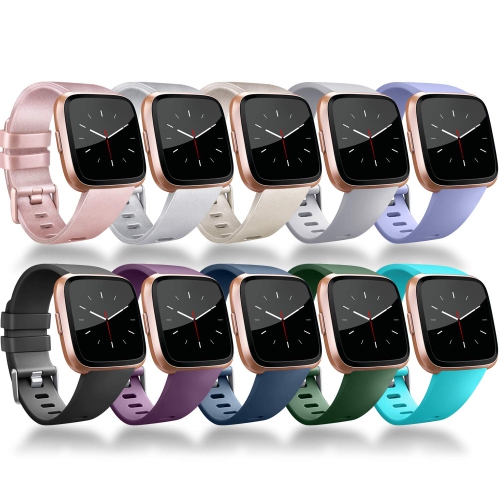
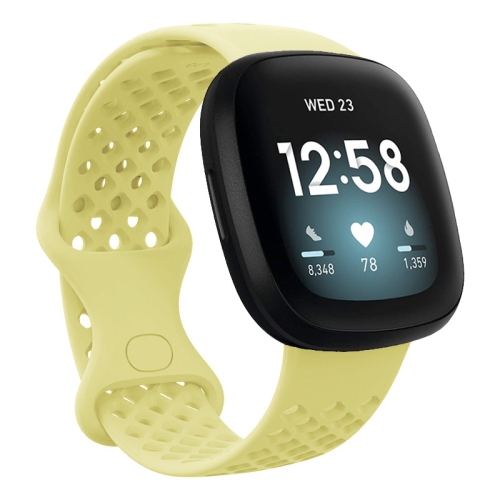
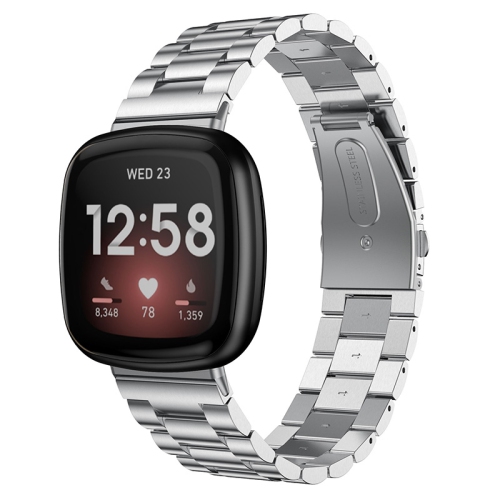
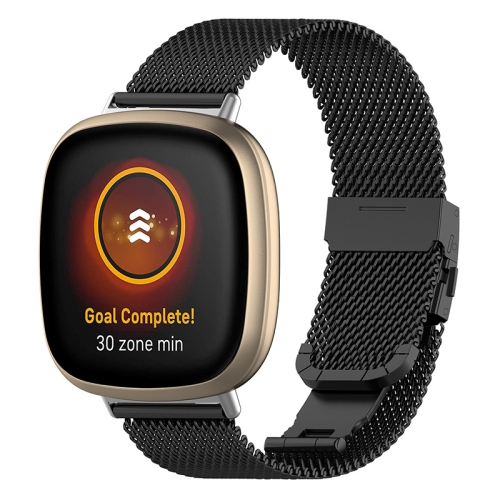
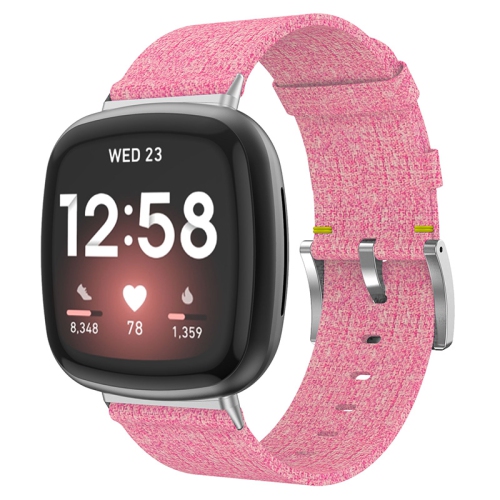
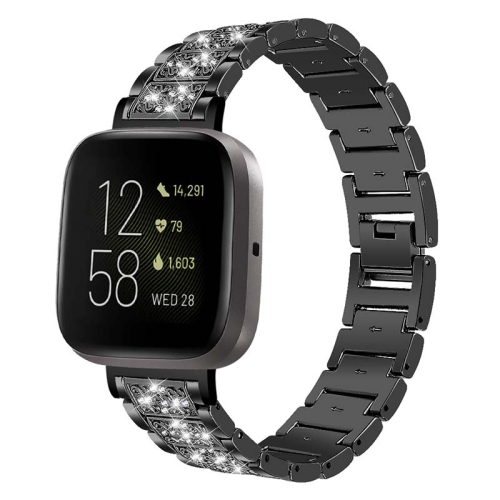
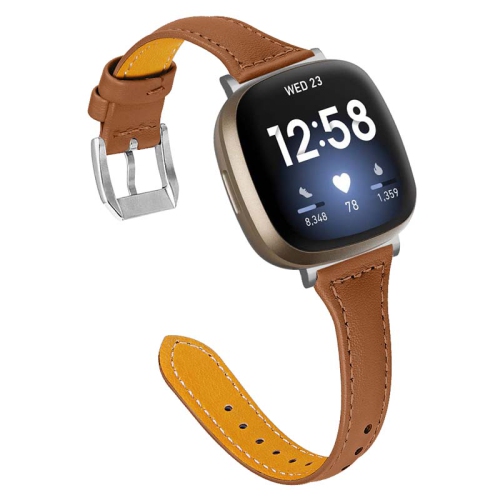
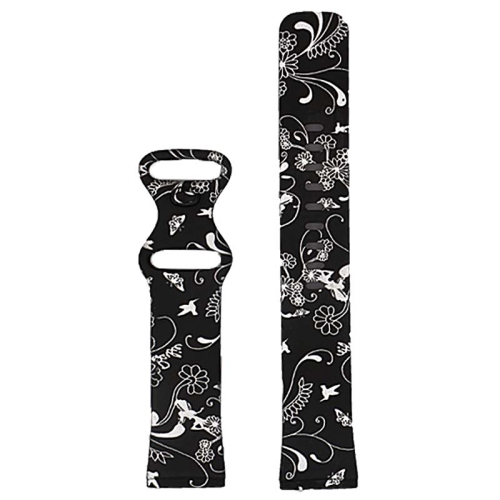
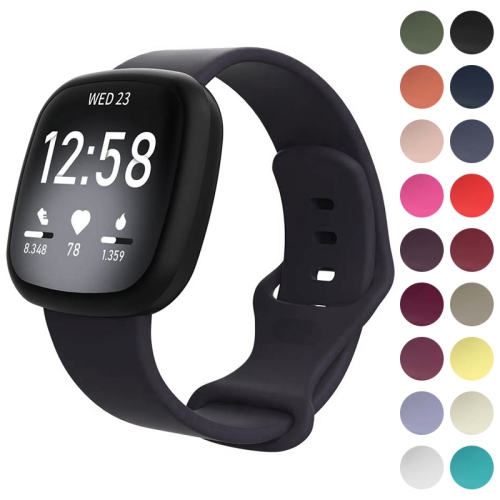
Replacement bands for Fitbit Versa 3 provide a simple way to refresh the look and feel of a familiar fitness tracker without replacing the device itself. Over time, a daily-worn band can show signs of regular use, or its original fit may no longer suit every activity. A replacement can make the tracker more comfortable for long workdays, evening walks, gym sessions, travel, or relaxed weekends at home. When choosing a band, begin by confirming that it is designed for the correct watch connection and model. Compatibility is essential because bands that look similar may use different attachment systems, connector shapes, or dimensions. A secure fit should sit neatly against the watch body without leaving a visible gap, shifting from side to side, or placing pressure on the wrist. It is also helpful to consider the band’s length and adjustment range, especially when the tracker will be shared, given as a gift, or worn over different layers during cooler months. A flexible band with several fastening positions can provide a closer fit for exercise, while a looser setting may feel more comfortable during everyday wear. Look for a closure that is easy to manage with one hand and stays fastened as the wrist moves. For people who keep their tracker on from morning until bedtime, small details such as smooth edges, evenly spaced adjustment holes, and a secure clasp can make a noticeable difference. Someone who spends weekends hiking, cycling, attending fitness classes, or working outdoors may appreciate a band that feels flexible and easy to wipe clean. A person who wears the tracker mainly at work or while running errands may prefer a more understated finish that pairs easily with casual clothing. These bands can also make thoughtful gifts for someone who already uses a compatible tracker, particularly when their style, routine, or comfort preferences have changed.
Replacing the band is generally a straightforward process, but handling the watch carefully helps protect the connector and keeps the installation secure. First, remove the tracker from your wrist and turn it upside down so the back is facing upward. At the point where the band meets the watch body, locate the small flat latch or notch. This release mechanism may sit close to the connector, so good lighting can make it easier to see. Push or pull the latch in the direction of the band, away from the watch face, then gently slide the band outward to detach it from the tracker. Avoid twisting the band sharply or forcing the latch, since the connector should release with controlled pressure. To install the replacement, hold the band in the correct orientation and align its connector with the slot on the watch. Slide it straight into place until the connector is fully seated. A distinct click, either heard or felt, usually indicates that the band has locked into position. Give the band a light tug in the direction it would normally pull when worn. It should remain attached without lifting away from the watch body. Repeat the same check on the other side before putting the tracker back on. If the band does not slide smoothly, remove it and inspect the alignment rather than applying extra force. Dust, fabric fibres, or a slightly tilted connector can prevent a clean fit. Once installed, adjust the band so the tracker rests securely without being uncomfortably tight. For activity tracking, the sensor generally works best when the watch stays in consistent contact with the skin, while everyday wear may call for a little more room. Checking the attachment periodically is also sensible after vigorous exercise, travel, or any situation where the band may have caught on clothing or equipment.
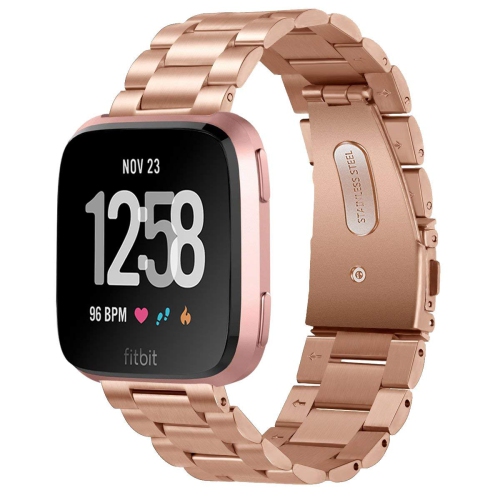
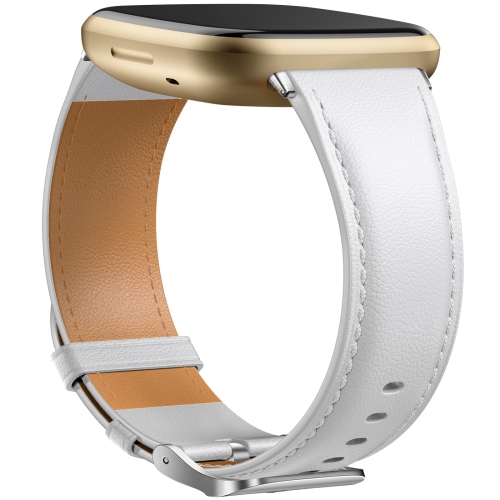
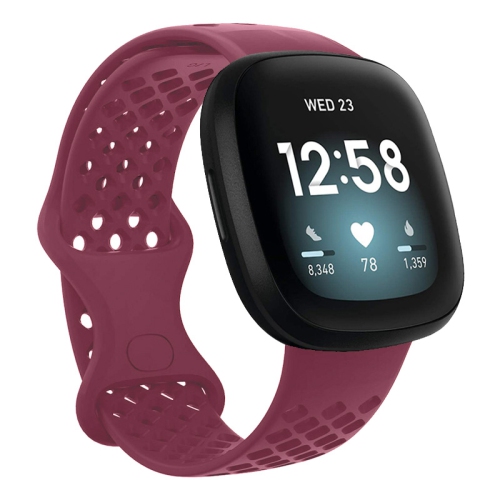
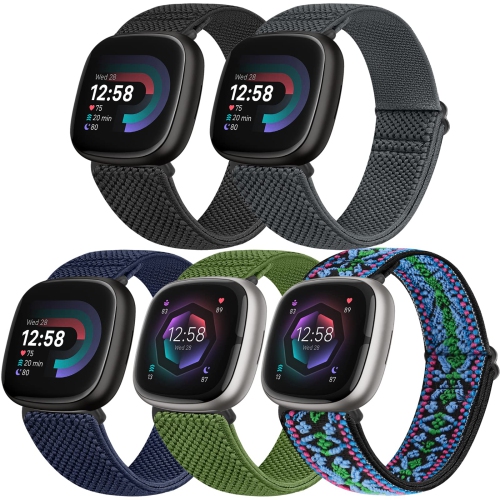
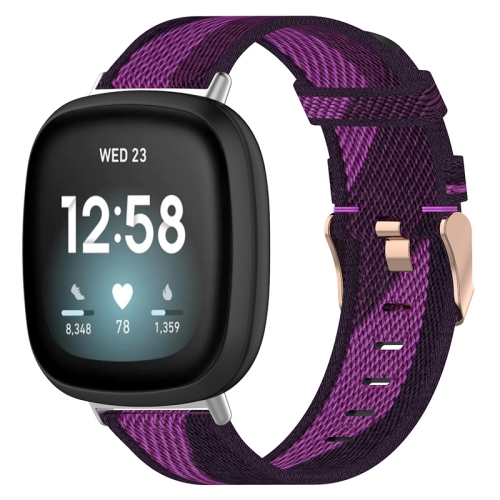
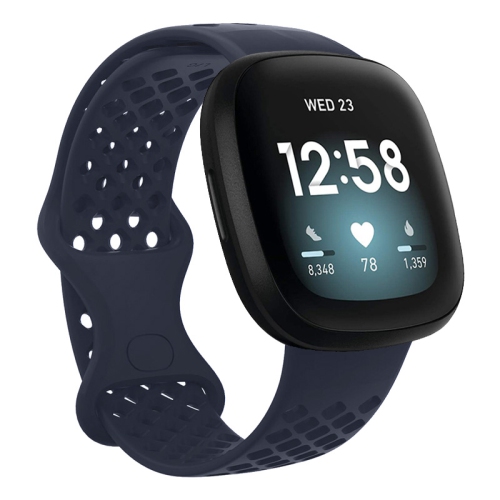
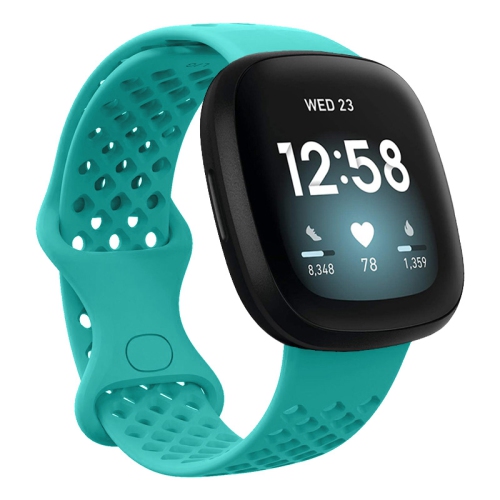
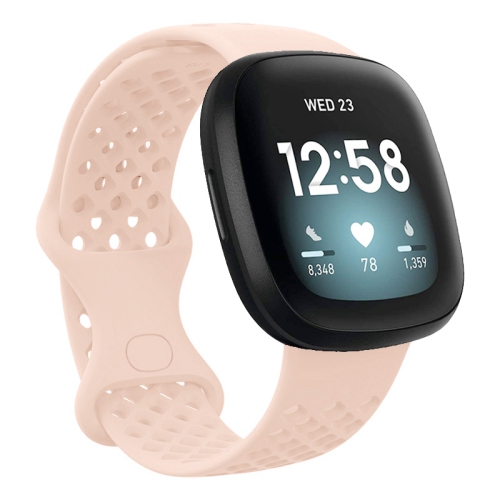
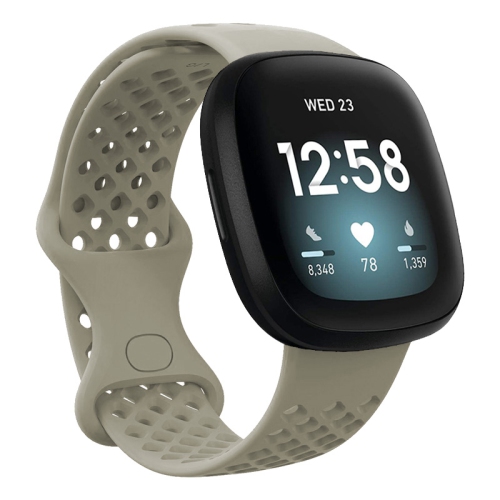
Material and design can shape how a replacement band feels throughout the day. Flexible silicone-style bands are often chosen for exercise, walks in changing weather, and active routines because they are lightweight, easy to adjust, and simple to wipe after use. Breathable perforations or a textured surface may help air circulate around the wrist, while a smooth finish can be comfortable beneath a sleeve. Nylon-style bands may appeal to people who prefer a soft, fabric-like feel and a more relaxed fit for daily wear or travel. They can also offer a different look from a standard athletic band, making the tracker easier to coordinate with casual outfits. Metal-style options may create a more structured appearance for work, dinners, or occasions where a sportier band feels out of place, although the added weight and clasp design should be considered. Leather-style choices can offer a classic appearance, but care instructions and exposure to moisture are important factors before wearing one during workouts or in wet conditions. Across all materials, clean the band according to its care instructions and allow it to dry fully before wearing it again. People with sensitive skin may wish to select a smooth, breathable material and keep both the band and wrist clean and dry. When shopping for a gift, consider the recipient’s usual activities, clothing style, wrist size, and preference for a secure or flexible closure. A second band can also be useful for alternating between work, exercise, and weekends, giving each setting a comfortable option without changing the tracker itself. If the intended device is a different generation, review the connector details carefully and browse Fitbit Versa 4 Replacement Bands for options made for that model. With the right fit, compatible attachment, and material for the wearer’s routine, a replacement band can help a well-used tracker feel comfortable and personal through changing seasons.
Replacing the band is generally a straightforward process, but handling the watch carefully helps protect the connector and keeps the installation secure. First, remove the tracker from your wrist and turn it upside down so the back is facing upward. At the point where the band meets the watch body, locate the small flat latch or notch. This release mechanism may sit close to the connector, so good lighting can make it easier to see. Push or pull the latch in the direction of the band, away from the watch face, then gently slide the band outward to detach it from the tracker. Avoid twisting the band sharply or forcing the latch, since the connector should release with controlled pressure. To install the replacement, hold the band in the correct orientation and align its connector with the slot on the watch. Slide it straight into place until the connector is fully seated. A distinct click, either heard or felt, usually indicates that the band has locked into position. Give the band a light tug in the direction it would normally pull when worn. It should remain attached without lifting away from the watch body. Repeat the same check on the other side before putting the tracker back on. If the band does not slide smoothly, remove it and inspect the alignment rather than applying extra force. Dust, fabric fibres, or a slightly tilted connector can prevent a clean fit. Once installed, adjust the band so the tracker rests securely without being uncomfortably tight. For activity tracking, the sensor generally works best when the watch stays in consistent contact with the skin, while everyday wear may call for a little more room. Checking the attachment periodically is also sensible after vigorous exercise, travel, or any situation where the band may have caught on clothing or equipment.
Material and design can shape how a replacement band feels throughout the day. Flexible silicone-style bands are often chosen for exercise, walks in changing weather, and active routines because they are lightweight, easy to adjust, and simple to wipe after use. Breathable perforations or a textured surface may help air circulate around the wrist, while a smooth finish can be comfortable beneath a sleeve. Nylon-style bands may appeal to people who prefer a soft, fabric-like feel and a more relaxed fit for daily wear or travel. They can also offer a different look from a standard athletic band, making the tracker easier to coordinate with casual outfits. Metal-style options may create a more structured appearance for work, dinners, or occasions where a sportier band feels out of place, although the added weight and clasp design should be considered. Leather-style choices can offer a classic appearance, but care instructions and exposure to moisture are important factors before wearing one during workouts or in wet conditions. Across all materials, clean the band according to its care instructions and allow it to dry fully before wearing it again. People with sensitive skin may wish to select a smooth, breathable material and keep both the band and wrist clean and dry. When shopping for a gift, consider the recipient’s usual activities, clothing style, wrist size, and preference for a secure or flexible closure. A second band can also be useful for alternating between work, exercise, and weekends, giving each setting a comfortable option without changing the tracker itself. If the intended device is a different generation, review the connector details carefully and browse Fitbit Versa 4 Replacement Bands for options made for that model. With the right fit, compatible attachment, and material for the wearer’s routine, a replacement band can help a well-used tracker feel comfortable and personal through changing seasons.
Top selling and popular products
-
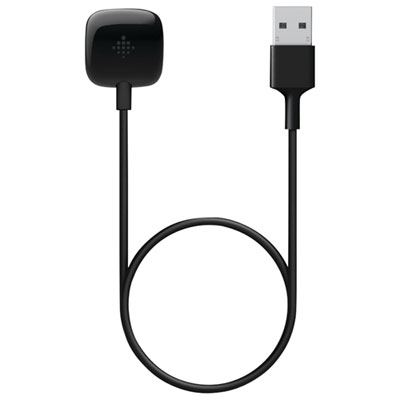 Your price for this item is $24.99
 -
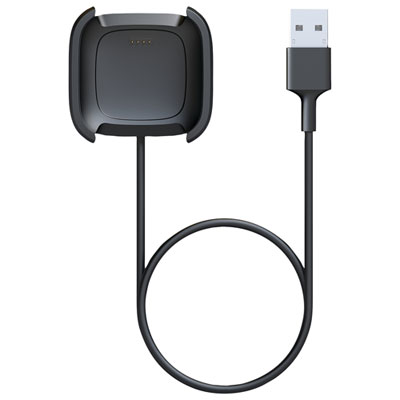 Your price for this item is $24.95
 -
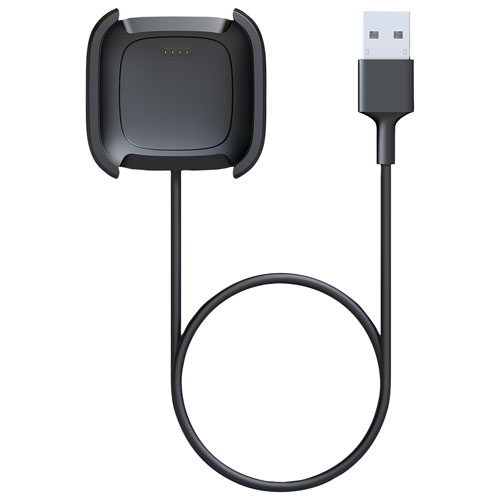 Your price for this item is $49
 -
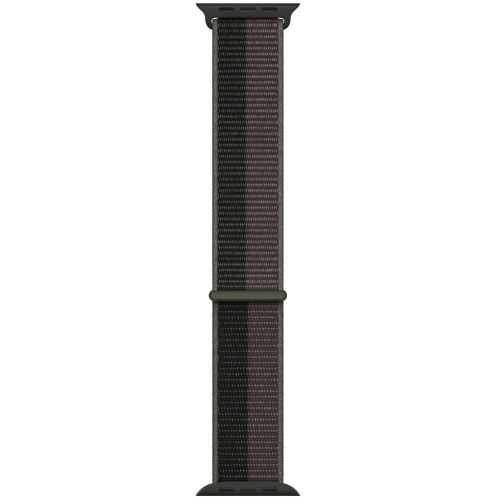 Your price for this item is $69.99
 -
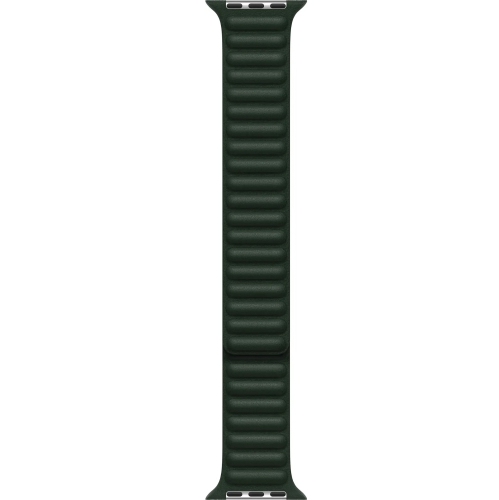 Your price for this item is $91.31
 -
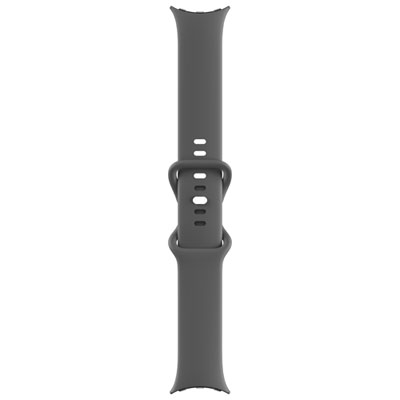 Your price for this item is $45.98
 -
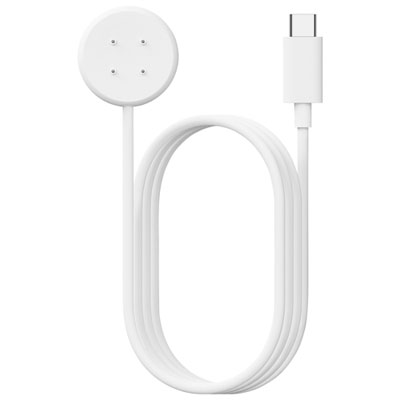 Your price for this item is $39.99
 -
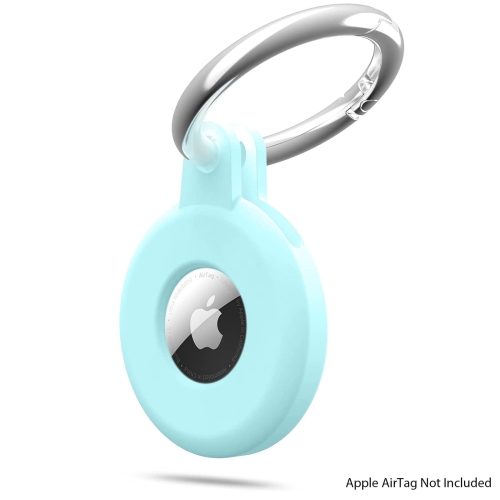 Your price for this item is $38
Discover more categories related to Replacement Bands for Fitbit Versa 3

Top Collections:
Pokemon Centers, Kindle Devices, Best Budget Office Chairs, Apple iPhones 16, Canon G7X Cameras, iPhone 15 Apple, Alarm Clock, Refurbished Apple Laptops, Flip Phones, Best Laptops for Writers
Some products may be subject to Environmental Handling Fees
(EHF) depending on your province.
Learn more about EHFs.