Step Tracker Watches
A step tracker watch is the perfect companion for anyone looking to stay motivated and on top of their daily activity goals. With a variety of styles and options available, these watches help you keep track of your movement throughout the day, making it easy to monitor your progress and celebrate your achievements. Whether you’re aiming to increase your daily steps or simply want to maintain an active lifestyle, finding the right step tracker watch can support your journey toward better health and fitness. Explore a wide selection to discover the ideal fit for your needs and preferences.
Sort



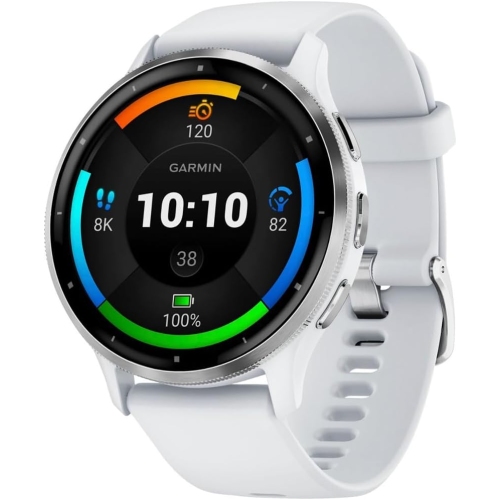
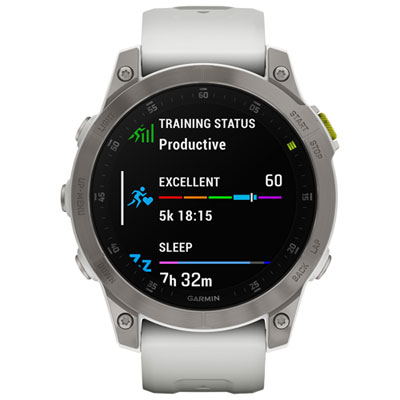
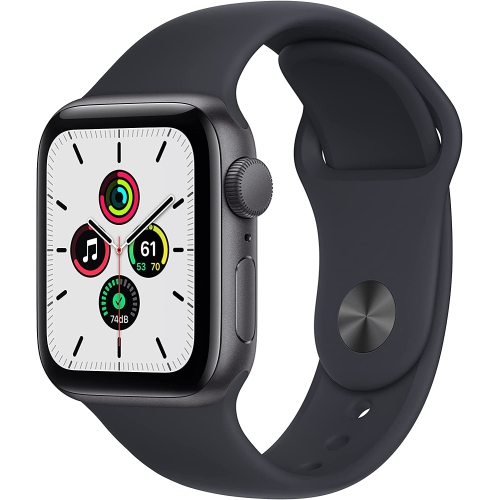
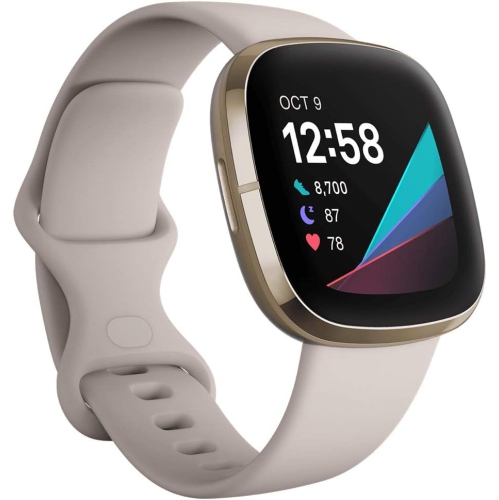
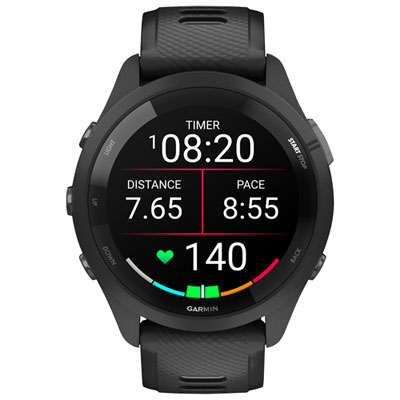


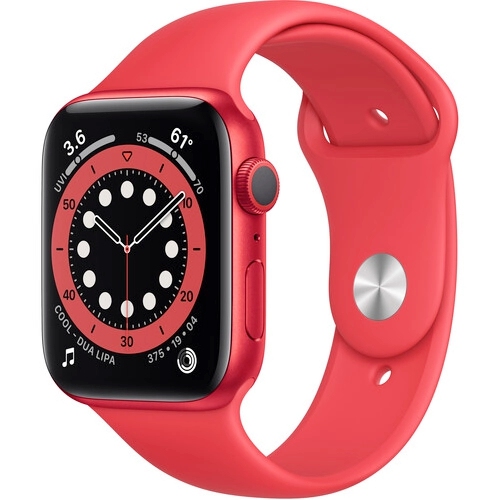
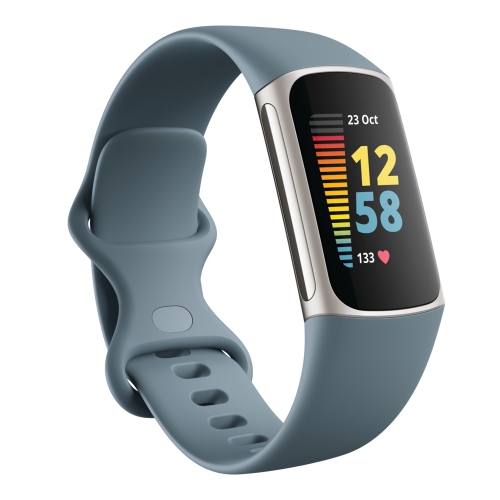
How wrist movement becomes a daily step count
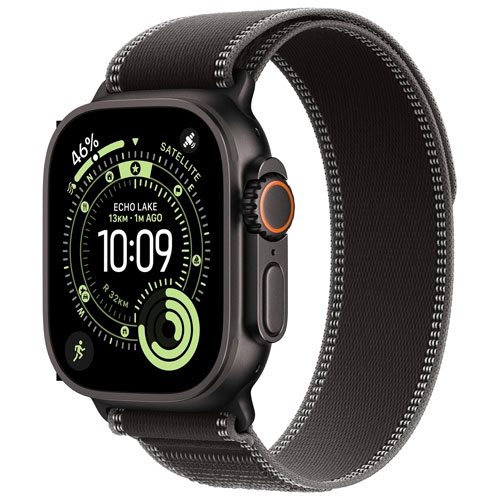
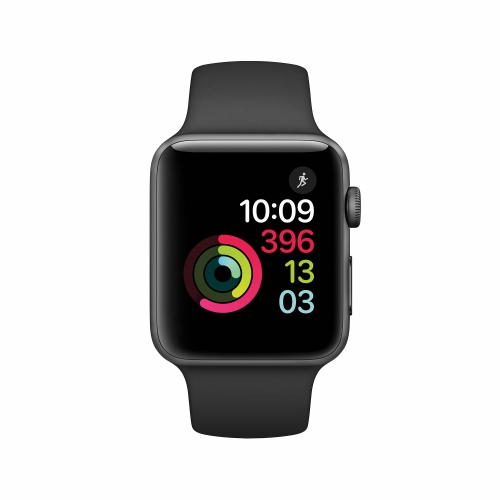
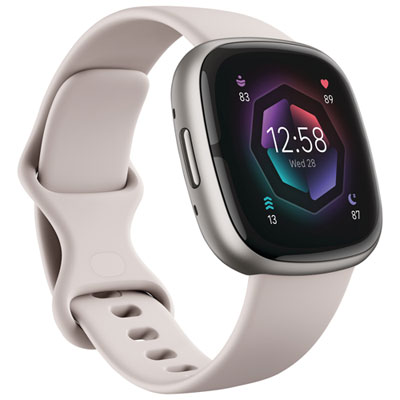
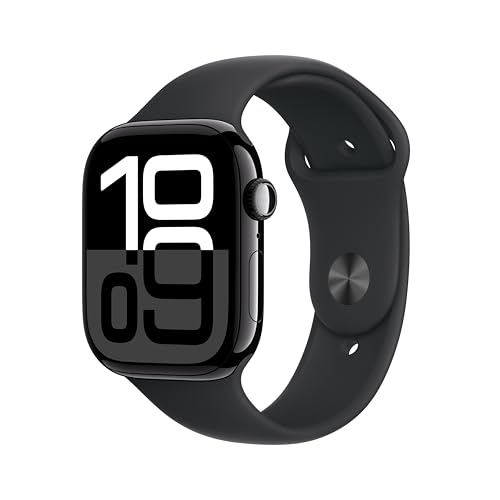
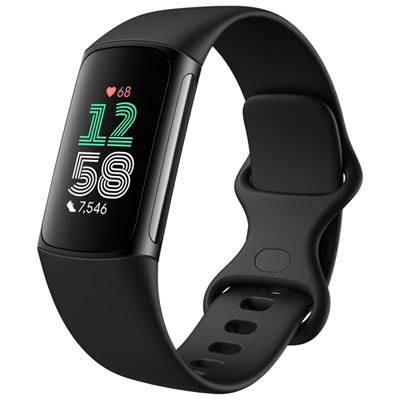
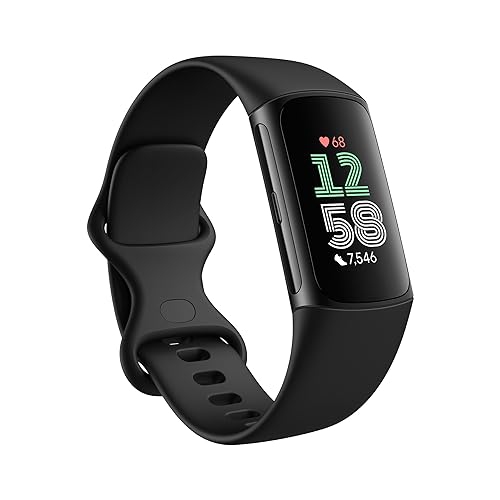
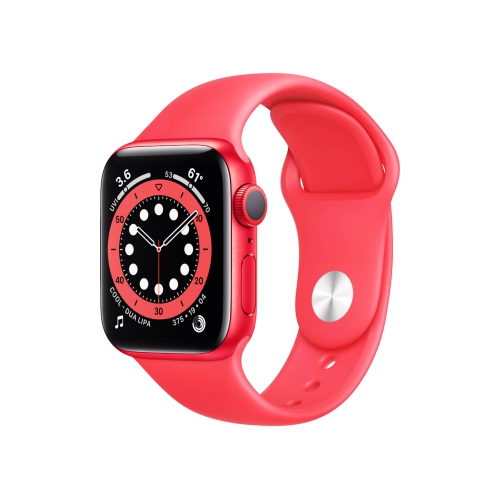
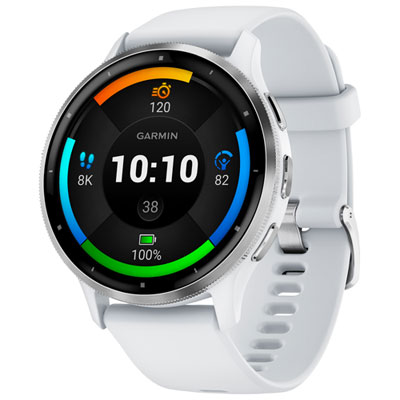
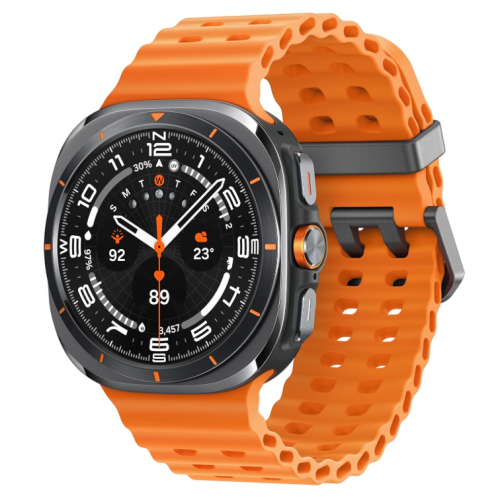
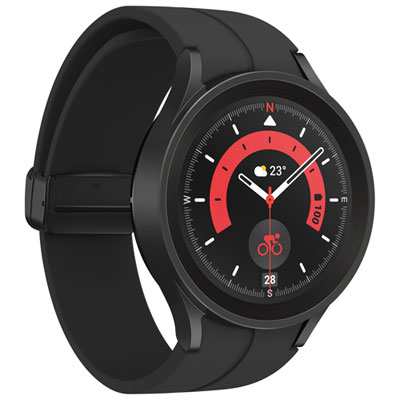
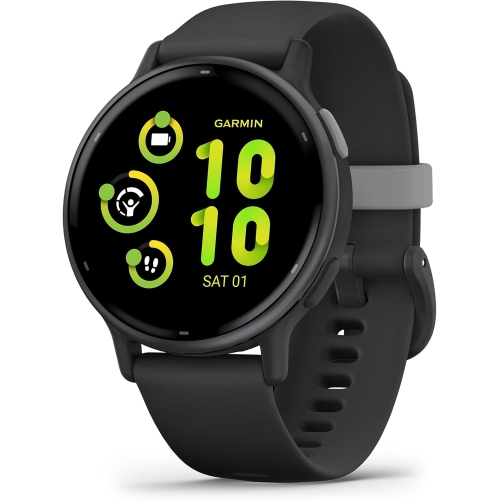
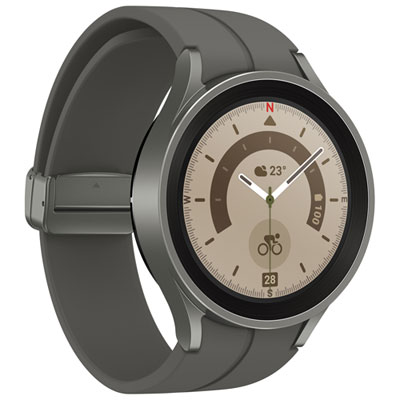
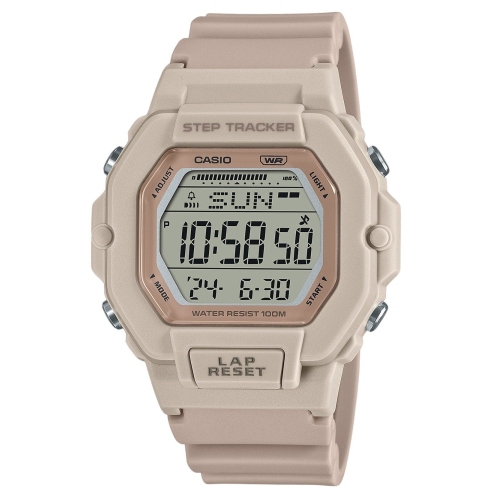
Step tracker watches count steps from wrist movement, making everyday activity easier to follow without keeping a phone in hand or in a pocket. Built-in motion sensors detect movement patterns, and the watch’s software uses those patterns to estimate a step total. Depending on the model, the display may also show distance travelled, active minutes, estimated calories burned, or progress towards a daily movement goal. These watches suit a wide range of routines, from walking to public transit and taking the stairs at work to completing a regular loop around the neighbourhood. A quick glance at the wrist can help someone notice how much movement fits into the day, especially when long stretches at a desk make activity easy to overlook. Step counts are estimates rather than exact measurements: pushing a stroller or shopping cart can limit arm movement, while some repeated hand movements may register as steps. Wearing the watch consistently and entering accurate personal details, such as height and stride length when supported, can help make activity summaries more useful. Trends over several days often offer more context than a single daily total, particularly when the same watch is worn in a similar way. The category includes slim fitness bands with watch displays, straightforward digital step counter watches, and smartwatches that combine activity tracking with connected features. A basic design may be enough for someone who mainly wants the time and a readable step count, while a more capable watch may suit someone who also wants workout modes, reminders to move, or phone notifications. For many walkers, the most useful features are the ones that make daily wear feel effortless: a clear screen, comfortable strap, dependable battery life, and controls that are easy to use while standing at a crossing or pausing along a walking route. Adjustable goals can also make the experience more personal, allowing the watch to reflect an established routine or a gradual change in activity rather than treating one fixed step target as suitable for everyone.
Comfort and fit matter because a step tracker watch is designed to spend many hours against the skin. A compact case and a lightweight strap can feel less noticeable during typing, household tasks, or longer walks, while a larger screen can make numbers and menus easier to read. Case dimensions, thickness, and the strap’s stated wrist-size range all affect how a watch sits; a large display does not necessarily mean a good fit for a smaller wrist. Silicone straps are common on activity-focused designs because they are flexible and generally easy to wipe clean. Woven nylon can offer a soft feel and adjustable fit, though it may retain moisture longer than a non-absorbent strap. Metal bracelets and leather straps can give compatible watches a more traditional appearance, but their suitability for exercise and their cleaning needs differ. Replaceable straps offer flexibility for someone who wants one watch for a walk, an office day, and a dinner out, provided the replacement matches the watch’s attachment system and dimensions. The fit should be secure enough to prevent excessive sliding without pinching or leaving the wrist feeling restricted. For watches with optical heart rate sensors, proper skin contact is particularly important, and the manufacturer’s placement directions should take priority. Regular cleaning helps remove sweat, soap residue, and everyday buildup from the strap and case. Care instructions vary by material, so harsh cleaners, abrasive cloths, and unapproved soaking are best avoided. After exercise or permitted contact with water, drying the watch and the skin underneath can make continued wear more comfortable. Durability depends on more than the case material: screen protection, button construction, strap fasteners, and the stated water-resistance rating all play a role. Water resistance should never be assumed to cover every activity. A watch suitable for splashes may not be intended for swimming, and water resistance can decline with wear or damage. Swimming, showering, and other water exposure should always match the manufacturer’s stated limits.
Battery life and phone compatibility shape how naturally a step tracking watch fits into a routine. Battery duration varies with the model and its settings; an always-on display, frequent notifications, continuous sensor readings, and GPS workouts can increase charging needs. A person who wants an uninterrupted view of daily movement may appreciate longer intervals between charges, while someone who uses connected features throughout the day may be comfortable with more frequent charging. The charger type and charging method also matter, especially when the watch is worn overnight. Many watches count steps without a phone nearby, but initial setup, longer-term activity history, software updates, or certain connected functions may require a compatible smartphone and app. Phone-free step counting is therefore different from completely phone-free ownership. Compatibility with the phone’s operating system, any account requirements, and whether particular features require a separate subscription are worth checking before choosing a watch. Bluetooth connectivity can transfer activity data to a phone, while built-in GPS on supported models can map an outdoor walking route without borrowing the phone’s location signal. Other designs rely on a connected phone for route tracking. Heart rate readings and exercise modes may add context to a walk, but wrist-based fitness measurements are generally intended for personal wellness rather than medical diagnosis. For people interested in both daytime movement and overnight patterns, sleep tracking watches offer a related way to explore wearable activity features, with comfort and charging habits taking on added importance for overnight wear. Step tracker watches can also make thoughtful gifts for someone who enjoys walking, is building a regular movement habit, or prefers a wrist display to checking a phone. The recipient’s wrist size, phone compatibility, and comfort with apps matter more than simply choosing the longest feature list. Readable text, physical buttons, vibration alerts, and adjustable display settings may be especially useful to someone who values straightforward operation. Whether worn for a short lunchtime walk or throughout a busy day, a well-matched step tracker watch makes activity information accessible without demanding constant attention.
Top selling and popular products
-
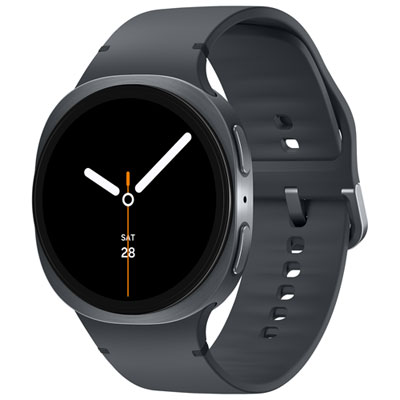 Your price for this item is $399.99
-
 Your price for this item is $579.99
-
 Your price for this item is $629.97
-
 Your price for this item is $349.99
-
 Your price for this item is $371.79
-
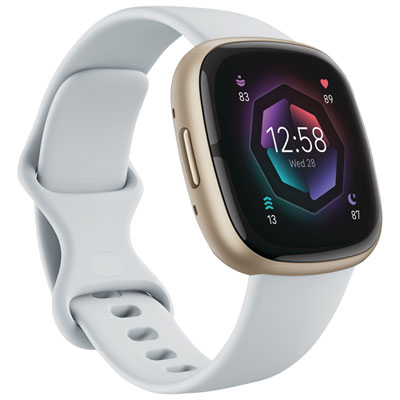 Your price for this item is $329.99
-
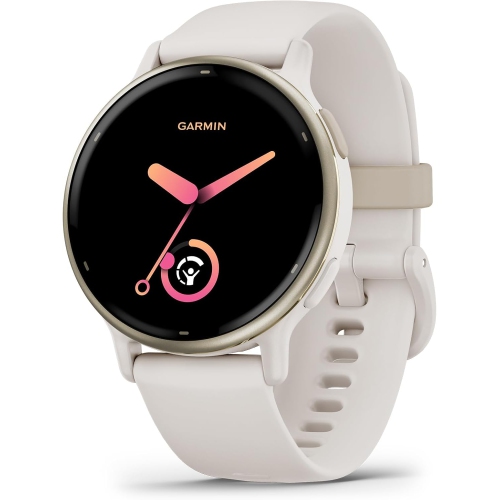 Your price for this item is $323
-
 Your price for this item is $659.99
Discover more categories related to Step Tracker Watches
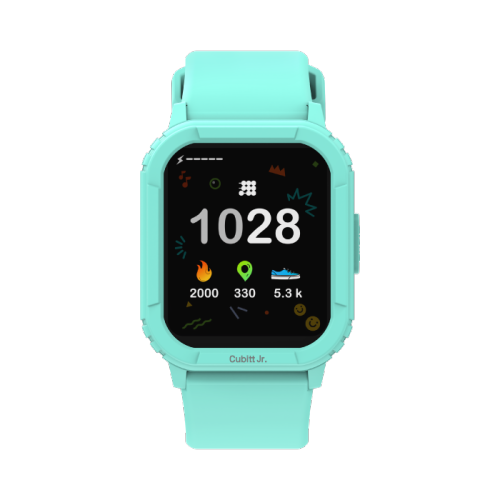
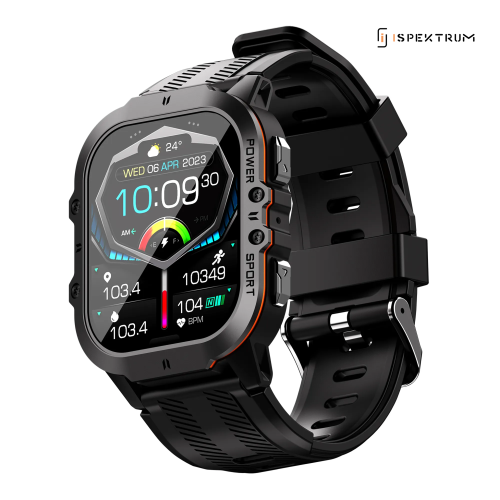
Top Collections:
Pokemon Centers, Best Cameras for Sports Photography, Kindle Devices, Samsung Galaxy Phones, Canon G7X Cameras, Pokémon 30th Celebration Cards, Refurbished Apple Laptops, iPhone 15 Apple, Laptops for Students, Budget Smartphones
Some products may be subject to Environmental Handling Fees
(EHF) depending on your province.
Learn more about EHFs.