Vintage Frames
Elevate your home décor with the timeless charm of vintage frames. Perfect for showcasing cherished memories, artwork, or mirrors, these frames add a touch of nostalgia and elegance to any room. Whether you're looking to create a gallery wall or find the perfect accent piece, our collection of vintage frames offers a variety of styles and finishes that effortlessly blend with both classic and contemporary interiors. Discover how these distinctive pieces can transform your space into a haven of sophistication and history.
Sort




An aged border gives familiar photographs a new presence
Vintage frames bring a sense of history to photographs, artwork, and personal keepsakes, giving familiar images a presence that a plain border may not provide. Their appeal often lies in the details: a softly worn gold finish, a narrow wood profile with visible grain, a raised floral motif, or a curved edge that catches the light. The term can describe frames made in an earlier period as well as newer frames designed with older styles in mind, so age and appearance are separate considerations. An antique look does not necessarily mean a frame is an antique, and an intentionally distressed finish is different from damage caused by years of handling. Within the broader vintage style, there is considerable variety. Ornate borders suit formal portraits and richly coloured prints, while simpler stained wood frames feel at home around candid family photographs, landscape sketches, and handwritten letters. Slender metal profiles can lend a quieter, more tailored character without losing that connection to the past. The relationship between the frame and its contents matters more than matching every detail in a room. A small black-and-white portrait can feel especially intimate inside a broad, textured border, whereas an intricate illustration may benefit from a restrained profile and generous matting. Warm brass tones sit comfortably alongside cream paper and sepia photography; dark wood creates a stronger outline around pale artwork. For a collected arrangement, repeating one element, such as finish, mat colour, or frame shape, can tie different styles together without making them look identical. A single vintage frame can also stand on its own on a bedside table, bookshelf, or entryway console, where its texture adds interest at close range. For a wider range of framing styles beyond a vintage look, Best Frames offers another point of comparison. The most convincing pairing leaves room for both the image and the frame to contribute, rather than allowing an elaborate border to overwhelm a meaningful photograph.
Materials and construction influence how vintage frames look, feel, and hold up to everyday use. Solid wood offers natural variation in grain and can support carved details, though its corners and finish still need gentle handling. Engineered wood can provide a smooth, consistent base for painted or wrapped finishes, while resin allows for intricate scrollwork and raised patterns. Metal frames may have crisp edges or moulded ornamentation, with finishes ranging from softly brushed to highly polished. No material alone guarantees durability: secure corner joints, a well-fitted backing, and suitable hanging hardware are just as important. For genuinely older frames, loose joints, missing surface details, and brittle backing materials deserve attention before a photograph is fitted. Size also involves more than the dimensions printed on a label. The stated frame size usually refers to the artwork or photograph it accepts, while the outside measurements include the border and determine how much wall or shelf space it needs. A wide profile can make a modest print feel substantial, but it may also crowd a narrow ledge. When a mat is included, its opening is generally slightly smaller than the image it holds, helping keep the edges in place; that overlap can hide a signature or crop a face positioned close to the edge. The depth behind the frame matters for thicker artwork, layered paper, or a mounted print, which should fit without forcing the backing closed. Glass provides a clear viewing surface and resists everyday scratching better than many plastic alternatives, but it adds weight and can break. Acrylic glazing is lighter and less prone to shattering, although it scratches more easily and needs an appropriate cleaning method. Neither material should be assumed to offer ultraviolet protection unless that feature is specified. For valued photographs or documents, acid-free matting and suitable backing materials help limit contact with potentially damaging surfaces. A mat or properly fitted spacer can also keep the image from resting directly against the glazing, an important distinction when framing an original rather than a replaceable print.
Intended use helps narrow the choice between a frame that simply looks right and one that works comfortably in its setting. A tabletop frame needs a stable stand with enough clearance behind it, particularly on a shallow mantel or a shelf shared with books. Wall-mounted frames need attachment points suited to their weight and orientation, along with wall fixings appropriate for the surface. A frame designed only for portrait display may not support a landscape photograph without different hardware, and a heavy, ornate border calls for more support than a lightweight profile. In busy spaces, secure placement matters as much as visual balance; fragile glazing and projecting corners are best kept away from the edges of frequently used surfaces. Vintage frames suit family history displays, personal art collections, and small arrangements of travel photographs, but they need not hold an old image to feel appropriate. A recent wedding portrait in a softly aged silver-toned frame can connect a new memory with an established family display. As a gift, a frame becomes more personal when its proportions and finish reflect the recipient’s space, whether that means understated wood for a quiet reading corner or a sculpted border for a dressing table. Including a meaningful photograph can make it ready to display, provided the image is sized correctly and fitted without damaging adhesive. Routine care is usually straightforward: dust the border with a soft cloth, use a gentle brush around shallow carved details, and avoid vigorous rubbing on fragile or flaking finishes. Apply a glazing-safe cleaner to a cloth rather than spraying the assembled frame, so liquid does not run beneath the border or reach the artwork. Acrylic requires products and cloths intended for that surface. Prolonged direct sunlight can fade both images and finishes, while persistent moisture can affect paper, backing boards, and wood. A dry location away from strong light helps preserve the appearance of the whole display. With thoughtful placement and careful handling, vintage frames can remain useful, expressive parts of a home, carrying treasured images through changes in furnishings and personal style.
Materials and construction influence how vintage frames look, feel, and hold up to everyday use. Solid wood offers natural variation in grain and can support carved details, though its corners and finish still need gentle handling. Engineered wood can provide a smooth, consistent base for painted or wrapped finishes, while resin allows for intricate scrollwork and raised patterns. Metal frames may have crisp edges or moulded ornamentation, with finishes ranging from softly brushed to highly polished. No material alone guarantees durability: secure corner joints, a well-fitted backing, and suitable hanging hardware are just as important. For genuinely older frames, loose joints, missing surface details, and brittle backing materials deserve attention before a photograph is fitted. Size also involves more than the dimensions printed on a label. The stated frame size usually refers to the artwork or photograph it accepts, while the outside measurements include the border and determine how much wall or shelf space it needs. A wide profile can make a modest print feel substantial, but it may also crowd a narrow ledge. When a mat is included, its opening is generally slightly smaller than the image it holds, helping keep the edges in place; that overlap can hide a signature or crop a face positioned close to the edge. The depth behind the frame matters for thicker artwork, layered paper, or a mounted print, which should fit without forcing the backing closed. Glass provides a clear viewing surface and resists everyday scratching better than many plastic alternatives, but it adds weight and can break. Acrylic glazing is lighter and less prone to shattering, although it scratches more easily and needs an appropriate cleaning method. Neither material should be assumed to offer ultraviolet protection unless that feature is specified. For valued photographs or documents, acid-free matting and suitable backing materials help limit contact with potentially damaging surfaces. A mat or properly fitted spacer can also keep the image from resting directly against the glazing, an important distinction when framing an original rather than a replaceable print.
Intended use helps narrow the choice between a frame that simply looks right and one that works comfortably in its setting. A tabletop frame needs a stable stand with enough clearance behind it, particularly on a shallow mantel or a shelf shared with books. Wall-mounted frames need attachment points suited to their weight and orientation, along with wall fixings appropriate for the surface. A frame designed only for portrait display may not support a landscape photograph without different hardware, and a heavy, ornate border calls for more support than a lightweight profile. In busy spaces, secure placement matters as much as visual balance; fragile glazing and projecting corners are best kept away from the edges of frequently used surfaces. Vintage frames suit family history displays, personal art collections, and small arrangements of travel photographs, but they need not hold an old image to feel appropriate. A recent wedding portrait in a softly aged silver-toned frame can connect a new memory with an established family display. As a gift, a frame becomes more personal when its proportions and finish reflect the recipient’s space, whether that means understated wood for a quiet reading corner or a sculpted border for a dressing table. Including a meaningful photograph can make it ready to display, provided the image is sized correctly and fitted without damaging adhesive. Routine care is usually straightforward: dust the border with a soft cloth, use a gentle brush around shallow carved details, and avoid vigorous rubbing on fragile or flaking finishes. Apply a glazing-safe cleaner to a cloth rather than spraying the assembled frame, so liquid does not run beneath the border or reach the artwork. Acrylic requires products and cloths intended for that surface. Prolonged direct sunlight can fade both images and finishes, while persistent moisture can affect paper, backing boards, and wood. A dry location away from strong light helps preserve the appearance of the whole display. With thoughtful placement and careful handling, vintage frames can remain useful, expressive parts of a home, carrying treasured images through changes in furnishings and personal style.
Top selling and popular products
-
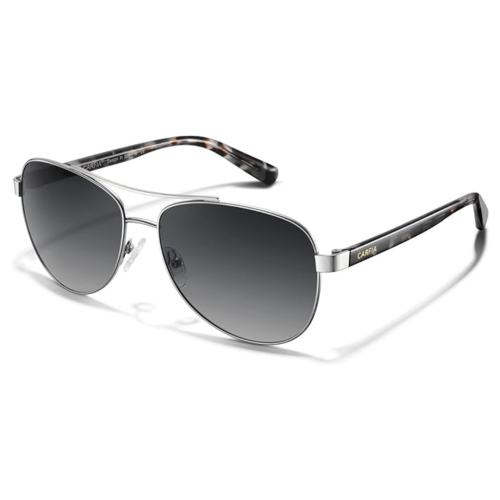 Your price for this item is $74.99
 -
 Your price for this item is $74.99
 -
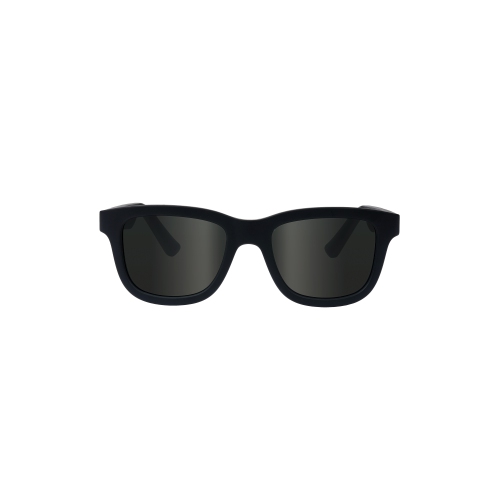 Your price for this item is $339
 -
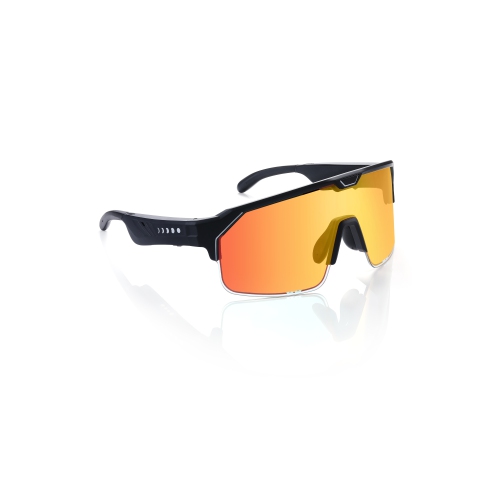 Your price for this item is $339
 -
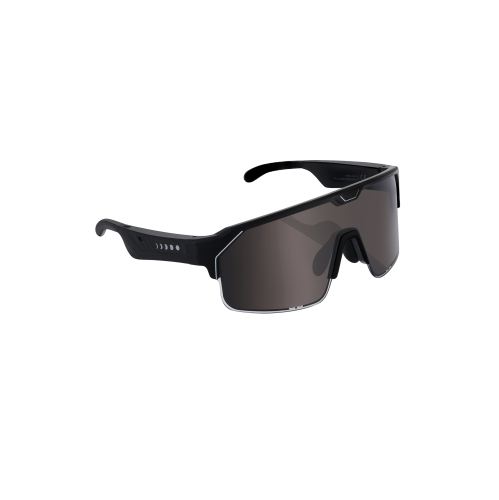 Your price for this item is $339
 -
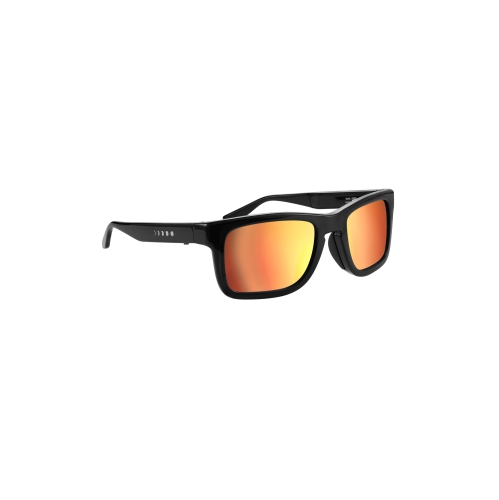 Your price for this item is $269
 -
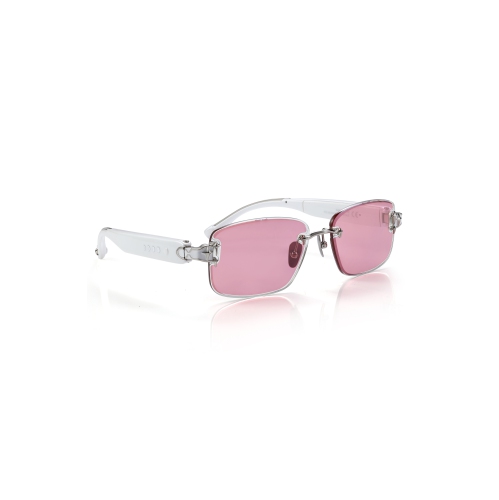 Your price for this item is $499
 -
 Your price for this item is $269
Discover more categories related to Vintage Frames
Top Collections:
Pokemon Centers, Kindle Devices, Best Budget Office Chairs, Apple iPhones 16, Best Laptops for Writers, iPhone 15 Apple, Canon G7X Cameras, Refurbished Apple Laptops, Alarm Clock, Motorola Razr Phones
Some products may be subject to Environmental Handling Fees
(EHF) depending on your province.
Learn more about EHFs.