Vintage Furniture
Transform your living space into a charming sanctuary with our exquisite collection of vintage furniture. Embrace the timeless elegance and character that only vintage pieces can bring, as you explore a wide range of styles and designs to suit every taste. Whether you're seeking a statement piece to anchor your room or looking to curate a cohesive vintage-inspired aesthetic, our selection offers an array of options that will effortlessly elevate your home decor. From beautifully crafted wooden dressers to retro-inspired sofas, discover the allure of vintage furniture and create a space that tells your unique story.
Sort
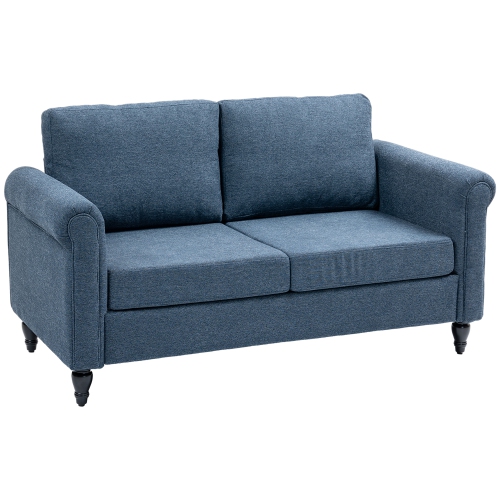
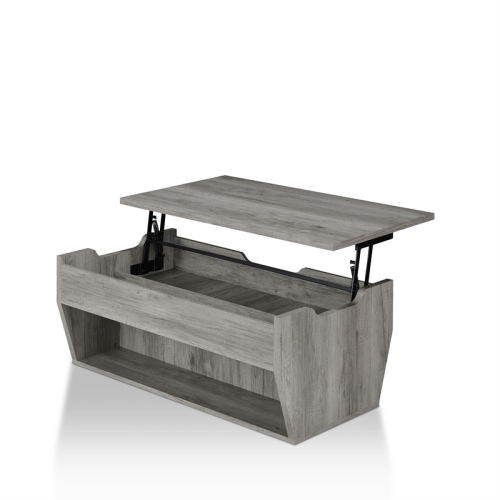
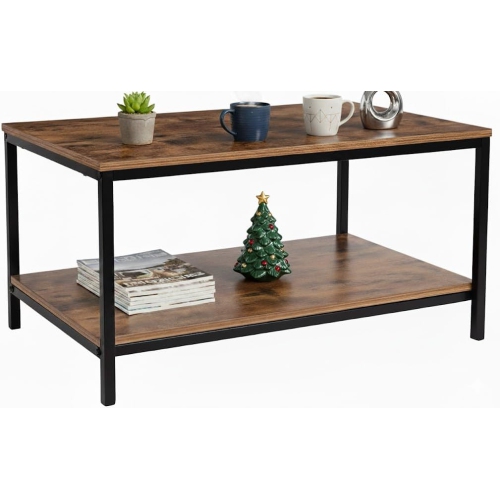
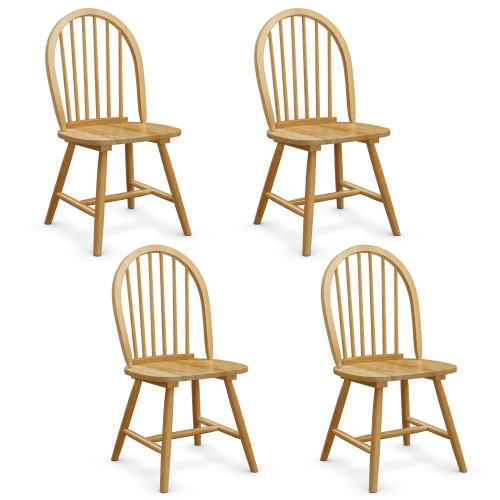
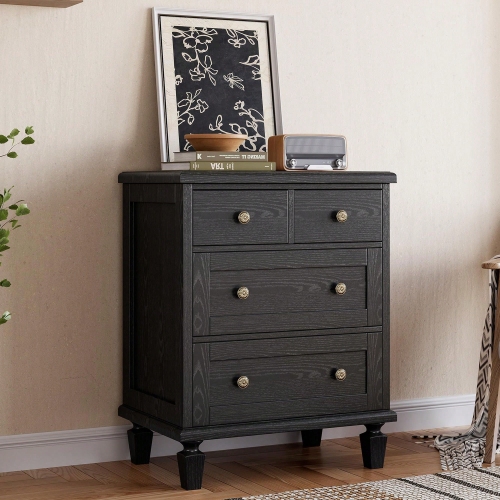
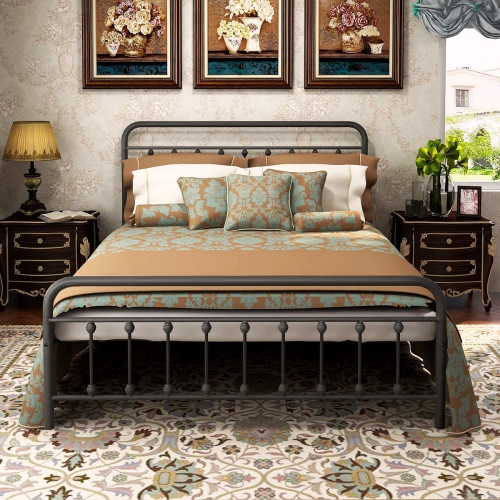
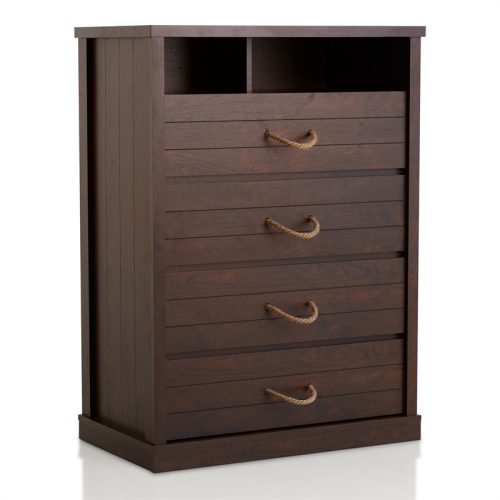


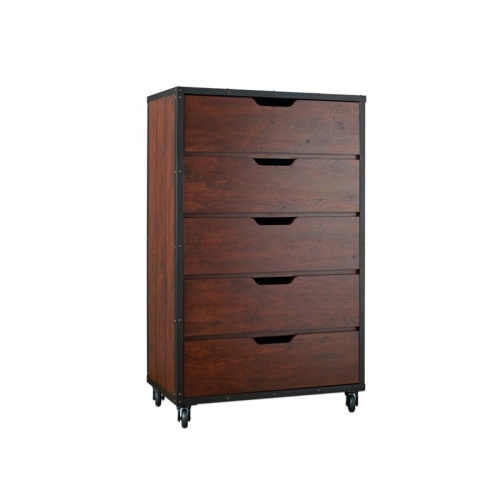
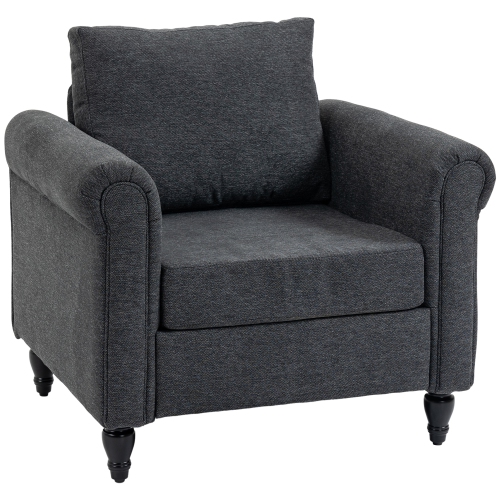
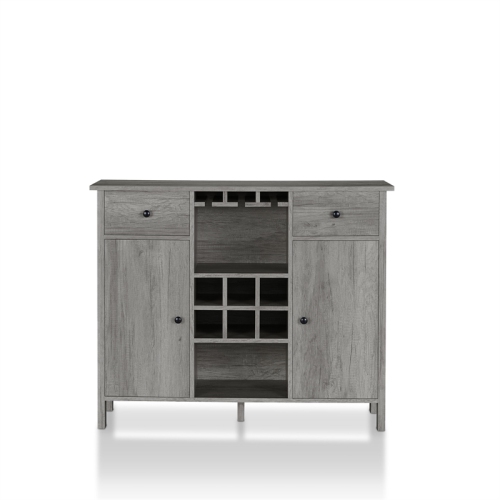
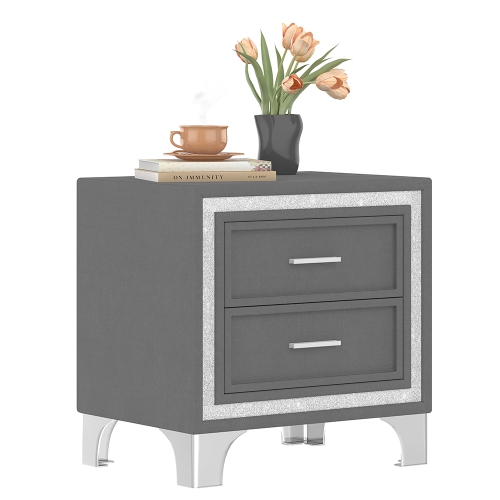
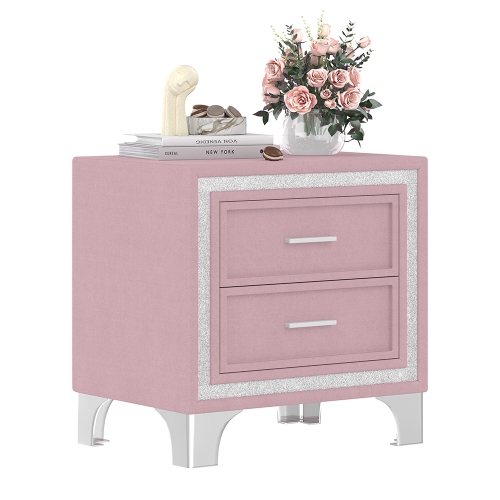
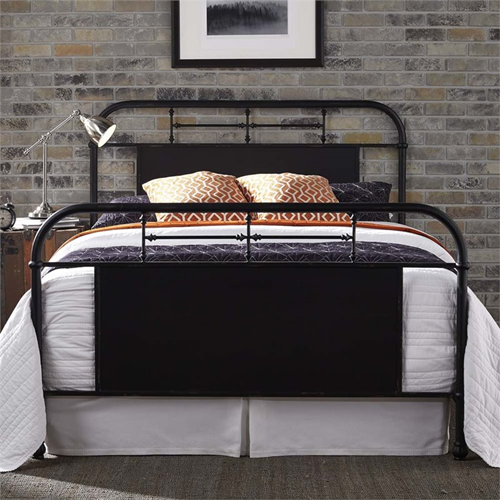
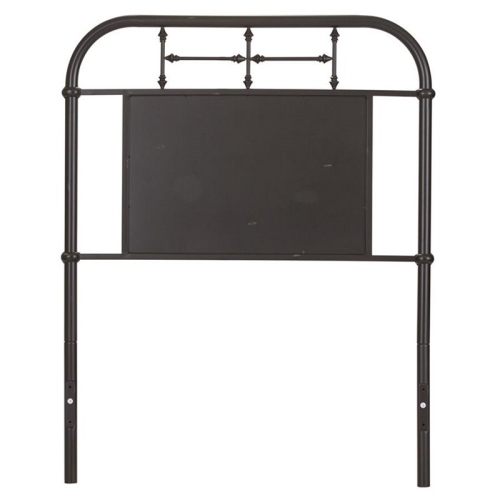
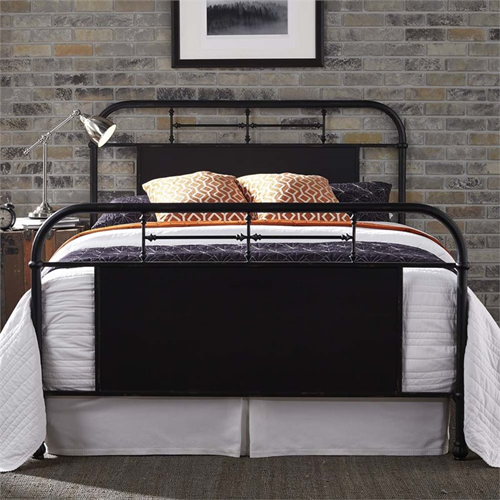
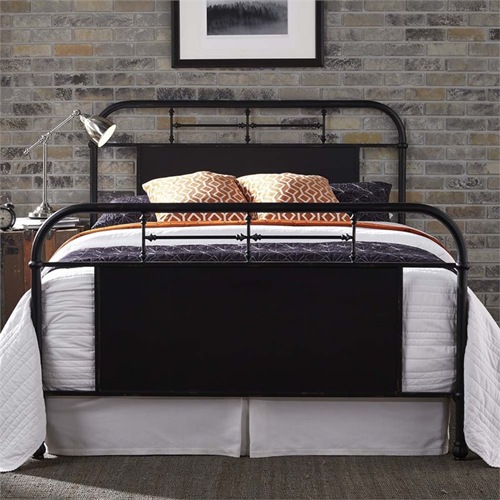
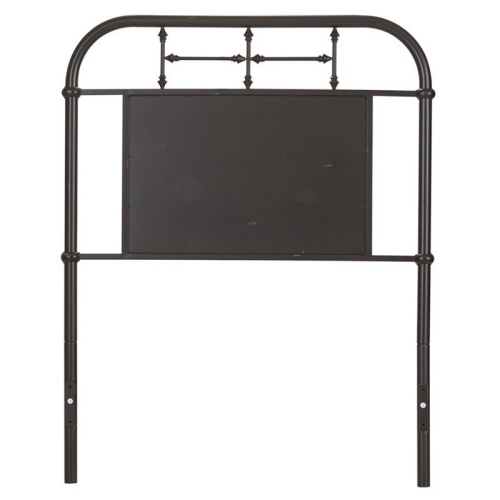
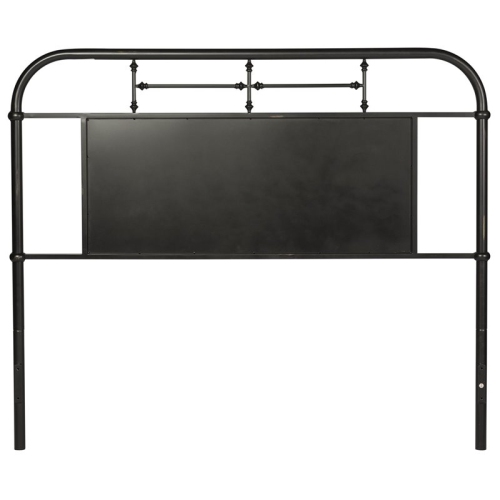
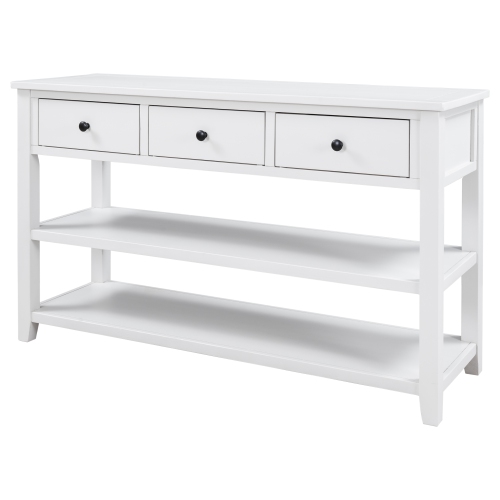
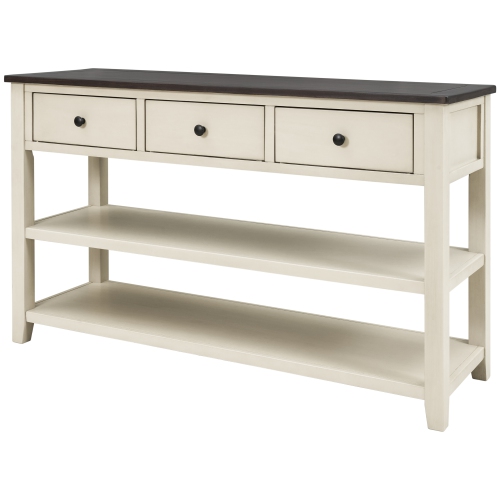
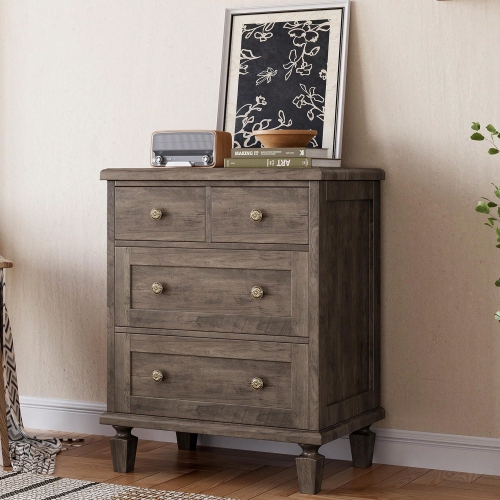
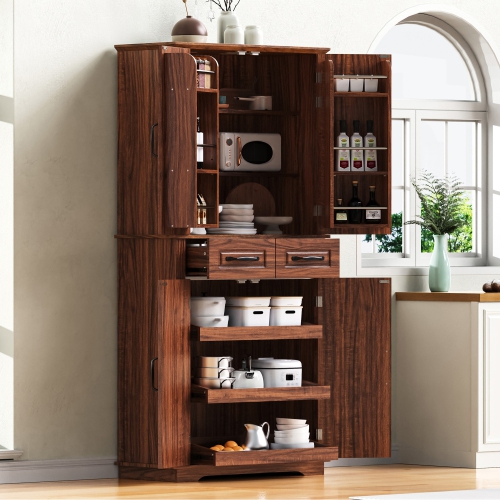
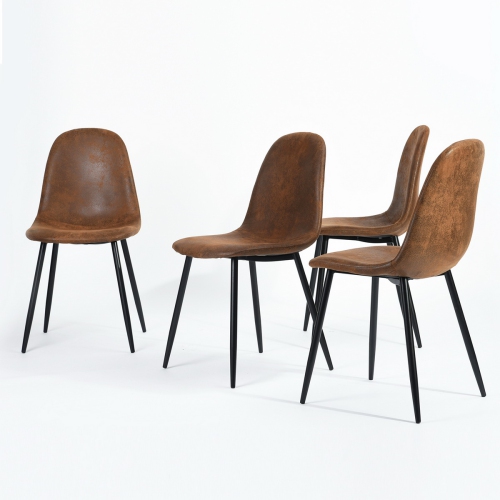
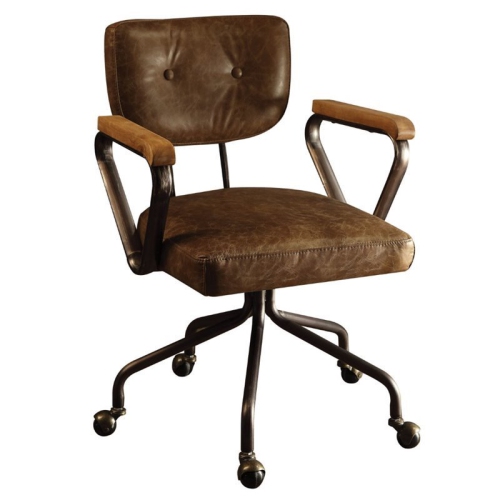
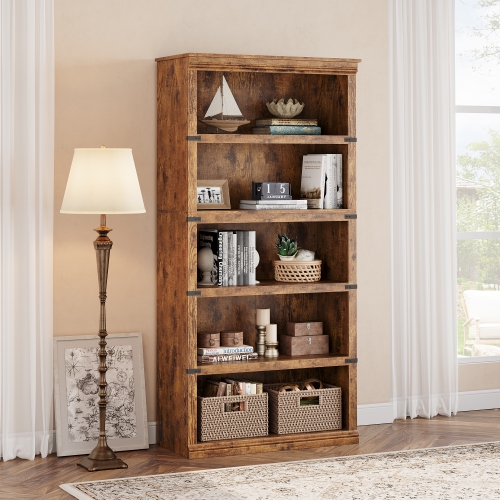
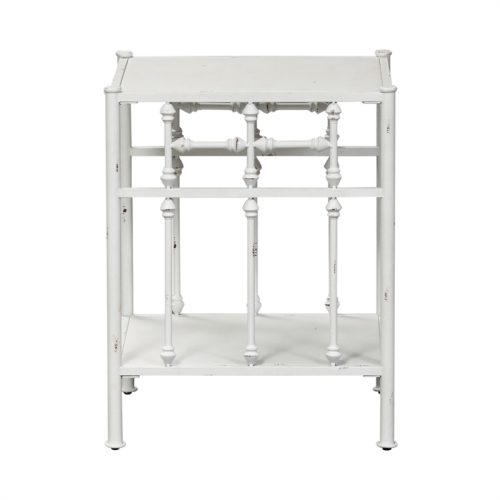
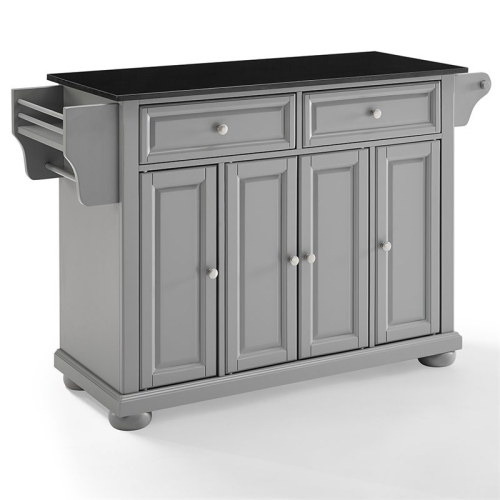
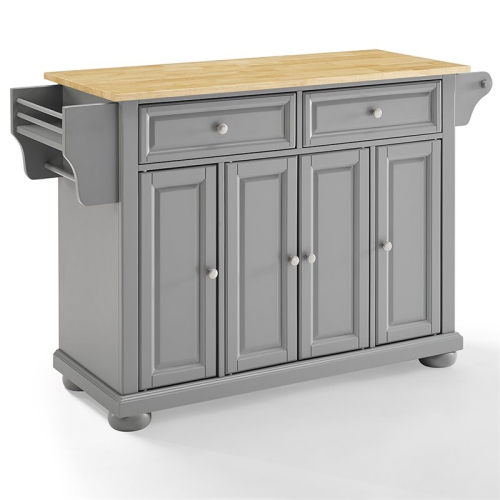
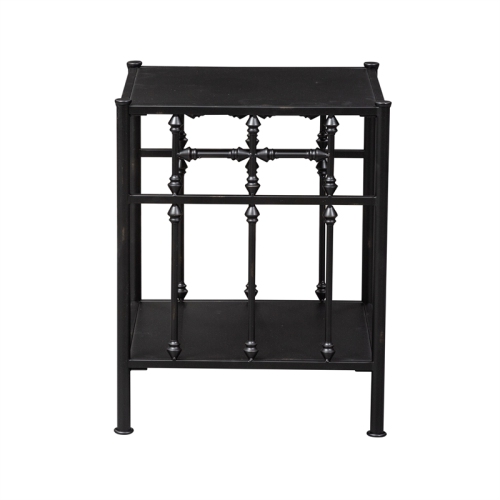
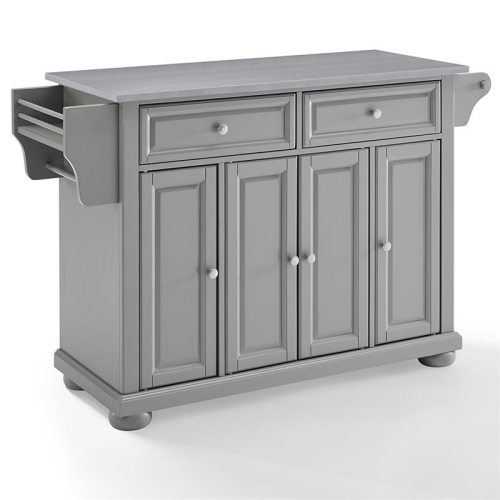
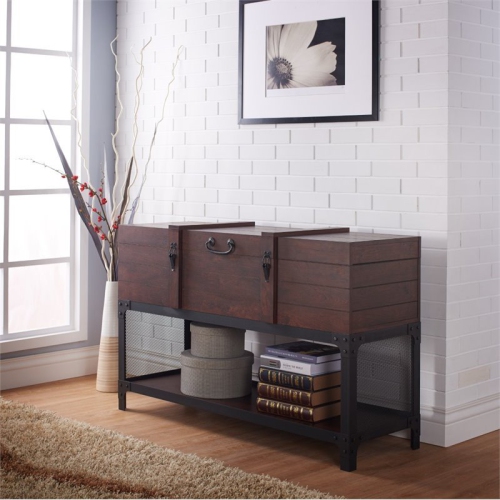
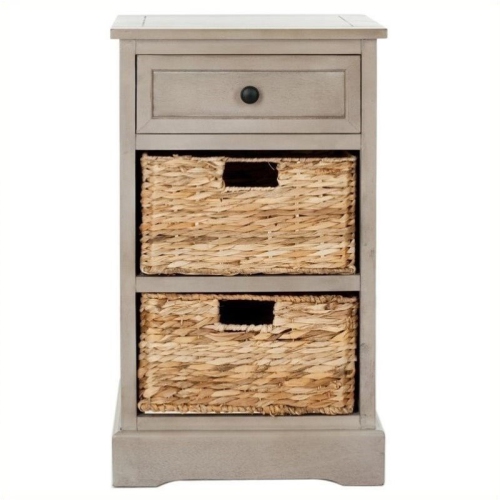
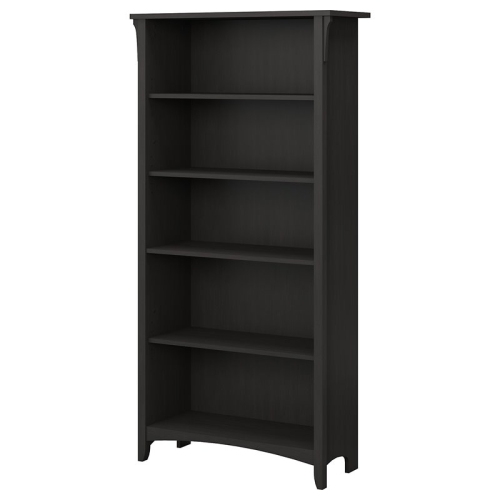
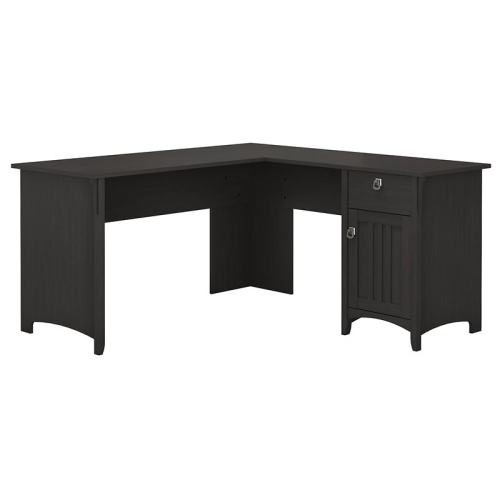
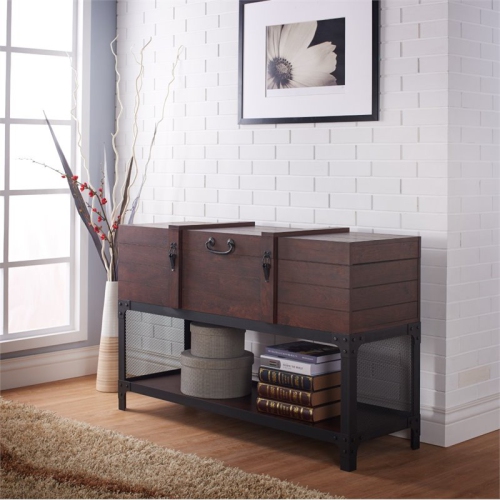
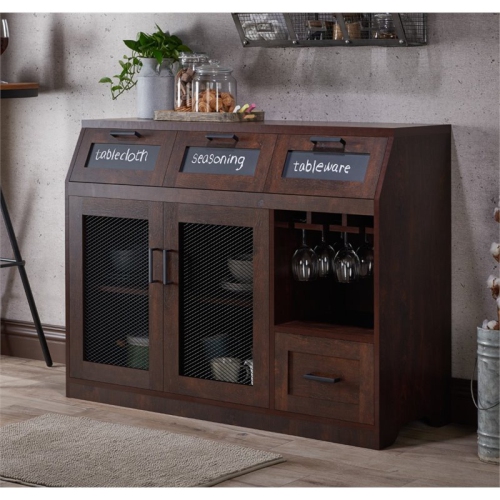
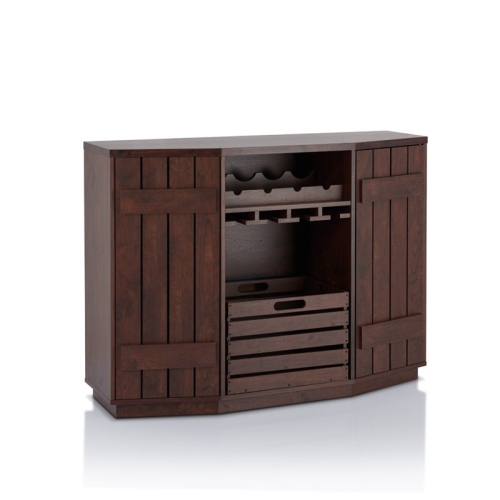

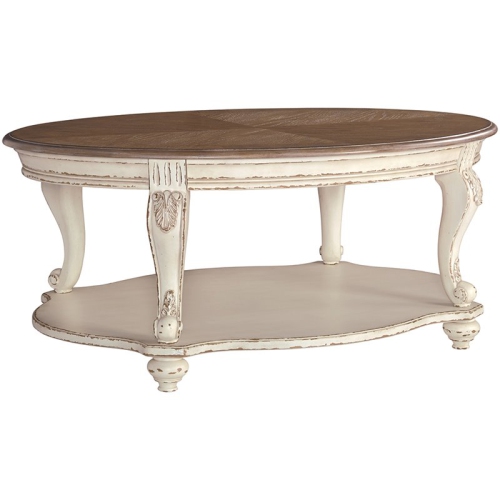
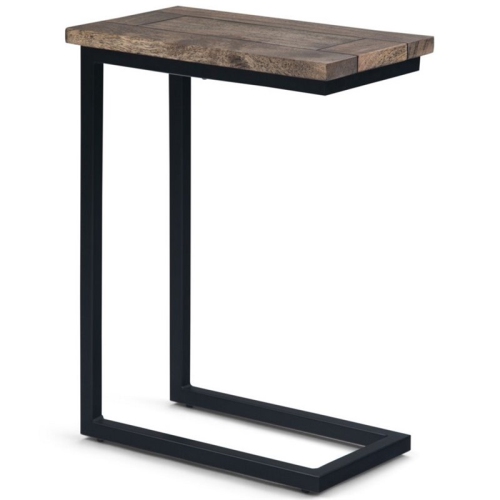
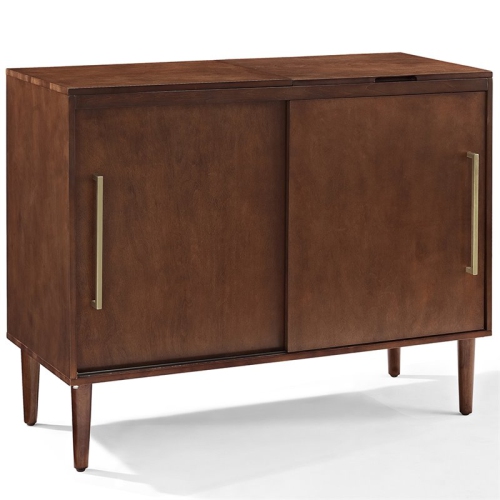
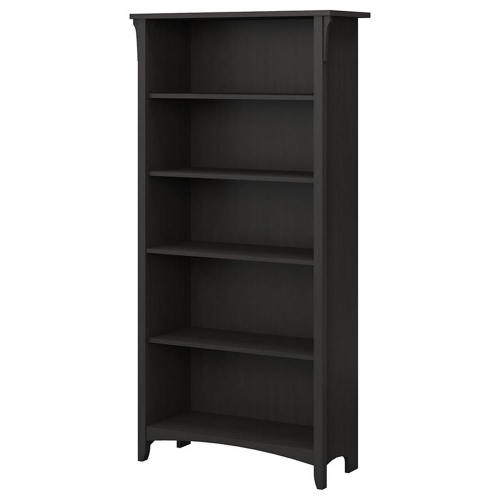
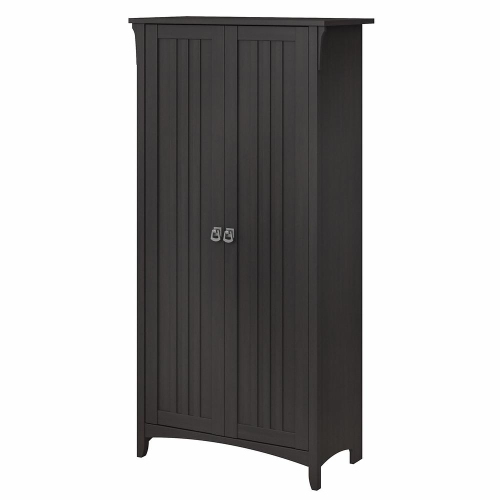
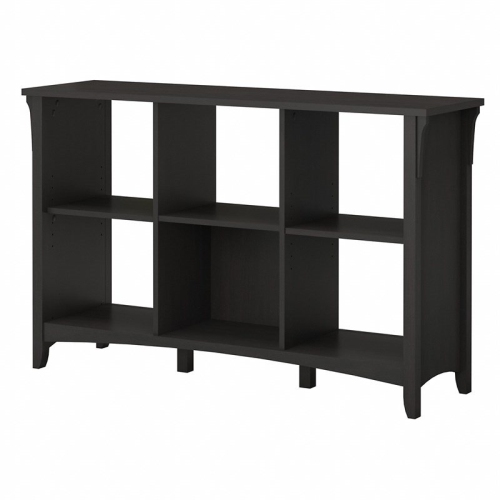
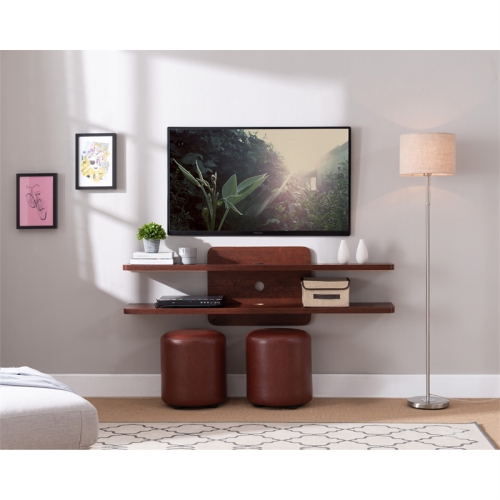
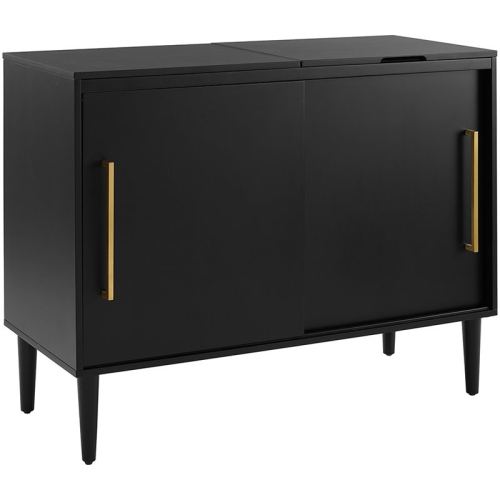
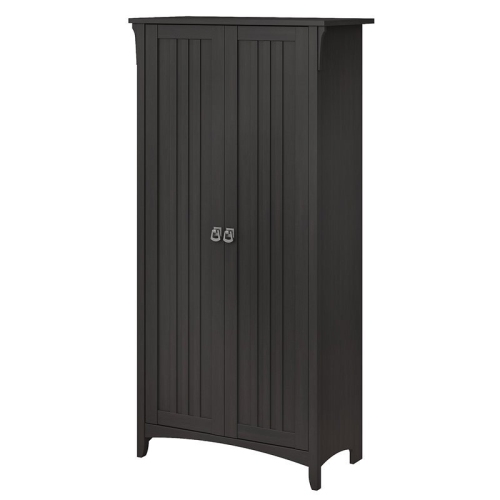
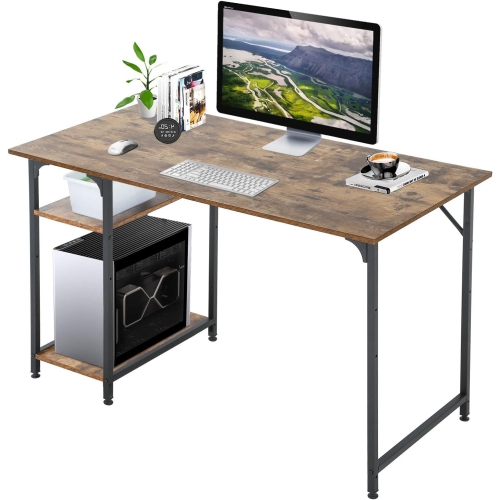
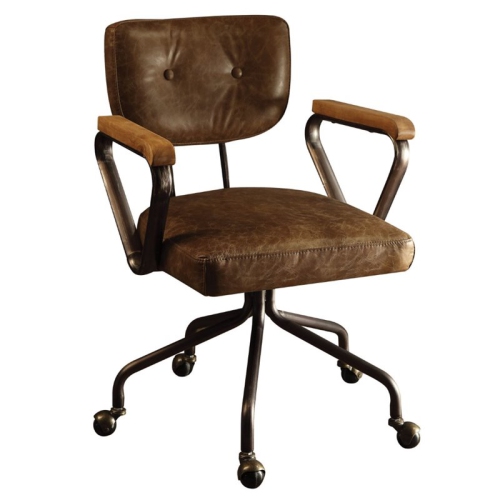
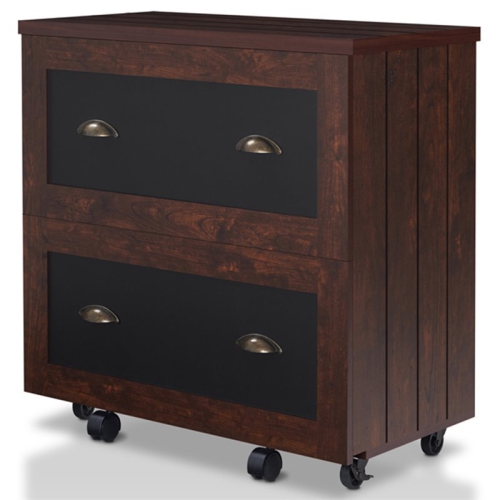
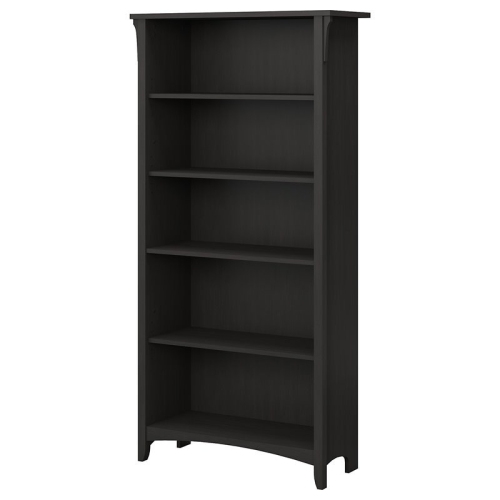
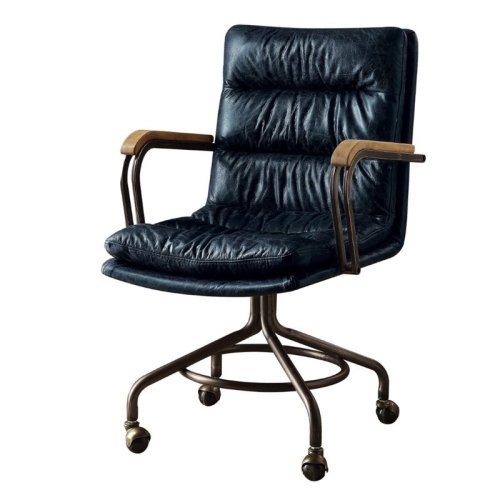
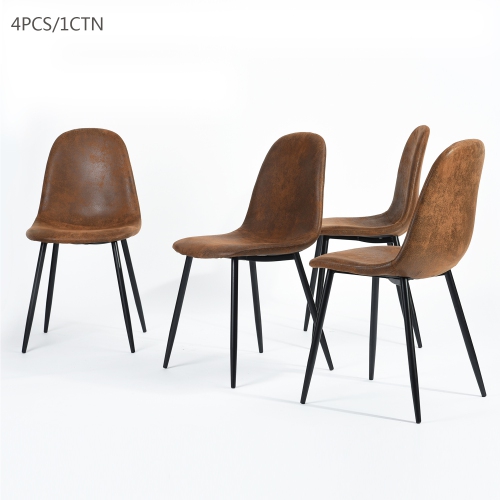
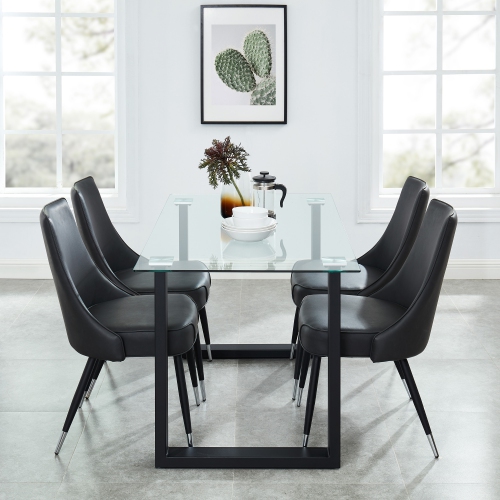
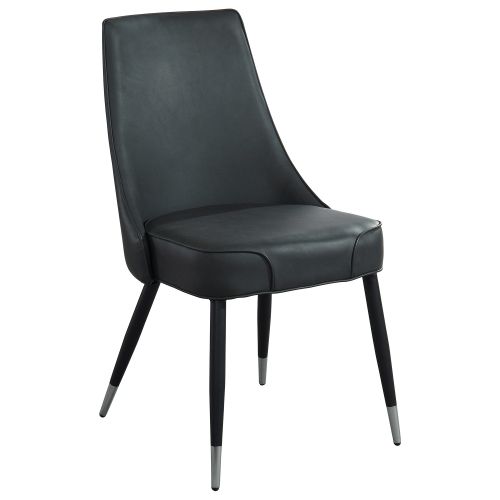
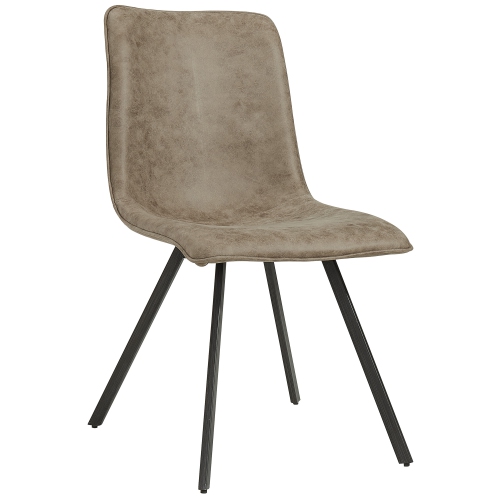
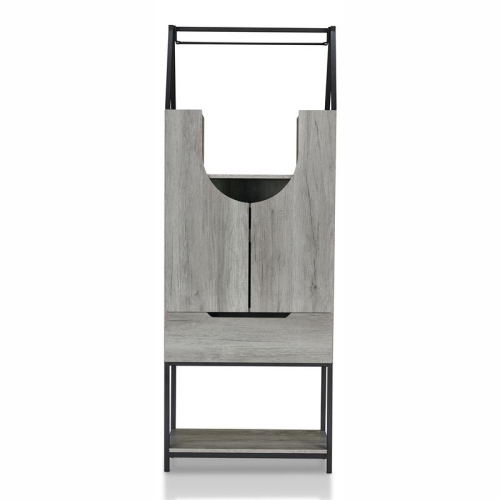


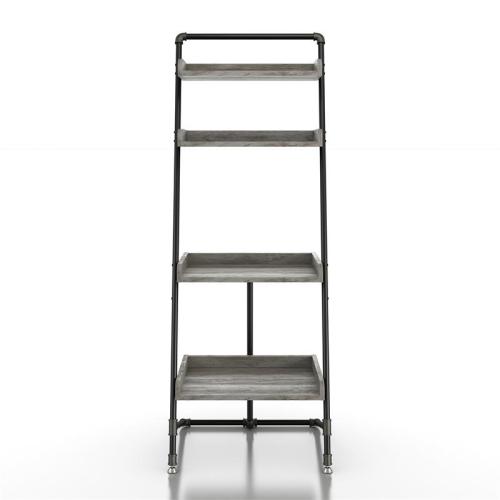
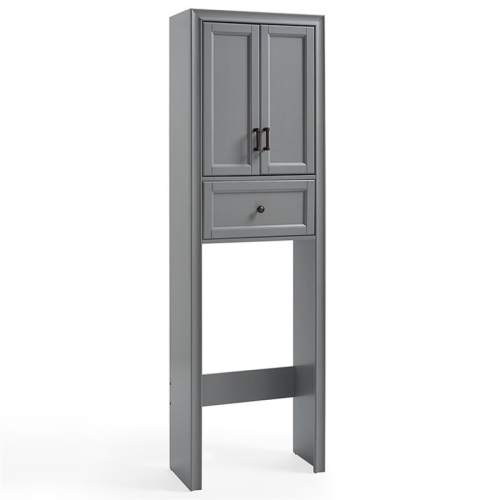
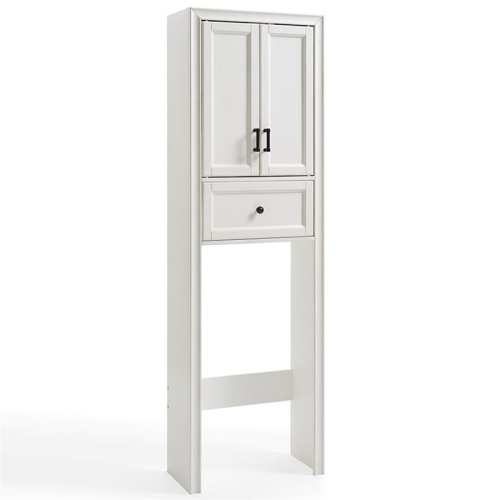
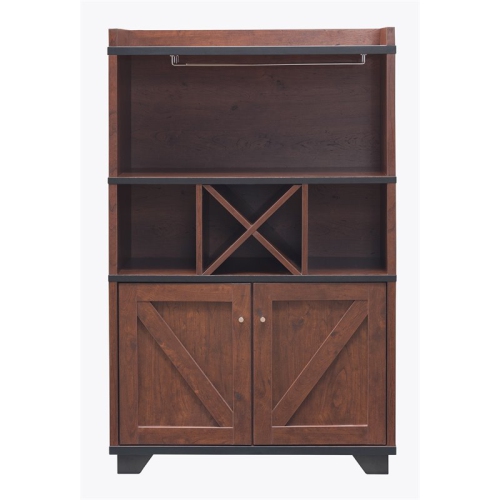
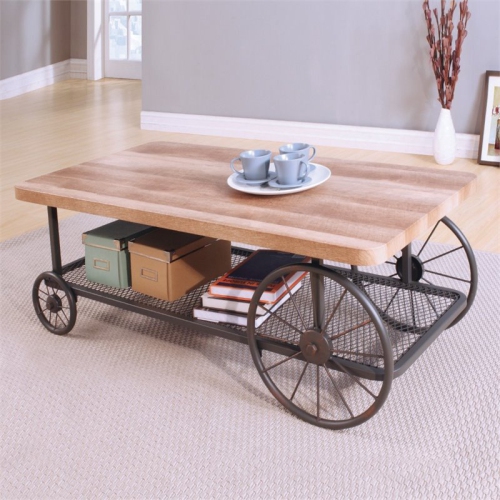
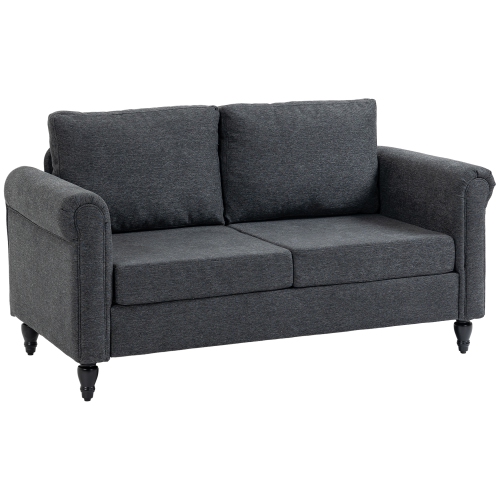
Warm wood tones and curved lines meet everyday living
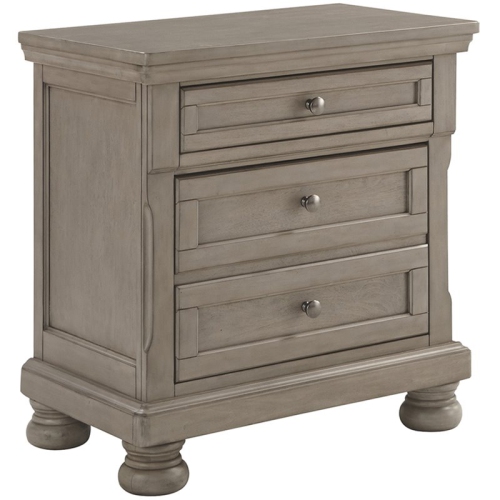
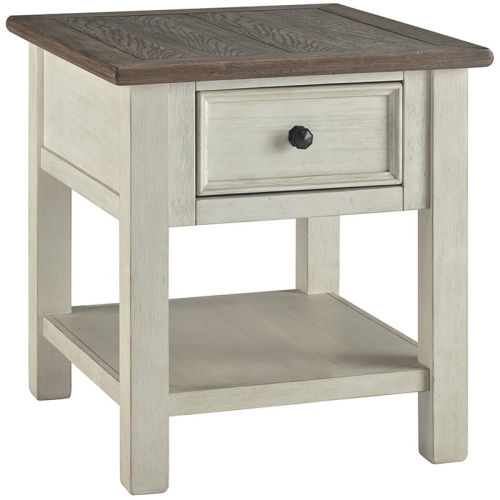
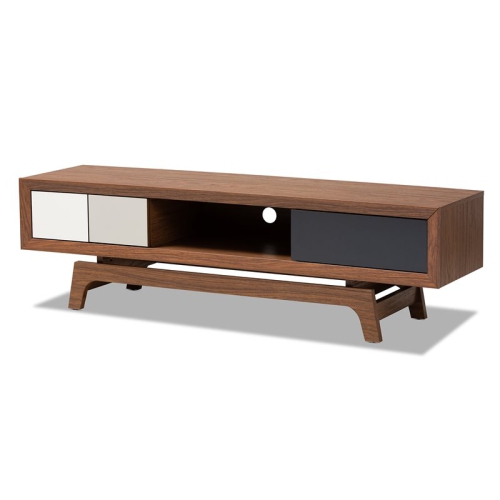
Vintage furniture brings familiar shapes, rich textures, and a sense of history into everyday rooms. The appeal might be a softly curved arm, a warm walnut tone, a fluted drawer front, or the small glint of brass-coloured hardware against dark wood. Rather than describing one uniform look, vintage spans a range of influences, from the clean lines and tapered legs associated with mid-century design to more ornate silhouettes with turned details and traditional upholstery. There is also an important distinction between furniture made in an earlier period and newly made furniture with vintage-inspired styling: appearance alone does not establish age, construction, or provenance. For furnishing a home, either approach can offer the visual character that makes this style appealing. A room does not need to recreate a particular decade to feel cohesive. Repeating a wood tone, a curved shape, or a metal finish can connect vintage-style furniture with simpler contemporary surroundings without making everything match. In a living room, raised legs can reveal more of the floor and give substantial seating a lighter appearance, while a low, broad silhouette creates a grounded focal point. In a dining space, rounded edges and visible wood grain lend warmth to the setting, whether the room hosts daily meals or occasional gatherings. More detailed profiles can feel at home beside plain walls and understated textiles, where their craftsmanship and contours have room to stand out. Colour also changes the effect: honey-toned finishes feel different from deep brown stains, and muted upholstery creates a quieter impression than a saturated accent fabric. For an apartment, a family home, or a personal reading corner, the most successful choice connects those visual details with a genuine purpose. A surface for a reading lamp, a comfortable place to sit, or storage that keeps everyday belongings within reach gives the style a practical role rather than leaving it as decoration alone.
Materials and construction help determine how vintage furniture will feel and perform beyond its appearance. Solid wood can show natural variations in grain and colour, while wood veneer provides a real wood surface over a supporting core; veneer is not, by itself, a sign of poor quality. Engineered wood, metal, glass, and upholstered components each bring different handling and care requirements, so the material description matters as much as the finish shown in a photograph. A distressed surface may be an intentional design treatment rather than evidence of age, and a brass-coloured handle may have a plated or painted finish rather than solid brass construction. For furniture used every day, useful details include stable joints, properly supported shelves, smooth drawer movement, and hardware suited to repeated handling. Upholstered seating deserves equal attention beneath the fabric: frame construction, cushioning, seat depth, and back height all affect comfort. A deep seat may suit someone who likes to curl up with a book, while a shallower seat with supportive arms can make sitting down and standing up easier. In compact rooms, measuring the footprint is only the beginning. Drawers need space to open, chairs need room to pull away from a table, and walkways should remain usable when the furniture is occupied. Painter’s tape on the floor can make the proportions easier to judge before committing to a layout. Doorways, stair turns, elevator openings, and any assembly requirements also deserve a place in those measurements. For sleeping spaces, vintage bedroom furniture carries the same attention to silhouette and finish into layouts where bedside reach, clothing storage, and bed clearances matter. Storage depth should suit the belongings it will hold, not just the wall space it fills. A handsome exterior is most useful when shelves accommodate the intended contents and drawers can be reached without moving something else out of the way. These practical proportions allow distinctive furniture to fit naturally into daily routines.
Care requirements are worth considering alongside the look, especially in busy households where furniture sees frequent use. Wood finishes vary, and a cleaning method suitable for one surface may damage another. Manufacturer care directions should take priority, with routine dusting using a soft cloth and prompt attention to spills as sensible starting points. Coasters and protective pads can help limit marks from drinks, writing, and objects placed on finished surfaces, provided the protective material is compatible with the finish. Abrasive cleaners, excess moisture, and untested polishes can alter the sheen or colour, particularly on delicate coatings. Direct sunlight may also fade upholstery or change the appearance of wood over time, making placement part of long-term care. For fabric-covered furniture, the upholstery cleaning code offers more reliable direction than appearance alone. Gentle vacuuming with a suitable attachment helps remove dust from seams and crevices, while spills are generally best blotted rather than rubbed, following the fabric’s care instructions. Leather, coated fabrics, and woven textiles need different treatments, and removable covers are not necessarily machine washable. Homes with children or pets may benefit from closely woven upholstery, accessible cleaning surfaces, and finishes that suit regular handling. Texture can soften the appearance of wear, but no fabric or finish should be assumed to resist scratches or stains without supporting specifications. Tall storage furniture should be anchored where directed, using hardware appropriate to the wall, and shelves and seating should be used within their stated weight limits. When moving furniture, lifting rather than dragging helps protect joints, legs, and flooring. For older pieces, existing repairs, loose fittings, and worn mechanisms can affect suitability for frequent use even when the aged appearance is attractive. Vintage-style furniture can also make a thoughtful housewarming or milestone gift when the recipient’s measurements, tastes, and intended use are known. More often, it is a personal choice shaped by familiar habits: where someone reads, how a household gathers, and what needs to stay organized. That balance of character, comfort, and everyday usefulness is what helps a distinctive piece feel truly at home.
Materials and construction help determine how vintage furniture will feel and perform beyond its appearance. Solid wood can show natural variations in grain and colour, while wood veneer provides a real wood surface over a supporting core; veneer is not, by itself, a sign of poor quality. Engineered wood, metal, glass, and upholstered components each bring different handling and care requirements, so the material description matters as much as the finish shown in a photograph. A distressed surface may be an intentional design treatment rather than evidence of age, and a brass-coloured handle may have a plated or painted finish rather than solid brass construction. For furniture used every day, useful details include stable joints, properly supported shelves, smooth drawer movement, and hardware suited to repeated handling. Upholstered seating deserves equal attention beneath the fabric: frame construction, cushioning, seat depth, and back height all affect comfort. A deep seat may suit someone who likes to curl up with a book, while a shallower seat with supportive arms can make sitting down and standing up easier. In compact rooms, measuring the footprint is only the beginning. Drawers need space to open, chairs need room to pull away from a table, and walkways should remain usable when the furniture is occupied. Painter’s tape on the floor can make the proportions easier to judge before committing to a layout. Doorways, stair turns, elevator openings, and any assembly requirements also deserve a place in those measurements. For sleeping spaces, vintage bedroom furniture carries the same attention to silhouette and finish into layouts where bedside reach, clothing storage, and bed clearances matter. Storage depth should suit the belongings it will hold, not just the wall space it fills. A handsome exterior is most useful when shelves accommodate the intended contents and drawers can be reached without moving something else out of the way. These practical proportions allow distinctive furniture to fit naturally into daily routines.
Care requirements are worth considering alongside the look, especially in busy households where furniture sees frequent use. Wood finishes vary, and a cleaning method suitable for one surface may damage another. Manufacturer care directions should take priority, with routine dusting using a soft cloth and prompt attention to spills as sensible starting points. Coasters and protective pads can help limit marks from drinks, writing, and objects placed on finished surfaces, provided the protective material is compatible with the finish. Abrasive cleaners, excess moisture, and untested polishes can alter the sheen or colour, particularly on delicate coatings. Direct sunlight may also fade upholstery or change the appearance of wood over time, making placement part of long-term care. For fabric-covered furniture, the upholstery cleaning code offers more reliable direction than appearance alone. Gentle vacuuming with a suitable attachment helps remove dust from seams and crevices, while spills are generally best blotted rather than rubbed, following the fabric’s care instructions. Leather, coated fabrics, and woven textiles need different treatments, and removable covers are not necessarily machine washable. Homes with children or pets may benefit from closely woven upholstery, accessible cleaning surfaces, and finishes that suit regular handling. Texture can soften the appearance of wear, but no fabric or finish should be assumed to resist scratches or stains without supporting specifications. Tall storage furniture should be anchored where directed, using hardware appropriate to the wall, and shelves and seating should be used within their stated weight limits. When moving furniture, lifting rather than dragging helps protect joints, legs, and flooring. For older pieces, existing repairs, loose fittings, and worn mechanisms can affect suitability for frequent use even when the aged appearance is attractive. Vintage-style furniture can also make a thoughtful housewarming or milestone gift when the recipient’s measurements, tastes, and intended use are known. More often, it is a personal choice shaped by familiar habits: where someone reads, how a household gathers, and what needs to stay organized. That balance of character, comfort, and everyday usefulness is what helps a distinctive piece feel truly at home.
Top selling and popular products
-
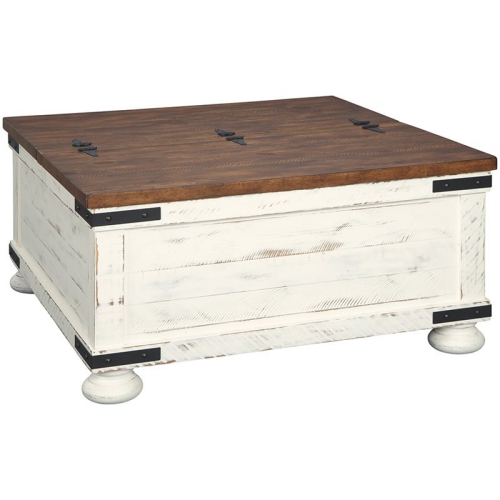 Your price for this item is $1030.03
 -
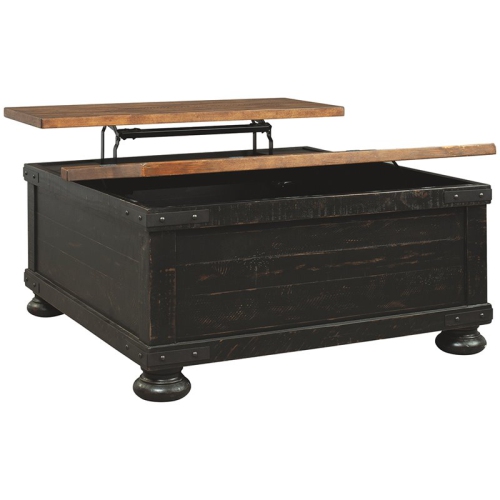 Your price for this item is $1070.91
 -
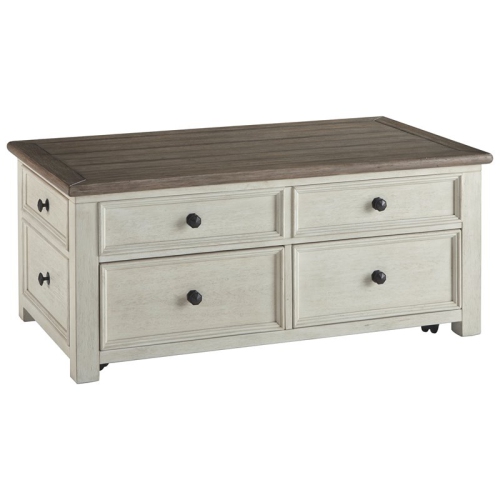 Your price for this item is $949
 -
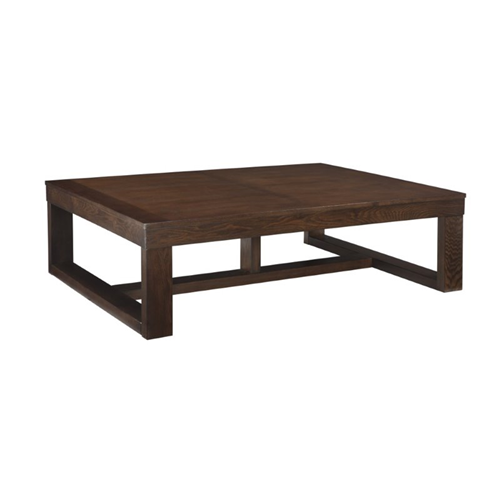 Your price for this item is $449
 -
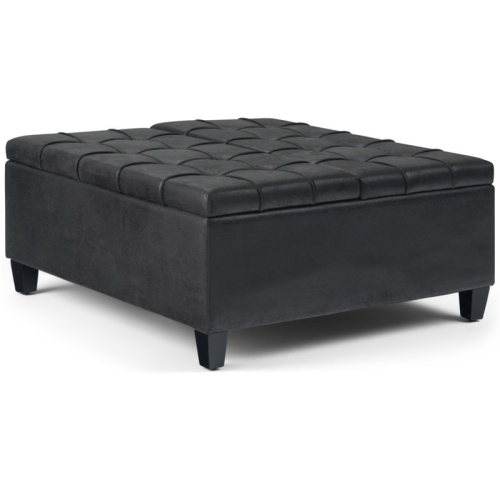 Your price for this item is $1042.91
 -
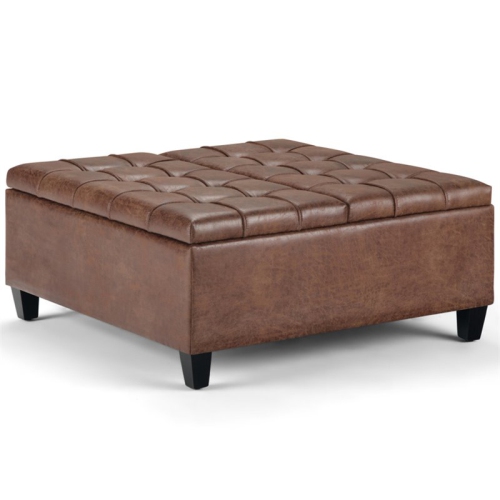 Your price for this item is $1013.77
 -
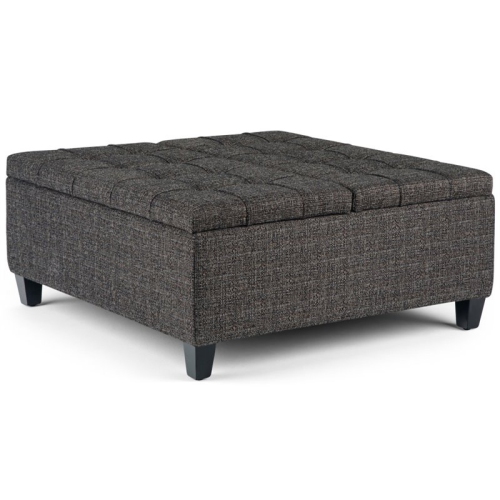 Your price for this item is $1021.17
 -
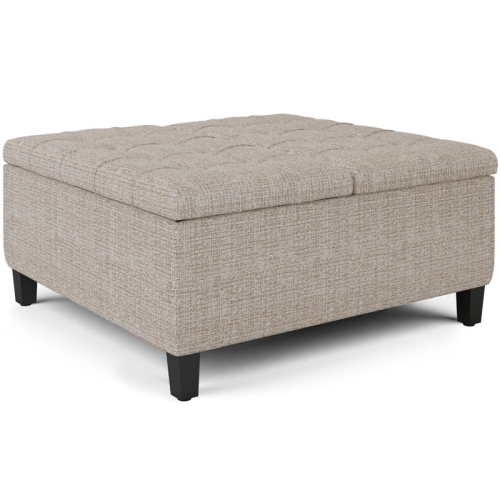 Your price for this item is $1022.03
Discover more categories related to Vintage Furniture
Top Collections:
Pokemon Centers, Kindle Devices, Best Budget Office Chairs, Apple iPhones 16, Best Laptops for Writers, iPhone 15 Apple, Canon G7X Cameras, Refurbished Apple Laptops, Alarm Clock, Motorola Razr Phones
Some products may be subject to Environmental Handling Fees
(EHF) depending on your province.
Learn more about EHFs.