Watches for Athletes
Watches for athletes are essential companions for anyone dedicated to achieving their fitness goals. Designed to keep pace with active lifestyles, these timepieces combine style and functionality, making them a perfect fit for training sessions, competitions, or everyday wear. Whether you’re tracking your progress on the field or staying on schedule during workouts, watches for athletes offer reliable performance and versatility to support every step of your journey. Explore a wide selection to find the ideal match for your athletic needs and personal style.
Sort

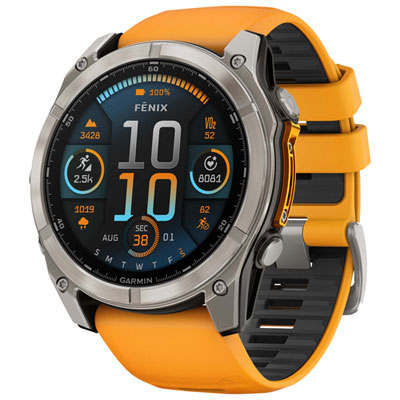
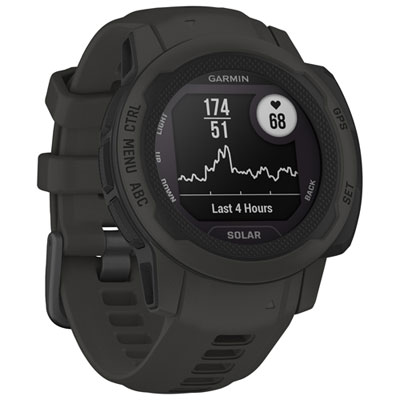
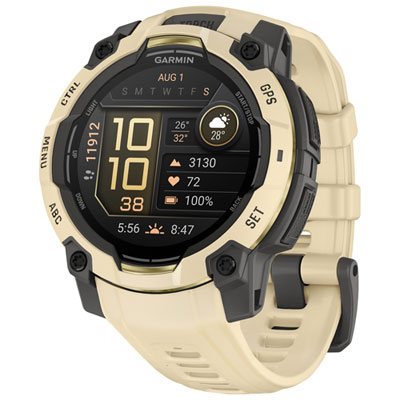

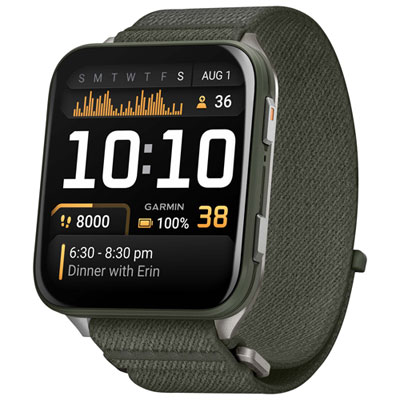
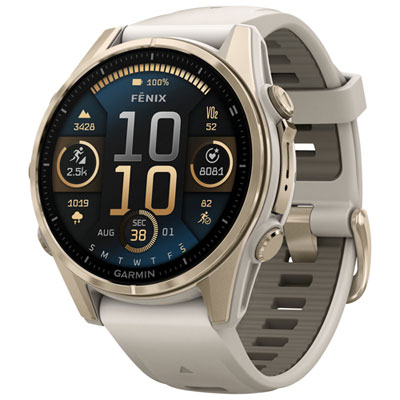

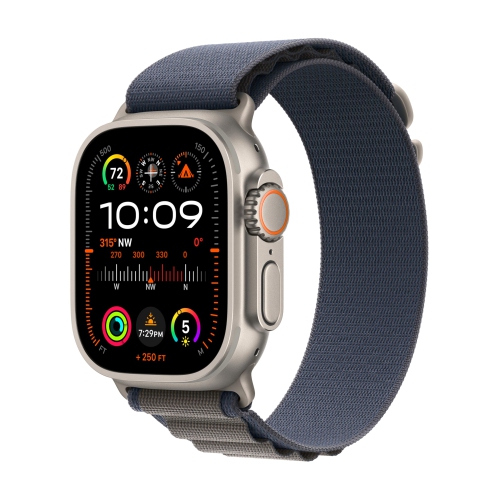
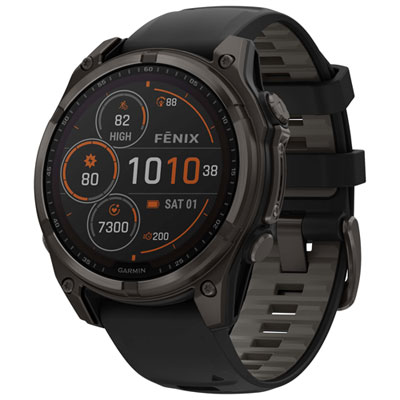
How your sport shapes the watch features you need
Watches for athletes are built around the demands of movement, combining dependable timekeeping with features that can help measure training, record activity, and keep important information close at hand. The category ranges from straightforward sports watches with timers and lap counters to connected watches with GPS, heart rate tracking, and dedicated activity modes. Different sports place different demands on a watch. A runner may value a clear view of elapsed time, distance, and pace without reaching for a phone, while a cyclist may want ride recording and compatibility with external sensors. For someone training in a pool, supported swim modes, lap counting, and an appropriate water-resistance rating matter more than a long list of everyday apps. Strength training calls for a comfortable fit that does not interfere with wrist movement, along with useful tools such as rest timers and workout logging. A simple interval timer can make the difference between repeatedly checking a wall clock and moving smoothly through alternating efforts and breaks. GPS-enabled models can record outdoor routes, although some watches use built-in GPS and others rely on a paired phone for location data. That distinction affects whether distance and route tracking work when the phone stays behind. Heart rate readings can provide context for workout intensity, but wrist-based sensors may be affected by fit, movement, and the activity itself; they are not a substitute for medical assessment. Pace, distance, and energy expenditure figures are also best understood as measurements or estimates with limitations, rather than perfect accounts of every effort. For athletes following a consistent routine, the real value often lies in seeing patterns across comparable sessions: a familiar route completed at a steadier pace, more consistent intervals, or a clearer record of time spent training. Recreational athletes, team-sport participants, and people building an exercise habit can all benefit from this kind of accessible feedback, without needing every feature associated with advanced performance training.
Materials, fit, and construction influence how comfortably an athletic watch moves from a workout to the rest of the day. Lightweight resin or polymer cases can keep weight down, while metal cases offer a different feel and appearance; durability depends on the complete design, not just the case material. The lens, bezel, buttons, strap attachments, and case construction all contribute to how a watch handles repeated use. A raised bezel may offer some protection against incidental contact, but no watch should be assumed to resist every impact or scratch. Case diameter and thickness are worth considering alongside wrist size, especially when a watch will be worn during floor exercises, under a fitted sleeve, or overnight for supported sleep tracking. A stable fit helps prevent the case from sliding around during movement and can support more consistent sensor contact. Too much tightness, however, can become uncomfortable as a session continues. Soft silicone bands are common for training because they are flexible and generally easy to wipe clean, while woven bands offer a different texture and may need more drying time after washing. Adjustment holes, clasp design, and the availability of compatible replacement bands can affect day-to-day comfort as much as appearance. Care matters after repeated exposure to sweat, sunscreen, and skin products: cleaning and drying the watch and band according to the manufacturer’s directions helps limit residue and irritation. Water resistance deserves particular attention for swimming and water-based exercise. A depth marking is not a blanket promise that a watch is suitable for every underwater activity, and resistance to splashes does not necessarily mean it is suitable for pool training. The manufacturer’s stated uses, restrictions on button operation in water, and care requirements provide the relevant details. For contact sports or activities involving equipment that can catch on a wristband, participation rules and safe use may also limit whether a watch belongs on the wrist during the session. Intended use should remain central, whether that means tracking a walk, timing track intervals, recording a ride, or wearing a watch throughout a busy day.
Everyday usability helps determine whether an athletic watch becomes a regular training companion or spends most of its time off the wrist. A display that makes key numbers easy to read at a glance can be more useful during a hard effort than a crowded screen showing every available metric. Physical buttons can make starting a lap or pausing a session easier when repeated tapping is impractical, while touchscreen controls may feel familiar for navigating menus and reviewing activity. Battery life also depends on how the watch is used. Continuous GPS recording, frequent notifications, music playback, and an always-on display can shorten the time between charges, so a stated maximum battery figure may not reflect a typical training routine. For longer activities, the expected battery life in the relevant recording mode matters more than standby time alone. Connected options in the Smart Watches for Athlete collection can appeal to people who want training information and everyday functions on the same wrist. Those functions vary, and phone compatibility, supported apps, notification controls, and account requirements affect the experience. Some features work independently, while others require a nearby phone, an internet connection, a compatible accessory, or a separate subscription. Music controls, for example, are different from storing music directly on the watch. Similarly, receiving a message notification does not always mean the wearer can reply from the wrist. For athletes who already record workouts in an app or use a chest strap, compatibility with that existing setup can reduce duplicate tracking and make activity history easier to organize. A watch can also be a thoughtful gift for someone who enjoys running, swimming, cycling, or regular fitness sessions, particularly when the choice reflects their preferred activity and comfort needs rather than simply the greatest number of features. Familiarity with the recipient’s phone, wrist size, and existing training tools helps make the gift practical. Across casual exercise and structured training, a suitable athletic watch balances useful information with comfortable wear, straightforward controls, and construction appropriate to the activities it will accompany.
Top selling and popular products
-
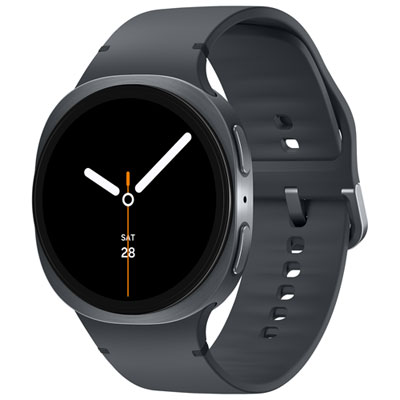 Your price for this item is $349.99
-
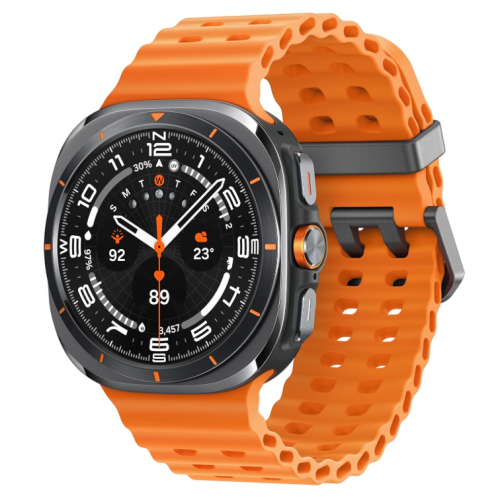 Your price for this item is $579.99
-
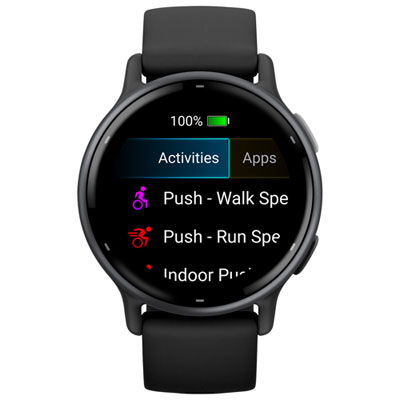 Your price for this item is $239.99
-
 Your price for this item is $279.99
-
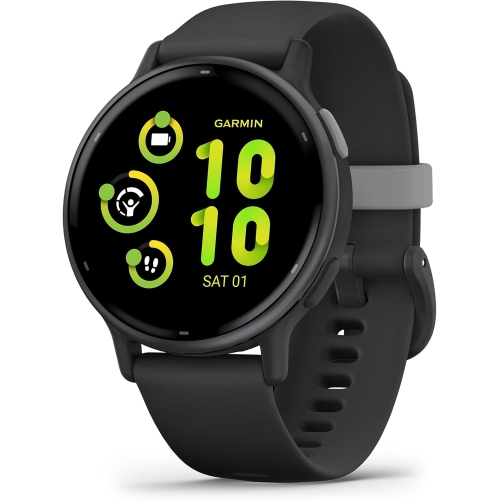 Your price for this item is $269.99
-
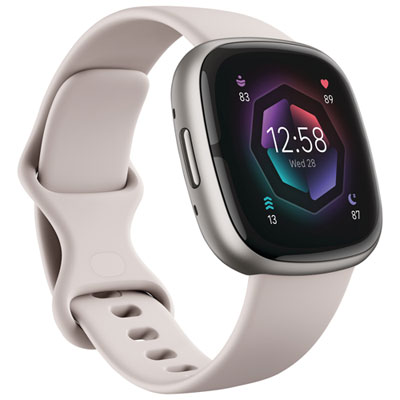 Your price for this item is $219.99
-
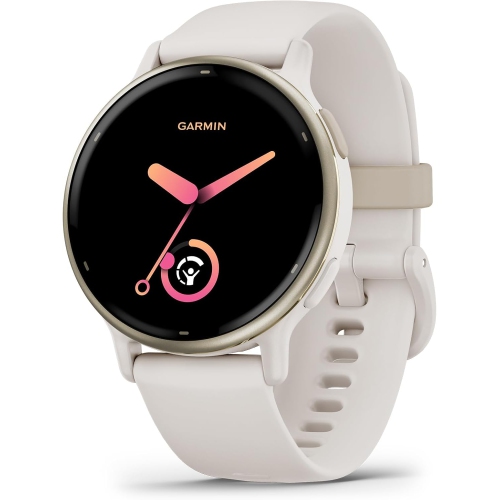 Your price for this item is $279.99
-
 Your price for this item is $399.99
Discover more categories related to Watches for Athletes
Top Collections:
Best Black Friday Deals This Year, Best Black Friday Deals On Electronics, Kindle Devices, Best Black Friday Deals On Apple Products, Best Budget Office Chairs, Best Cameras for Sports Photography, Dyson Airwrap, Canon G7X Cameras, Best Laptops for Writers, Samsung Galaxy Phones
Some products may be subject to Environmental Handling Fees
(EHF) depending on your province.
Learn more about EHFs.