Watches With Calorie Counter
Looking to stay on top of your fitness goals while keeping track of time? Look no further than our collection of Best Smartwatches for Fitness Tracking with calorie counters. These innovative timepieces combine the functionality of a watch with the convenience of a built-in calorie counter, helping you monitor your daily activity and stay motivated on your fitness journey. Whether you're a seasoned athlete or just starting out, these watches are designed to provide accurate calorie tracking, so you can make informed decisions about your health and wellbeing. With a variety of styles and features to choose from, finding the perfect watch to match your lifestyle has never been easier.
Sort


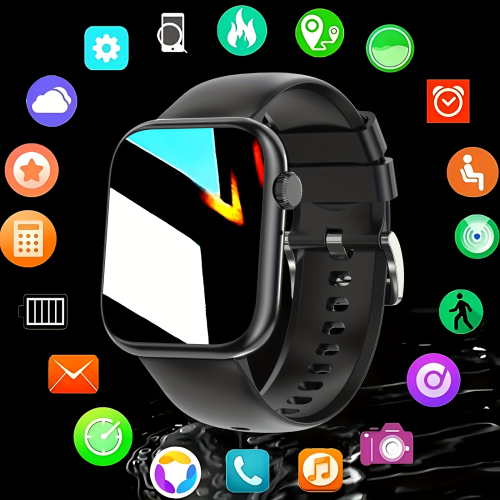
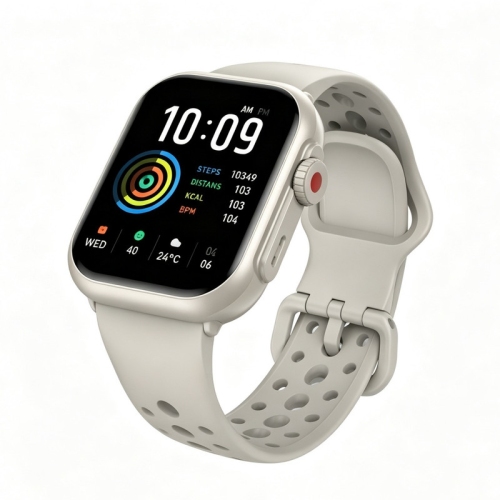

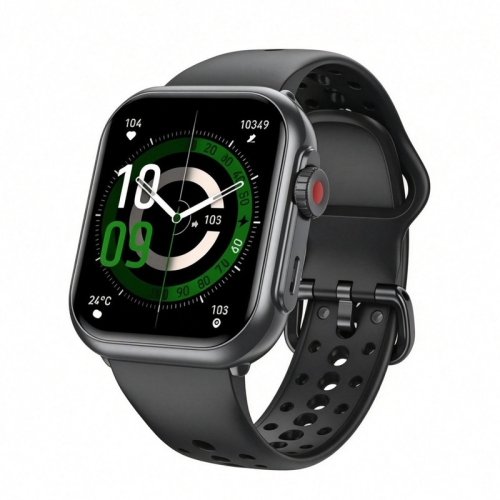
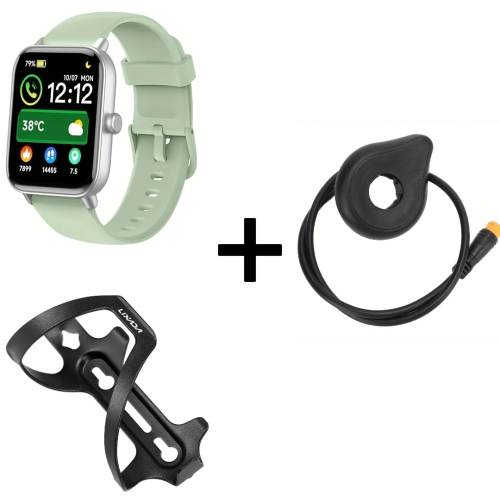

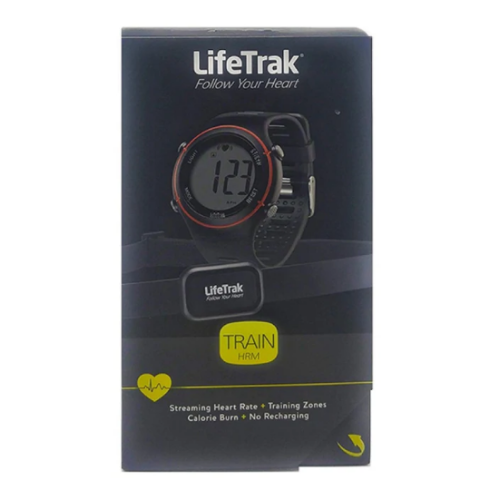
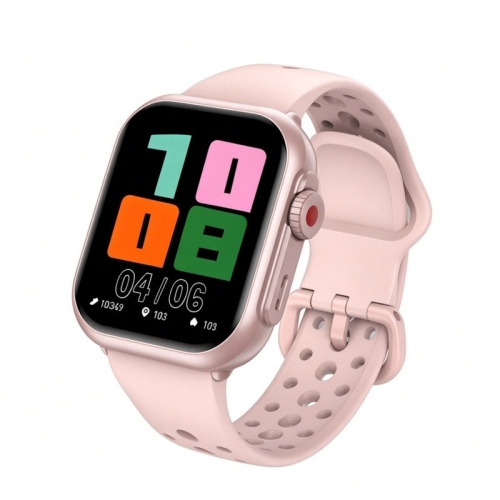


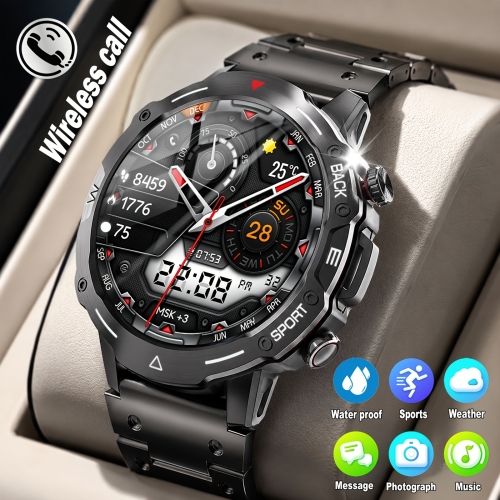
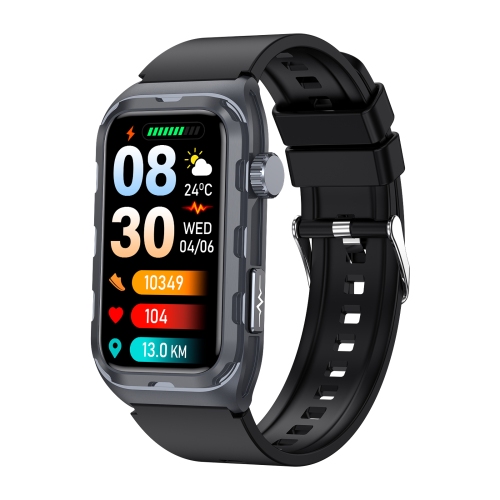


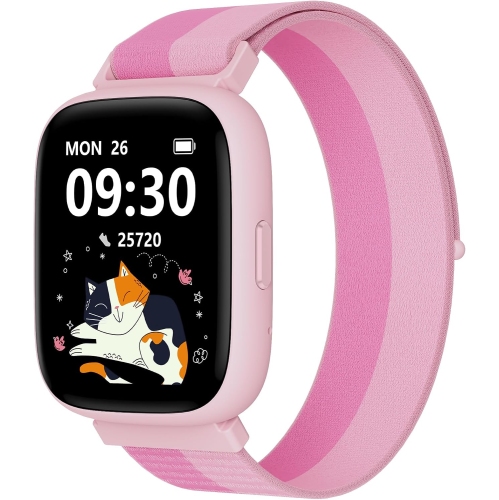
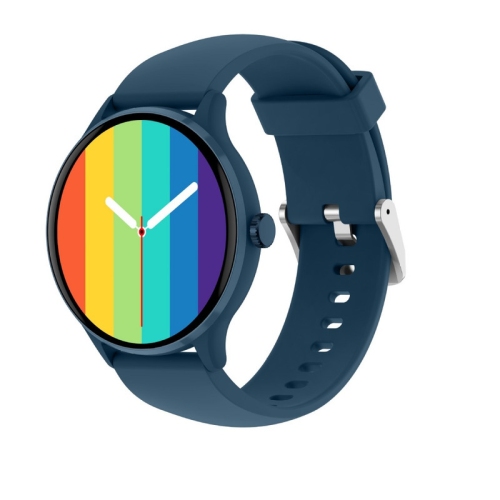


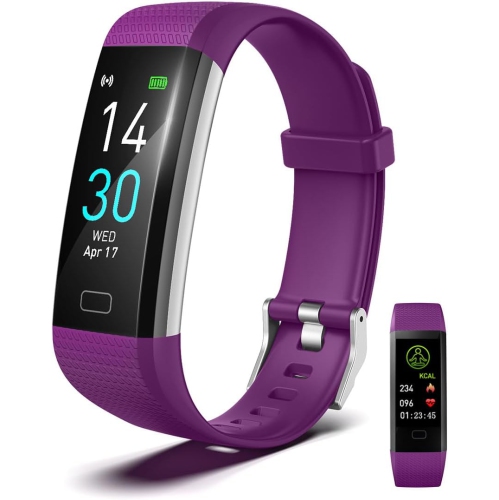
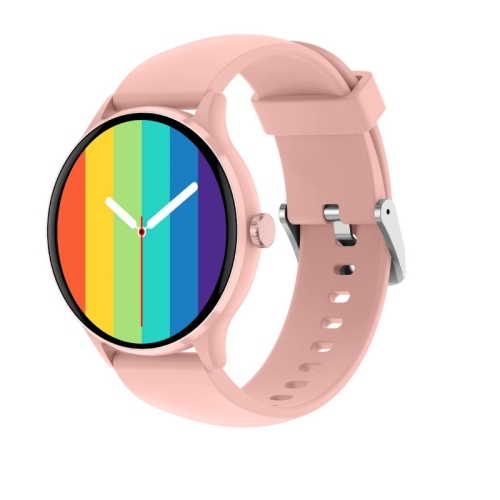
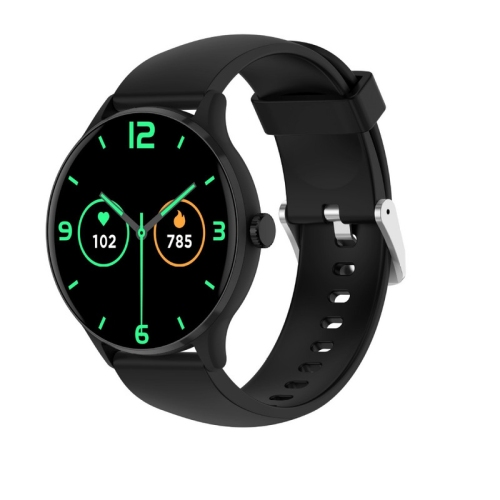
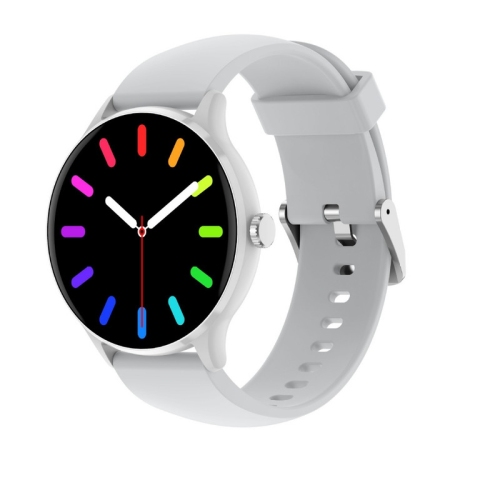


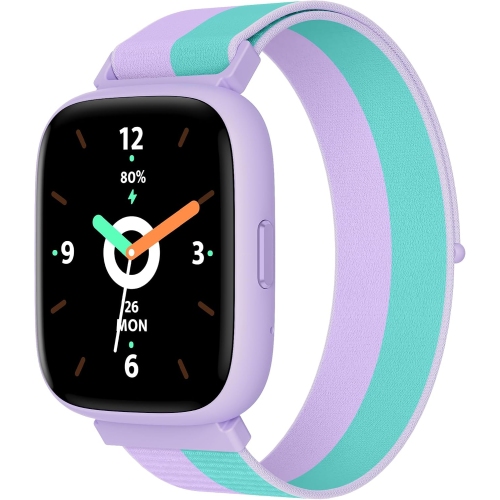
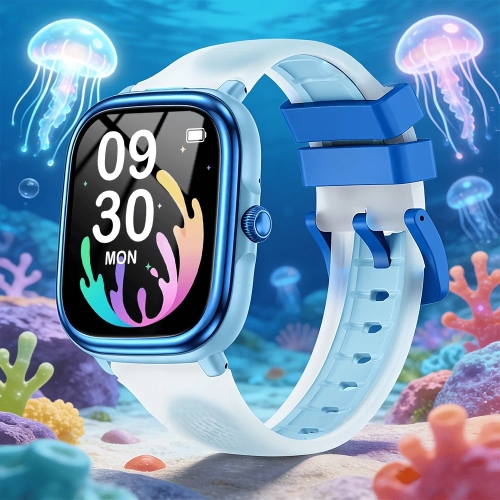


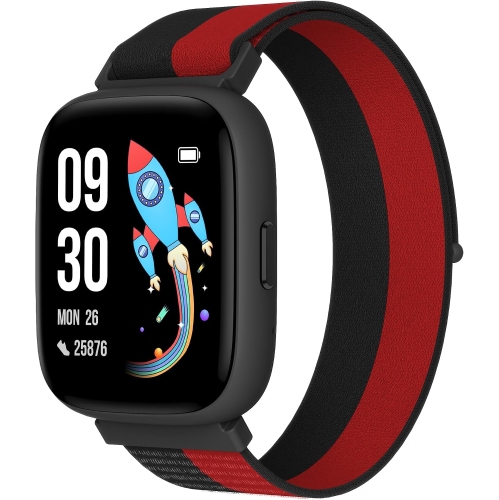


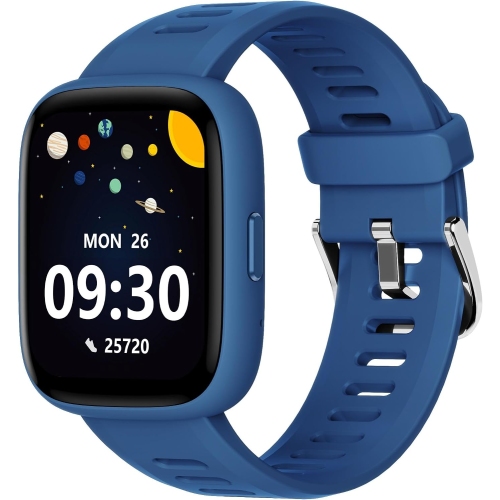
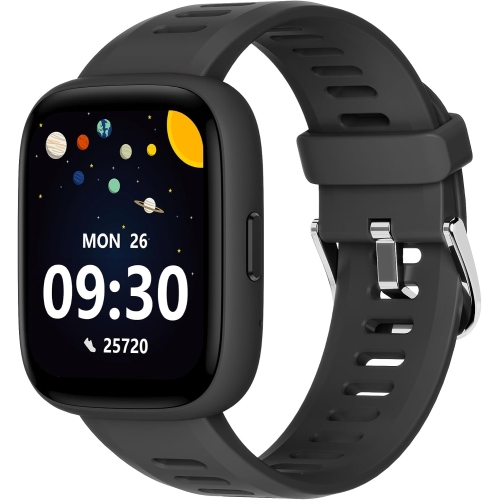
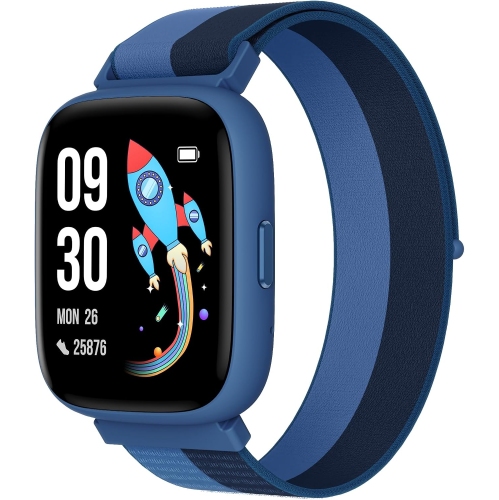
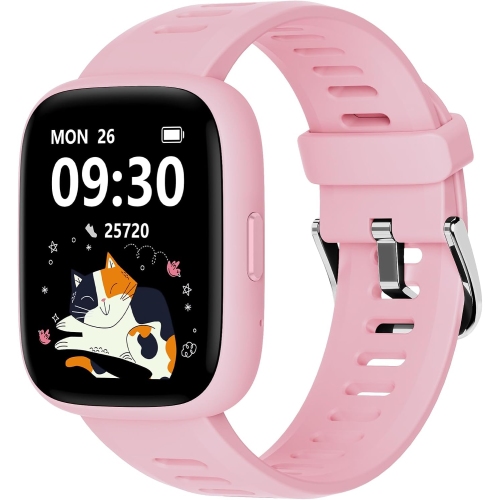
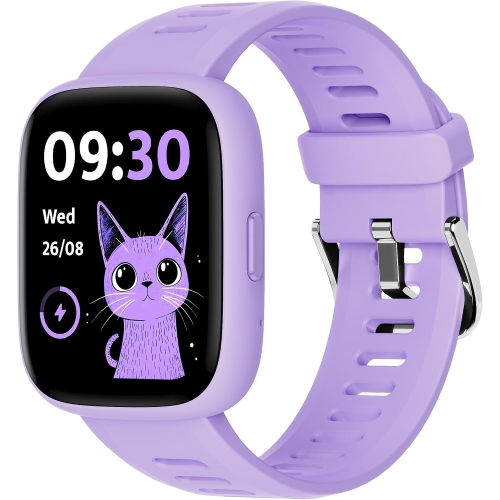
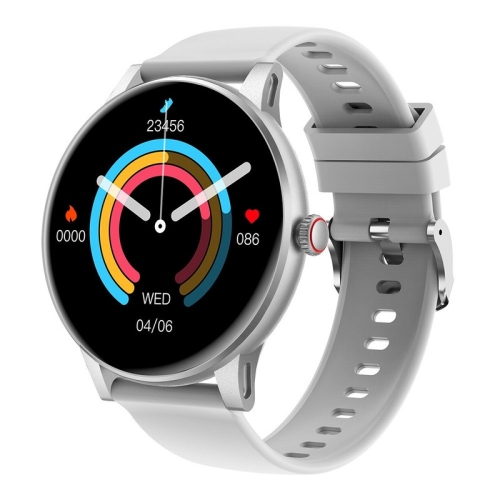
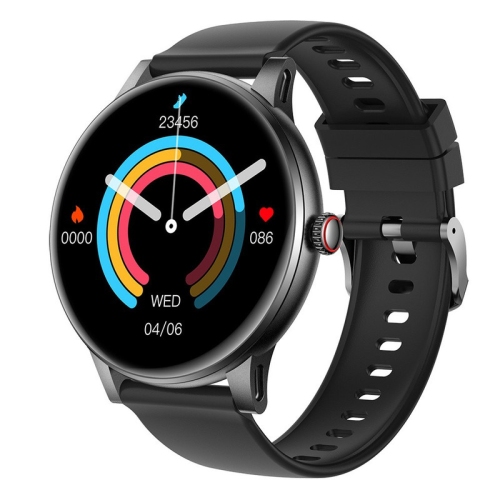
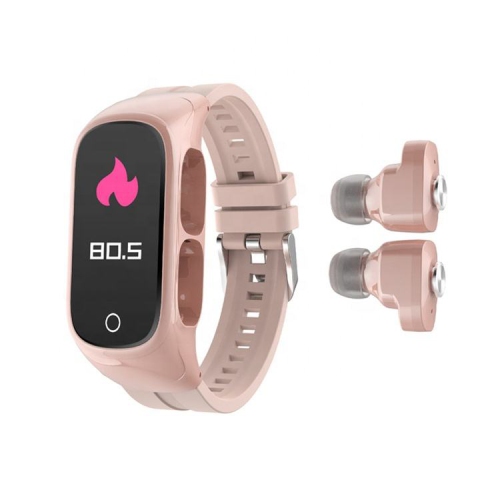


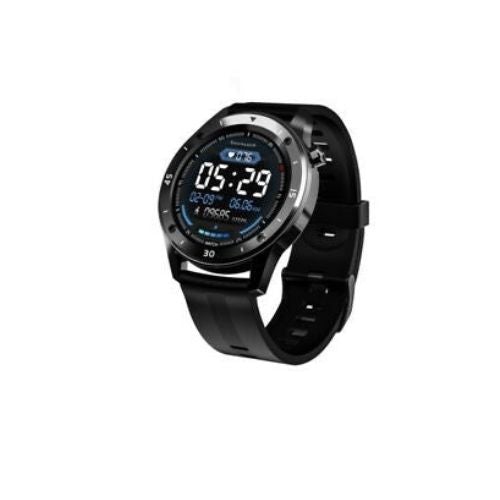


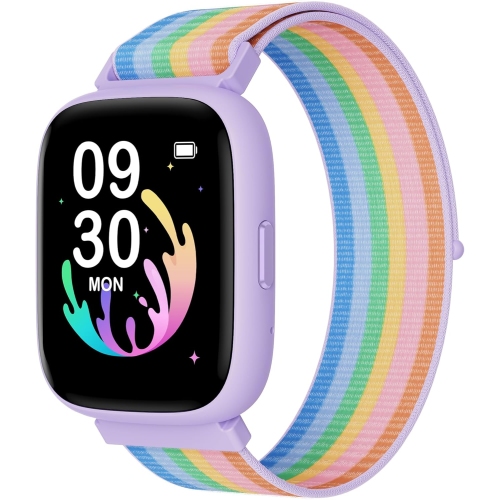
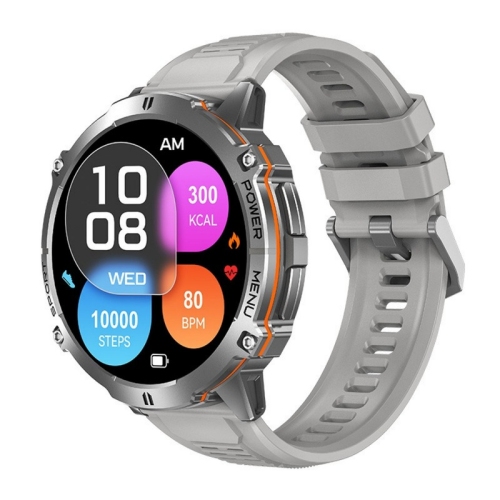

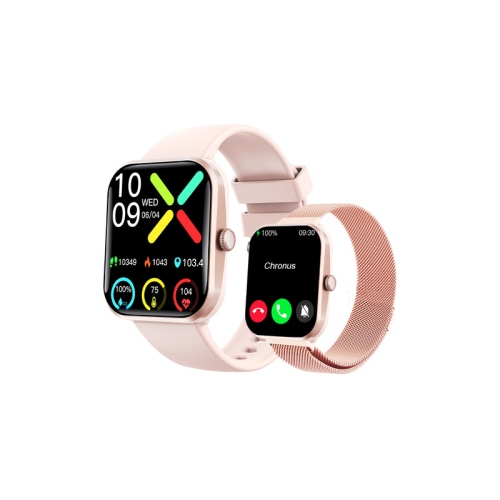
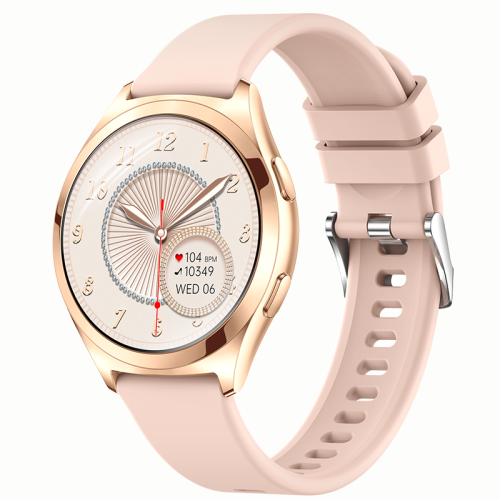
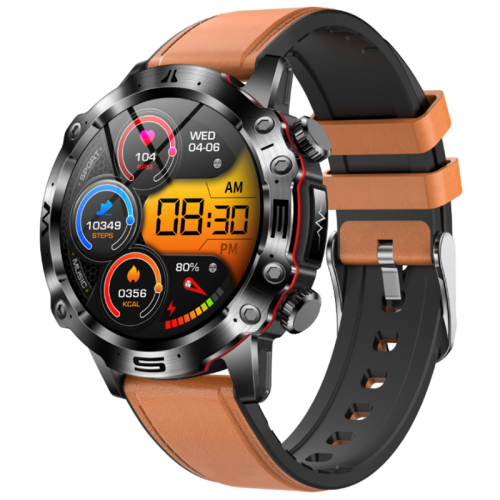
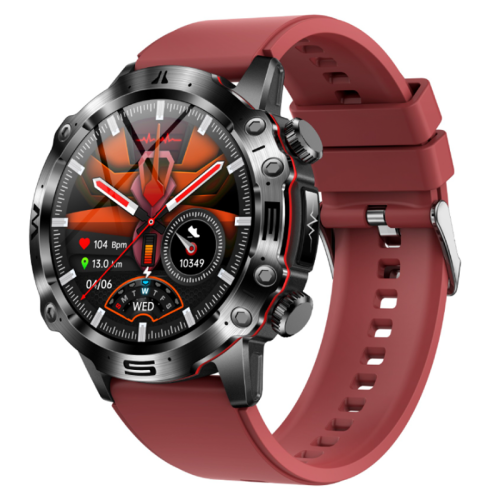

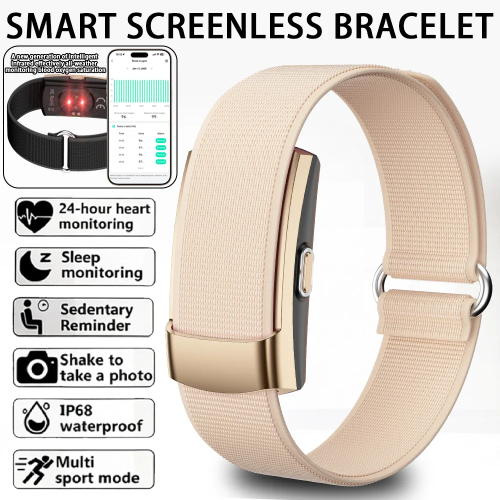
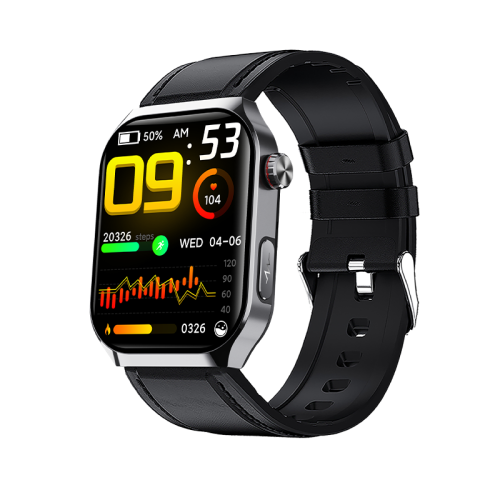
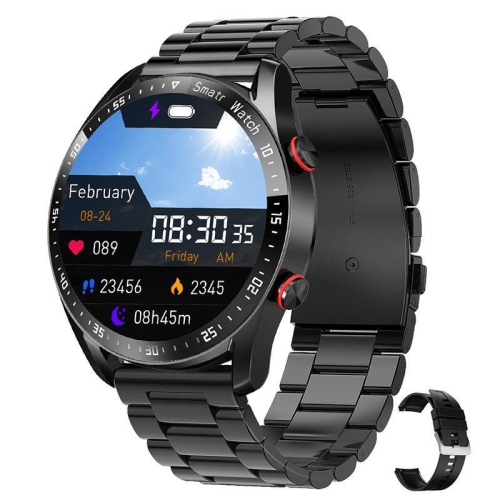
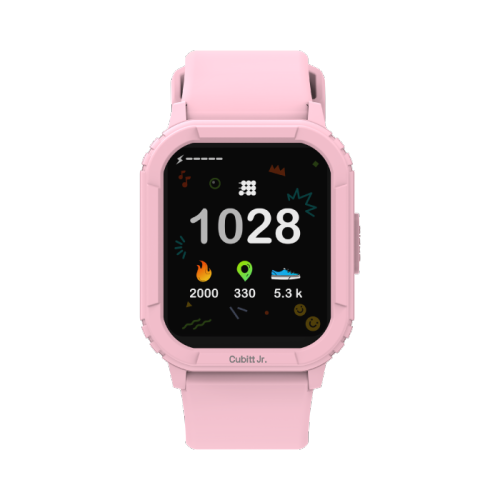
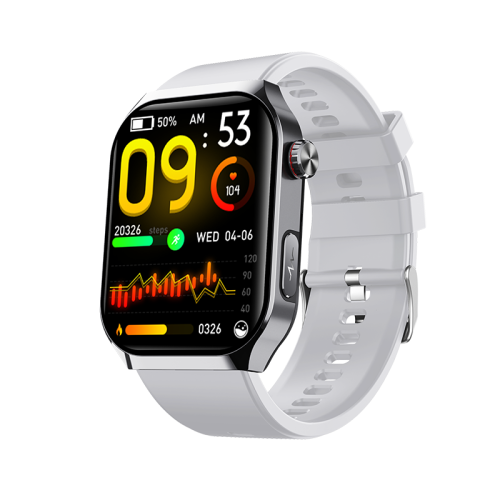
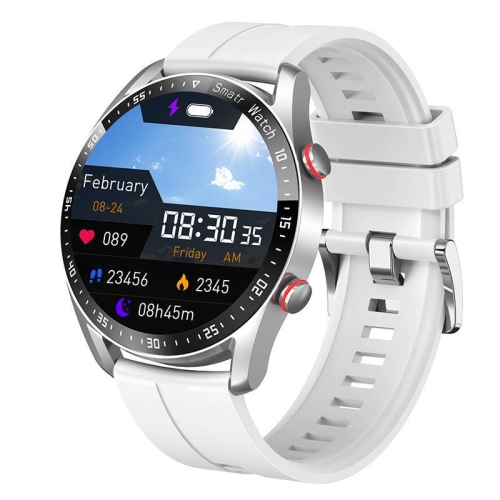
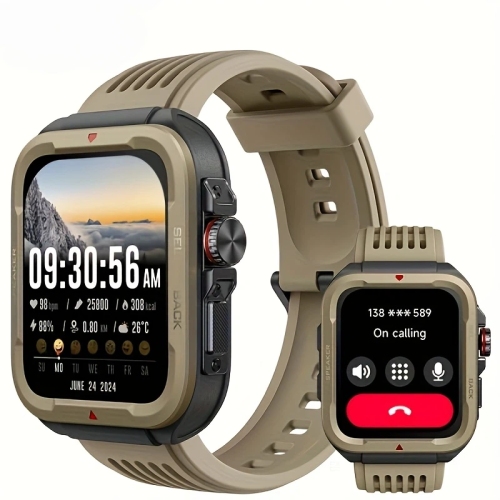
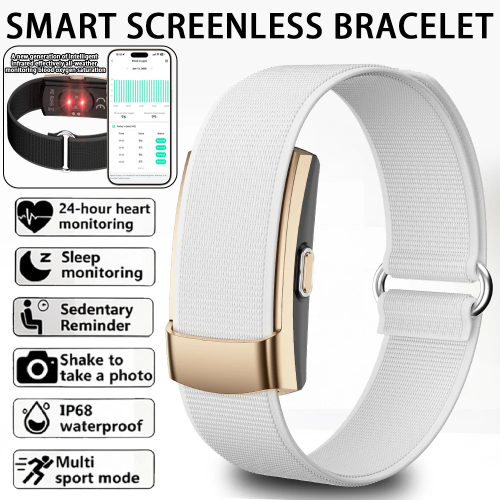
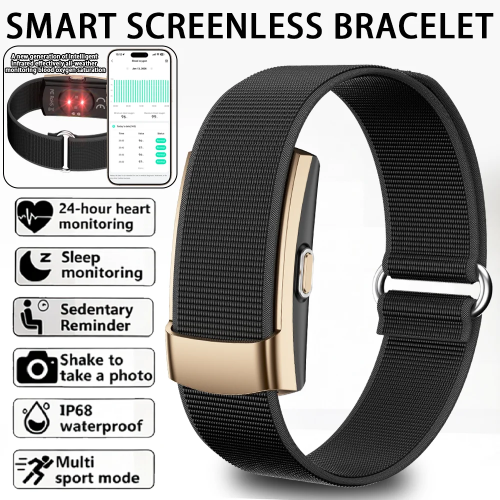
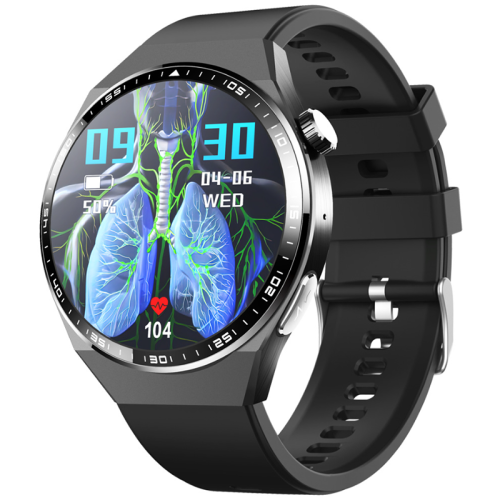
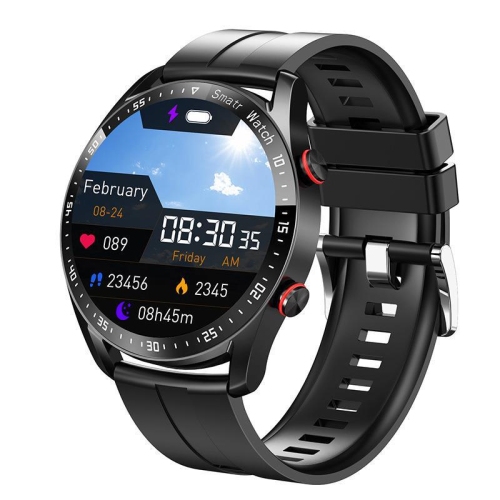
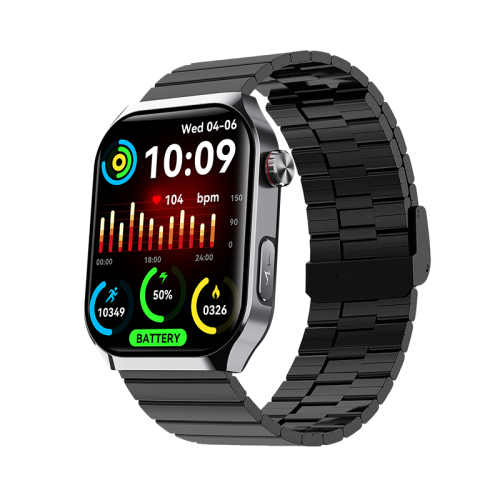
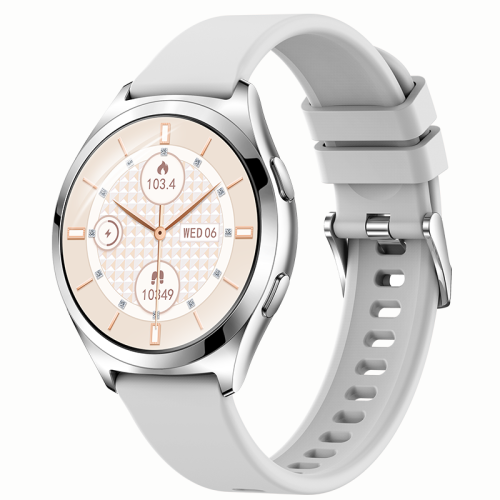


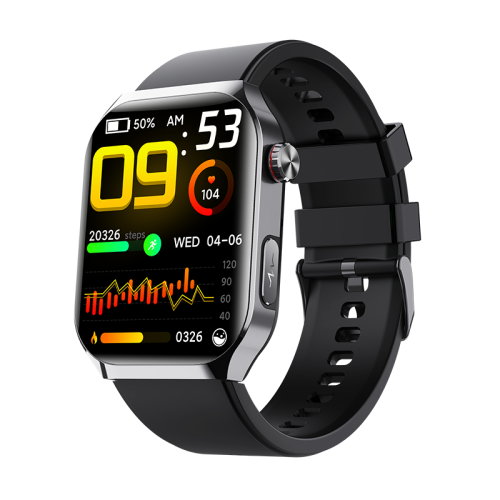
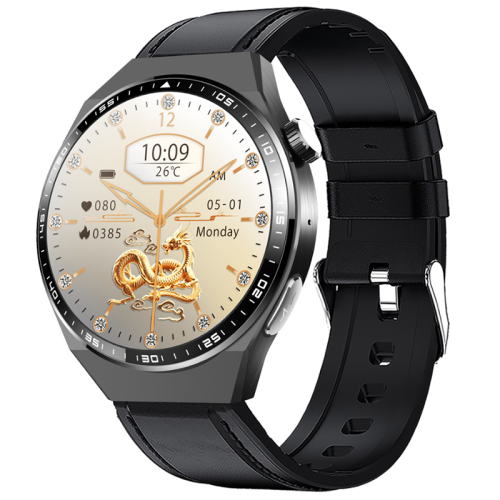

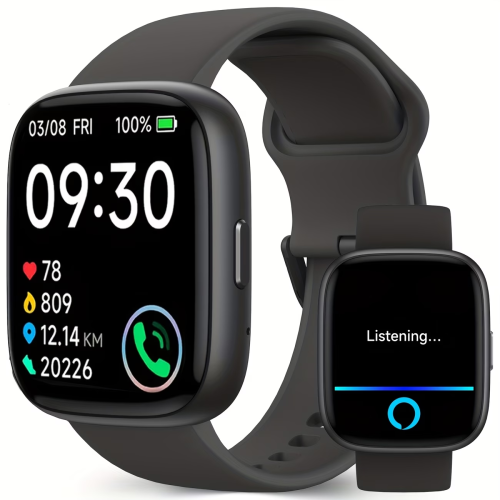
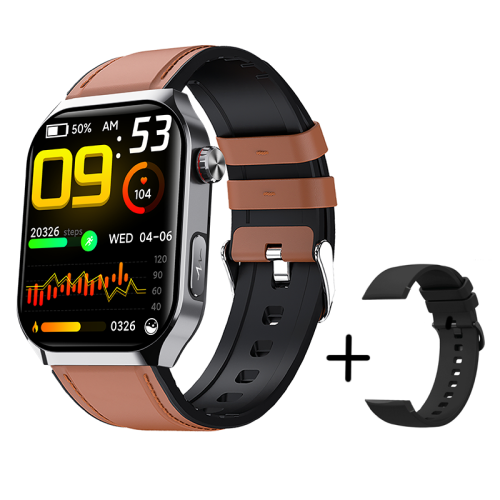
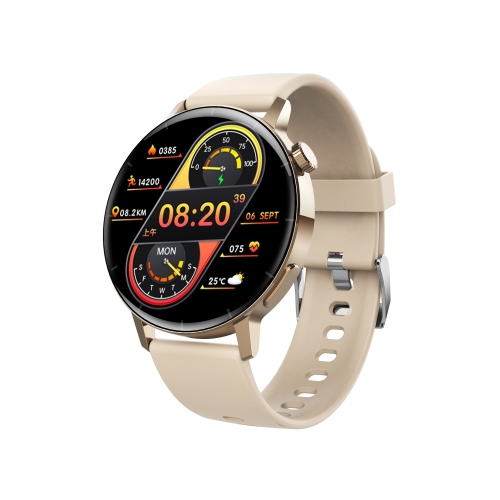
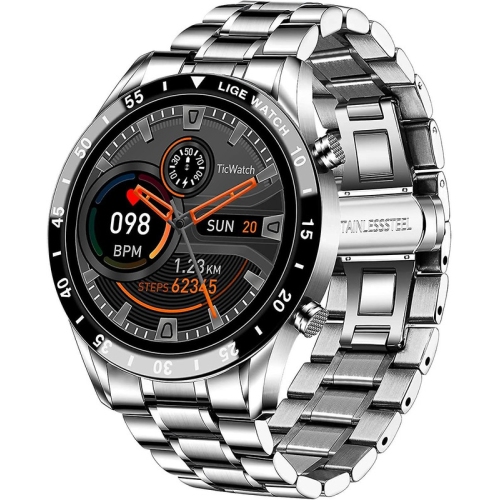
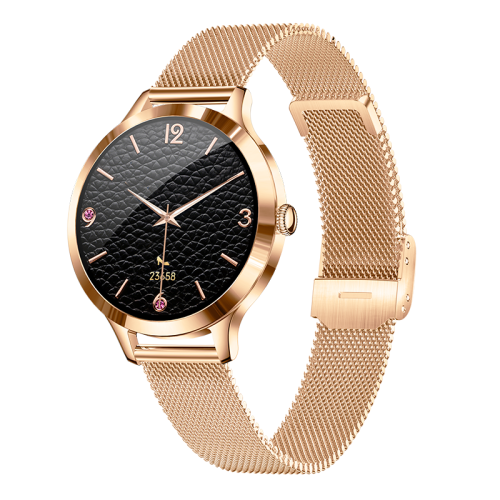
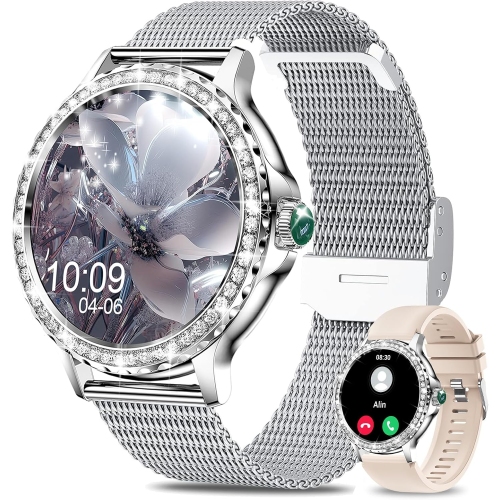
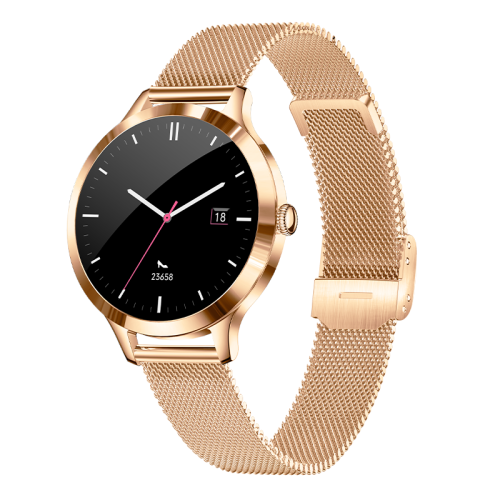
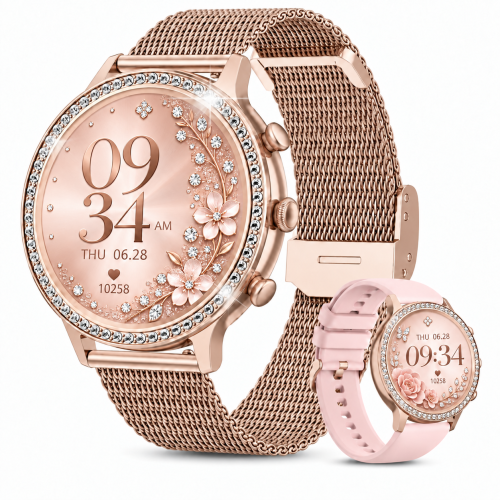
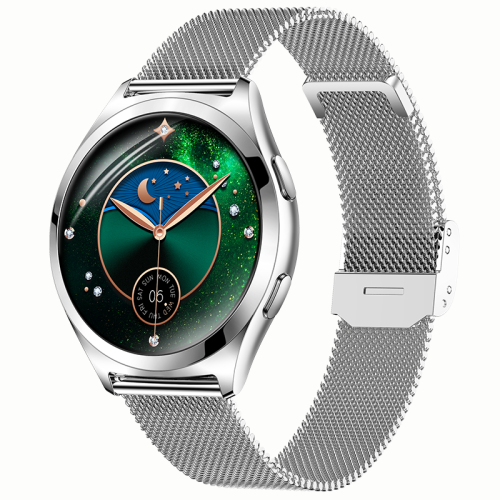

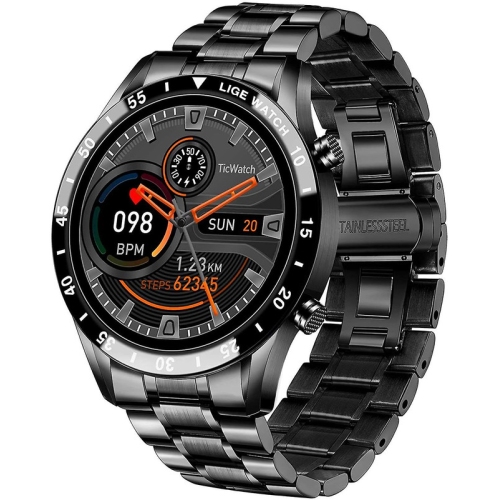
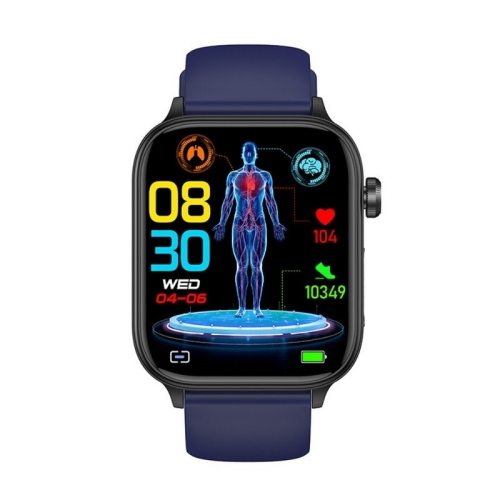
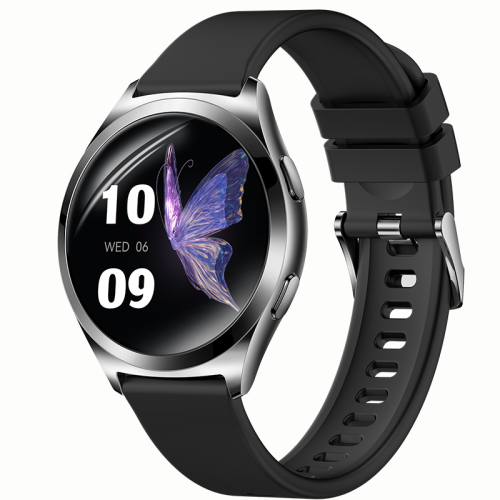
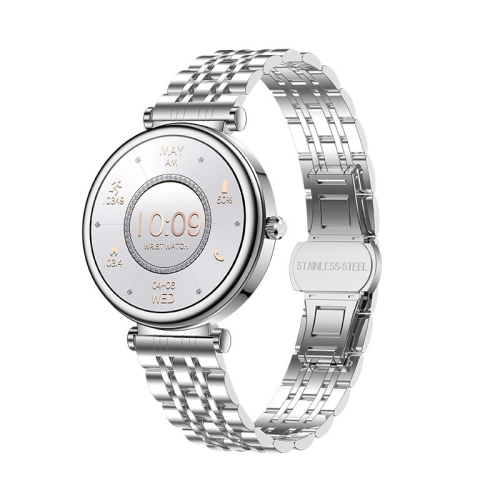
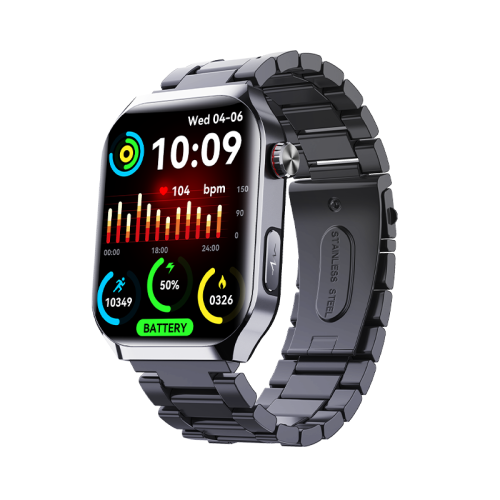
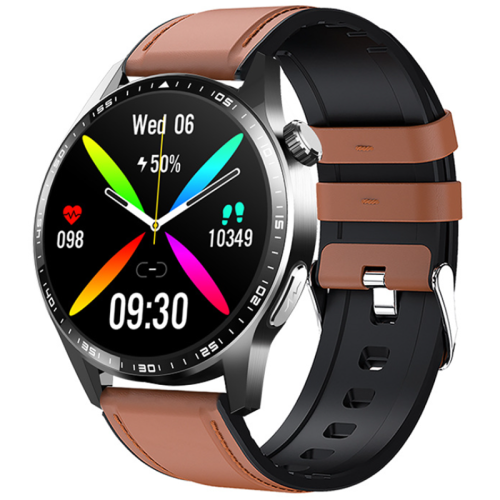

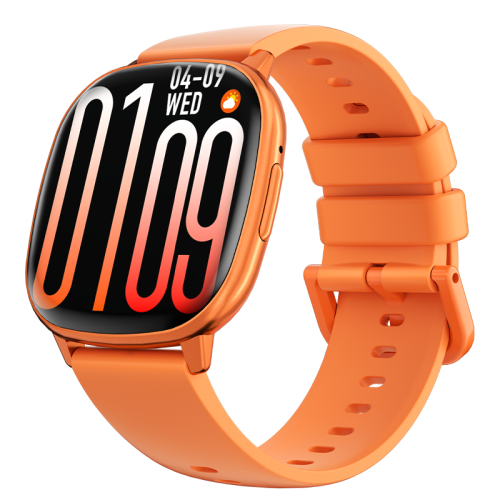

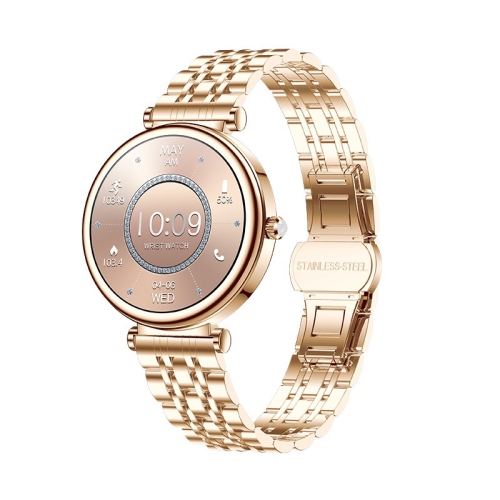
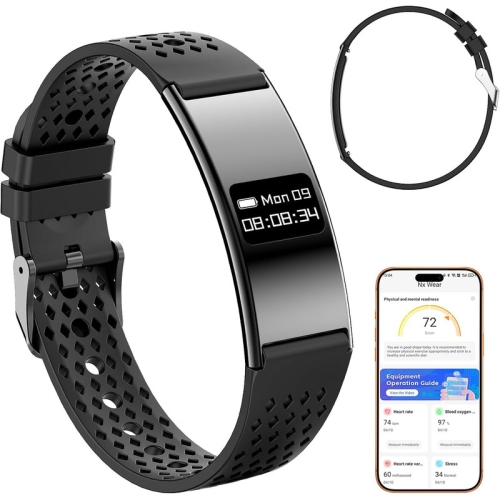
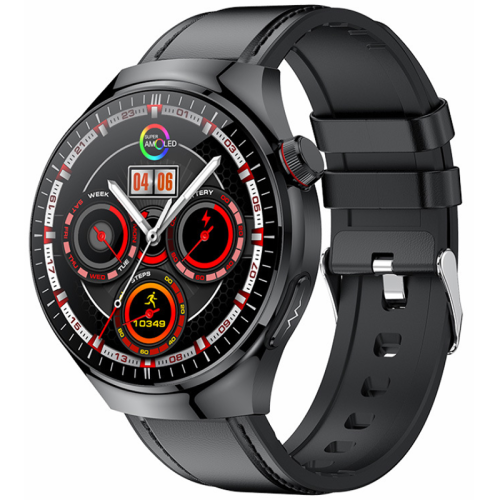
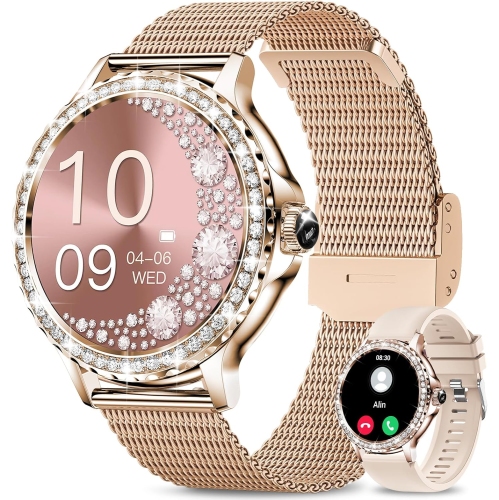
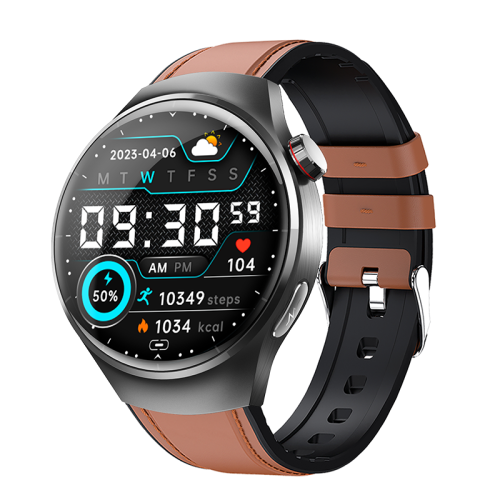
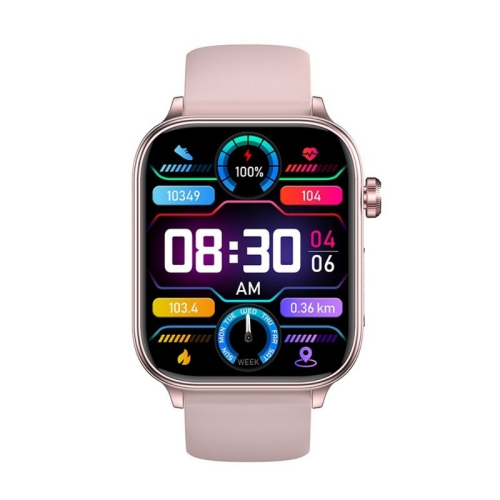
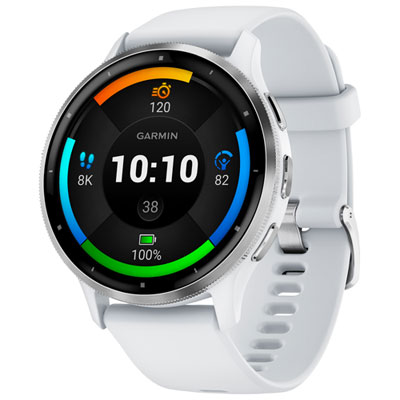
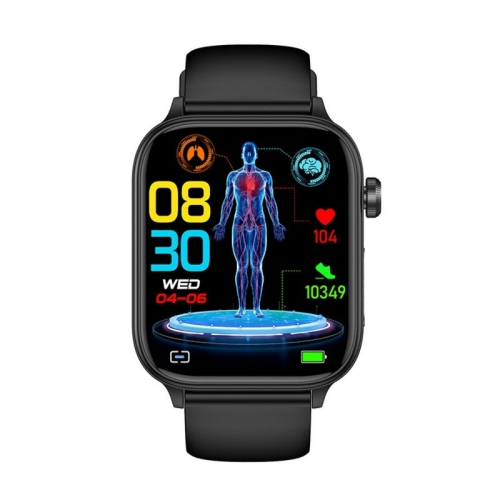
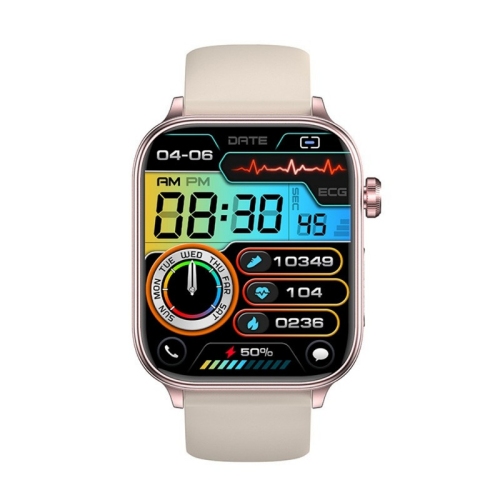

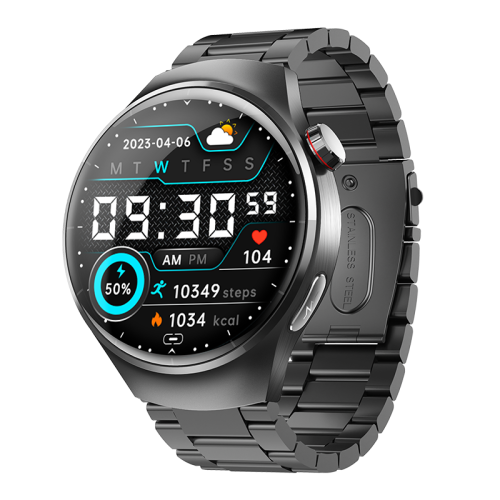
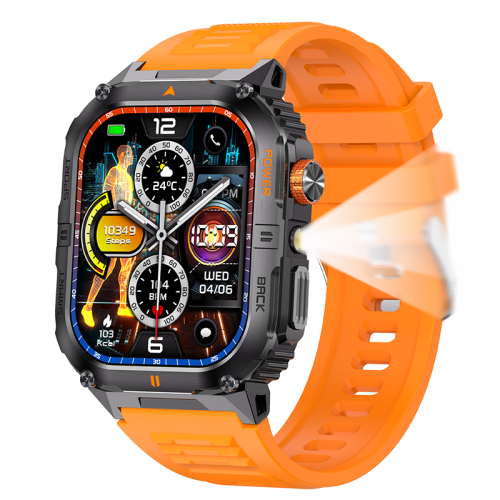

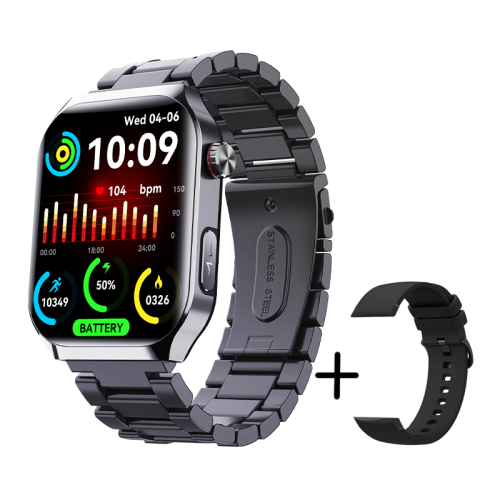

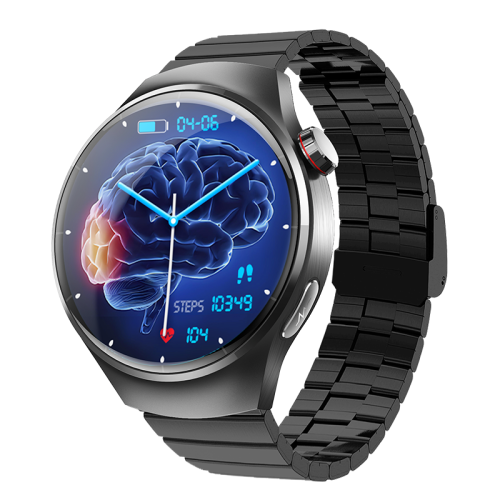

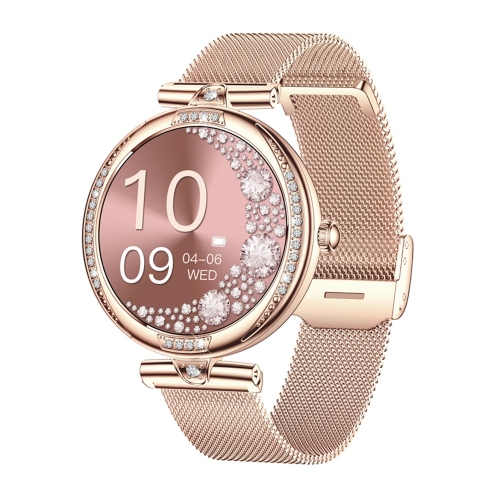
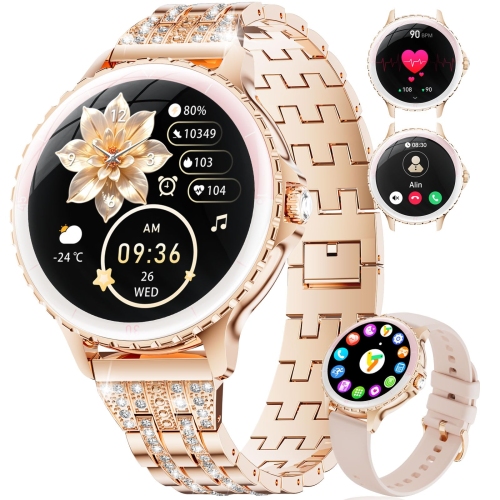
How calorie estimates, comfort, and tracking features work together
Watches with calorie counters can make everyday movement easier to understand by bringing steps, heart rate, workout duration, distance, and estimated calorie burn together on your wrist. They can be useful for someone beginning a walking routine, an experienced runner reviewing training data, or anyone who likes a simple reminder to move throughout the day. Most models use a combination of personal details, motion readings, and wrist-based heart rate data to estimate how much energy the body uses. The watch typically starts with an estimate of basal metabolic rate, or the energy the body uses at rest, based on details such as age, height, weight, and sex. It then adds information gathered during the day, including steps, pace, heart rate, and selected workout modes. Because these figures are calculated rather than measured directly, they should be treated as useful estimates instead of exact numbers. Accuracy can vary considerably from one person and activity to another, and calorie estimates may differ by roughly 30% to 80% in some situations. Steady activities such as walking, running, and cycling are often easier for wrist sensors to interpret than weightlifting, yoga, Pilates, stretching, or other exercises involving limited wrist movement. For a more helpful starting point, enter personal information carefully in the companion app, update it when your weight or fitness routine changes, and wear the watch snugly without making it uncomfortable. A secure fit helps the optical heart rate sensor maintain contact with the skin, especially during brisk walks, interval training, or outdoor activities.
When comparing watches with calorie counters, consider how you expect to use the watch from morning until bedtime rather than focusing on one number on the screen. A bright, easy-to-read display can be valuable during a dim early-morning walk or in a busy gym, while a lightweight case and comfortable band may matter most if you plan to wear the watch overnight. Look for the workout profiles that match your routine, whether that includes outdoor walking, running, indoor cycling, swimming, rowing, strength training, or general daily activity. Selecting the closest workout mode before exercise gives the watch more useful context and can improve the way it interprets movement and heart rate. Built-in GPS is helpful for tracking routes and pace without carrying a phone, while phone-connected GPS may offer a longer battery life at a lower price. Battery capacity is another practical consideration: a model that lasts several days between charges can be convenient for travel, work, and weekend activities, while a shorter charging time may be preferable for people who want to keep sleep tracking active. Check water resistance ratings if you plan to wear the watch in the rain, at the pool, or during sweaty workouts, and review phone compatibility before buying. Some watches work best with a particular mobile operating system or offer different features depending on the connected phone. Notifications, alarms, music controls, sleep information, breathing reminders, and contactless payment support can add everyday convenience, but the most useful features are the ones that fit naturally into your routine. For a straightforward way to focus on essential activity tracking without an abundance of advanced functions, browse Simple Fitness Watches.
These watches can support a wide range of goals without requiring every workout to become a numbers-focused session. Someone preparing for a charity walk may use the calorie counter alongside step totals and distance, while a recreational cyclist may pay closer attention to heart rate, duration, and route data. A parent fitting short walks into a busy day can glance at progress between errands, and a desk-based worker may appreciate gentle movement reminders during long stretches of screen time. They can also make thoughtful gifts for a family member starting a new routine, a student settling into an active campus schedule, or a friend who enjoys reviewing weekend hikes and recreational sports. During the cooler months, a watch can be handy for tracking indoor treadmill sessions, exercise classes, swimming, or daily movement when outdoor plans change. As the weather warms, GPS, route tracking, and longer battery life may become more important for walks, runs, bike rides, and day trips. Keep in mind that the calorie estimate is only one part of the picture. It should not be used as a precise measure of food requirements or as the sole way to judge progress. Trends over time, how you feel during activity, improvements in pace or stamina, sleep patterns, and consistency may provide a more useful view of your routine. For the best results, wear the watch in the same general position each day, keep the sensor area clean, choose the correct activity profile, and allow the companion app to sync regularly. If you take part in strength training or exercises with repeated wrist flexion, compare the watch’s calorie estimate with workout duration and perceived effort instead of expecting a perfectly precise reading. The right choice is the one that feels comfortable, works with your phone, lasts long enough for your schedule, and presents information in a way you will actually use.
Top selling and popular products
-
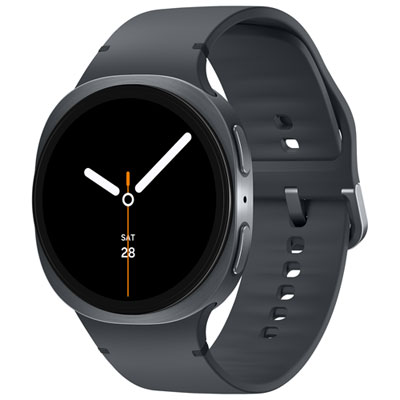 Your price for this item is $399.99
-
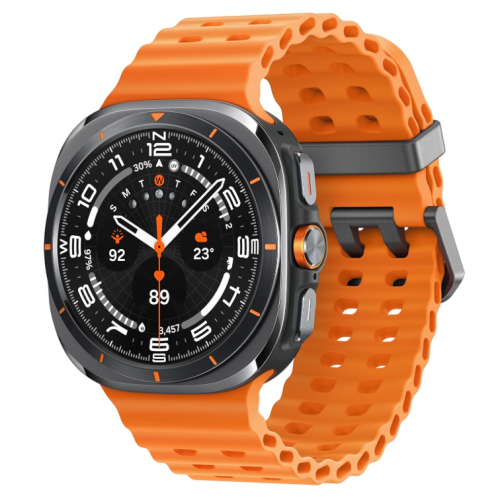 Your price for this item is $579.99
-
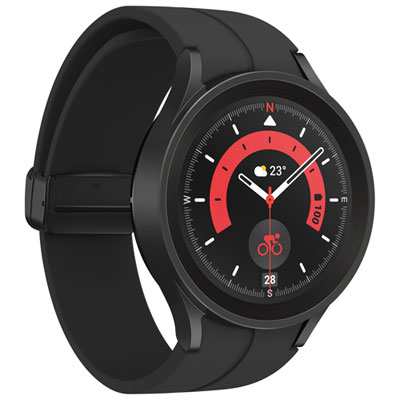 Your price for this item is $629.97
-
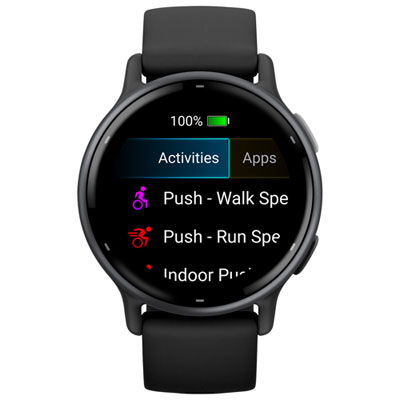 Your price for this item is $349.99
-
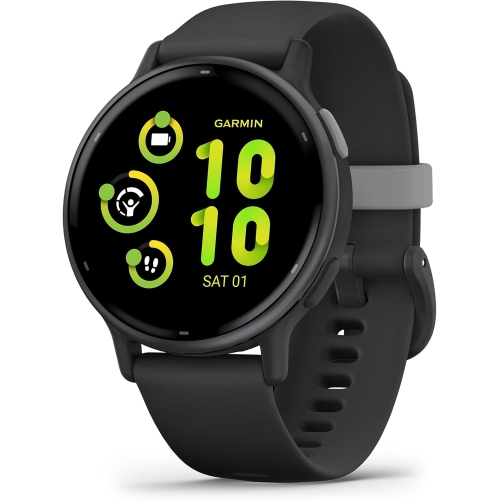 Your price for this item is $371.79
-
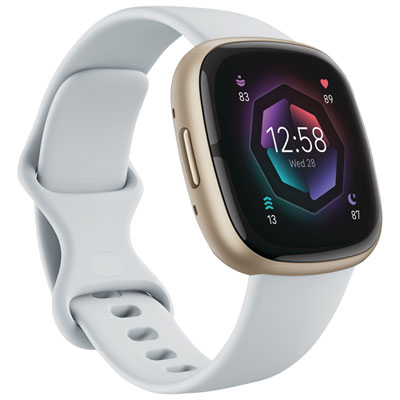 Your price for this item is $329.99
-
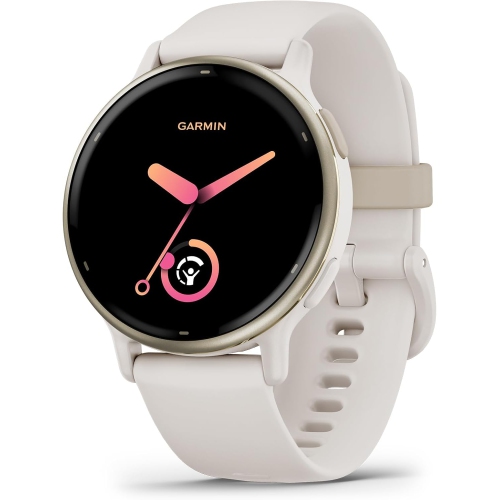 Your price for this item is $323
-
 Your price for this item is $659.99
Discover more categories related to Watches With Calorie Counter


Top Collections:
Pokemon Centers, Best Cameras for Sports Photography, Kindle Devices, Samsung Galaxy Phones, Canon G7X Cameras, Pokémon 30th Celebration Cards, Refurbished Apple Laptops, iPhone 15 Apple, Laptops for Students, Budget Smartphones
Some products may be subject to Environmental Handling Fees
(EHF) depending on your province.
Learn more about EHFs.