Waterproof Heart Rate Monitors
Whether you're an avid athlete or simply looking to monitor your fitness progress, a waterproof heart rate monitor is an essential tool to keep you on track. Designed to withstand even the most intense workouts, these innovative devices provide accurate heart rate measurements while being resistant to water damage. With a range of features and functionalities, a waterproof heart rate monitor offers convenience and reliability, allowing you to focus on achieving your fitness goals without any worries. Explore our selection of waterproof heart rate monitors and discover the perfect companion for your active lifestyle.
Sort
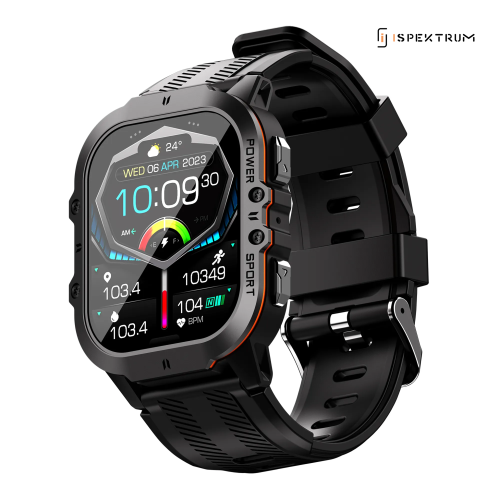
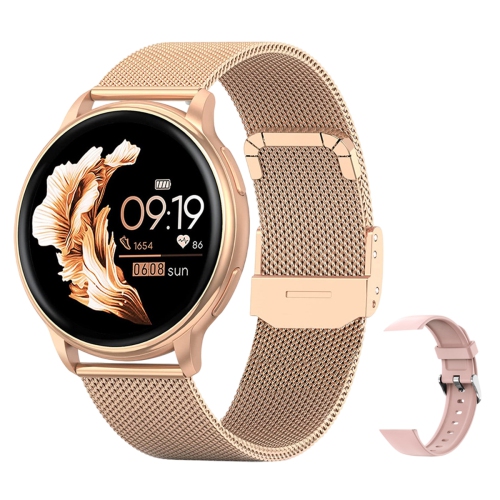
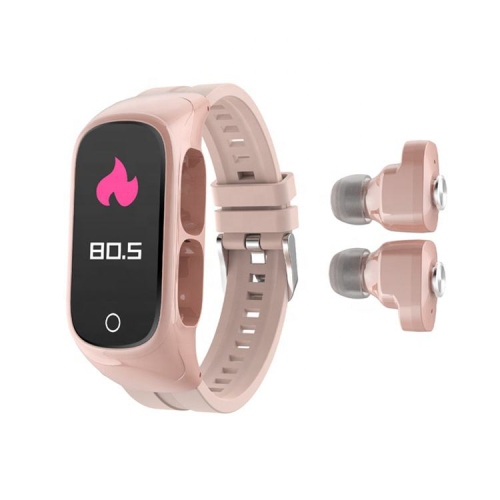
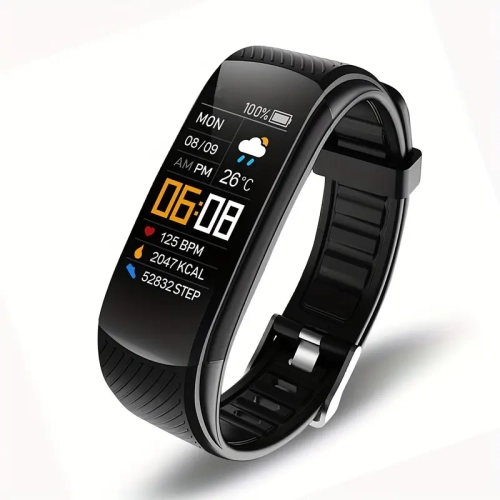
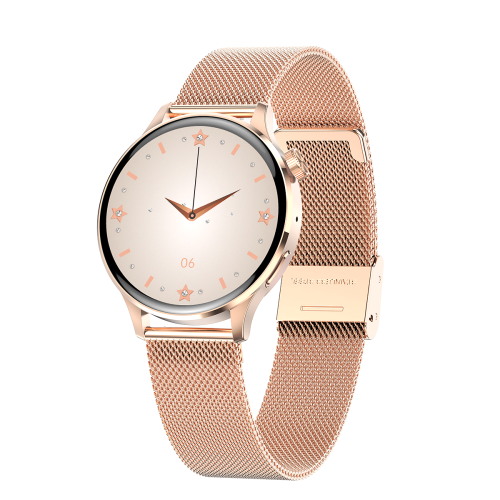
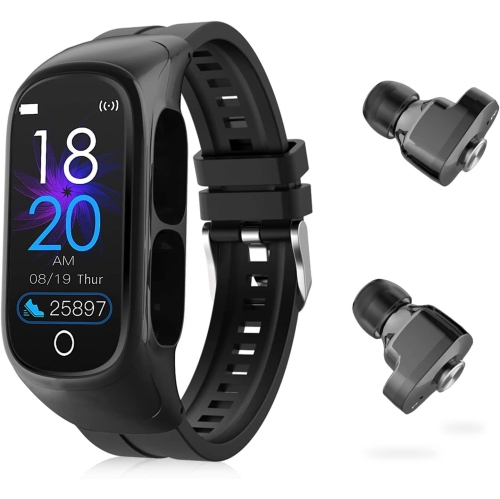
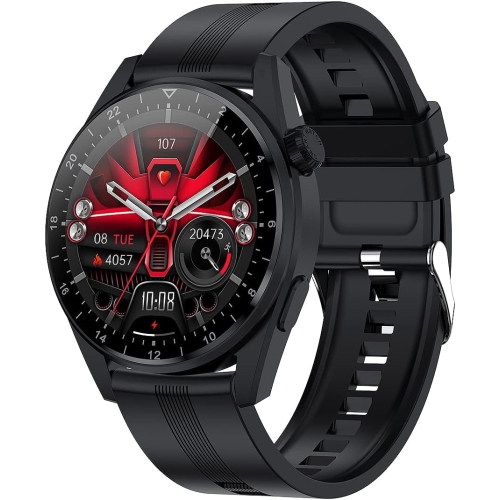
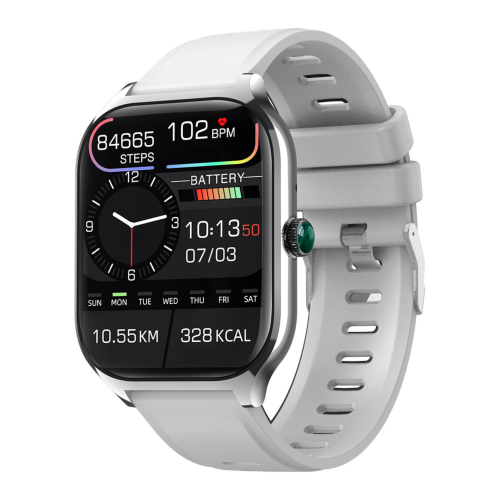
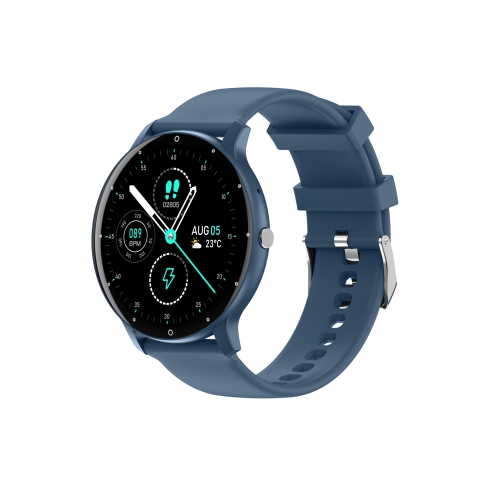
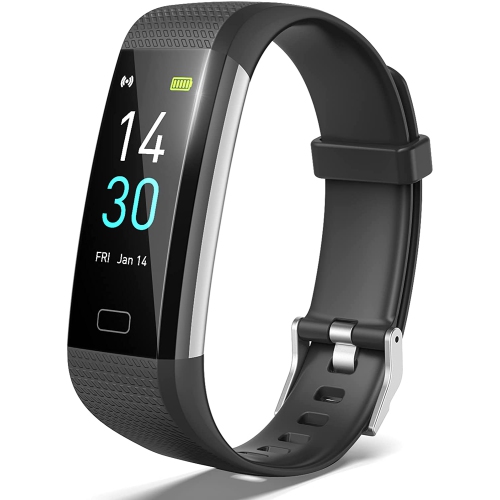
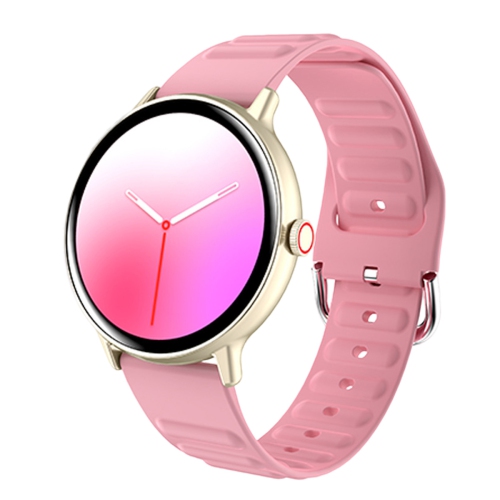
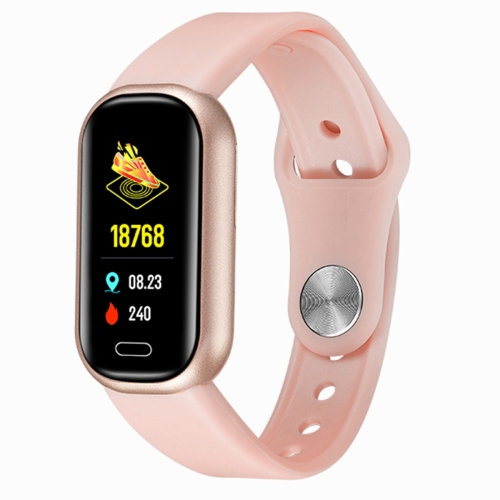
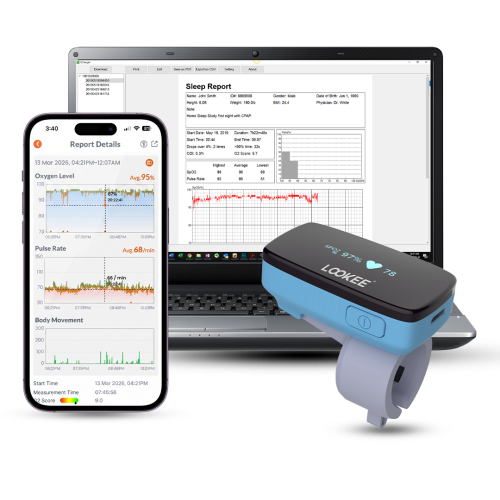
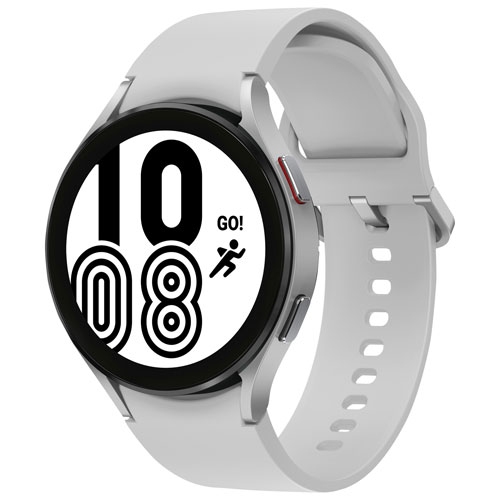
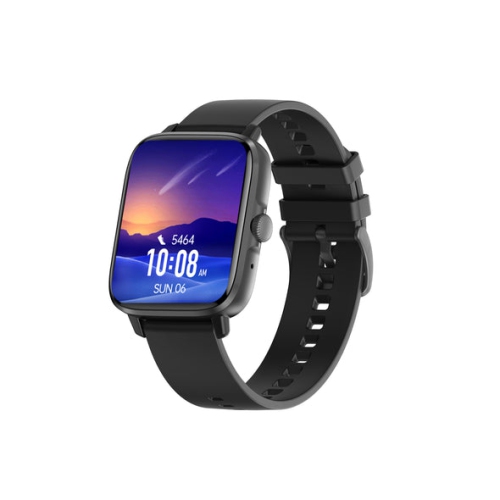
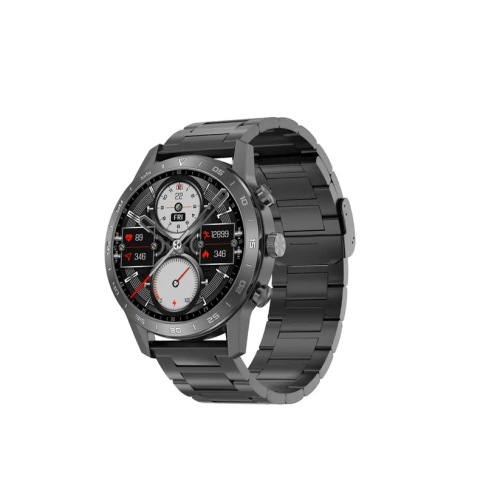
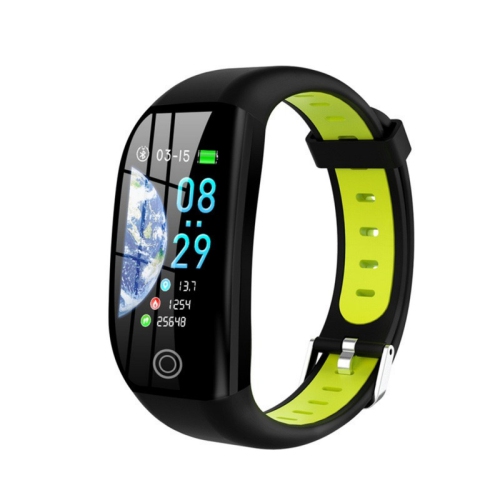
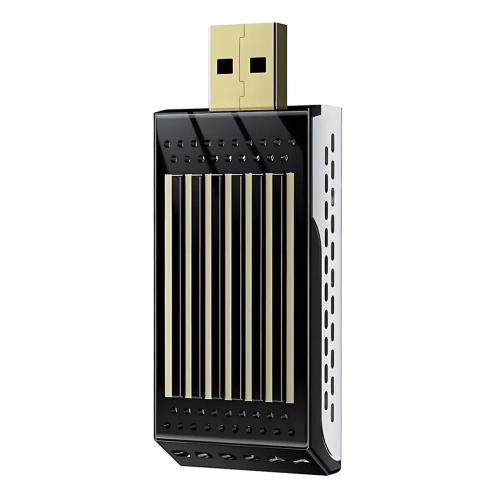
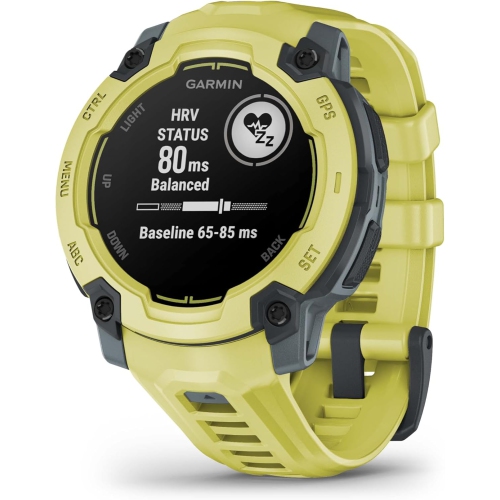
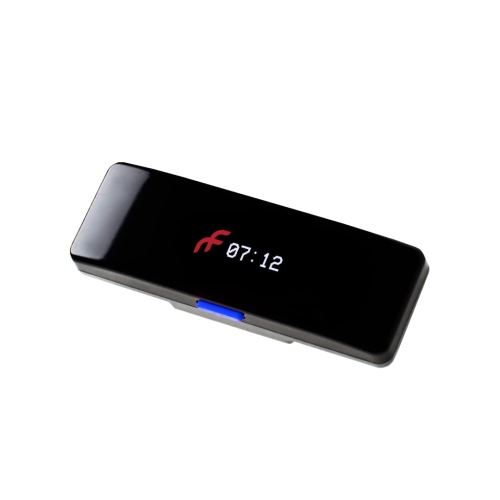



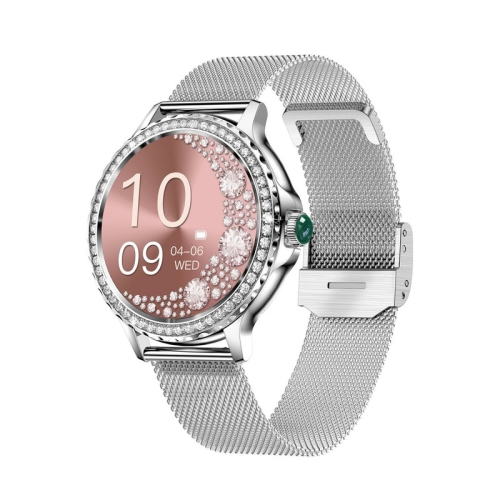
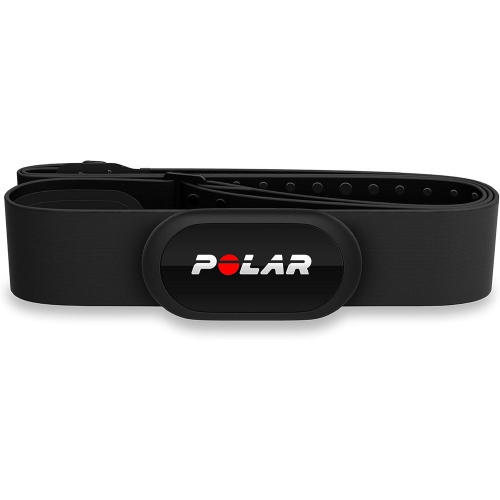
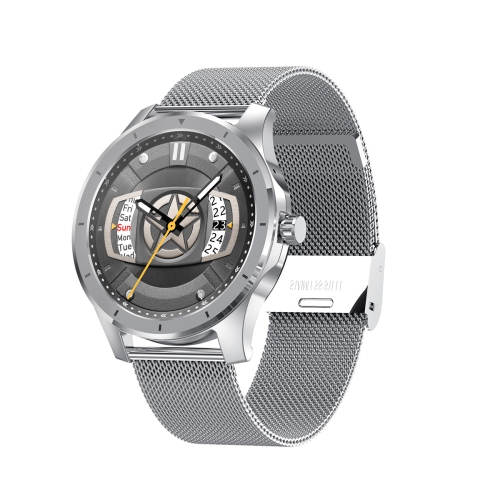
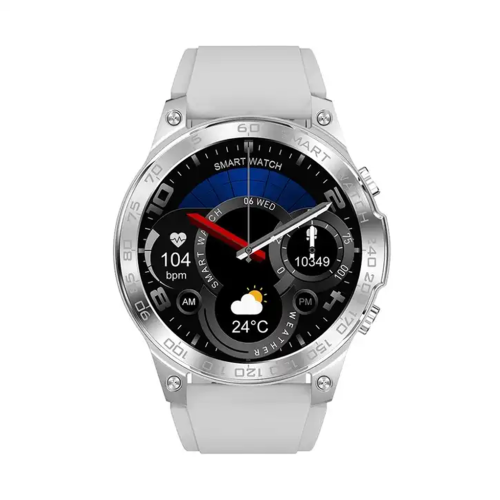
How water ratings, fit, and connectivity affect training
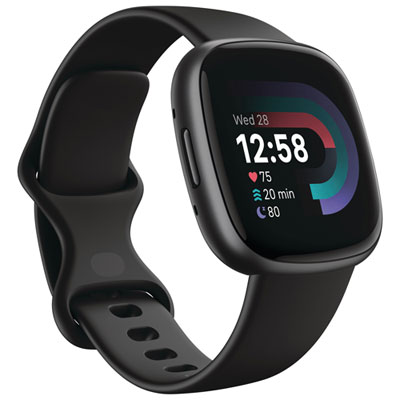
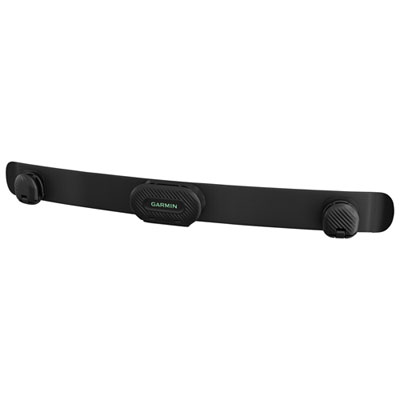
Waterproof heart rate monitors are designed to help you follow your effort when workouts involve sweat, rain, splashes, or a swim. They can be useful for runners caught in a downpour, cyclists riding through changing weather, gym users who prefer high-intensity intervals, and swimmers who want a clearer picture of how hard they are working from one length to the next. A heart rate monitor can show whether you are staying within an easy aerobic range, building towards a challenging interval, or pushing beyond the effort you intended. It may also help you pace a long workout more consistently, especially when tiredness, heat, hills, or cold weather make perceived effort less predictable. As the weather warms, a waterproof design is convenient for outdoor training and pool sessions; during the cooler months, it can provide reassurance when workouts move between indoor facilities, wet commutes, and brisk outdoor routes. These devices can also make thoughtful gifts for runners, swimmers, cyclists, fitness beginners, or anyone who enjoys using workout data to make training feel more purposeful. When comparing options, start by deciding how the monitor will be worn and where you expect to use it. Chest straps sit around the torso and typically measure the heart’s electrical signals, often called ECG or EKG signals. Because the sensor remains close to the heart and does not rely on light passing through the skin, a chest strap can provide a steady reading during fast intervals and tends to be particularly well suited to swimming. Optical armbands use light-based sensors against the skin and can be comfortable for people who do not enjoy wearing a chest strap. They are often a practical choice for running, cycling, strength training, or general gym sessions, though fit, skin contact, movement, and the position of the band can affect readings. Whichever style you choose, the monitor should feel secure without being distracting. A chest strap that is too loose may shift during sprints, while one that is too tight can become uncomfortable over a long workout. An armband should sit firmly and flatly against the skin, without sliding as you swing your arms.
Waterproofing is one of the most important details to check because “waterproof” can describe very different levels of protection. An IPX7 or IP67 rating generally indicates protection from splashes, rain, sweat, and a brief accidental dunk, but it does not automatically mean that a device is suitable for continuous swimming. If you plan to swim laps, look for a monitor with a stated swimming or submersion rating, such as 3 ATM, 5 ATM, or a depth rating around 30 metres, while following the manufacturer’s instructions for use. Ratings describe controlled test conditions and do not guarantee protection from every combination of water pressure, temperature, chemicals, or movement. Pool water, salt water, hot tubs, and vigorous water sports can place different demands on a device, so it is wise to rinse a monitor with fresh water after exposure to chlorine or salt and allow it to dry as directed. Water can also affect wireless communication. Bluetooth signals generally do not travel reliably through water, which means a monitor that sends live data to a phone or watch on land may not be able to maintain that connection while you are swimming. For pool workouts, internal memory is a valuable feature: the monitor can save heart rate information during the session and transfer it to a compatible watch or app after you leave the water. Without onboard storage, you may only see intermittent readings or lose the swim data altogether. Check whether the monitor supports the connection method used by your phone, smartwatch, cycling computer, or preferred fitness app, and confirm that the functions you want—such as live heart rate, workout recording, calorie estimates, training zones, or post-workout summaries—are available with your setup. A monitor may pair easily with one device but offer limited features with another. Battery life matters as well. Long-lasting replaceable batteries can be convenient for people who train frequently and do not want to recharge after every session, while rechargeable models may suit users who prefer a simple charging routine. Consider how the charging connection is protected, how long a full charge takes, and whether the monitor can be used while charging.
Comfort, accuracy, maintenance, and everyday convenience all influence whether a heart rate monitor becomes a trusted part of your routine. Look for adjustable straps, soft materials, secure fasteners, and a sensor shape that sits naturally against your body. People with sensitive skin may appreciate removable, washable straps and clear care instructions. A good fit is especially important when you are comparing readings with how you feel: a sensor that shifts during a hill climb can create distracting spikes or drops, while consistent contact helps produce more useful workout information. Heart rate data is best treated as a guide rather than a diagnosis or a substitute for medical advice. Rest, hydration, medication, illness, temperature, caffeine, and stress can all influence your pulse, and readings may vary between sensor types. If you notice unusual symptoms or have concerns about exercise, consult a qualified health professional. For everyday training, you can use the monitor to establish personal patterns over time—for example, noticing that an easy run feels harder on a hot afternoon, or that your heart rate settles more quickly after repeating the same interval session. A swimmer may use stored data to review effort after a practice, while a cyclist may watch for changes during a long climb. Someone new to structured exercise may simply use heart rate zones as a gentle reminder to ease off or add effort instead of relying solely on speed. If you are exploring related wearables for tracking activity in wet conditions, Waterproof Activity Trackers can provide another way to record movement and workouts. Before choosing, compare the intended water rating, sensor style, onboard storage, connectivity, battery approach, fit, and compatibility with your existing devices. The right waterproof heart rate monitor should match the way you actually train, whether that means rainy evening runs, early-morning lane swims, indoor interval sessions, or weekend rides through changing conditions.
Waterproofing is one of the most important details to check because “waterproof” can describe very different levels of protection. An IPX7 or IP67 rating generally indicates protection from splashes, rain, sweat, and a brief accidental dunk, but it does not automatically mean that a device is suitable for continuous swimming. If you plan to swim laps, look for a monitor with a stated swimming or submersion rating, such as 3 ATM, 5 ATM, or a depth rating around 30 metres, while following the manufacturer’s instructions for use. Ratings describe controlled test conditions and do not guarantee protection from every combination of water pressure, temperature, chemicals, or movement. Pool water, salt water, hot tubs, and vigorous water sports can place different demands on a device, so it is wise to rinse a monitor with fresh water after exposure to chlorine or salt and allow it to dry as directed. Water can also affect wireless communication. Bluetooth signals generally do not travel reliably through water, which means a monitor that sends live data to a phone or watch on land may not be able to maintain that connection while you are swimming. For pool workouts, internal memory is a valuable feature: the monitor can save heart rate information during the session and transfer it to a compatible watch or app after you leave the water. Without onboard storage, you may only see intermittent readings or lose the swim data altogether. Check whether the monitor supports the connection method used by your phone, smartwatch, cycling computer, or preferred fitness app, and confirm that the functions you want—such as live heart rate, workout recording, calorie estimates, training zones, or post-workout summaries—are available with your setup. A monitor may pair easily with one device but offer limited features with another. Battery life matters as well. Long-lasting replaceable batteries can be convenient for people who train frequently and do not want to recharge after every session, while rechargeable models may suit users who prefer a simple charging routine. Consider how the charging connection is protected, how long a full charge takes, and whether the monitor can be used while charging.
Comfort, accuracy, maintenance, and everyday convenience all influence whether a heart rate monitor becomes a trusted part of your routine. Look for adjustable straps, soft materials, secure fasteners, and a sensor shape that sits naturally against your body. People with sensitive skin may appreciate removable, washable straps and clear care instructions. A good fit is especially important when you are comparing readings with how you feel: a sensor that shifts during a hill climb can create distracting spikes or drops, while consistent contact helps produce more useful workout information. Heart rate data is best treated as a guide rather than a diagnosis or a substitute for medical advice. Rest, hydration, medication, illness, temperature, caffeine, and stress can all influence your pulse, and readings may vary between sensor types. If you notice unusual symptoms or have concerns about exercise, consult a qualified health professional. For everyday training, you can use the monitor to establish personal patterns over time—for example, noticing that an easy run feels harder on a hot afternoon, or that your heart rate settles more quickly after repeating the same interval session. A swimmer may use stored data to review effort after a practice, while a cyclist may watch for changes during a long climb. Someone new to structured exercise may simply use heart rate zones as a gentle reminder to ease off or add effort instead of relying solely on speed. If you are exploring related wearables for tracking activity in wet conditions, Waterproof Activity Trackers can provide another way to record movement and workouts. Before choosing, compare the intended water rating, sensor style, onboard storage, connectivity, battery approach, fit, and compatibility with your existing devices. The right waterproof heart rate monitor should match the way you actually train, whether that means rainy evening runs, early-morning lane swims, indoor interval sessions, or weekend rides through changing conditions.
Top selling and popular products
-
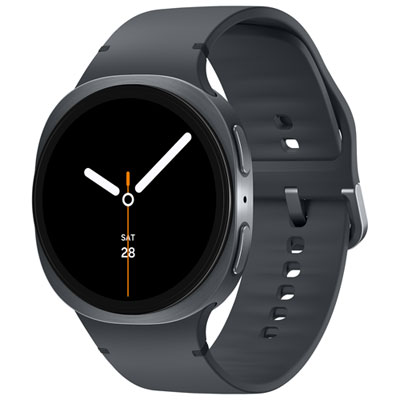 Your price for this item is $399.99
 -
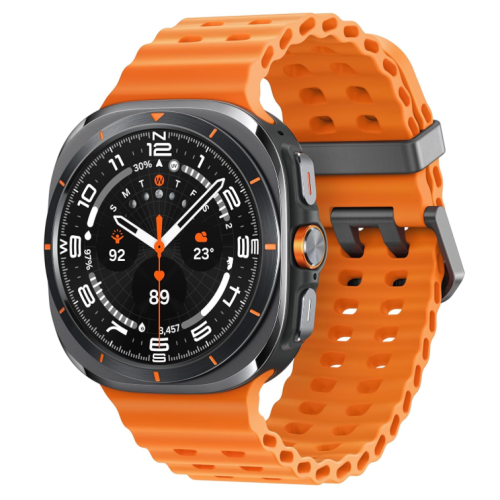 Your price for this item is $579.99
 -
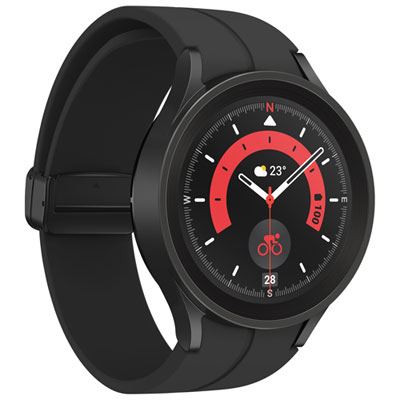 Your price for this item is $629.97
 -
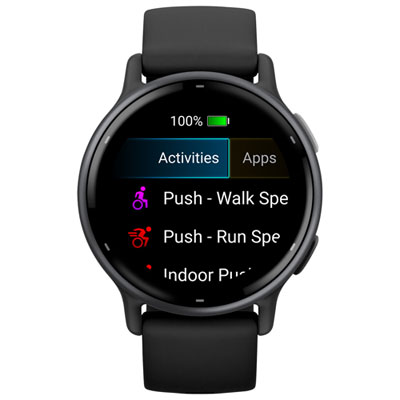 Your price for this item is $349.99
 -
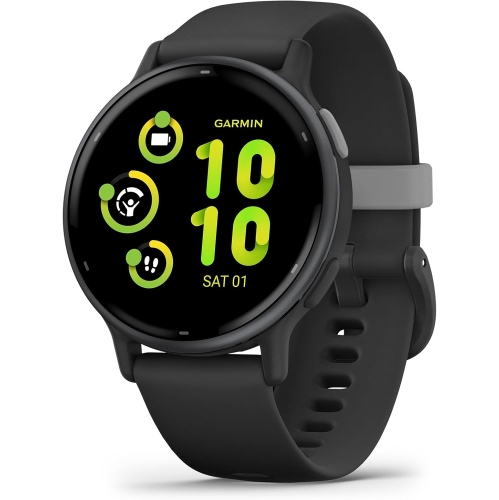 Your price for this item is $371.79
 -
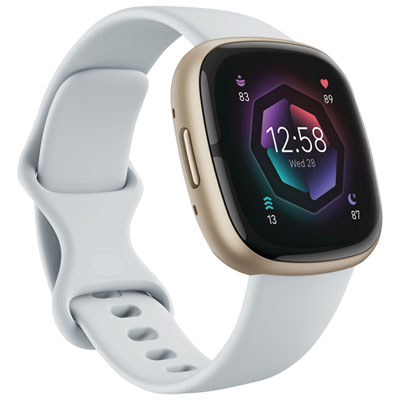 Your price for this item is $209.99
 -
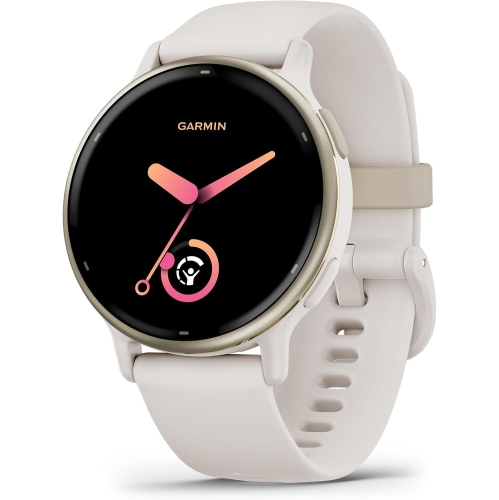 Your price for this item is $328.89
 -
 Your price for this item is $659.99
Discover more categories related to Waterproof Heart Rate Monitors
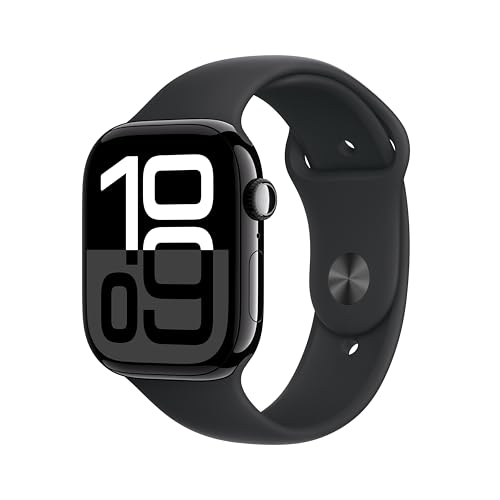
Top Collections:
Pokemon Centers, Kindle Devices, Best Budget Office Chairs, Apple iPhones 16, Best Laptops for Writers, iPhone 15 Apple, Canon G7X Cameras, Refurbished Apple Laptops, Alarm Clock, Motorola Razr Phones
Some products may be subject to Environmental Handling Fees
(EHF) depending on your province.
Learn more about EHFs.