Weather Resistant Electrical Enclosures

Weather-resistant electrical enclosures help protect electrical connections and components from rain, dust, and outdoor exposure. Browse protective boxes and housings for your installation, comparing dimensions, cable entry options, and weather-resistance ratings to find an enclosure suited to your equipment and location.
Read More

Sort

Why enclosure ratings matter more than weatherproof labels

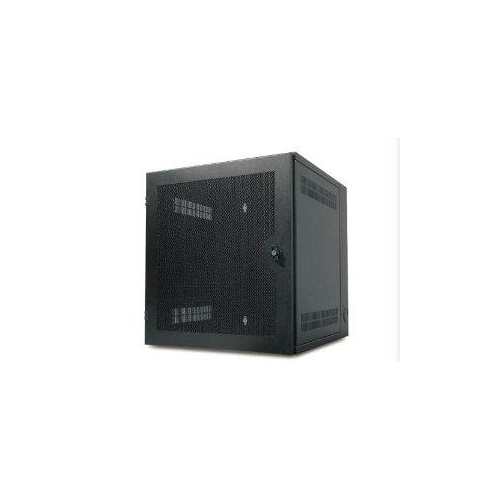
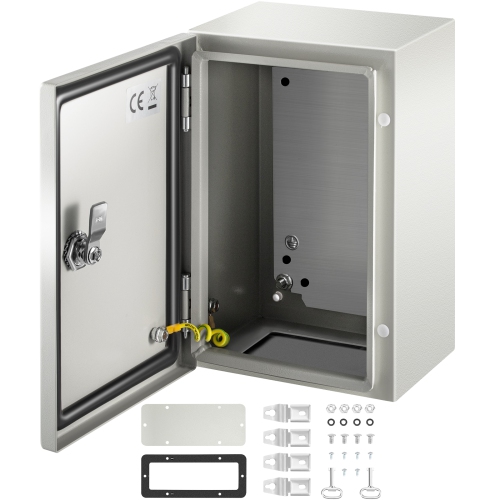
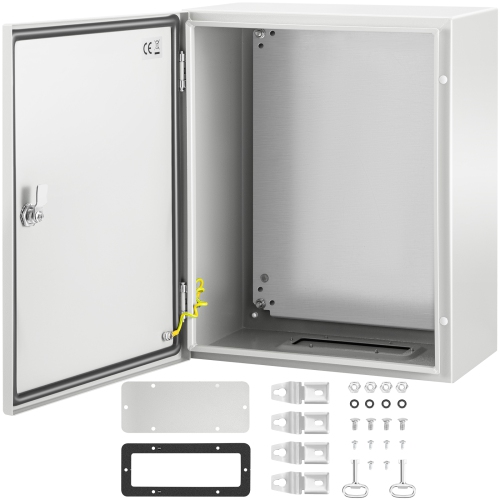
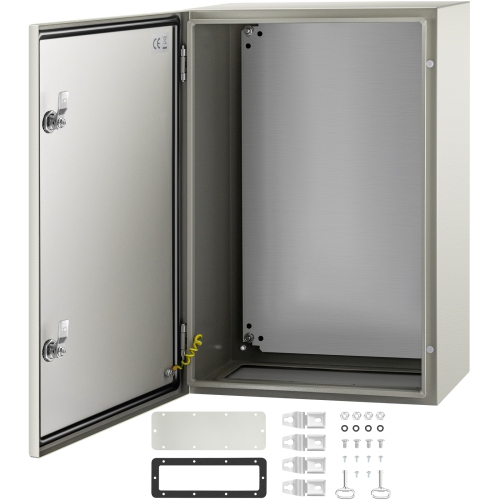
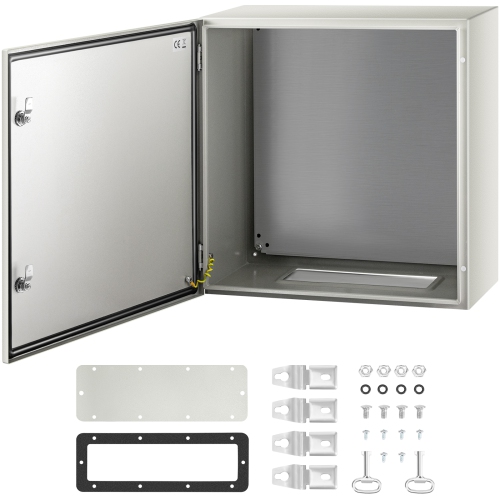
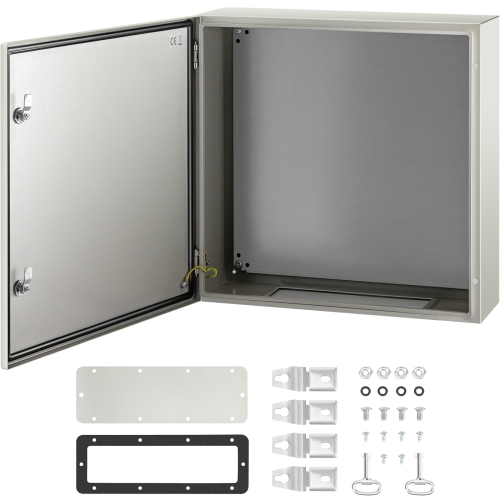
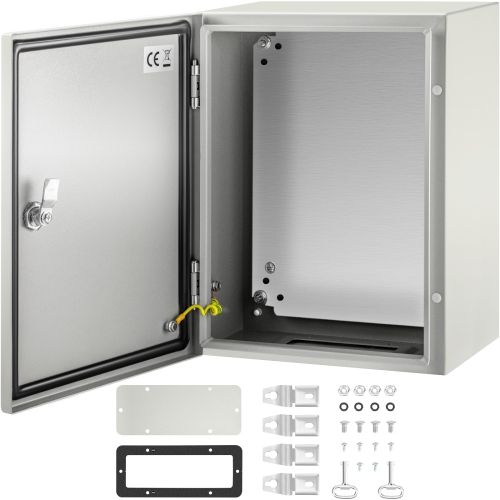
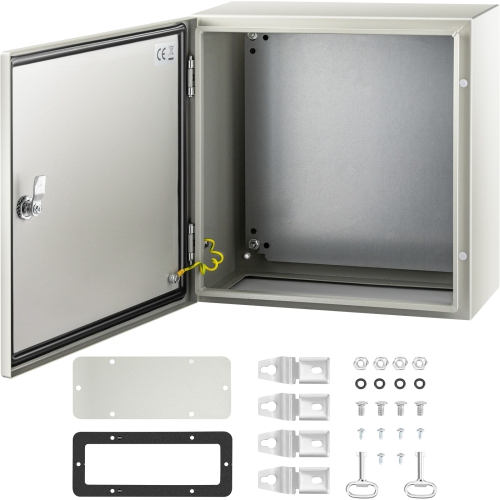
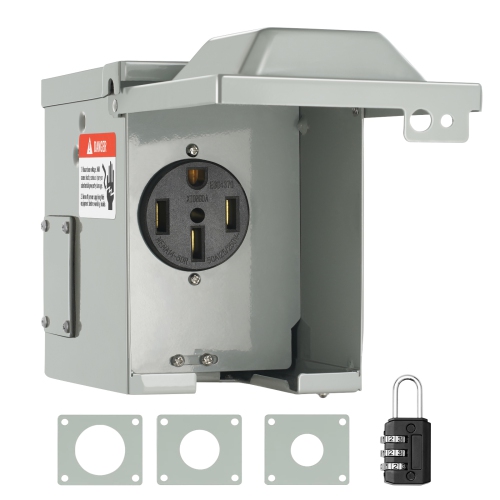
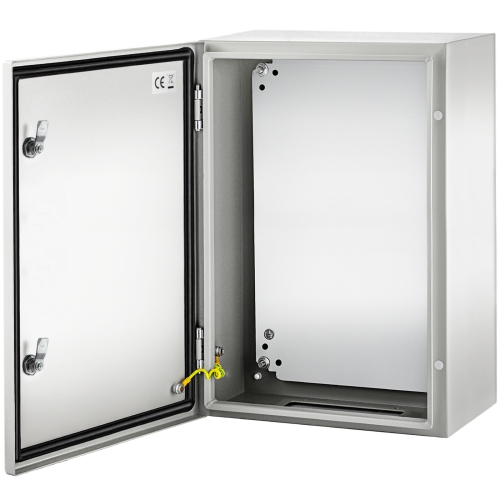
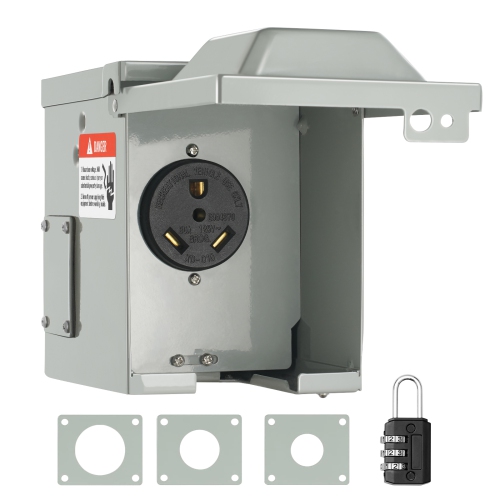
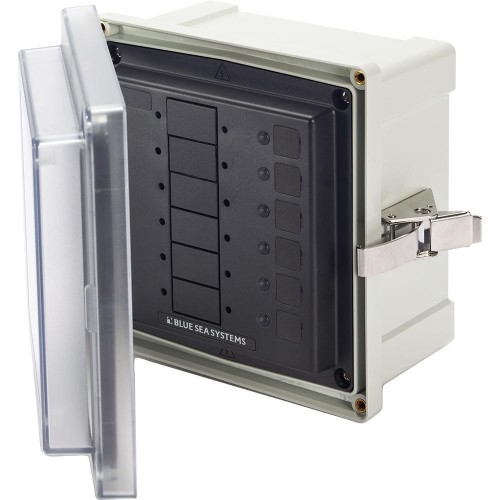
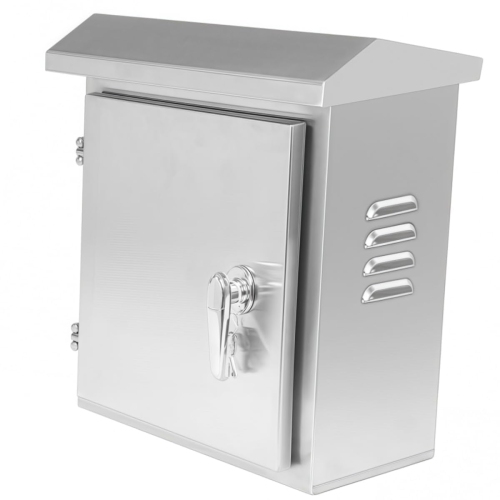
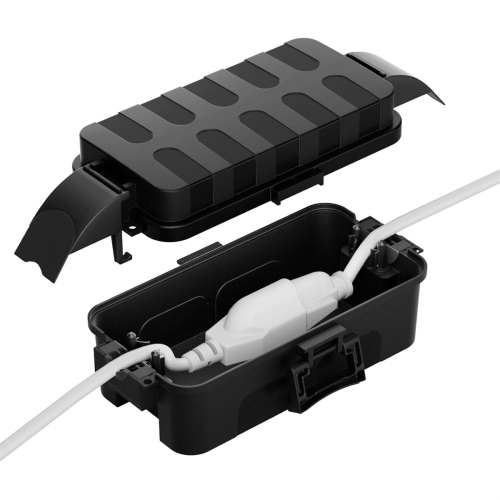
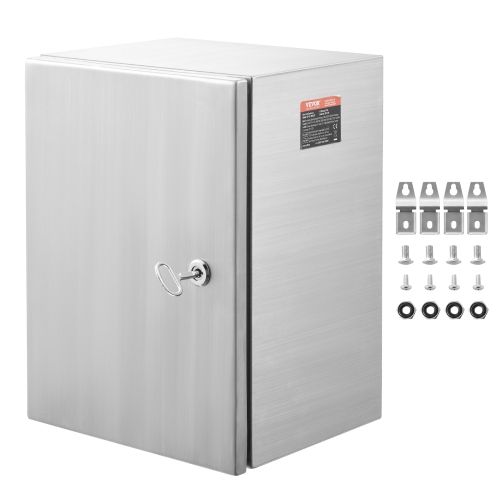
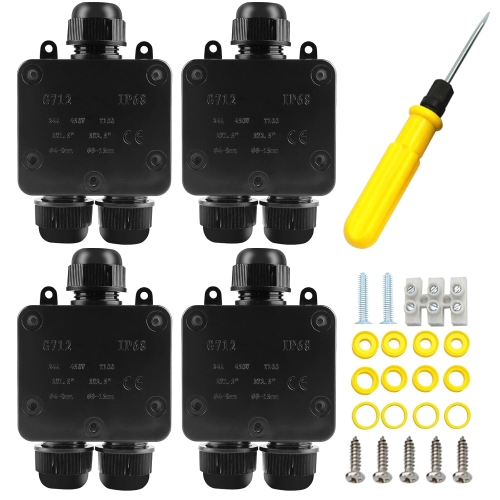
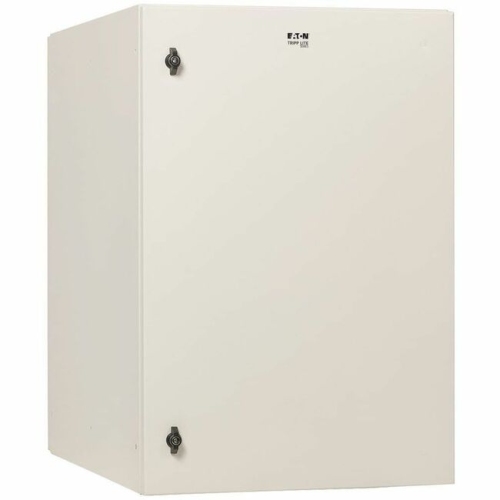
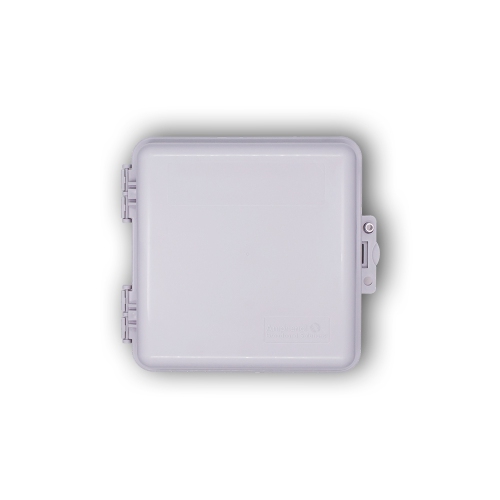
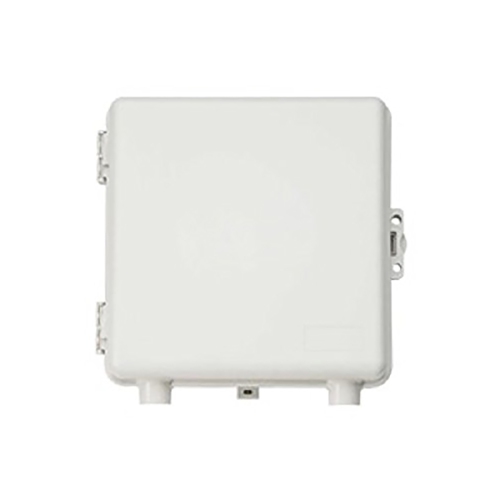
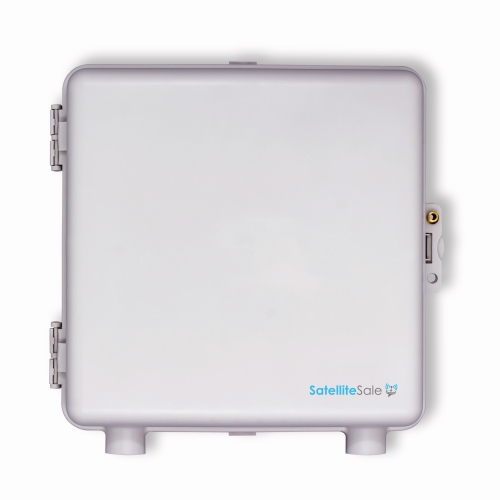
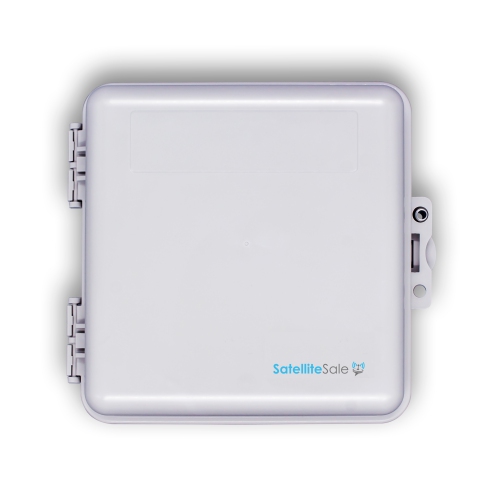
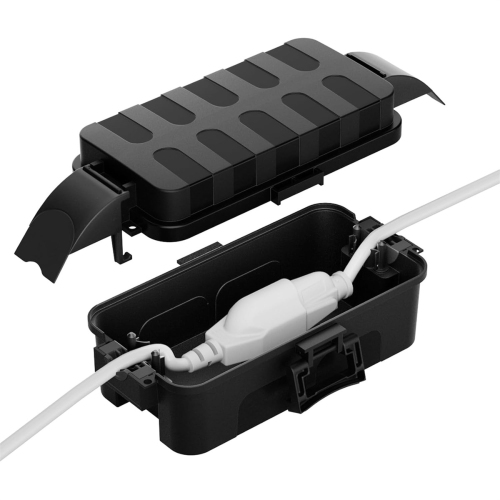
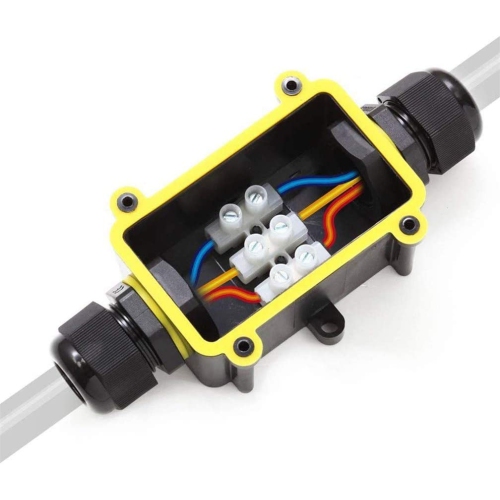
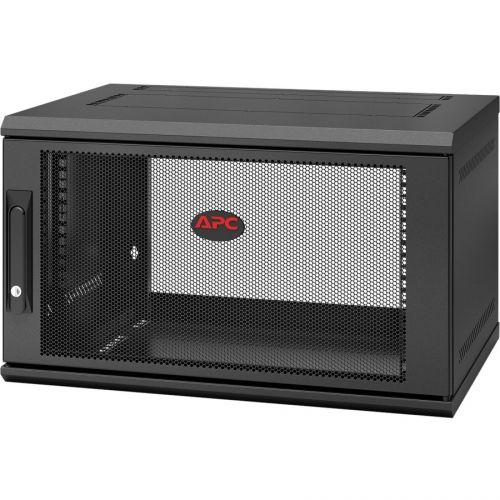
Weather-resistant electrical enclosures provide a protective housing for electrical connections, switches, control components, and compatible electronic devices exposed to rain, snow, windblown dust, or splashing water. Their protection comes from a combination of a durable shell, a properly fitted cover, a continuous gasket, and suitable cable entry fittings. On an exterior wall beside a garage, an enclosure may shelter connections for outdoor lighting; near a workshop, it may house controls that need protection from airborne debris and moisture. Larger housings can accommodate more complex assemblies used by electricians, maintenance teams, and property managers, while compact boxes suit smaller installations where space is limited. The distinction between weather resistance and waterproofing matters: a housing designed to shed rainfall is not automatically suitable for hose-directed water, standing water, or submersion. Published enclosure ratings give a clearer picture of intended protection than a general weatherproof description alone. NEMA Type 3R enclosures are commonly used where protection against falling rain, sleet, and snow is needed. NEMA Type 4 adds protection against windblown dust, splashing water, and hose-directed water, while Type 4X adds corrosion resistance. Ingress Protection ratings describe resistance to solid particles and water using two digits. IP65 indicates a dust-tight enclosure tested against water jets, and IP66 indicates a dust-tight enclosure tested against more powerful water jets. IP67 addresses temporary immersion under specified test conditions; it should not be taken as proof of suitability for continuous underwater use or every type of spray exposure. NEMA and IP ratings cover different test requirements and are not directly interchangeable. For installations focused on housing wire splices and connection points, Weatherproof Electrical Junction Boxes relate more specifically to that purpose. In every application, the enclosure’s documented rating, intended mounting position, and compatibility with the equipment inside help determine whether it suits the location. A covered porch, an exposed fence line, and a utility area subject to washdown can place very different demands on an otherwise similar-looking box.
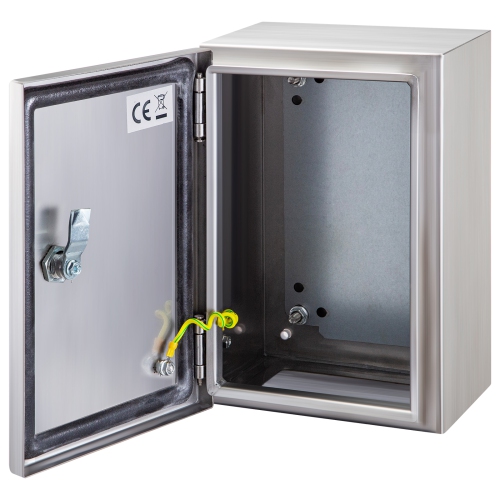
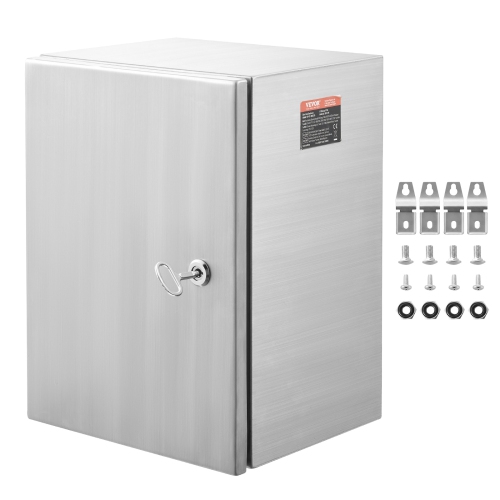
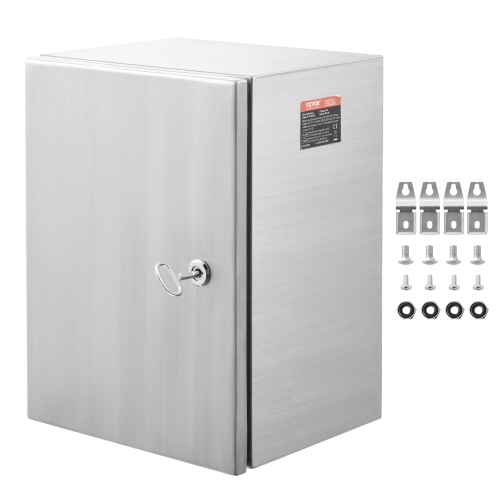
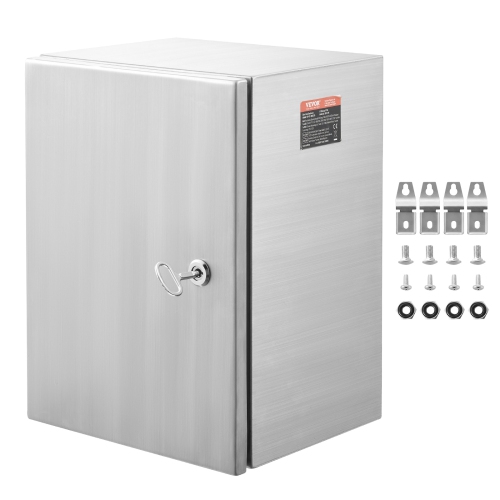
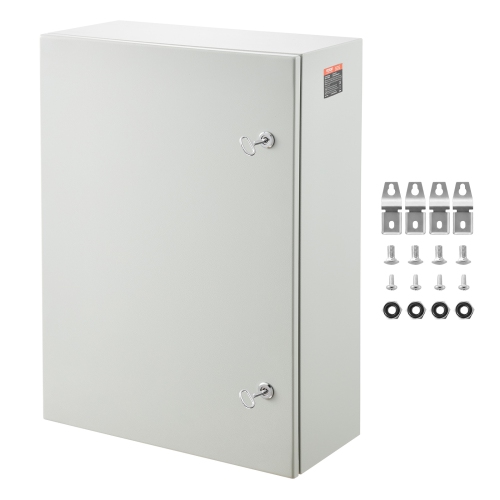
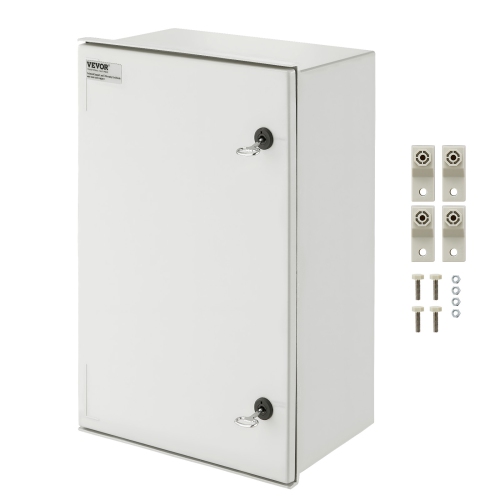
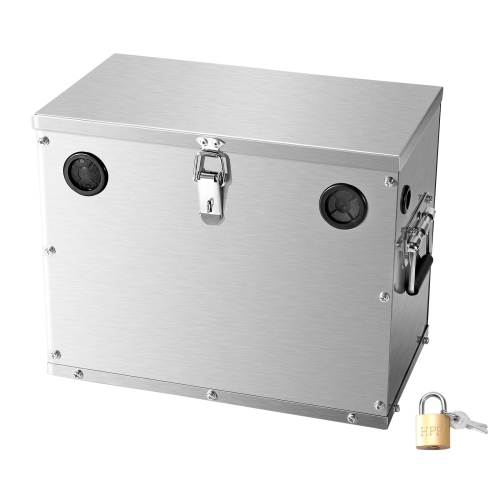
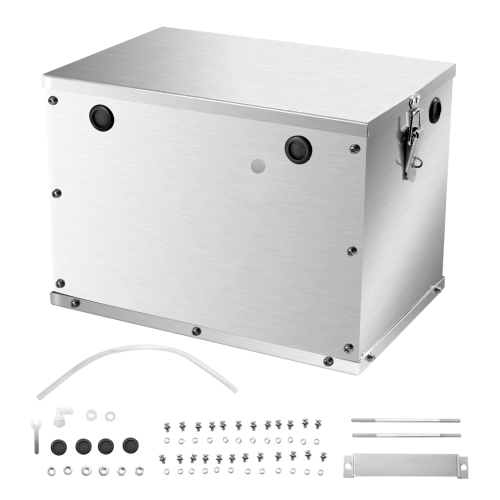
Material choice affects weight, impact resistance, corrosion resistance, and how an enclosure holds up through repeated use. Coated steel offers rigidity and a sturdy housing for many control and wiring applications, provided the coating and enclosure rating suit the installation. Scratches, cut edges, and damaged finishes deserve attention because exposed steel can rust when moisture reaches it. Stainless steel is often used where frequent moisture or corrosive exposure makes an ordinary painted finish less suitable. Grade 316 generally offers greater resistance to chloride-related corrosion than grade 304, which can matter near saltwater or surfaces affected by road salt, although neither grade is immune to corrosion. Aluminium offers a relatively light metal housing, with performance depending on its alloy, finish, and contact with other metals. Polycarbonate and fibreglass-reinforced polyester provide non-conductive housing options that do not rust. Their suitability for sunlight, impact, chemicals, and low temperatures depends on the particular material formulation and published specifications, rather than the material name alone. For Canadian outdoor installations, an operating temperature range that suits local conditions is especially important during the cooler months. Seals, hinges, latches, and viewing windows must also tolerate the expected exposure. A transparent cover can make indicator lights or displays visible without opening the housing, while an opaque cover keeps internal wiring out of view. Neither feature replaces the need to assess heat buildup and sunlight exposure. A box mounted in direct sun may become considerably warmer than the surrounding air, particularly when the enclosed equipment produces heat of its own. Sheltered placement can reduce direct exposure, but it does not turn an indoor-only housing into an outdoor-rated enclosure. The most suitable construction balances the demands of the site with practical handling: a substantial metal cabinet may suit a fixed installation, while a lighter housing can be easier to position where mounting weight is a concern. Material durability also depends on the quality of the complete assembly, including fasteners and mounting hardware, not simply the thickness of the outer shell.
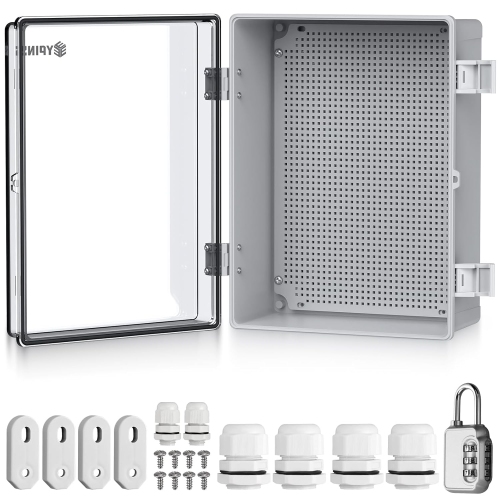
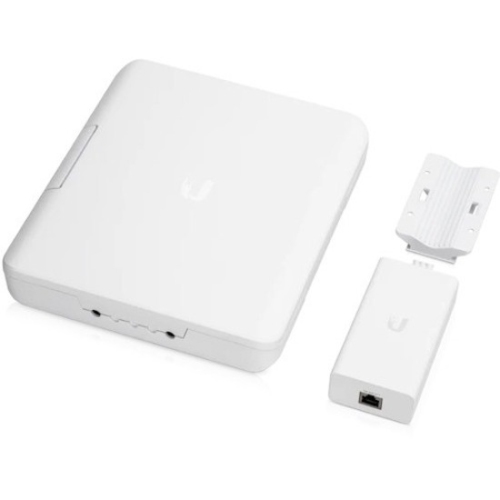
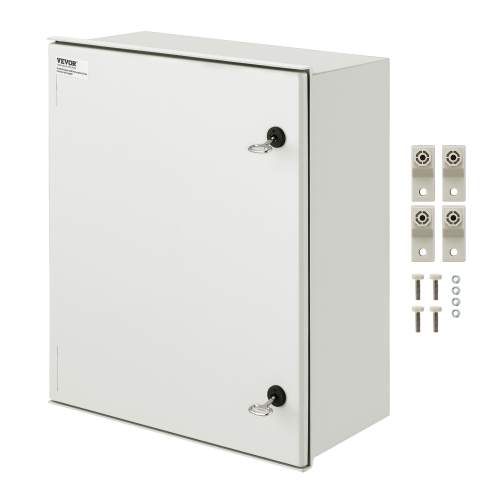
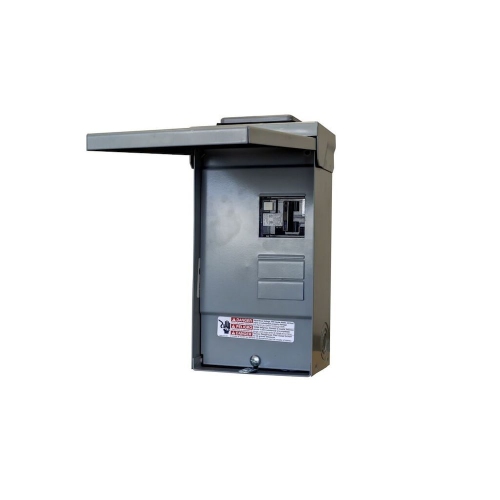
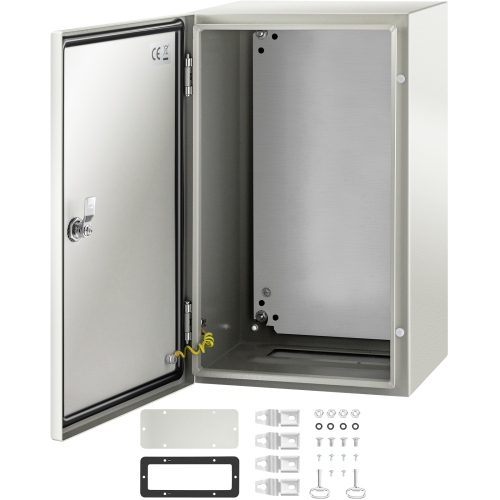
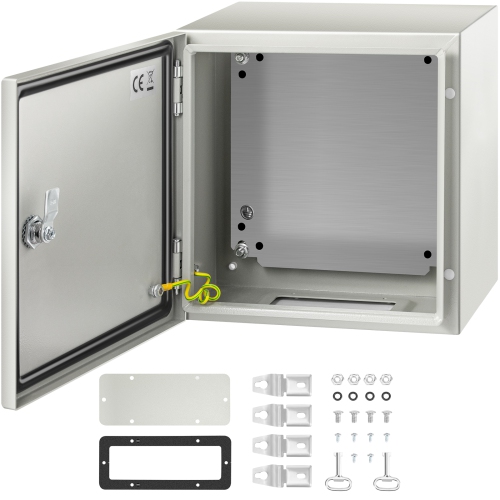
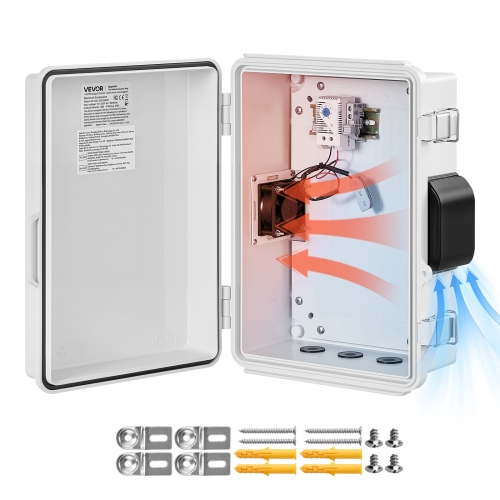
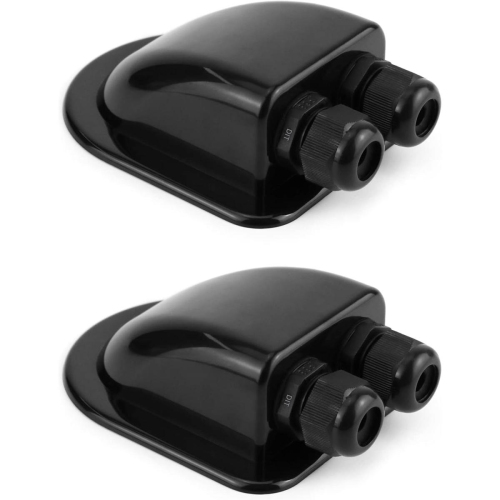
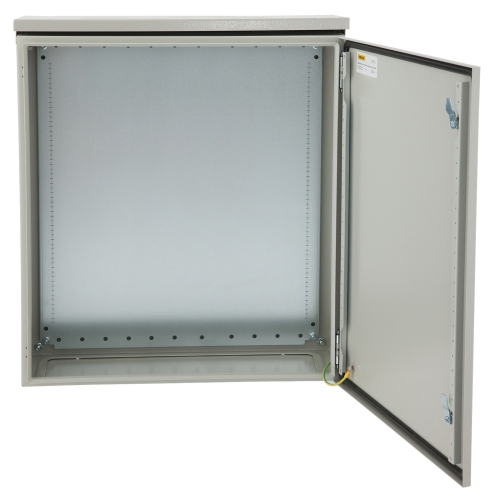
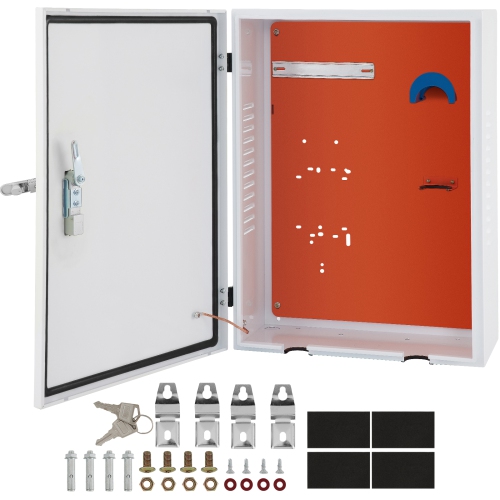
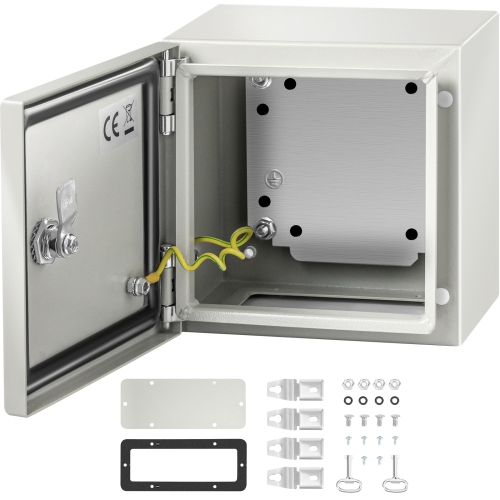
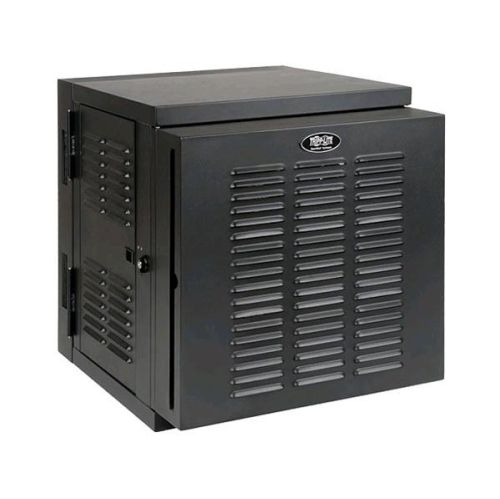
Fit involves more than checking whether the components will fit inside the box. External dimensions describe the overall footprint, but usable internal space can be reduced by the gasket channel, hinges, mounting bosses, and cover shape. Wiring requires room for appropriate bends, terminals need clearance, and equipment may need separation or ventilation specified by its manufacturer. An internal mounting plate can provide an organized surface for compatible components without requiring unnecessary openings through the enclosure wall. Hinged doors are convenient for installations needing periodic inspection, while screw-fastened covers may suit connections accessed less often. Either arrangement needs enough surrounding clearance to open fully and allow safe servicing. Cable glands, conduit hubs, plugs, and other entry fittings must suit the cable or conduit and maintain the required protection when installed correctly. An unused opening or an unsuitable fitting can undermine an otherwise well-rated housing. Likewise, drilling holes or adding ordinary vents can compromise its performance. Where heat or condensation is a concern, compatible rated accessories and appropriate enclosure sizing are preferable to improvised openings. Moisture can form inside a closed enclosure as temperatures change, so protection from rain alone does not resolve every moisture issue. Around a detached garage or outdoor equipment area, placement also deserves attention: roof runoff, accumulated snow, irrigation spray, and accidental knocks from stored tools can create exposure that is easy to overlook. Routine care centres on keeping the cover properly closed, checking seals for cracks or trapped debris, and inspecting hinges, latches, finishes, and fittings for wear. Cleaning should follow the manufacturer’s directions, since aggressive solvents or abrasive tools can damage plastics, coatings, and gaskets. Before electrical components are accessed, power should be safely isolated and servicing left to qualified personnel where required. Weather-resistance ratings do not replace applicable Canadian electrical approvals or provincial and local installation requirements. For fixed wiring, a qualified electrician can assess enclosure suitability, required grounding and bonding, and connection methods. A properly specified housing, installed and maintained as intended, supports dependable protection while keeping essential connections organized and accessible for future service.
Read More

FAQ

Some products may be subject to Environmental Handling Fees (EHF) depending on your province. Learn more about EHFs.