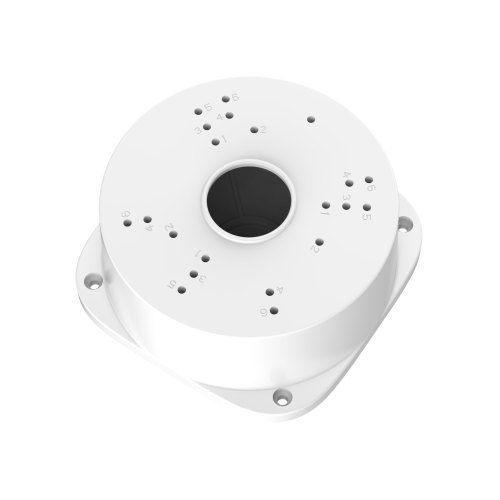
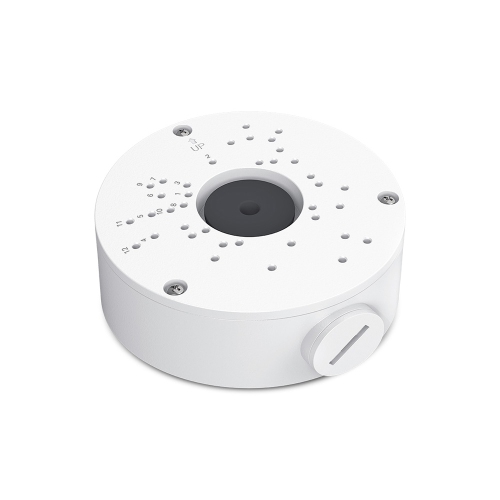
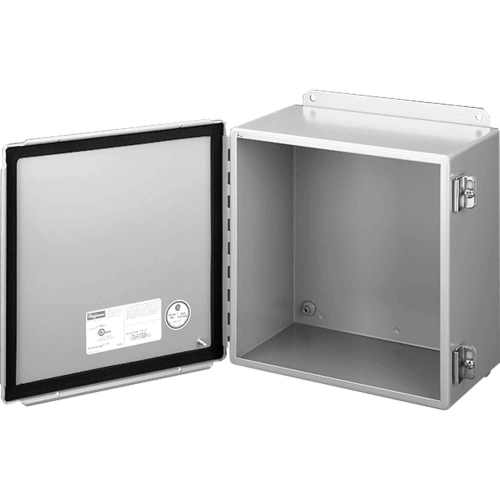
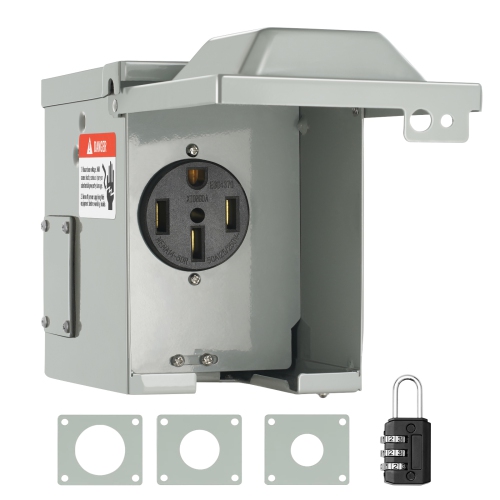
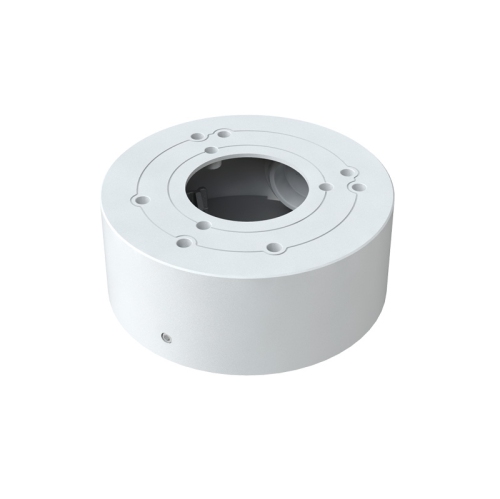
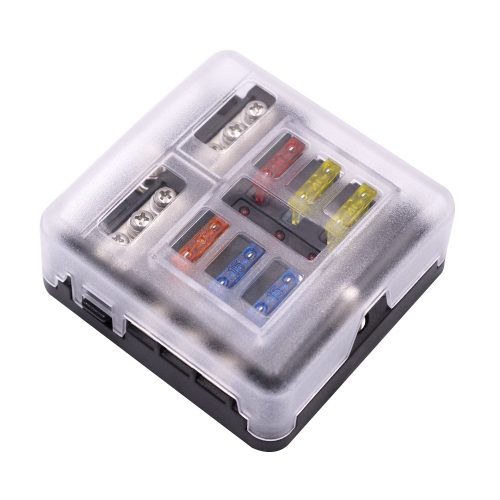
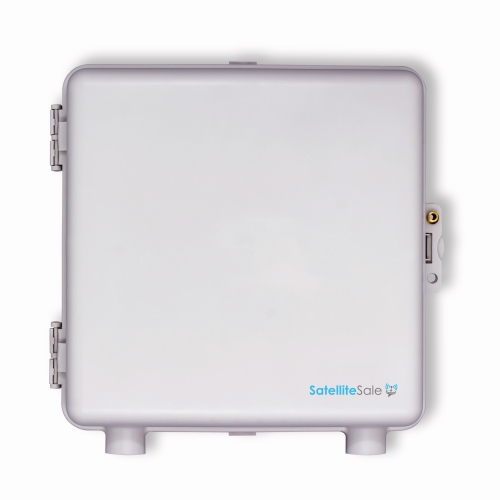
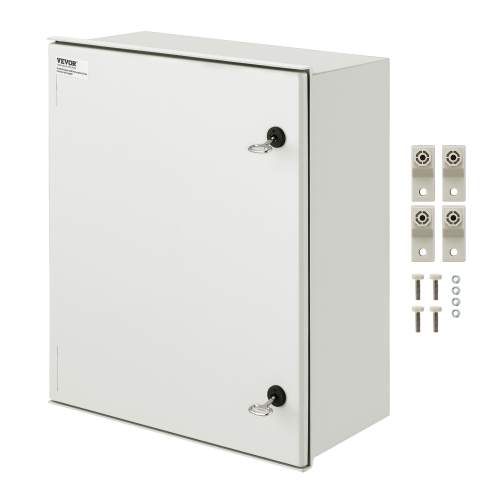
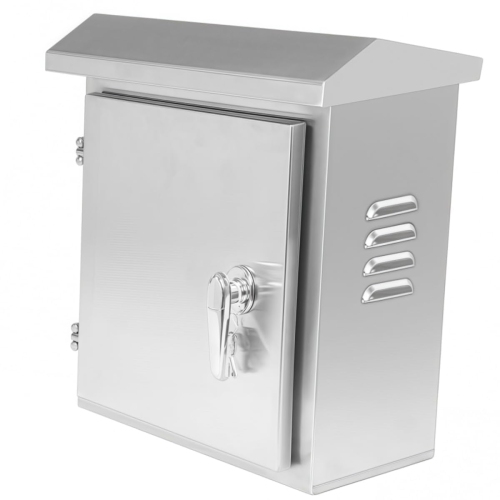
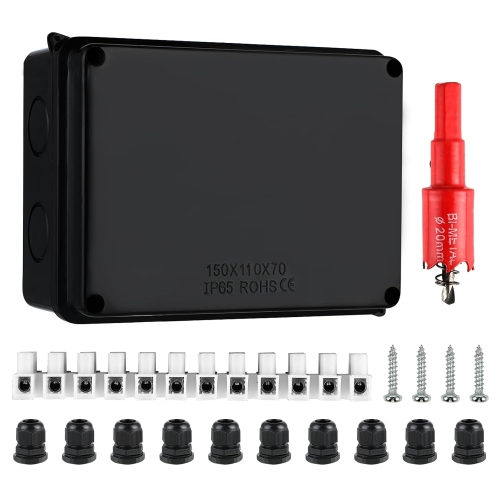
Weatherproof Electrical Junction Boxes

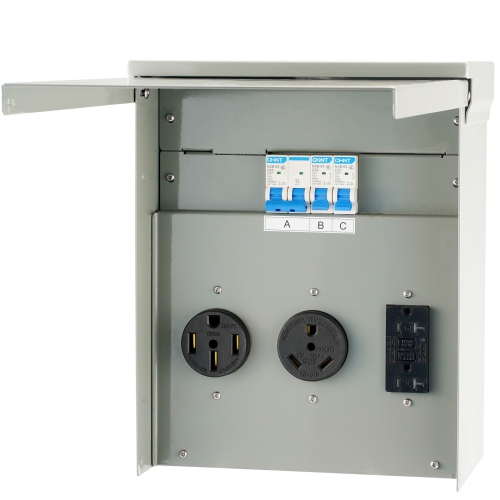
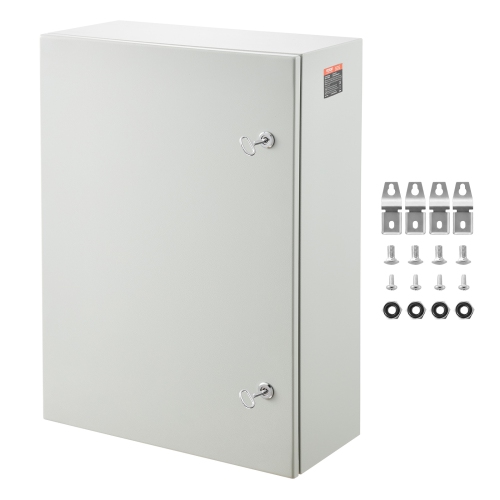
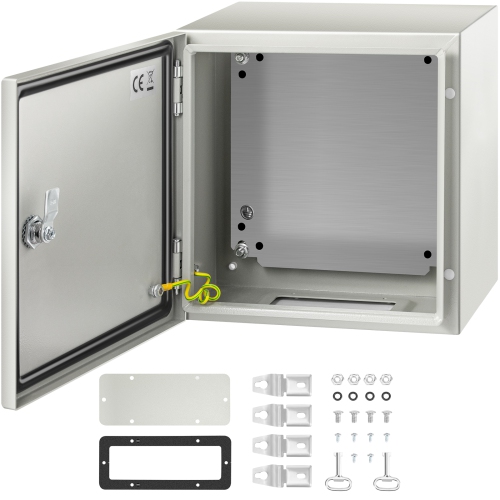
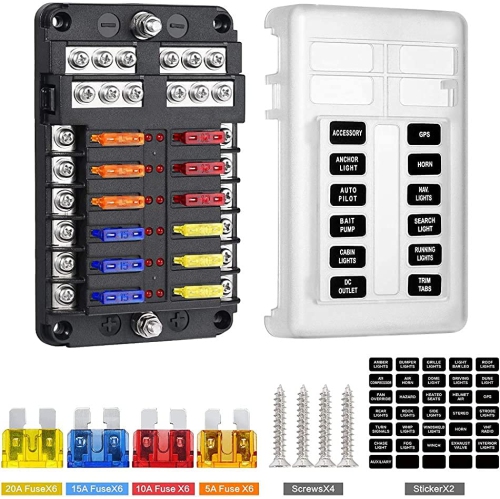
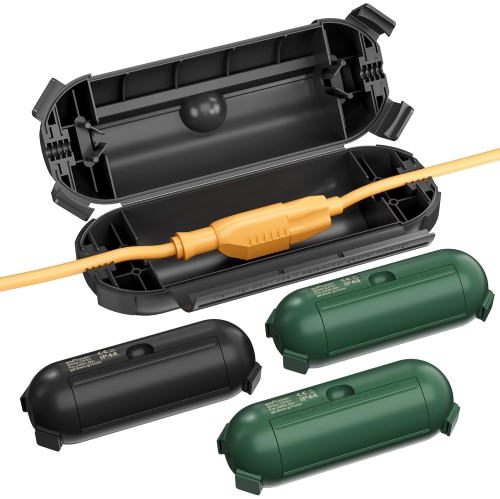
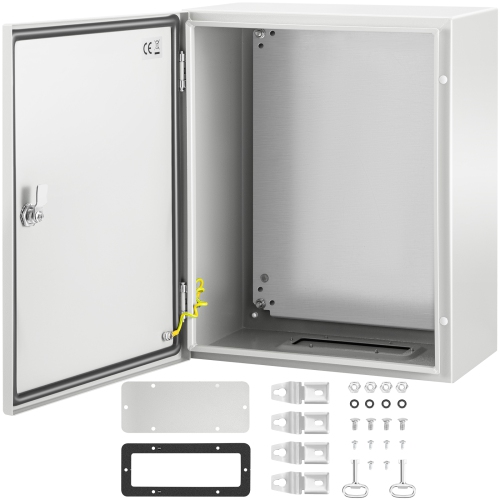
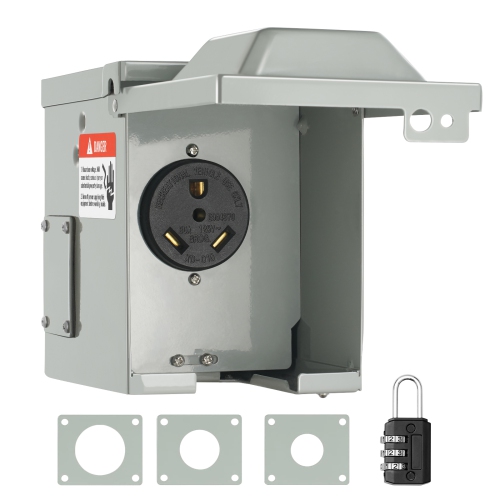
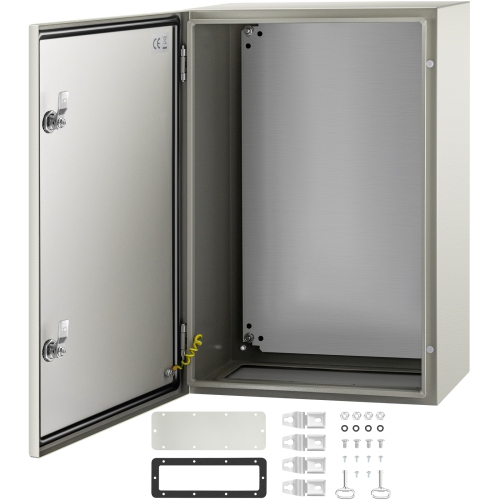
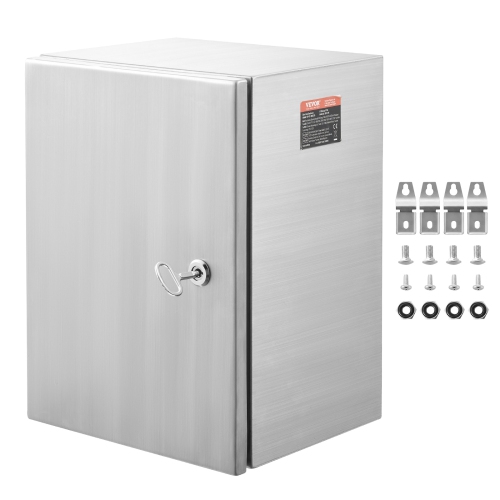
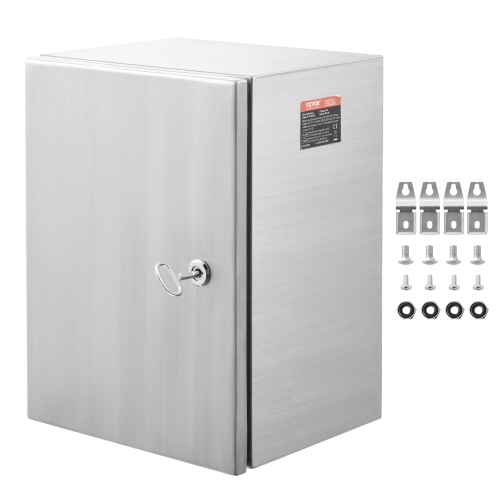
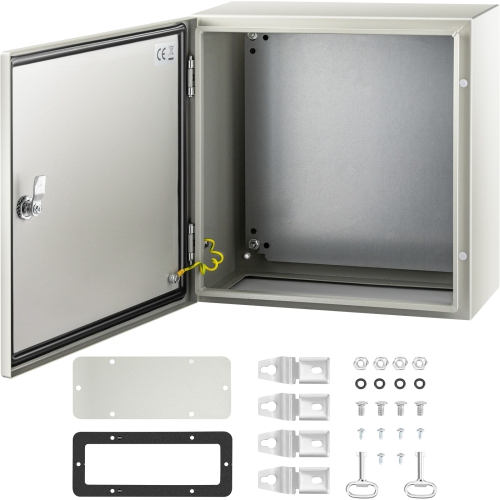
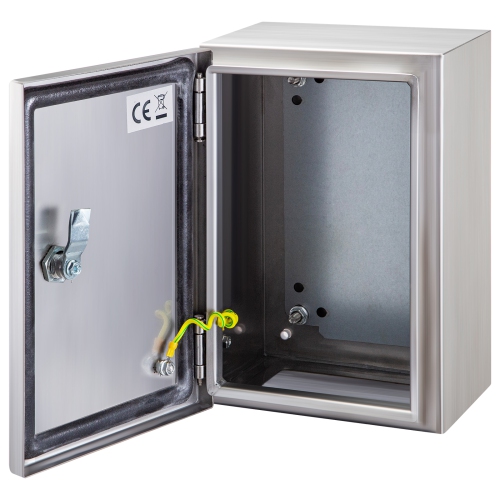
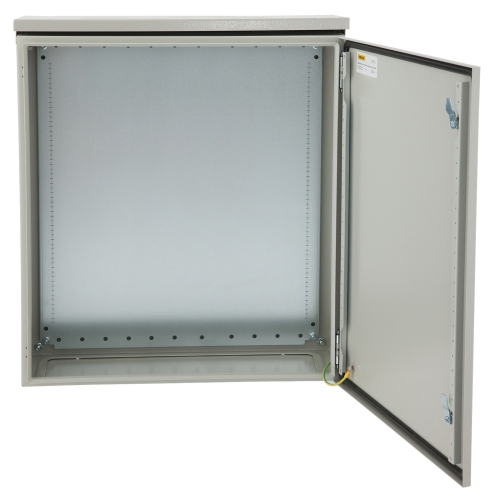
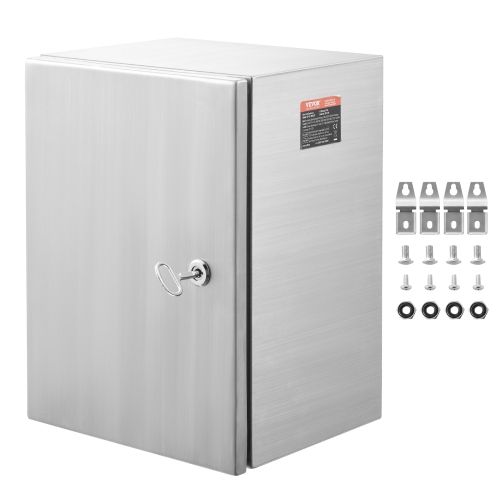
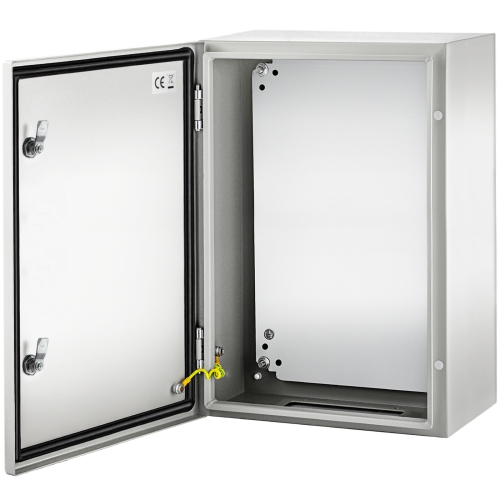
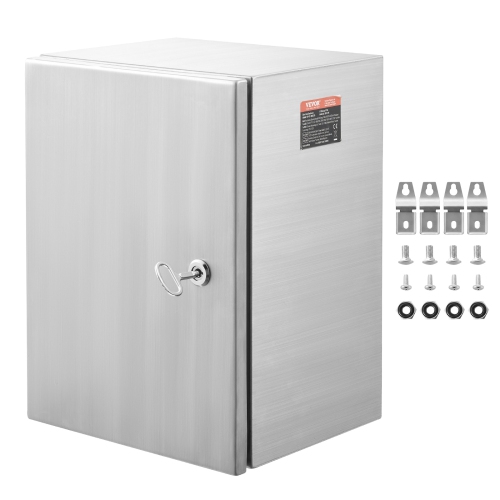
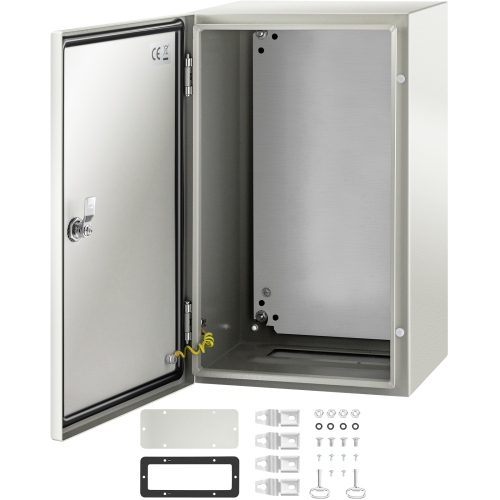
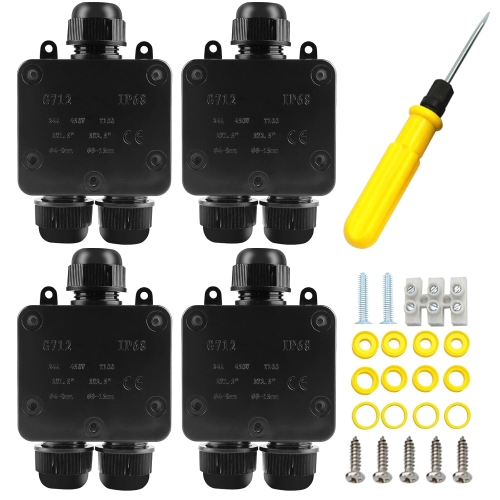
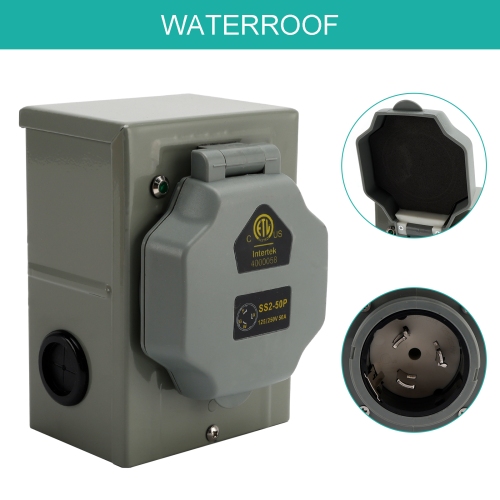
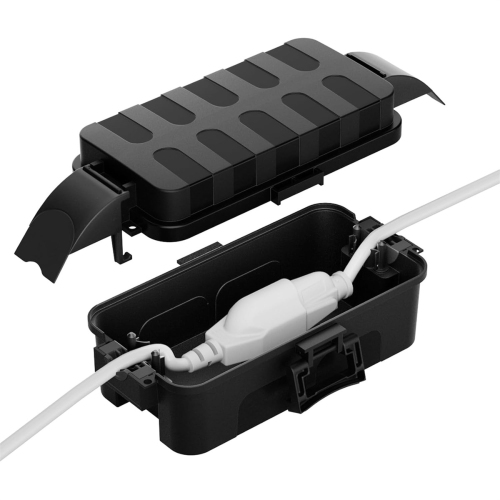
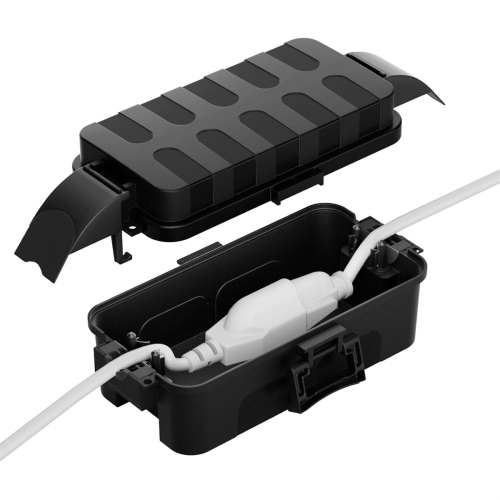
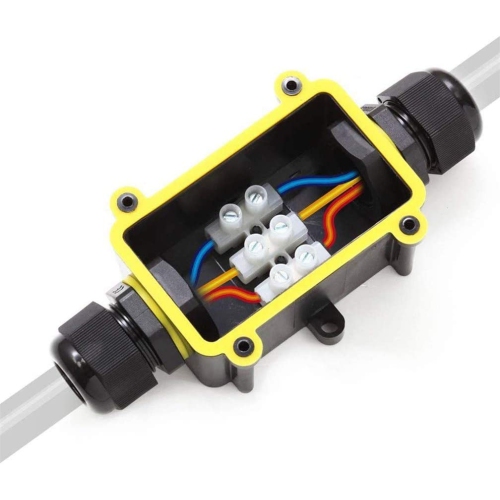
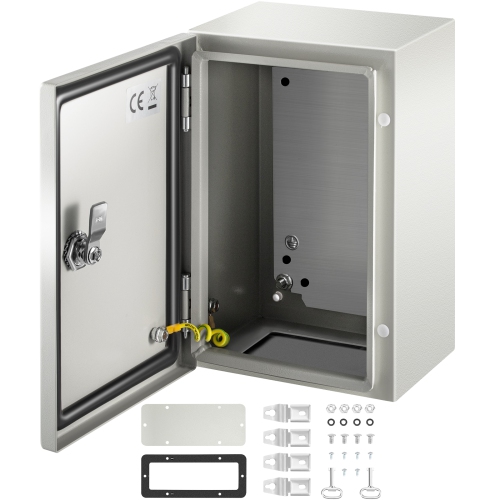
Weatherproof electrical junction boxes help protect wiring connections from rain, dust, and outdoor exposure. Browse electrical enclosures for your installation, comparing dimensions, cable entry options, and weather-resistance ratings to find a suitable fit. Check each box’s specifications for compatibility with your wiring setup and mounting location.
Read More

Sort

Outdoor wiring protection goes beyond a gasketed lid

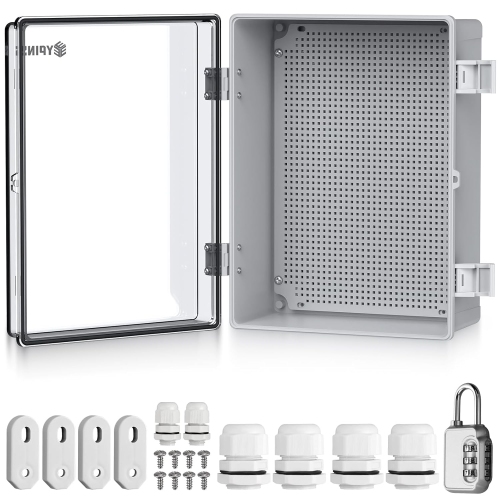
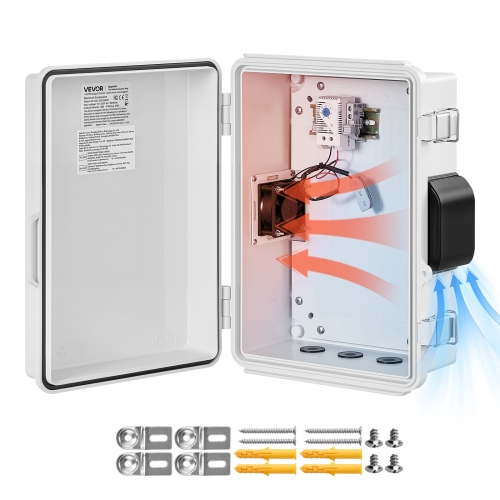
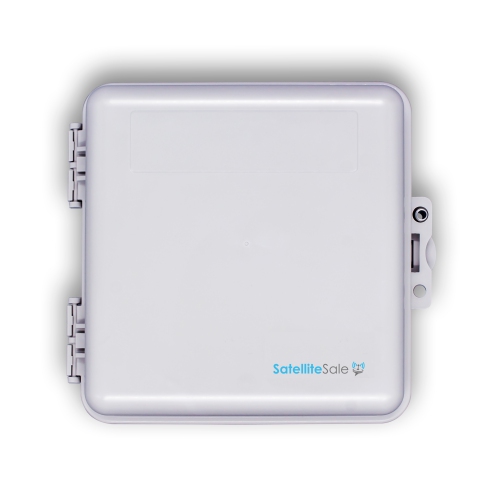
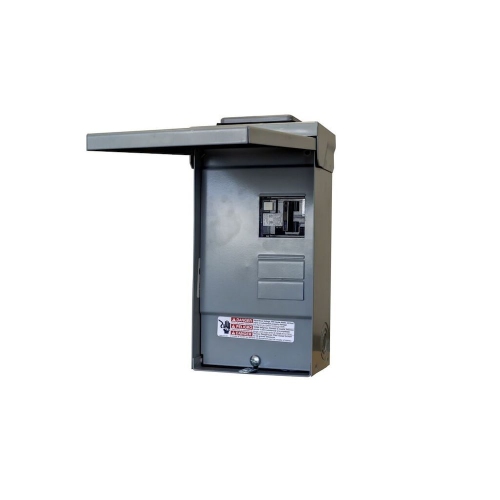
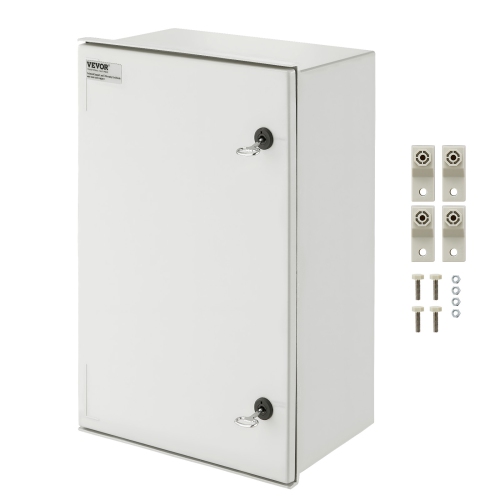
Weatherproof electrical junction boxes enclose wiring connections to help protect them from rain, windblown dust, splashing water, and accidental contact. They are used wherever a wiring junction needs protection beyond what an ordinary indoor box provides, from an exterior wall beside a garage to a covered patio, workshop, or landscape lighting installation. A gasketed lid, a durable body, and suitable cable or conduit entries work together to keep moisture and debris away from the connections inside. The distinction between weatherproof and waterproof matters: a box designed to withstand outdoor rain is not necessarily suitable for standing water, submersion, or underground installation. Its documented rating and intended application provide a more useful measure of protection than either term alone. For homeowners planning permanent outdoor lighting, property managers maintaining exterior equipment, and electricians extending an existing circuit, the right enclosure depends on both the location and the wiring it will contain. A junction tucked beneath an overhang has different exposure from one mounted on an open fence or beside equipment that receives regular washdowns. Even sheltered locations can experience wind-driven rain, so placement does not replace an appropriate rating. Canadian installations also need electrical equipment approved for its intended use under applicable provincial or territorial requirements; an ingress protection rating alone does not establish that approval. Outdoor temperature limits and resistance to sunlight are relevant where a box faces freezing conditions or prolonged direct sun. A neat, unobtrusive profile may suit a finished deck or exterior wall, while a utility installation may place greater emphasis on impact resistance and easy access. Colour and shape can help an enclosure blend with siding or conduit, but protection, wiring capacity, and mounting suitability remain the essential considerations. These boxes are practical components for planned electrical work rather than interchangeable storage cases, and their suitability rests on the complete assembly, including the lid, seals, fittings, and mounting arrangement.

Materials and construction affect how a weatherproof junction box holds up and where it fits best. Non-metallic boxes made from PVC or other suitable plastics are generally lightweight and do not rust, making them useful for many outdoor conduit runs and damp locations. Not every plastic enclosure tolerates the same sunlight exposure, impact, or temperature range, however, so material specifications matter as much as appearance. Cast aluminum and other metal enclosures can provide a rigid housing where bumps, vibration, or demanding service conditions are a concern. Their coatings, fasteners, and compatibility with surrounding hardware influence resistance to corrosion, especially near road salt or salt-laden air. Metal electrical boxes also require appropriate bonding where applicable. Across materials, a well-fitting lid and an intact gasket are central to the box’s protective function. IP ratings describe tested resistance to solids and water: IP65 indicates dust-tight construction and protection against water jets, while IP66 indicates dust-tight construction and protection against more powerful water jets. IP67 addresses temporary immersion under specified test conditions, and IP68 addresses immersion under conditions specified by the manufacturer. An immersion rating should not be assumed to include every water-jet rating. NEMA enclosure ratings use a different system and are not direct equivalents to IP ratings. NEMA Type 4X, for example, includes protection against windblown dust, rain, splashing water, and hose-directed water, along with specified corrosion resistance. Neither an IP rating nor a general outdoor designation automatically means a box is approved for direct burial. Underground applications need explicit suitability for that use, appropriate wiring methods, and compliance with applicable access requirements. This distinction is particularly important for garden lighting, where wet soil and pooling water can create conditions quite different from rain on a wall-mounted enclosure. For above-ground installations, features such as external mounting feet can allow secure attachment without introducing unapproved holes through the protected compartment. Manufacturer-approved cable glands, conduit hubs, plugs, and any permitted drainage or pressure-management accessories help preserve the intended protection when matched to the enclosure and installation.

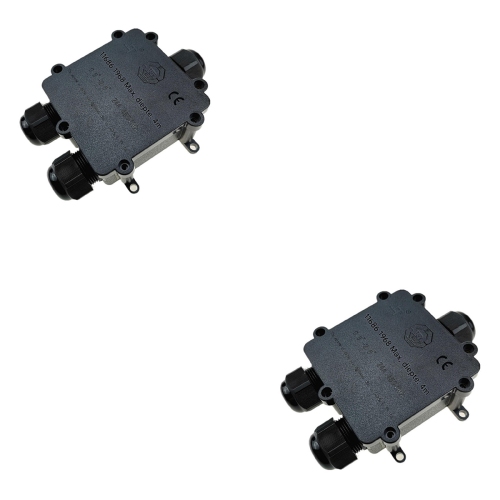
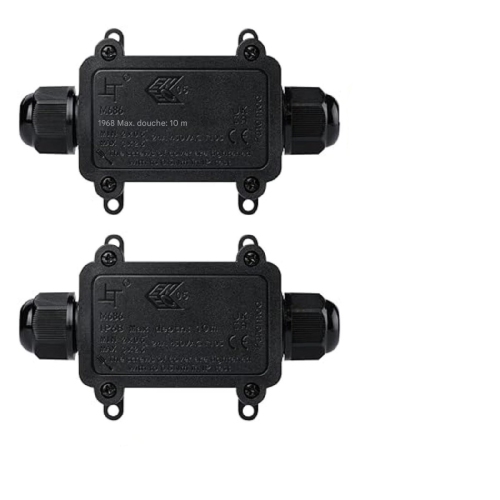
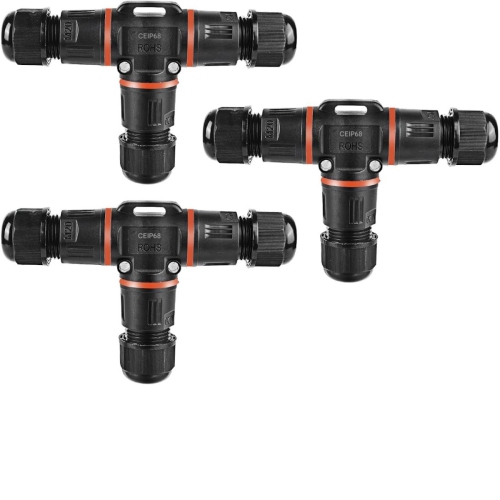
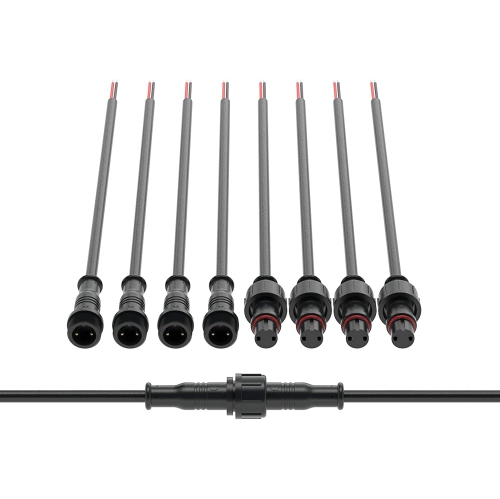
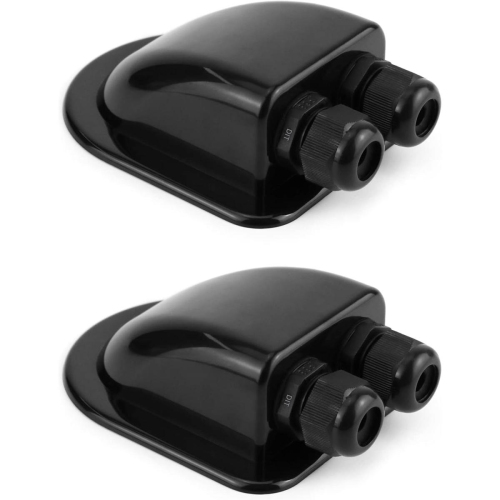
Size and fit involve more than finding a box large enough to hide a splice. Internal wiring space must accommodate the conductor count, conductor size, connectors, and any devices while meeting applicable box-fill requirements. Adequate depth also gives wiring room to bend without strain and allows the lid to close without pressing against connections. External dimensions, meanwhile, determine whether the enclosure fits between nearby conduit runs, beneath a fixture, or on a narrow mounting surface. Entry size, thread type, cable diameter, and conduit compatibility all affect the finished assembly. An opening that appears close in size is not necessarily a compatible fit, and a gland must be designed for the cable it seals around. Unused entries need suitable closures rather than makeshift covers. For connections that need their own moisture-resistant fittings, Waterproof Electrical Connectors are another part of planning a matched wiring assembly; their electrical ratings, cable compatibility, and intended use still need to suit the application. A low-voltage lighting connection and a mains-voltage branch circuit should not be treated as the same task, and different circuit types may require separation. Practical details also make a difference over the life of an installation. Captive lid screws can simplify servicing, a removable internal mounting plate can help organize compatible components, and a clear cover may permit visual checks without opening the box when the design allows it. Junctions generally need to remain accessible as required by electrical code, rather than disappearing behind permanent finishes. Periodic inspection can reveal cracked housings, damaged gaskets, loose fittings, or corrosion before protection is compromised. Care should follow the manufacturer’s directions, including cleaning methods and any gasket replacement requirements; improvised sealants or drilled drain holes can undermine a tested enclosure. Correct mounting, compatible fittings, and properly secured entries matter just as much as the box itself. Permanent wiring work should be handled by a qualified electrical contractor where required, with permits and inspections obtained as applicable, so the completed installation provides protection suited to its actual location and use.
Read More

FAQ

Some products may be subject to Environmental Handling Fees (EHF) depending on your province. Learn more about EHFs.