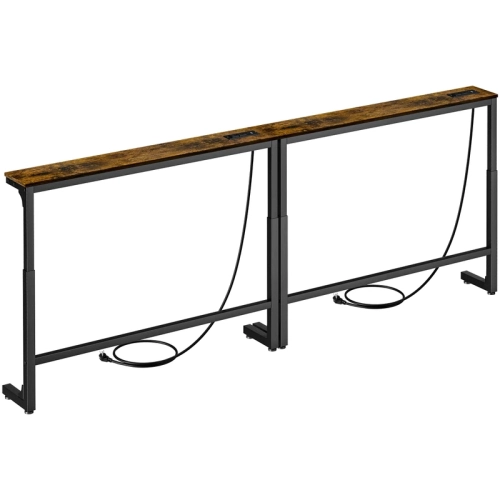
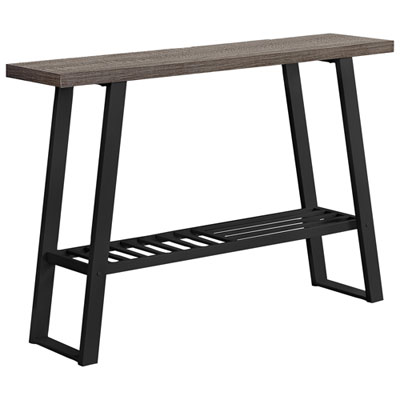
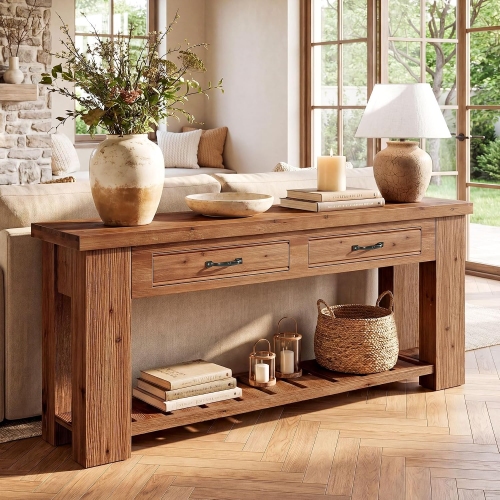
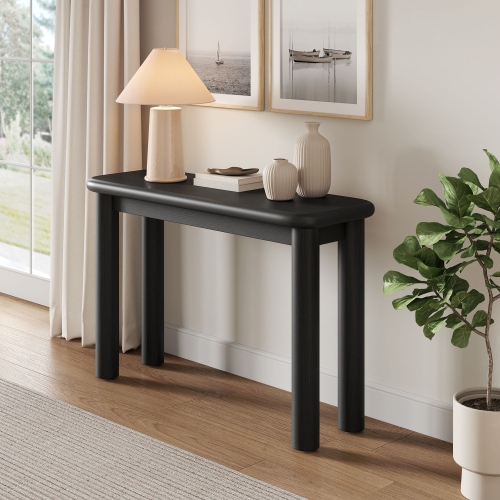
White Console Tables with Wood Tops

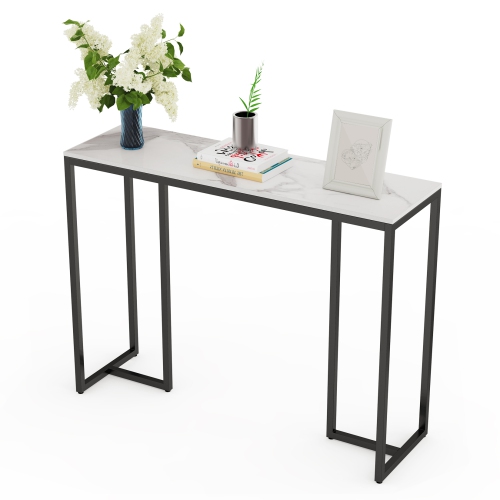
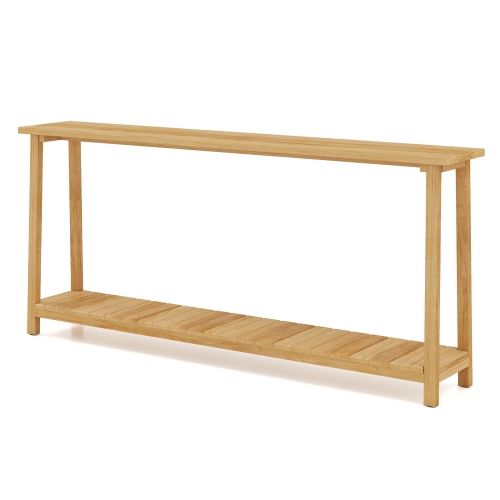
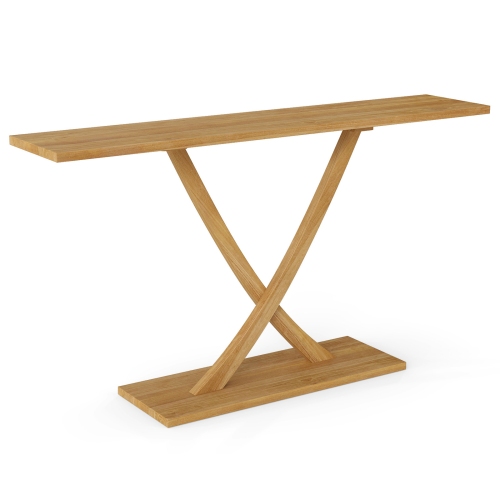
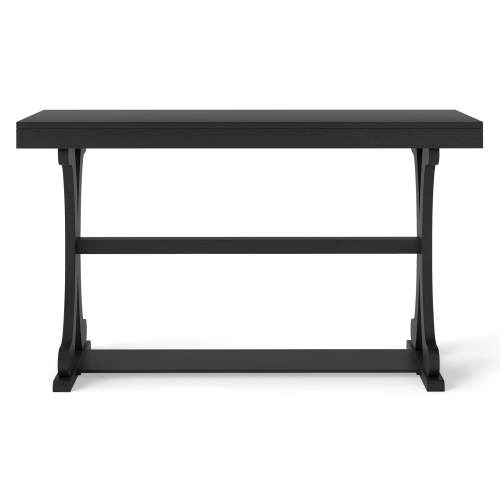
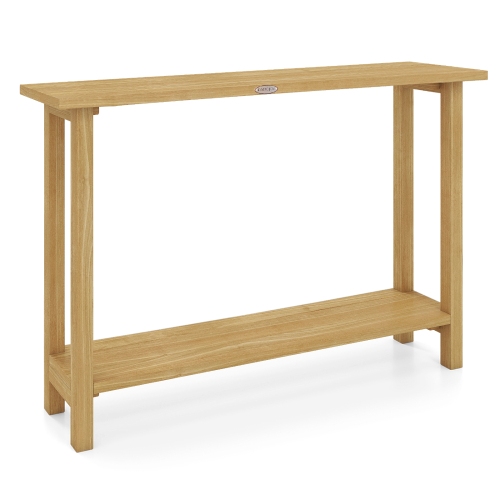
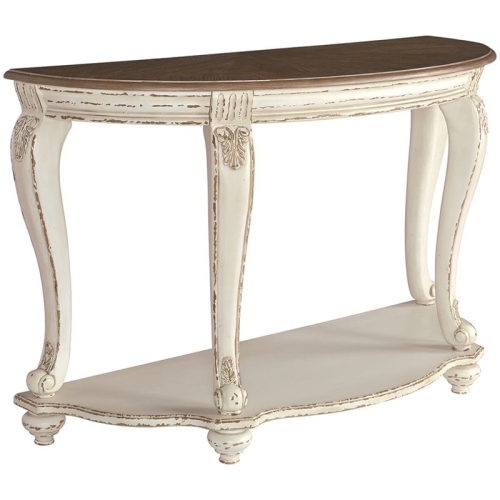
White console tables with wood tops provide a surface for everyday essentials or decorative accents in an entryway, hallway, or living room. Compare width, depth, and height to find a table that fits your space while keeping walkways clear.
Read More

Sort

A crisp contrast with room for everyday essentials

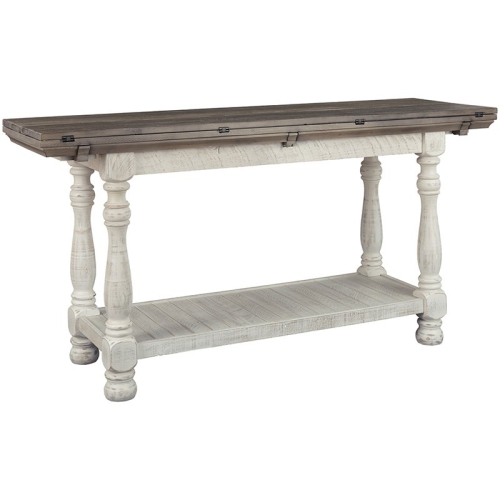
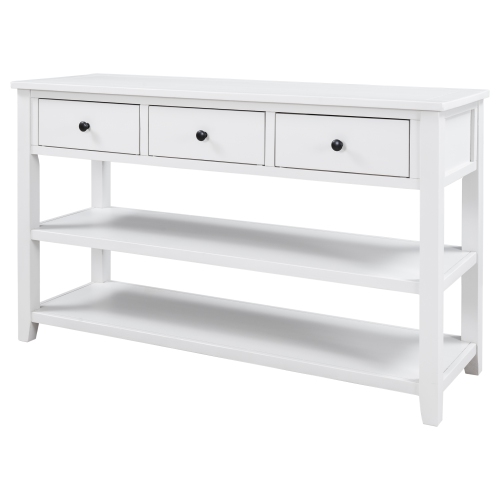
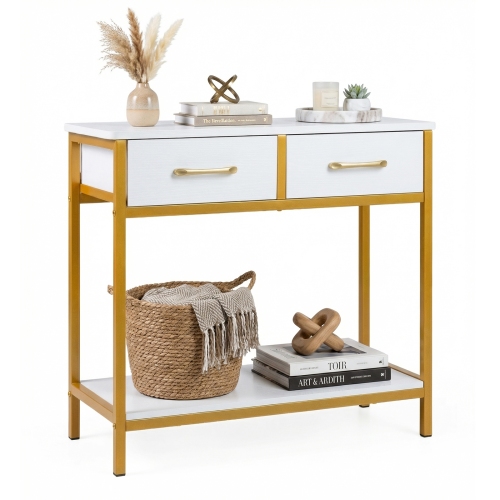
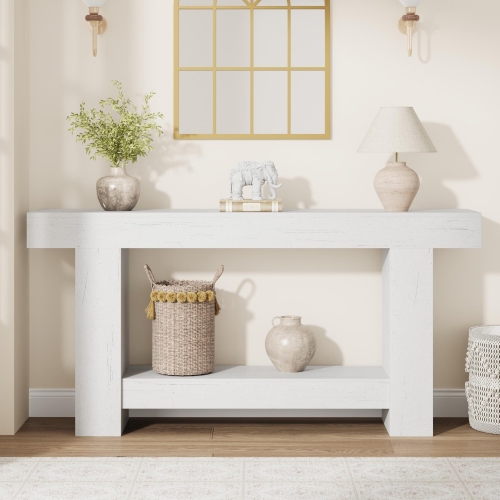
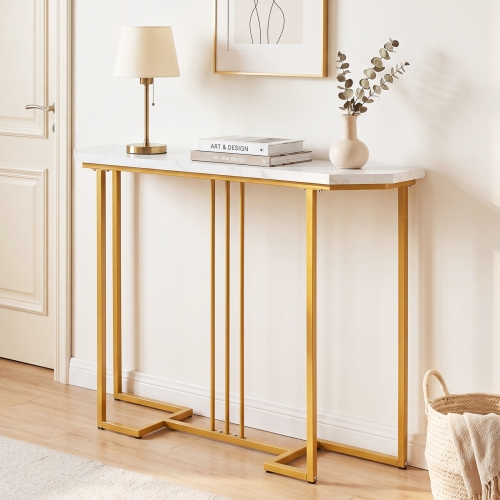
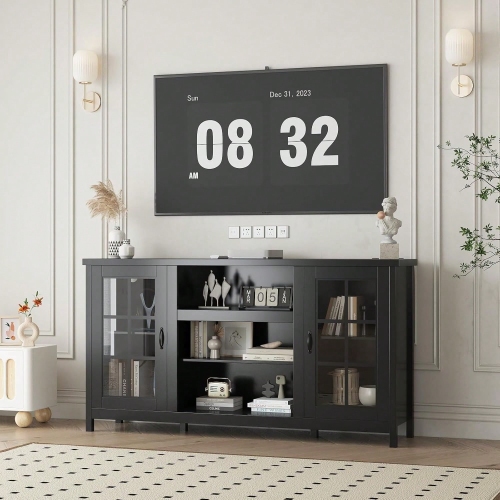
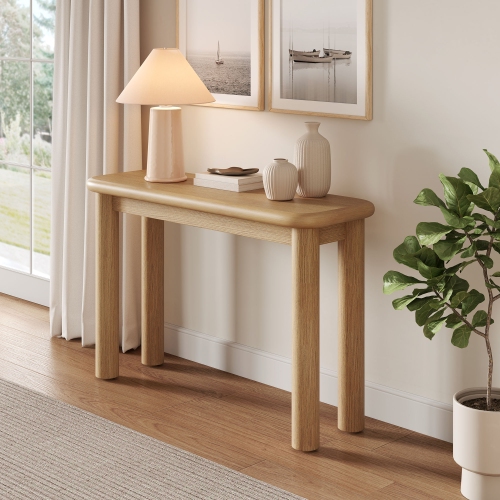
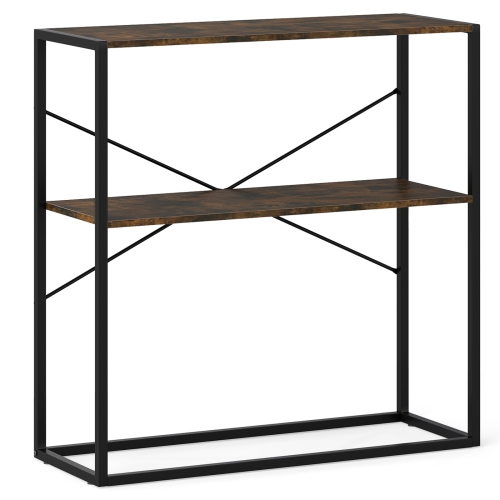
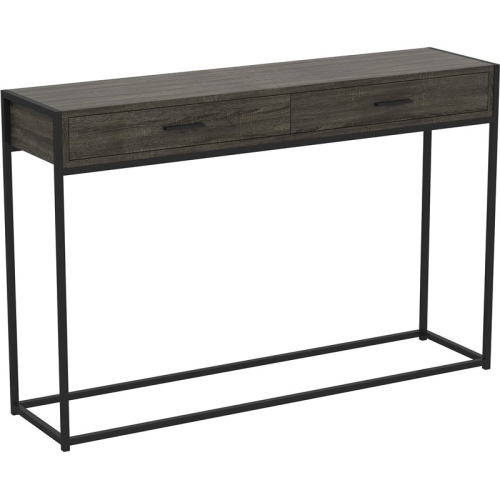
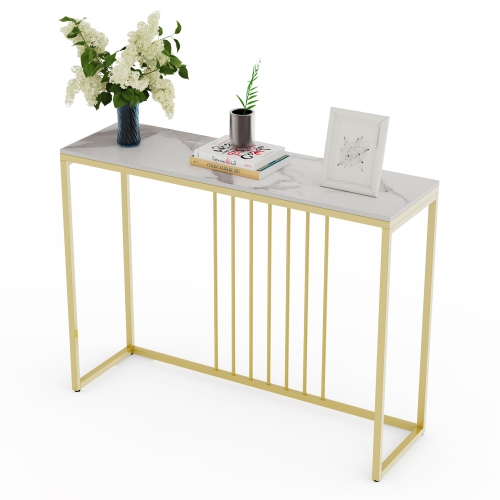
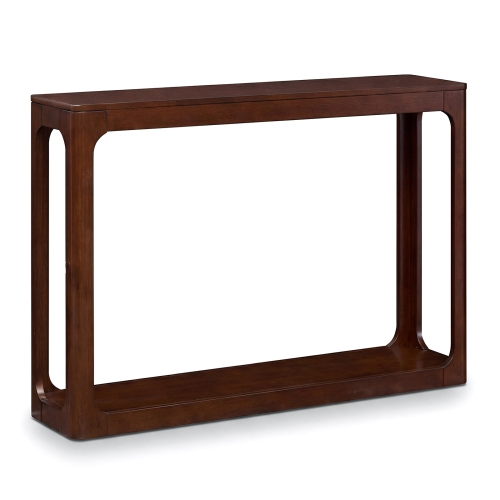
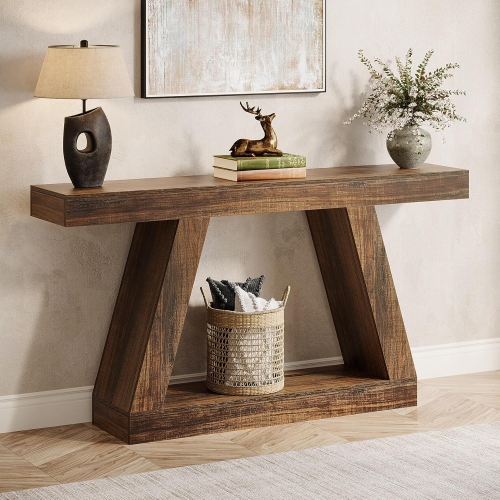
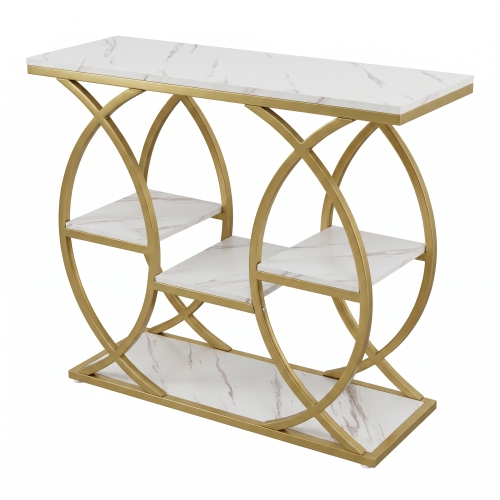
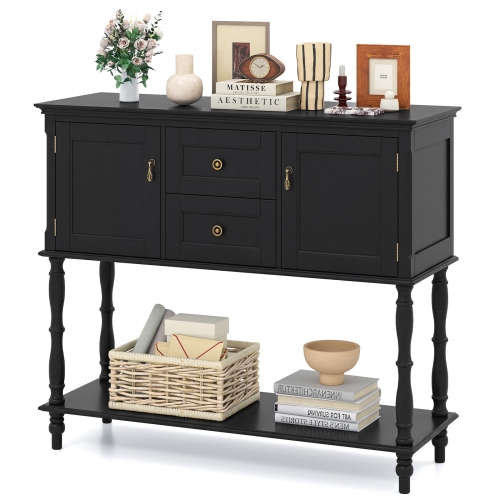
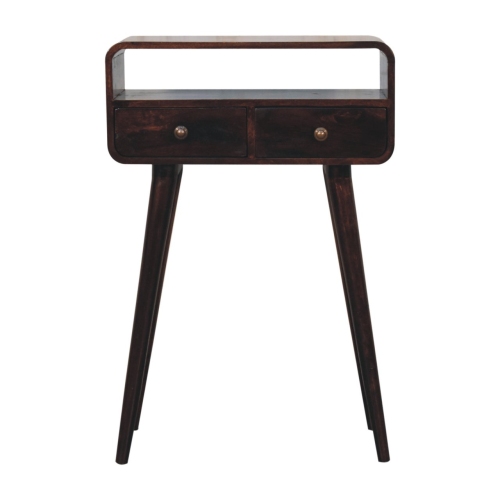
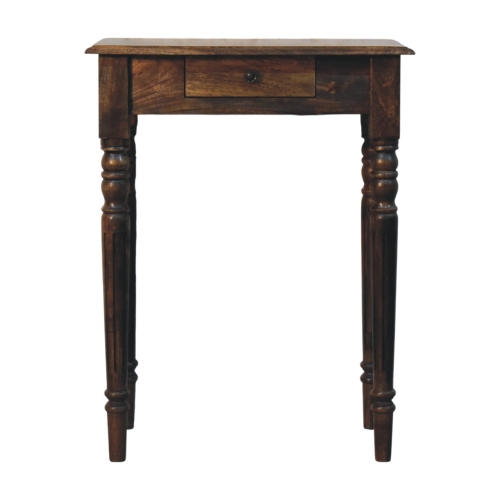
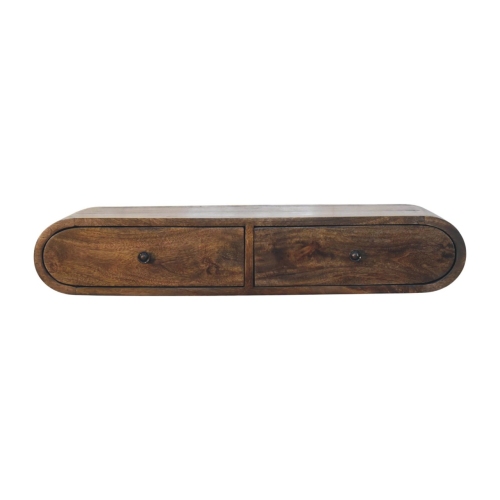
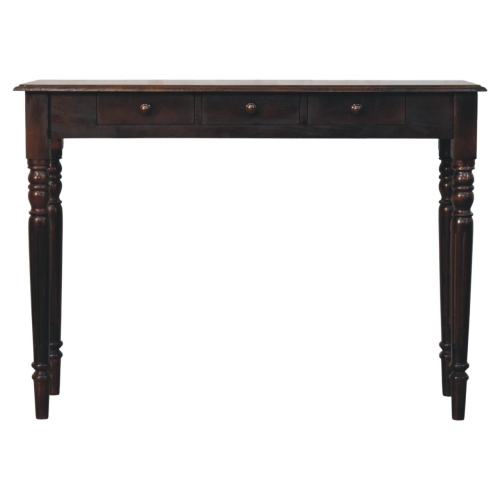
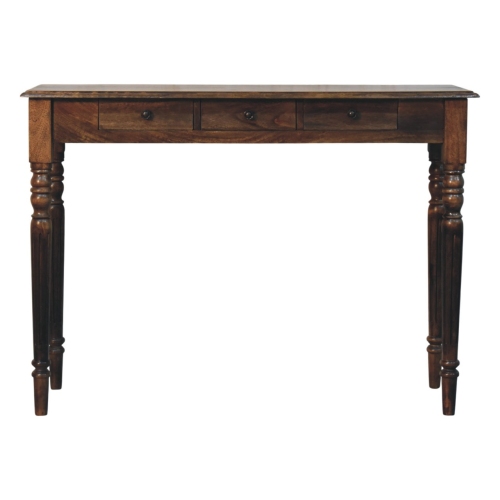
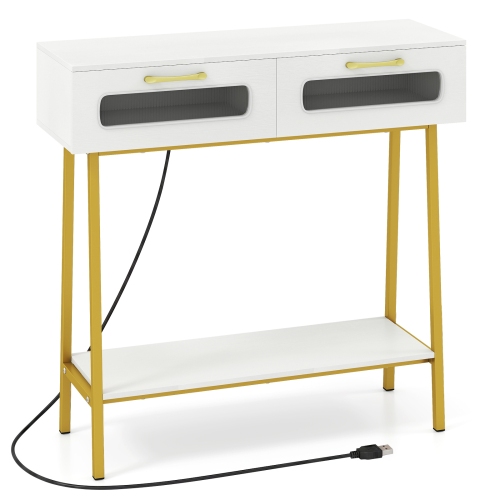
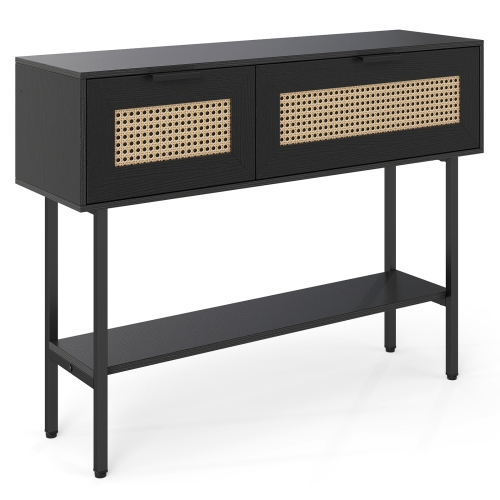
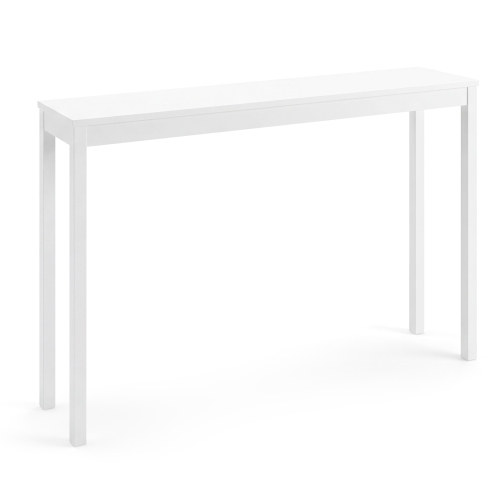
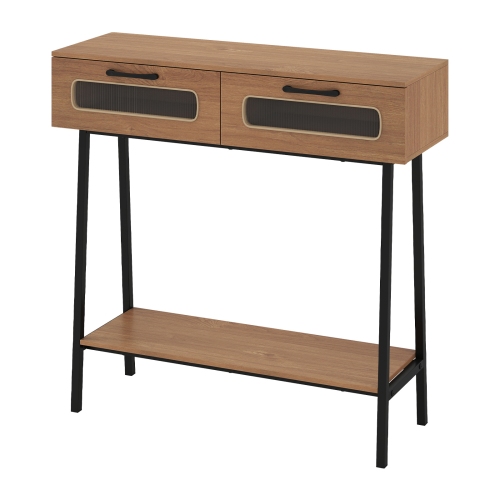
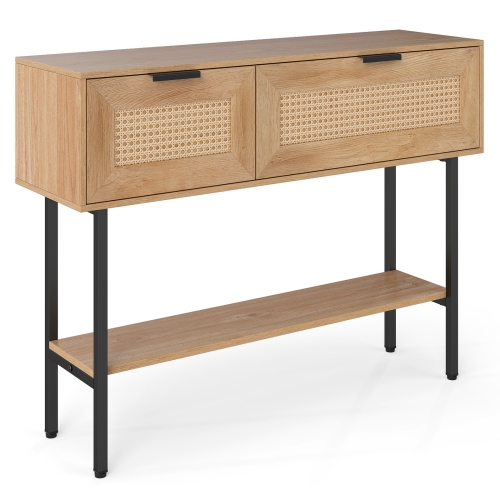
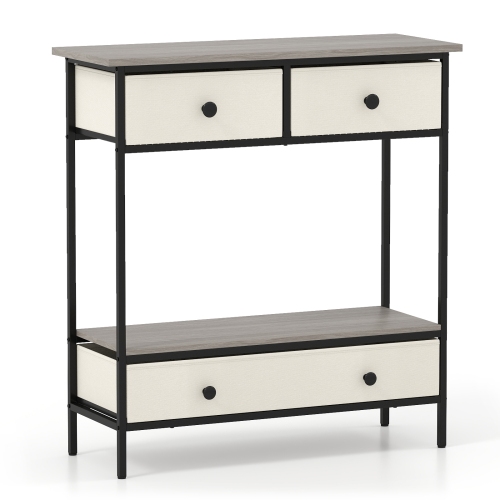
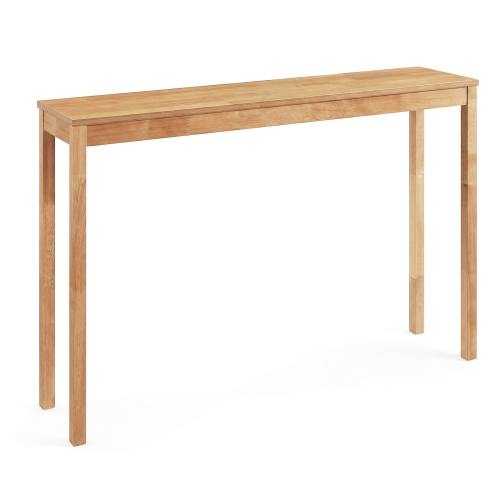
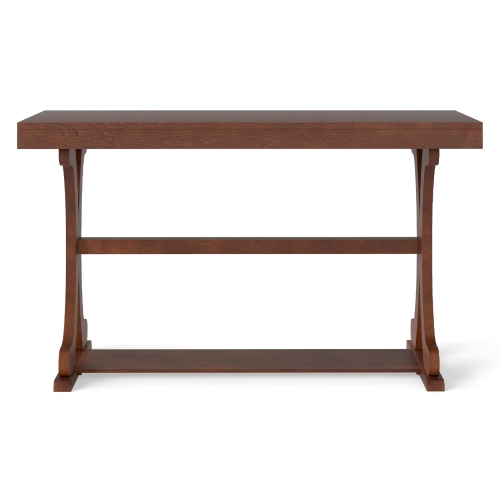
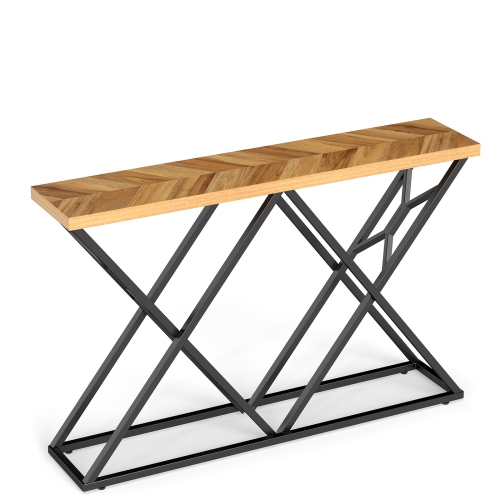
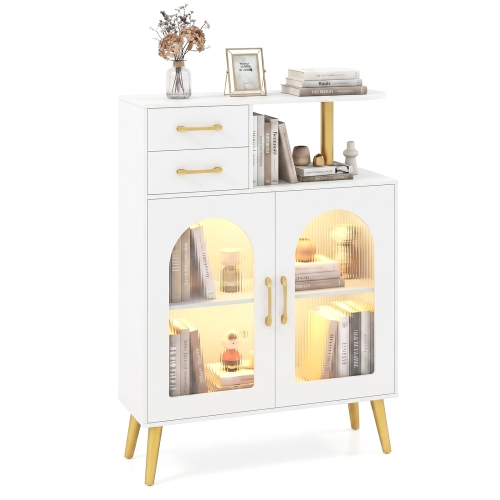
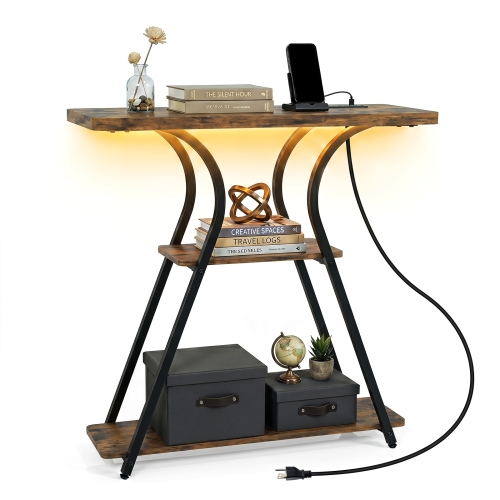
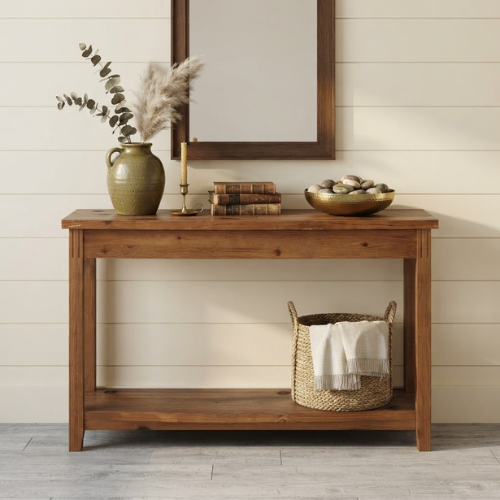
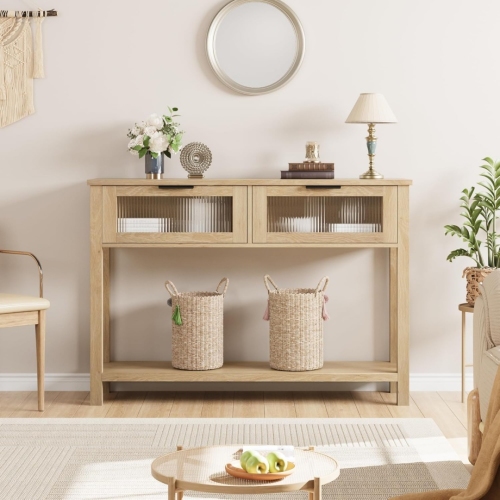
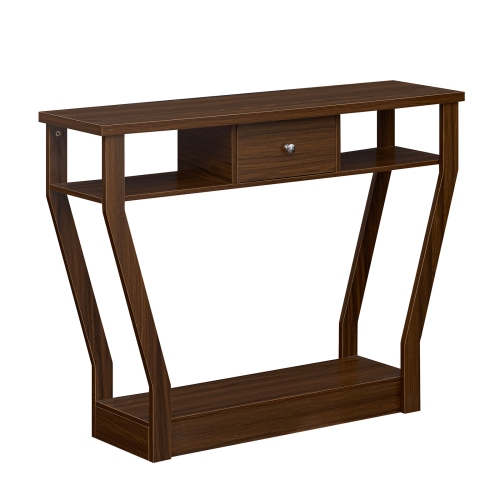
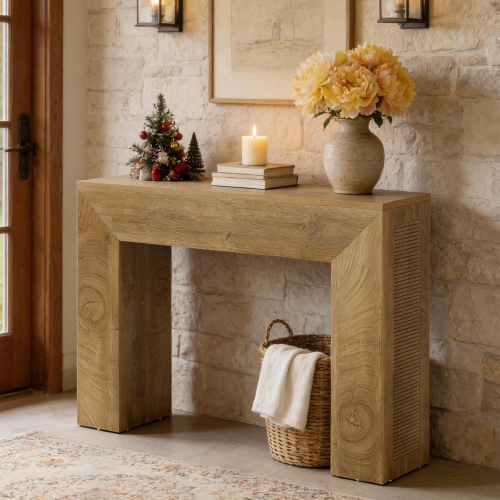
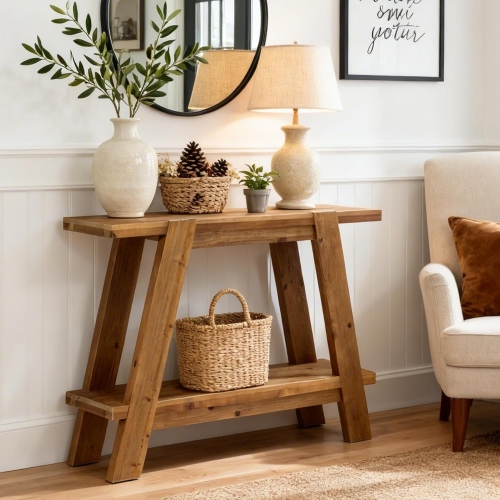
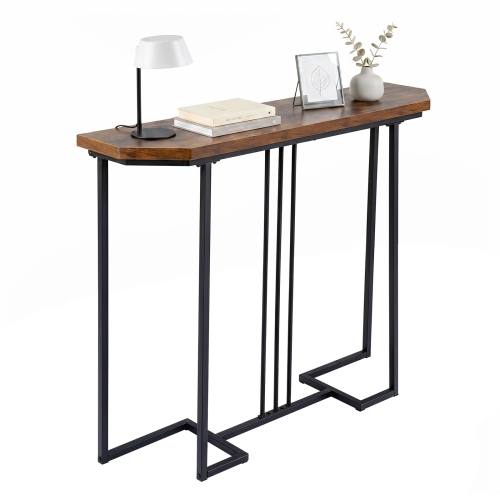
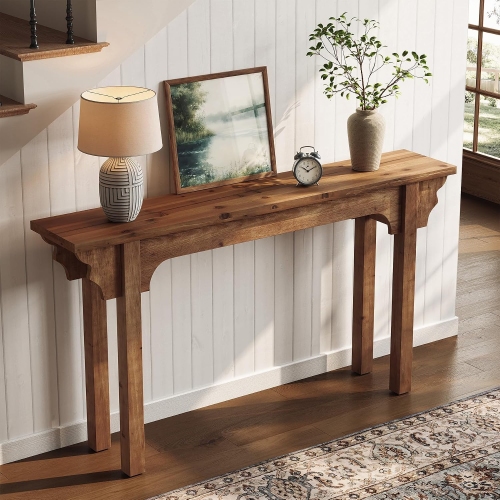
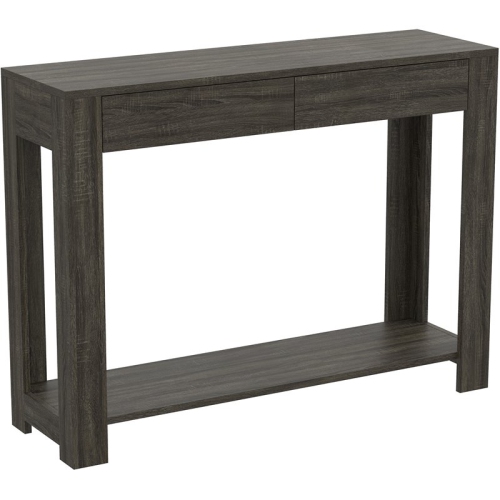
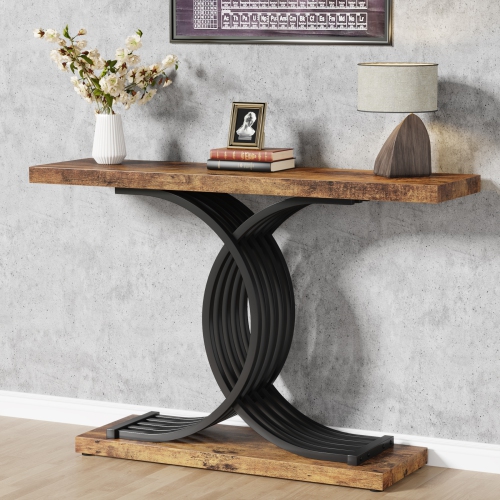
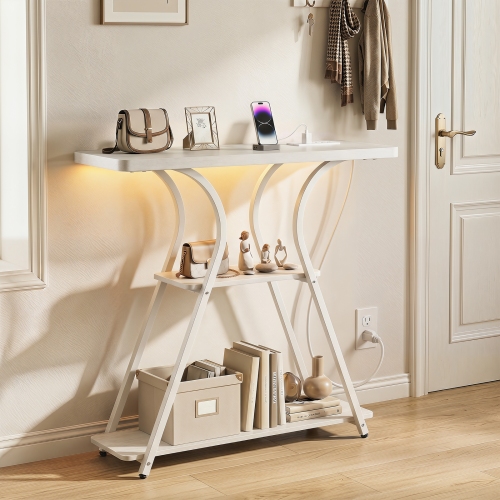
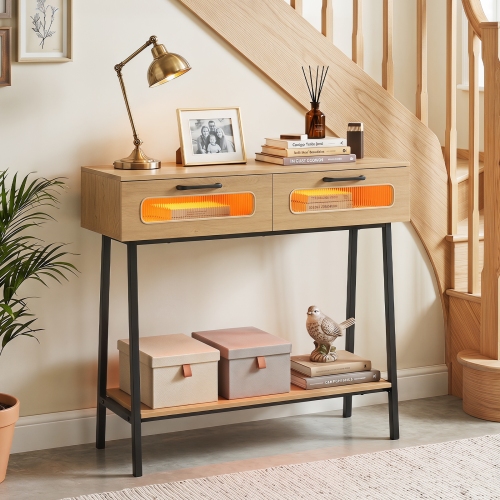
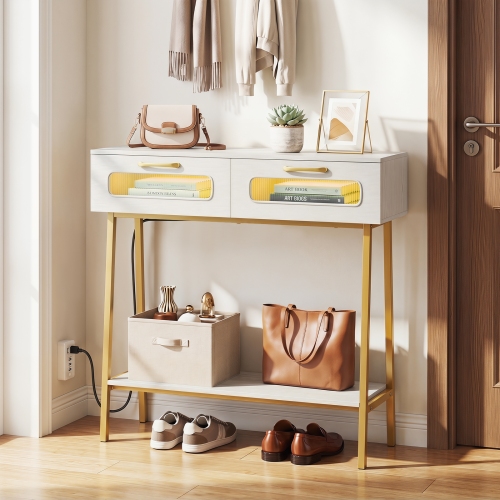
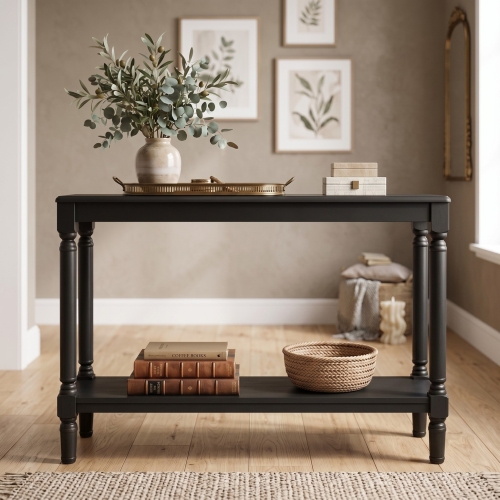
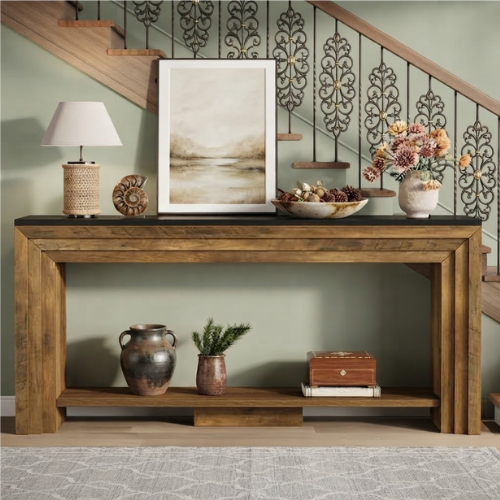
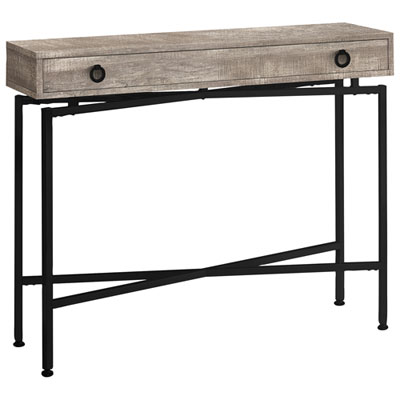
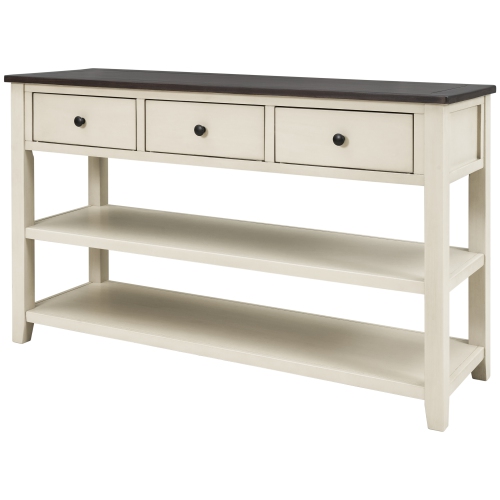
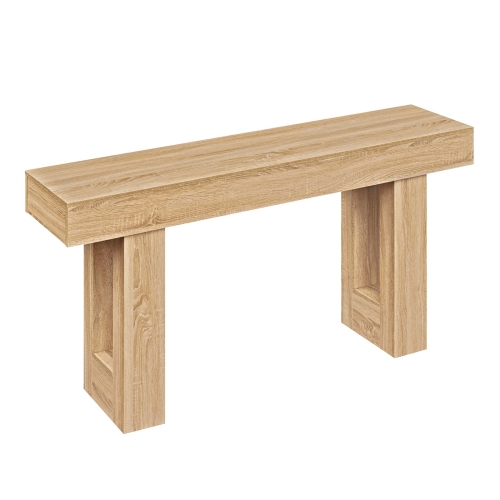
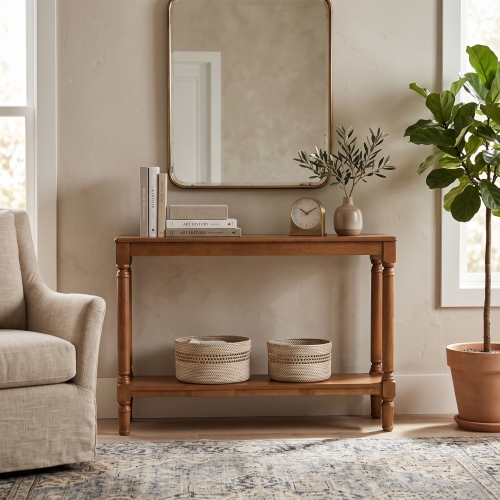
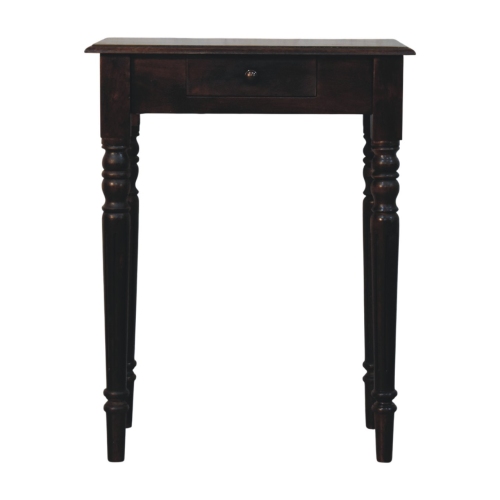
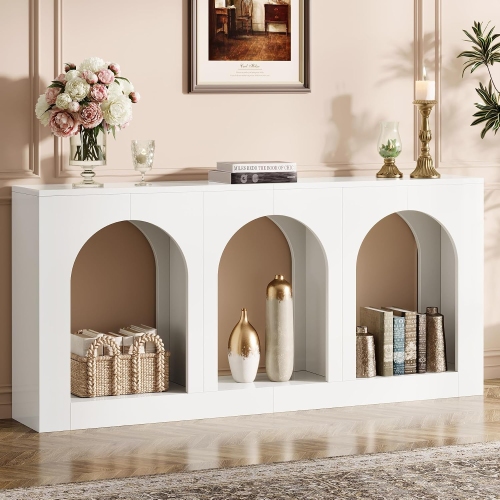
White console tables with wood tops pair a crisp white base with the warmth and visible grain of a wood surface. This contrast suits several interior styles: a pale oak top and simple legs can complement Scandinavian-inspired rooms, while a deeper wood tone, panelled drawers, or turned legs can bring a farmhouse feel. Clean lines and minimal hardware work well in modern spaces without making the furniture feel stark. The combination is also easy to coordinate with existing pieces. A white base can sit comfortably beside white trim or cabinetry, while the top can pick up tones from flooring, picture frames, or nearby shelving. The woods do not have to match exactly; similar undertones often create a more natural result than trying to reproduce one finish throughout a room. In an entryway, a console provides a landing place for keys, mail, and a small lamp. Behind a sofa, it can define the edge of a seating area and keep everyday essentials within reach. Along a dining room wall, it offers space for a serving tray or a few favourite display pieces, provided the surface is protected appropriately. Fit matters as much as appearance, particularly in a hallway where doors, drawers, and foot traffic share the same space. The useful measurements include the full width, depth, and height, along with any projecting handles or overhanging edges. A narrow top may be enough for a catch-all dish and framed photograph, while a deeper surface gives a lamp a more secure footprint. Behind a sofa, the relationship between the tabletop and the sofa back affects both access and the overall look. Open legs leave more of the floor visible and can make a compact room feel less crowded, while a cabinet-style base gives the piece a stronger presence and conceals more belongings.

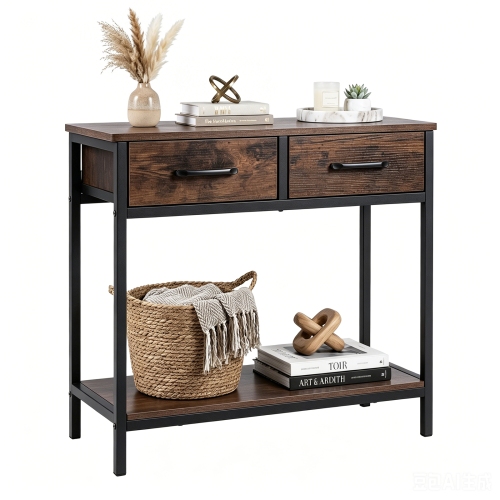
The construction beneath the finish makes a meaningful difference to how a console table wears over time. A solid wood top has grain that continues through the material, although it can still mark, dent, or respond to changes in indoor humidity. A wood veneer top uses a thin layer of real wood over a supporting core, offering natural grain with different repair limitations. A printed wood-look surface is different again, so material descriptions are worth checking when the feel and character of real wood are important. Solid wood, veneer, and wood-look finishes should not be treated as interchangeable simply because they appear similar in a photograph. The base may also use a combination of materials, such as painted wood, engineered wood, or metal. Well-fitted joints, secure hardware, and a stable stance contribute to everyday durability, especially where the table will regularly hold a lamp or receive keys and bags. White finishes can make dust easy to spot on some surfaces and reveal dark scuffs near shoes or vacuum cleaners, so a smooth, easy-to-clean finish is useful in busy households. Storage should reflect what actually needs a home. Shallow drawers suit stationery and small accessories, but their usable interior dimensions may be smaller than the drawer front suggests. Shelves work well for books or baskets, with enough clearance to lift things out without scraping the underside of the tabletop. Cupboards conceal larger belongings, although their doors need space to open fully. A lower shelf can add storage without the visual weight of a closed cabinet. For homes with children or pets, secure assembly and any manufacturer-specified wall attachment are particularly important. A narrow console is not a seat or a climbing surface, and heavier belongings should be placed according to the stated load limits. Adjustable feet, where included, can help stabilize the table on a slightly uneven floor.

Day-to-day care helps preserve the contrast between a bright base and a wood top. A soft cloth removes loose dust without grinding it into the finish, and spills are best wiped up promptly rather than left around seams or edges. Cleaning methods should follow the manufacturer's directions, since painted surfaces, sealed wood, veneer, and laminate may require different treatment. A lightly dampened cloth may be suitable for routine cleaning, but excess water and abrasive cleaners can damage some finishes. Coasters beneath drinks, a protective mat beneath plant pots, and felt pads under display pieces help reduce rings and scratches. A tray can give keys and other small belongings a defined resting place while protecting the area that gets the most daily use. Lamps deserve a little planning too: the base should sit fully on the tabletop, with the cord routed away from walking paths and clear of moving drawers. Near a mirror or wall art, a console can anchor a simple arrangement without requiring the whole surface to be filled. Leaving some open space makes it easier to set down a bag or sort the day's mail. In a smaller home, that flexibility can be more useful than an elaborate display. Apartment dwellers, families organizing an entrance, and anyone furnishing an unused wall can all find practical uses for this style. A console can also make a thoughtful housewarming gift when the recipient's measurements and preferences are known, since even a slender piece needs the right footprint. Comparing white-base designs with Wood Console Tables in other finishes can help clarify whether a room needs a lighter visual accent or a more continuous wood tone. The most useful choice balances that appearance with accessible storage, suitable materials, and enough clear space around it to remain comfortable in daily use.
Read More

FAQ

Some products may be subject to Environmental Handling Fees (EHF) depending on your province. Learn more about EHFs.