White Pedestals
Elevate your home or office décor with the timeless elegance of white pedestals. These versatile pieces seamlessly blend functionality and style, providing a sophisticated platform to showcase your favorite art pieces, plants, or decorative accents. Whether you're aiming for a minimalist aesthetic or looking to add a touch of classic charm, white pedestals offer endless possibilities to enhance any space. Their clean lines and neutral hue make them an ideal addition to any interior design scheme, ensuring they complement your existing furnishings beautifully. Explore our selection to find the perfect pedestal that caters to your unique taste and needs.
Sort
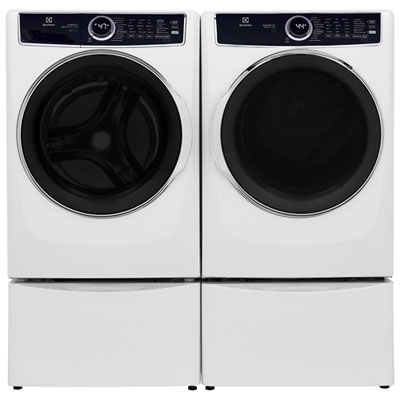
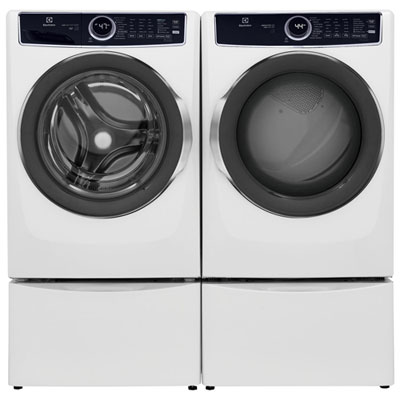
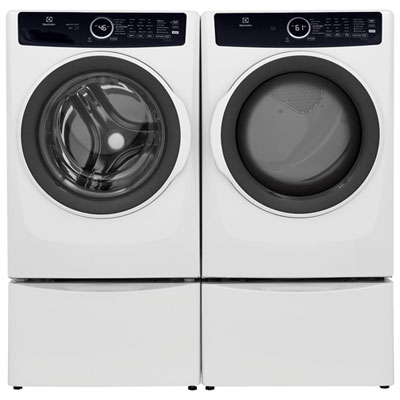
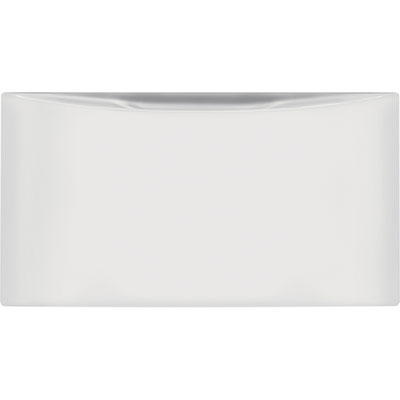
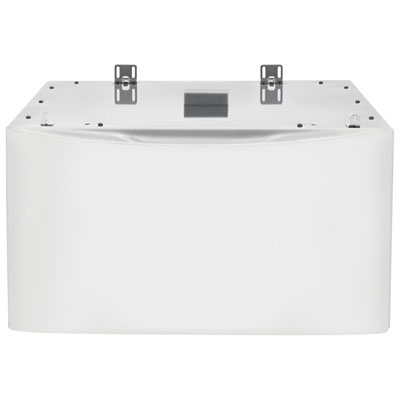
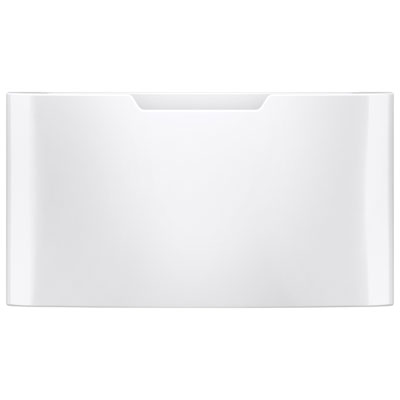
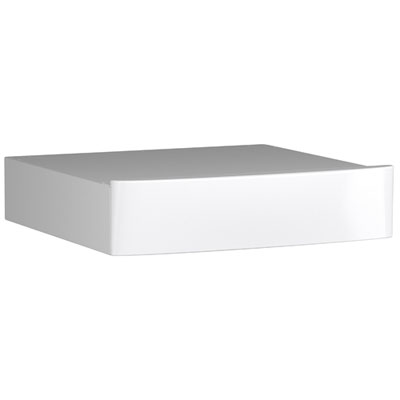
How height and finish shape a standout display
White pedestals are raised display stands, columns, or plinths with a white finish, used to present artwork, plants, floral arrangements, and other objects at a more noticeable height. Their simple appearance helps separate an object from its surroundings without adding much visual weight, making them useful in homes, galleries, shops, reception areas, and event spaces. A sculpture placed on a white plinth can become a focal point beside a living room window, while a floral arrangement raised on a column can frame an entrance without requiring a large table. Square and rectangular pedestals offer straight edges that suit geometric furniture and architectural details; cylindrical designs create a softer outline and have no projecting corners. Open-frame styles let more of the room remain visible, while solid-sided designs give a display a more substantial presence. White finishes also vary: a warm white can sit comfortably beside natural wood and cream upholstery, whereas a cooler white may suit pale stone, glass, and metal. Matte surfaces tend to draw less attention to reflections, while gloss finishes catch light and create sharper highlights. Under a spotlight or near a bright window, those differences can noticeably change the presentation. Height is another defining feature. A low pedestal can give a large floor-standing vessel a modest lift, while a taller column can bring a smaller object closer to eye level. The most suitable proportions depend on the display as a whole, including the height and width of the object on top. A tall vase on a tall, narrow stand may look top-heavy, even before stability is considered. For a cohesive arrangement, the pedestal should provide enough visible surface around the object to make the placement feel deliberate rather than crowded. White pedestals can work as a single accent or as a coordinated group, with varied heights creating a stepped presentation for a collection.
Material and construction influence how a white pedestal feels, how it handles regular use, and where it belongs. Painted wood and medium-density fibreboard, often called MDF, can provide smooth, opaque surfaces with a furniture-like appearance. Solid wood may show subtle grain or natural movement, while MDF offers a uniform surface but needs protection from moisture, particularly at exposed edges and joints. Laminate-faced designs can be practical for frequently handled displays, although seams and corners still deserve attention when assessing durability. Acrylic can create a crisp, contemporary look, but its surface may scratch if cleaned with abrasive cloths or unsuitable cleaners. Painted or powder-coated metal can suit slender frames and more structured shapes; resistance to wear depends on the quality of the finish and the conditions of use. Stone and stone-look pedestals may appear similar from a distance, yet differ considerably in weight, surface care, and ease of moving. A substantial appearance does not necessarily mean solid construction, either. Hollow plinths can be easier to carry between rooms or transport to an event, while heavier designs may be less convenient to reposition. Neither weight nor material alone establishes a pedestal’s load capacity, so the manufacturer’s stated limit matters more than appearance. Construction details such as reinforced tops, sound joints, and a level base are especially important when displaying dense objects. For everyday care, dusting with a clean, soft cloth helps preserve the finish. Spills should be addressed promptly, with cleaning methods matched to the material rather than treating every white surface alike. Plant pots benefit from watertight saucers or liners to keep moisture away from the top, and arrangements made with fresh flowers need containers that will not leak. Protective pads beneath rough pottery can help prevent scratches, provided they do not make the object unstable. Direct sunlight, nearby heat sources, and repeated contact with shoes or cleaning equipment can also affect a finish over time, particularly along lower edges.
Fit involves more than finding a pedestal that fills an empty corner. The top dimensions, base footprint, overall height, and usable space around the stand all contribute to a successful placement. Measuring the bottom of a sculpture or planter helps establish whether it will sit fully supported, without an edge hanging over the side. Checking the combined height of the stand and its display is just as useful beneath shelves, beside mirrors, or in front of windows. In a hallway, a pedestal should leave a comfortable route past it; near a doorway, there should be enough clearance for the door to open without contact. A level, firm floor offers a better starting point than thick carpet or an uneven surface, and a tall display needs particular care in a home with children or pets. Heavy objects should not be placed high up simply for visual effect, and any supplied anchoring or safety directions remain important. When comparing display formats, Pedestal Stands can provide a broader view of shapes and styles suited to different spaces. Intended use should still lead the choice. A pedestal beside a bed needs a reachable top and enough room for bedside essentials, but a display-only column is not automatically a substitute for a nightstand. Likewise, a plinth should not be treated as seating or a step unless it is expressly designed for that purpose. For weddings, receptions, and other gatherings, matching white columns can frame a ceremony space, support floral displays, or create varied levels around a presentation table. Cakes and refreshments need appropriate food-safe trays or stands rather than direct contact with a painted surface. Repeated event use also makes transport and storage worth considering: manageable weight, protected corners, and nesting construction, where provided, can simplify packing. Outdoor placement requires an explicit outdoor-use rating, since a white finish alone offers no assurance against rain or temperature changes. Whether supporting a favourite piece of pottery at home or presenting artwork in a shared space, a well-proportioned white pedestal gives the object room to stand out while keeping the overall arrangement clean and composed.
Material and construction influence how a white pedestal feels, how it handles regular use, and where it belongs. Painted wood and medium-density fibreboard, often called MDF, can provide smooth, opaque surfaces with a furniture-like appearance. Solid wood may show subtle grain or natural movement, while MDF offers a uniform surface but needs protection from moisture, particularly at exposed edges and joints. Laminate-faced designs can be practical for frequently handled displays, although seams and corners still deserve attention when assessing durability. Acrylic can create a crisp, contemporary look, but its surface may scratch if cleaned with abrasive cloths or unsuitable cleaners. Painted or powder-coated metal can suit slender frames and more structured shapes; resistance to wear depends on the quality of the finish and the conditions of use. Stone and stone-look pedestals may appear similar from a distance, yet differ considerably in weight, surface care, and ease of moving. A substantial appearance does not necessarily mean solid construction, either. Hollow plinths can be easier to carry between rooms or transport to an event, while heavier designs may be less convenient to reposition. Neither weight nor material alone establishes a pedestal’s load capacity, so the manufacturer’s stated limit matters more than appearance. Construction details such as reinforced tops, sound joints, and a level base are especially important when displaying dense objects. For everyday care, dusting with a clean, soft cloth helps preserve the finish. Spills should be addressed promptly, with cleaning methods matched to the material rather than treating every white surface alike. Plant pots benefit from watertight saucers or liners to keep moisture away from the top, and arrangements made with fresh flowers need containers that will not leak. Protective pads beneath rough pottery can help prevent scratches, provided they do not make the object unstable. Direct sunlight, nearby heat sources, and repeated contact with shoes or cleaning equipment can also affect a finish over time, particularly along lower edges.
Fit involves more than finding a pedestal that fills an empty corner. The top dimensions, base footprint, overall height, and usable space around the stand all contribute to a successful placement. Measuring the bottom of a sculpture or planter helps establish whether it will sit fully supported, without an edge hanging over the side. Checking the combined height of the stand and its display is just as useful beneath shelves, beside mirrors, or in front of windows. In a hallway, a pedestal should leave a comfortable route past it; near a doorway, there should be enough clearance for the door to open without contact. A level, firm floor offers a better starting point than thick carpet or an uneven surface, and a tall display needs particular care in a home with children or pets. Heavy objects should not be placed high up simply for visual effect, and any supplied anchoring or safety directions remain important. When comparing display formats, Pedestal Stands can provide a broader view of shapes and styles suited to different spaces. Intended use should still lead the choice. A pedestal beside a bed needs a reachable top and enough room for bedside essentials, but a display-only column is not automatically a substitute for a nightstand. Likewise, a plinth should not be treated as seating or a step unless it is expressly designed for that purpose. For weddings, receptions, and other gatherings, matching white columns can frame a ceremony space, support floral displays, or create varied levels around a presentation table. Cakes and refreshments need appropriate food-safe trays or stands rather than direct contact with a painted surface. Repeated event use also makes transport and storage worth considering: manageable weight, protected corners, and nesting construction, where provided, can simplify packing. Outdoor placement requires an explicit outdoor-use rating, since a white finish alone offers no assurance against rain or temperature changes. Whether supporting a favourite piece of pottery at home or presenting artwork in a shared space, a well-proportioned white pedestal gives the object room to stand out while keeping the overall arrangement clean and composed.
Top selling and popular products
-
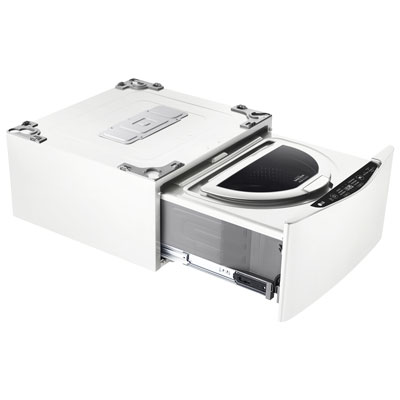 Your price for this item is $199.97
 -
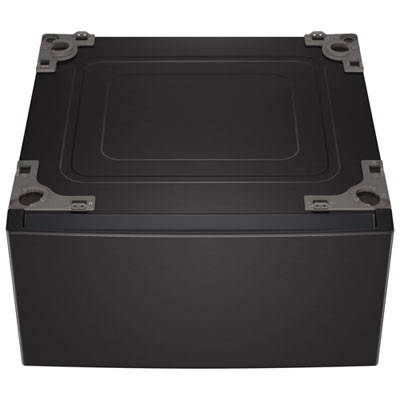 Your price for this item is $294.99
 -
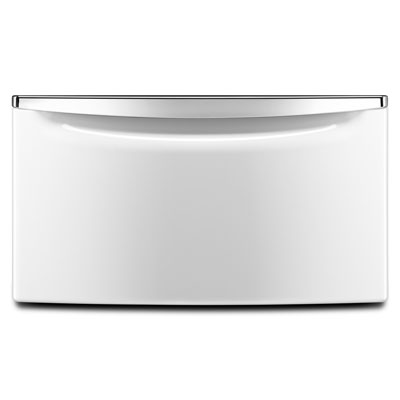 Your price for this item is $384.99
 -
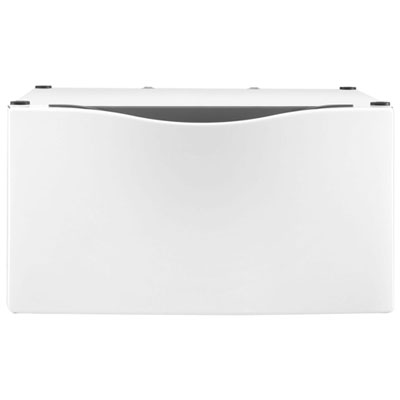 Your price for this item is $384.99
 -
 Your price for this item is $294.99
 -
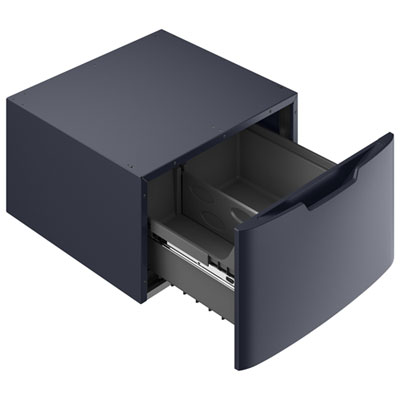 Your price for this item is $449.99
 -
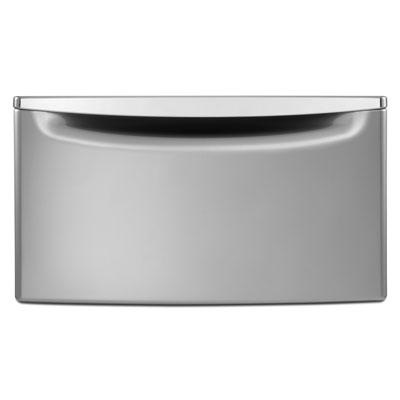 Your price for this item is $384.99
 -
 Your price for this item is $384.99
Discover more categories related to White Pedestals
Top Collections:
Pokemon Centers, Kindle Devices, Budget 4K TVs, Canon G7X Cameras, Apple iPhones 16, iPhone 15 Apple, Refurbished Apple Laptops, Motorola Razr Phones, Flip Phones, Needoh Sale
Some products may be subject to Environmental Handling Fees
(EHF) depending on your province.
Learn more about EHFs.