Wide-Angle Lenses for Travel Photography
Explore wide-angle lenses for travel photography to fit more of a landscape, city street, or building into a single frame. Compare camera mount compatibility, focal length, and lens weight to find an option that works with your camera and is practical to carry on your travels.
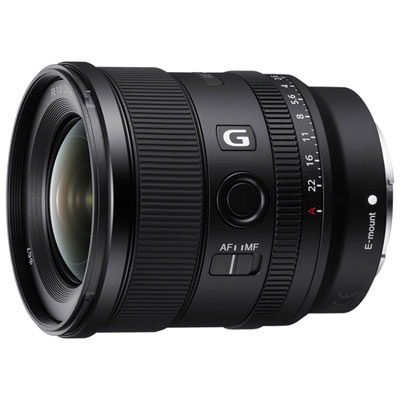
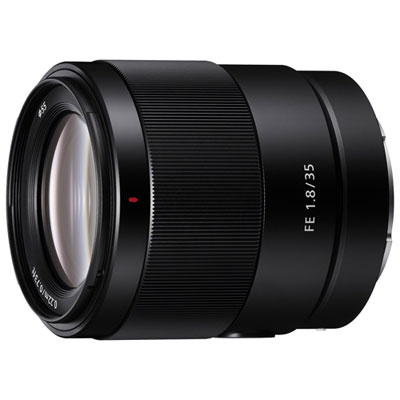
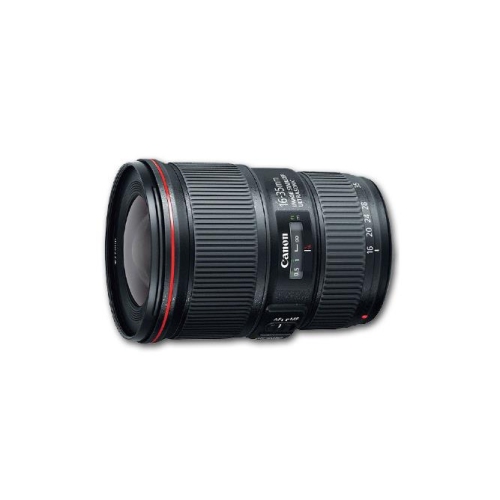
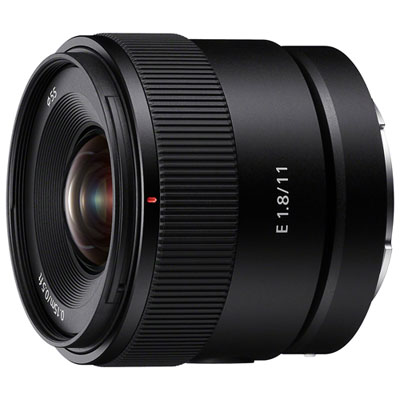

























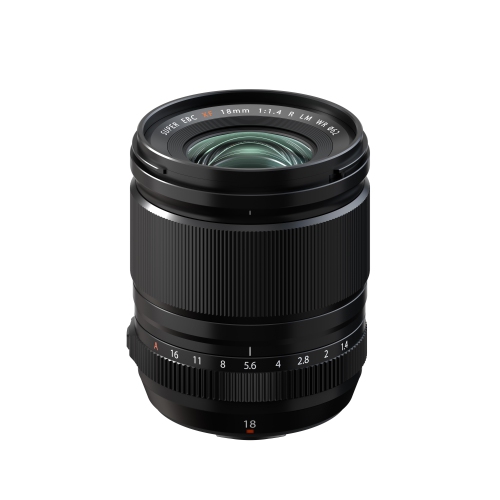
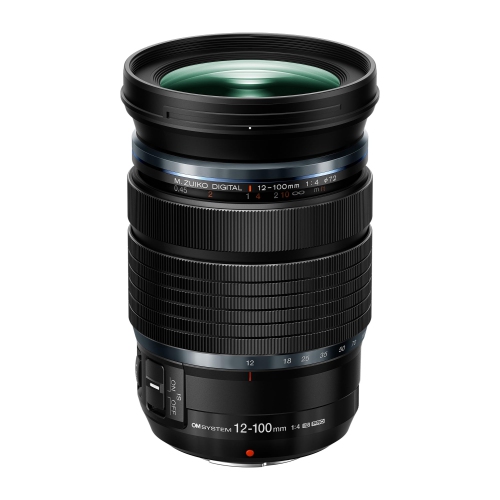
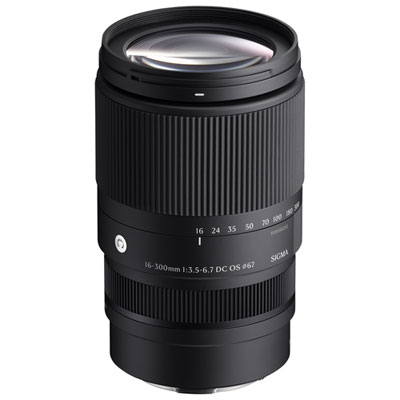
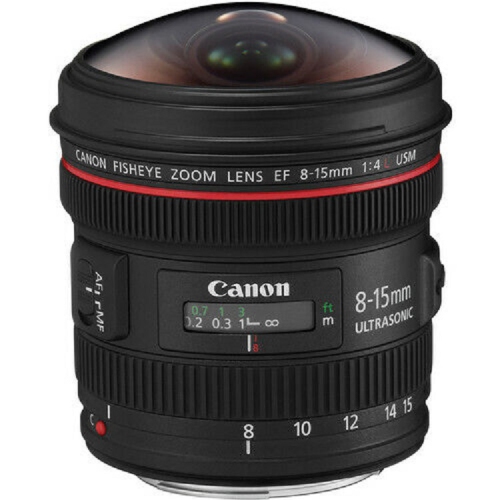


FAQ
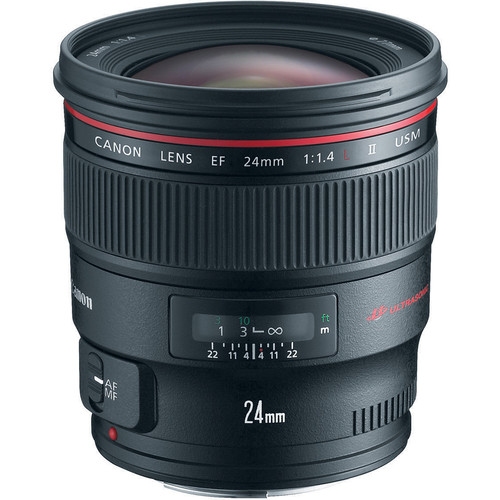
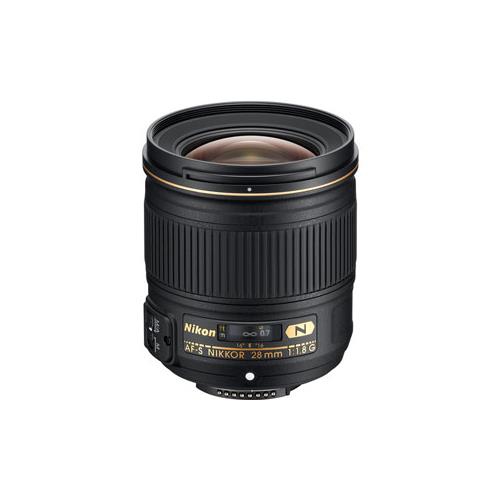
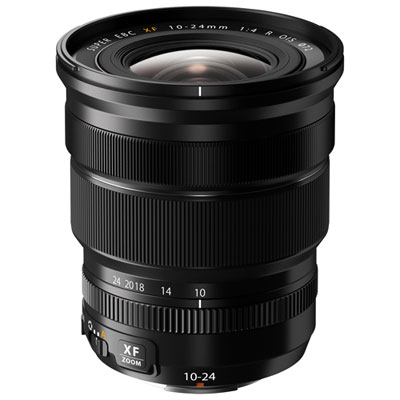
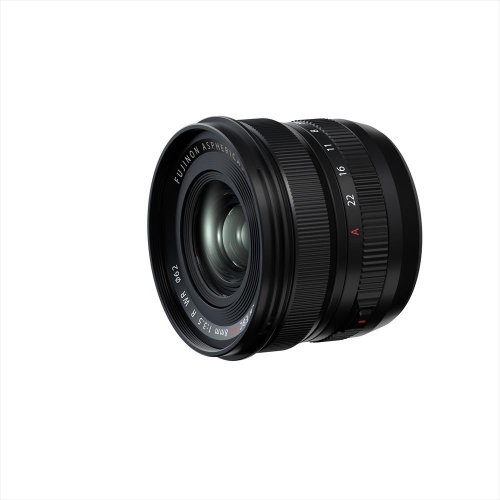
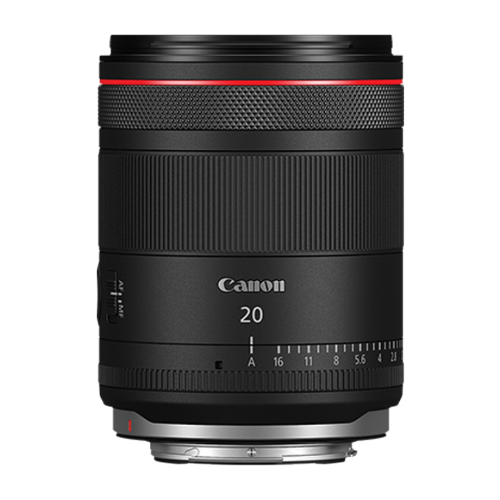
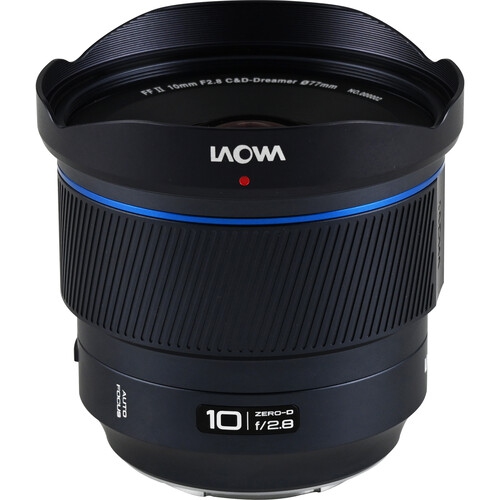
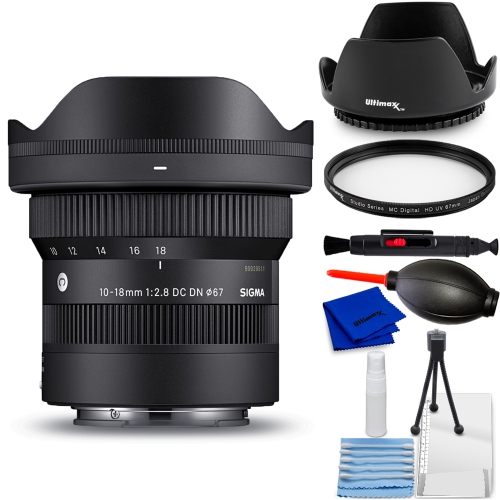
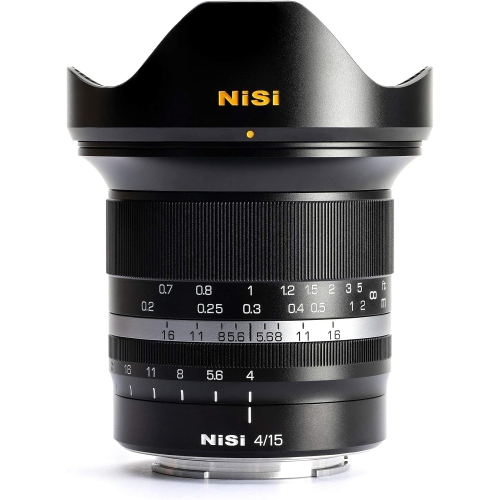
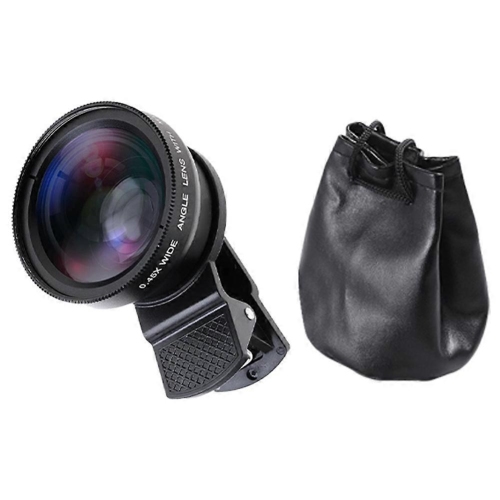
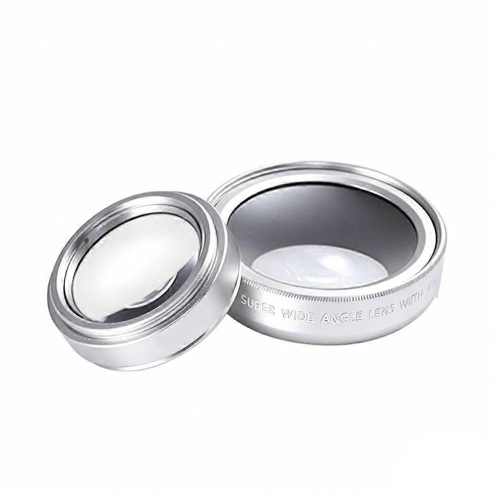
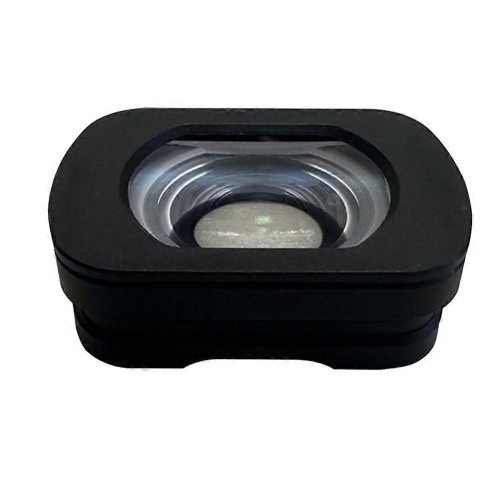
Wide-angle lenses are commonly used for landscapes, architecture, city streets and interiors. Their broad field of view lets you include a subject and its surroundings in the same frame. They also suit travel storytelling, such as showing a market stall within a bustling square or a landmark alongside nearby streets.
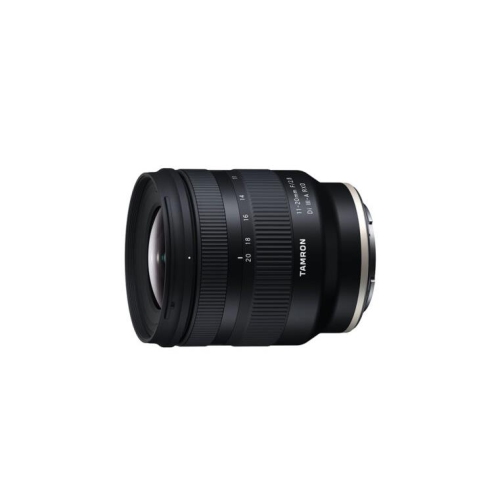
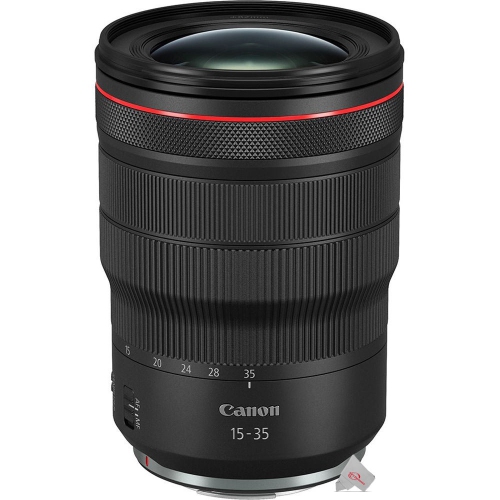
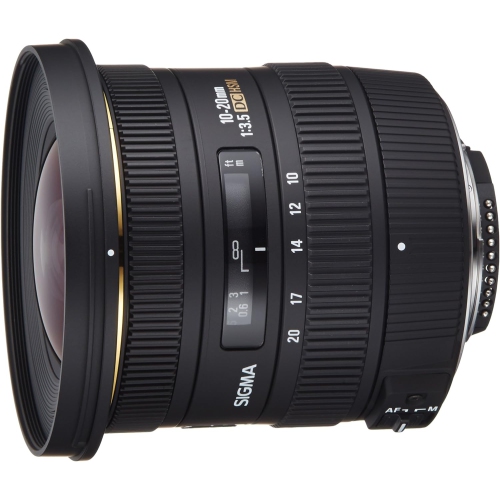
A wide-angle prime lens has a fixed focal length, so you change your position to adjust the composition. A wide-angle zoom lens offers a range of focal lengths, letting you change the framing from the same spot. The choice depends on whether you prefer a fixed perspective or more framing flexibility.
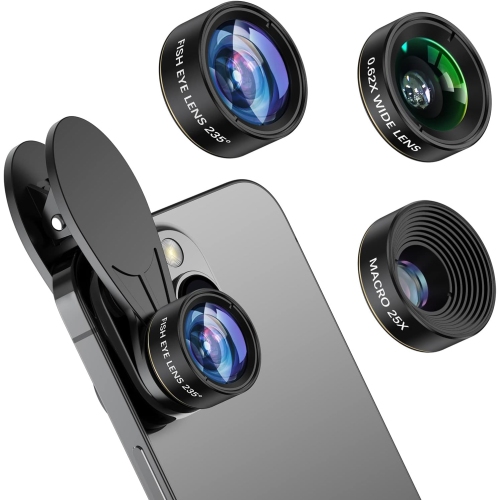
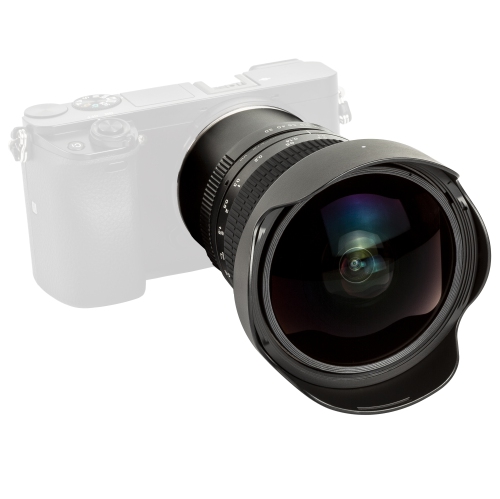
Rectilinear wide-angle lenses are designed to keep straight lines looking straight, making them a common choice for architecture and interiors. Fisheye lenses deliberately create a curved appearance, especially near the edges of the frame. They offer a more stylized look for travel scenes.
Include a foreground element, such as a pathway, rock or architectural detail, to give the scene depth. Use leading lines to guide attention towards your subject, and check the edges for distractions. Keeping the camera level can help limit the appearance of buildings leaning backwards.
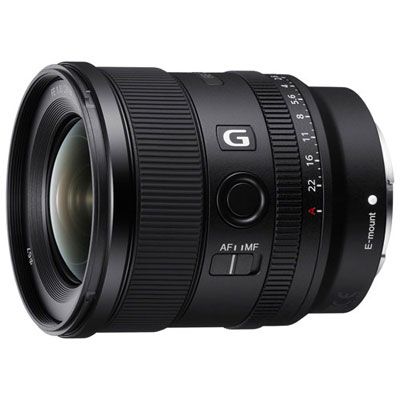
Check that the lens mount matches your camera and that the lens is listed as compatible with your camera model. If an adapter is required, confirm which functions it supports, including autofocus and aperture control. Compatibility details can vary between camera systems and lens generations.
Top selling and popular products
Discover more categories related to Wide-Angle Lenses for Travel Photography
Some products may be subject to Environmental Handling Fees (EHF) depending on your province. Learn more about EHFs.