110V Plug-In Lunch Warmers for Work

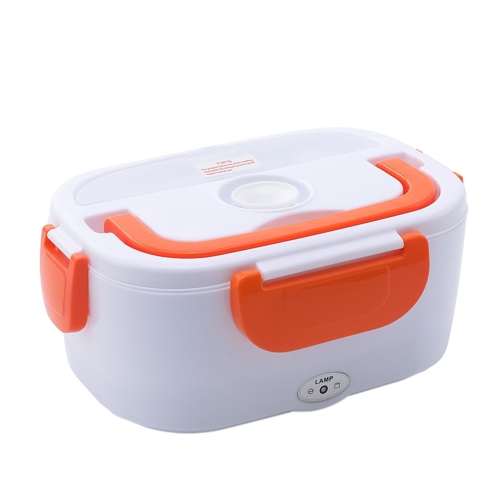
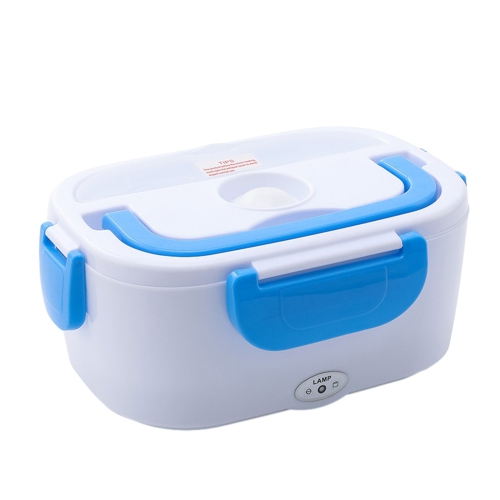
110V plug-in lunch warmers for work let you warm meals using a compatible electrical outlet. Compare capacity, dimensions, and heating instructions to find an electric lunch warmer that suits your portions, available space, and lunch-break routine.
Sort

A hot packed lunch without the microwave queue

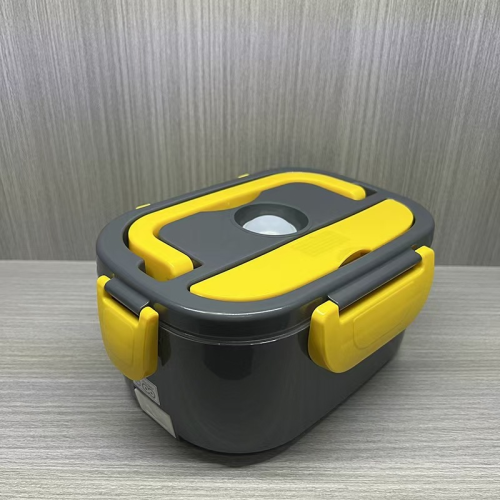
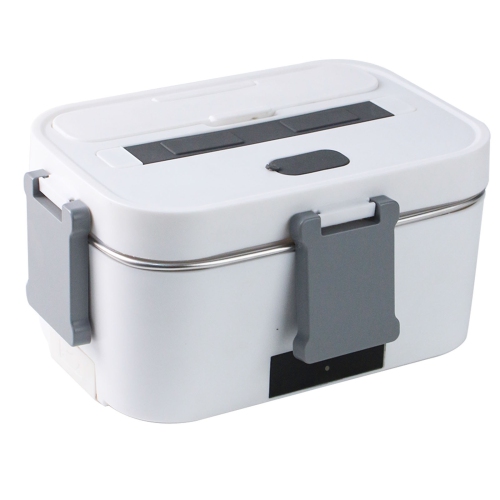
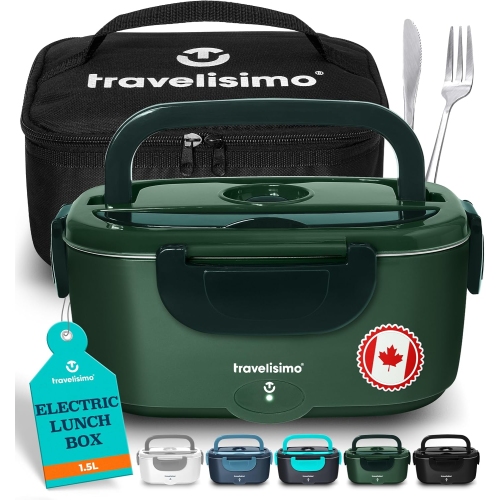
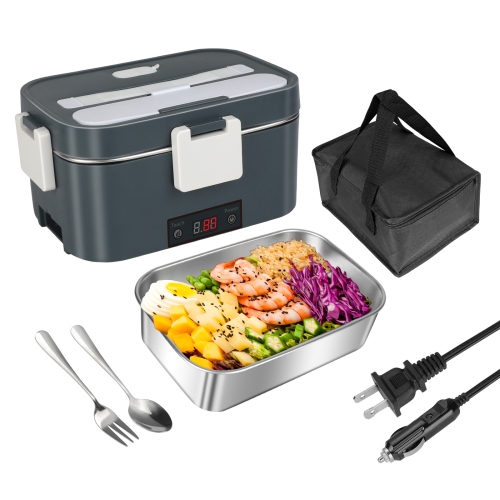
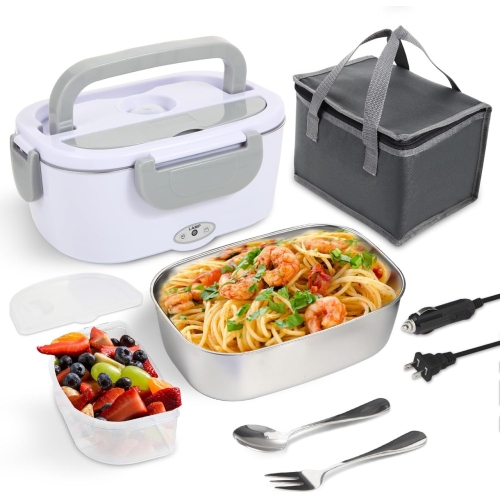
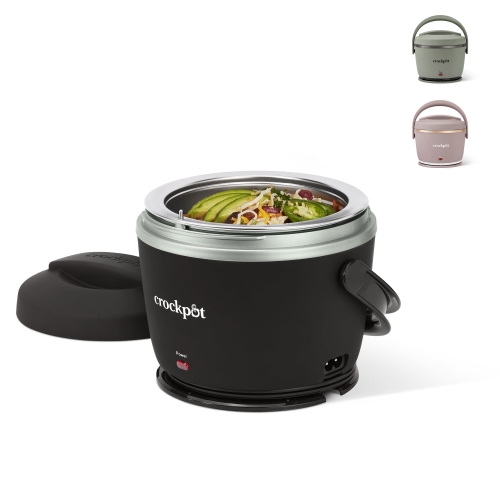
110V plug-in lunch warmers for work offer a way to enjoy a hot packed meal using a compatible wall outlet, without relying on a shared microwave. These portable electric food warmers use a heated base or heating surface to transfer warmth into a food container, making them useful for office lunches, staff-room breaks and other workplaces where personal food-heating appliances are permitted. A portion of pasta, rice with vegetables, or a stew can travel in a compact container rather than a full-size kitchen dish. The appeal is a familiar meal close at hand, particularly when the lunchroom is on another floor or the microwave queue takes up much of a short break. Although these appliances are often described as 110V lunch warmers, standard Canadian wall outlets supply a nominal 120V; the appliance rating must confirm compatibility with the available power source. Wall-powered operation is also different from battery operation: a plug-in warmer generally needs to remain connected while heating unless its specifications state otherwise. Heating performance depends on wattage, portion size, food density, starting temperature and container design, so there is no single heating time that applies to every lunch. A shallow serving of vegetables and rice will not necessarily warm at the same rate as a deep container of refrigerated casserole. Manufacturer-provided heating information is more useful than assuming that every meal will be ready within a fixed number of minutes. Many lunch warmers are intended for warming or reheating prepared food, not cooking raw meat or taking the place of a kitchen appliance. Their suitability also depends on the work setting: a stable, dry surface near an approved outlet is quite different from a crowded counter beside a sink. Compact dimensions, straightforward controls and a cord that reaches safely without crossing a walkway all contribute to a warmer that fits naturally into the working day. Quiet operation may be helpful around shared desks, while a clear power indicator makes it easier to see whether the appliance is switched on.

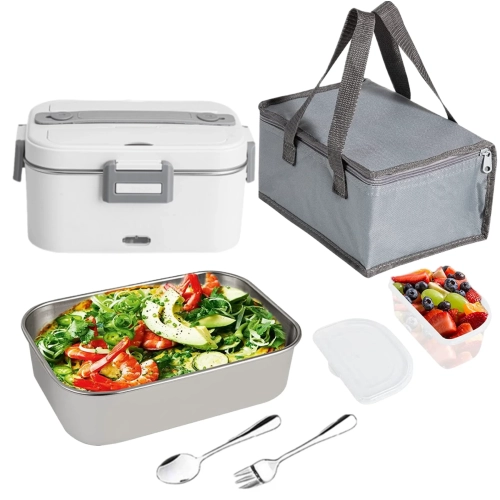
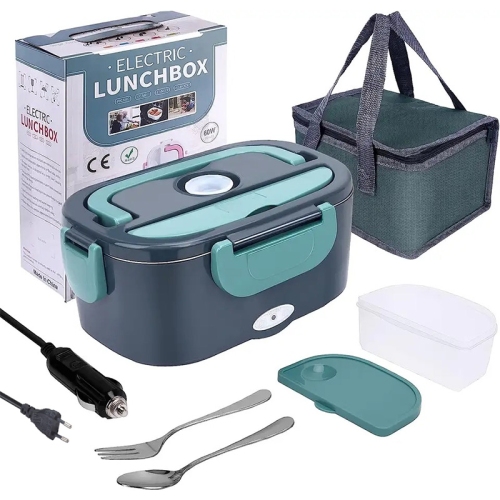
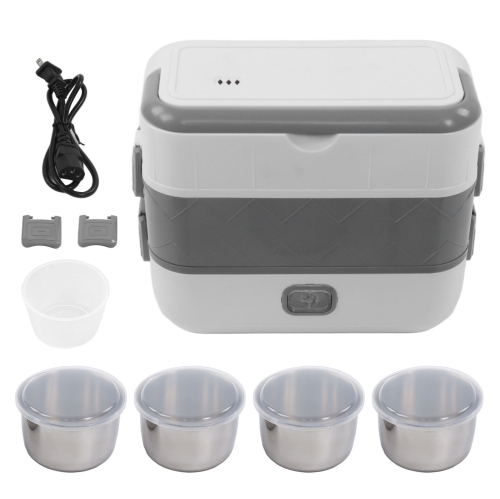
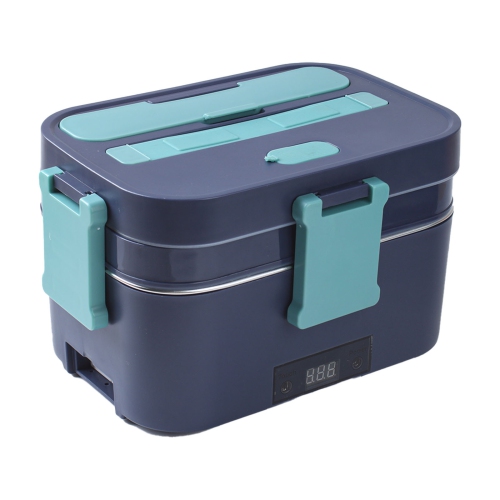
Container size and construction have a noticeable effect on how a lunch warmer feels to use. Capacity in litres provides a useful starting point, but the shape of the food insert matters just as much. A wider, shallower container can accommodate a layered lunch, while a deeper insert may suit soup or a generous serving of chilli, provided the warmer is designed for that food. Compartments help keep foods separate, although a divider does not necessarily prevent sauces from moving between sections during transport. Enough room for a satisfying portion is helpful; excess bulk can make a warmer awkward to carry alongside a laptop, water bottle and work supplies. Removable stainless steel inserts are common because they tolerate regular washing and do not readily retain food odours. The grade of steel, finish and care requirements should be confirmed in the product specifications rather than inferred from appearance. Plastic lids, seals and outer housings have different care needs, and a dishwasher-safe food insert does not mean the powered base or every lid component can go in the dishwasher. Smooth corners, accessible seals and parts that lift out easily make it simpler to remove sauce from edges and keep the container clean between meals. For frequent use, secure handles, sturdy latches, a well-supported cord connection and replacement-part information are practical durability considerations. A carrying handle is not proof that a lid is leakproof, and an insulated cover is not proof that food will remain safely chilled during a commute. A separate insulated lunch bag with ice packs may still be needed for perishable food before reheating. Keeping bread, fresh salad or fruit in a separate container also preserves the contrast between a warm main dish and a crisp side. Details such as where utensils fit, whether the cord detaches and how much space the open lid needs can matter as much as the stated capacity when lunch is eaten at a small staff-room table.

The best fit for a work lunch is shaped by both the meal and the routine around it. Office staff, workshop employees and workers with access to a suitable break-room outlet may appreciate a personal warmer, while anyone moving between job sites needs to consider where power will actually be available. A wall-powered lunch warmer is not automatically suitable for a car or truck socket. For workers who also need a vehicle-powered option, Lunch Box 12V offers a related category to explore. Some warmers support more than one power source, but compatibility must be stated for the exact appliance and its supplied cords; a different connector alone does not make voltages interchangeable. Workplace appliance rules and an electrical certification mark recognized in Canada are important considerations for daily use. Food handling matters just as much as electrical compatibility. Perishable lunches should remain refrigerated at 4°C or below until reheating, and leftovers should reach an internal temperature of 74°C when reheated, checked with a food thermometer. A warm lid, visible steam or a hot outer edge does not establish that the centre of the meal has reached that temperature. Follow the appliance’s directions for safe reheating, and do not assume a unit designed only to hold hot food can safely reheat a chilled meal. Where hot holding is supported, food should remain at 60°C or above; simply leaving lunch plugged in is not a substitute for confirmed temperature control. After use, unplugging the warmer and allowing it to cool before cleaning helps protect both the appliance and the person handling it. For someone who regularly packs lunch, a warmer can also be a thoughtful gift when its capacity, power requirements and cleaning needs match their routine. The most useful choice is one that accommodates familiar meals, travels securely and can be cared for easily enough to become part of an ordinary workday.

FAQ

Some products may be subject to Environmental Handling Fees (EHF) depending on your province. Learn more about EHFs.